

Having Fun With Shadows
The Year 2 classes have been learning about light and dark during their Science lessons. They have looked at different light sources and can identify those which are man-made and those which occur naturally.
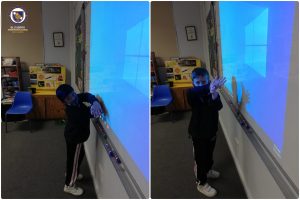
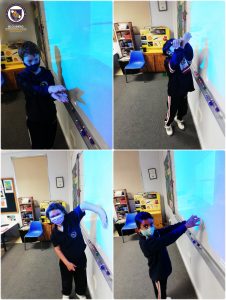
We had some fun during our last Science lesson, using shadows to make funny creatures on the whiteboard, using the light from the projector to create shadows. My class decided that this was the best Science lesson. There was much laughter as their classmates tried to guess what the creature made by their friends were.
Kim Coetzer
Year 2 Teacher
Read More
Marvellous Materials
We have been learning about marvellous materials in our Science lessons in Year 1. Exploring, investigating and identifying different materials is all part of the fun and we have been very busy this week.
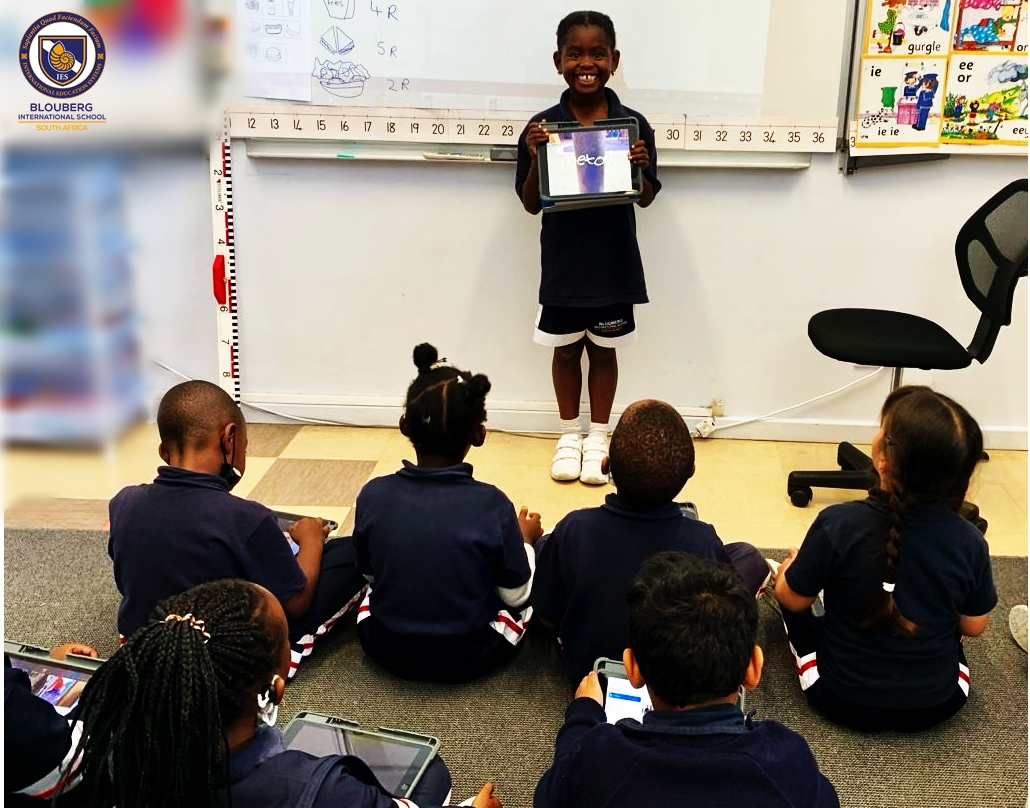
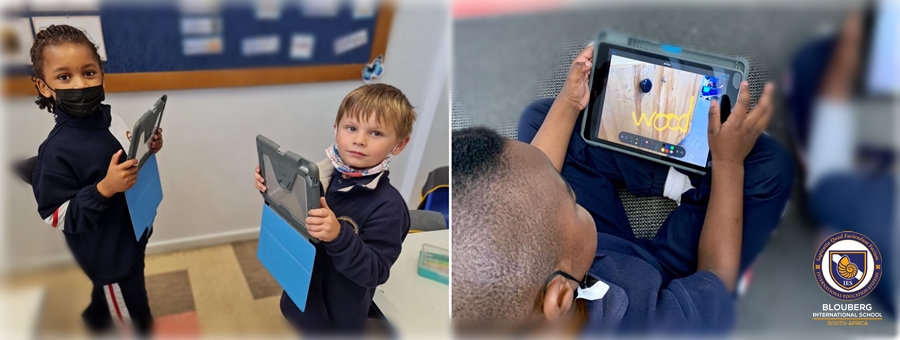
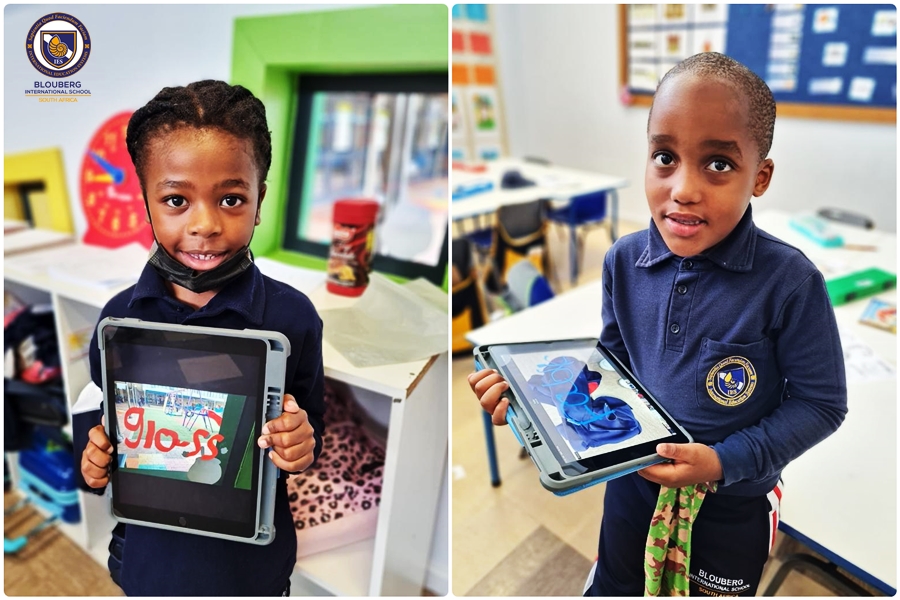
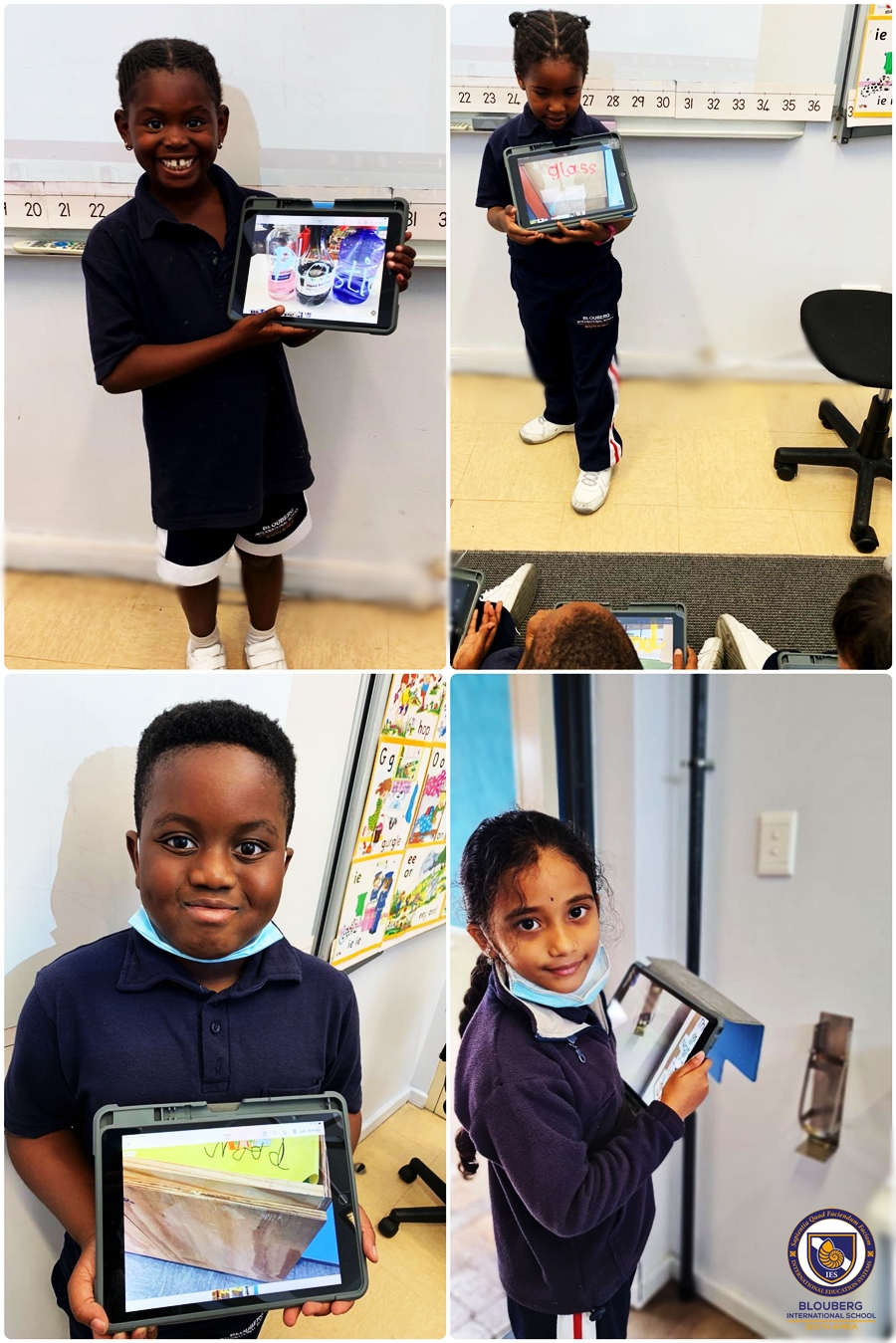
We used the school Ipads to identify and take pictures both inside and outside of the classroom of 4 different types of materials, “glass, plastic, wood and metal.” The students then edited and labelled each picture they took and presented it back to their friends in class.
We were very impressed by the discoveries the Year 1s made and how well they recorded their findings.
The students thoroughly enjoyed these interactive activities!
Charlotte Cronje
Year 1 Teacher

Read More
So What Is Computer Science?
It has been an exciting three terms for our computer science students. We are currently fostering skills in problem solving and looking at how computer science fits into the bigger scheme of things.
So what is computer science?
Computer science is the study of processes that interact with data and that can be represented as data in the form of programs. It enables the use of algorithms to manipulate, store, and communicate digital information.
Why the sudden hype around, and spike in interest in, the coding field? How does this field of study benefit the student?
There are so many reasons to learn coding from job opportunities, critical thinking skills and creative outlets. Programming teaches problem-solving skills, offering challenges which develops resilience in the students. Coding teaches students how to think and instills a love of mathematics.
Margaret Mead said “Children must be taught how to think not what to think”
Too often we give students the answers to remember, instead of problems to solve. Although computers are an everyday tool for the 4th industrial revolution generation, it is extremely important that we train our next generation to think like humans and not like machines.
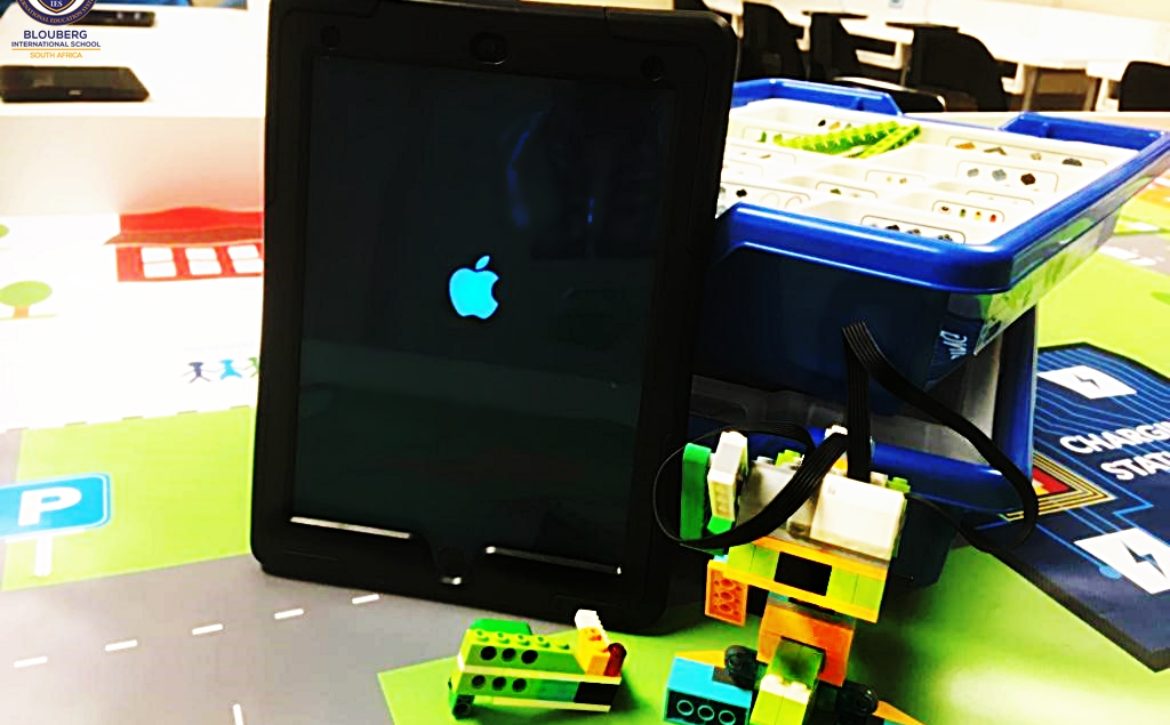
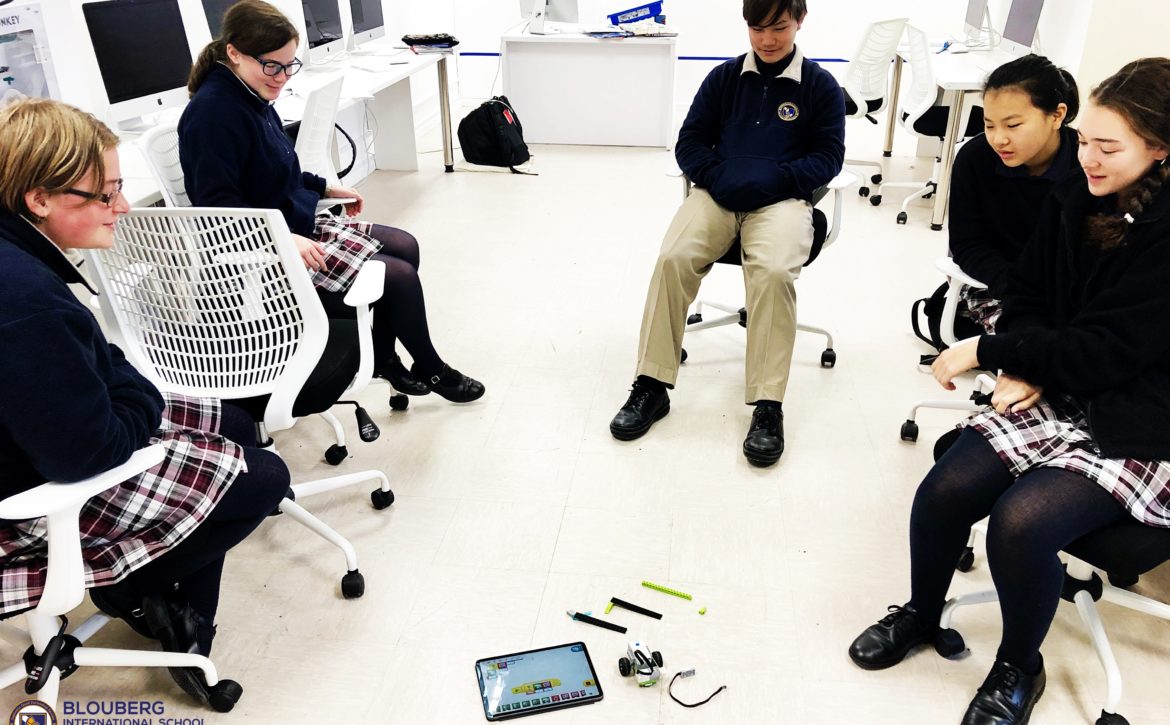
Our Year 9 IGCSE computer science group did a practical demonstration showing how sensors are used in a computer system to create warning and action programs. Traditionally, this concept is taught through textbook-learning, without any practical application. At Blouberg International however, we are fortunate to have technologies which allow our students to experiment with the practical application of their learning, bringing the content alive!
We look forward to creating the next great software developers and mechanical engineers.
Gemayel Kroukamp
IGCSE & AS Computer Science