

Year 7 and 8 Art
Art, caft and design embody some of the highest forms of human creativity. A high-quality Art and Design education should engage, inspire and challenge students, equipping them with the knowledge and skills to experiment, invent and create their own works of Art, Craft and Design.
As students progress, they should be able to think critically and develop a more rigorous understanding of Art and Design. They should also know how Art and Design both reflect and shape our history, and contribute to the culture, creativity and wealth of our nation. Therefore, exposure to various fields and techniques is what Art in Year 7 and 8 is all about.
At the start of Year 7, we focus on the formal elements of Art as well as the principles of Design. These make up the foundation needed to create all artwork.
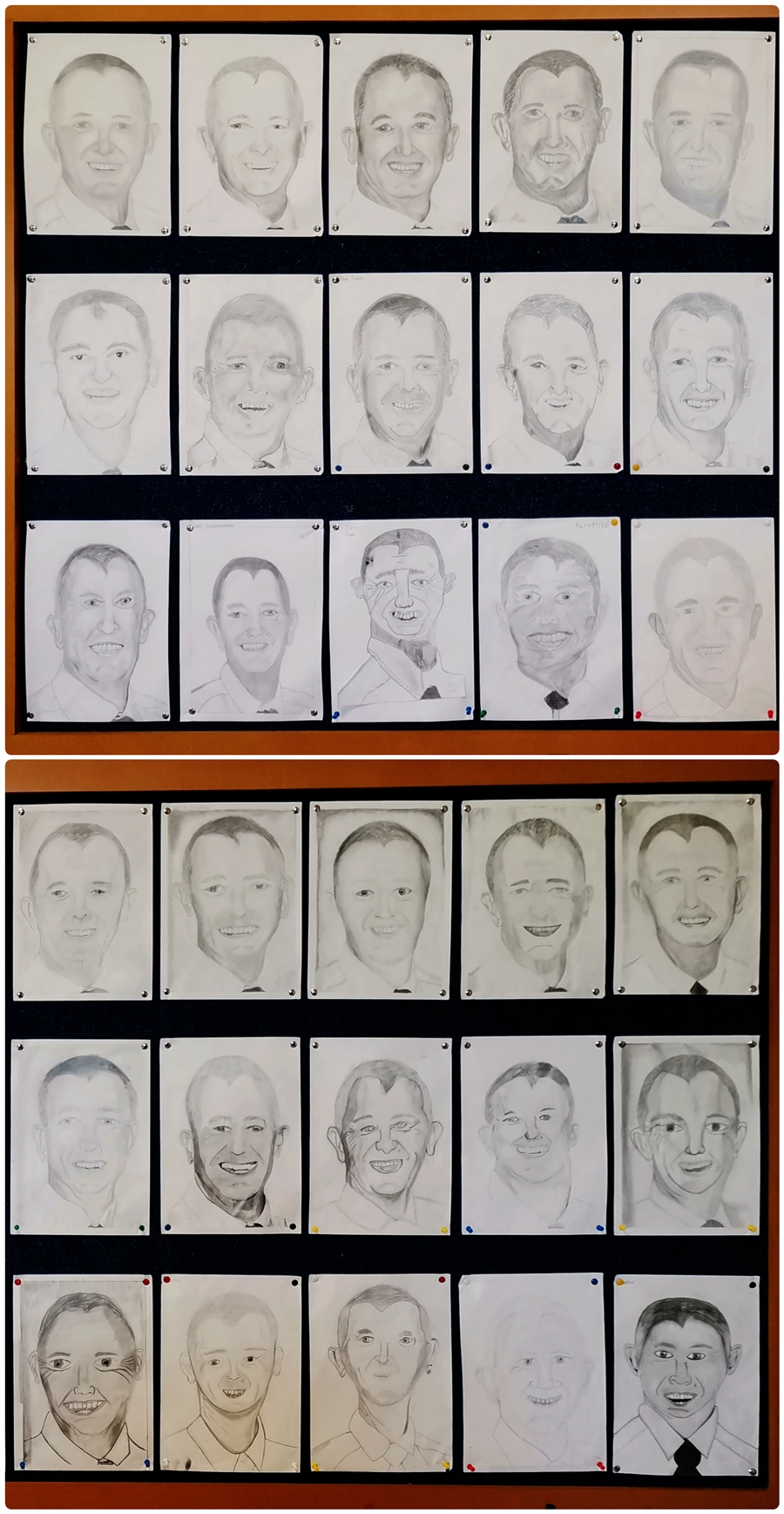
During Term 2, we started with teaching students the skills to draw different facial features. After this, they had to put their newly acquired skills to use by drawing a portrait of our principal from a photo. The results are astounding. This is in preparation for Year 8 where they do self-portraits.
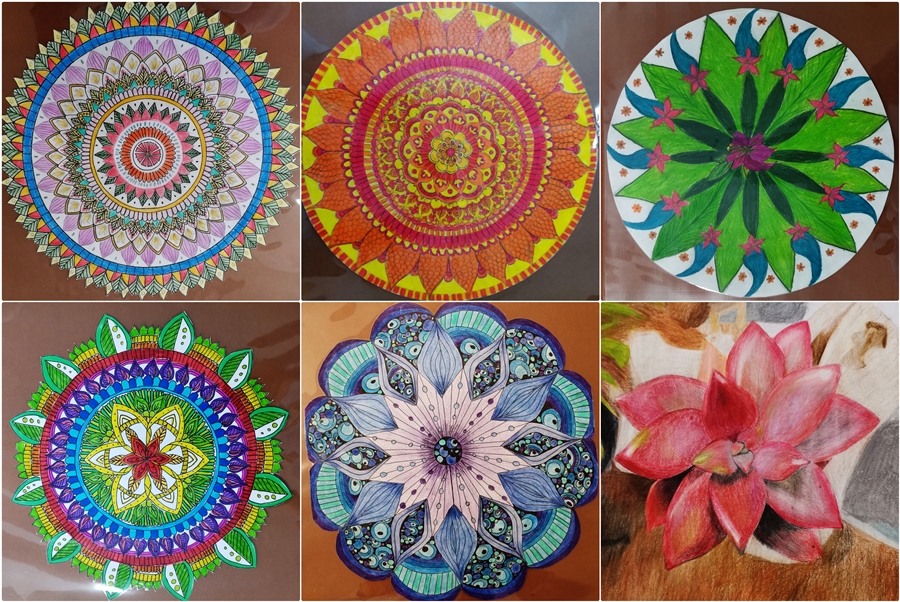
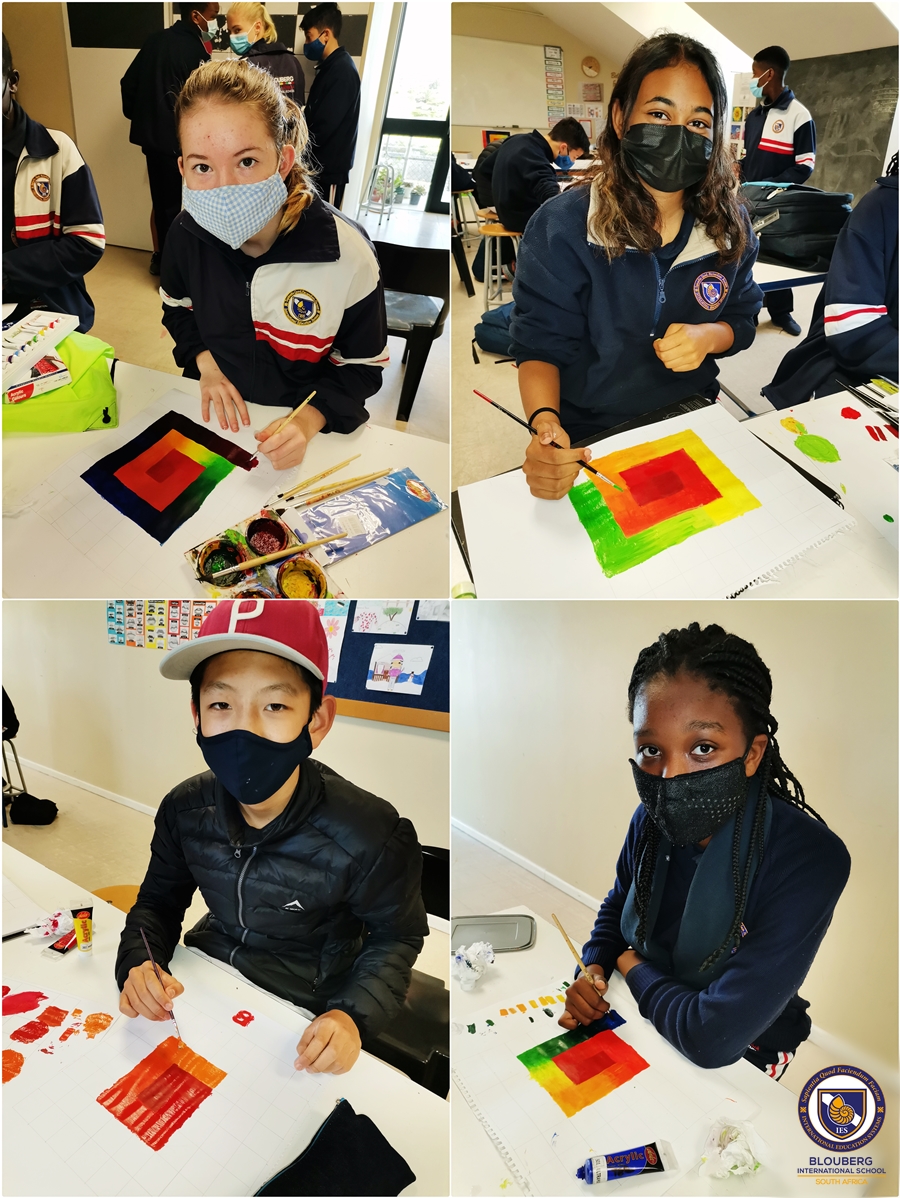
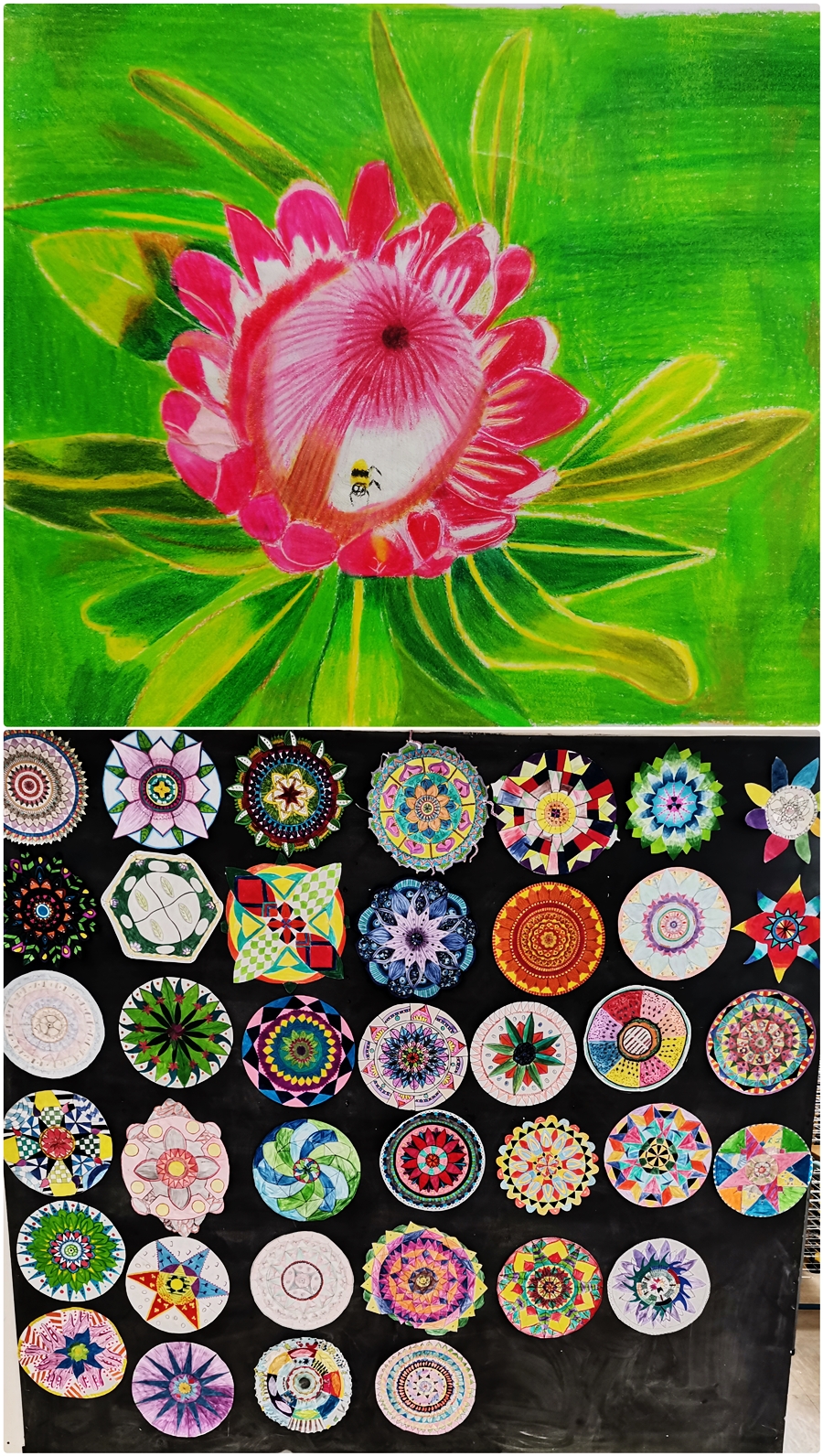
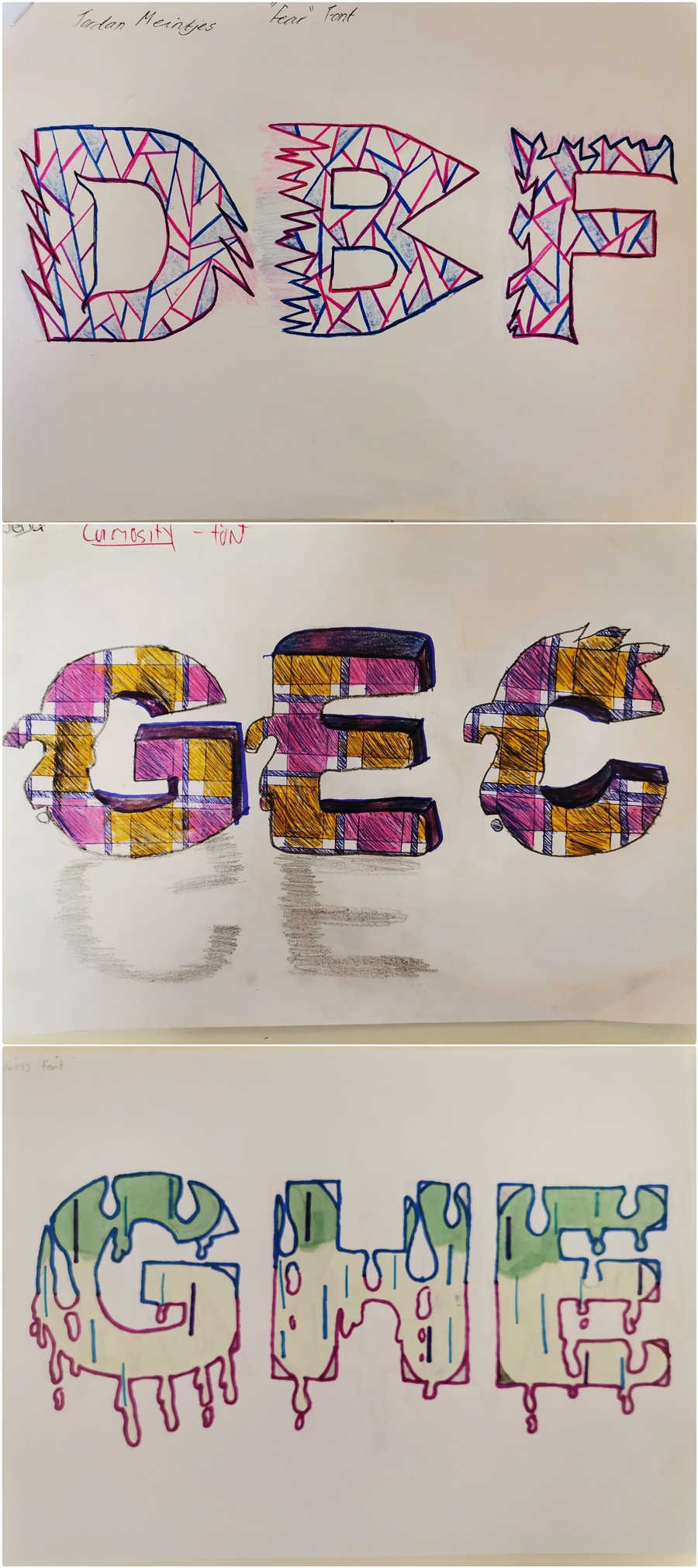
Colourful Mandalas were the order of the day in their June practical exam. This served as yet another opportunity to show their creative skills and freedom of expression. Currently the Year 7’s are busy with paint blending while the Year 8’s are exploring the world of Graphic Design. They are designing their own emotion-inspired font and using this in further practical tasks.
In Term 4, both Year groups will be exploring other areas of Art and Design as well. The purpose of exposure to the various areas of Art and Design is to help students make a more informed decision when it comes to taking Art as a subject at IGCSE or AS Level.
Art in Year 7 and 8 is exciting, challenging and a test for student’s creativity, thinking, hard work and dedication.
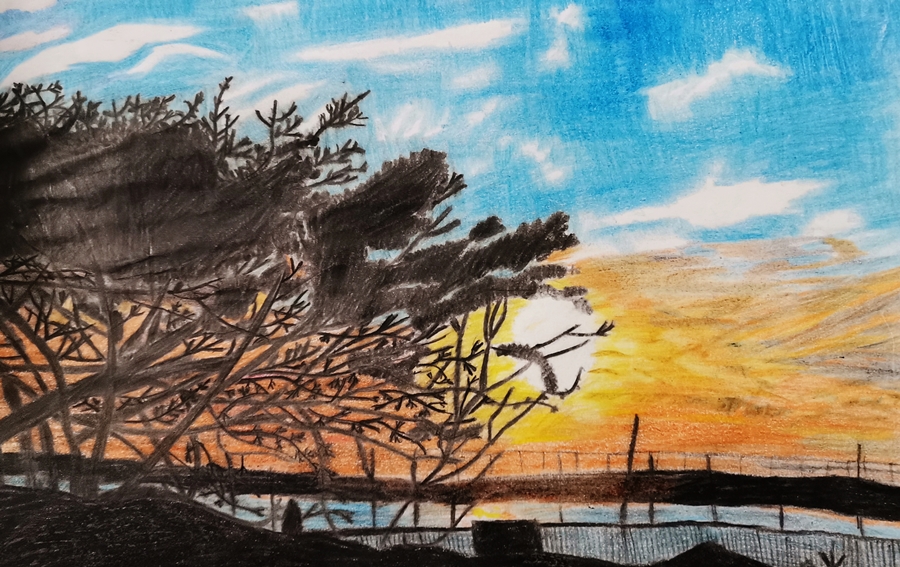
They say a picture is worth a thousand words so here are a few examples of what the Year 7 and 8’s have been up to thus far in 2021…
Ane Gornall
Year 7 and 8 Art and Design Teacher

Read More
Not only drawing and painting
Cambridge Art and Design is not just one subject; it is many subjects. The syllabus covers a wide range of artistic activity divided into broad areas of study: Painting & related media, Non-traditional media, Mixed media, 3-D Painting, New Media, Printmaking, Three-dimensional studies, Photography and digital media, Graphic communication and Textile or Fashion Design and Craft design.
What is non-traditional media?
Non-traditional media include a wide range of modern materials that are used together or combined with traditional materials. They include collage, textiles, and waste materials. Collage artists often collect magazine photographs and coloured papers which enables them to choose a range of shapes and colours for their work.

BRC Designs’ Capped Out Chair consist of hundreds of salvaged bottle caps layered over a structure composed of 99% recycled steel finished with a white powder coating. The soda bottle caps are attached using zip ties, giving the chair a colourful and comfortable surface for sitting. The Capped-Out Chair is part of a collection also includes a spiky fruit bowl made from bottle tops and zip ties.

“The Scrabble Game, January 1”, 1983, David Hockney, photographic collage.
In the early 1980’s, English painter David Hockney began creating intricate photo collages that he called “joiners”. His collages consists of compositions made up of photographs.
3-D Painting
Combining painting with 3-D objects has been popular since Cubism. Picasso and Braque added small pieces of card, wood, and metal to their canvas. By painting this assemblage, the viewer must try and work out what is real and what is painted, and what is 2-D and what is 3-D.

One person’s trash can be another person’s treasure. Kirkland Smith makes assemblages with an overwhelming array of “found” objects. Smith’s assemblages have been displayed individually at environmental conferences and meetings, but more often are collected and displayed simply for their aesthetic appeal.
Three-dimensional studies
Three-dimensional (3-D) studies include a large variety of materials and approaches for creating art. These studies involve working in 3-D forms with one or more materials rather than on a flat, 2-D surface. This means you need to be particularly aware of space, volume, and form. 3-D studies can include: sculpture, ceramics, theatre and set design, environmental and architectural design, product design and craft design.
3-D studies can also overlap with other areas of art depending on which materials you work with. For example, a sculpture made of fabric might also be described as textiles.
Theatre design / Set design or Environmental / Architectural design
Theatre and set design involve creating ideas to support performances or productions of drama, dance, or music. This can include design work such as: a stage set or scenery, props or accessories, costumes, masks, and headdresses.
Like other areas of 3-D studies, you can present your work in various formats, including: photographs, digital images, scale drawings and 3-D scale models.
You can choose any aspect of theatre or set design as your focus, which will help to decide the materials and scale of your work. For example, if you enjoy working with fabrics and have an interest in fashion, you can design a costume for a character in a performance. Alternatively, you can make a stage set for a production as a scale model. You may also design the lighting for a stage production and consider what impact this has on the audience.

A set design for “Trick or Treat” by scenic designer, Michael Ganio.
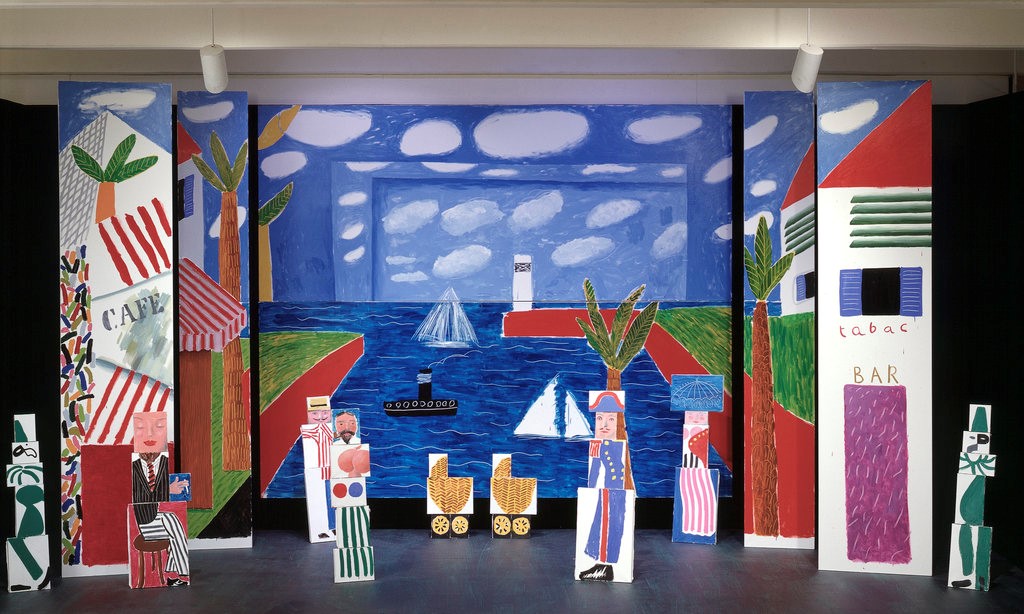
Small scale stage set design with painted environment with separate elements based on the set design for Poulenc’s opera, The Breasts of Tirésias, 1983 by David Hockney.
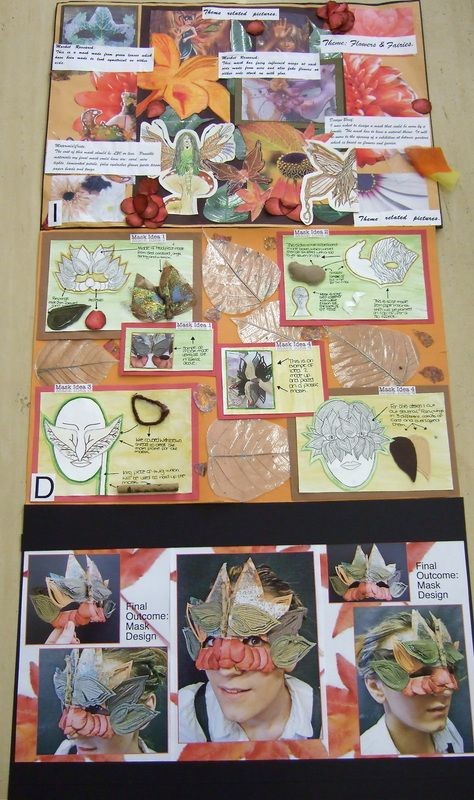
IGCSE design using craft to make designs for a mask.
What is environmental and architectural design?
Environmental and architectural design involves creating ideas on a large scale. It includes designing new buildings, structures, or spaces that people can use. This type of 3-D design is about enhancing the surroundings in which people live and work.
You could design for a domestic, commercial, or retail space, you might also consider designing a garden or landscape. Creating sustainable and environmentally friendly design can also be a consideration.

IGCSE Art project using corrugated cardboard
You can use the following techniques to present your work, or any other technique that you think is useful or relevant: scale models, scale drawings, CAD, and photo montage.
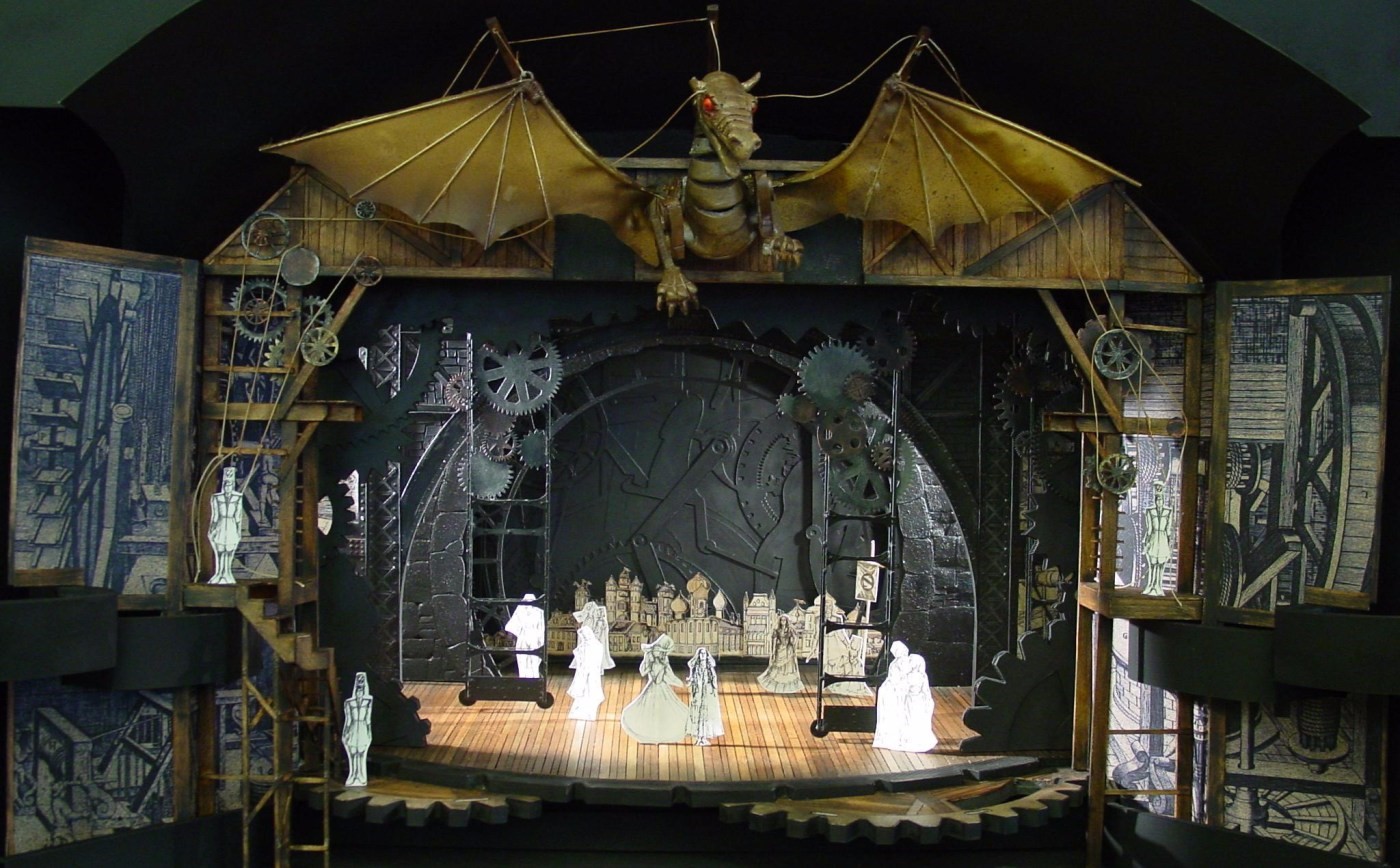
Set design for “Wicked” by Tony Award winner, Eugene Lee, and Edward Piece.
Product design
Product design involves inventing new items that are either functional, decorative or both. Most products overlap between the categories. Products are often created in response to a design brief. This means that the design of a product involves solving any problems and requirements that are necessary to fulfill the brief. This process includes selecting the right materials and making sure the product functions properly, as well as looks attractive. It must also include making sure that the product is cost-efficient.

Product designs

Product designs
Like other areas of 3-D design, product design can range in scale from small to exceptionally large. You may decide to design a large-scale product such as a piece of furniture, but you do not need to make a full-sized model. You can communicate your designs as a scale model. However, you do need to show your understanding of how the full-size product would be made. This should include any manufacturing processes or specific techniques that are required to make the outcome. You must also use 2-D techniques to record the various stages of your work and ideas.
Craft design
Craft design covers many types of skillful making by hand. Like most areas of 3-D studies, craft can be either functional or decorative, or both.
Examples of craft design are jewellery, wire and metalwork, paper mâché, mosaic, puppet-making and local craft such as basket weaving.

IGCSE Craft design
Jewellery
Jewellery is any sort of design object that can be worn on the body. It is usually fairly small scale but can also be quite large and elaborate. Consequently, jewellery is often linked with fashion design. Examples of jewellery are rings, necklaces or pendants, bracelets or bangles, earrings, and brooches or badges.
Traditional materials for making jewellery include wood, metal, glass, clay, precious stones and natural fibers or products such as shells, seeds, bone, or seedpods.
Modern materials and creative techniques use other materials such as plastic, paper, recycled materials, resin, and fabrics.
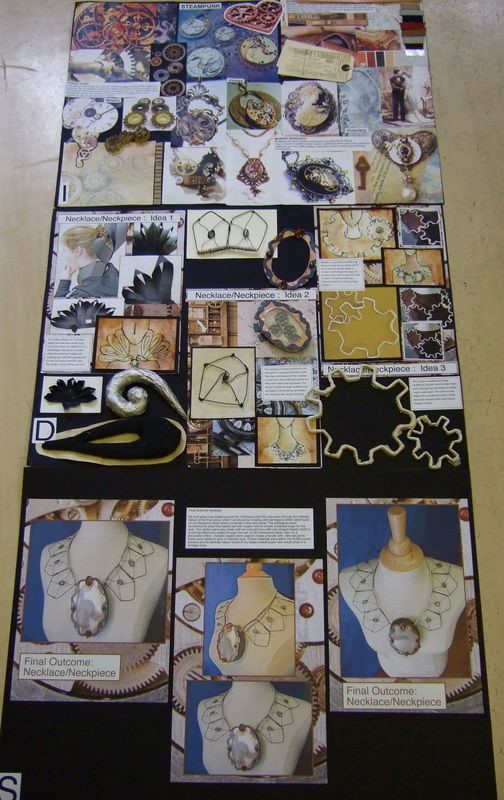
Jewellery design
The use of digital technology has also enabled some designs to be mass-produced. An example of this is plastic jewellery that has been laser-cut into a pattern so that the same design can be cut out in the same pattern lots of times.
Constructed textiles
Traditional textiles are made from yarns that are woven, knitted, crocheted, knotted, felted, or fused together. The yarns are placed close together to form a solid fabric, or spaced to form a more open structure. Constructed textiles can be large or small scale, handmade, or mass-produced by machine. They can be two-dimensional, like a carpet, or three-dimensional, like a yurt.
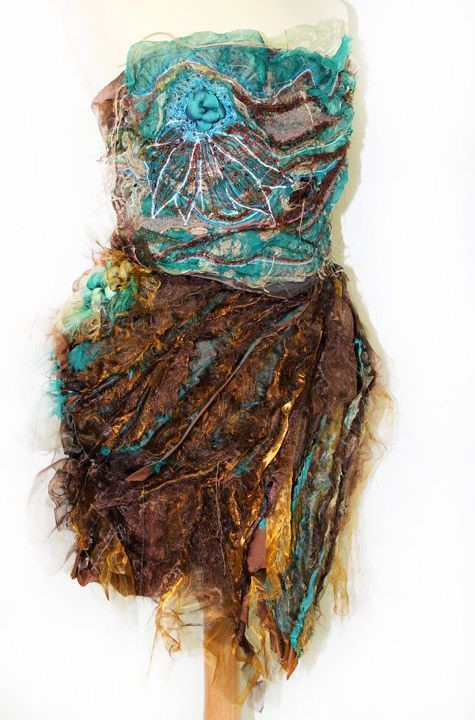
Fashion design with constructed textiles
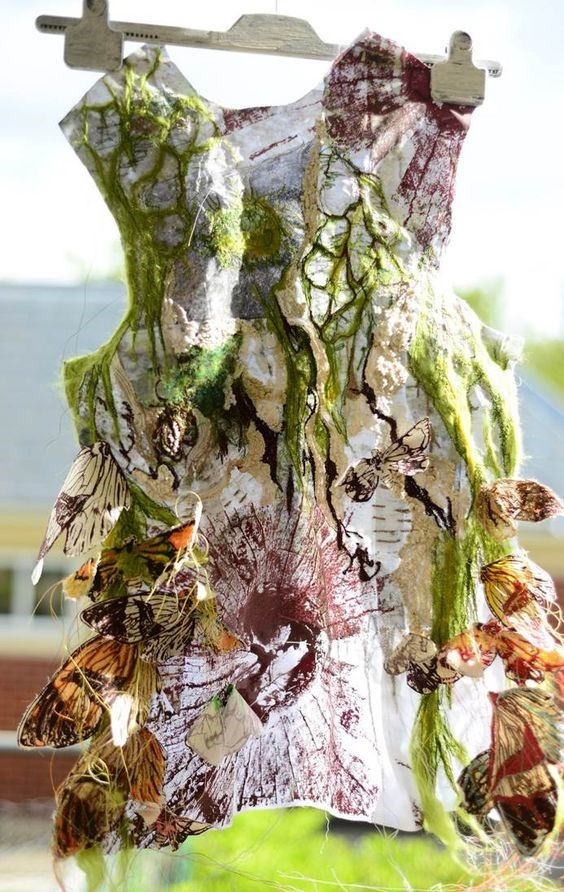
Fashion design with constructed textiles
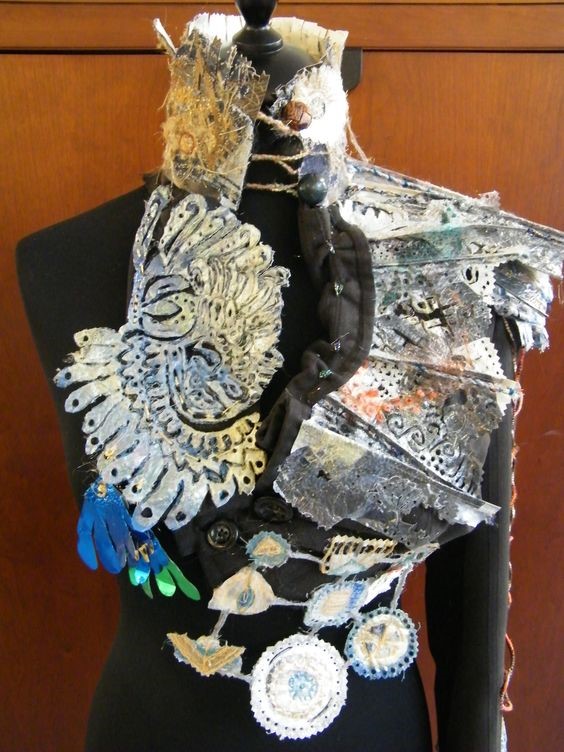
Jewellery design with constructed textiles
Riaan Vosloo
IGSCE/AS & A Level Art and Design Teacher

Living Life As An Artistic Being
Teenagers are at high risk for depression and anxiety. They know what we want to hear, and that is what they often give us. Teens know the buzzwords, and talking about their emotions can be wrongly impacted by their preconceived ideas about what they think we want to hear.
Teens who are good with words can use them as a disguise rather than a method of self-discovery. Furthermore, for other adolescents, discussing feelings may be frightening or uncomfortable. The creative process does not allow for that kind of manipulation to happen. Creative arts get teens out of their heads and into their bodies. The teen brain is wired for creativity. Consequently, creative expression is a natural fit to support thriving in adolescents. Creativity is part of building one’s identity. In addition, it supports brain development. Being creative even reduces anxiety. It makes us happier. Creativity and teen mental health go hand in hand.
The act of doing something creative employs various parts of the brain. That is why being creative enhances connectivity in the brain. Connectivity refers to the relationships between different areas of the brain. A study published in 2014 suggests that people with artistic training have improved connectivity between the two hemispheres of their brains. Creative arts, including music and visual art go beyond the rational mind, tapping into our most authentic self. Adolescents, in particular, are attracted to making symbols and graphic depictions. Therefore, they are more attracted to using art as language than to verbal questioning.”
Creativity help teens develop what is known as divergent thinking. Divergent thinking is a process of generating creative ideas by exploring many possible solutions. The creative experience produces a natural “high”. Simply viewing art and listening to music stimulates the brain to release dopamine, the “pleasure chemical”. This is the same chemical that is triggered when we fall in love.
Actively making art or music has a similar effect. In addition, it induces a state of flow, a term coined by psychologist Mihaly Csikszentmihalyi. This flow describes the experience of being completely absorbed in an activity. It means participating in a reality that is different from that of everyday life. As a result, experiences of flow are the key to sustainable happiness. Teenagers ascribe ‘happiness’ to their moods when they are able to engage in flow activities that stretch their skills and makes them feel alive and proud. Creativity, in particular, produces flow. Moreover, unplugged creative activities for teenagers offer both flow and a mini digital detox.
Creative arts prepares teens to be creative in other areas of life. It comes into play as teens learn new ways of relating to their past, present and new approaches to dealing with pain, trauma, or difficult relationships.
Riaan Vosloo
High School Art and Design Teacher


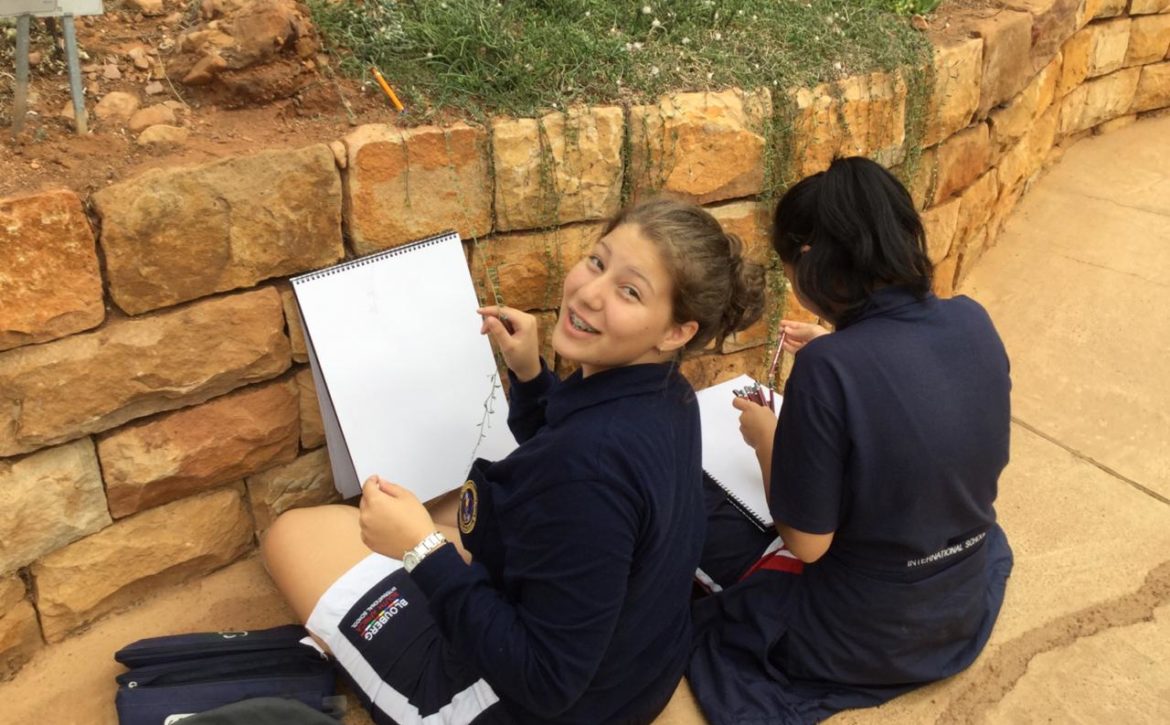


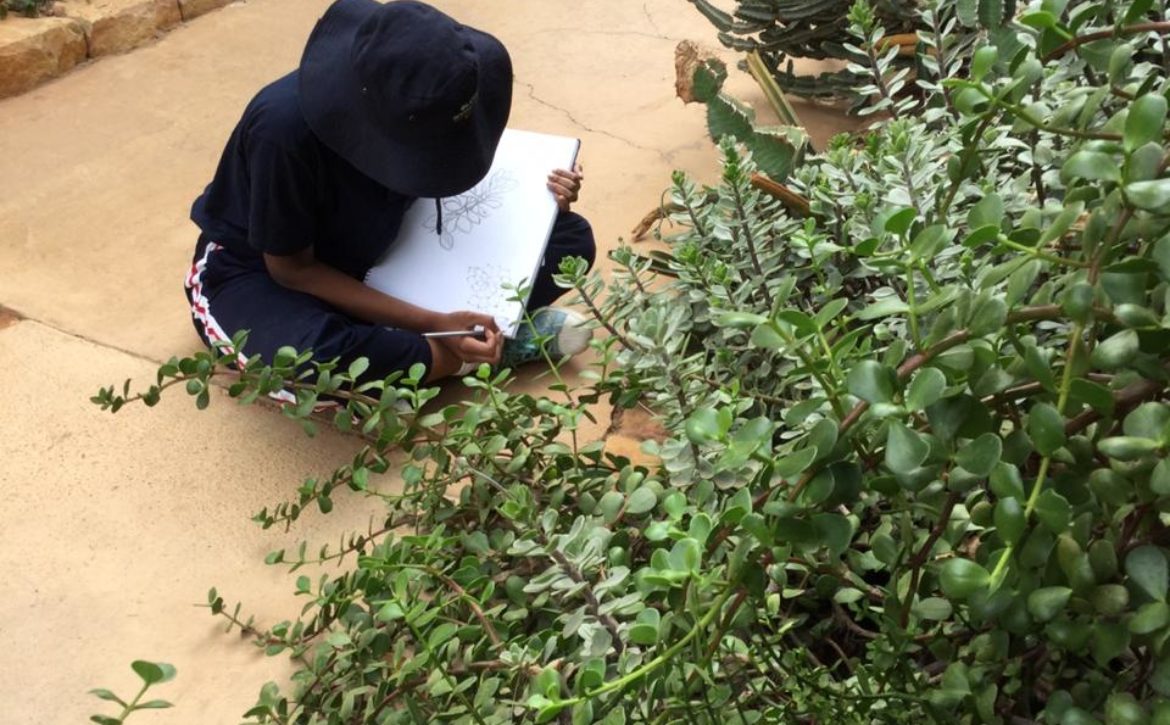






























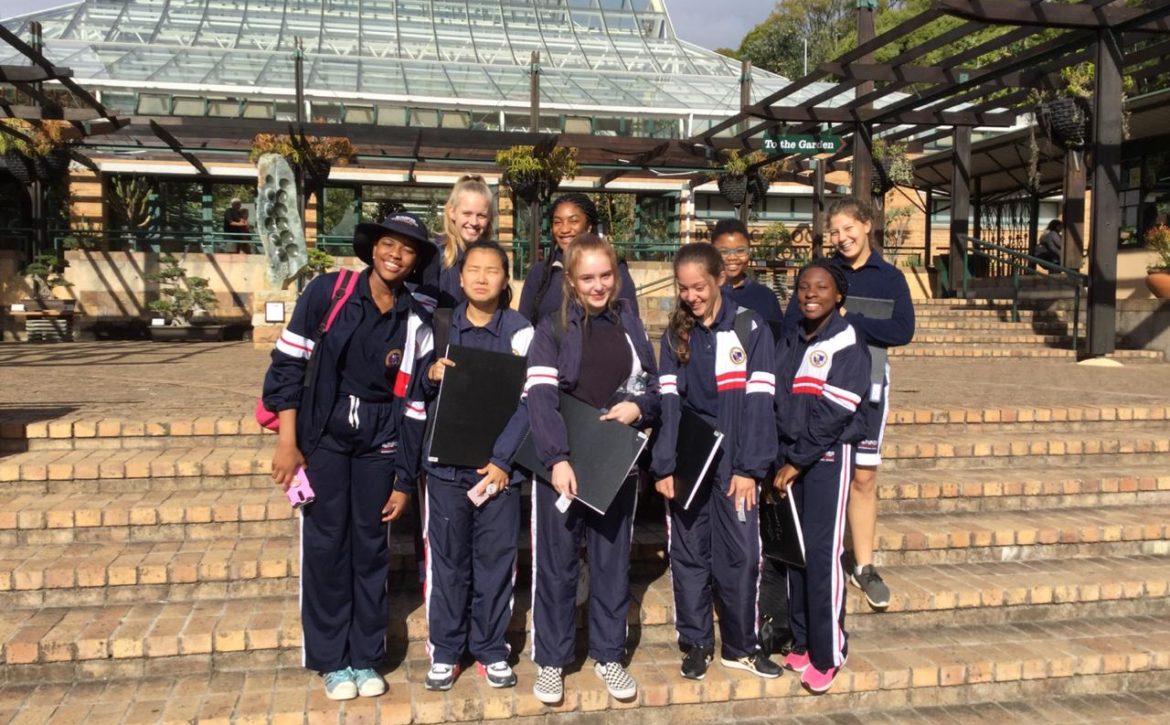

Growing Artists From Fynbos
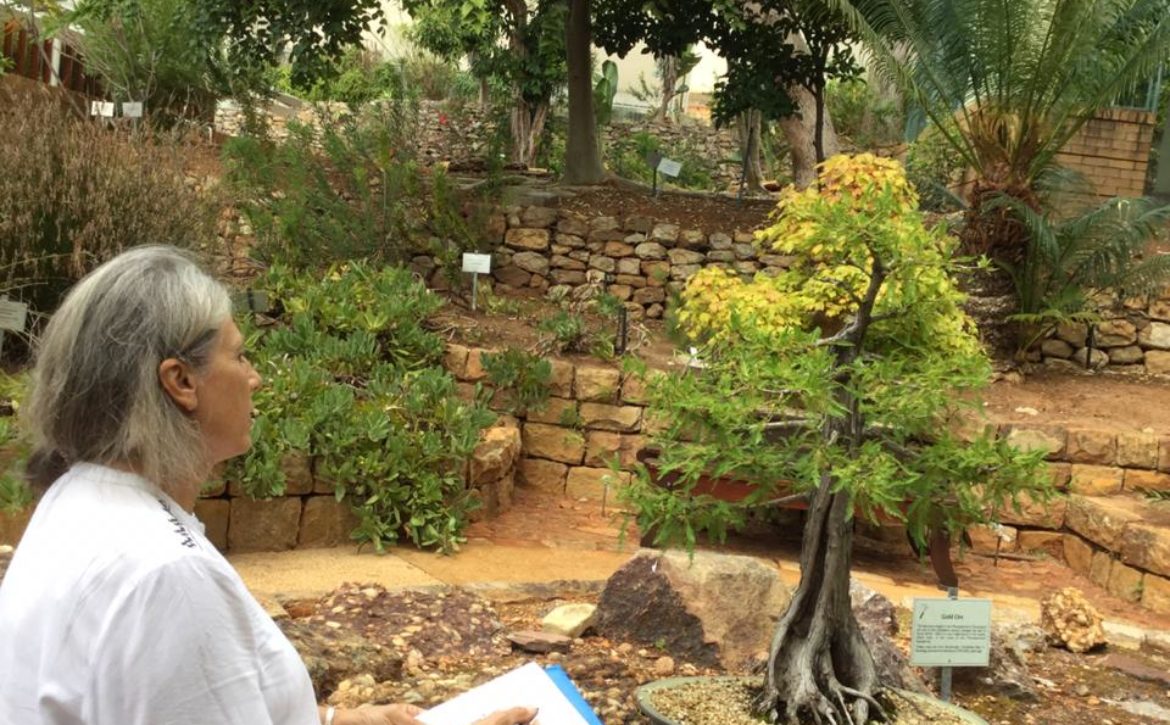
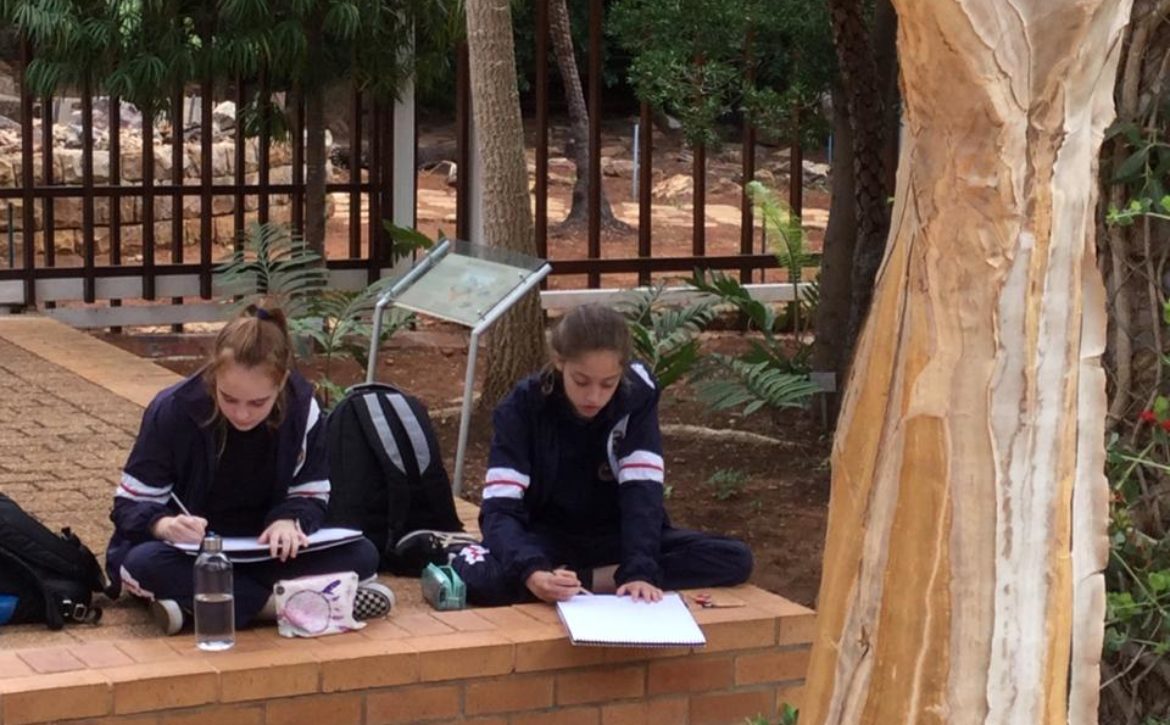
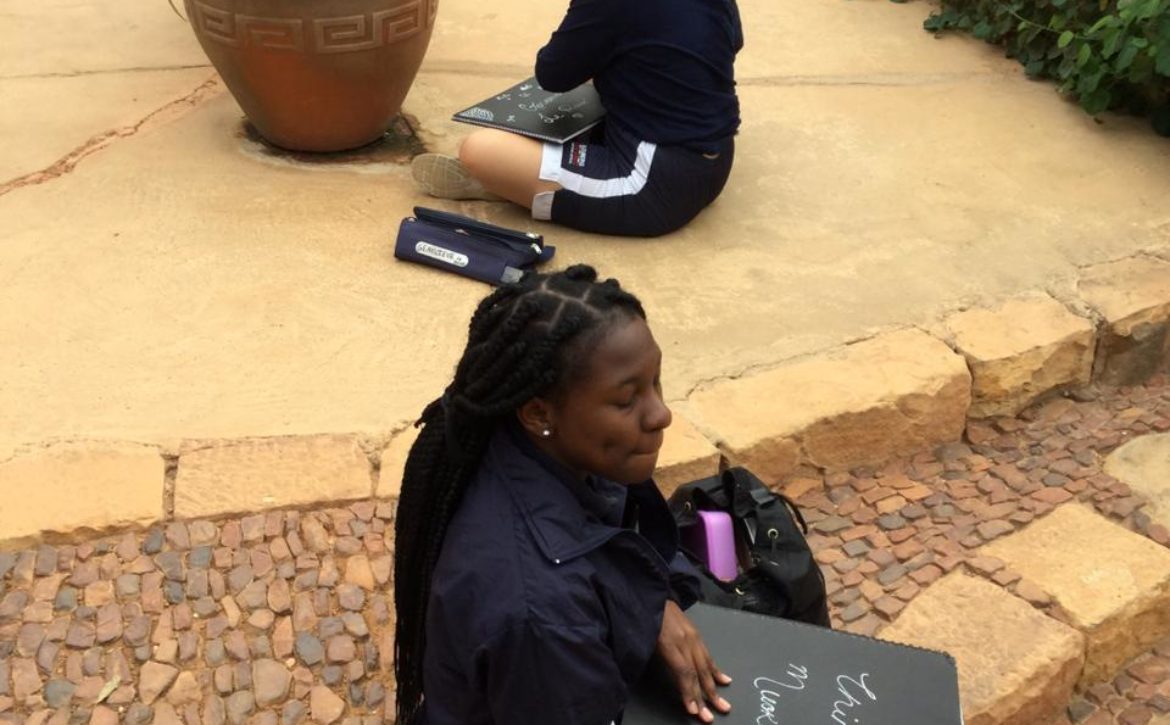
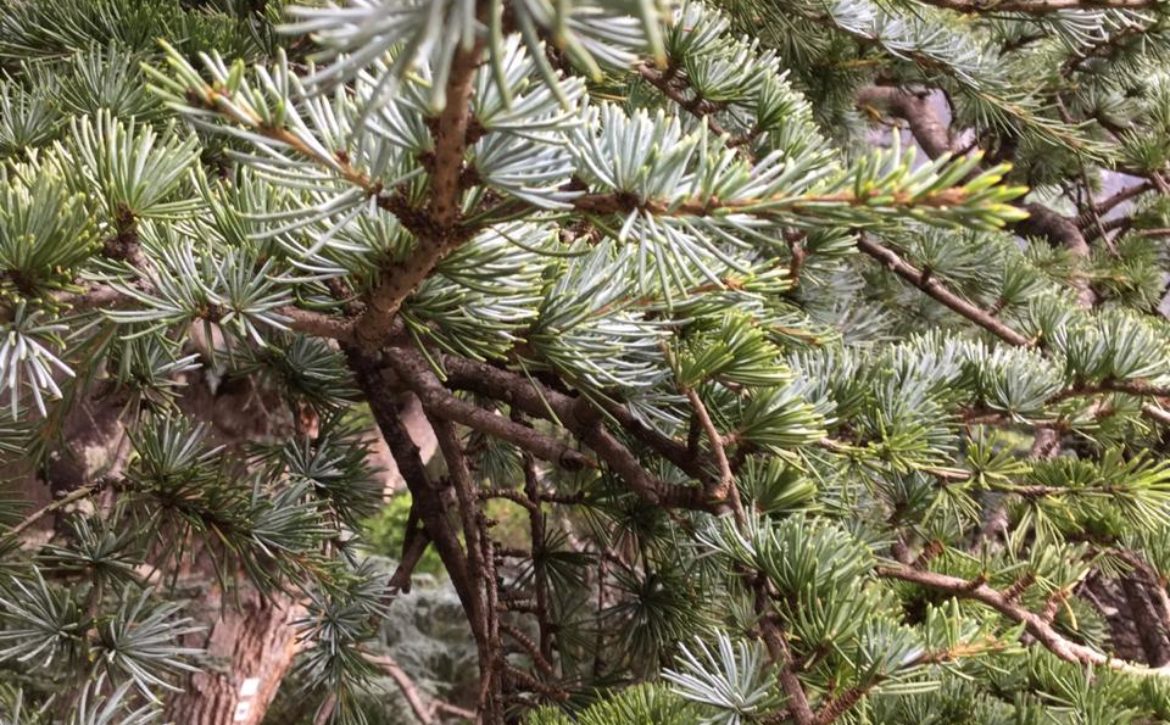
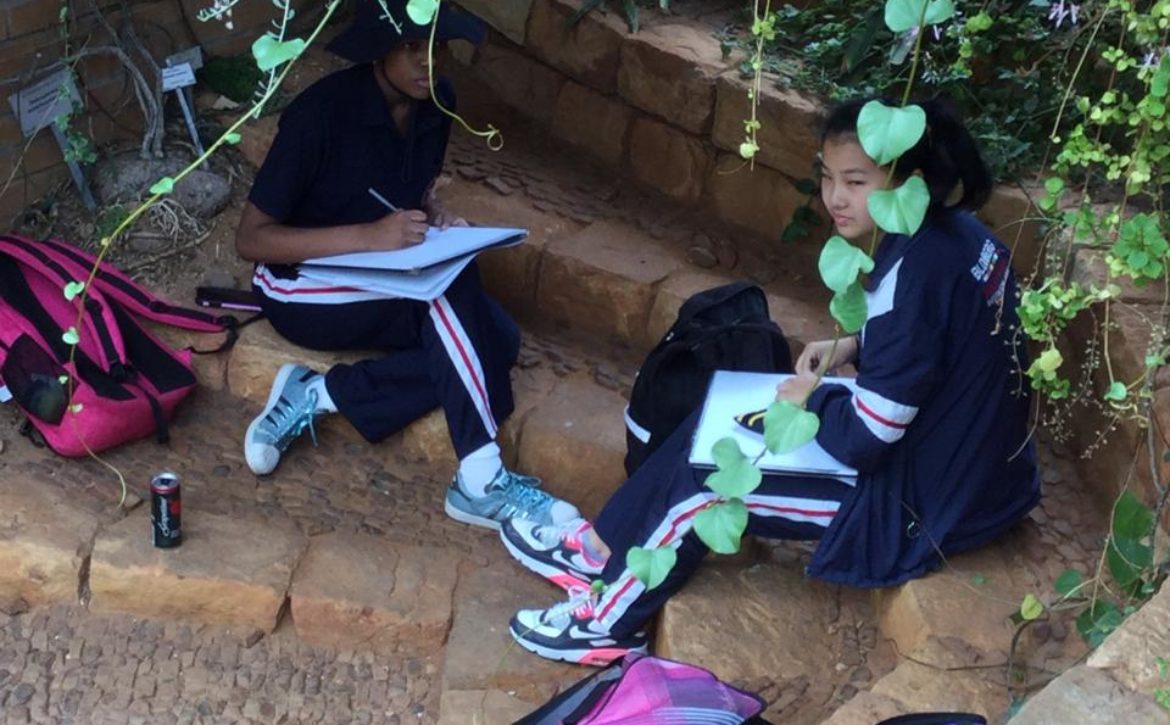
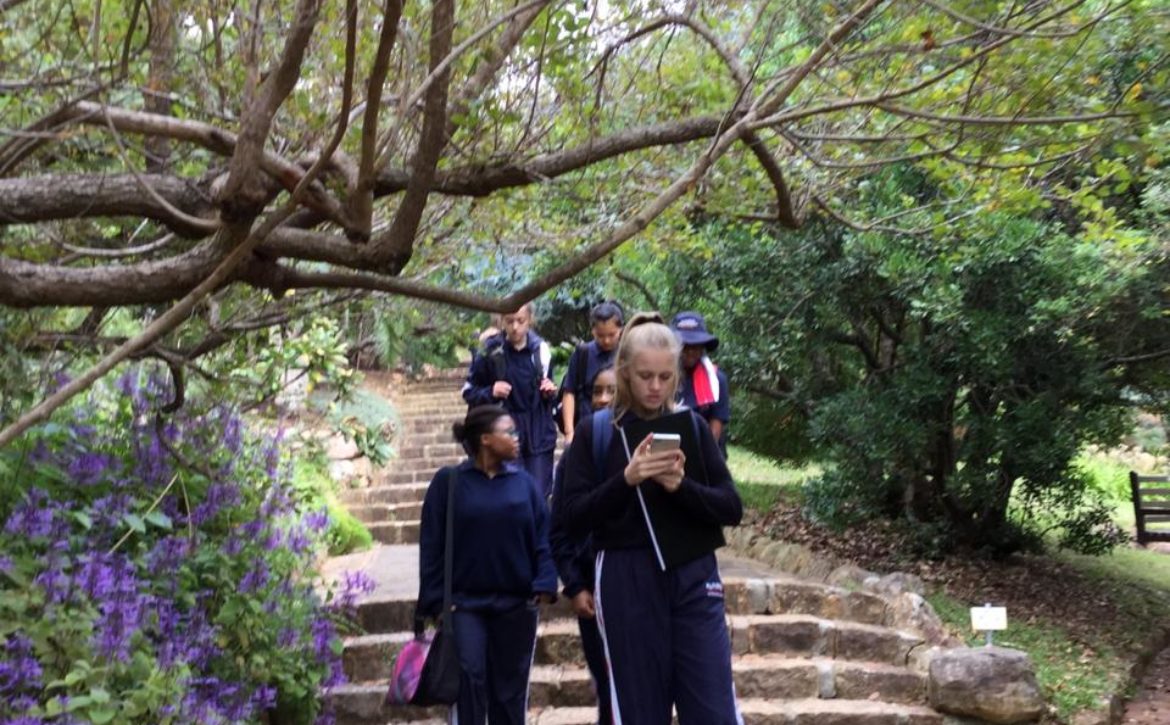
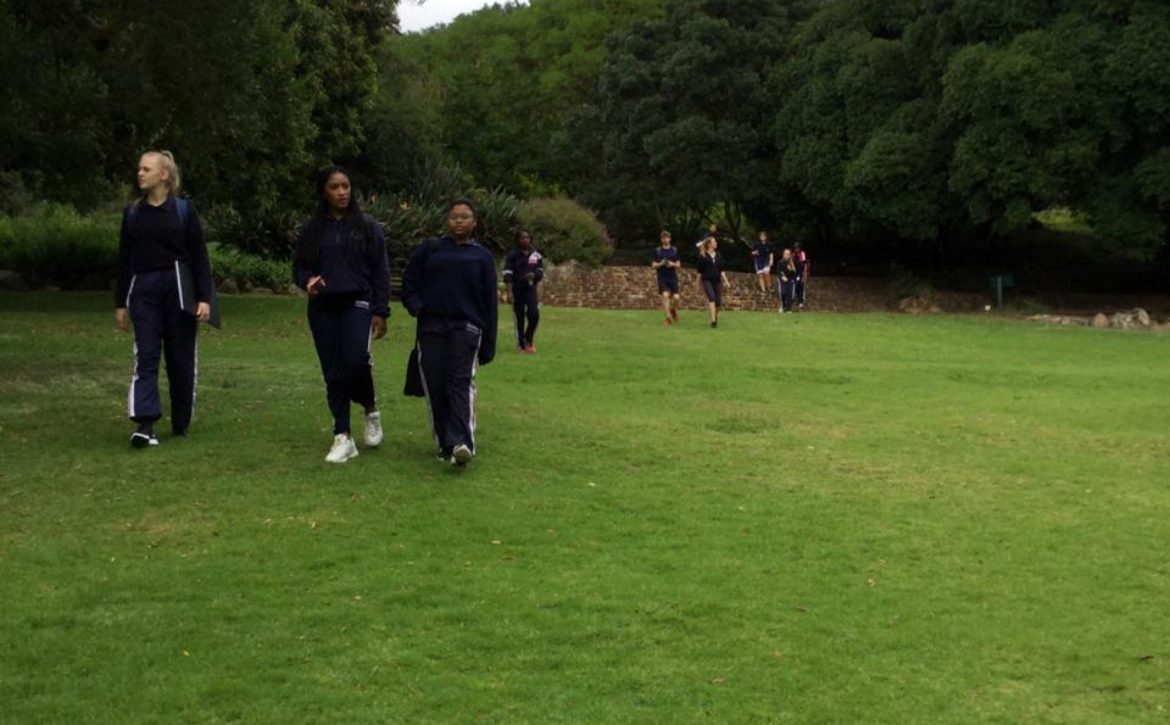
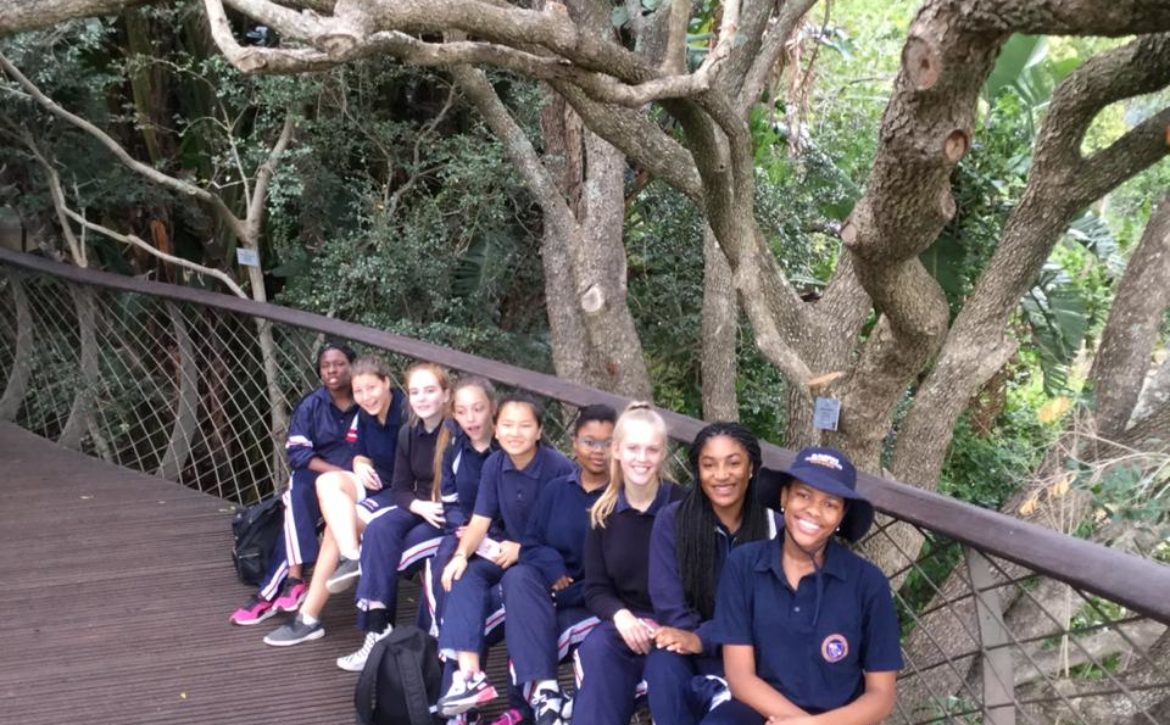
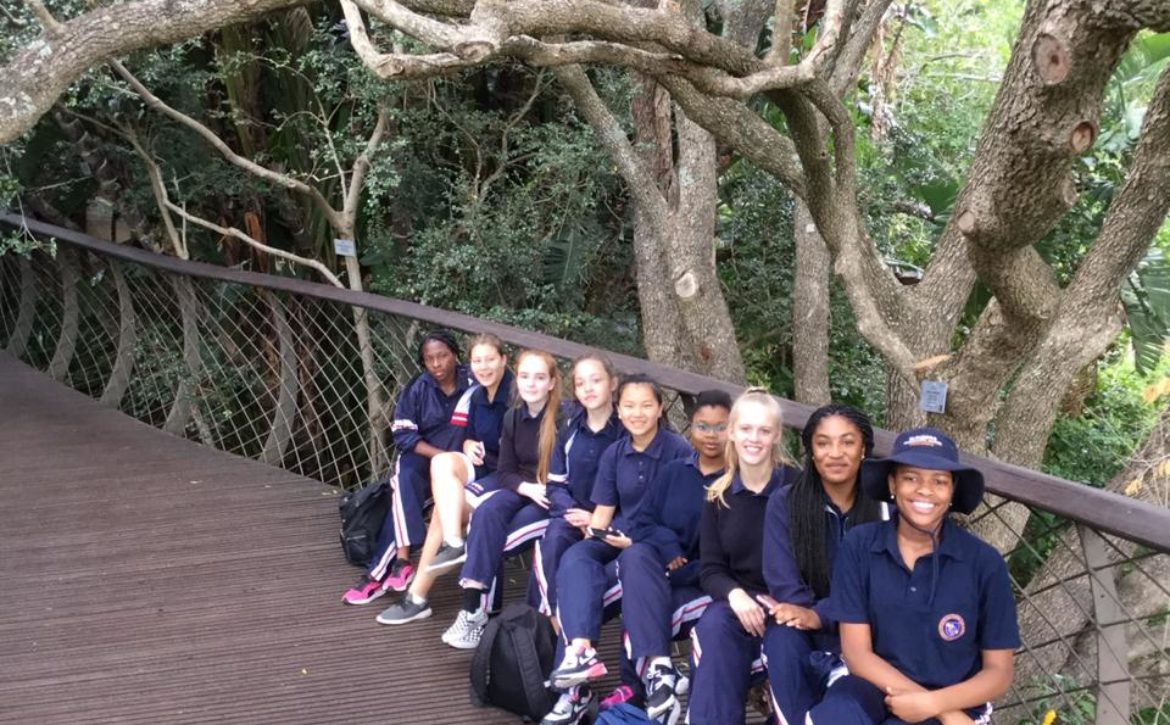
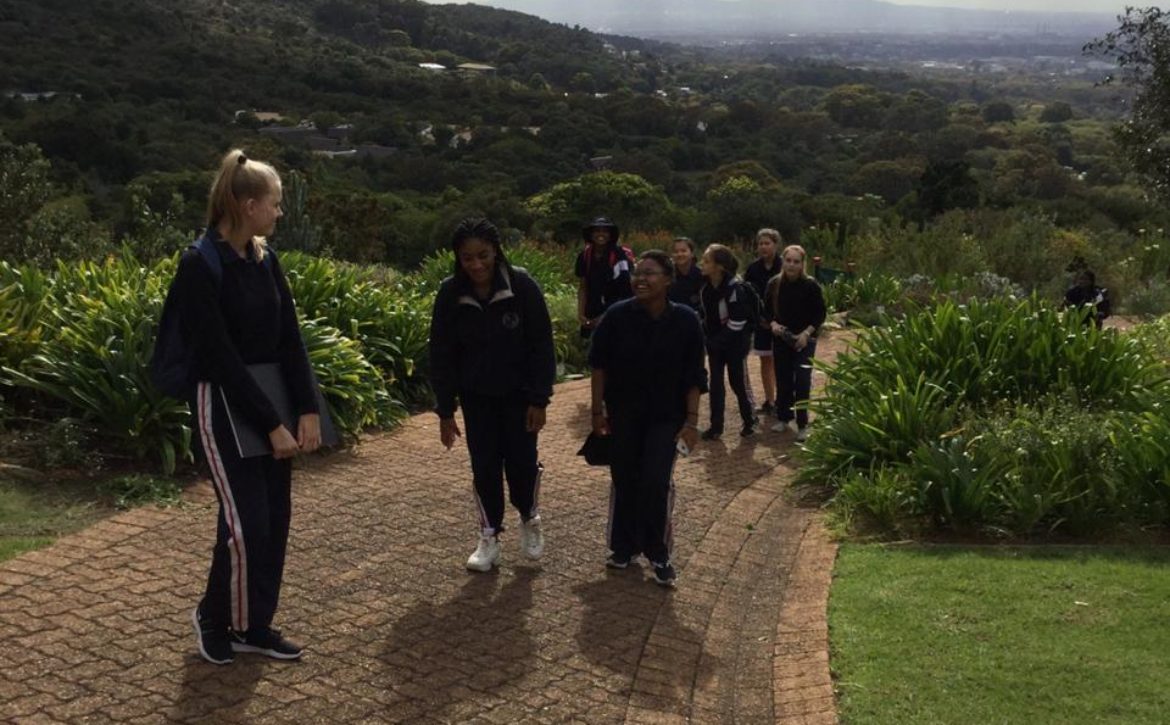
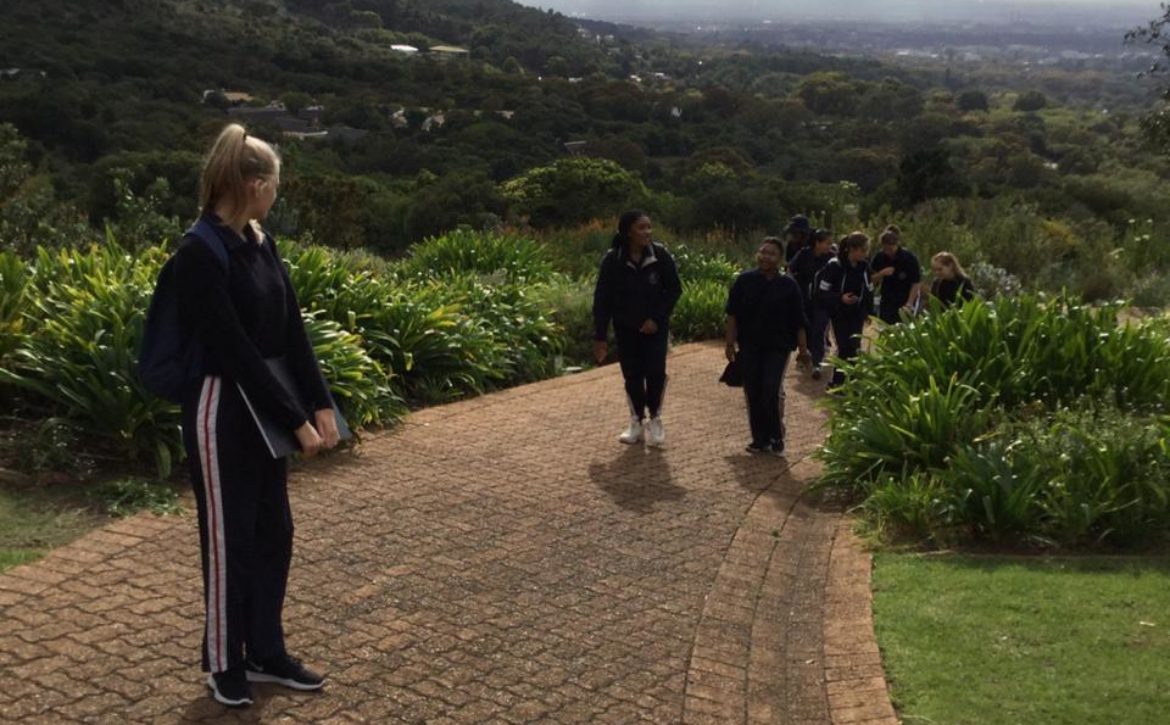
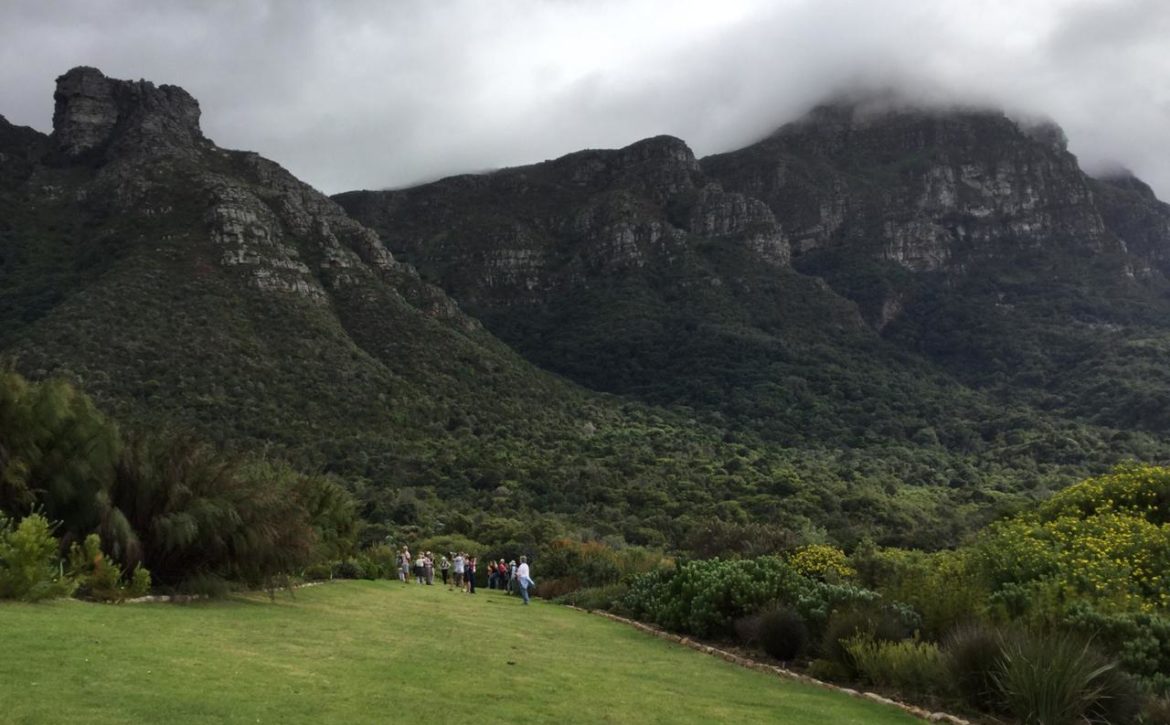
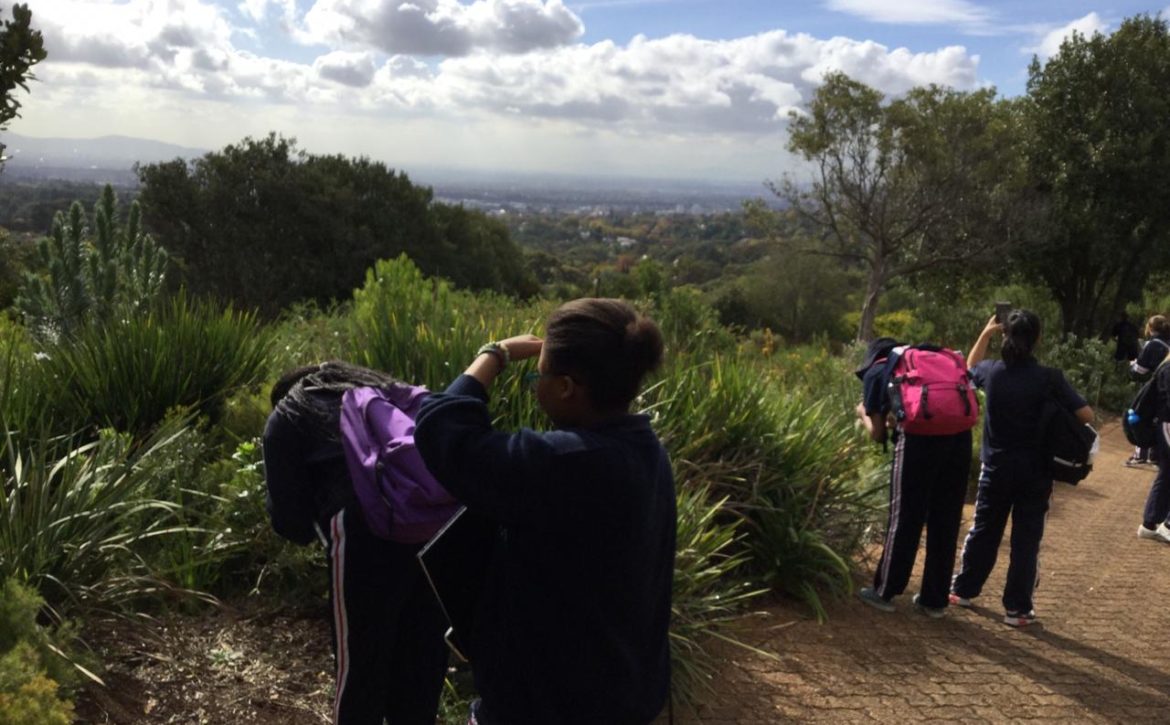
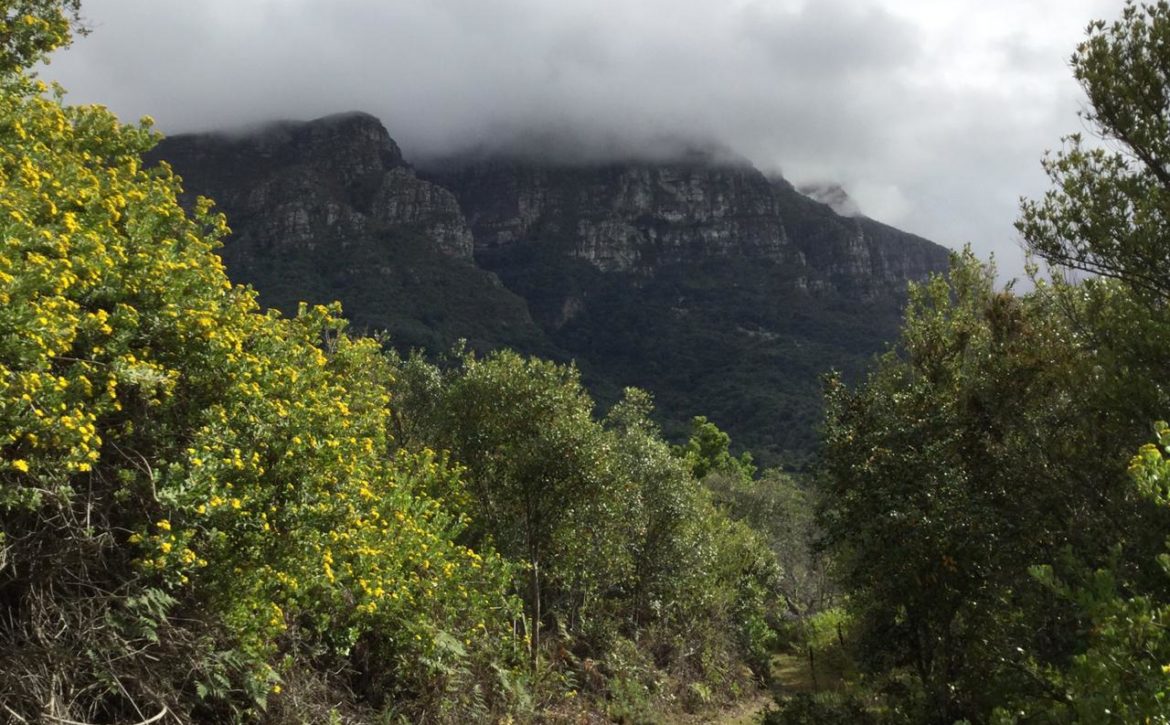
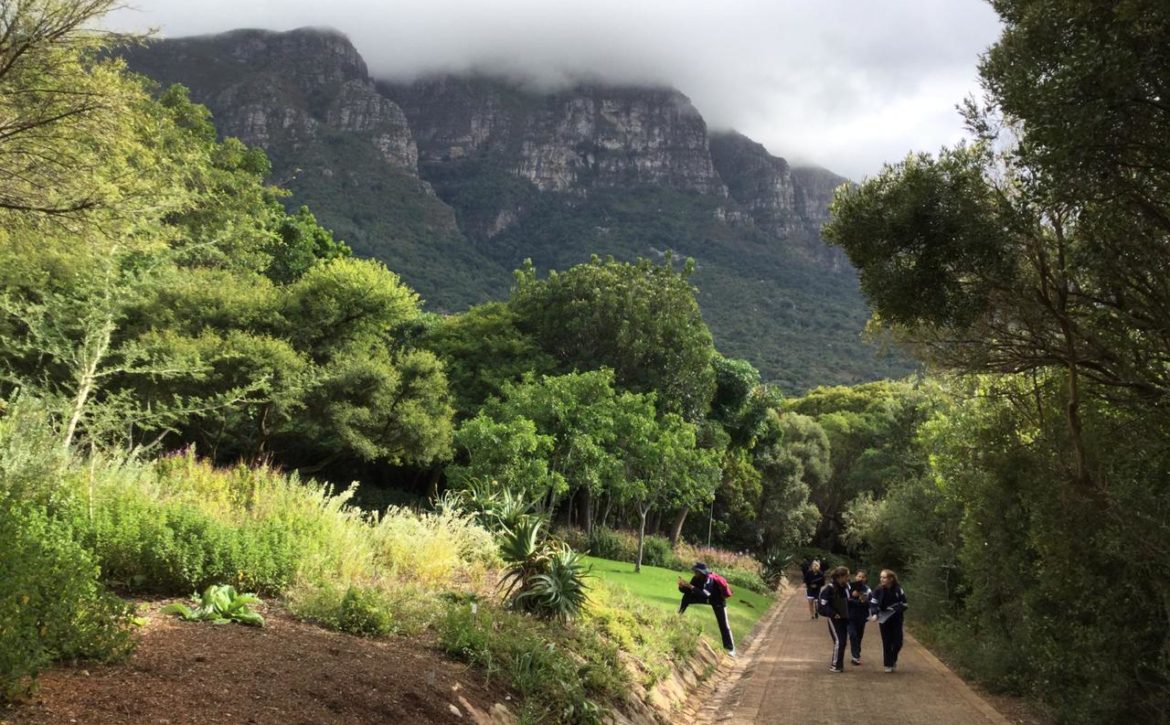
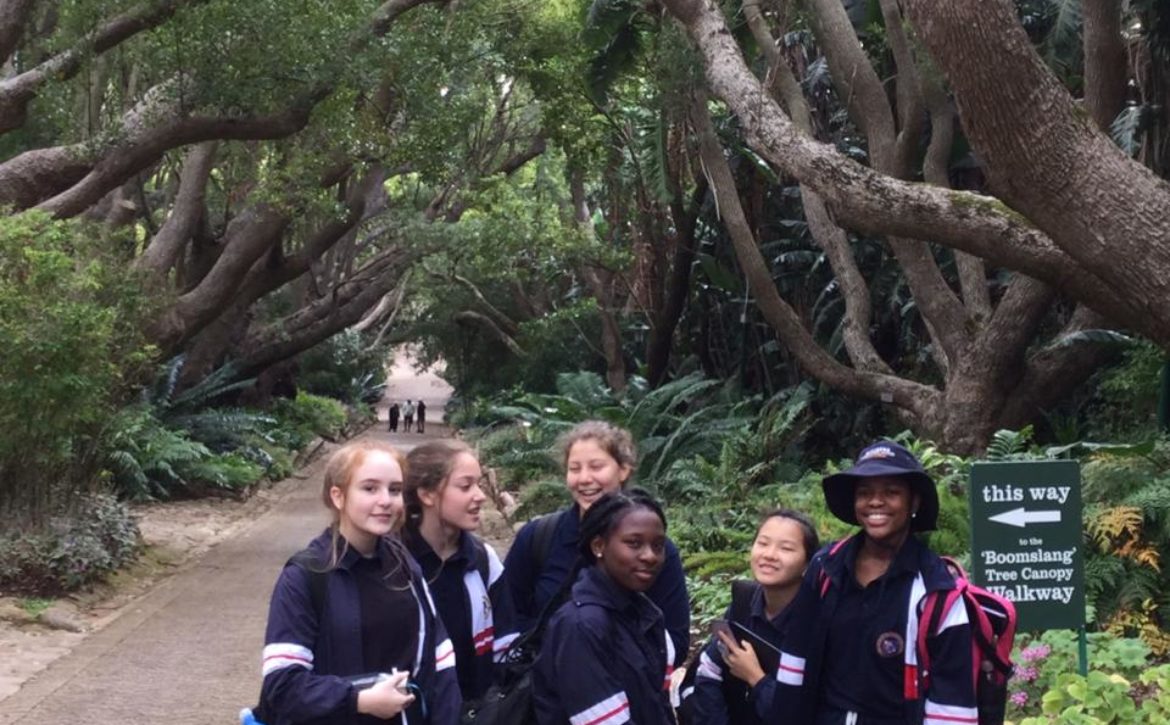
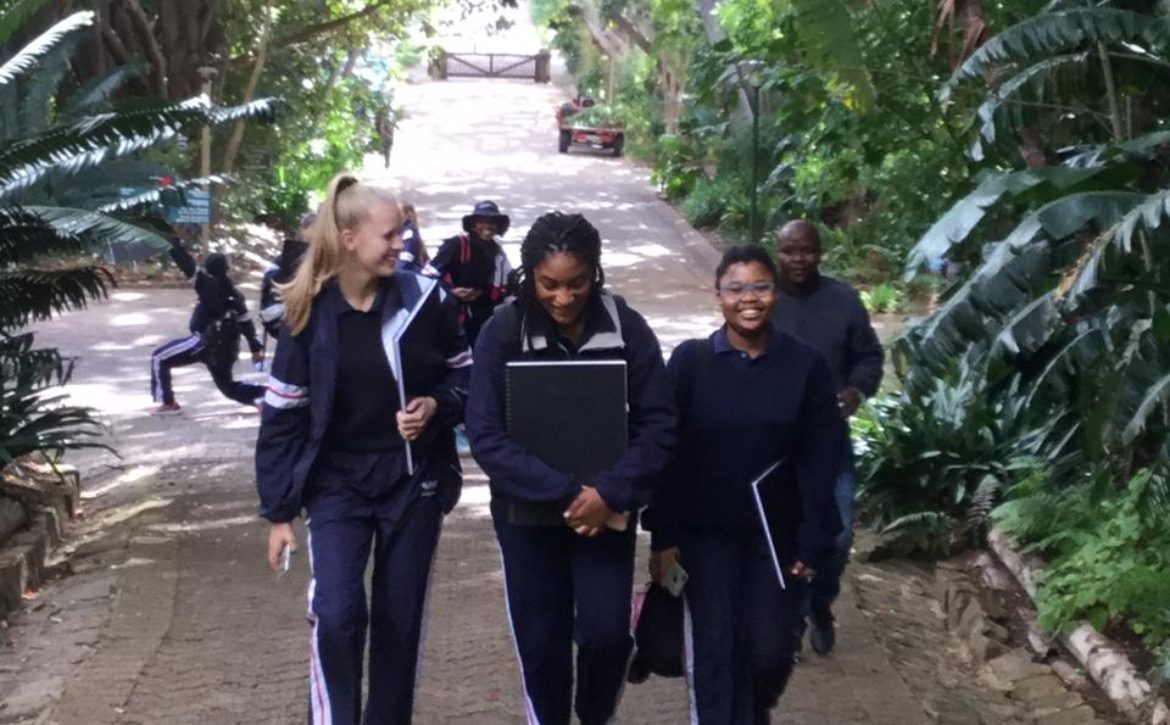
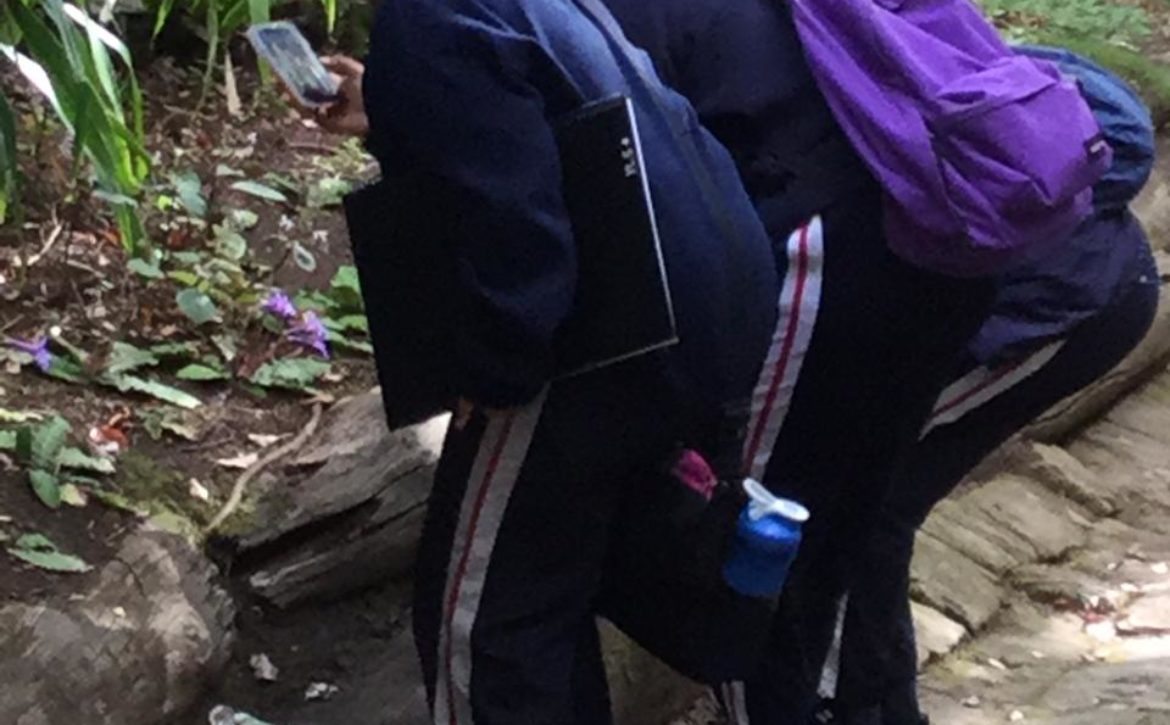
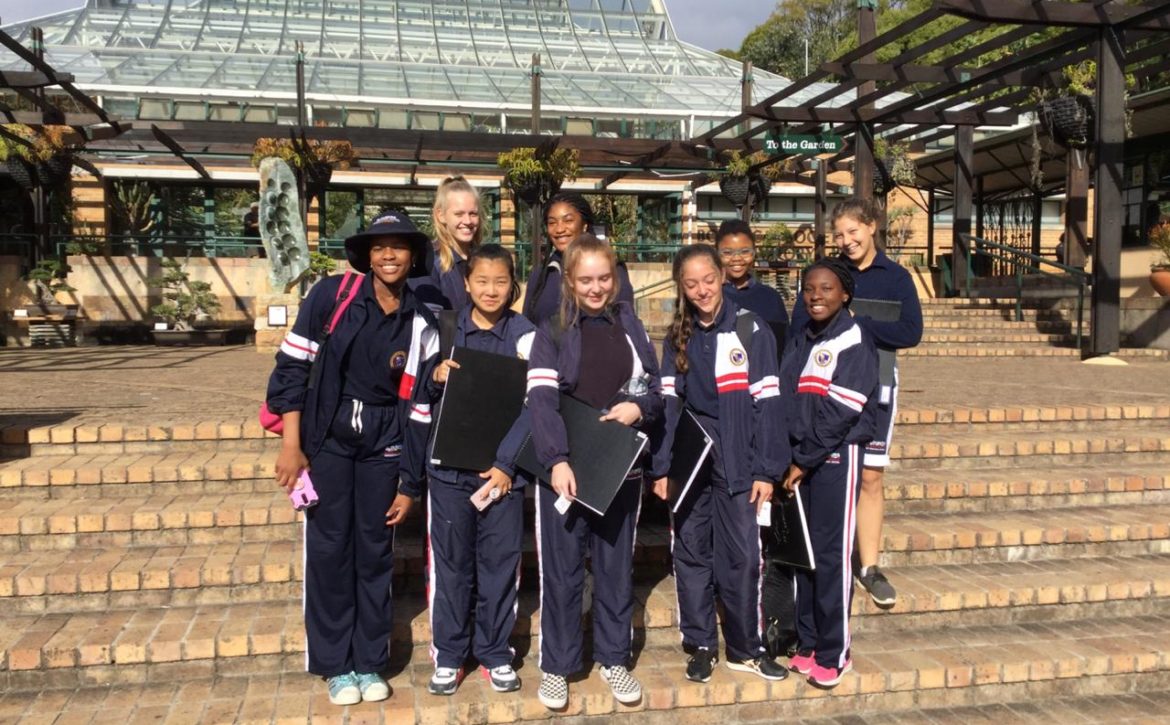
The Year 9 and 11 Art and design students enjoyed a field trip to the botanical gardens at Kirstenbosch, Cape Town. The vast and beautiful gardens are situated on the side slopes of Table Mountain that hosts South Africa’s most famous fynbos fauna and flora.
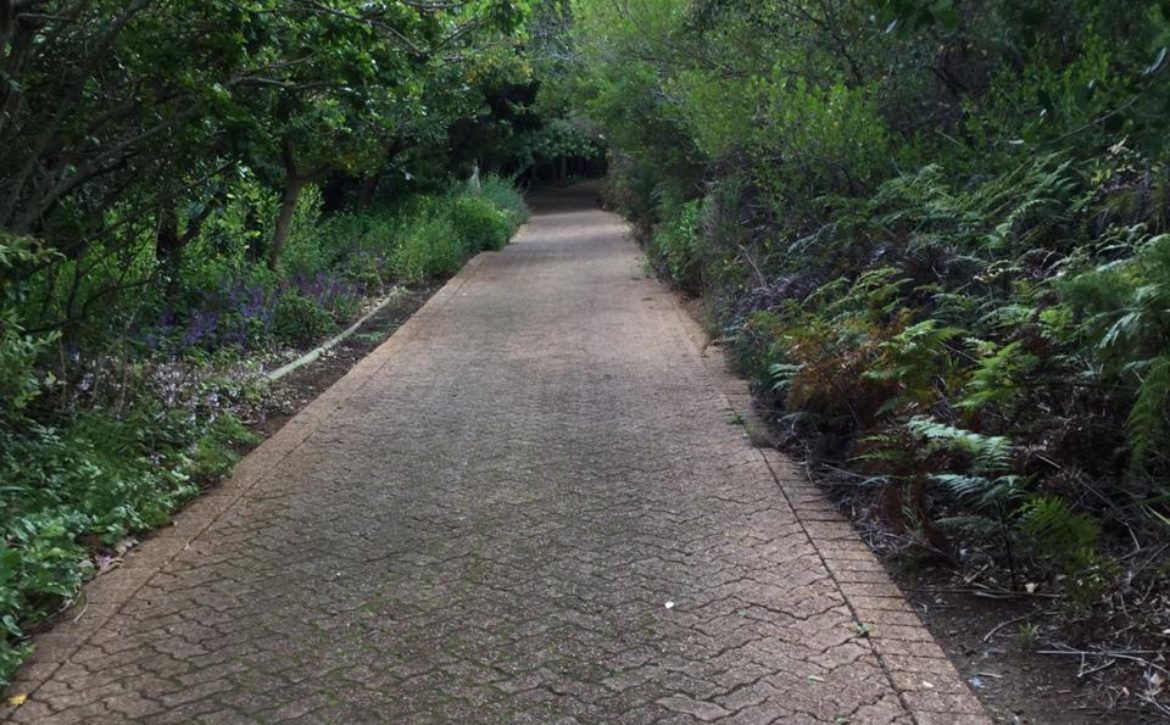
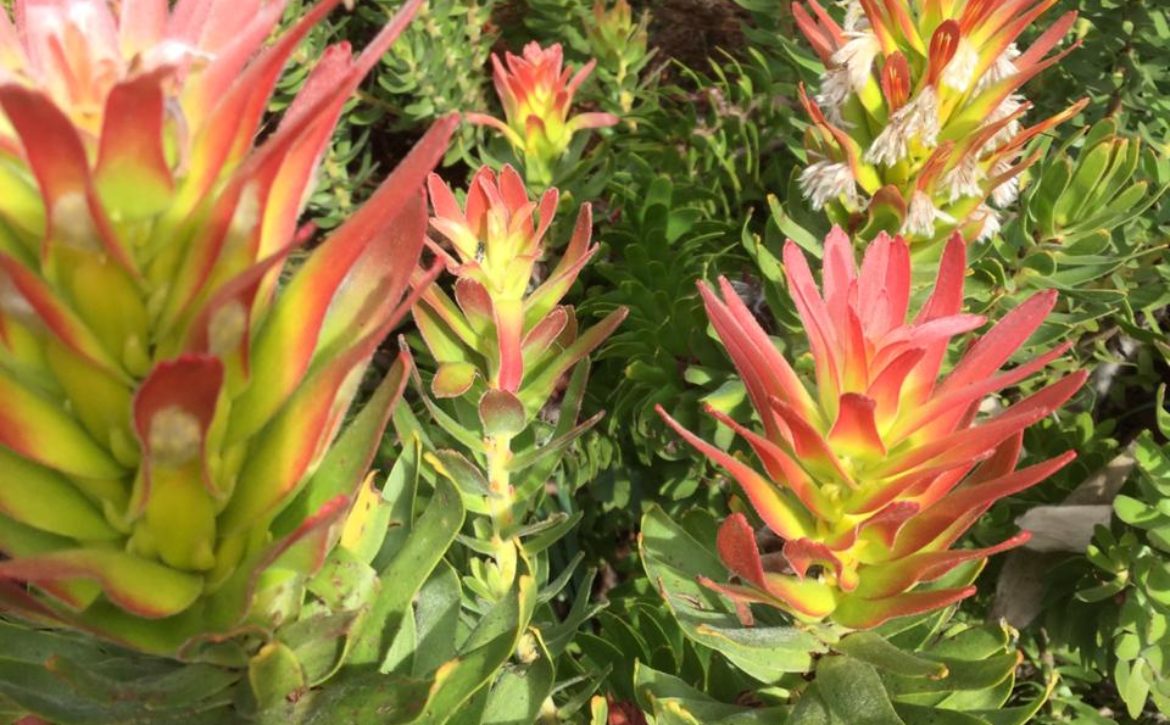
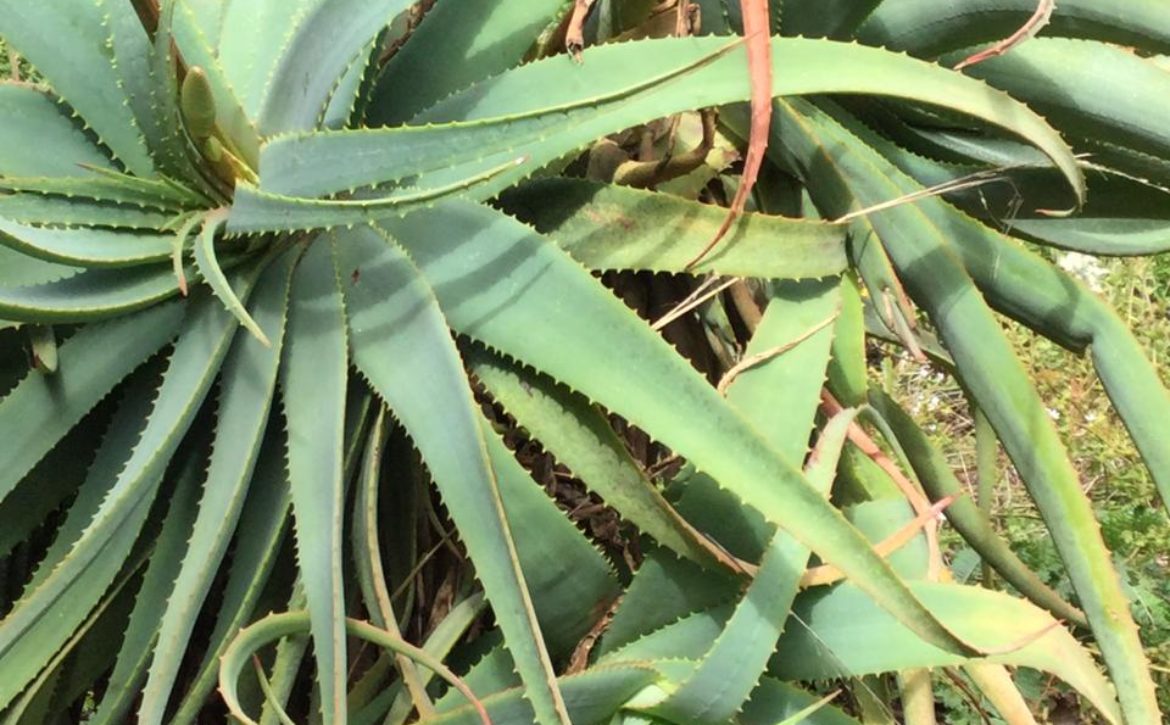
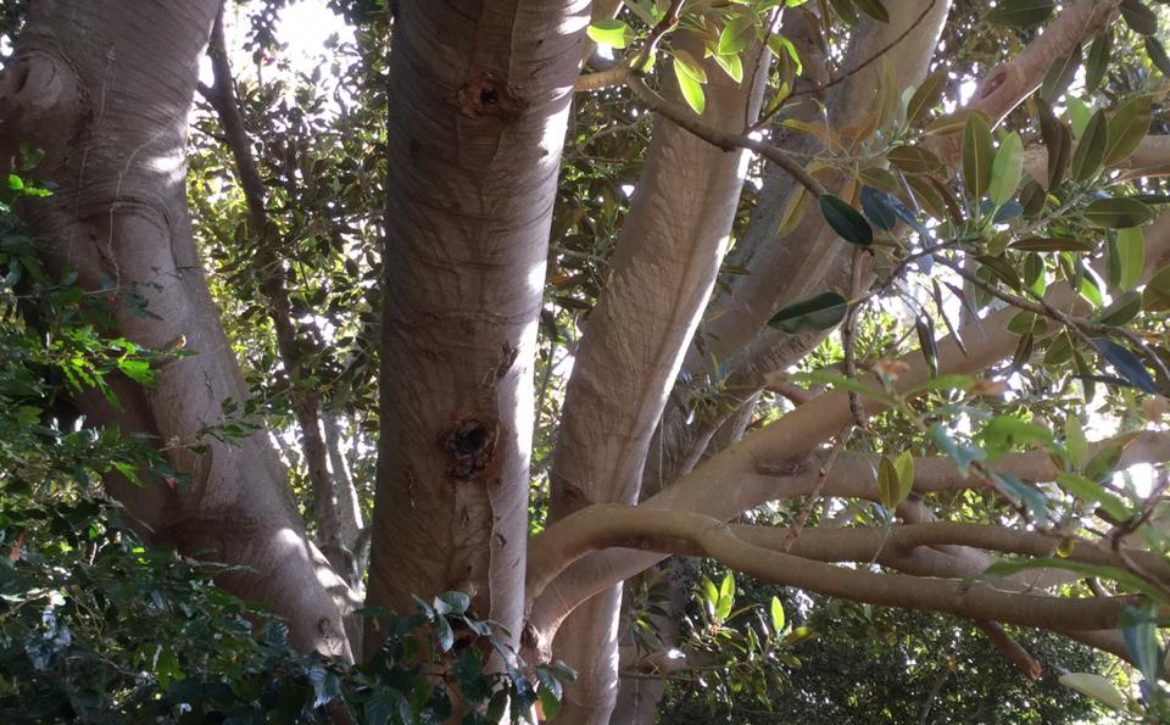
The steep mountain paths and shady tunnels through parts of the “forest garden” gave us not only a good workout, but allowed us to observe a wide variety of wild flowers and grass species. In art we encourage students to use all their senses when gathering and collecting material or ideas for their art concepts. They were very fortunate to experience South Africa’s national flower, the King Protea and took many photo’s as reference for their art topics.
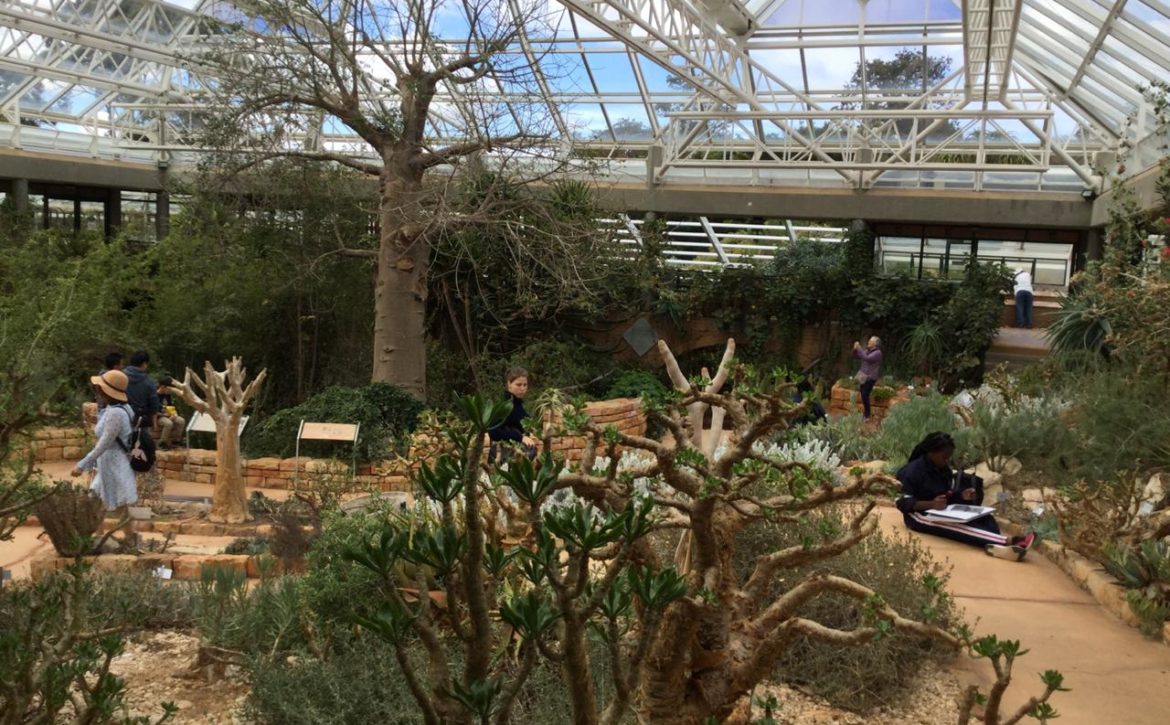
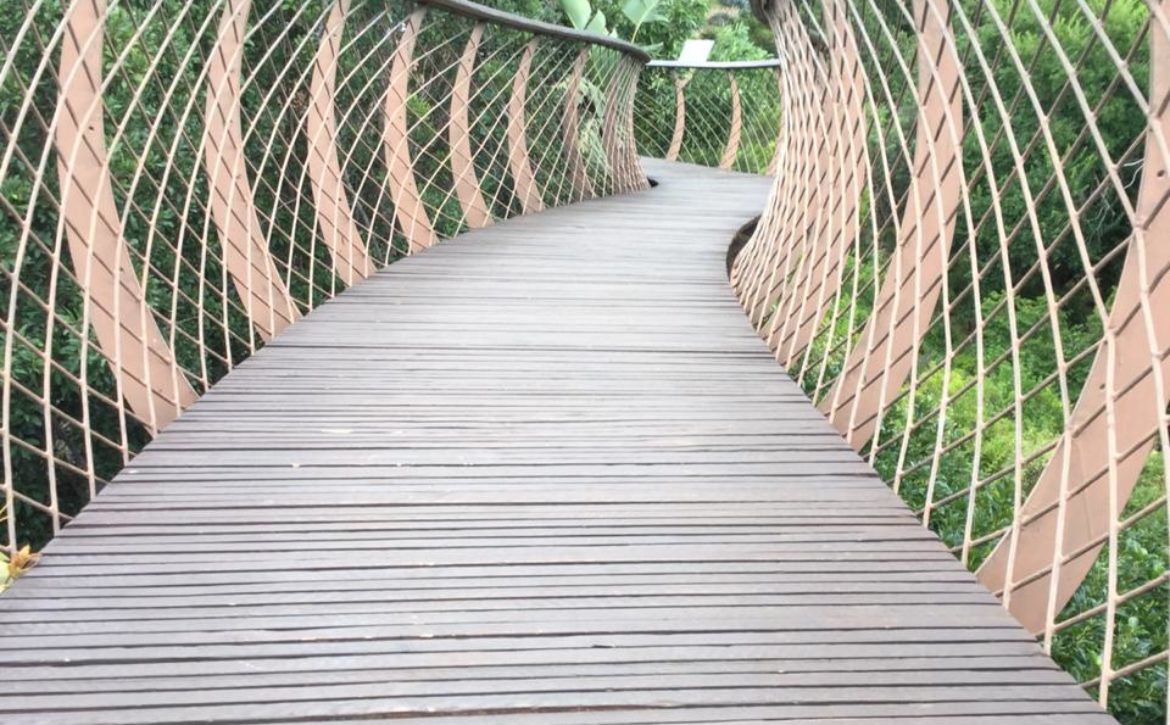
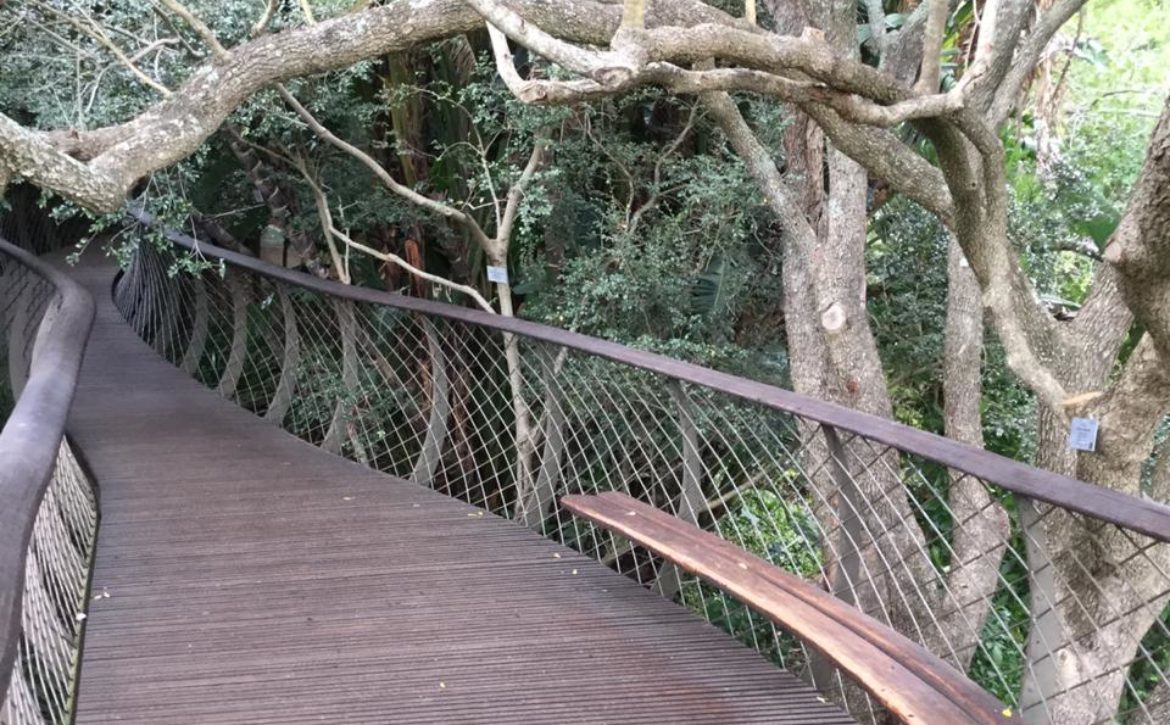
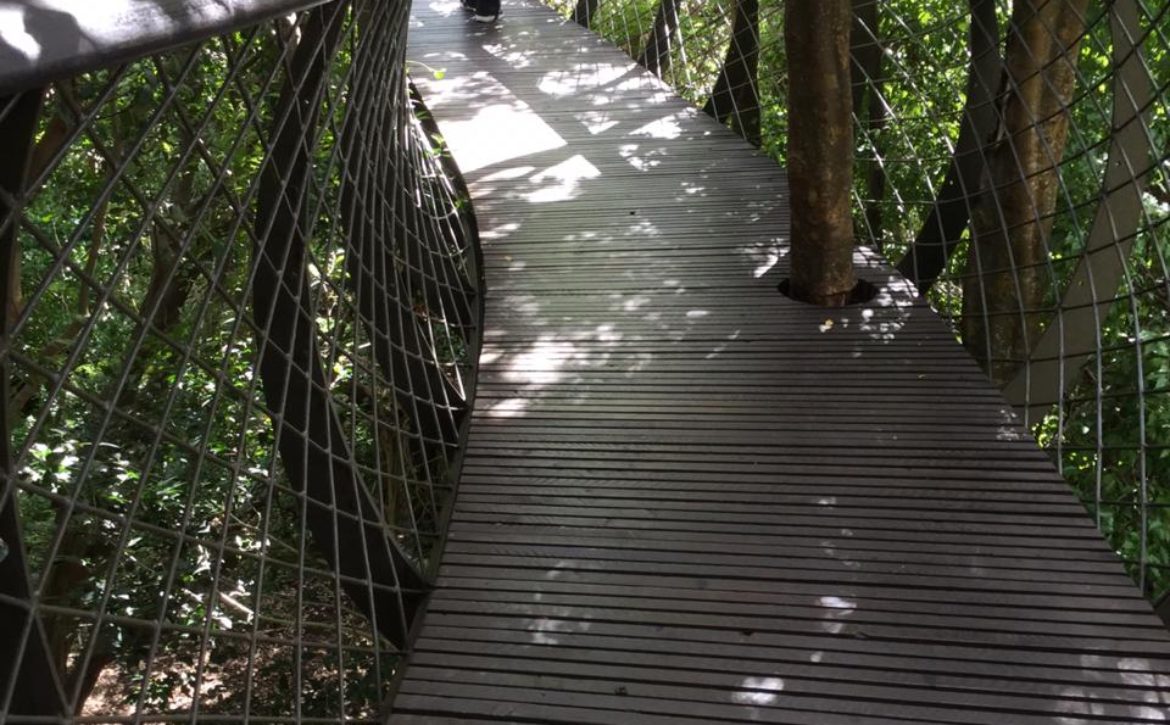
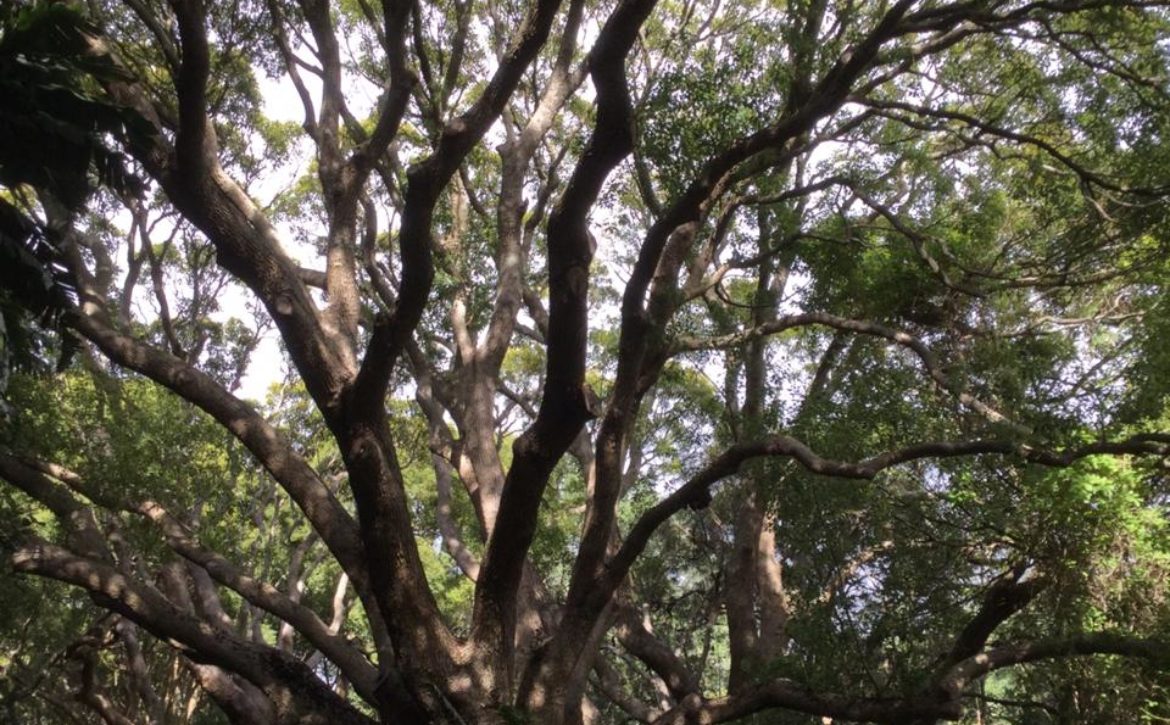
The highlight of the day was a walk about over the famous Silver Slangboom bridge that towers over the tree tops and gave the students a different viewpoint on a vast pallet of treetop colors. An indoor glass house hosted indigenous succulents, bonsai trees and bulbs where the students could sit quietly and observe the plants and create drawings from these first-hand studies.
We concluded our outing with a visit to an art exhibition of local artists’ work where students learnt how to read paintings and distinguish between the mixed media that has been on display. They gathered enough visual evidence for their upcoming photographic art exhibition. Watch this space!
Ms Ilse du Plooy
High School Art Teacher