



“I went to…” Holiday News In Reception
On the first day of school, the students arrived very excitedly to begin the last term of Reception Year. They really enjoyed the holiday and could not wait to tell us all about it.
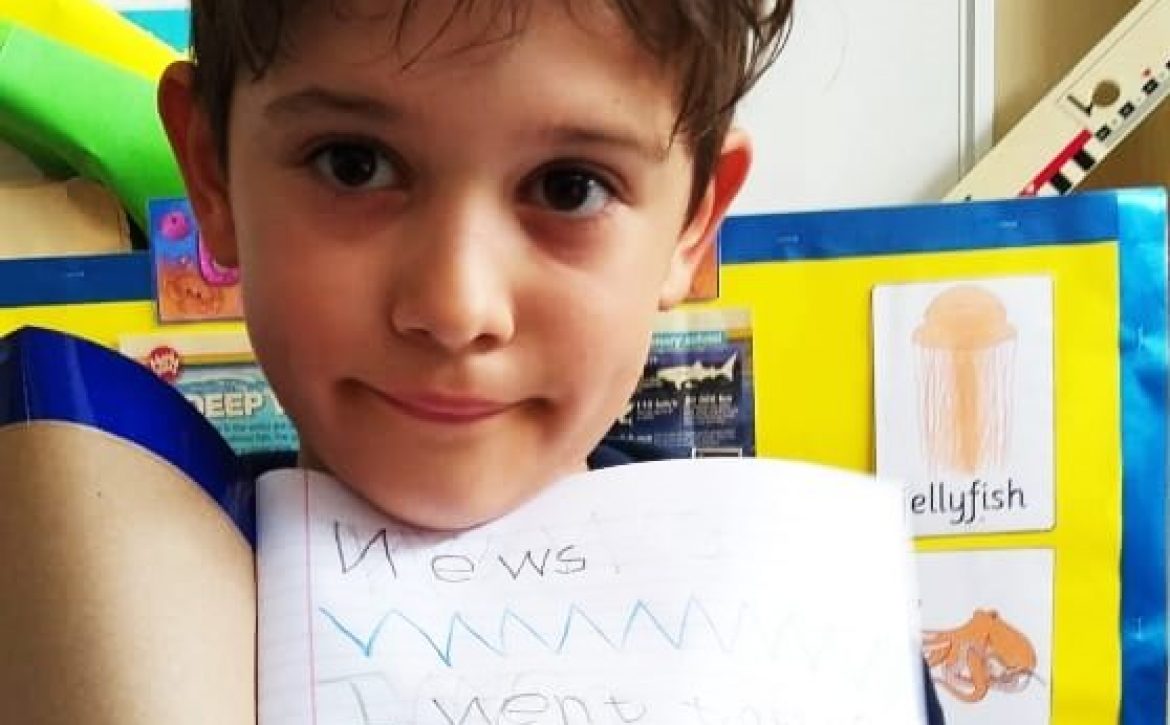
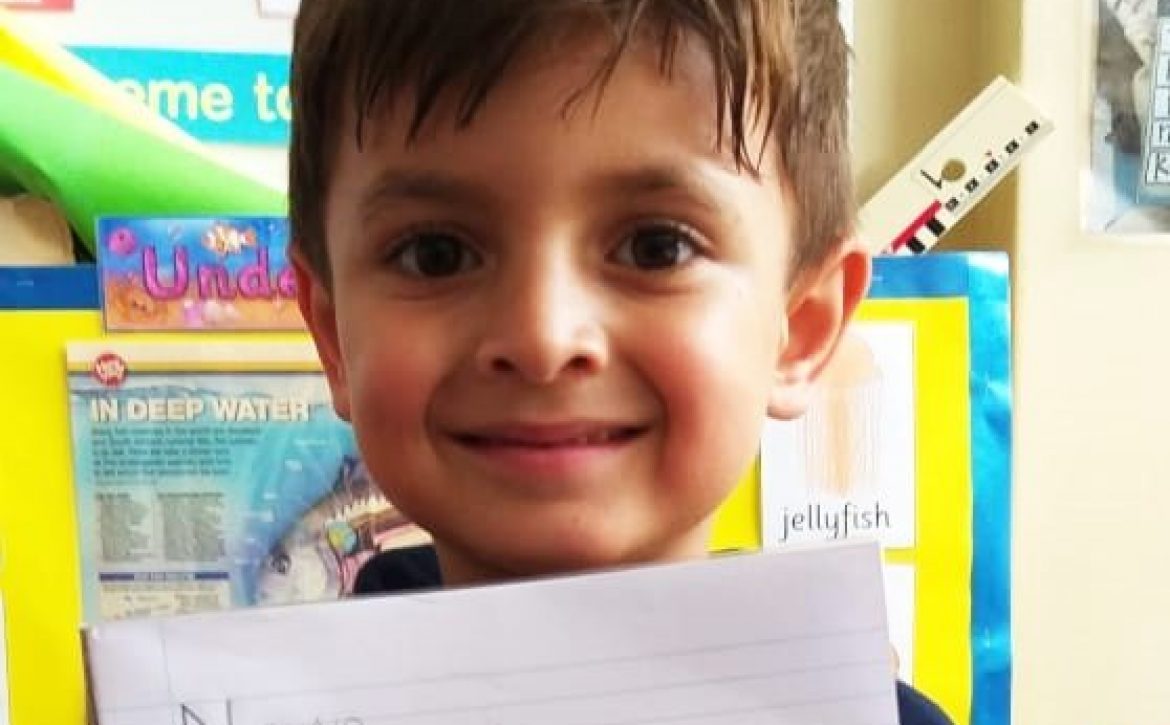
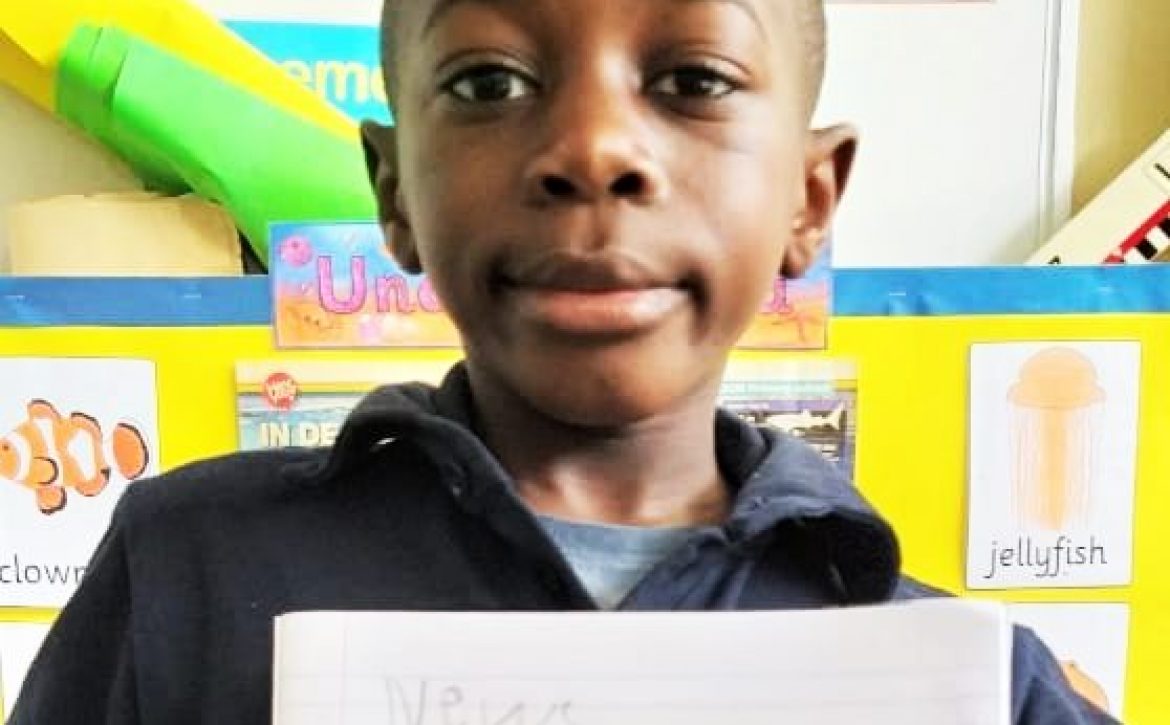
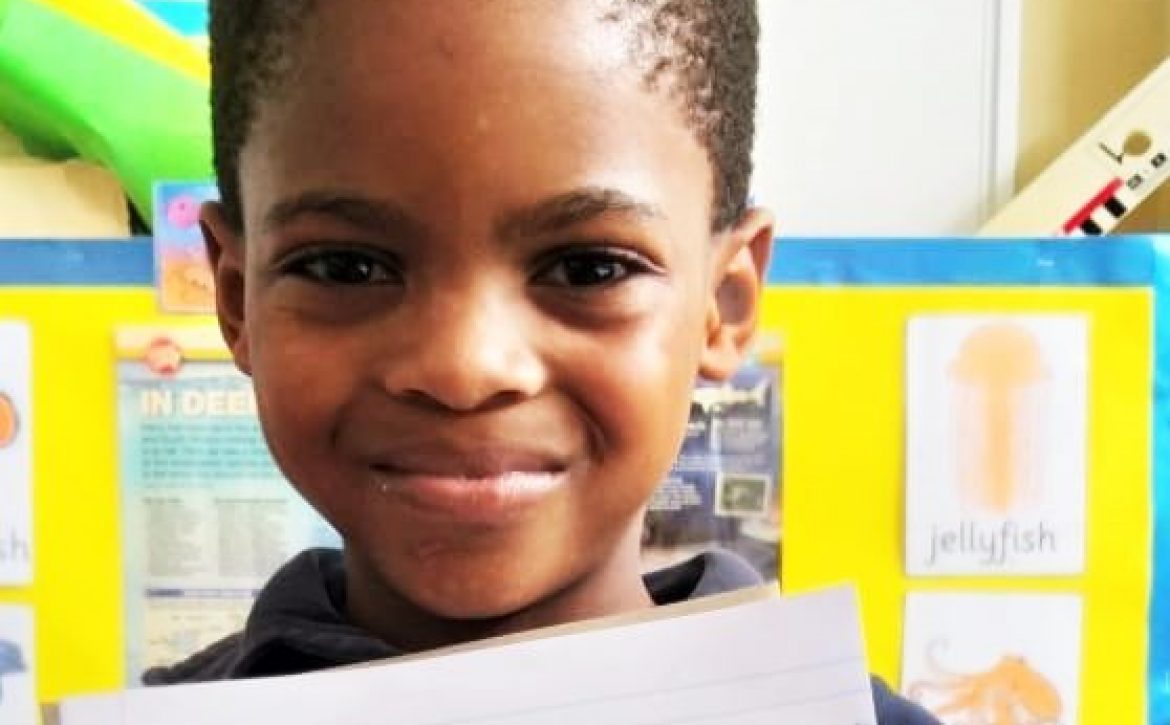
We are now training to work in books with lines in preparation for next year. The students had to write their own heading for their news followed by the zig zag, ‘w’ pattern. Through practice the students are becoming more aware of motor planning in their books and are learning to skip lines when needed.
We recapped the simple sentence rules:
- A sentence always starts with a capital letter.
- There are always finger spaces between words.
- A sentence ends in a small neat full stop on the line.
Each week for their news the students will choose and make use of a sentence starter such as “I went…”, I played …”, I saw…”, I liked…” The teacher will then write the unknown words on a strip for them to copy. They will be encouraged try and complete their own sentences using known High Frequency Words and by independently sounding out phonetic words using their knowledge of the Jolly Phonics sounds.
Reading and writing skills certainly goes hand in hand. All the reading practice they have been doing this year will definitely help them to apply their knowledge to attempt writing sentences with confidence.
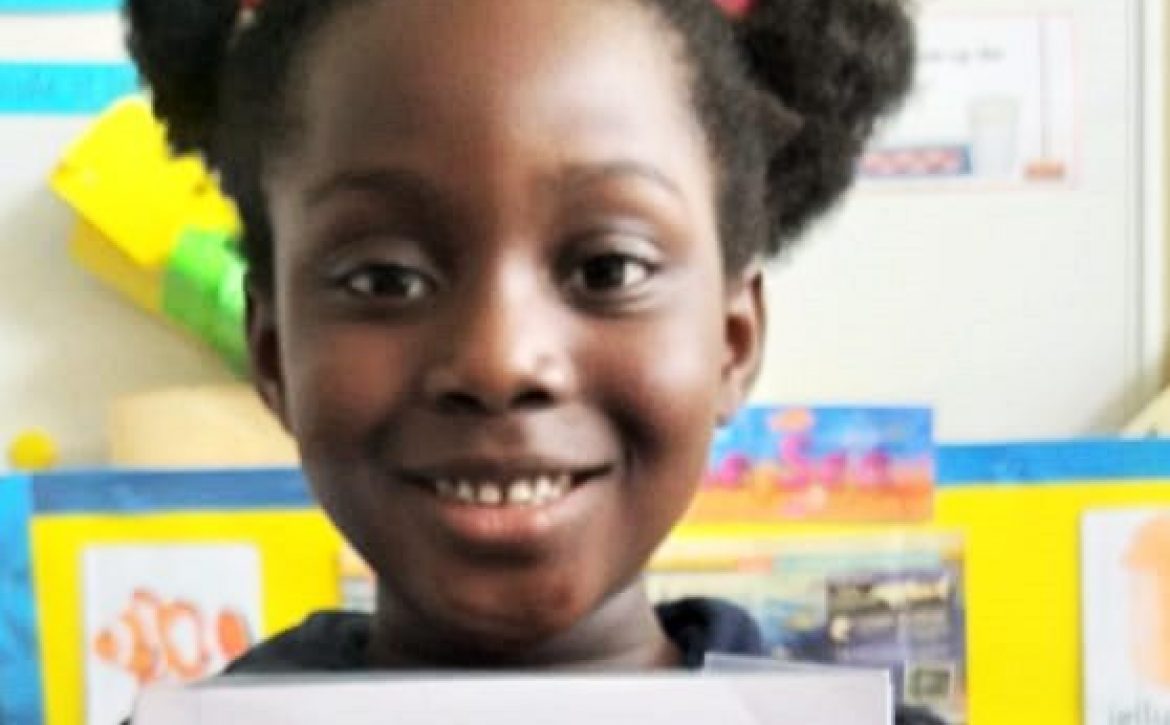
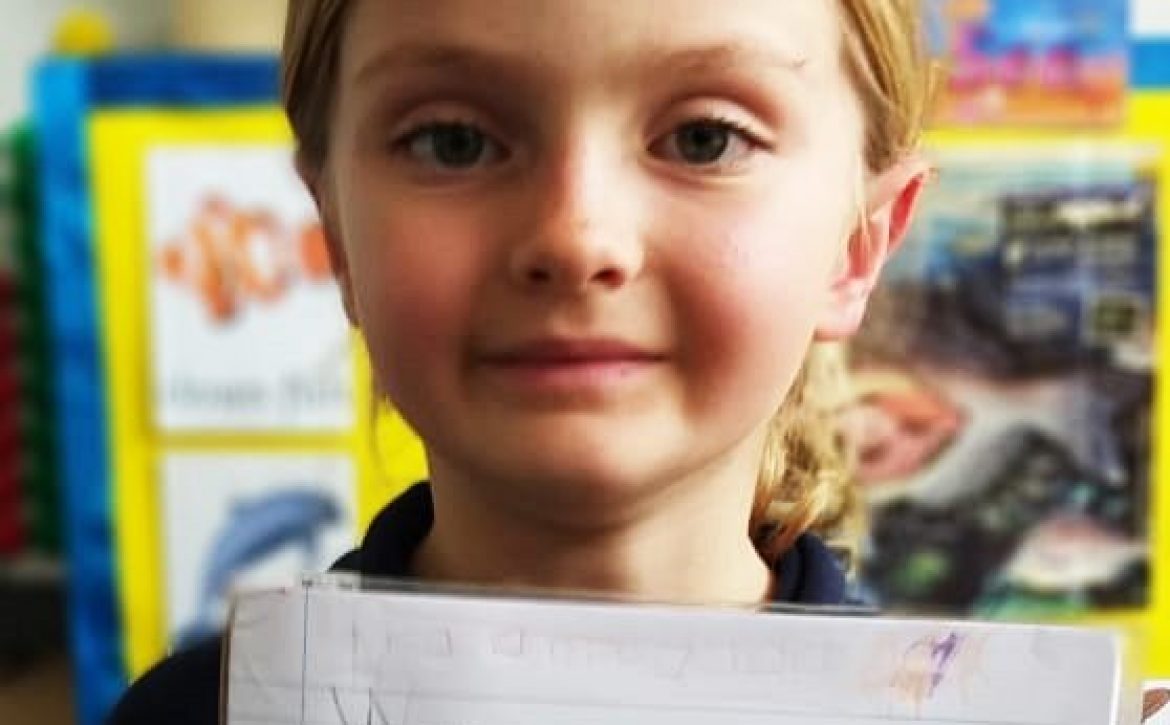
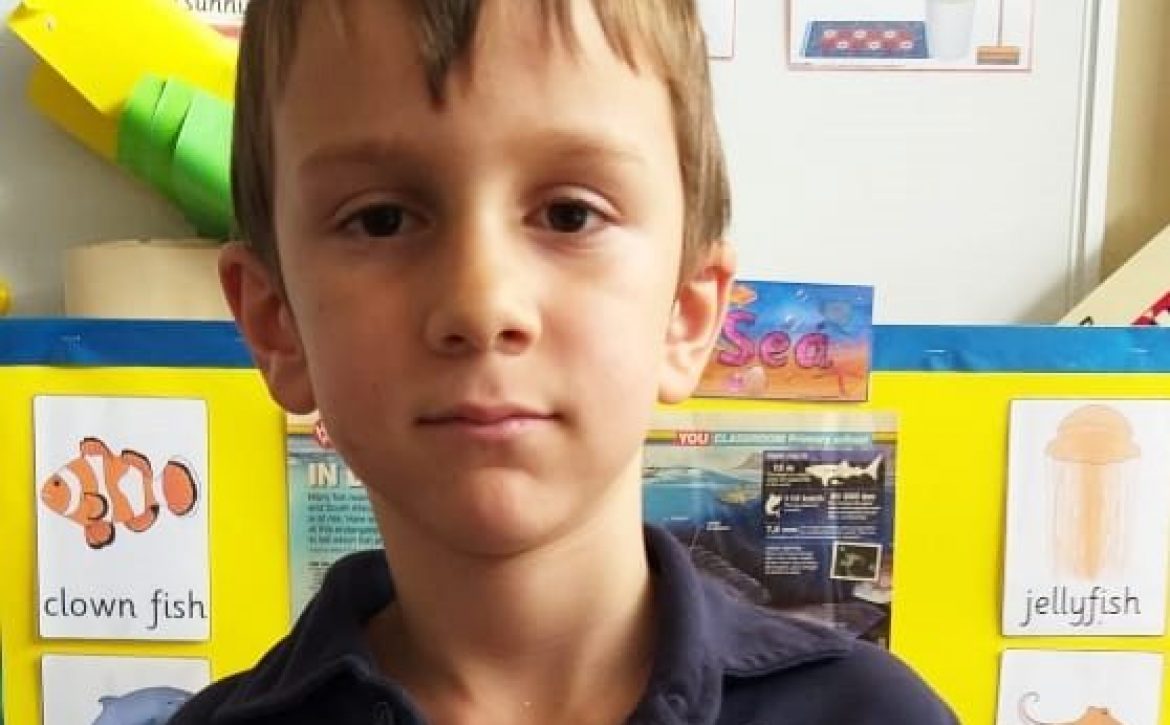
The students are very excited about the following sentences they have written in their writing books this week:
“I went to the shop.” – Gabriel Perdigão
“I went to Namibia.” – Madison Carli
“I went to get donuts.” -Thami Makubalo
“I went to the shop.” – Michele Lemme
“I went to Dubai.” – Zoe-Jane Way
“I went to holiday care.” – Emmanuel Omole
“I went to the movies.” – Britney Quadri
“I went to the shops.” – Melissa Moje
“I went to the playground.” – Ali Sadi Hasturk
“I went to the shop.” – Lizelle Vorster
“I went to holiday care.” – Enzo Tona
“I went to the hospital.” – Jenna Miller
“I went to the shops.” – Reuben Davids
“I went camping.” – Malin van Zandvoort
“I went to the mall.” – Ndalo Kweyama
“I went to the movies.” – Sarah Miller
“I went to the shop.” – Irén Martinez Baqueiro
“I went to the holiday care.” – Joel Mofokeng
Bronwen Nuthall
Reception Year Teacher


Hidden Benefits To Reading To Your Children
As a much younger teacher, I remember emphasizing to parents, the importance of reading aloud to their children. It was really only after having my own children and practicing what I had preached, that I began to understand that I too was benefiting!
I recently read an interesting article, published by the Melbourne Institute of Applied Economic and Social Research, in which they set out the basic “hidden” benefits…
Building Bonds
While reading is a necessity for learning, it is also one of the best ways to develop bonds with your children; researchers say reading to your child is “a gift for time-challenged parents who may feel guilty about missing special moments with their kids.” (www.scholastic.com) The book publisher suggests parents schedule reading sessions often and use the moments to enrich their relationships with their children, as well as build their vocabularies. Parents will forever cling to such innocent moments. Children, meanwhile, are learning about complex aspects of life and relationships when they are engaged in stories with themes that can be more mature than anything they’ve encountered in life. Going through those educational moments with a parent allows them to confront these issues in a safe space.
Secret to Success
The article goes on to explain that research showed that children four to five years of age who are read to three to five times a week are six months ahead of their peers in terms of reading acumen. Those children who are read to daily are a year ahead of those who are read to less frequently. ”It does appear to be the case that children who are read to more often keep doing better as they age than other children.”
Rich Vocabulary Equals Advantage
Educator Jim Trelease notes that there is a clear difference between conversing with a child and reading to him or her. As he points out in his book “Read-Aloud Handbook,” literature is more intricate than speech and therefore vastly more educational.
“The language in books is very rich, and in books there are complete sentences. In books, newspapers, and magazines, the language is more complicated, more sophisticated. A child who hears more sophisticated words has a giant advantage over a child who hasn’t heard those words,” Trelease says.
Teaching by Example
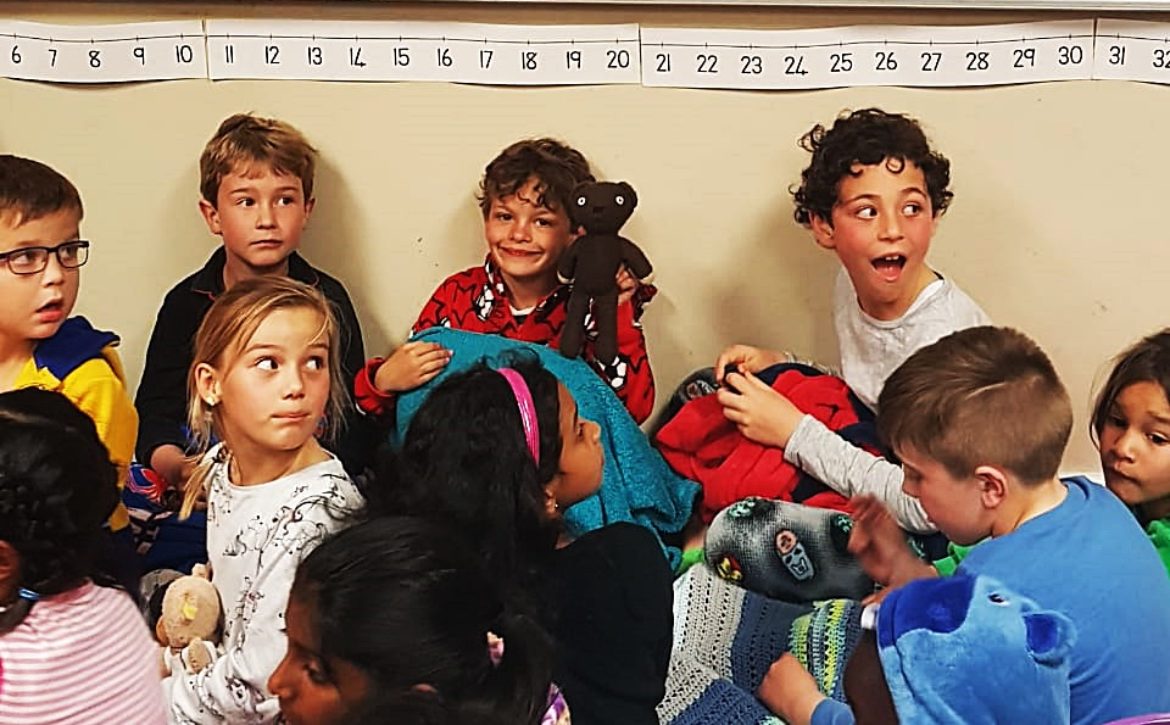
“A child who has been read to will want to learn to read herself. She will want to do what she sees her parents doing. But if a child never sees anyone pick up a book, she isn’t going to have that desire,” Trelease points out in a conversation with GreatSchools.org. Reading increases a child’s attention span and a parent’s own cognitive ability, the best-selling author says. It is one of the most essential and valuable activities children can inherit from parents simply by observing them being engrossed in a book or magazine. Knowing how many habits children pick up from grown-ups around them, reading is one activity parents should aim to get caught doing in front of their children!
So, enjoy cuddling with your child and reading that bed time story.
Kim Coetzer
Year 2 Teacher