Developing A Love Of Reading In Your Child
“Children are made readers in the laps of their parents’’ – Emilie Buchwald
It is so important to encourage a love of reading in your child from a young age. Reading in a wonderful opportunity to bond and build memories as a family together. Research shows that reading to children, even before they can understand words, teaches them to associate books with love and affection. Reading is a multifaceted process involving word recognition, comprehension, fluency and motivation.
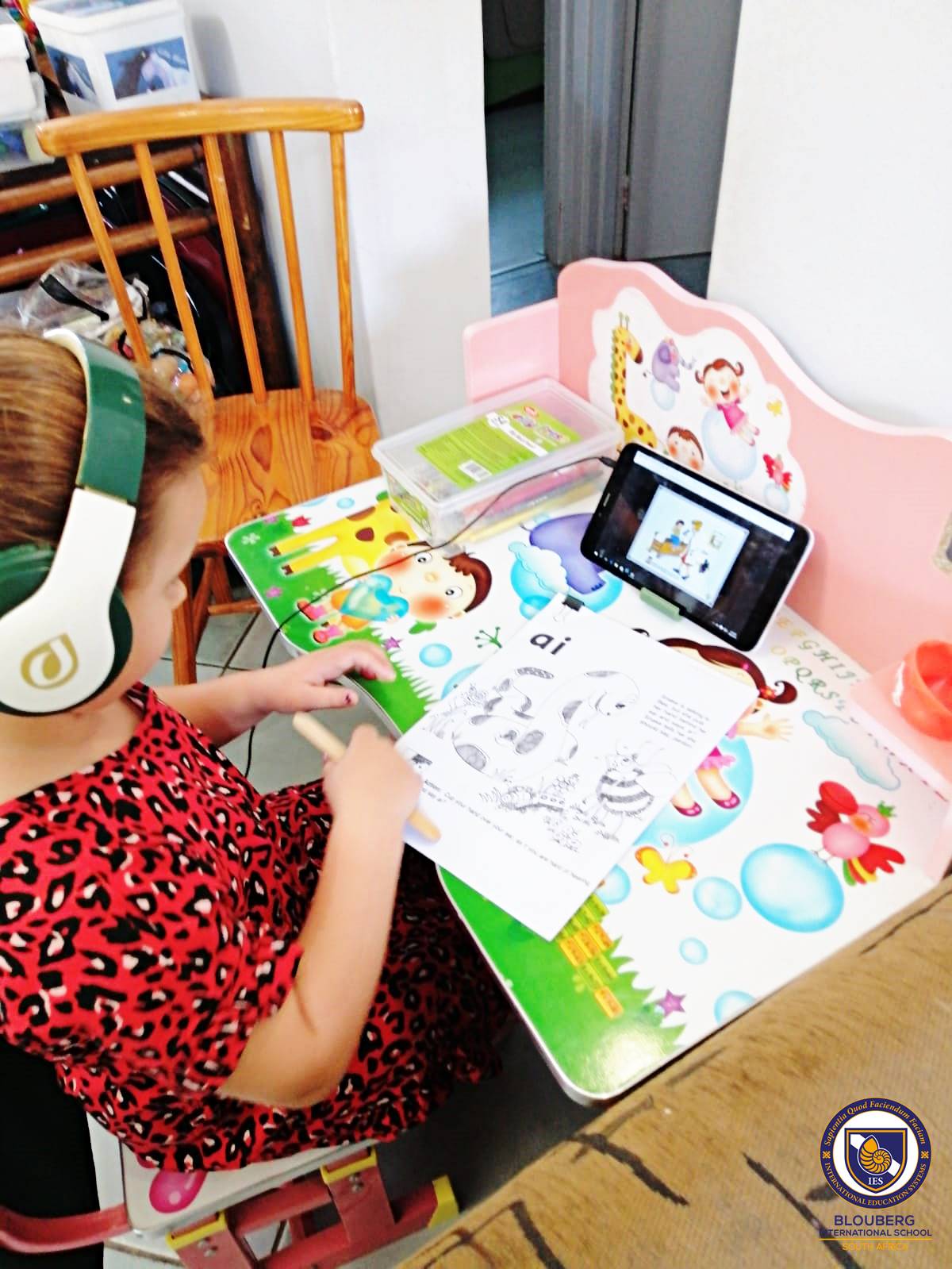
The first words children encounter in their reading are often known as High Frequency Words. Some High Frequency Words can be sounded out, but often they need to be memorised. It can be useful for children to learn phonics rules to help them break down words so that they can make sense of them. Some High Frequency Words can be taught as word families where the rule is the same. For example in the short words ending in ‘o’ such as ‘go’, ‘no’ and ‘so’ the ‘o’ is pronounced as ‘oh’, However in ‘to’ and ‘do’ the ‘o’ sound is pronounced as an ‘oo’ sound. In this example children would learn that short words ending in ‘o’ either sound like ‘oh’ or ‘oo’ at the end of the word. Jolly phonics is really great at helping children be more aware of where they hear the sound in the word. The sound buttons help them see and find beginning middle and end sounds in words with ease. This helps them with both blending sounds to make words and breaking words up into sounds to read them.Once your child has knowledge of phonics skills and has mastered some of their High Frequency Words, they are ready to start reading books with simple sentences. A good knowledge of High Frequency Words will help with good fluency and gaining confidence in reading. As confidence improves it motivates your child to want to read more. It is so important to make your child’s reading homework experience as enjoyable as possible.
Here are some tips for parents:
- Find a quiet area in a relaxed area of the home where there won’t be distractions or interruptions.
- Encourage your child to use their knowledge of their phonics skills and spelling rules to sound out words.
- Be patient and allow your child to get the word wrong. Ask questions such as “Does it make sense?” “Does it sound right” “Does it look right?”rather than giving them the answer or losing patience when they are making the same errors.
- Tell your child to look for clues in the pictures for words they are unsure of.
- Practising learning High Frequency Words in fun ways such as writing them in fun ways or playing games.
Children often learn by imitating those most important in their life. It is vital to model attitudes towards reading in positive ways as motivation plays such an important role in the acquisition of reading skills. If your own experience with learning reading has not been positive, you need to be aware of not carrying that over to your child.
Create opportunities for your child to be aware of reading words in their environment such finding familiar words on signs, grocery products, menus and in magazines, etc. As you use opportunities to encourage reading, the whole world will to open up to your child, allowing them to interact with their world and achieve new goals they have never before imagined.

Things To Do In The Lockdown School Holiday With Your Little Ones
At the best of times the winter holidays can be a little daunting with trying to find things for your children to do. Welcome to a one of a kind winter lockdown holiday!
Here are some ideas of what you can do:
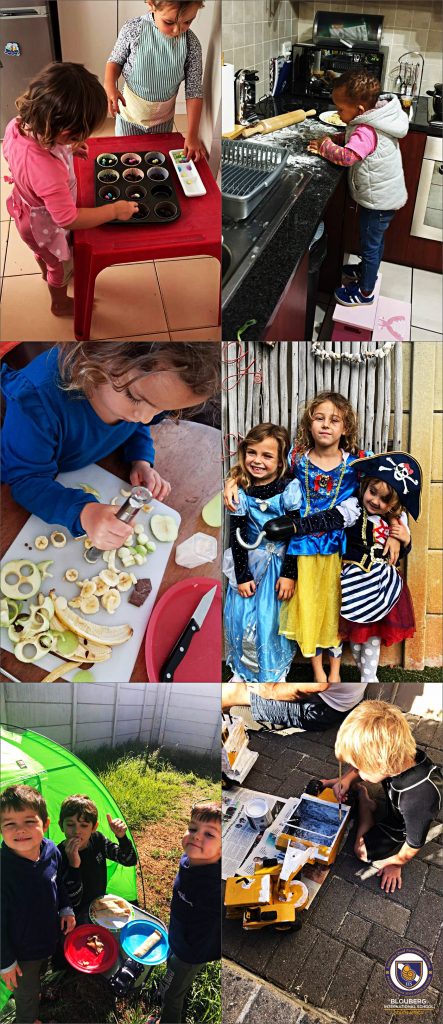
A camping trip at home could be fun! Let your child’s imagination run wild as they pretend to go camping. Put a tent up in your house or build a den using a table, some cushions and a sheet. Add some fairy lights for night time. Have a braai, roast some marshmallows and afterwards tell stories in their dens or tents and sleep on mattresses in the lounge.
Create obstacle courses inside or outside depending on the weather. These can be set up easily on your lawn using items found around the house. If it is a cold rainy day you can make an obstacle course out of crepe paper inside. Criss cross it from one wall to another, leaving small gaps for your little ones to climb through. See if they can make it through the course without tearing the paper.
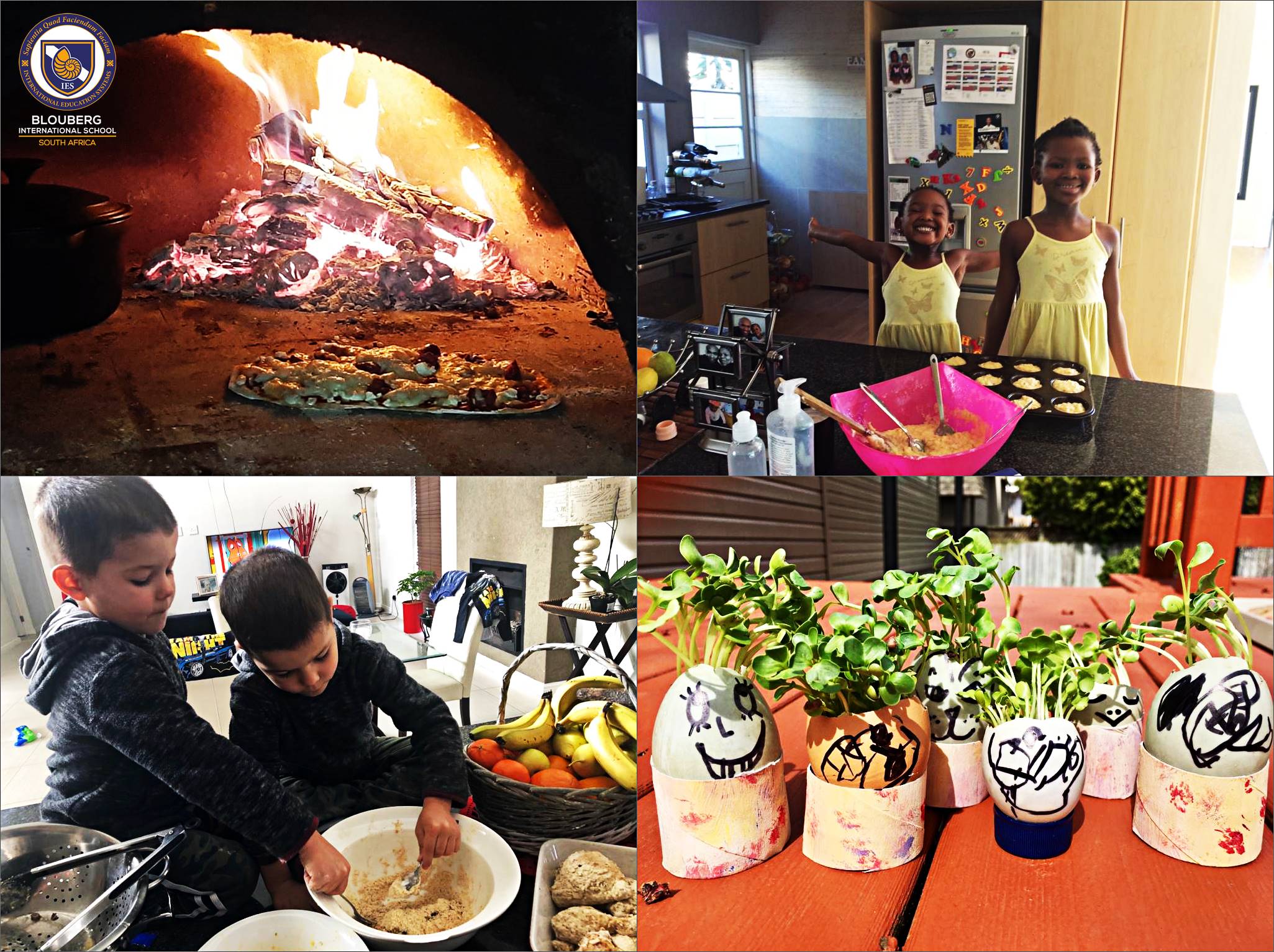
Learn & experience a new country or culture without even leaving your home. Play a game with them by letting them blindly point out a place on a map, after which you all find a way to bring one aspect of that place into your home through food, language, dress etc. If only for one day! Make a meal celebrating that culture e.g. Italy – make Pizza; France – Crepe Suzettes or even America – Hamburgers.
Grow your own vegetables or herbs. Gardening can help your children learn about where food comes from, how things grow and how to look after them by watering them. To start off, try regrowing vegetable scraps including lettuce, avocados and carrot greens etc. You can also make cress heads by drawing silly faces on empty egg shells, fill them with soggy cotton wool and add cress seeds. It won’t be long before they start to sprout.
Pebble art can also be a fun family activity. Using felt tips or acrylic paint coated with varnish to give an extra layer of protection for the outside. Place the completed pebbles in the garden or give to family or friends as gifts.
Make ‘Wallpaper People’ out of an old roll of wallpaper, or any other paper. Lie your little one down on the paper or draw around them (if you don’t have big paper just use chalk on the bricks outside). Amazing how long they will spend colouring themselves in afterwards. They might also want to make a wallpaper mom, dad or sibling too.
Drive-in movie can be lots of fun! It’s quite easy to turn a big cardboard box into their very own car and they can help paint and decorate it too. Put a cushion inside, give them some popcorn, put a movie on or just enjoy a family movie from the comfort of your couch with lots of snacks of course!
A tea party can be enjoyed and lots of fun with a little bit of imagination. You can even bake some of their favourite treats with their help and decorate them. They can then invite their toys or siblings or parents along – giving each of them their own invitation. They can dress up and enjoy a treasure hunt or games in the garden.
Your very own Master Chef competition can unleash the cook in them. Encourage your children to participate and come up with ideas of what to cook.
Dancing & singing can keep the children active by having dancing and singing competitions using their favourite songs.
Hope that you use some of these ideas and enjoy these winter lockdown holidays!
Cindy Nunan
Pre-Reception Teacher