
The Importance Of Reading
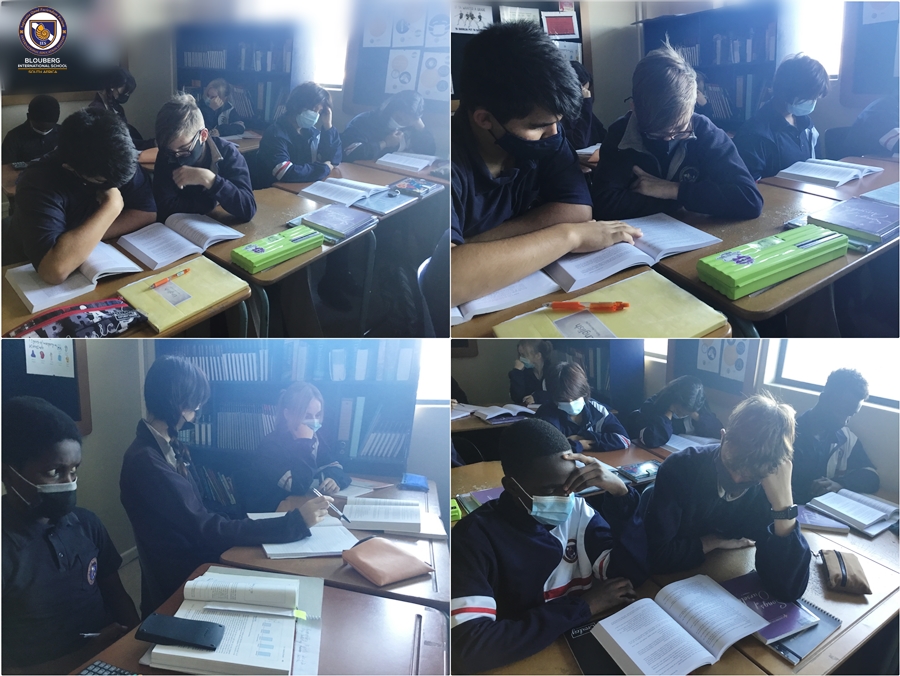
As an English teacher, I am no stranger to reading. I am also no stranger to students trying anything and everything they can to get out of reading. It has become apparent that children nowadays either refuse to read, or they are unaware of just how important reading is.
When I deal with students who are not performing up to standard, I always ask whether that student likes to read. The reason for this is that there is a proven correlation between achievement in English and the enjoyment of reading. This is because reading allows people to see how the language is supposed to be used. It enables one to see how to properly use grammar, how words are supposed to be spelled, how sentences are supposed to be structured, and it allows one to learn brand new words to expand one’s vocabulary.
In addition to reading having academic advantages, it also allows one to be transported into different worlds without even having to leave their couch. It enables the young aspiring adventurer to step into the world of swashbuckling pirates, crime fighting superheroes, or brave soldiers. Reading is an excellent way to broaden the imagination of young dreamers and creatives, as it inspires them to push the boundaries and think outside of the box.
I will forever encourage students to read as much as possible. For the non-reader, I always suggest reading articles or blogs – anything that contains subject matter that is of interest to them. Hate reading, but love soccer? Pick up an autobiography about your favourite soccer player. Can’t stand a novel, but love Science? Grab yourself a National Geographic magazine and read the articles. Reading can be so diverse that even the most stubborn nay-sayers will be tempted to pick something up and read.
In celebration of Book Week, I would like to encourage all our students, staff and parents to pick up a book this week, and immerse yourself in the joys of reading.
Mia Tossel
IGCSE, AS and A Level English Teacher

Read More
Writing reports – Developing Comprehension
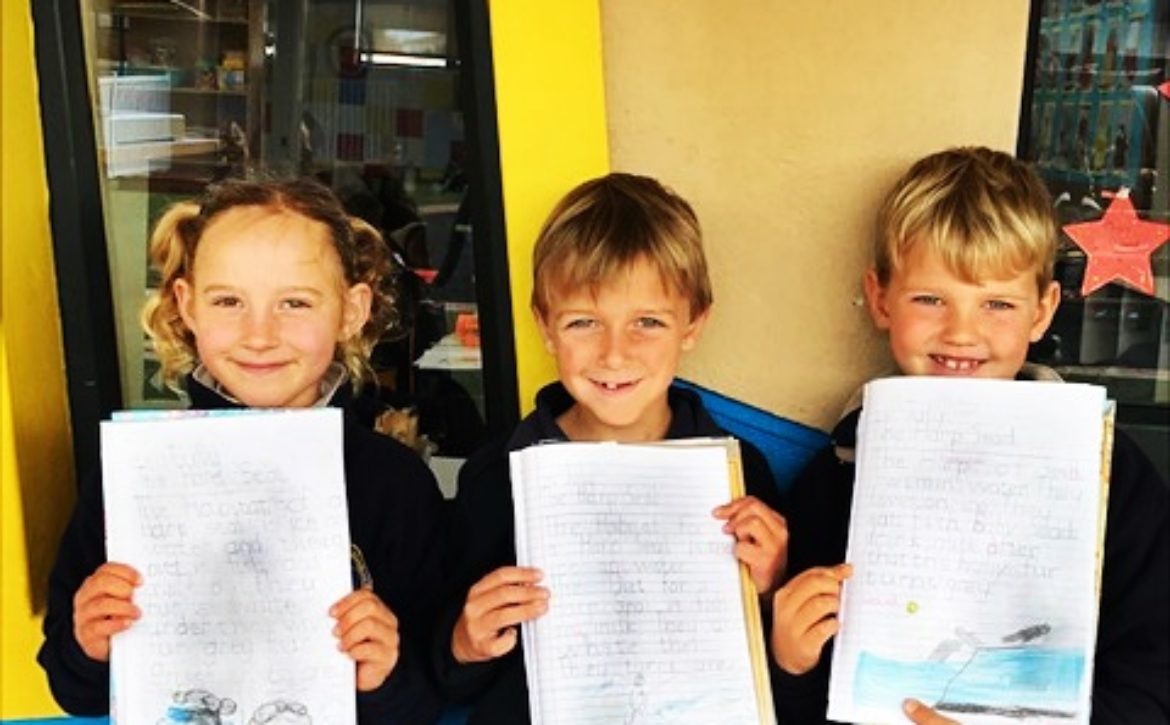
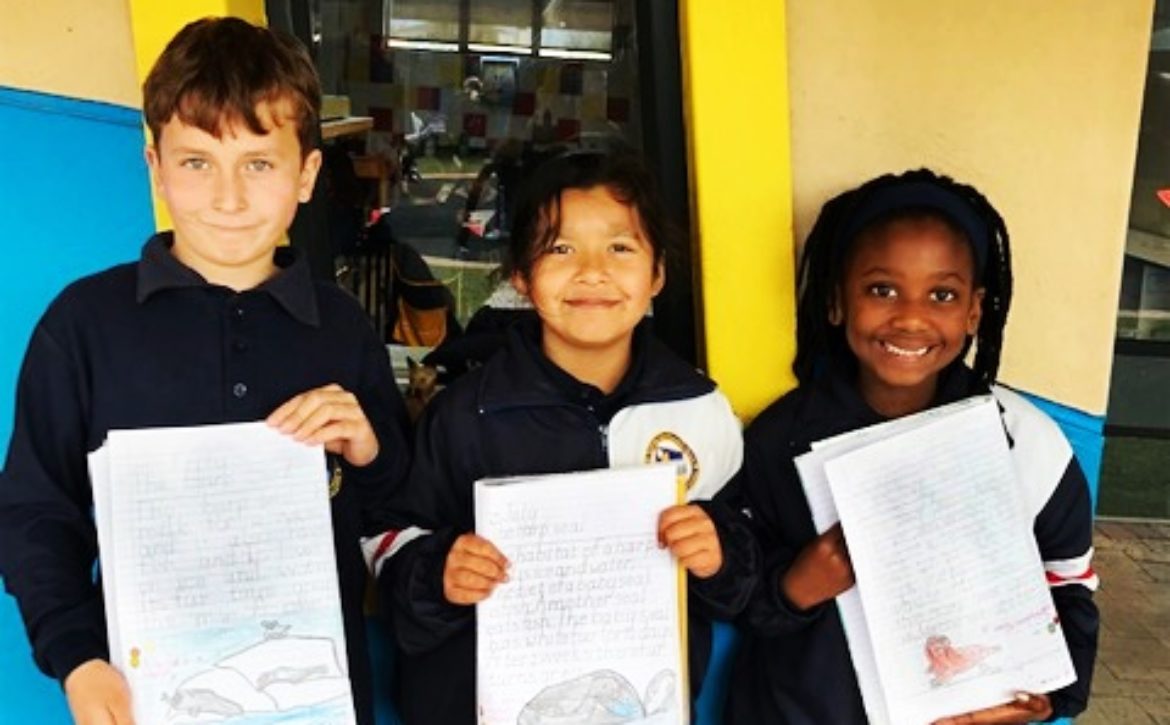
In Year 1 the students have been learning about non-fiction books. Last week they read reports about seals and then wrote their own reports about harp seals.
In order to write a report a student must achieve an understanding of the content they need to report on. This teaches them to think about what they have read. Comprehension is one of the most important skills a child must develop from a young age and can be developed at home as well.
You can help your child by adding a few little things to your reading routine:
- Hold a conversation and discuss what your child has read. Ask your child probing questions about the book and connect the events to his or her own life. For example, say “I wonder why that girl did that?” or “How do you think he felt? Why?” and “So, what lesson can we learn here?”.
- Help your child make connections between what he or she reads and similar experiences he has felt, saw in a movie, or read in another book.
- Help your child monitor his or her understanding. Teach her to continually ask herself whether she understands what she’s reading.
- Help your child go back to the text to support his or her answers.
- Discuss the meanings of unknown words, both those he reads and those he hears.
- Read material in short sections, making sure your child understands each step of the way.
- Discuss what your child has learned from reading informational text such as a science or social studies book.
https://www.readingrockets.org/helping/target/comprehension
Here are a few of the creative reports they wrote:
The harp seals habitat is ice and water. The diet of a seal is fish and the pup’s diet is milk. The pup’s fur is white, after 2 weeks the grey hair comes under the white fur.
Kwanda DyakalasheThe harp seal has milk for 12 days and it also has fish. It lives on ice and water. Its fur turns grey.
Zach GouwsThe habitat of a harp seal is ice and water. The diet of a baby seal is fish. A mother seal eats fish The baby seal has with fur for 12 days. After 2 weeks their fur turns grey.
Divyanshi BajpaiThe habitat of a harp seal is ice and water. The diet is fish and milk. They are white and then turn grey.
Fernando ErasunThe habitat of a harp seal is ice and water and their diet is fish and milk. Their fur is white. Under the white fur grey fur grows.
Paige FuchsThe harp seal swims in water. They live on ice. They eat fish. Baby seals drink milk. After that the baby fur turns grey.
Callum Greyling
Ann Cordner
Year 1 teacher