
PLAYDOUGH FUN WITH THE YEAR 2’S
“Play is the highest form of research” – Albert Einstein
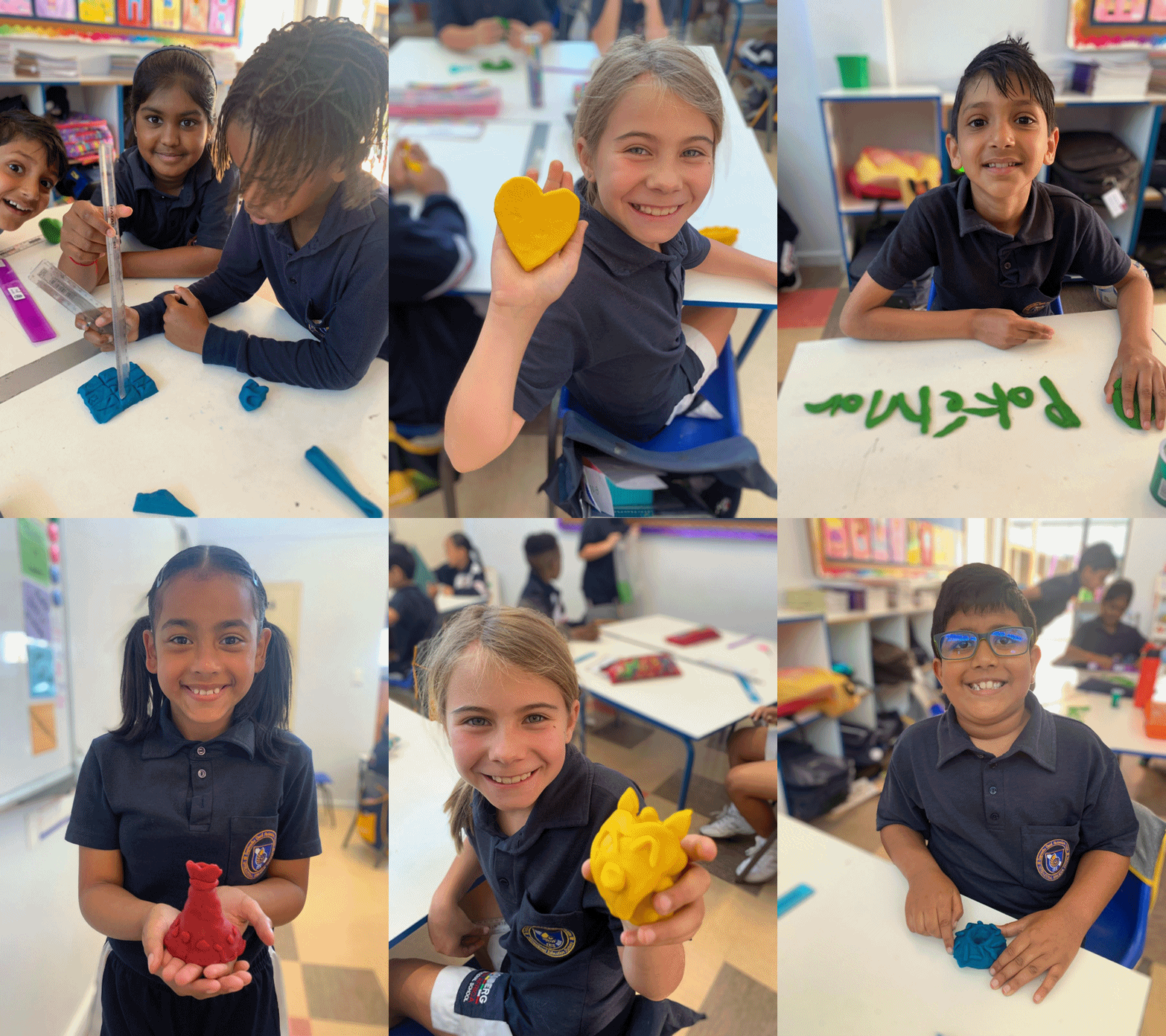
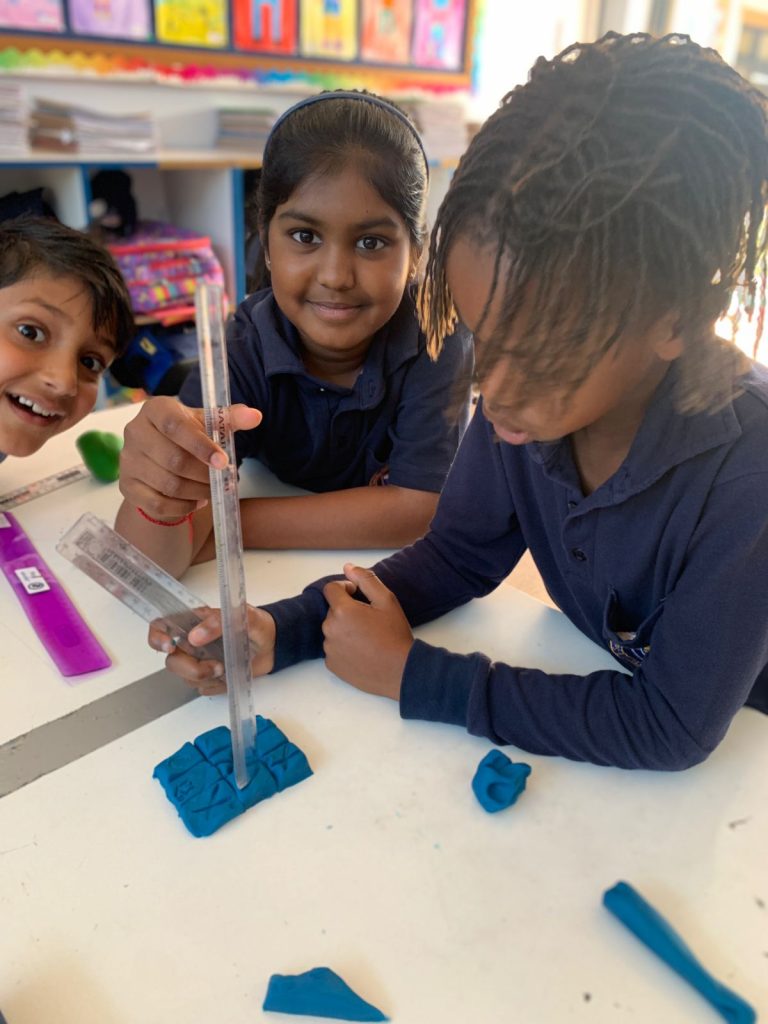
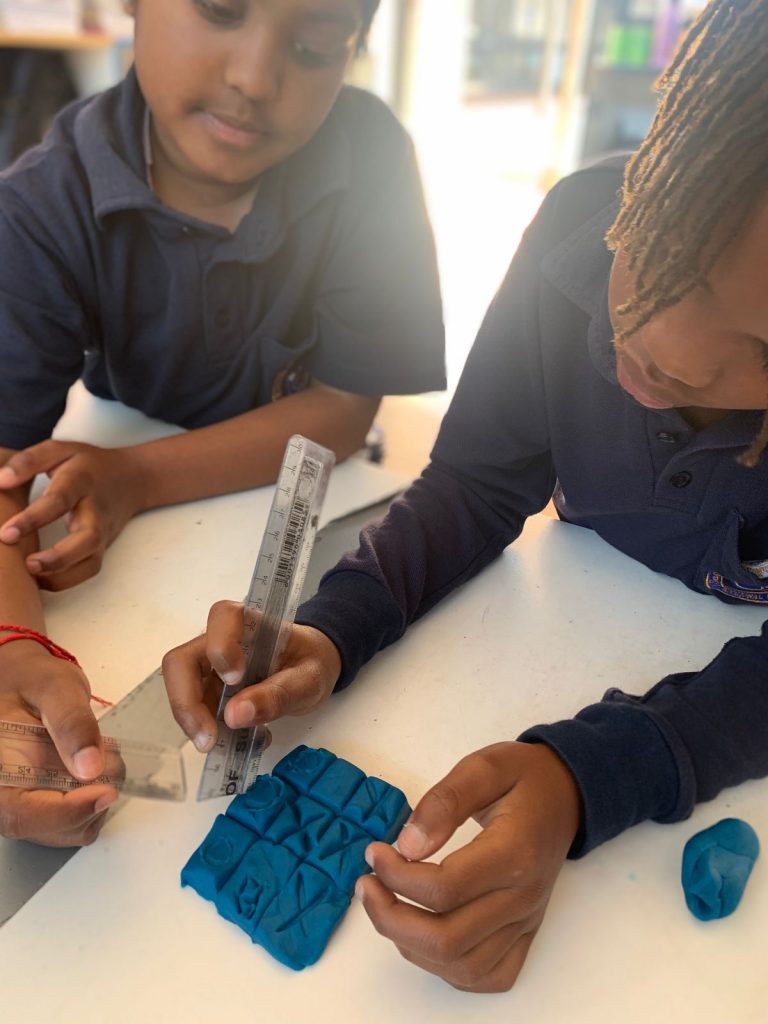
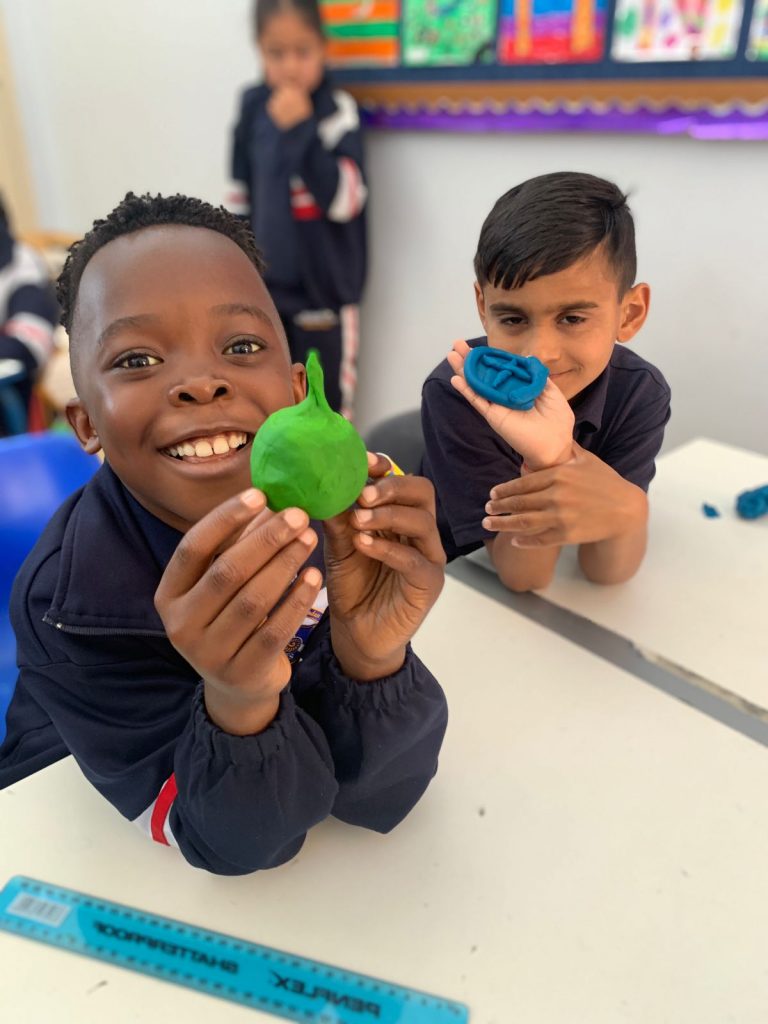
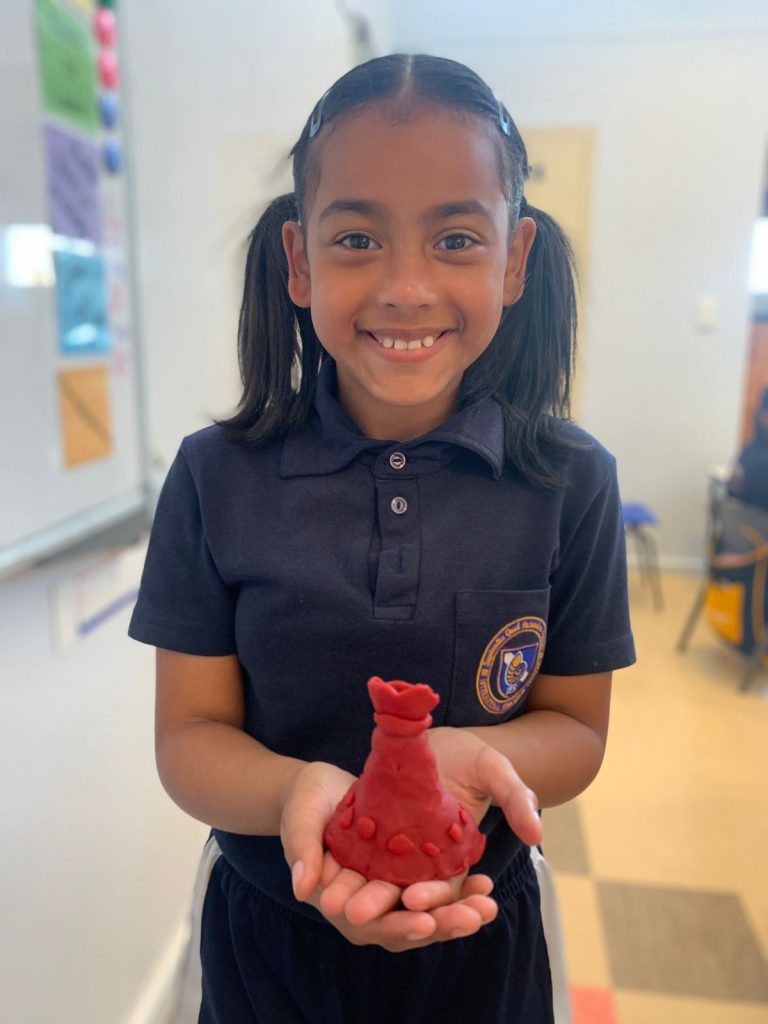
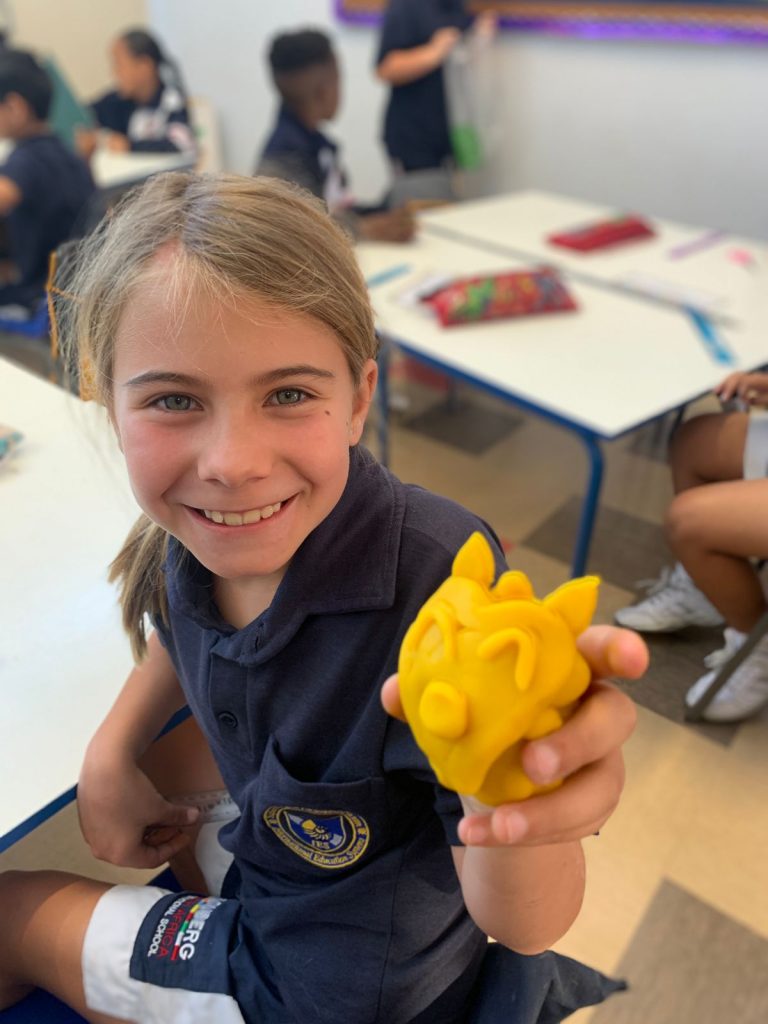
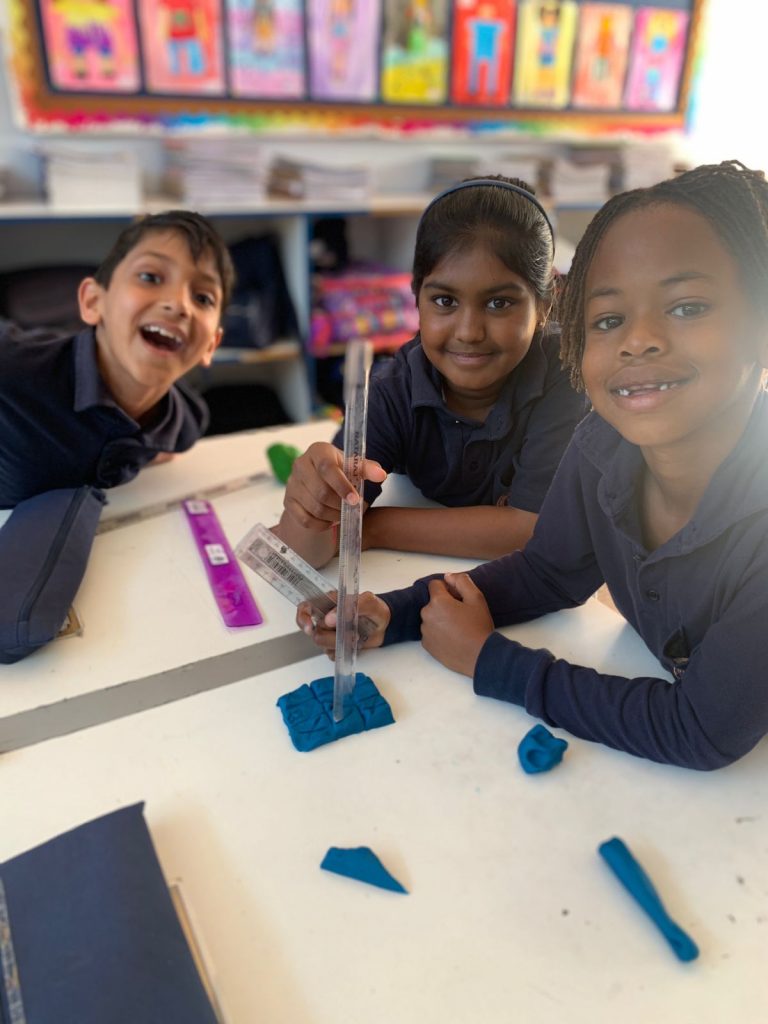
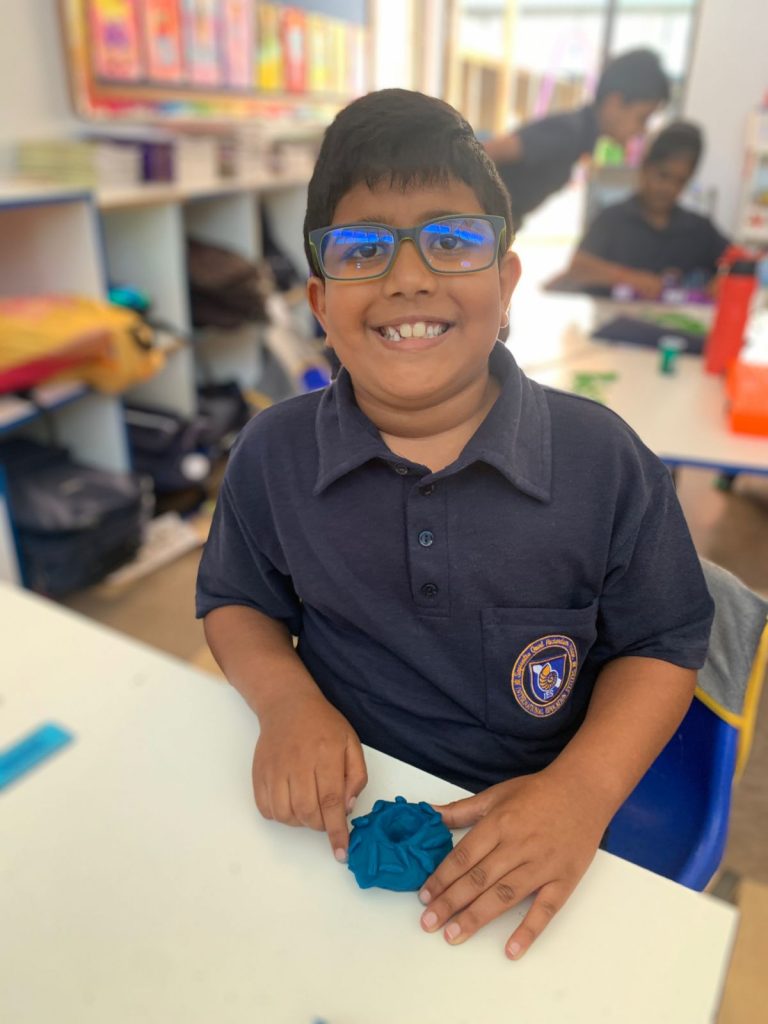
Our Year 2’s had some fun experiment with playdough, discovering new ways to use it. There are many benefits of children playing with playdough including developing fine motor skills, creativity, vocabulary, literacy and numeracy and much more.
Playdough also:
- Motivates children to explore its sensory qualities.
- Strengthens small fingers, hands and wrists.
- Builds children’s imagination as they play with it, creating as they wish.
- Developing self-esteem – no right or wrong to play.
- It’s calming and helps children relieve stress through their hands.
- Involving them in making the dough and discussing things like colour and texture, and what happens when liquids are added.
The students experimented with moulding their playdough into different types of animals as well as various shapes like hearts and stars. Some even created small board games to play on like noughts and crosses. So much fun was had!
Siobhan Hendry
Year 2 Teacher




Read More
Live Sketching in Arts and Craft Club
“Art has the role in education for helping children to become more like themselves instead of more like everyone else. “ – Sydney Gurewitz Clemens
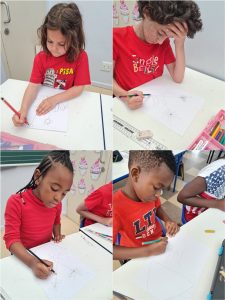
The Year 1 and Year 2 students in the Arts and Craft club thoroughly enjoyed a quiet lesson on Monday, completing a live sketch of a plant. They had the choice between an orchid and a bonsai tree. This took a lot of concentration and visual analysis of the different parts of a plants structure which the Year 1 students mastered in Term 3.
A live sketch is also known as a life drawing which is the drawing of an object through observation. We found this form of art something new and different for the students to try which completely blew the teachers away by the interest, concentration and beautiful sketches that were completed.
We found this form of sketching encourages students to make use of visual analysis, a lot of concentration, aids in creative problem solving and helps hand-eye coordination as well as fine motor skills.
We are grateful to have such talented students in our Arts and Craft club and look forward to watching them continue to grow more skills over this last term.
“The arts can help students become tenacious, team orientated problem solvers who are confident and able to think creatively.”- Arne Duncan
Erin Hierse
Year 1 Teacher




Read More

The Importance Of Drawing For Children
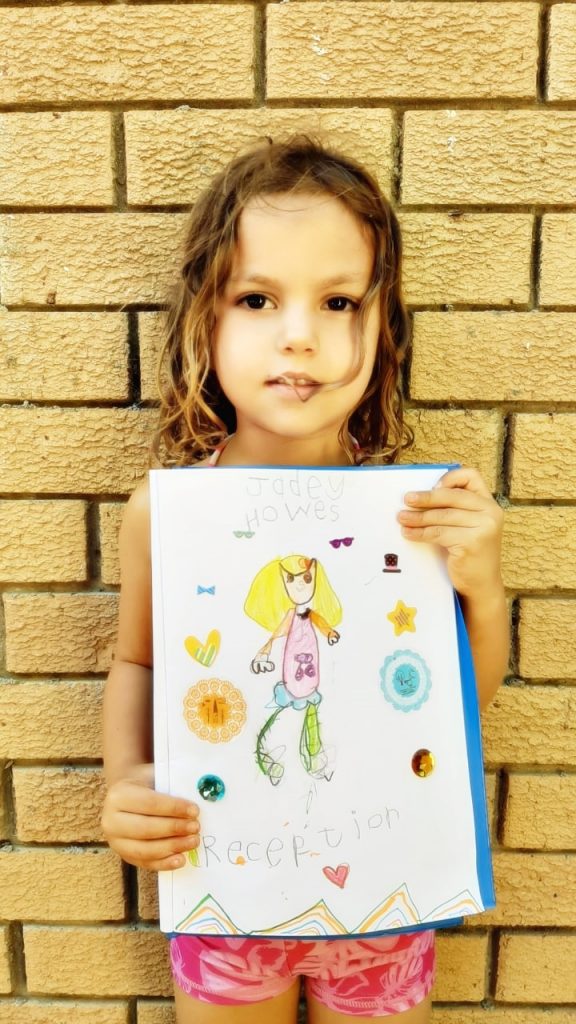
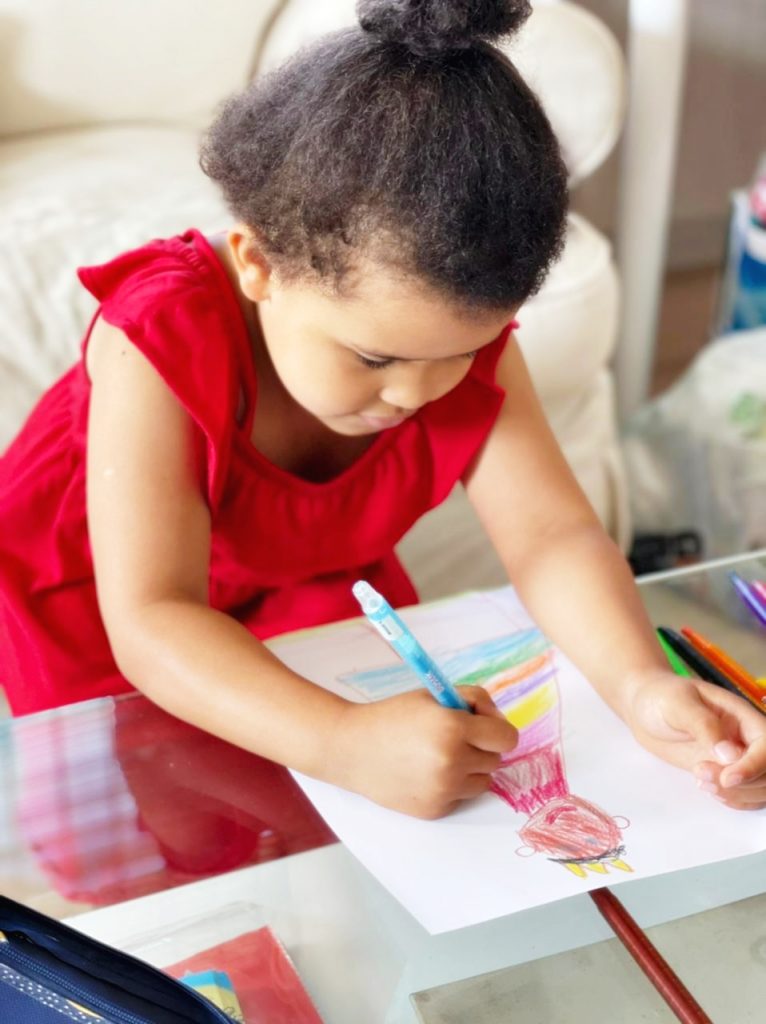
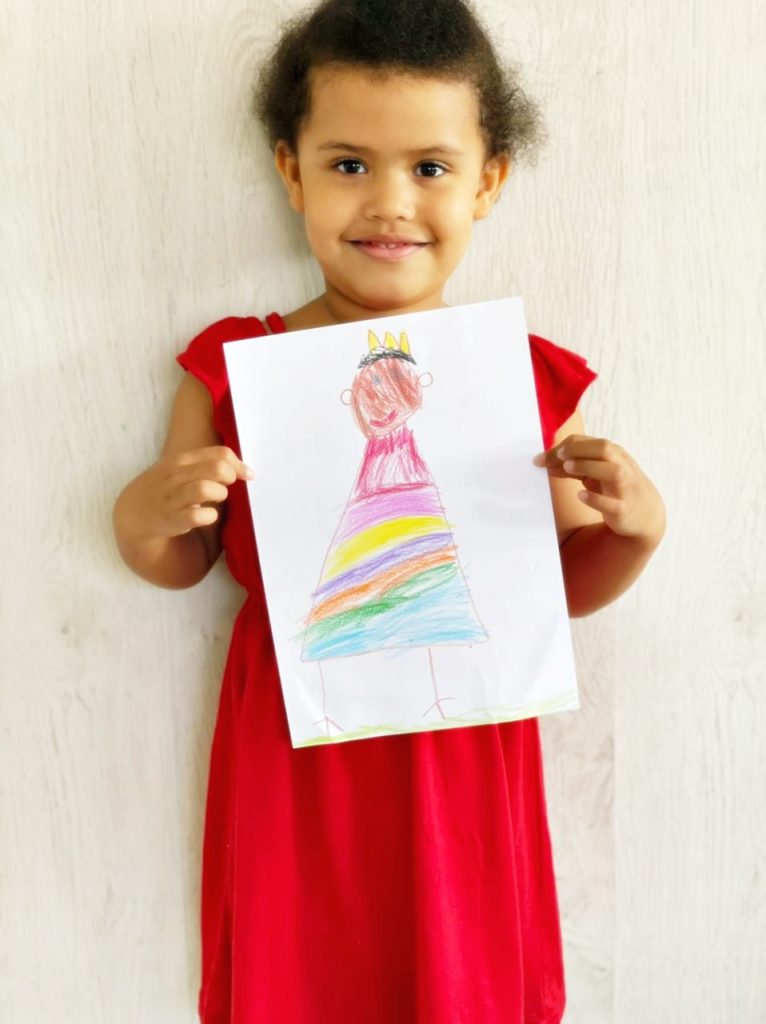
Drawing is one of a child’s favourite activities, but it has so much more value for them than just making pretty pictures. Drawing helps children develop in so many different ways. Through drawing children learn and practice many foundational skills needed at school. It is a wonderful way for children to make sense of the world around them and boosts confidence and emotional intelligence. Here are just a few of the skills that are developed through drawing.
Fine Motor and Visual Skills
Drawing from a young age helps strengthen and fine-tune your child’s fine motor skills. Drawing helps develop hand eye co-ordination. When planning out their pictures children also learn about spatial awareness, size, distance as well as depth perception.
Problem Solving
When drawing, your child is able to express themselves creatively. It provides them the opportunity to ask and solve many questions such as which colour to use or where to place an object. They are also able to develop their picture through the creative process and can change and improve it as they go. Through making mistakes, they learn how to do things differently or how to include their mistake by changing it into something else to enhance their picture. Drawing also develops concentration and helps children to focus on working towards achieving a goal.
Imagination
Drawing helps your child awaken their creativity and imagination. It gives them the opportunity to express their creative thoughts on paper. It is also an important way of expressing and processing their feelings and emotions.
Confidence
As a parent you will have experienced the joy a child has sharing their finished pictures or artwork with others. Through drawing children make pictures that represent their thoughts, imagination and experiences which give them an immense sense of achievement. Children’s pictures are also a record of events that have happened. As they share these experiences with their loved ones, it is also an opportunity for them to bond and develop vocabulary and language skills. As their communication skills progress, it gives children more freedom and confidence during social interaction with others. Drawing also develops important pre-writing and pre-reading skills that translates to greater confidence when learning new skills at school.
As a parent it is important to encourage drawing. Here are some fun ideas to try at home:
- Draw with chalk on paving
- Think of a topic to draw about like a recent birthday party
- Ask your child to draw a picture, but include an object with a specific colour or letter sound
- Draw on black paper using pastels or chalk
- Read your child a story and ask them to draw their favourite part or a new ending to the story
- Draw a background to play with other toys on afterwards, like a home for Lego people, a farm for plastic animals or a town for cars (this is good for visual perspectives and spatial awareness)
- Draw on different surfaces like a chalk board or on the floor
- Trace around your child’s body and allow them to draw in the details of their faces, body parts and clothing
Most children draw something new every day and it is often the most precious gift they have to offer their loved ones. Wishing you many happy memories of drawing fun with your child at home.
Bronwen Nuthall
Reception Year Teacher


Learning More About Shapes
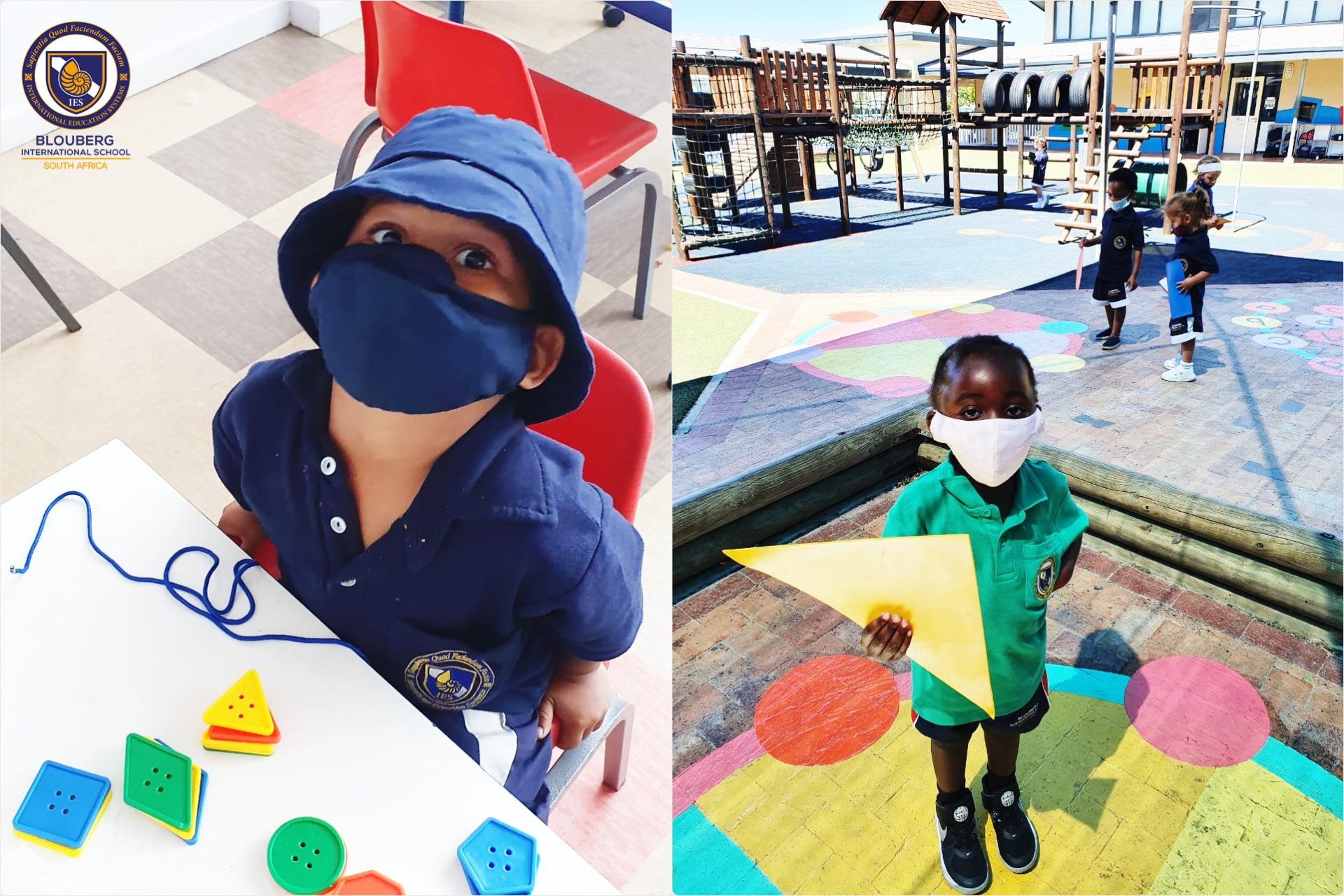
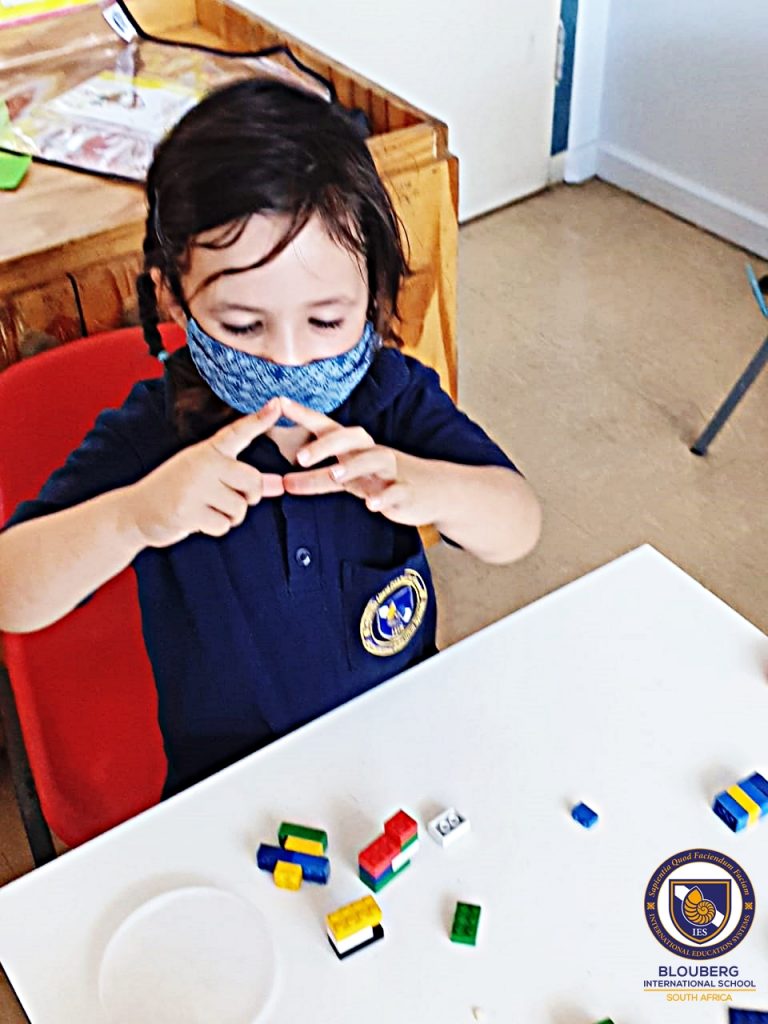
We have been learning about making and recognising basic shapes in Pre-Reception. The students had the opportunity to create and explore with shapes to learn what shapes look like and how to make them
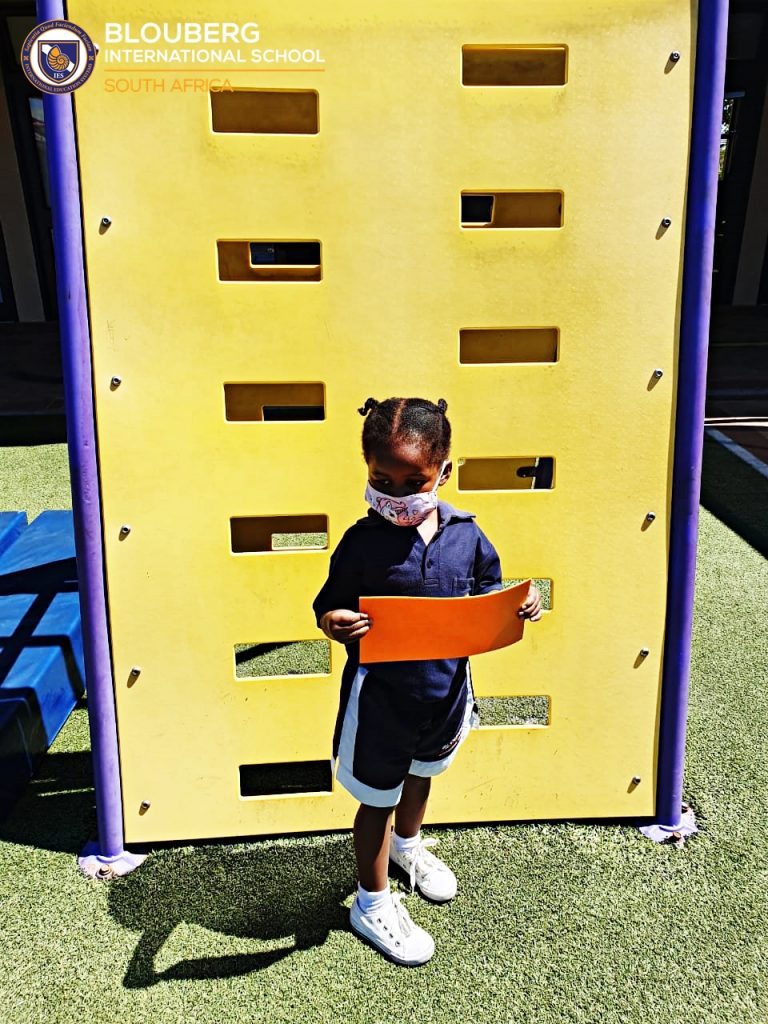
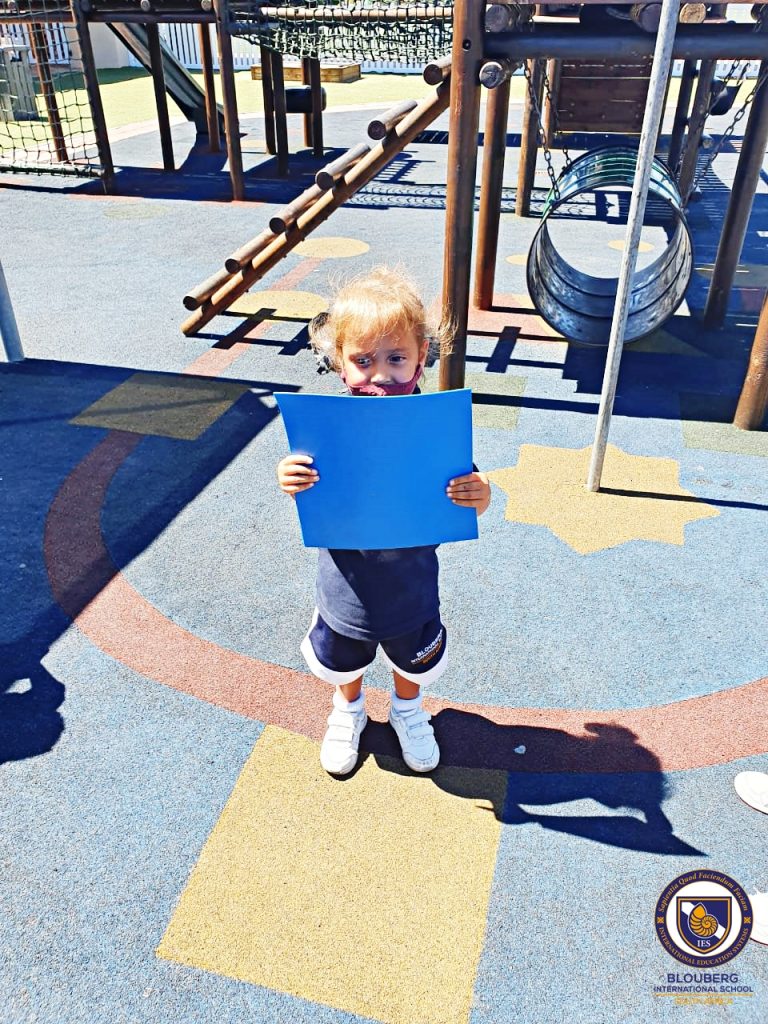
We went on a shape treasure hunt in our playground. The students had to match their given shape with the shapes of the hopscotch and other games on the playground.
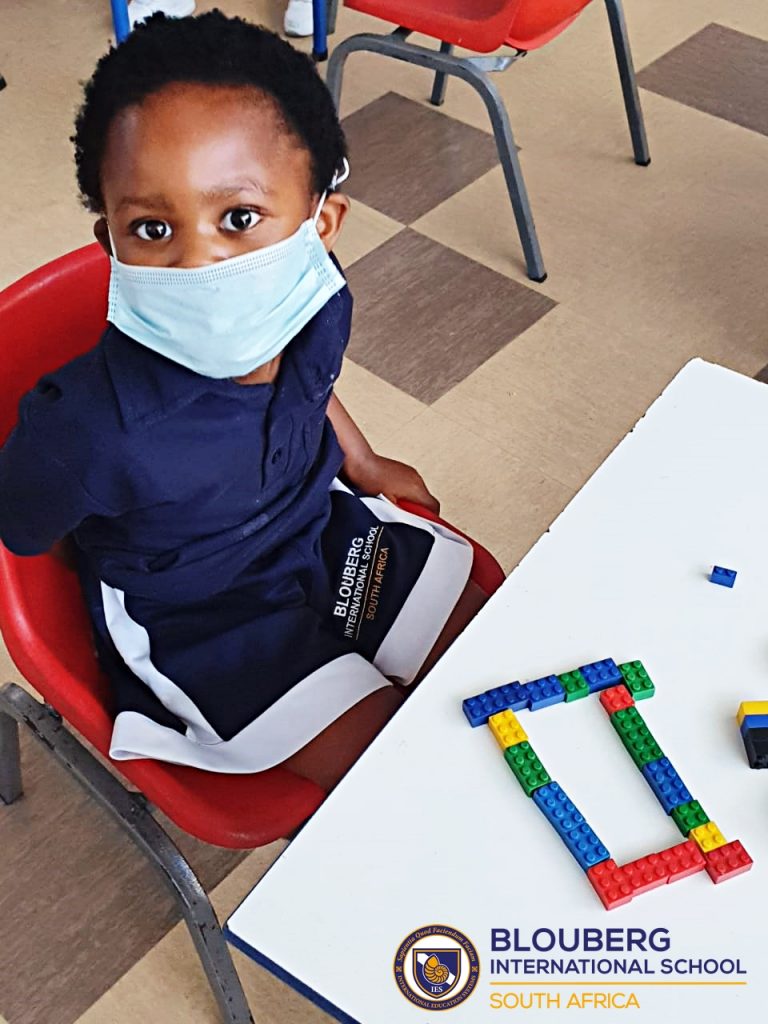
In the classroom we used Lego blocks, beads, play dough and match sticks to make different shapes. We also practised drawing shapes and cutting them out. We made even a square man during arts and craft time.
The students will continue to observe shapes in every activity they do and every book they read. Shapes are everywhere and fun to explore throughout the year.
Martie van Dyk
Pre-Reception Teacher




































Growing Artists From Fynbos
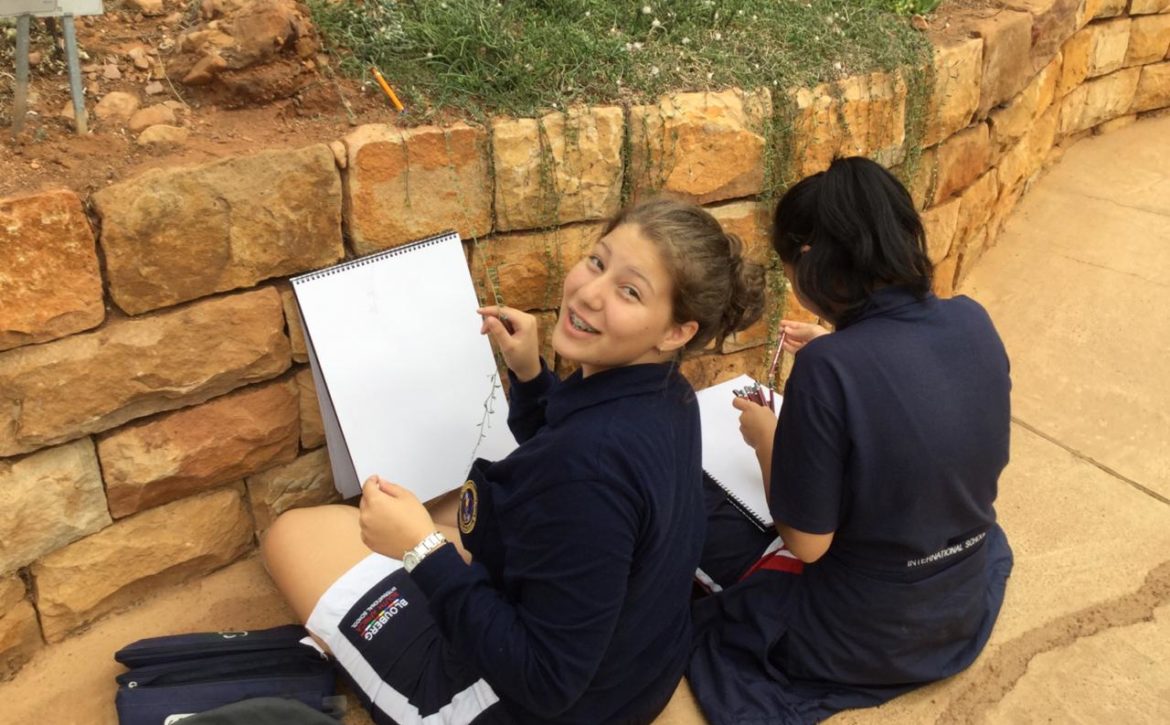
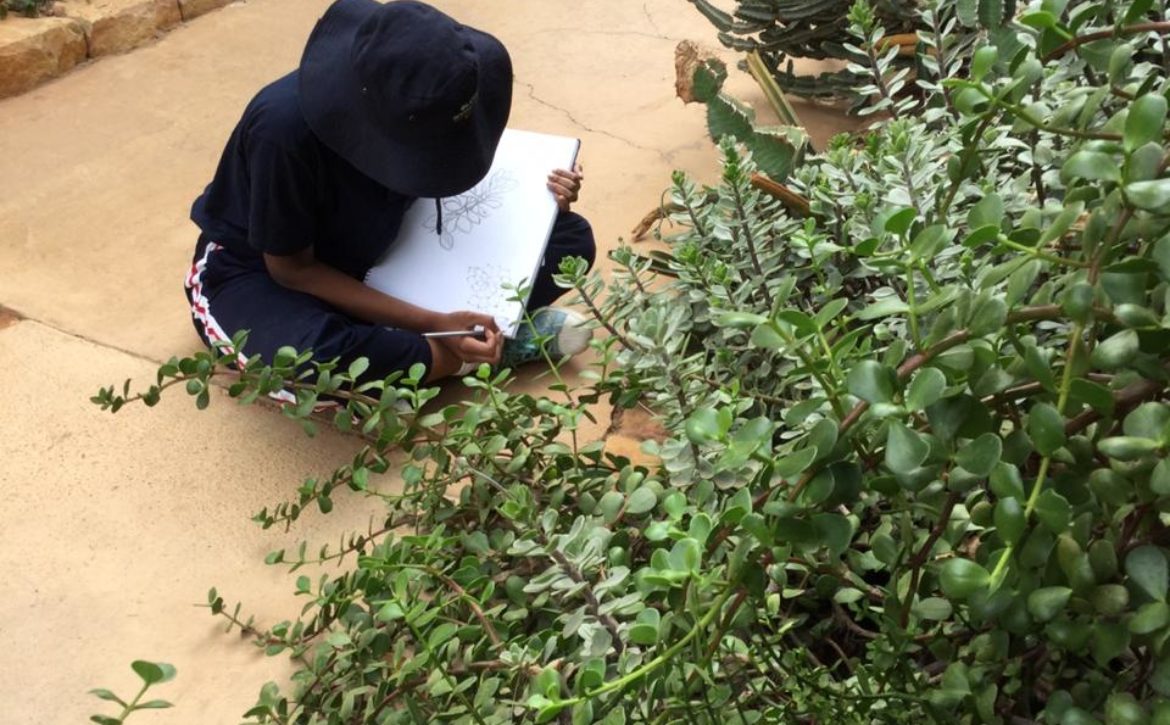
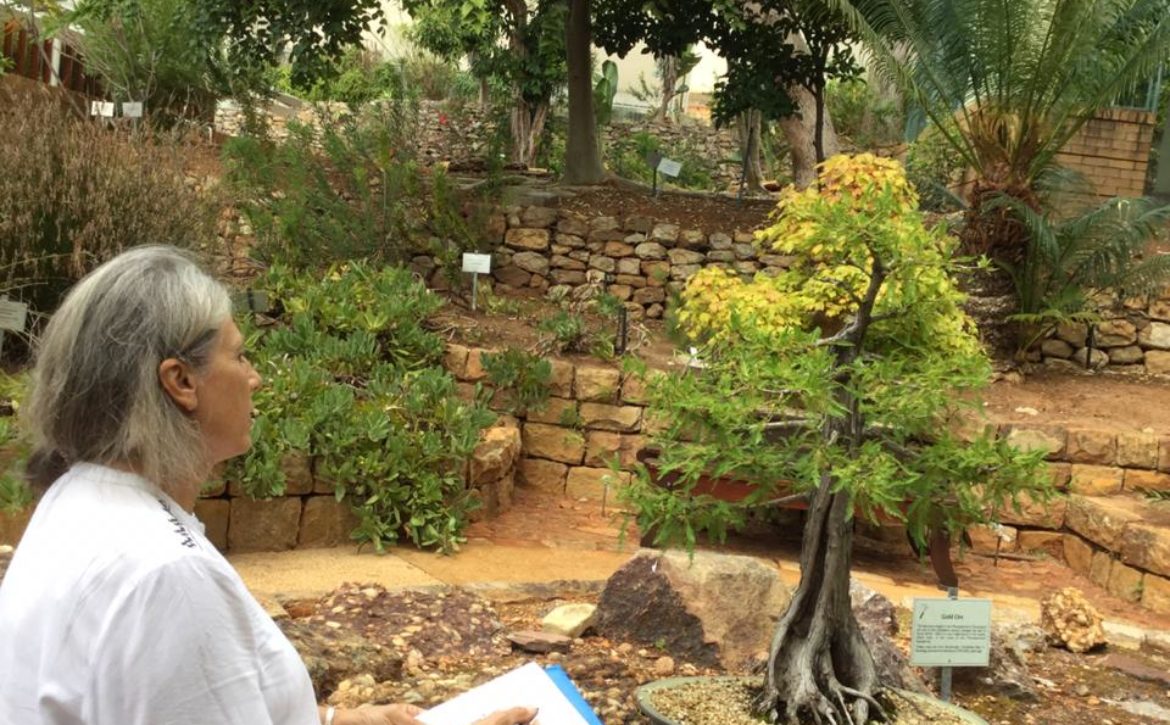
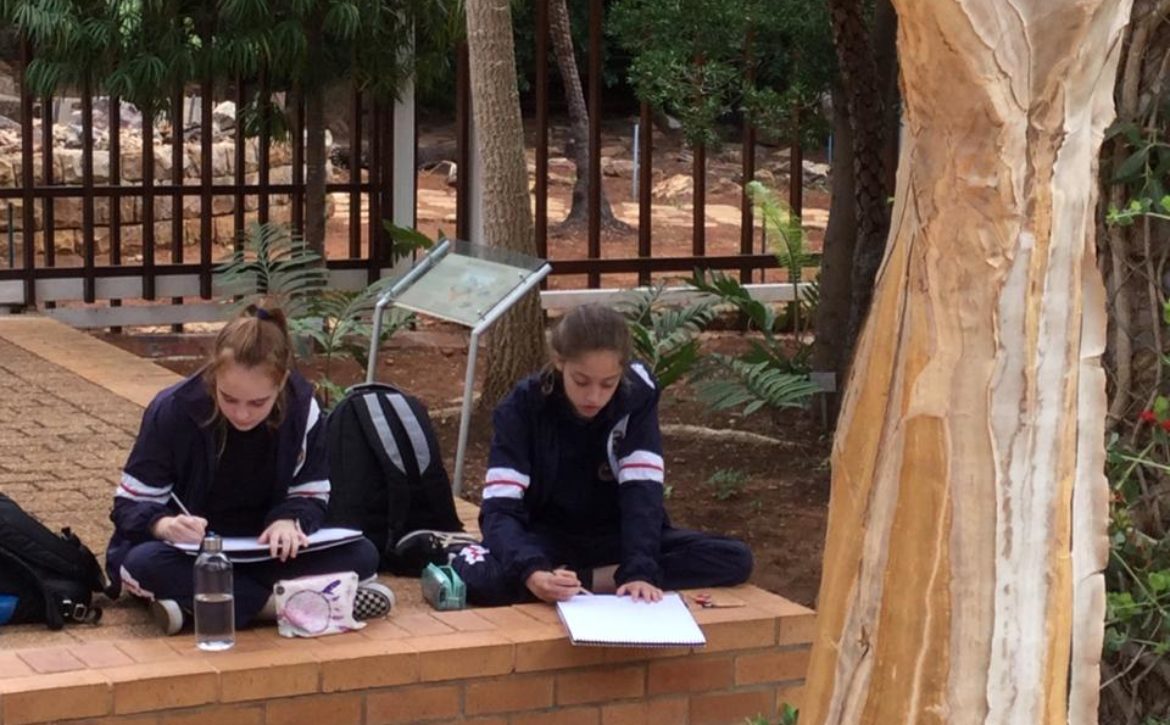
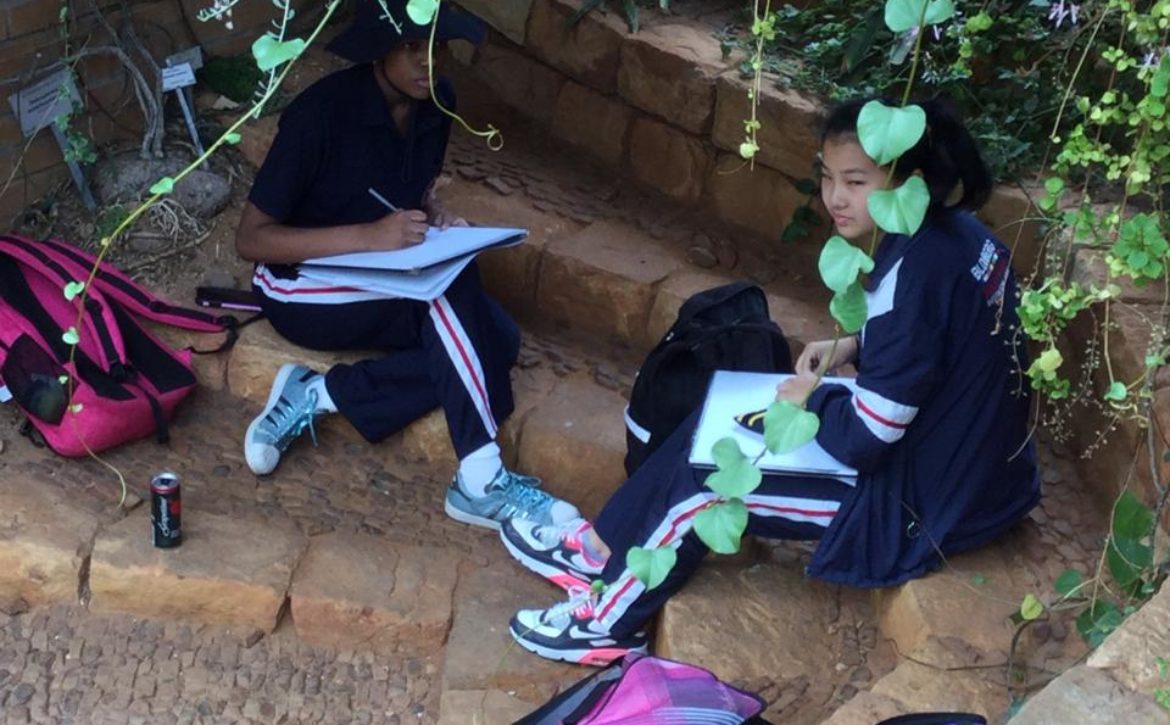
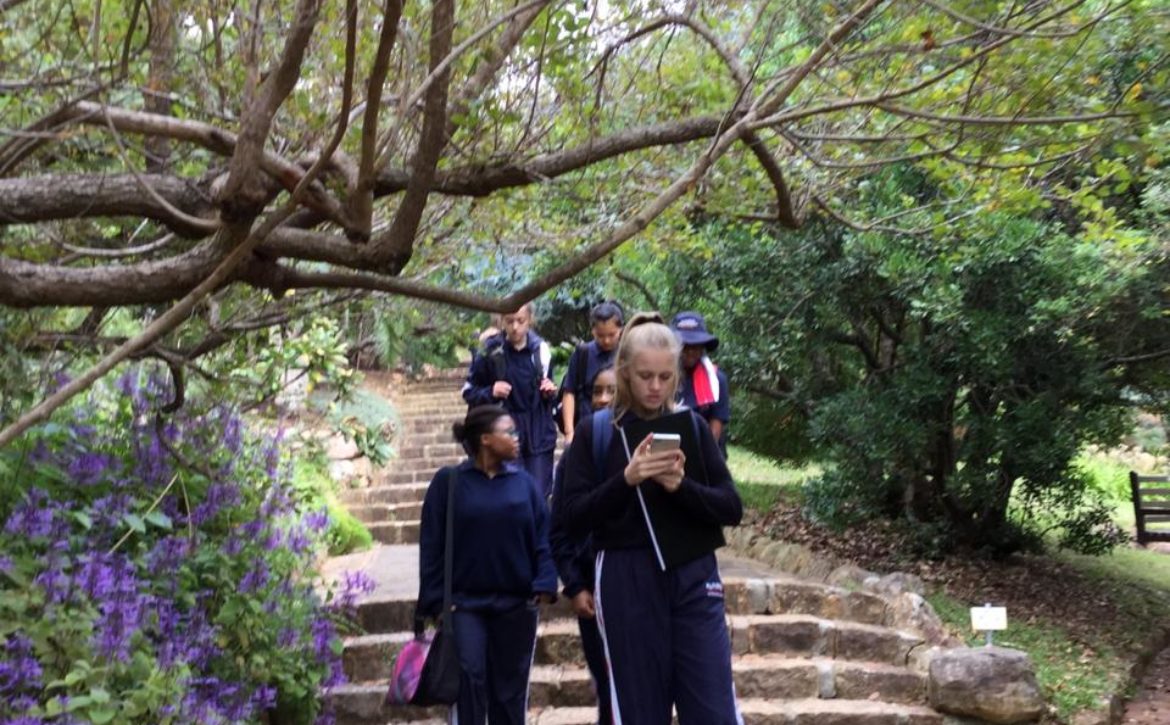
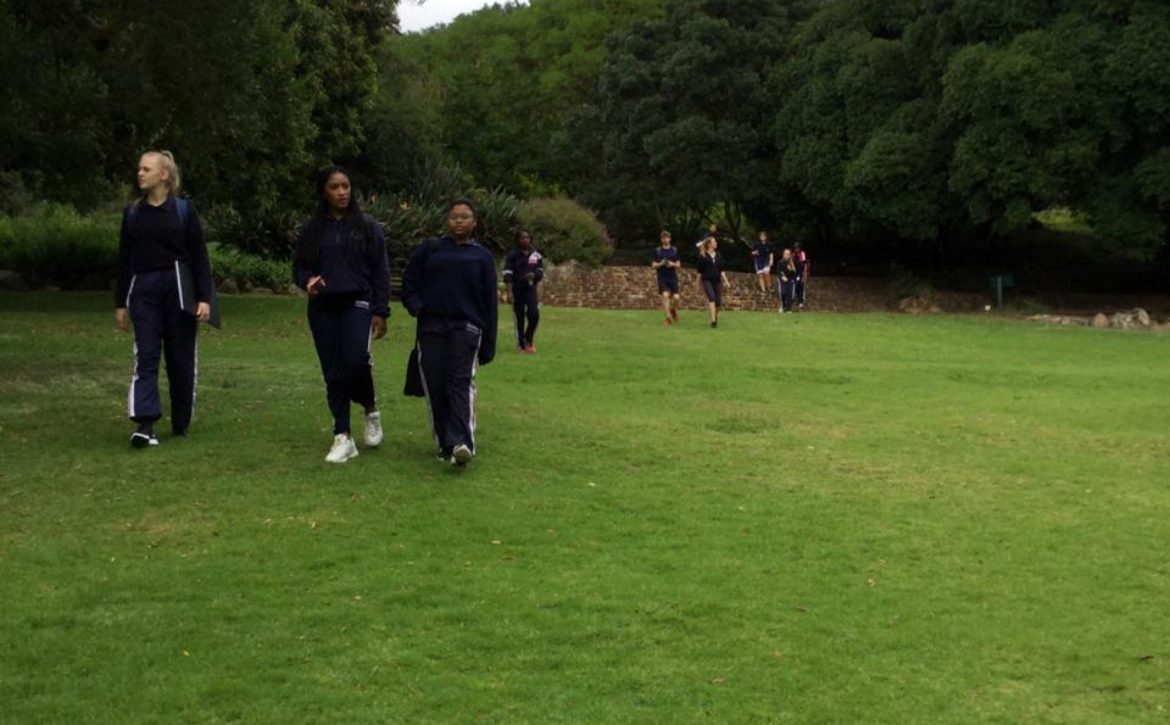
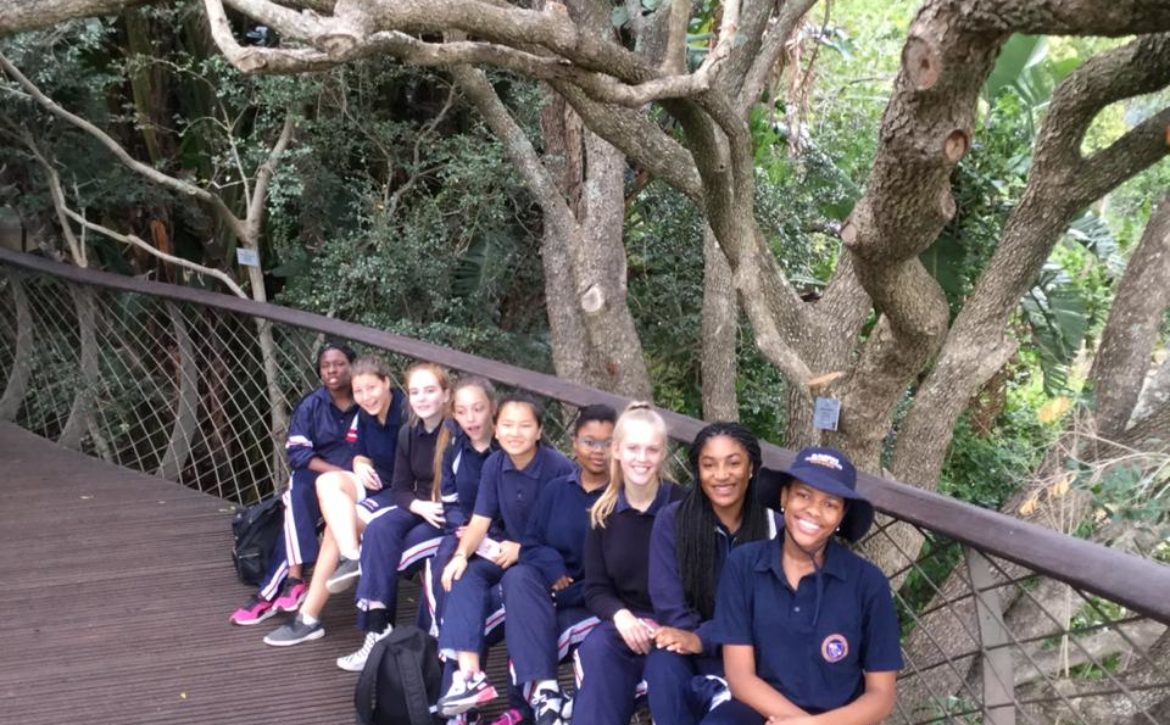
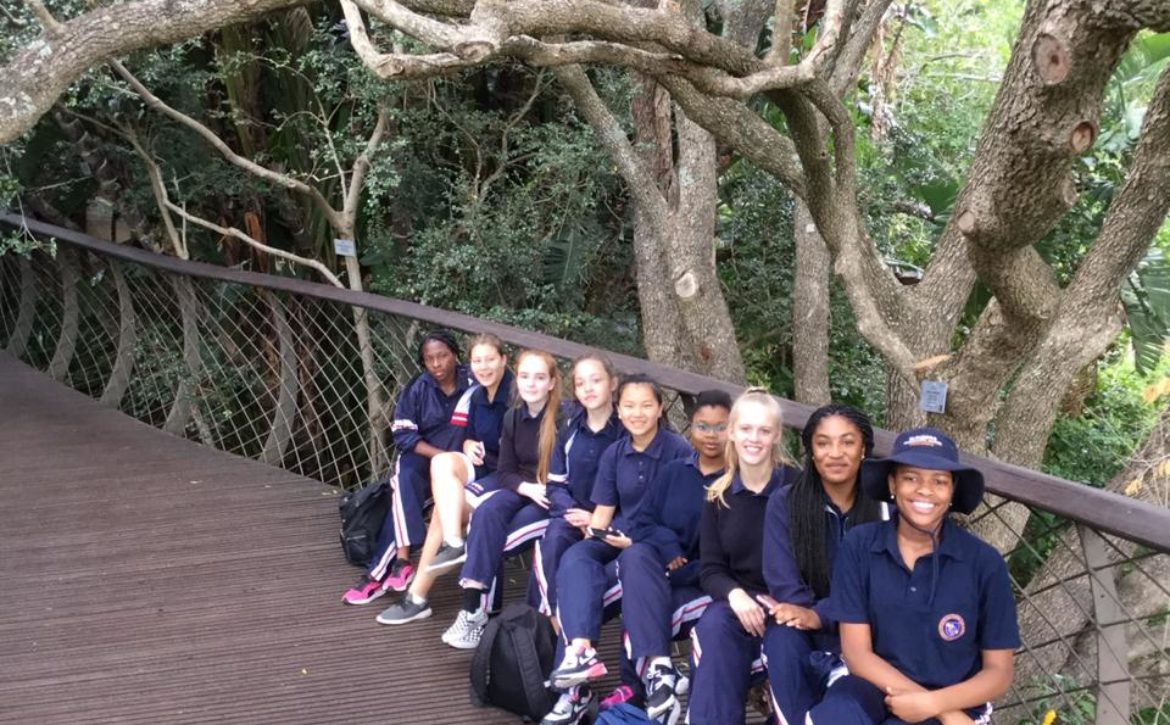
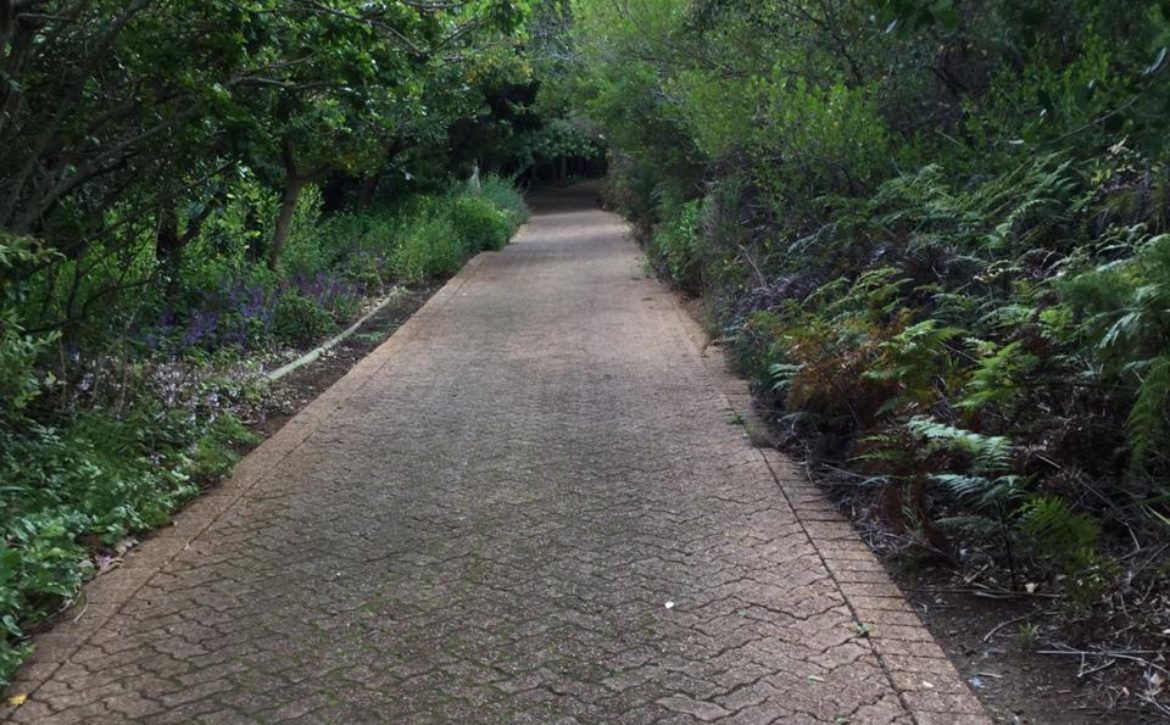
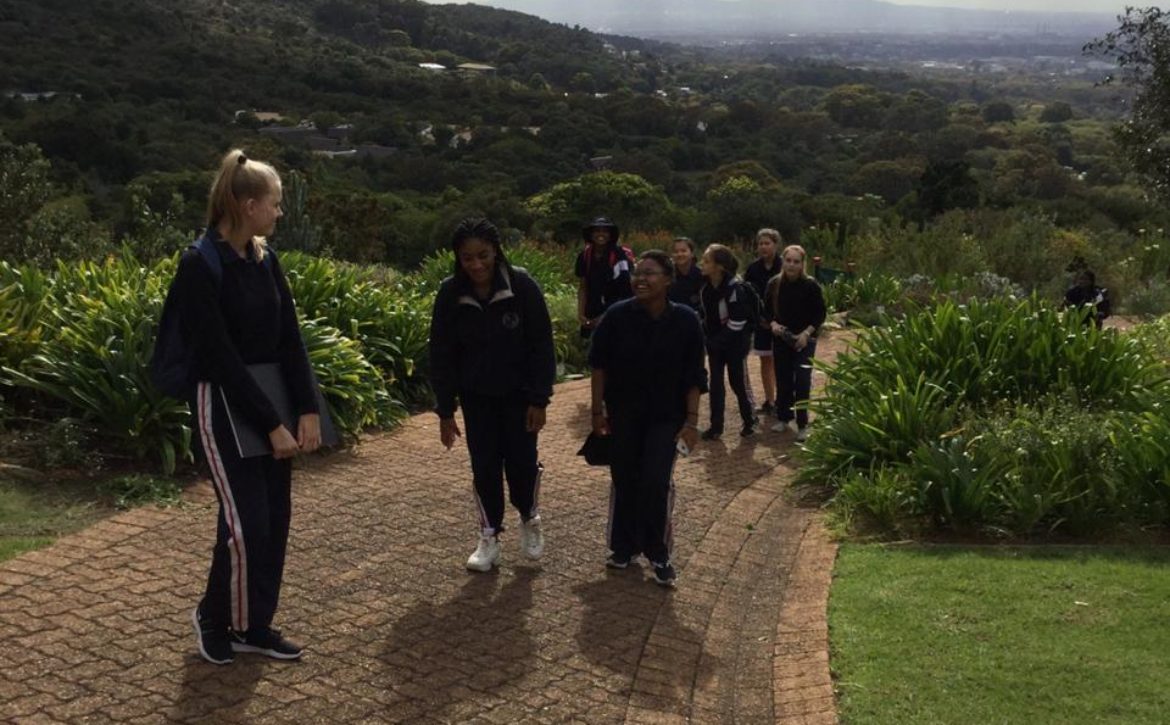
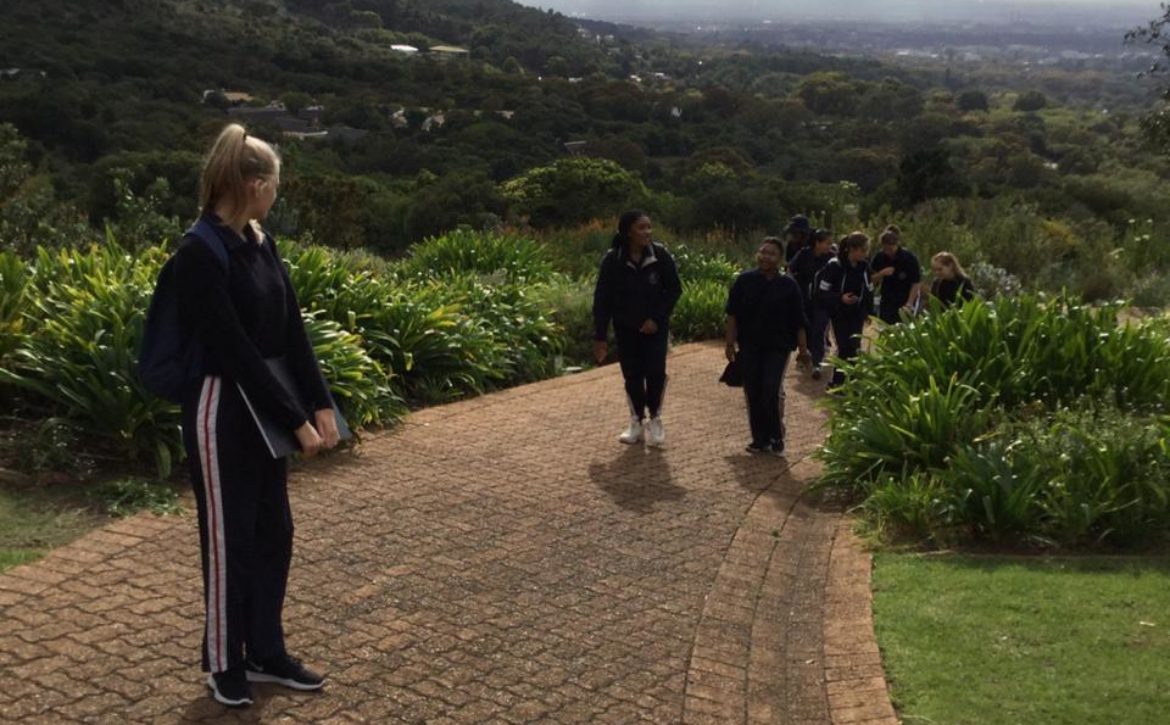
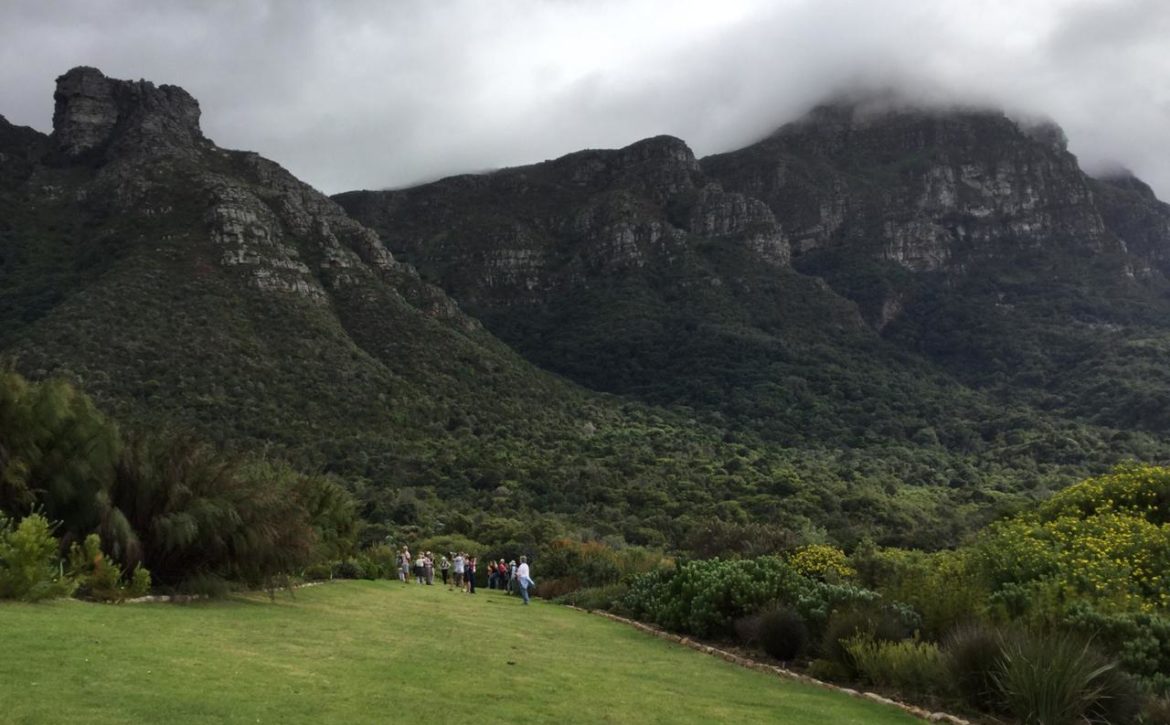
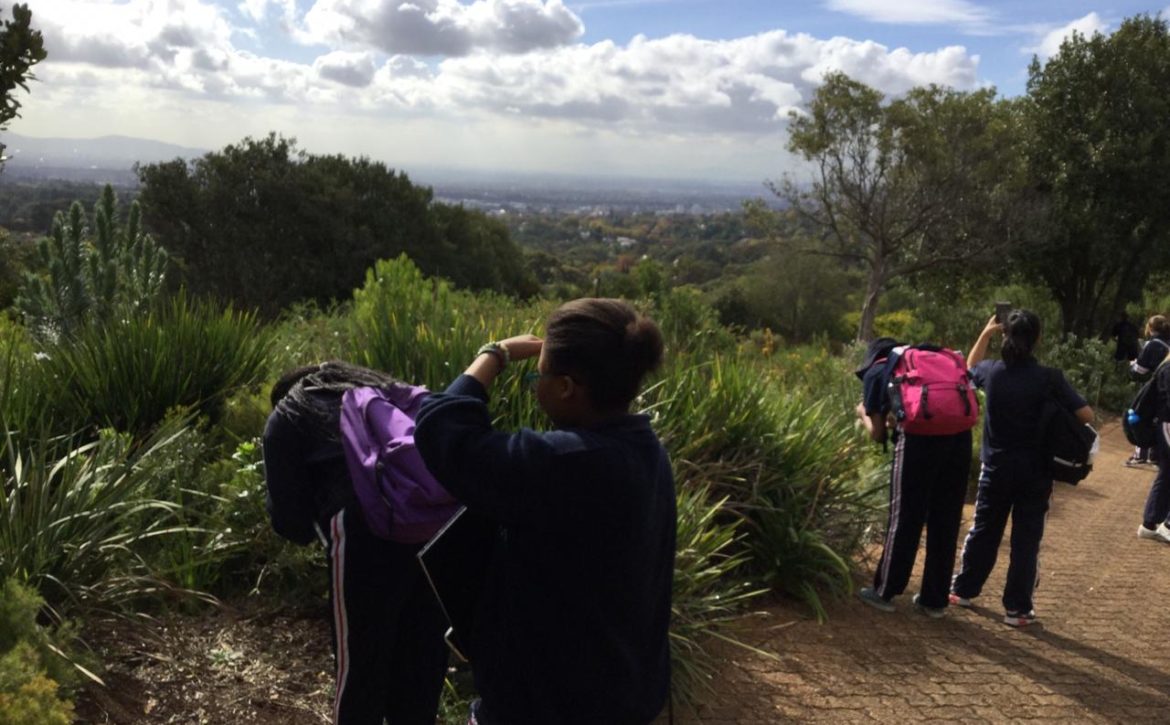
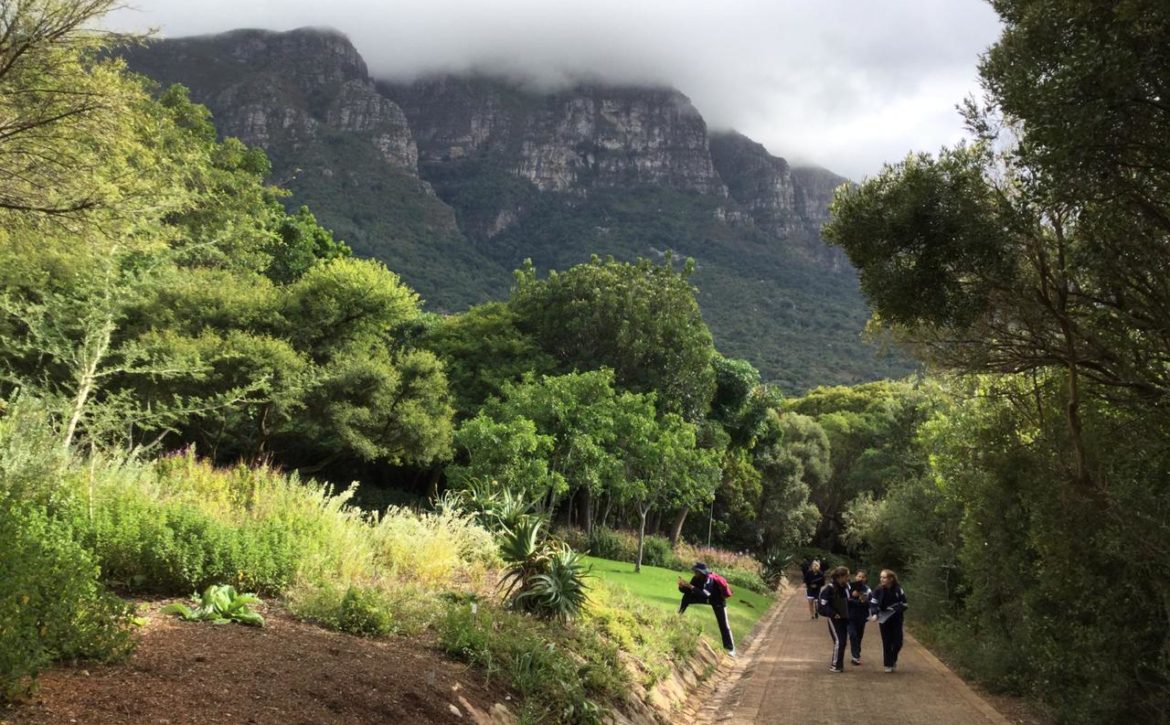
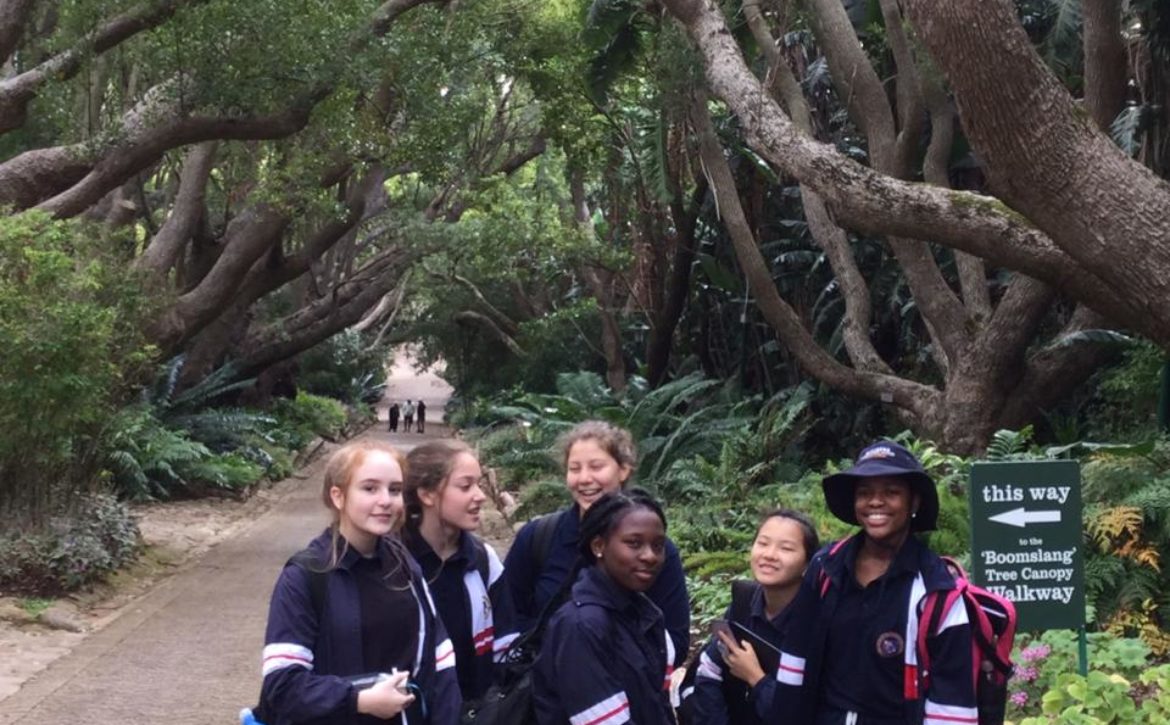
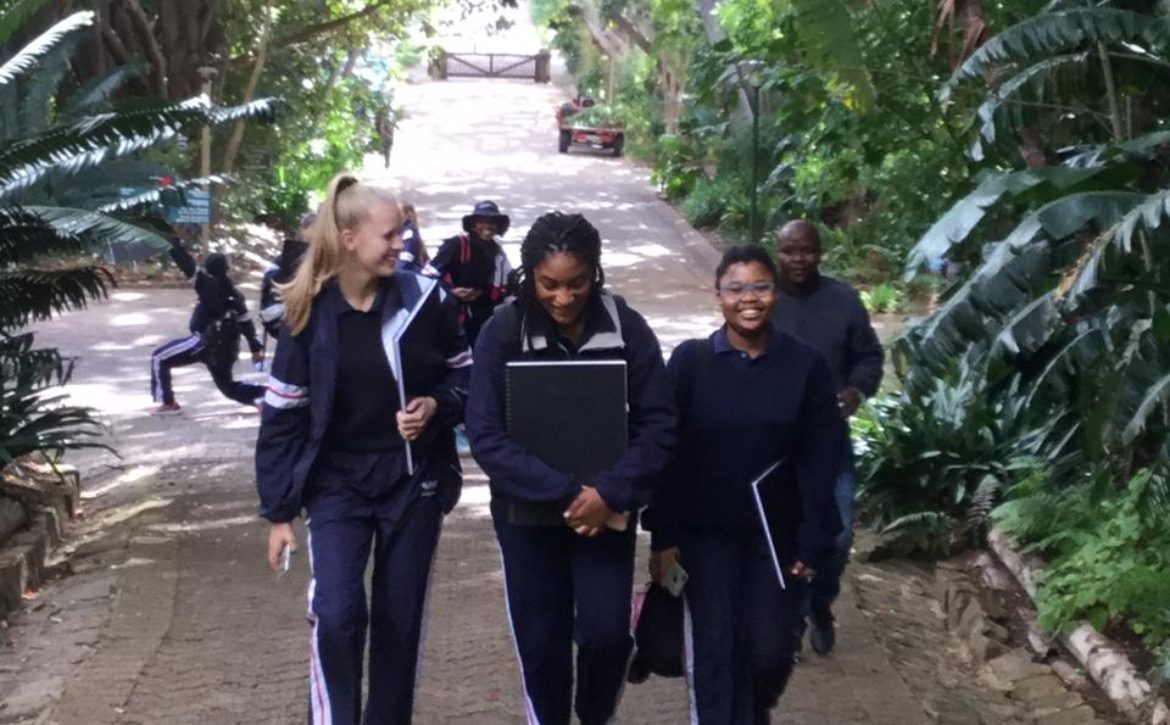
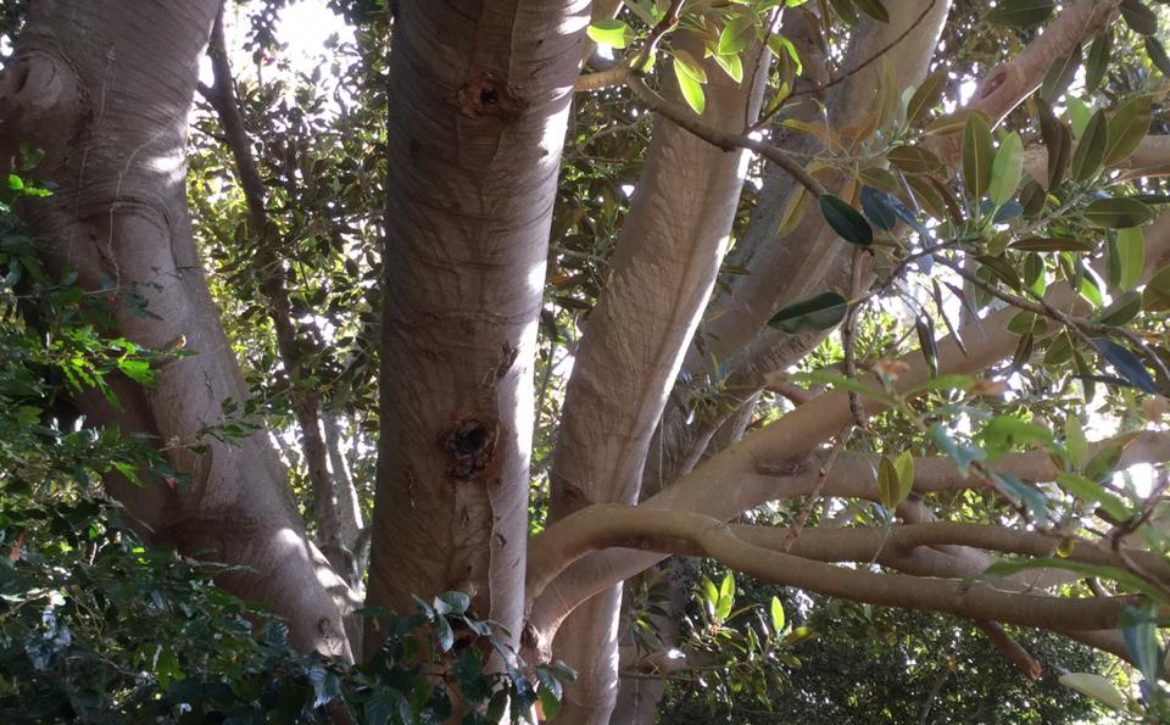
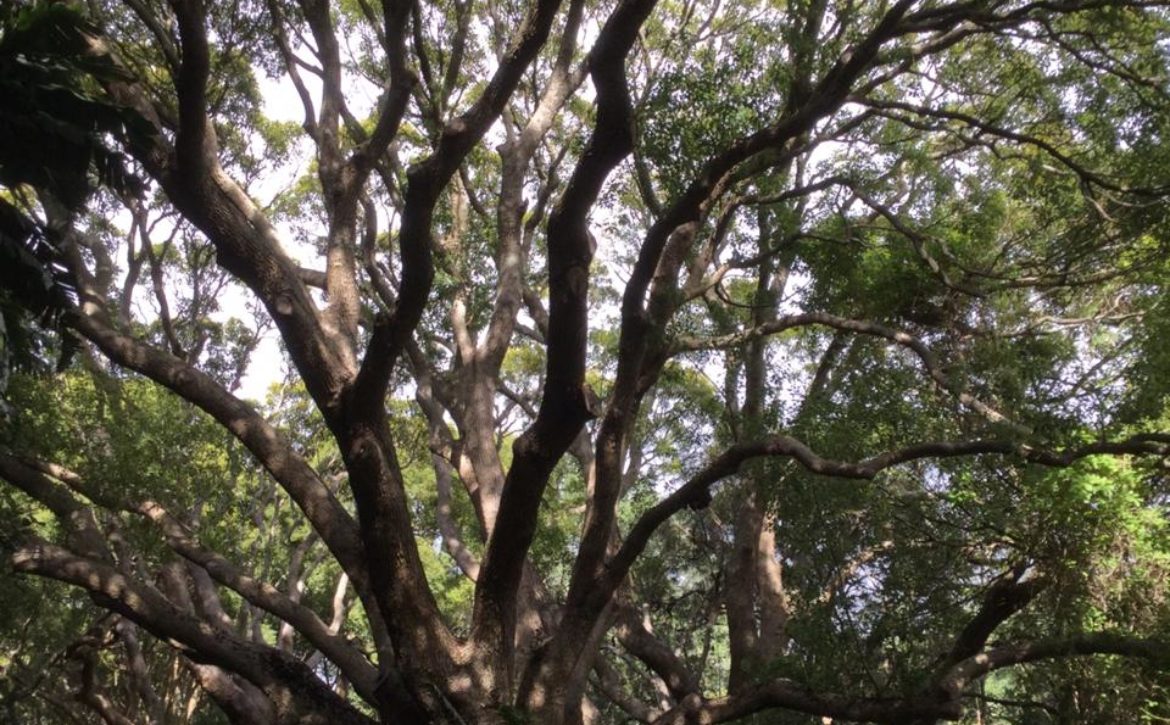
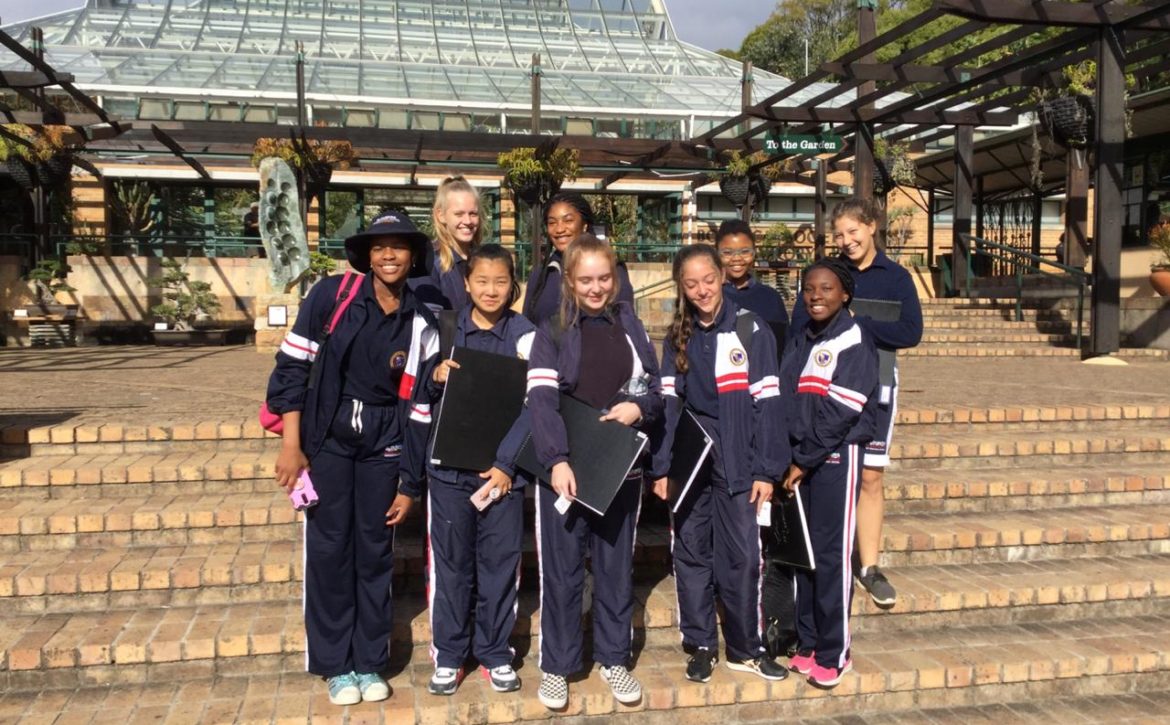
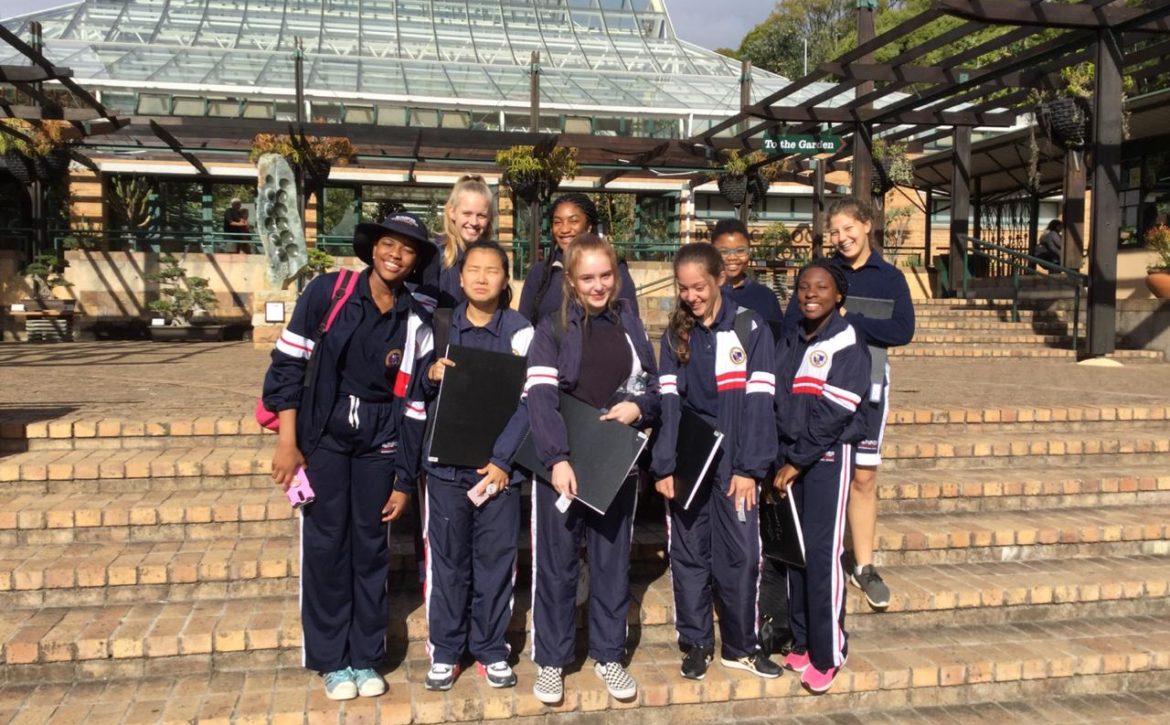
The Year 9 and 11 Art and design students enjoyed a field trip to the botanical gardens at Kirstenbosch, Cape Town. The vast and beautiful gardens are situated on the side slopes of Table Mountain that hosts South Africa’s most famous fynbos fauna and flora.
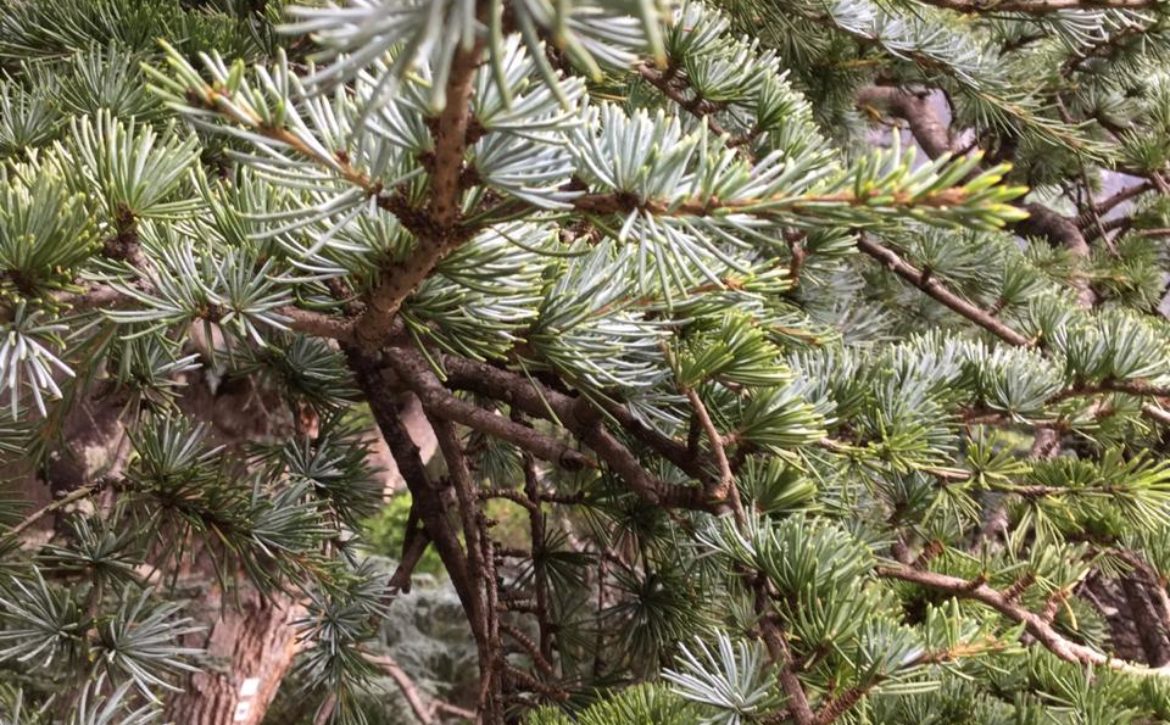
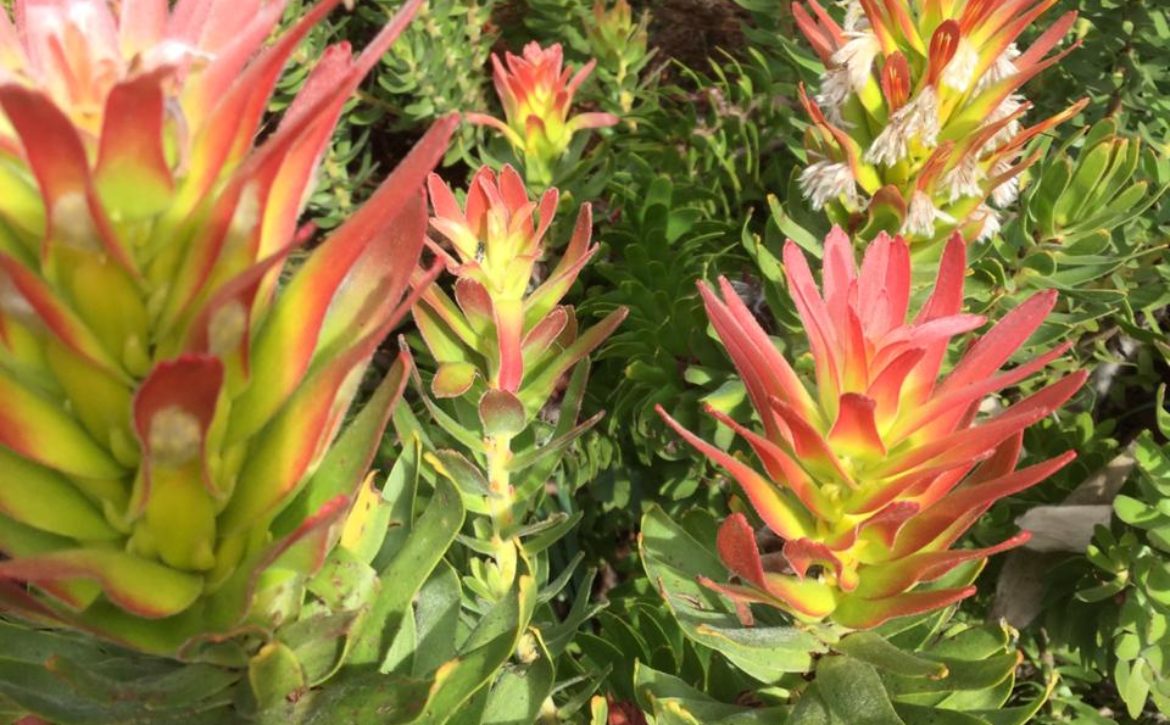
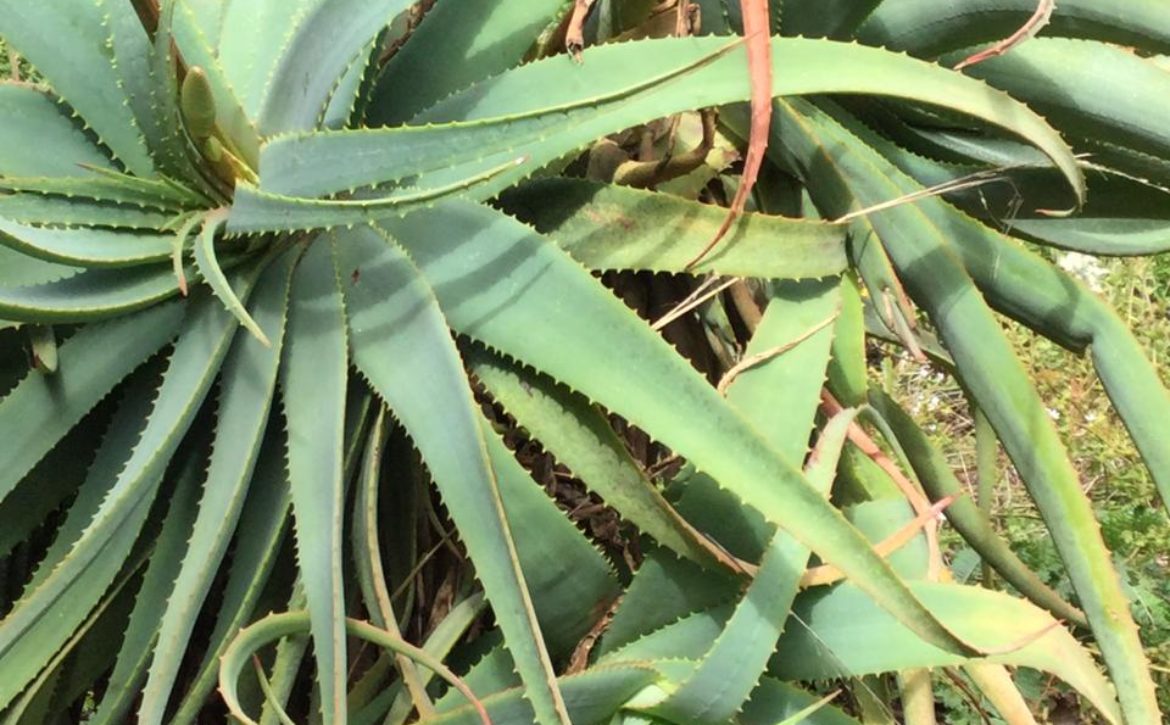
The steep mountain paths and shady tunnels through parts of the “forest garden” gave us not only a good workout, but allowed us to observe a wide variety of wild flowers and grass species. In art we encourage students to use all their senses when gathering and collecting material or ideas for their art concepts. They were very fortunate to experience South Africa’s national flower, the King Protea and took many photo’s as reference for their art topics.
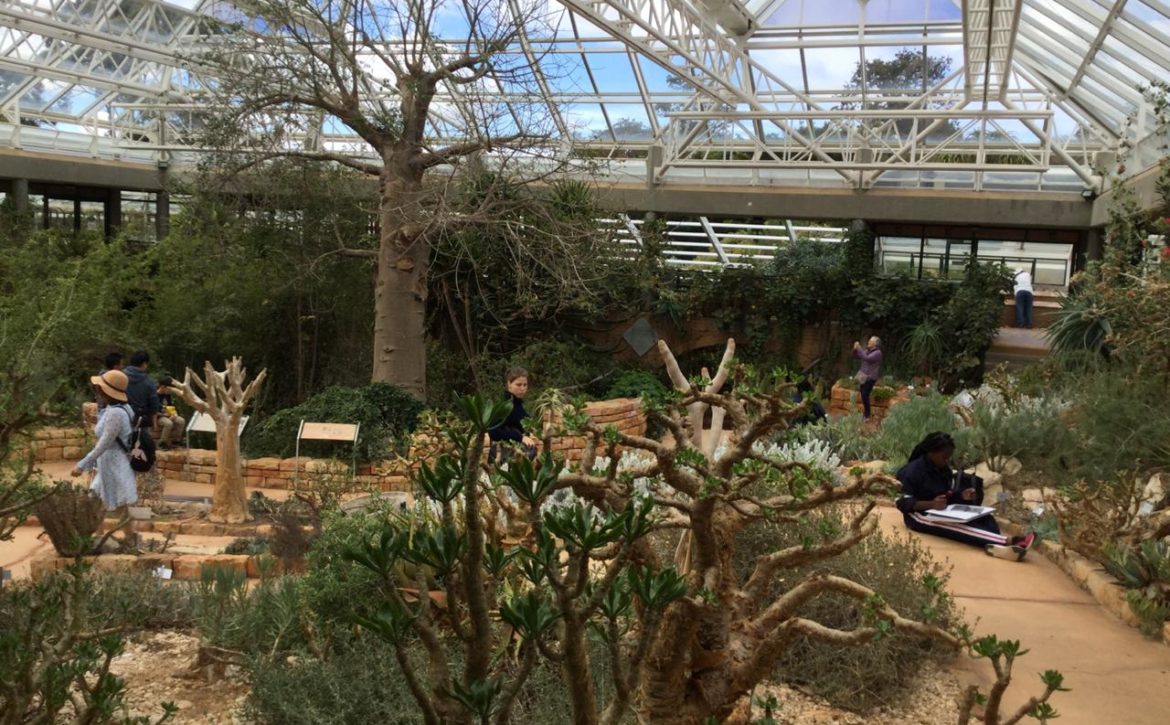
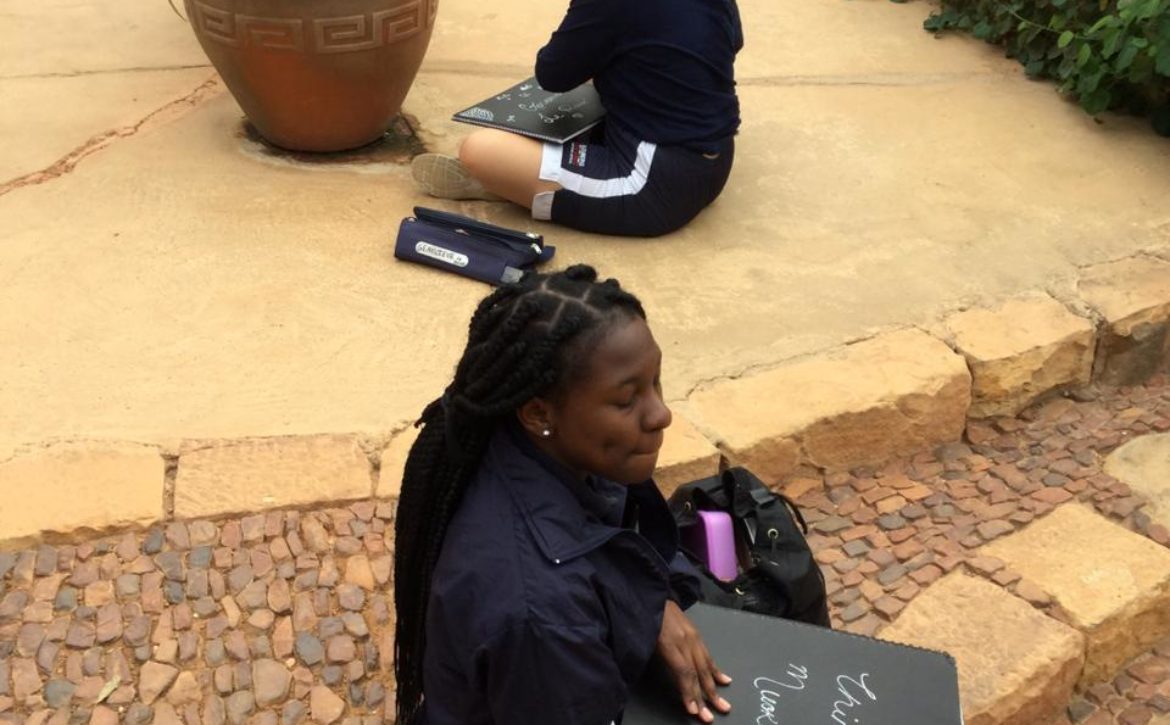
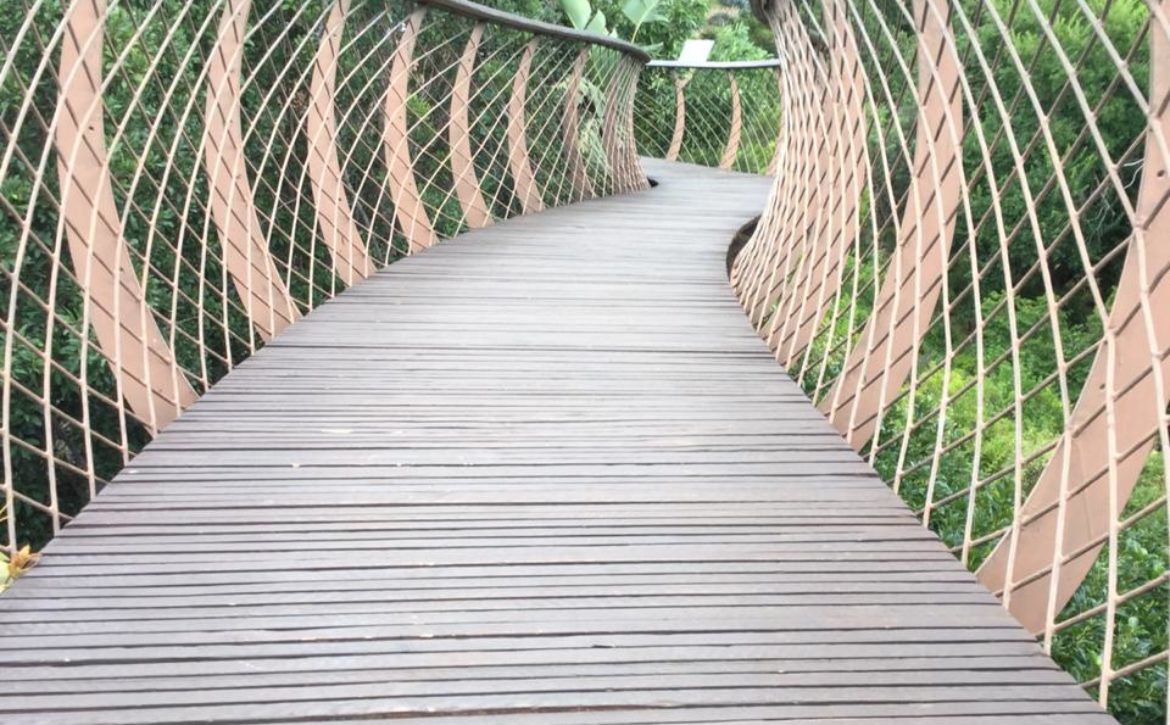
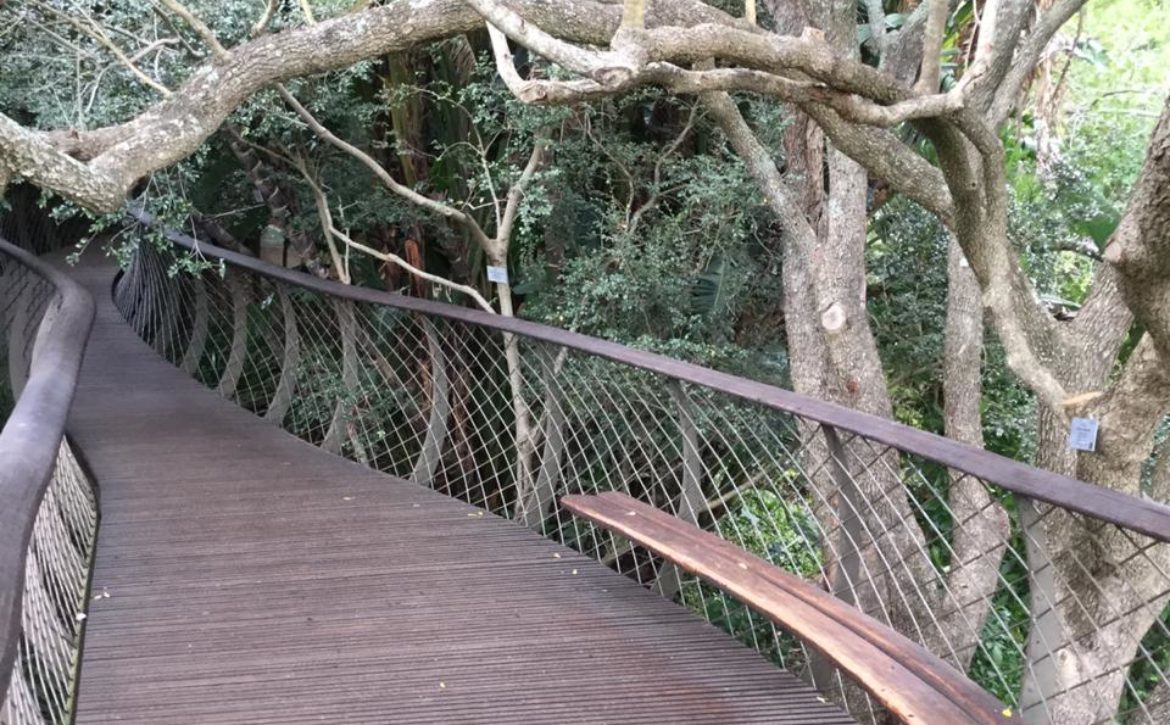
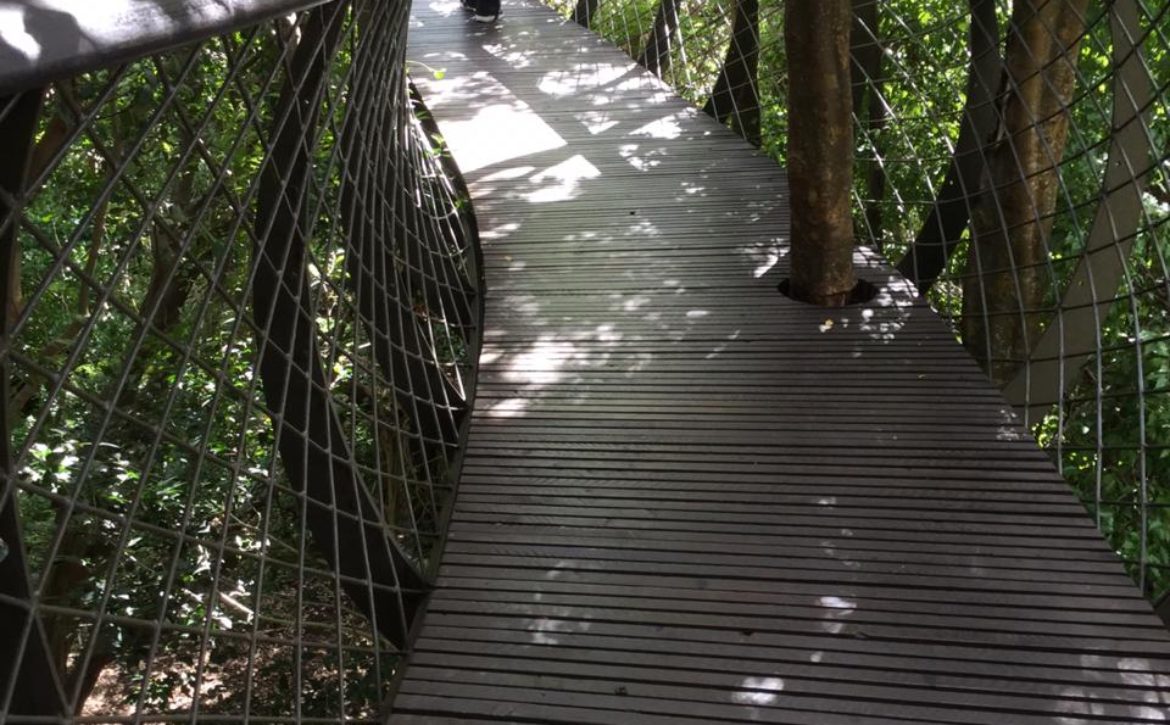
The highlight of the day was a walk about over the famous Silver Slangboom bridge that towers over the tree tops and gave the students a different viewpoint on a vast pallet of treetop colors. An indoor glass house hosted indigenous succulents, bonsai trees and bulbs where the students could sit quietly and observe the plants and create drawings from these first-hand studies.
We concluded our outing with a visit to an art exhibition of local artists’ work where students learnt how to read paintings and distinguish between the mixed media that has been on display. They gathered enough visual evidence for their upcoming photographic art exhibition. Watch this space!
Ms Ilse du Plooy
High School Art Teacher