
Going On a Dinosaur Hunt…
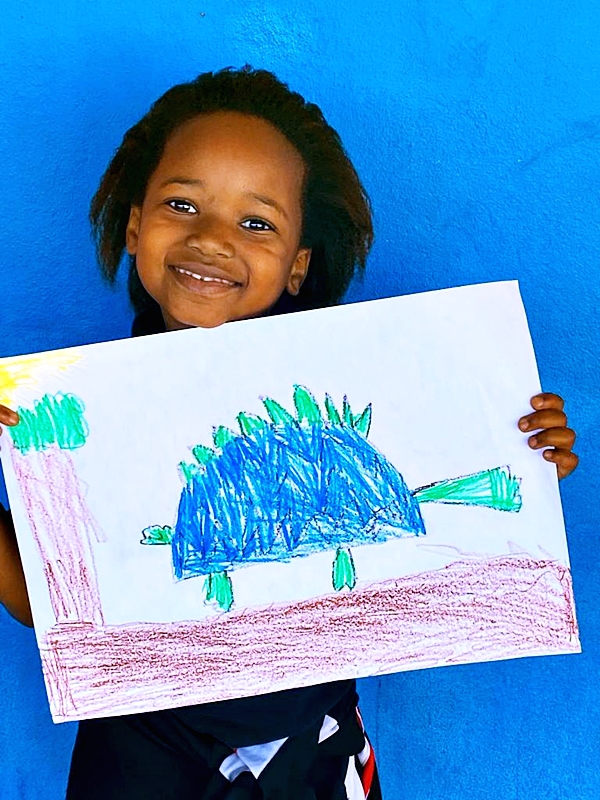
In our class we have been learning about dinosaurs. We have had lots of fun reading dinosaur books, drawing dinosaur pictures and even doing a show and tell about dinosaurs. The little ones were very excited to share some of the things that makes their favourite dinosaur special.
“I like a t-rex because it is a predator to plant dinosaurs” Aiden Jackson
“Stegosaurus, because it has cool spikes on his back and tail” Jayden Aire
“My favourite dinosaur is a triceratops, because it has spiky horns on its face” Liam Okebalidet
“My favourite dinosaur is a triceratops because it’s very harmless and it also has very sharp horns” Naleli Tsietsi
“My favourite dinosaur is a t-rex because it can roar load” Alupheli Mango
“I like a t-rex because it goes fast” Kason Frey
“I like t-rex because it hunts for food” Isabella Dunkley
“My fvourite is a brontosaurus because it is a herbivore and it eats plants” Leah Laguma
“I like a flying dinosaur because it can fly and it can glide” Leonardo Elsmore
“I like a pterodactyl because it can fly” Likani Moleejani
“I like a velociraptor because it can run fast and it has sharp teeth and nails, and it can hunt prey very easily” Emmanual Chukwumeka
Monique Meyer
Foundation Stage Coordinator and Reception Year Teacher




Read More

Kipper And The Secret
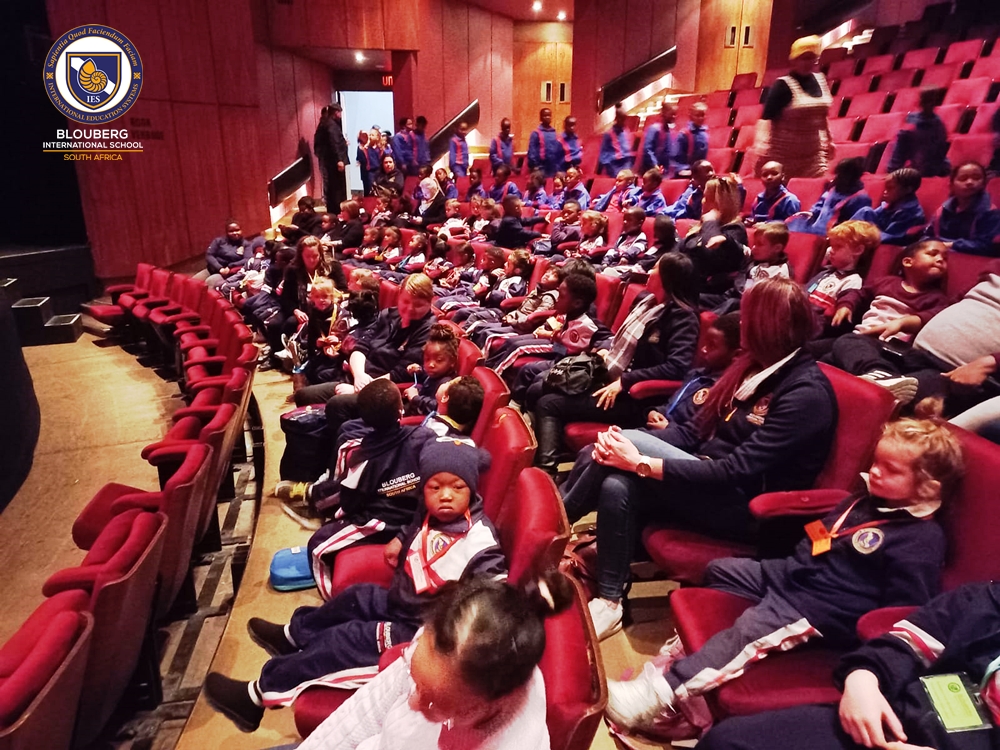
It was a very early start for our Foundation Stage students this past Friday, as they came to school bubbling with excitement for our Outing to the Artscape Theatre.
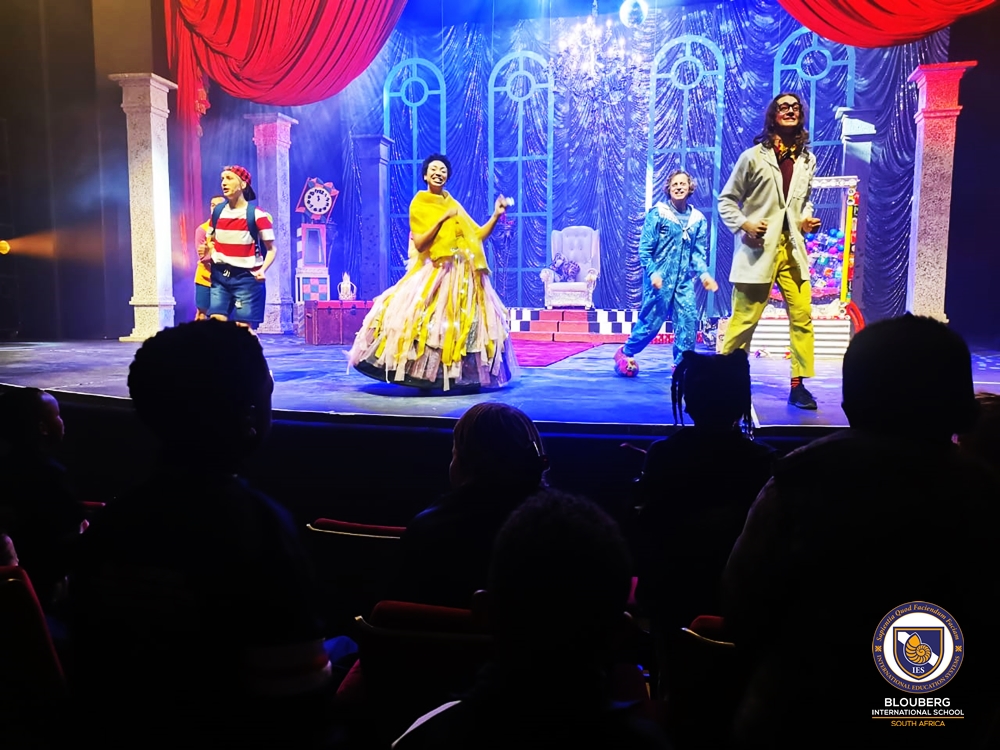
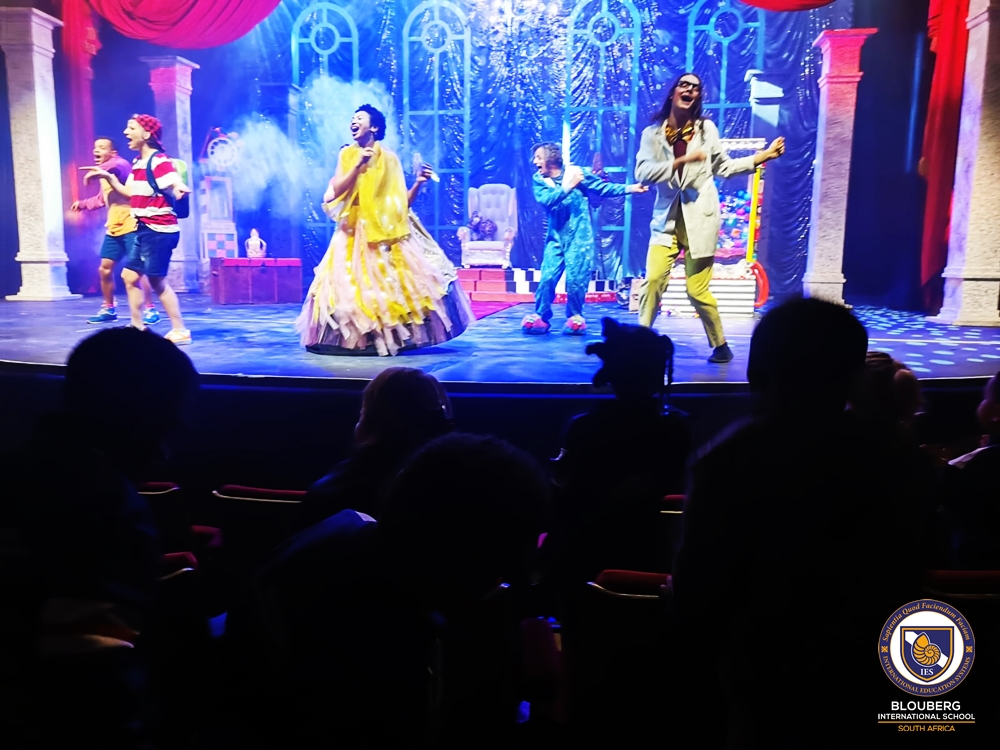
The Magic Key took us on an adventure to a castle on a huge recycling island. Kipper, Biff and Chip needed our students’ help, because King Recycle had lost complete control over his Kingdom and he forgot the password of the recycling machine. His daughter, Princess Dauphine, was also captured and turned into a bird.
Kipper and his friends figured out all the secrets and Princess Dauphine magically turned back into a princess when the clock struck twelve and the recycling machine started working again.
The production focused on the importance of recycling, encouraging the students to do their part to keep planet earth clean.
Here are some amazing ways to Reduce, Reuse, and Recycle:
- Avoid the use of disposable goods, such as lighters, paper cups and plastics.
- Purchase products made from recycled materials.
- Use cloth bags when buying groceries or reuse grocery bags.
- Instead of using plastic wraps, use resalable containers.
- Instead of using paper cups or bottled water, use coffee mugs or personal water bottles.
- Avoid goods that are over-packaged
- Learn to reuse products in different ways.
It was a fantastic adventure, enjoyed by all.
Martie van Dyk
Pre-Reception Teacher
Read More
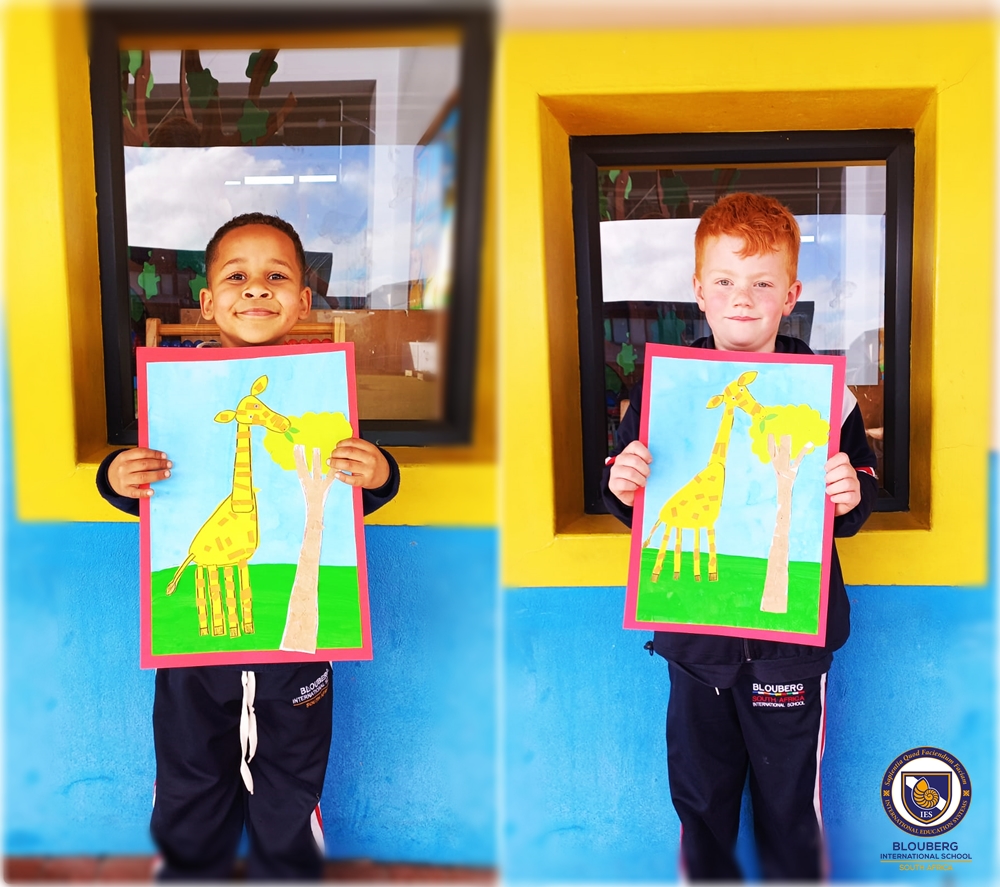
Learning About Wild Animals
We have been learning about wild animals in Foundation Stage over the past 2 weeks. The students have been so excited about this topic and some have even been bringing their favourite animal stories to share with the class during story time.
As a class we learnt what it means to be a wild animal and why it isn’t a good idea to keep a wild animal as a pet. We also discussed how wild animals are different and how they are adapted to their habitats and the food that they eat. Food chains were also discussed. We learnt that all plants are producers, and all animals are consumers. The links in animal part of the food chain were broken down into herbivores, carnivores and omnivores. We even touched on animals and other organisms that fulfil the role of decomposers, so that the circle of life continues making nutrients needed for plants to make food.
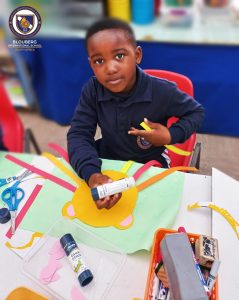
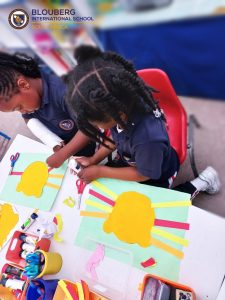
Our students have also done some amazing art work over the past 2 weeks. They have really enjoyed making lions, giraffes and elephants. We have certainly learnt a lot during the course of this topic and are looking forward to learning about extinct animals – dinosaurs in our next theme.
Bronwen Nuthall
Reception Year Teacher

Read More
Countries Of The World
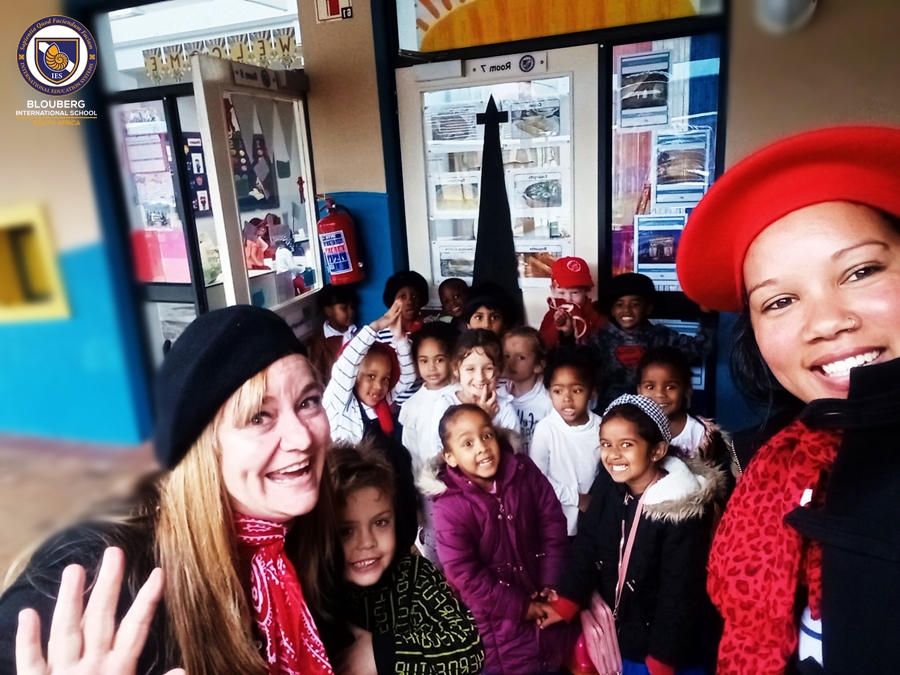
For the past two weeks, the Foundation Stage has been learning about countries of the world. We ended off this very interesting theme on Friday, 12 August by having a dress up day, each class dressing up in their chosen class’ country’s traditional dress and bringing a plate of eats representing the country of their choice.
The teachers decorated their classroom doors representing the country they had chosen and the classrooms were decorated with the students’ art, flags, lanterns, etc.
Great excitement filled the air as the students arrived at school on this rainy, cold morning, dressed in their brightly coloured outfits and bearing plates of tasty treats to share.
All the Foundation students went around to the different countries with their ‘class made’ passports in hand and learnt interesting facts about England, Australia, America, France, Italy and China. Their little passports that they made were stamped in each new country they visited. The students learnt something about each place for example what traditional food they eat, historical monuments, the country’s flag, language they speak etc.
After touring ‘around the world’ the children worked up a healthy appetite and got to choose food to taste from the different countries displayed outside the classrooms.
There are many different ways for children to learn about different cultures around the world. By trying different activities, they can explore all parts of the world without even leaving the classroom. This was a fun way for the students to learn through an all–immersive experience and the ultimate way to share with the students the amazing people of the world and their diverse cultures!
Cindy Nunan
Pre-Reception Teacher


Read More
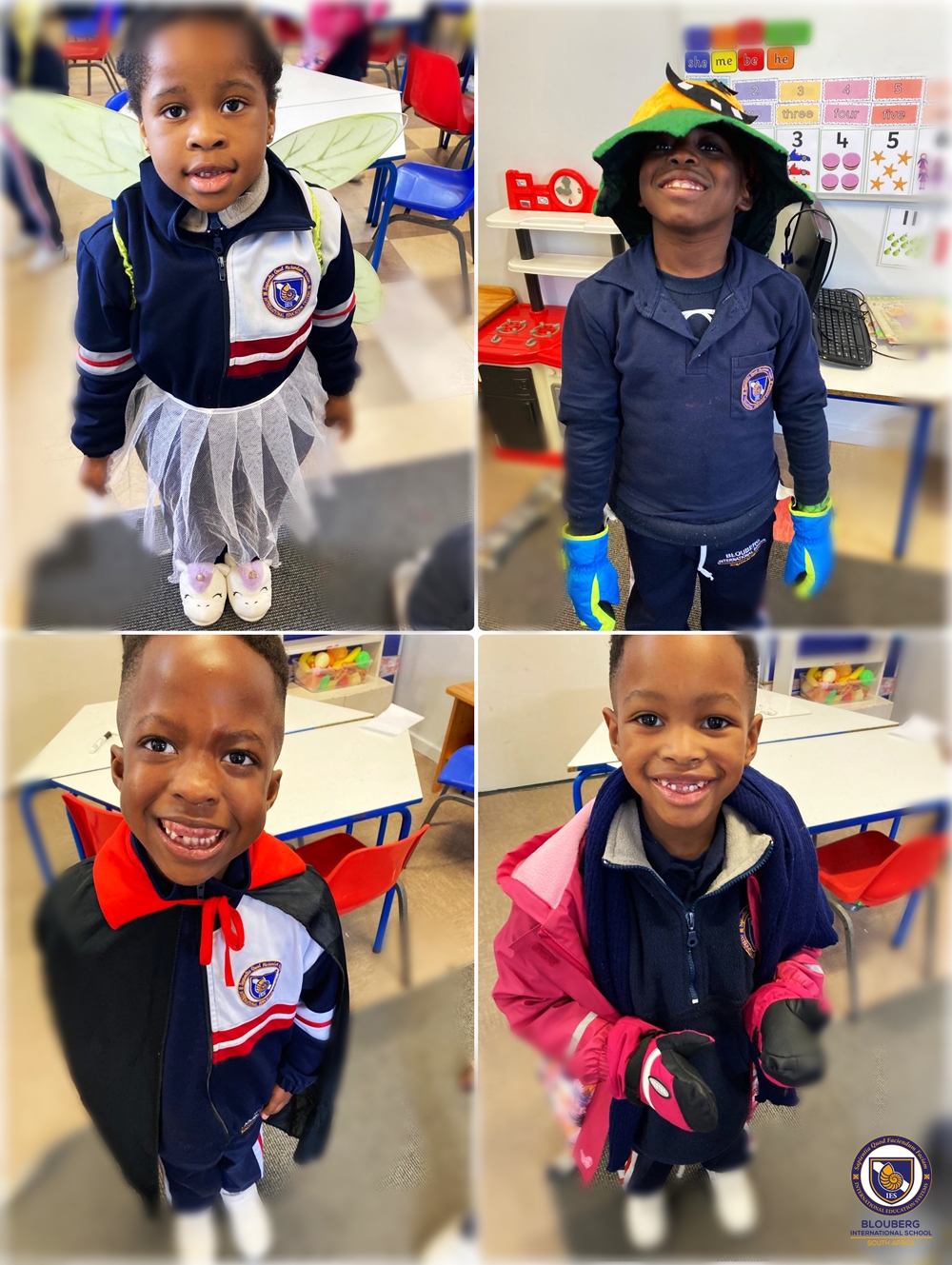
Why Should We Encourage Fantasy Play With Our Children?
Learning through play has become widely recognised by practitioners as an essential method of learning and development for young children. Many theorists and researchers have identified the values of pretend or fantasy play as a vital contribution towards the normal development of a child.
Children will use objects to represent something else, or assign themselves and others in their environment “roles” and then act them out. It may seem very simple as an observer, but in these moments of escaping reality children are learning and developing many different and important life skills.
Fantasy play allows different perspectives to be taken and ideas and emotions can be moulded and rearranged which are both key features of a child’s social and cognitive development.
Here are 5 key reasons why teachers of younger children encourage their students to get involved in the world of make believe and to participate in fantasy play daily:
1. To encourage imagination and creativity
2. To support social and emotional development
3. To improve language and communication skills
Fantasy play allows children to experiment with and learn about the power of language, how it affects us and those around us, helps them to understand that words give us the ability to re-enact scenarios, to relay our point across to others and to make ourselves heard and understood.
4. To develop thinking, learning and problem solving abilities
5. To enhance physical development
Aside from all the wonderful cognitive benefits that pretend play has to offer, it is important to remember that pretend play is very often physical and is a wonderful way for children to be active, to exercise and to develop their gross and fine motor skills.
Let us not forget the key factor to any type of play: It is fun! And when we let our imaginations take over and we really play together, as children do, there are no limits as to where our minds can take us and there is no chance of running out of things to enjoy!
Kim Hahn
Reception Year Teacher

Read More

Reading Mornings
“The more that you read, the more thangs you will know,
the more that you know learn, the more places you will go”. Dr Seuss
In the Foundation Stage classes, we love reading and story time is always our favourite time of the day. We look forward to going on different adventures, be it walking through the woods with the Gruffalo or swimming through the sea with the Fidgety Fish. So, to share our passion of stories, the Foundation Stage classes have started a weekly reading morning where we would like to invite all our moms, dads, grannies and grandads, even aunts and uncles to come and read with us. The little ones love having visitors in class and they are always very excited to share their favourite stories.
We look forward to welcoming you to our reading adventure.
Monique Meyer
Reception Year Teacher and Foundation Stage Coordinator


Read More

Up, Up And Away!
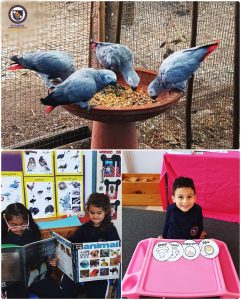
During the past two weeks, we have been learning more about birds in the Foundation Phase. We did many hand-on activities to learn more about the fascinating creatures. We made art pieces about penguins, peacocks, flamingos and owls. During Numeracy we counted feathers and eggs and during Literacy we wrote our sounds in bird seed. We threaded beads on feathers, we cut paper feathers and we even made playdough eggs to strengthen our fine motor muscles.
The students enjoyed looking at books and video clips with interesting facts about birds.
We learned the following facts about birds:
· There are 10000 species of birds.
· All birds lay eggs.
· Birds migrate to other countries.
· All birds have feathers.
· Birds don’t have teeth.
· Birds are great communicators.
· A group of birds is called a flock.
· Some birds can mimic humans.
· Ostriches are the largest birds.
· The smallest bird is a Bee Hummingbird.
I have read a lovely article about birds this weekend and I would like to share this with you. “Here are six life lessons, inspired by our winged friends.
1. Be confident. Birds learn to trust themselves before they take off in the sky. So have faith in your abilities and know that you will find a warm current to soar in.
2. Let your colours shine. Different birds have hundreds of different hues. Be bright and make sure you aren’t hiding what makes you one-of-a-kind.
3. Show up early and often. The legendary early bird gets the worm for a reason. So find something worth showing up for, and then show up every day.
4. Go with the seasons. Birds thrive despite changes in their environment. Be fluid and go with the flow, trusting your ability to always find a branch to land on.
5. Flock together. Birds seek strength and sustenance from one another. Keep friends and family close by as you navigate the days
6. Spread your wings. Eventually, all birds must leave the safety of the nest and become what they are meant to be. Have no fear of falling, and start flapping.”
The students learned that birds are very important. Many people (including myself) keep birds as pets and enjoy watching them in the wild or at the exotic animal world. Farmers raise poultry for their meat and eggs and we also use bird feathers in various product.
Martie van Dyk
Pre-Reception Teacher

Read More