

Having Fun With Shadows
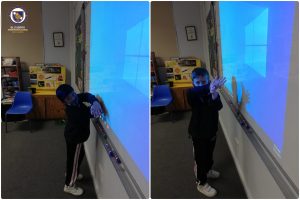
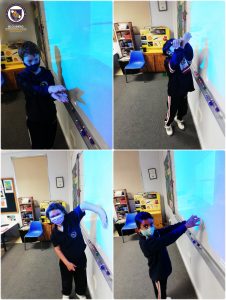
The Year 2 classes have been learning about light and dark during their Science lessons. They have looked at different light sources and can identify those which are man-made and those which occur naturally.
We had some fun during our last Science lesson, using shadows to make funny creatures on the whiteboard, using the light from the projector to create shadows. My class decided that this was the best Science lesson. There was much laughter as their classmates tried to guess what the creature made by their friends were.
Kim Coetzer
Year 2 Teacher
Read More
Marvellous Materials
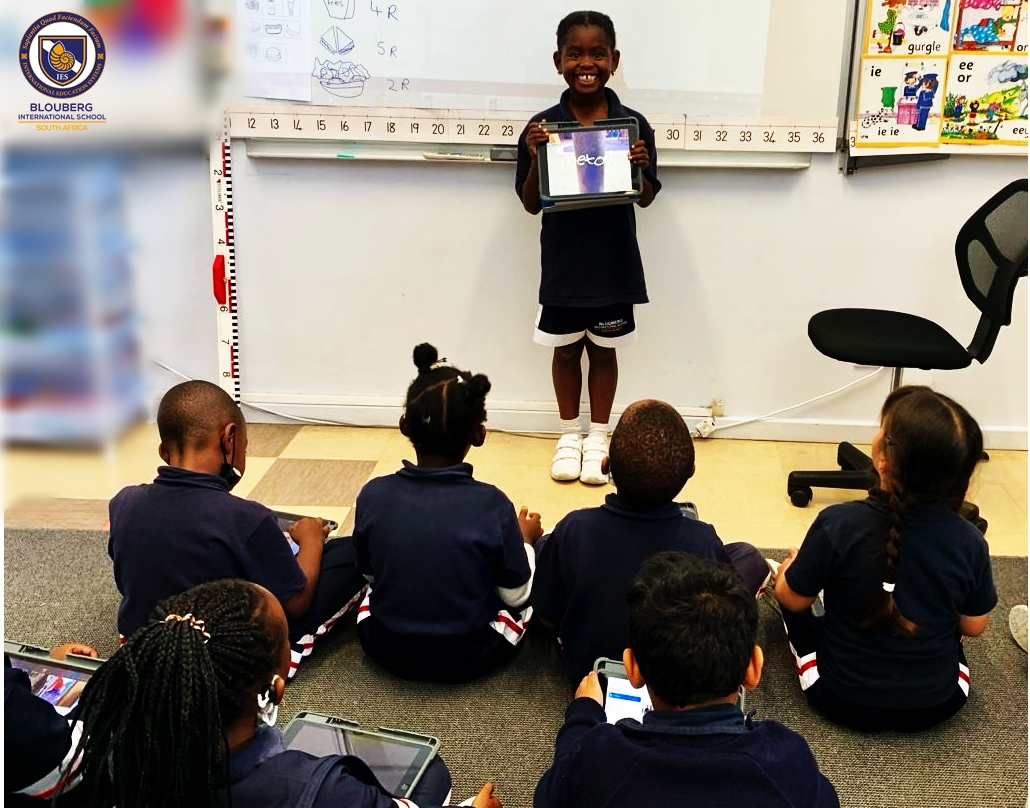
We have been learning about marvellous materials in our Science lessons in Year 1. Exploring, investigating and identifying different materials is all part of the fun and we have been very busy this week.
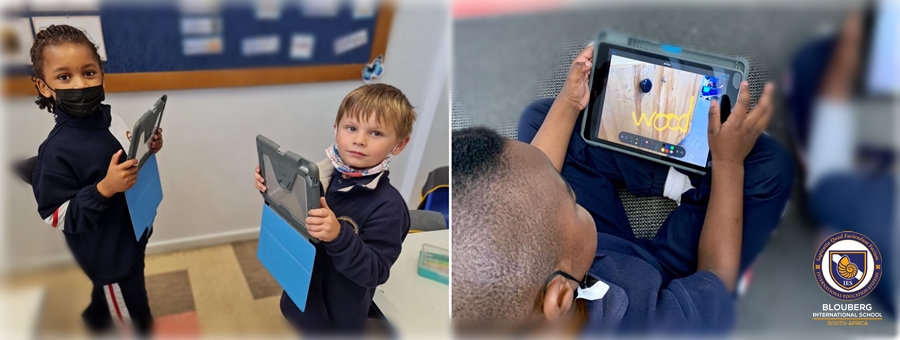
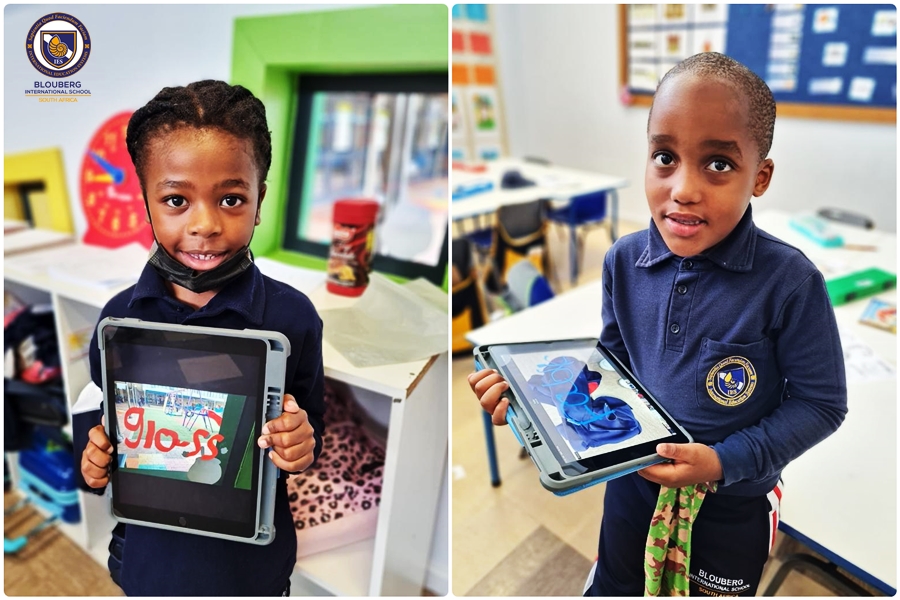
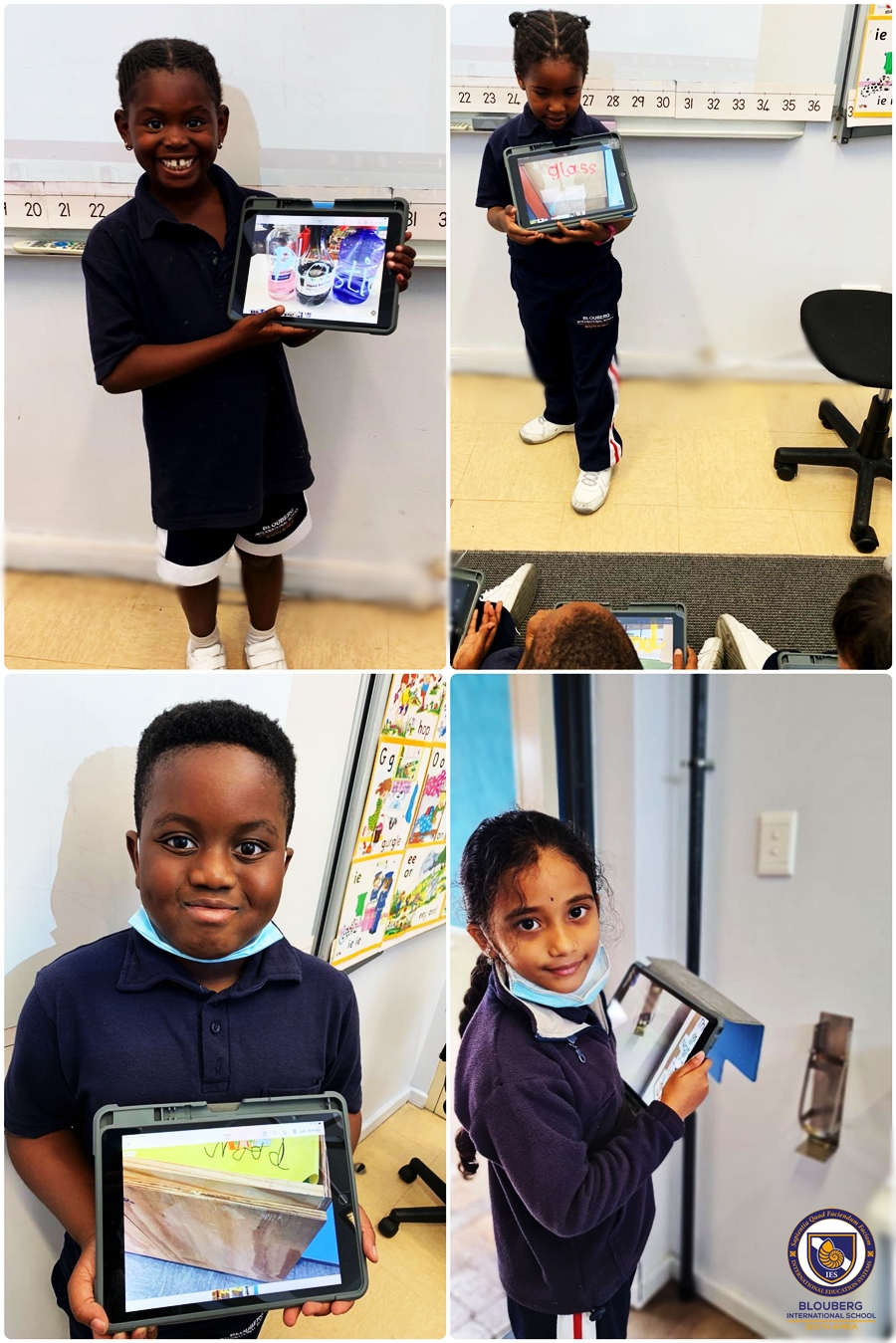
We used the school Ipads to identify and take pictures both inside and outside of the classroom of 4 different types of materials, “glass, plastic, wood and metal.” The students then edited and labelled each picture they took and presented it back to their friends in class.
We were very impressed by the discoveries the Year 1s made and how well they recorded their findings.
The students thoroughly enjoyed these interactive activities!
Charlotte Cronje
Year 1 Teacher

Read More

Investigating Capacity
The most effective way for students to learn new concepts is by taking part in practical investigations. This makes their learning more meaningful.
This week, the Year 1 students have learnt that capacity means how much something can hold. Our classes had great fun investigating this concept and conducted various experiments.
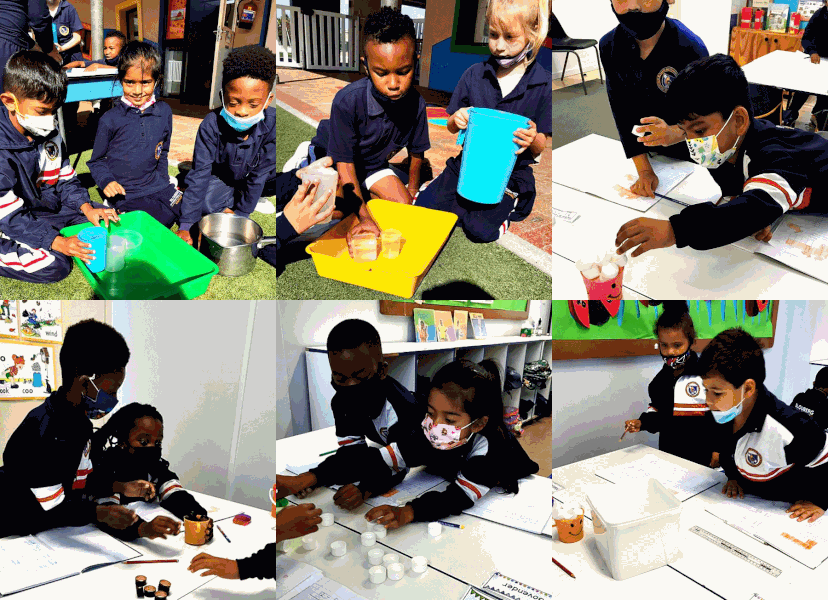
Fortunately, the weather was kind to us and the students could go outside and use the water troughs to do practical activities. They had to find out how many cups of water could fill a pot, beaker, vase etc. In groups they had to predict which container could hold the most water and then find a way to prove their answer. This required them to communicate their ideas and reasoning with their peers.
In class we learnt that capacity is not only about how much liquid a container can hold, we filled cups with bottle tops and corks. First making an estimate and then checking, by counting the number of bottle tops and corks the cups contained.
An important part of investigation is being able to accurately record your findings. The Year 1 students did a wonderful job of recording their findings after conducting all the capacity experiments. Well done Year 1!
Ann Cordner
Year 1 teacher
Read More

Arts And Crafts Club Key Stage 1
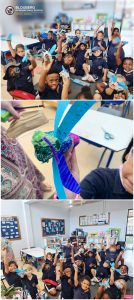
Every second week KS1 meet for our after school Arts & Crafts club run by myself and Ms Hierse. We introduced this club at the beginning of this year and it seems to have taken off wonderfully.
The students look so forward to being able to come and have the opportunity to fully express their artistic and creative talents. One of our biggest aims is to utilize as many recycled materials as possible. It is a passion of ours to witness the beautiful creations that are created from simple previously used items.
We hope to see the Arts & Crafts Club grow more and more throughout the year!
Siobhan Hendry
Year 2 Teacher

Read More
Leading By Example – Teacher Support System
“Teaching kids to count is fine, but teaching them what counts is best.” – Bob Talbert
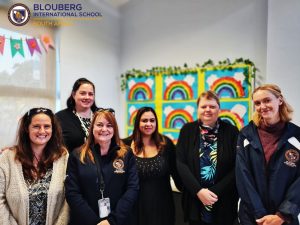
As teachers, we all strive towards one goal; for all our students to succeed. The KS1 and Foundation Phase teachers believe whole heartedly in a teacher support system where all teachers are encouraged, motivated and cared for each day by one another in order to be at our best for our students.
We, as teachers, feel that this support system is very important as its allows us to communicate our feelings, rely on each other, share our specific skills and strategies and build confidence in one another to stay ahead of the game in a rapidly-changing world.
We would like this support system to mirror how the students should want to care for each other as many students do not feel comfortable expressing their feelings to adults. A care buddy is the one friend you can speak to about anything that is going on in your life, whether it be positive or negative.
With the continuous support from all the teachers, the teachers have decided to follow a different system where their care buddy stays anonymous for the year. This care buddy is there to leave you notes of encouragement, recognition, to motivate you for a busy time ahead or a little treat to brighten up their day.
We would like to encourage students to follow this system and show kindness and support to their friends without reason because if they can make at least one friend smile in a day, it will create a ripple effect.
“Everyone who remembers his own education, remembers teachers, not techniques. The teacher is the heart of the educational system.” – Sidney Hook
Erin Hierse
Year 1 Teacher

Read More
To Write Or Not To Write…
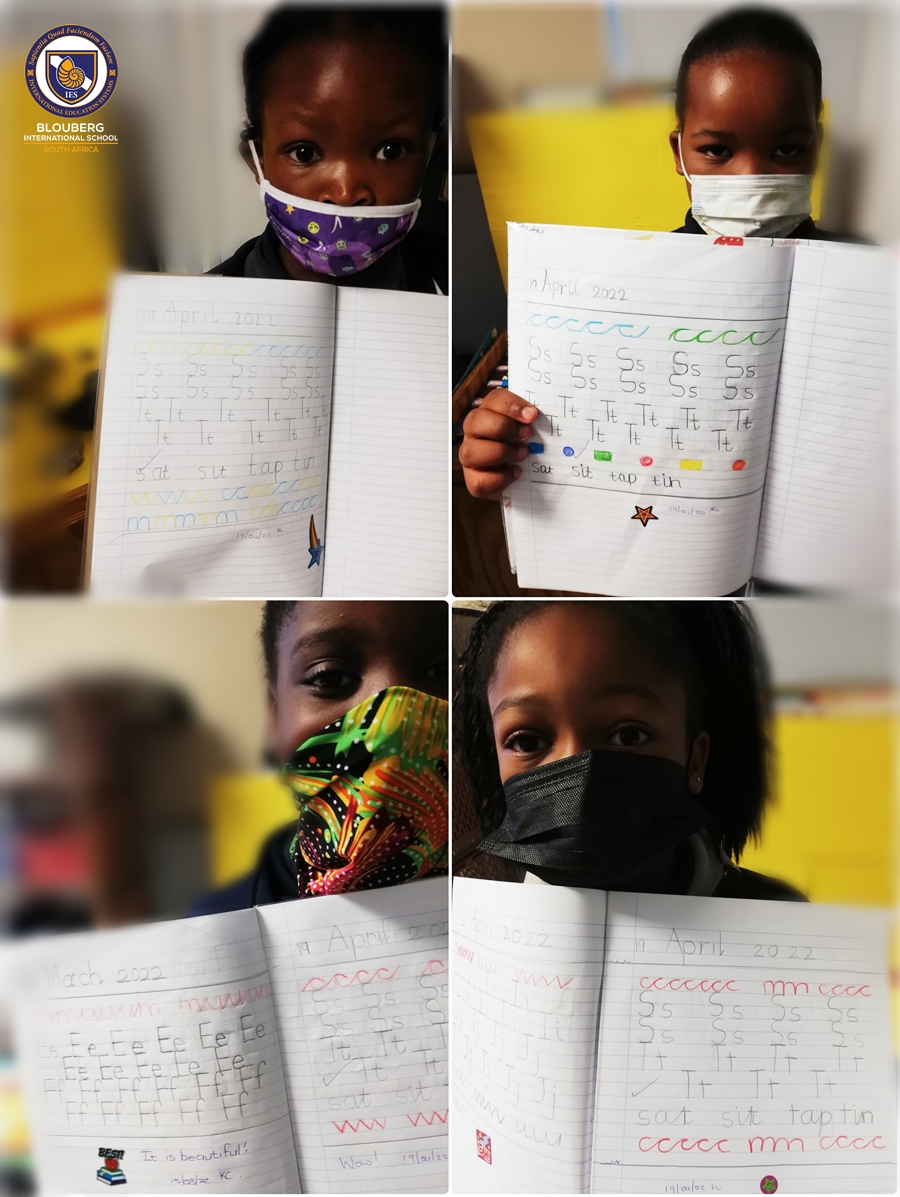
With today’s technology, where even the youngest of young are accustomed to typing on laptops, tablets or iPads, the question is often raised: Just why do children need to learn handwriting skills at school. They probably won’t need these skills in whatever field they find themselves in. However, proven studies have shown that it is extremely beneficial for young children to learn how to grip a pencil or colouring crayon, or learn the correct formation of a letter.
“There is this assumption that we live in the computer age, and we don’t need handwriting anymore. That’s wrong,” says Virginia Berninger, PhD, a professor of educational psychology at the University of Washington.
A few facts to consider:
- Children who learn to write correctly, read more fluently.
- Handwriting requires concentration.
- It trains the brain circuits responsible for motor coordination, vision, and memory to work together.
- Visual-motor skills, such as hand-eye coordination, are associated with academic achievement. Scientists have found that developing fine motor skills in early childhood can predict not only writing success, but also better performance in reading and mathematics in elementary school.
Left-handed children more likely to write untidily? Myth or fact? Unfortunately for the 10% of the world’s population who are left-handed, their handwriting does tend to be untidier than those writing with their right hand. However, if a child is taught to tilt their paper or book a different way, neat handwriting is very achievable!
Kim Coetzer
Year 2 Teacher

Read More