Sensory Day
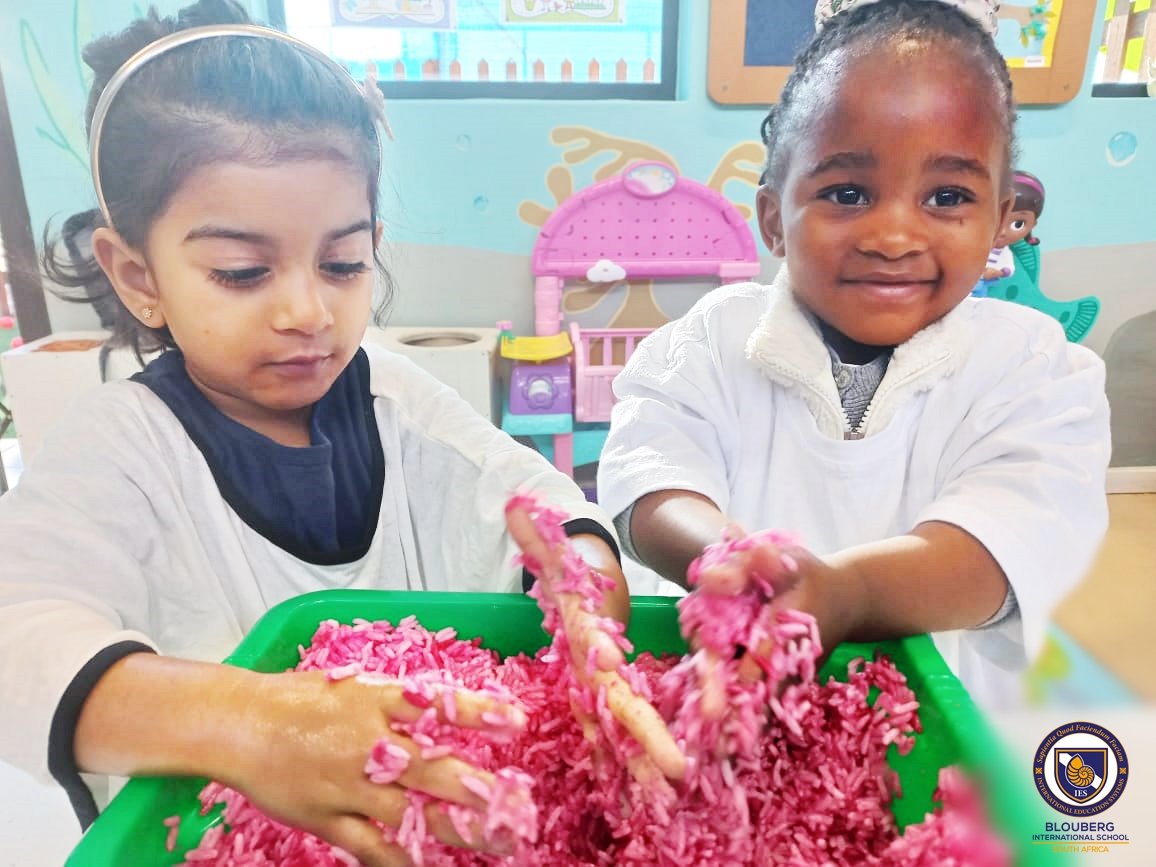
Even though it was messy, and oh the clean-up was a delight, the toddlers thoroughly enjoyed every minute of exploring the colourful spaghetti, the mushy sago and the sticky rice. They were able to hop out of the ‘clean class’ box and just enjoy making a mess.
Sensory play is an important part of childhood and there are really no limits to what you can use in your sensory activities. However, nature and food can often be your best friend when it comes to sensory play.
To help you keep your youngster busy during the holidays, here are a few great sensory play ideas for home:
- For keeping their hands busy:
- Soapy Jars: Fill a plastic peanut butter jar halfway with water, a pinch of dish soap and food colouring. Seal it tightly, and let your toddler roll it/shake it around outside.
- To explore their sense of smell (ages 4-6):
- Smell it and guess: Blend up six different fruits/vegetables in small quantities and pour them into separate dishes. Allow your little one to taste and guess.
- For co-ordination and organisation:
- Alphabet scoop and transfer: You will need alphabet magnets or water-safe letters, a storage container, a wooden spoon, two dish buckets and water. Pour enough water into your container to allow the letters to float and allow your child to scoop each letter out individually. You can practice various beginner literacy activities with them!
- To assist with emotions, and to keep them calm:
- Place beach sand or regular sand into a big container and hide small toys in the sand. Make sure the toys are all of the same themes. Once they have been able to scoop out each toy, engage with them to create a fantasyland on the sand. It’s like a zen garden for kids.
Jo-Anne Dickason
Nursery Teacher


Read More

Assessments And Amphibians
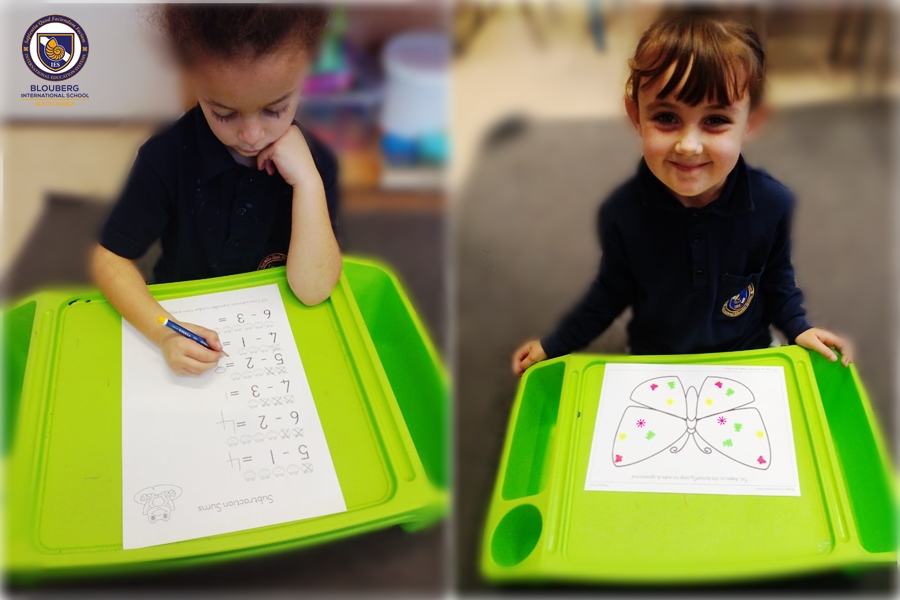
Over the last two weeks, Foundation stage have been doing their end of term assessments. Every day the students are learning new things and continue to approach each challenge with a positive attitude. The assessments have given each student an opportunity to show their teachers how much they have learnt this term and we are so proud of them.
Recently, Foundation stage have been learning all about amphibians. The students asked, what is an amphibian? What is the difference between a reptile and an amphibian? And what is the difference between a frog and a toad? They have learnt so many interesting facts, especially what makes a frog different from a toad.
Did you know that…
- Frogs are smaller and slimmer than toads and have a more pointed nose.
- Toads are much bigger and broader than toads and have a wider nose.
- A frog’s skin is smoother than a toad. Therefore, they need to live near water because they need to keep their skin moist.
- Toads have a hard, dry skin and don’t need to stay near water.
- A toad’s eye shape is also different from a frog’s. Frogs usually have big bulging eyes, as opposed to a toad’s, that is a bit more subtle in appearance.
- Frogs have long legs made for hopping and they can jump up to 20 times the length of their own body.
- Toads have shorter legs and prefer to crawl instead of hop.
The foundation stage students enjoyed learning about these interesting facts. We are confident that the next time they see an amphibian, they’ll be able to tell us whether it’s a frog or a toad.
Lauren Bloem
Reception Teacher


Read More
Bugs, Bugs, Bugs Everywhere…
Learning about bugs is so much fun for our Foundation Stage students. Isn’t it funny how young students are just curious about everything and don’t have the grossed out reaction that we have as adults.
During the past two weeks we have been learning about all sorts of bugs and insects through hands-on learning activities.
Some of the activities we have done includes:
- Butterfly life cycle sequencing: The students practised sequencing the cards in the correct life cycle order.
- Bug or not sorting: Is everything that crawls a bug? Is everything with wings a bug? With a container full of toys the students had to investigate what it takes to be called a bug. This sorting game helps them learn to scientifically classify and observe.
- Butterfly Symmetry Smash: We cut the butterfly out of card. The students then squirted paint onto one side of each butterfly. We folded the butterflies in half and smashed the paint.
- Which bugs can fly: The students learned which bugs could fly and which could not.
The students enjoyed looking at books about bugs and learning interesting facts about bugs by watching Blippi Wonders.
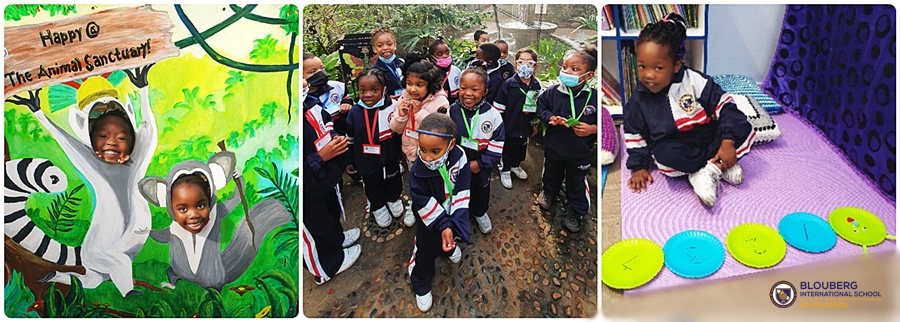
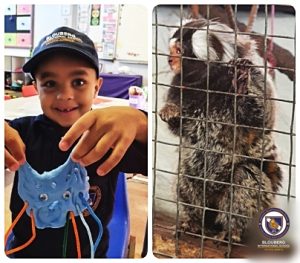
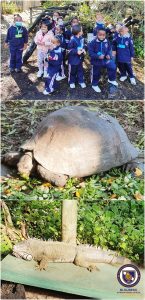
On Friday, 27 May, the Pre-Reception and Reception students went on an educational Outing to the Exotic Animal World. The students saw different types of insects, spiders, reptiles and animals like: birds, iguanas, tortoises and meerkats to name a few. The students enjoyed an interesting and informative lesson about reptiles. It was an amazing experience for the students to end off our theme.
Martie van Dyk
Pre-Reception Teacher

Read More

Nursery Creepy Crawly Fun
The Nursery class had so much fun learning about Creepy Crawlies and loved discovering and exploring the Creepy Crawly world.
This week:
- We learned about spiders, whilst enjoying singing “Incy Wincy Spider”.
- We also discovered that caterpillars turn into butterflies! We enjoyed reading the “Very Hungry Caterpillar” at story time.
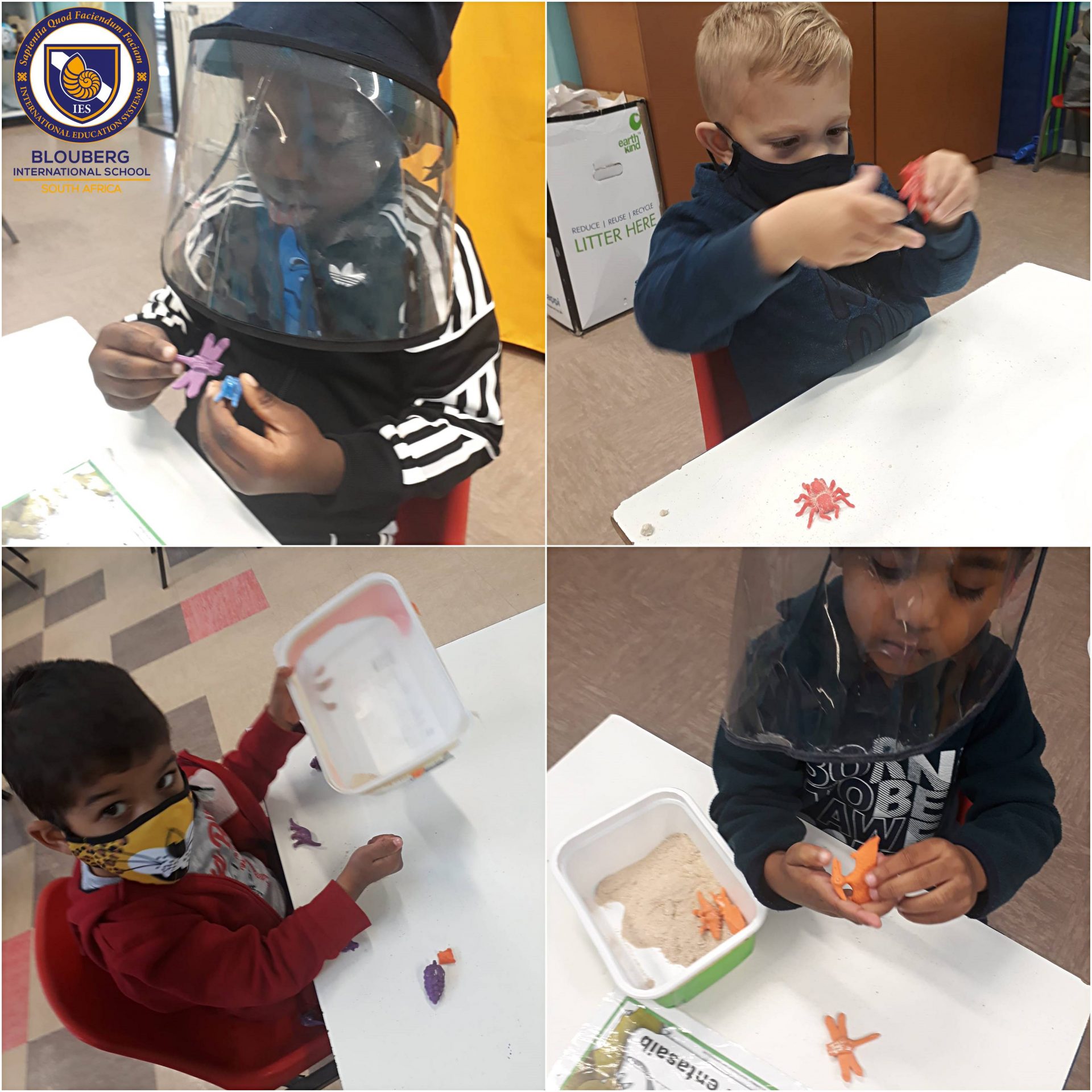
- A great class activity was finding different insects hidden in the sand during their Sensory play this week and trying to name them all.
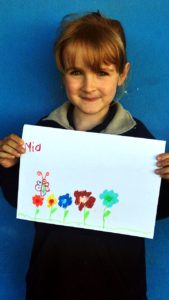
- For Art we made Butterfly handprints! They found it so funny and exciting to have their hands painted.
- We also enjoyed going for a walk out in our special garden to find insects.
Nursery Teacher


The importance of exposing students to the world around us
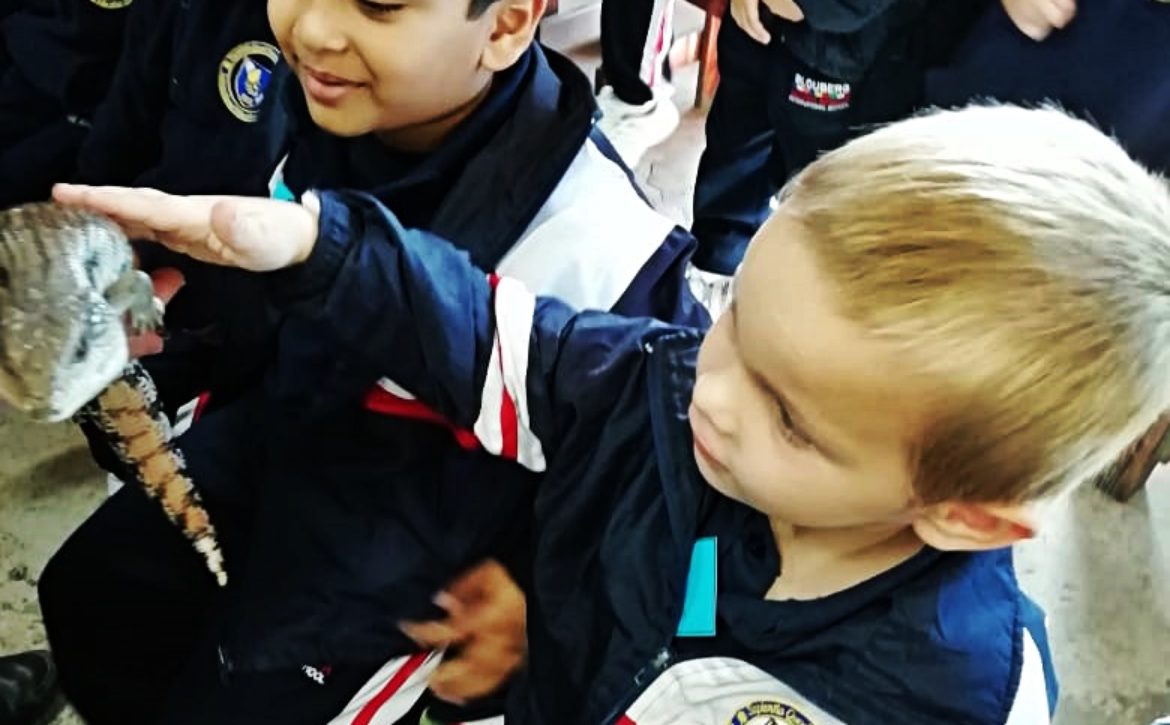
Often we take all the nature and beauty around us for granted, rarely having the time to adequately appreciate it. For a developing mind, it is crucial to explore nature and learn about new places and things. It is natural for children to yearn for self-discovery and independence. Granting them the opportunity to experience the world around them, and what it has to offer, teaches them to explore and comprehend.
This term we learned about all kinds of reptiles and insects and their habitats.
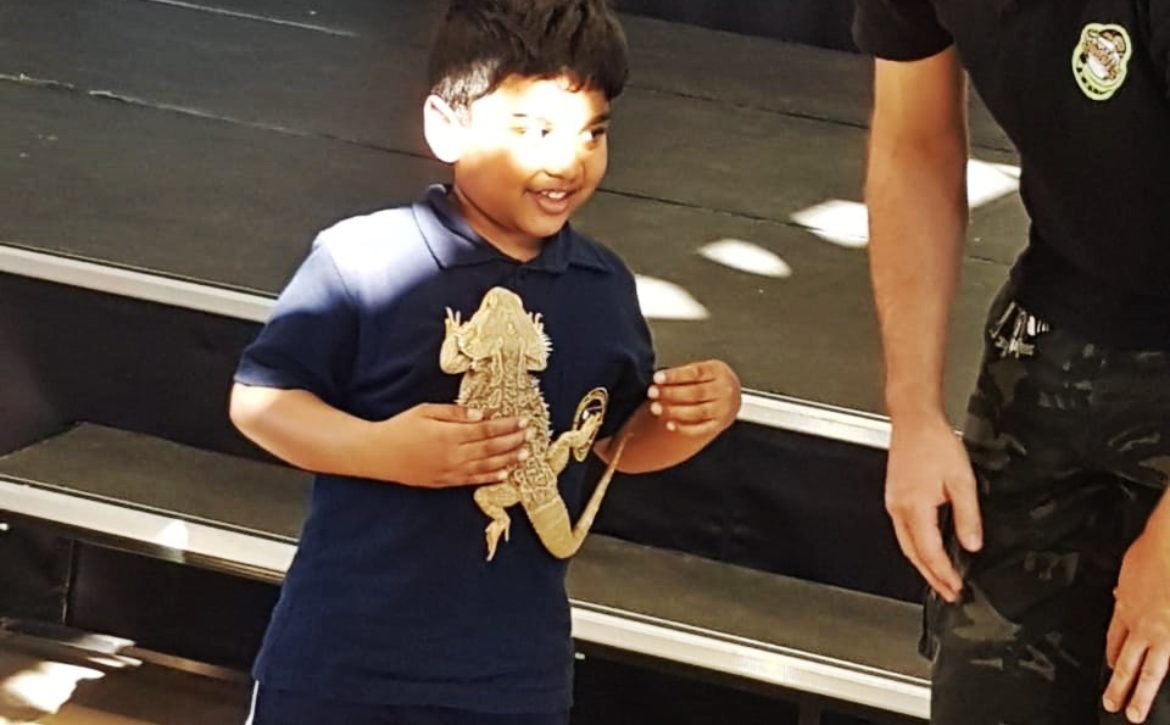
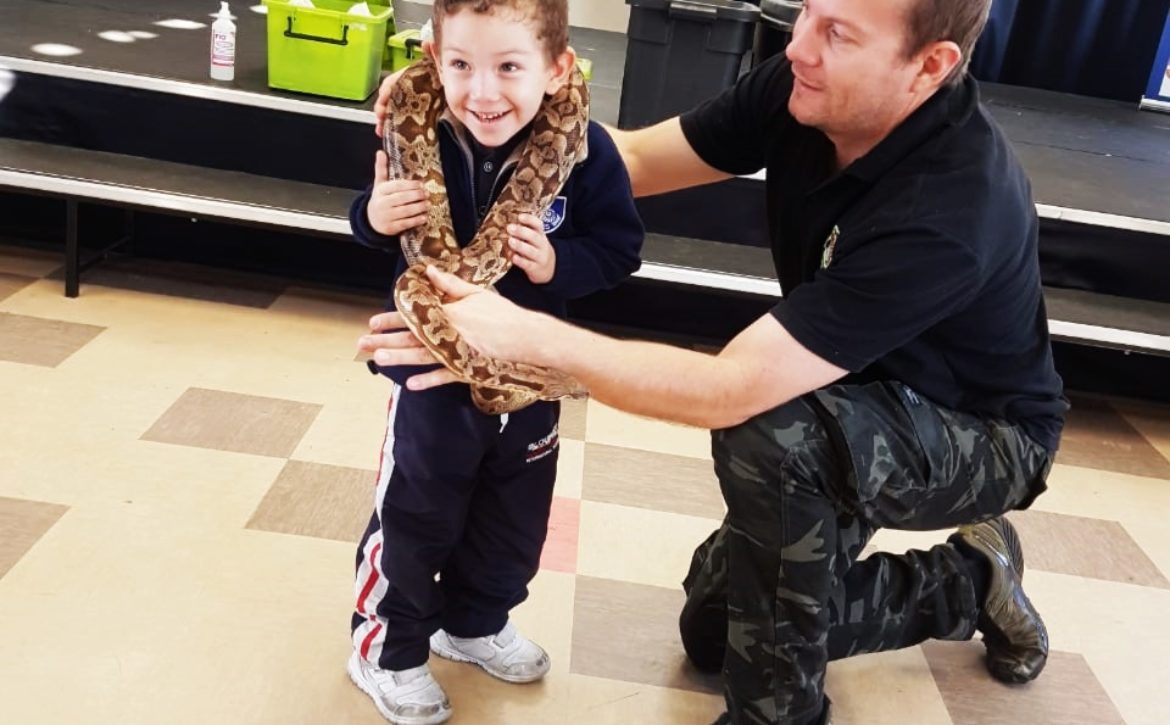
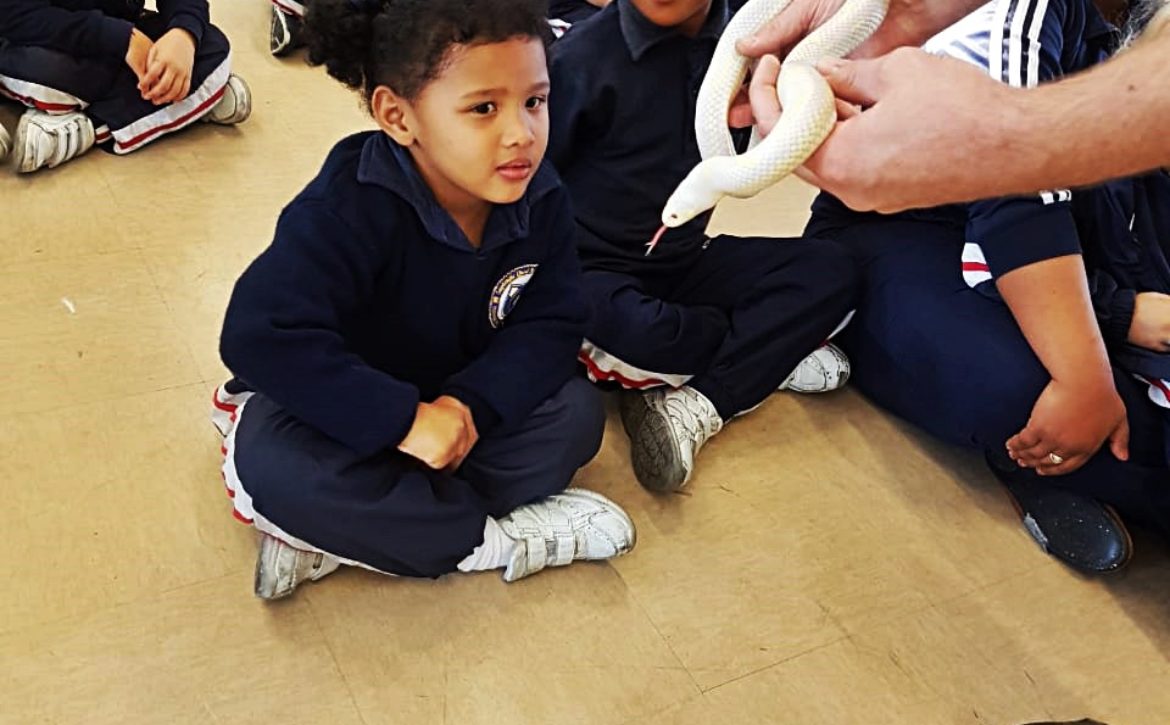
Inting: The Reptile man paid us a special visit at school. My class’s enthusiasm and bravery to touch and hold snakes, lizards, geckos and tortoises, to name only a few, amazed me. One of the most important things they learned was to have respect for other living things.
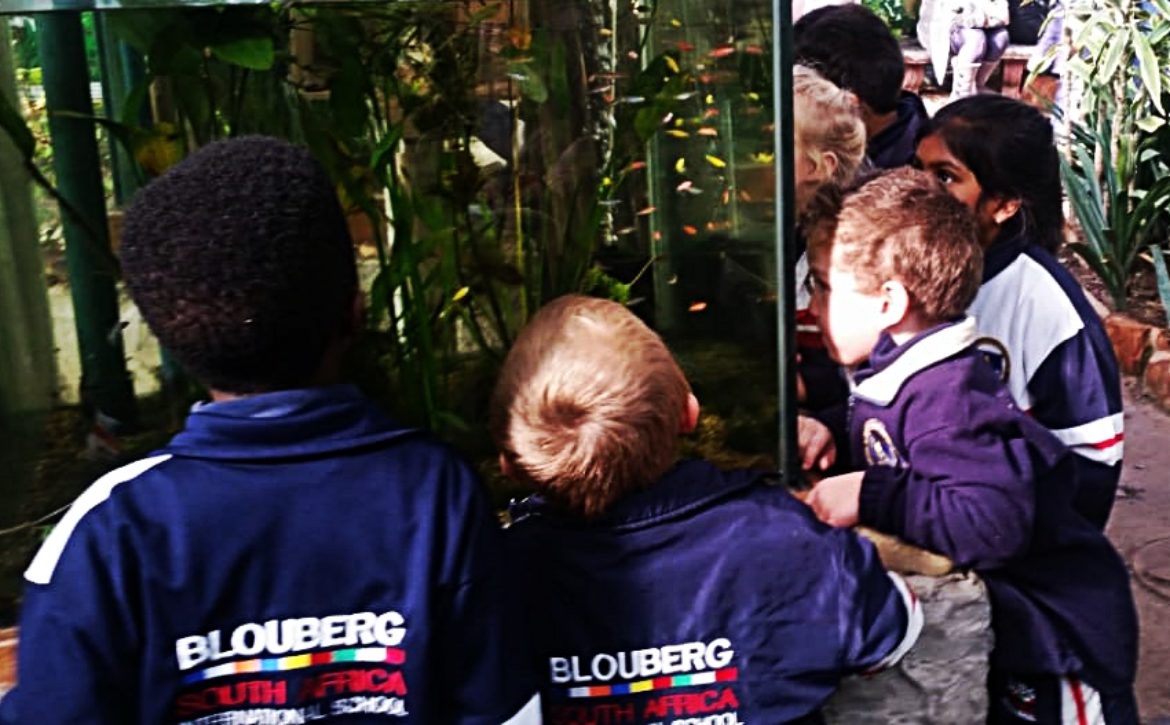
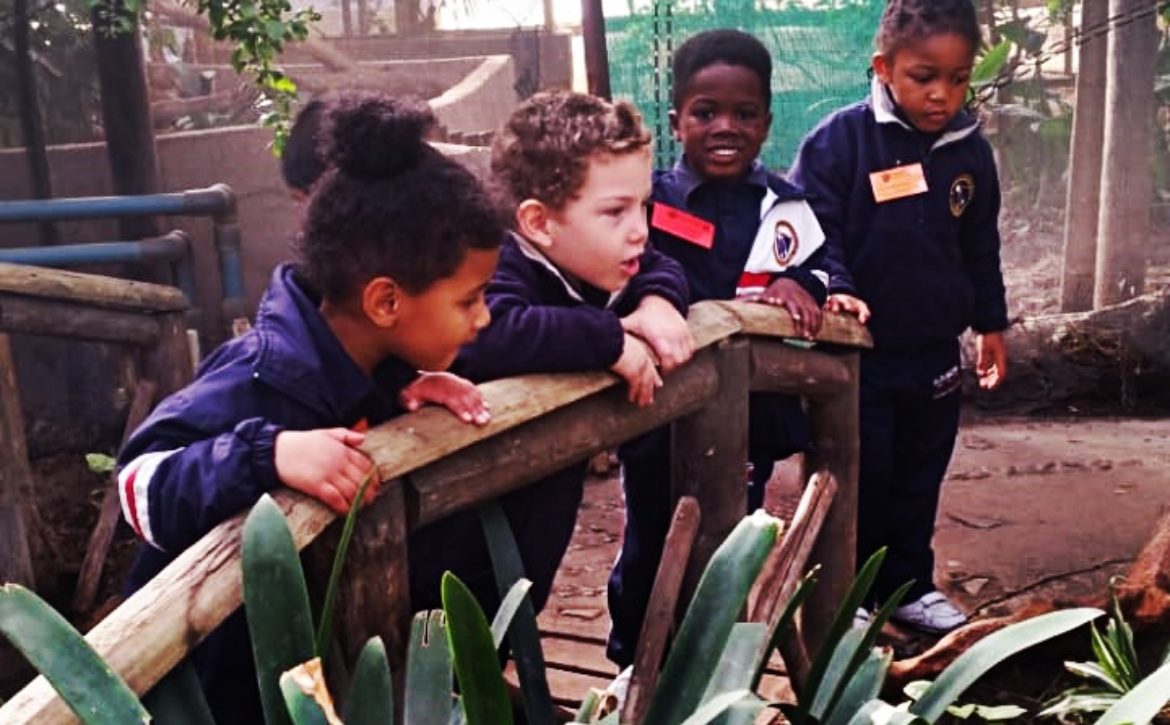
Outing: Butterfly World was a most enjoyable and informative experience for all the students. They especially enjoyed the bus drive, even though most of them fell asleep on their journey back to school.
Here are nine benefits of encouraging your child to attend outings:
- Outings give students an educational experience away from their regular school environment.
- They learn in a more hands–on and interactive approach than they do in the average classroom.
- The students investigate the insects, animals, reptiles and plant life up close; they can touch and interact.
- This gives children a welcome break from their normal routine, breathing new excitement into lessons.
- Learning in assorted ways can appeal to varied learning styles helping students to succeed whether they are visual or auditory learners.
- Perhaps one of the most important values of exposing the students to this is the personal development that one can experience. When challenged, an individual can experience a sense of accomplishment, self-value and confidence.
- By introducing these important experiences, a child is more willing to try new things, creating a more versatile learner.
- This can help children to develop the enjoyment of life-long learning, confidence and independence as well as respect for humankind and all creatures.
- Outings are so important for their emotional, social and intellectual growth.
Through those interactions, children will not only gain a new appreciation for what nature has to offer, but also learn about themselves. They will establish real connections with others and the world around them.
The next time you are outdoors with you little one, remember to stop and smell the roses and if you are lucky, you might find a ladybug or two…
Cindy Nunan
Pre-Reception Teacher
CREEPY CRAWLIES AT NURSERY
The Nursery is learning about Insects this week. They have enjoyed learning about spiders, snails, dragonflies and many more creepy crawlies. They are discovering where Insects live and what they eat. We went on an ”insect walk” around the playground to inspect where insects live and where they are found.
The artwork they created was inspired, having great fun painting little ladybugs. We made spiders out of paper plates and had bubbles of fun experimenting with water-play with “bugs” in soapy water.
The students have been making worms with playdough and cutting playdough with scissors. This strengthens their fingers and grip, and is very good for their fine motor development.
Jacky Billings
Nursery Teacher
Foundation Stage: In Our Garden
In Reception we have been learning about all the creatures we find in our garden. The students were very excited to tell their friends all about their favourite insects.
Read More“I like a scorpion because it has a poisonous sting” Juan Amouhadi
“I like butterflies because they are beautiful and can fly” Liha Tredoux
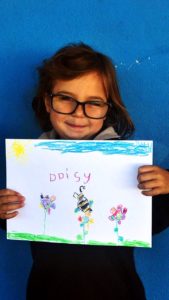
“I like bees because they make honey” Daisy Cronje
“I like ants because it starts with a ‘A’ like my name” Anthony Van Tonder
‘I like grasshoppers because they can jump and hide” Nathan Williams
“I like butterflies because they like to fly around and look for flowers” Hannah Borien
Ms Monique Crawley
Reception Year Teacher