

Maths Games
Last year, Riaan Vosloo, our high school art teacher, painted games on the corridors of the foundation phase building and on the playground. These games not only keep the students busy at playtime, but also give the teachers opportunity to use them, to reinforce maths concepts taught in the classroom.
Benefits of playing maths games:
- Increase student engagement –
Maths games are an excellent and fun way for students to practice their maths skills. Although students are thinking, working and exploring concepts, the games increase their level of engagement by adding excitement to the learning process.
- Reinforce learning –
As teachers we can reinforce the concepts learnt in class and give the students new and meaningful ways to practice.
- Develop social skills –
Working with a partner or in a small group reinforces social skills such as taking turns, co-operation, communication skills and sportsmanship.
- Provide opportunities to differentiate –
All students learn at different rates and in different ways and games provide ways to differentiate, so student’s individual needs are addressed.
- Build student confidence –
When students are playing a game, they are less fearful of failure and work through mathematical challenges and this builds their confidence.
At home parents can play games that develop maths skills and at the same time enjoy family time together. While electronic games are fun, children do work in isolation. Pintrest is a great resource for finding games you can play at home with your children.
Ann Cordner
Year 1 Teacher
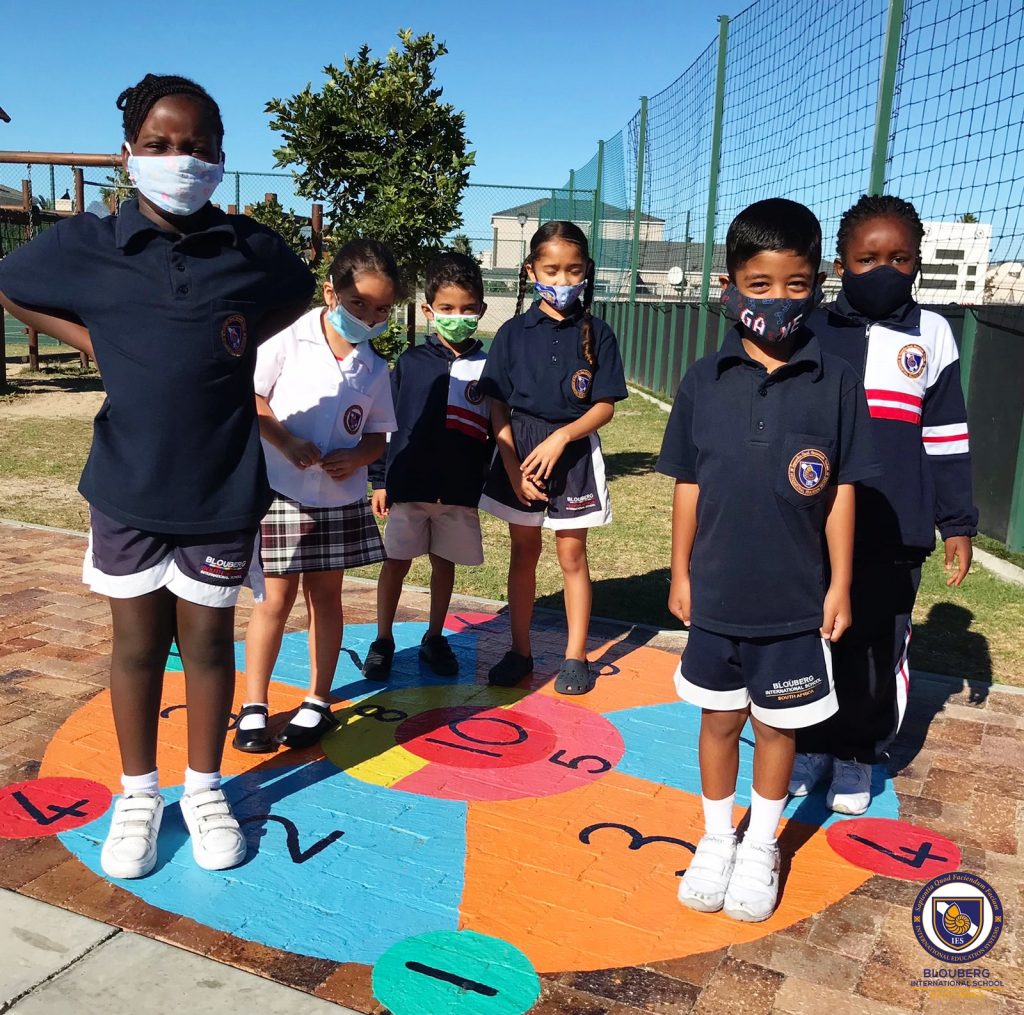

Reference Credit to STORIES by storie March 25, 2019 (storiesbystorie.com)
Read More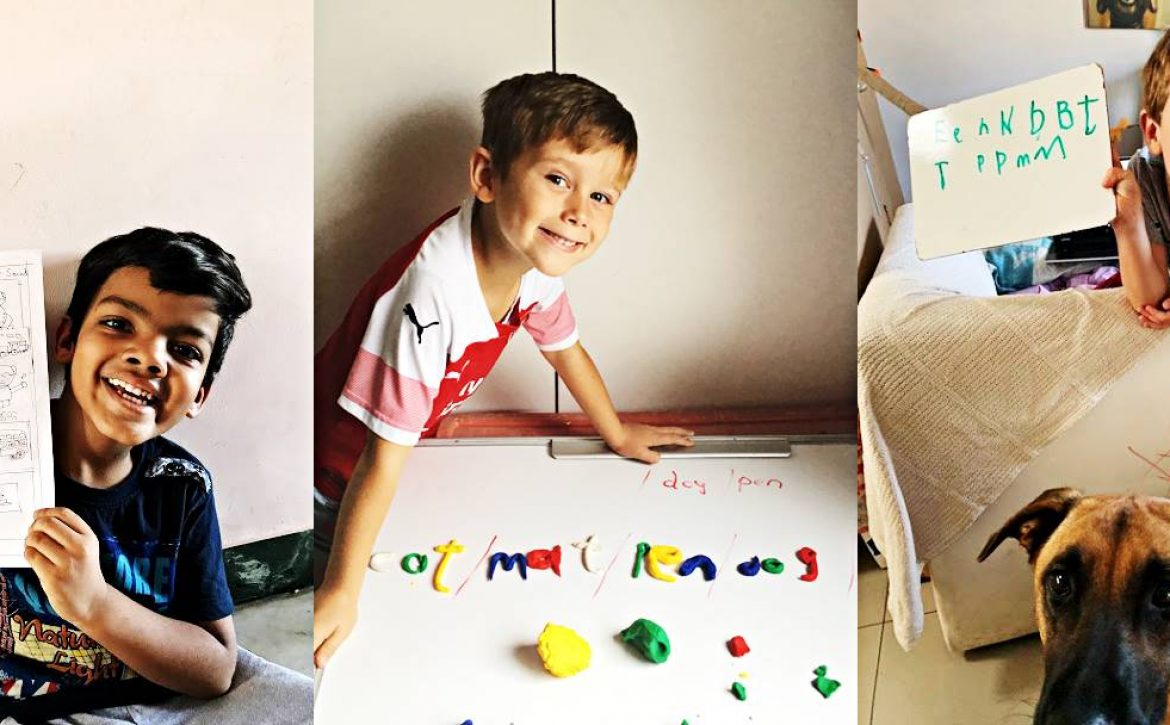

Let’s Get Covered In Glitter
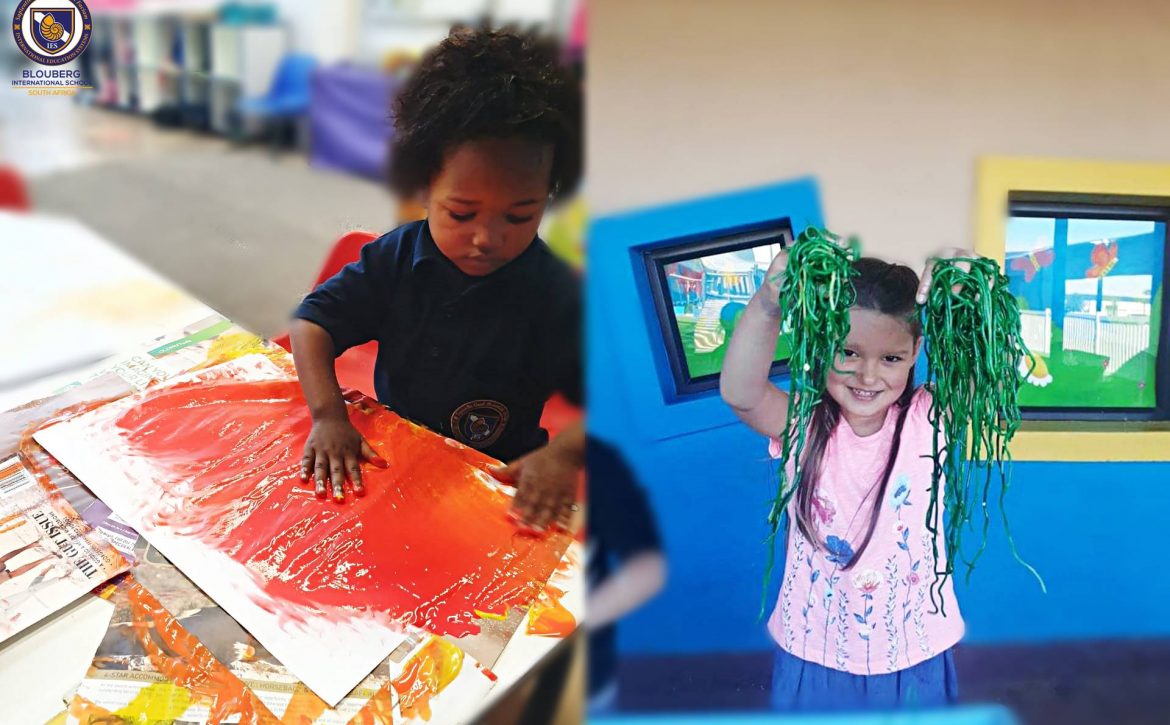
In the Foundation Stage classrooms, it is all about practical learning, the students experiencing and exploring. We focus a lot on sensory play, fine motor development and generally just making a mess (because if you are not covered in glitter or paint, it wasn’t a successful day).
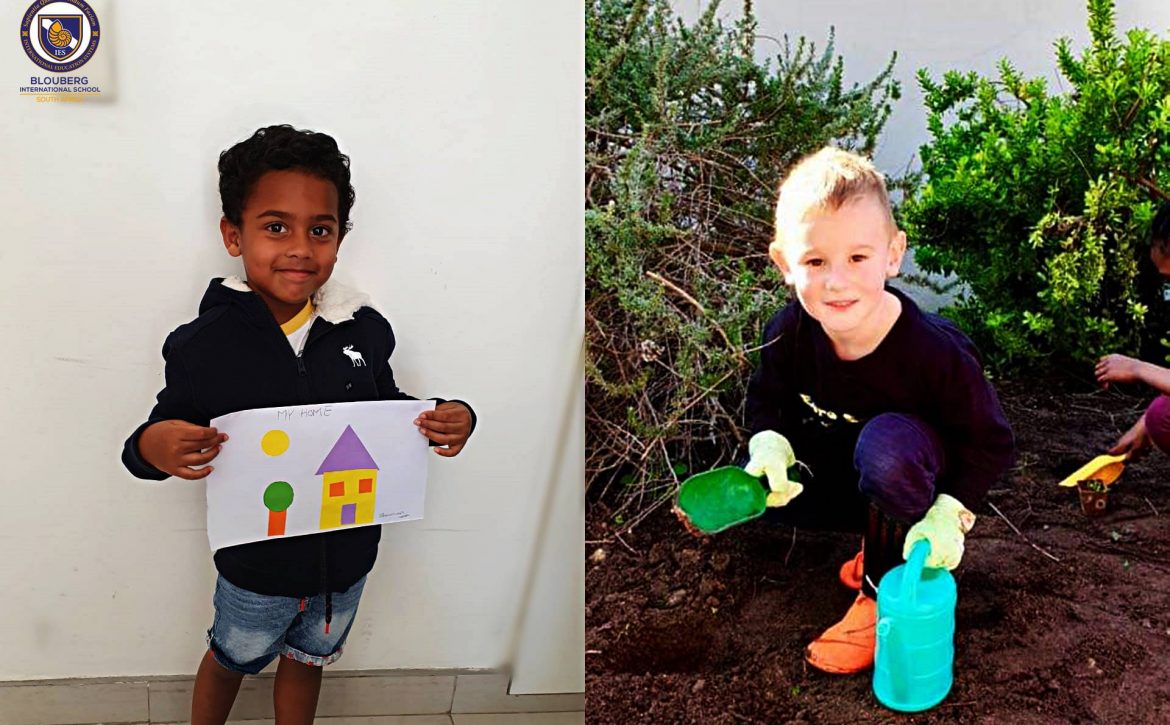
This is why online learning is a challenge, not only for the teachers, who want the little ones to keep learning and exploring, but also for the parents and students. It is also for all of those reasons why we as teachers are immensely proud of our students and so grateful to have such wonderful parents who are so supportive and encouraging. Not only has the little ones kept their sense of wonder and excitement during this challenging time, they have participated in all the activities with big smiles. As a teacher it is wonderful to get photos or videos of your students working so beautifully at home.
As a Foundation Stage teacher (who cannot wait to get back to being covered in glitter and paint) I would like to thank all our parents for helping us make this a fun and interesting learning journey for our students.
Monique Crawley
Reception Year Teacher
Let Them Play!
As we face the COVID-19 pandemic, we are all confronted with uncertainty. Research tells us that uncertainty increases anxiety and worry in both children and adults. We cannot remove much of the uncertainty we currently face, but what we can do is look for opportunities to feel some certainty and control. For this reason, following a normal routine and having some structure to the day is likely to be useful for kids and parents.
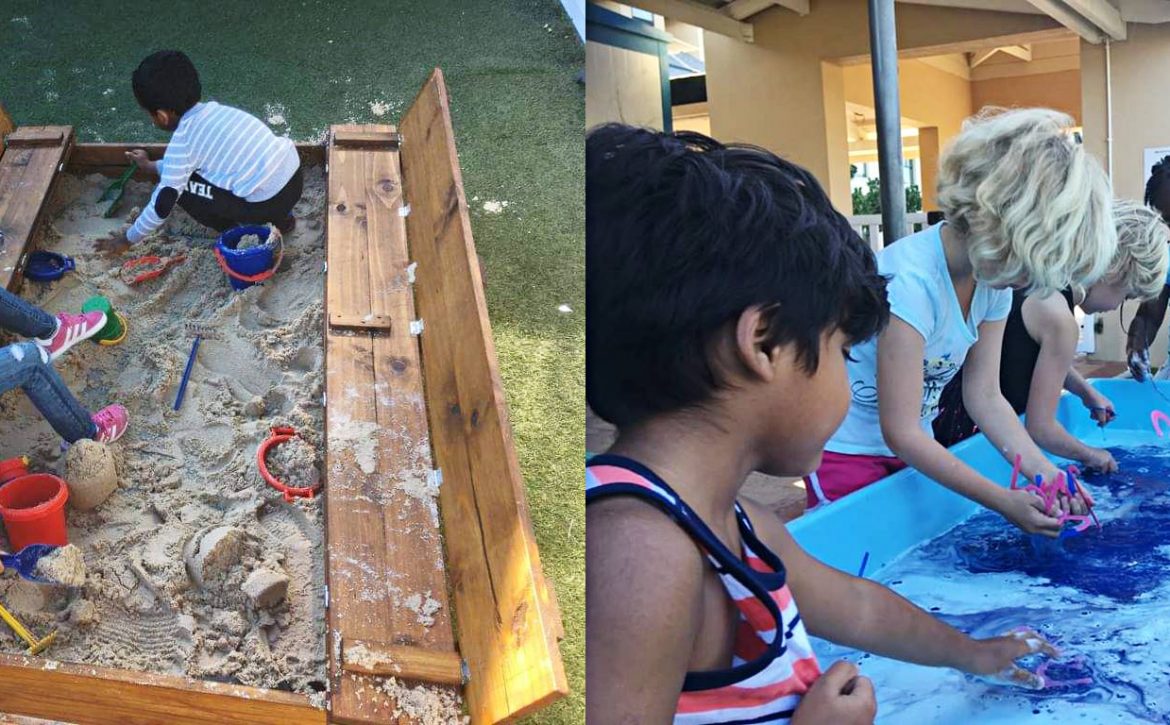
Attempting to school children at home puts pressure on parents at a time when anxiety is high. This is not helpful for them or their children. An alternative is to let the children play at certain times. The benefits of play are ranging. When children have more opportunities for play, they have better physical and mental health. It significantly decreases their stress levels, and more importantly it facilitates learning. Examples of play activities include building dens, dressing up, play dough or sensory play.
What is sensory play?
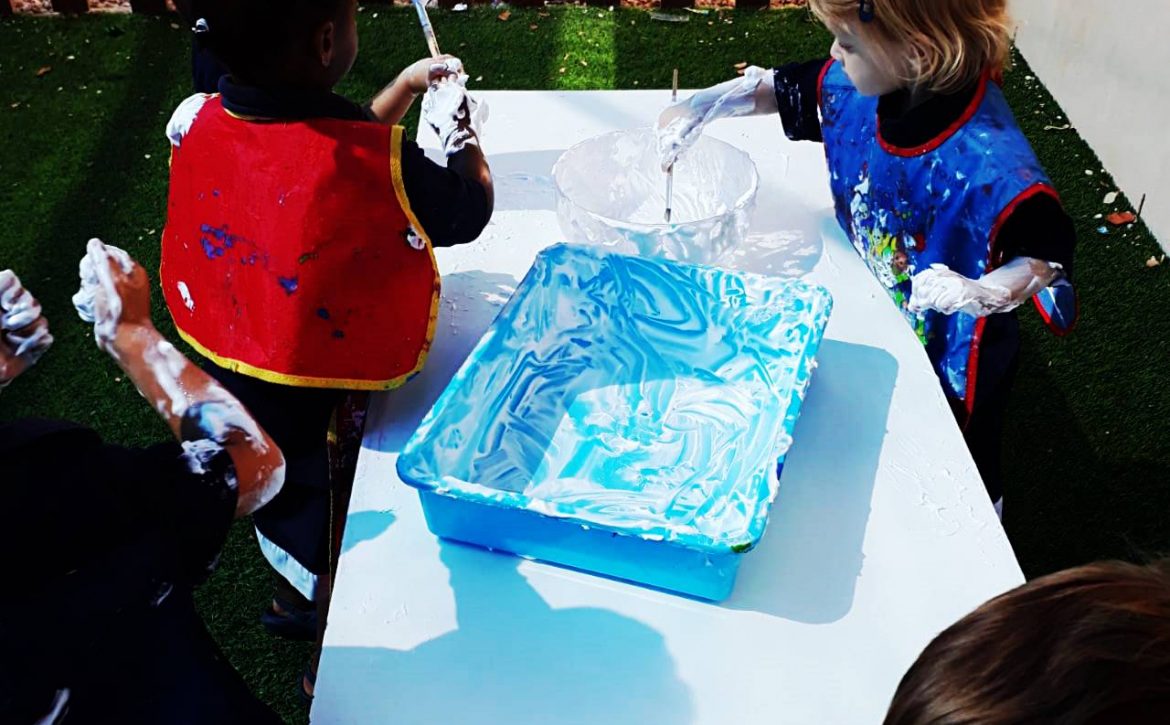
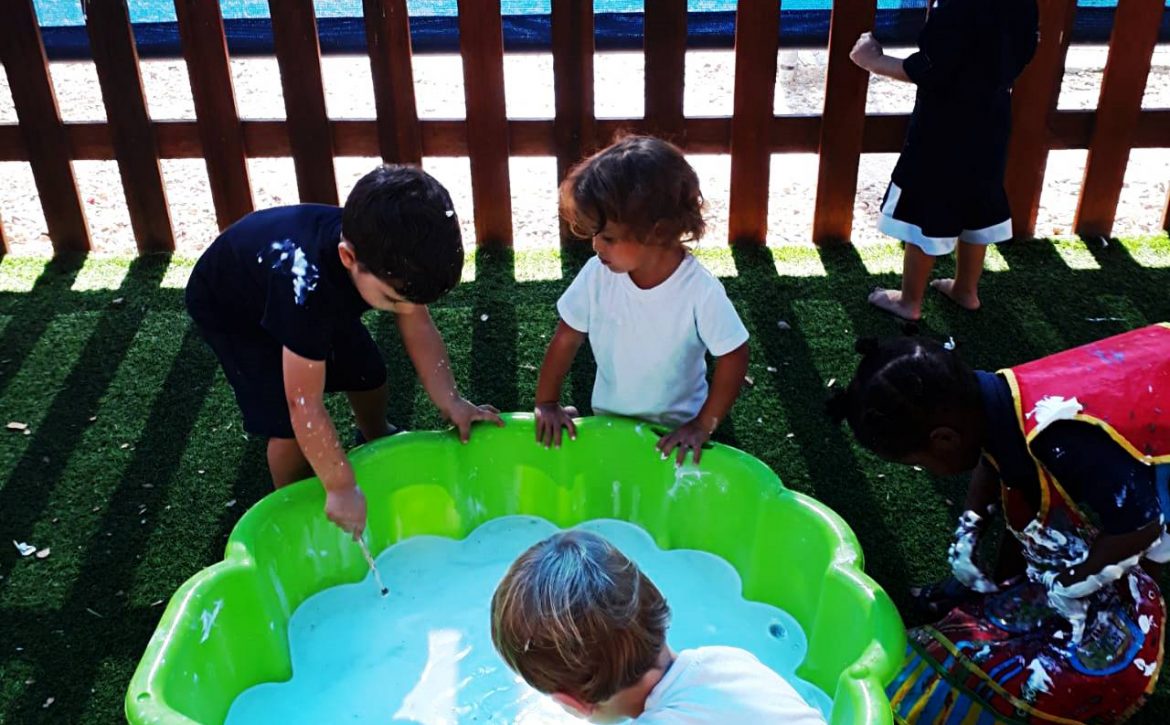
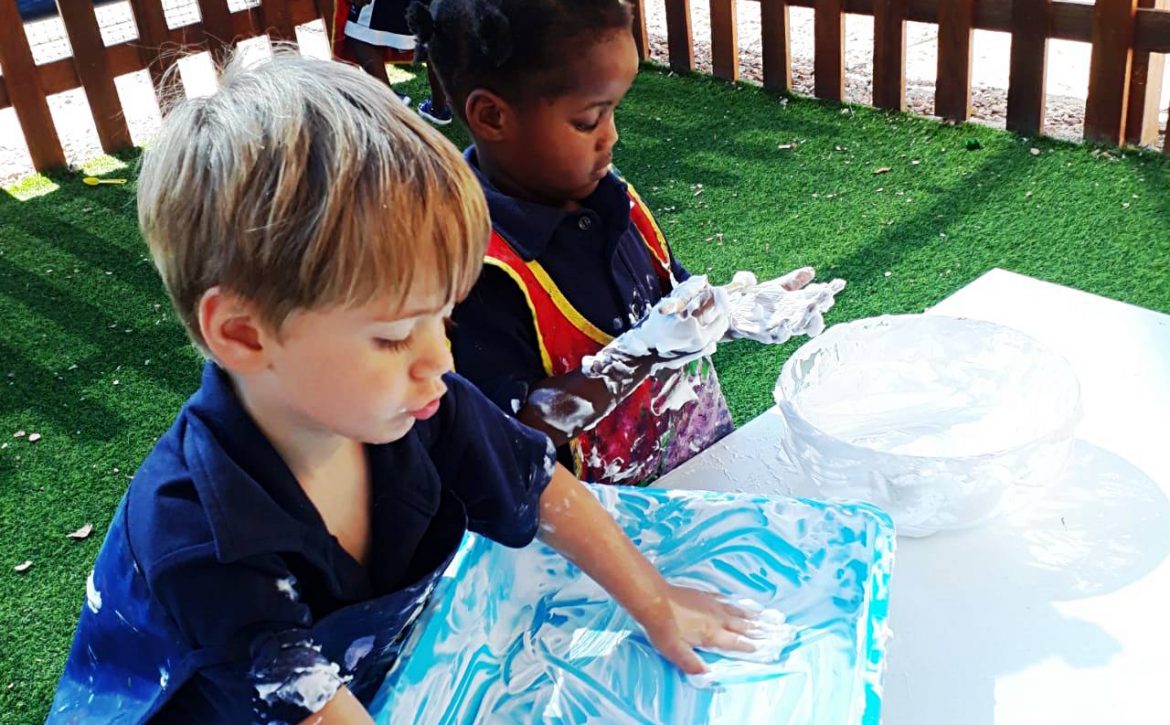
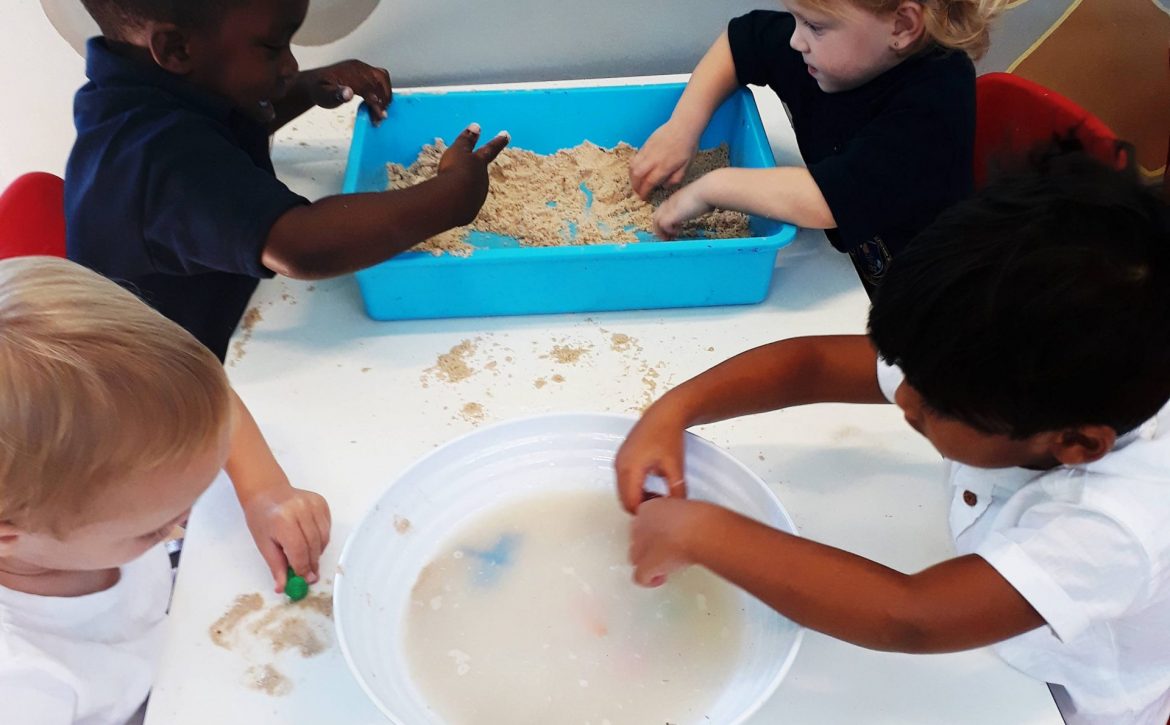
Sensory play includes any activity that stimulates a young child’s sense of touch, smell, taste, sight and hearing, as well as anything which engages movement and balance. Sensory play is not video games and TV. We use our sight and our hearing for those activities but sensory play involves actively engaging the senses to discover and explore the world around us.
Some examples of sensory play:
Sensory play for toddlers– observing light and shadow created by torch light on objects of different sizes, or watching colours mix and the patterns formed by finger painting.
Sensory play for pre-school aged children- creating shapes and playing with sand, or playing with musical instruments and listening to the tone and pitch as they strike or blow through instruments softly or forcefully.
The benefits of sensory play:
Many well-known early years pioneers such as Montessori, Froebel and Goldschmid recognised the importance of sensory play as a fundamental experience for a child’s growth and development. Such benefits include:
- Experimentation skills and recognition of the sense used during the exploration of different items.
- Attention and concentration by focusing on the given stimuli, such as exploring a light box or torches with coloured cellophane.
- Increased hand/eye co-ordination and both gross and fine motor skills.
A lack of sensory play leads to the brain not getting accurate information about its surroundings. As the child gets older, experts typically refer to this as a sensory processing disorder. A lack of sensory play may lead to a child with anxiety and poor coordination. It can also lead to difficulty learning and paying attention. It’s important to give the child ample practice in all the senses.
That is why its best to let them play!
Martie van Dyk
Reception Year Teacher
Sensory Play in the Nursery
Why do we engage in Sensory Play?
From birth through to early childhood, children use their senses to explore and try to make sense of the world around them. They do this by touching, tasting, smelling, seeing, moving and hearing.
Children and even adults learn best and retain the most information when they engage their senses. Many of our favorite memories are associated with one or more of our senses: for instance, the smell of a summer night campfire or a song you memorized the lyrics to with a childhood friend. Now, when your nostrils and eardrums are stimulated with those familiar smells and sounds respectively, your brain triggers a flashback memory to those special times.
- Research shows that Sensory Play builds nerve connections in the brain’s pathways, which lead to the child’s ability to complete more complex learning tasks.
- Sensory Play supports language development, cognitive growth, fine and gross motor skills, problem solving skills, and social interaction.
- This type of play aids in developing and enhancing memory.
- Sensory Play is great for calming an anxious or frustrated child.
- This helps children learn sensory attributes. (hot, cold, sticky, dry)
I wish to encourage parents to get messy with their children at home to make learning more fun.
Jacky Billings
Nursery Teacher



Nursery Fun 2020
The Nursery has started to settle in well in their first term.
They have settled into the routine and during the day they have a nutritious breakfast and all the yummy snacks and lunch provided by the school. They also get to have nice long restorative naps.
They have a nice shade over the garden and can spend most of the day outside in the fresh air. They are making new friends and learning so many interesting things about the class topic this week. The topic for the week is Family and the little ones love talking about their families and painting and drawing them.
The Nursery had immense fun playing with all the Sensory toys. They had a great time touching the sand, water and small creatures. They also liked playing with the macaroni and little dinosaurs.
I look forward to seeing how the little ones in our Nursery develop this term.
Jacky Billings
Nursery Teacher



Nursery Orientation Morning
This week the Nursery went to meet their new teachers and friends for next year. Teacher Martie van Dyk (Teaching assistant Nelly Janda) and Teacher Cindy Nunan (Teaching assistant Mellissa Franse) will be their Pre-Reception teachers for 2020.
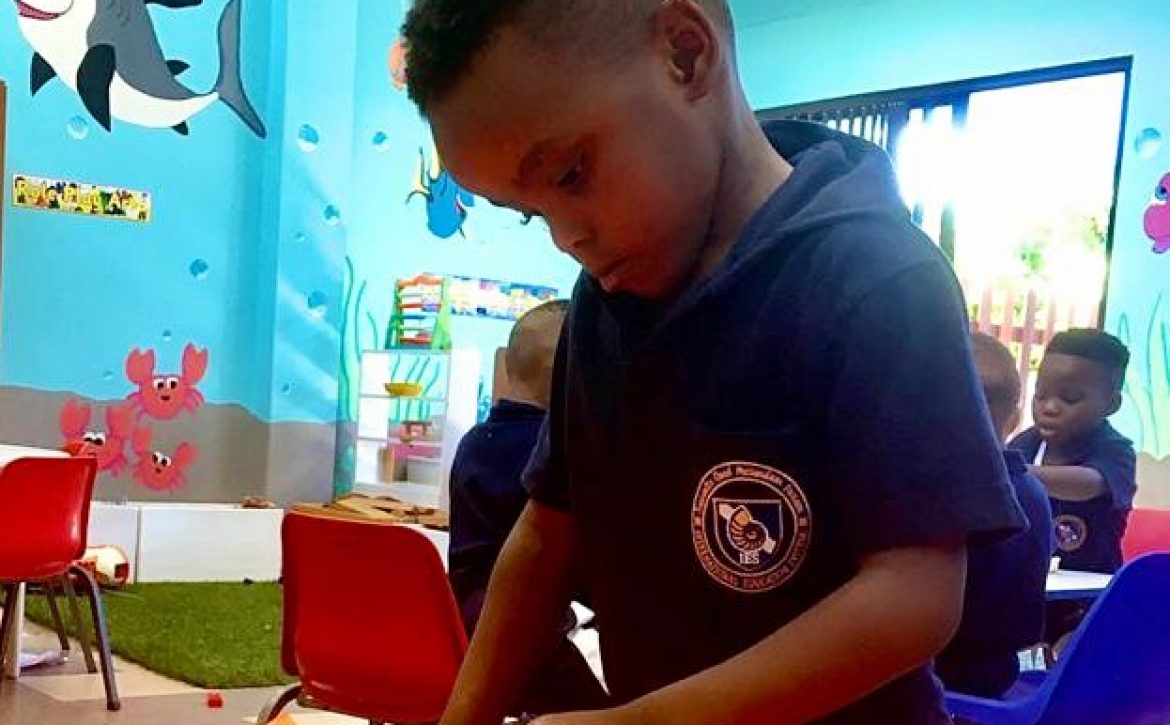
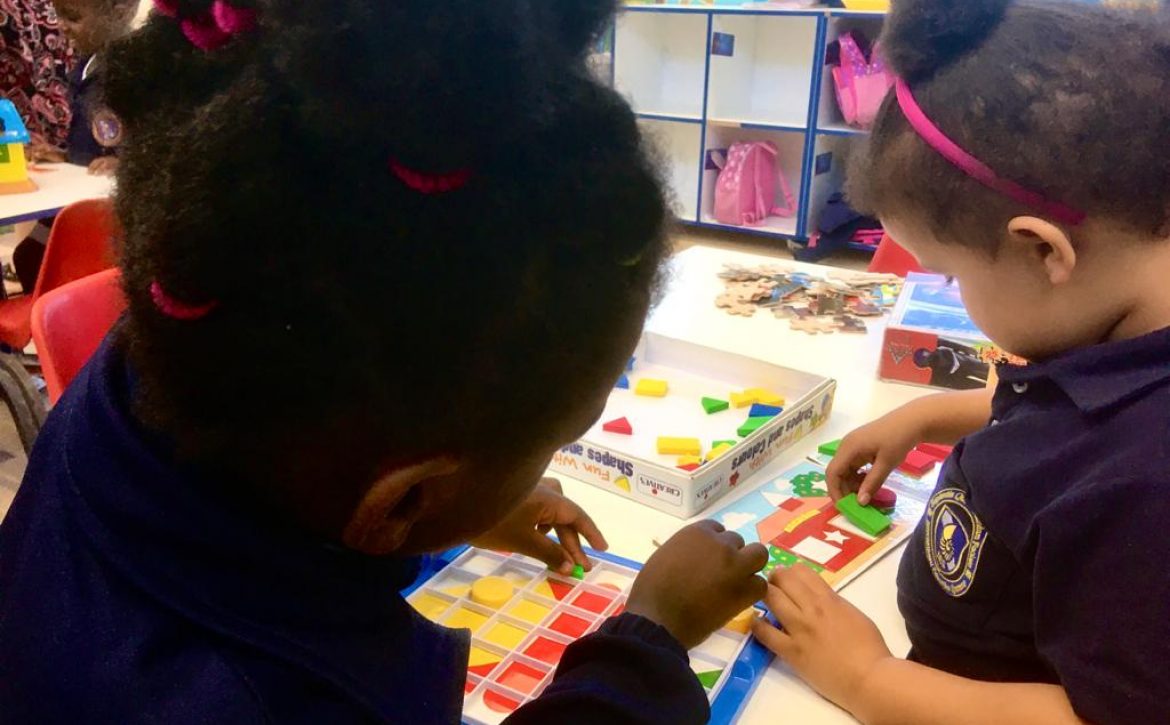
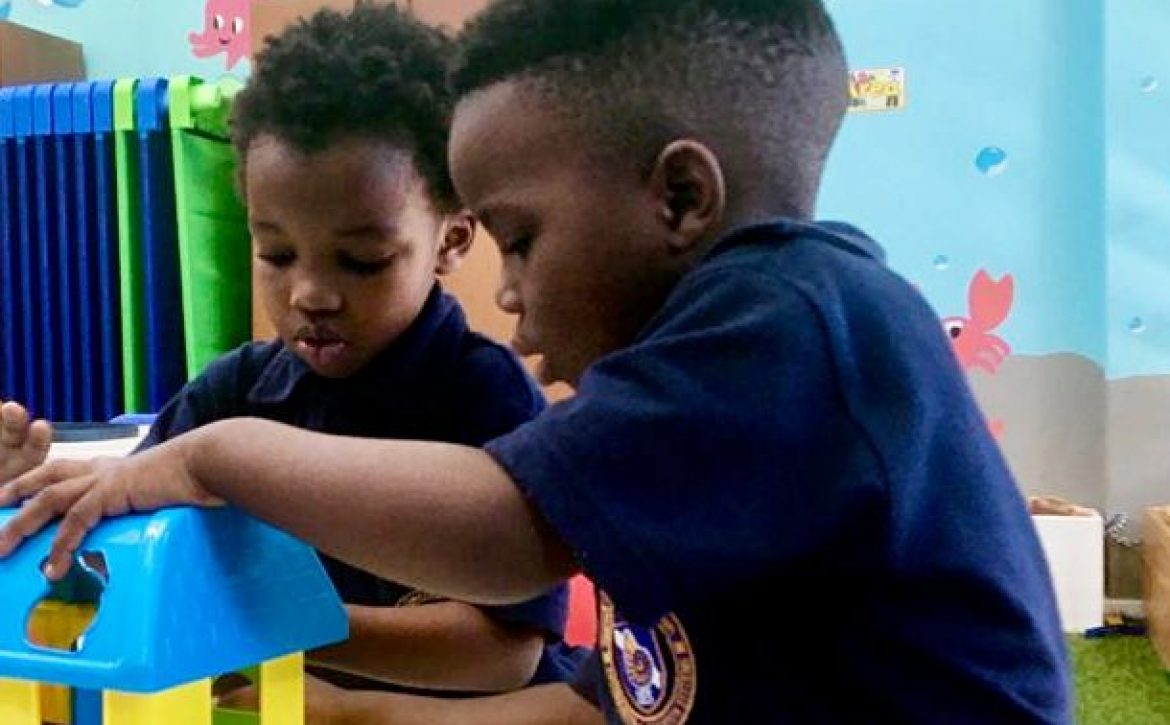
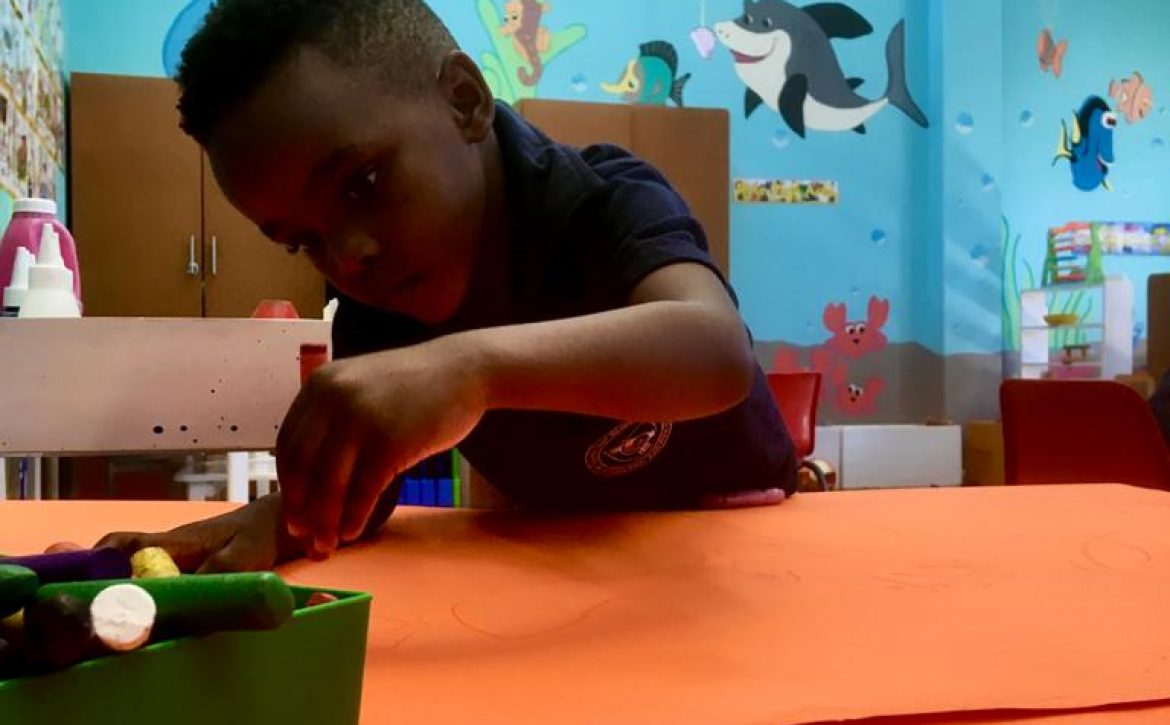
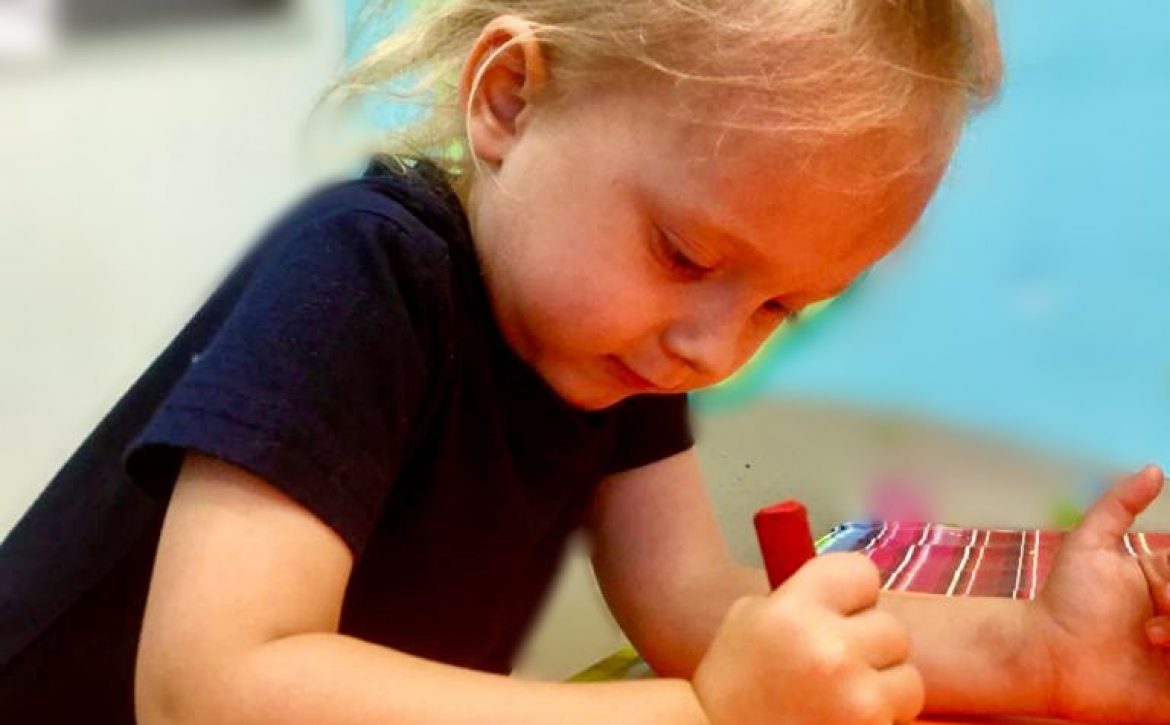
They made sure that our budding preschoolers were made to feel at home, as change can feel overwhelming for little ones. They had the opportunity to bond with next year’s class mates while playing outside on the jungle gym, as well as doing fun activities in the classrooms. Their new teachers had planned exciting activities for them. They enjoyed molding play dough, painting pictures, building puzzles and fantasy play to name only a few.
We could see the utter excitement for Pre-Reception 2020 all over their beaming faces.
I am extremely proud of them and wish them all the very best for next year.
Jacky Billings
Nursery Teacher


The Building Blocks of Early Learning
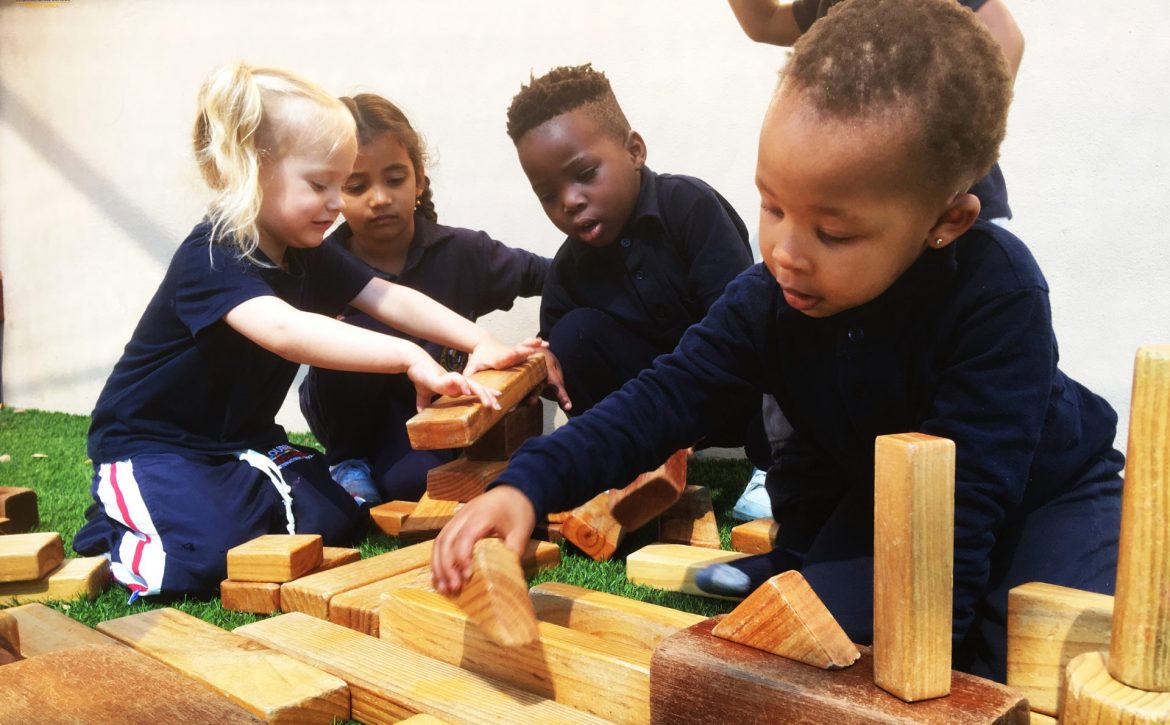
The Nursery class is enjoying building blocks. They have been working together to make big towers, learning to share with each other while cooperating for a greater goal.
We have been learning about different shapes and discussing what shapes the blocks are. At this stage we are investigating squares, rectangles and triangles.
A few benefits of building blocks include:
- Improves hand-eye coordination by learning to place the block on the block tower in such a way that does not topple the tower.
- Teaches early math and engineering skills through hands on learning.
- Spatial awareness.
- Improves fine motor skills.
I wish to encourage parents to spend time with your children, building with a variety of blocks and Lego. Such a simple activity can have a tremendously positive impact on learning.
Jacky Billings
Nursery Teacher

Foundation Stage: The wheels of the bus go round & round…
During the last two weeks the Foundation Stage learnt more about Transport. Transportation is an important part of everyday life, and that is why so many students find this topic interesting. Transportation as a theme not only teaches our students about what different vehicles are and how they work, but we also use it to teach other important concepts such as safety when riding in a vehicle or walking.
We got to play with all the different types of transportation theme items such as cars, trucks and trains. Our students made different crafts, sang transportation songs, played games and listened to stories about transport. Learning through play will help students retain all the lessons in their long term memory.
Written by
Martie van Dyk
Reception Year Teacher
Read More