Fun Day
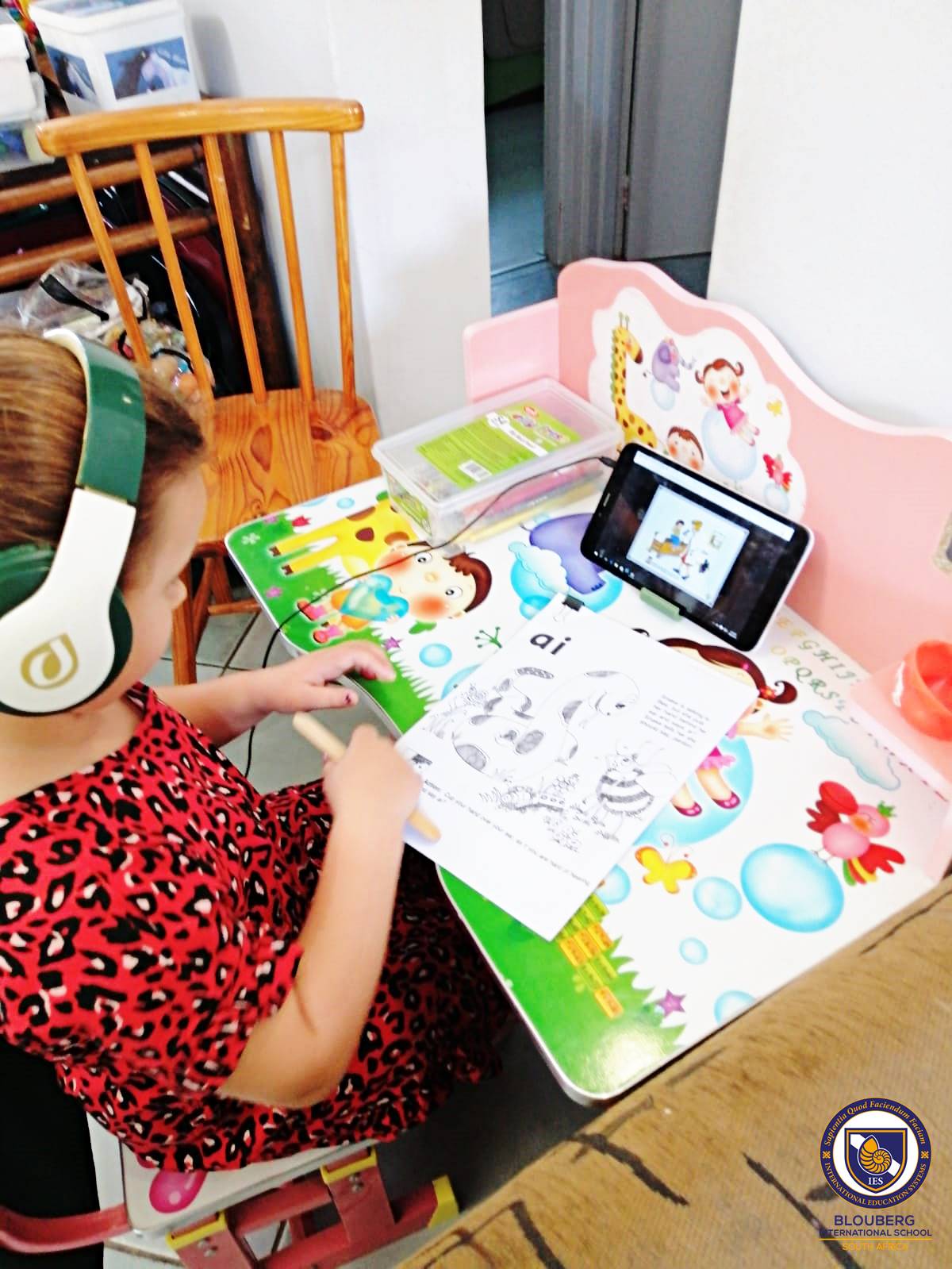
As the end of term has arrived, it was with great excitement that the little ones came to school dressed in Civvies ready for their Fun day.
The teachers planned various activities, mostly making a big mess, because making a mess is always the most fun. The little ones painted the most beautiful pictures, dancing, playing outside and generally having lots of adventures.
We would like to thank our parents for everything they do to support their children’s learning journey. We cannot do this without them.
Wishing everyone a fantastic holiday!
Monique Meyer
Foundation Stage Coordinator


Read More
High Frequency Words
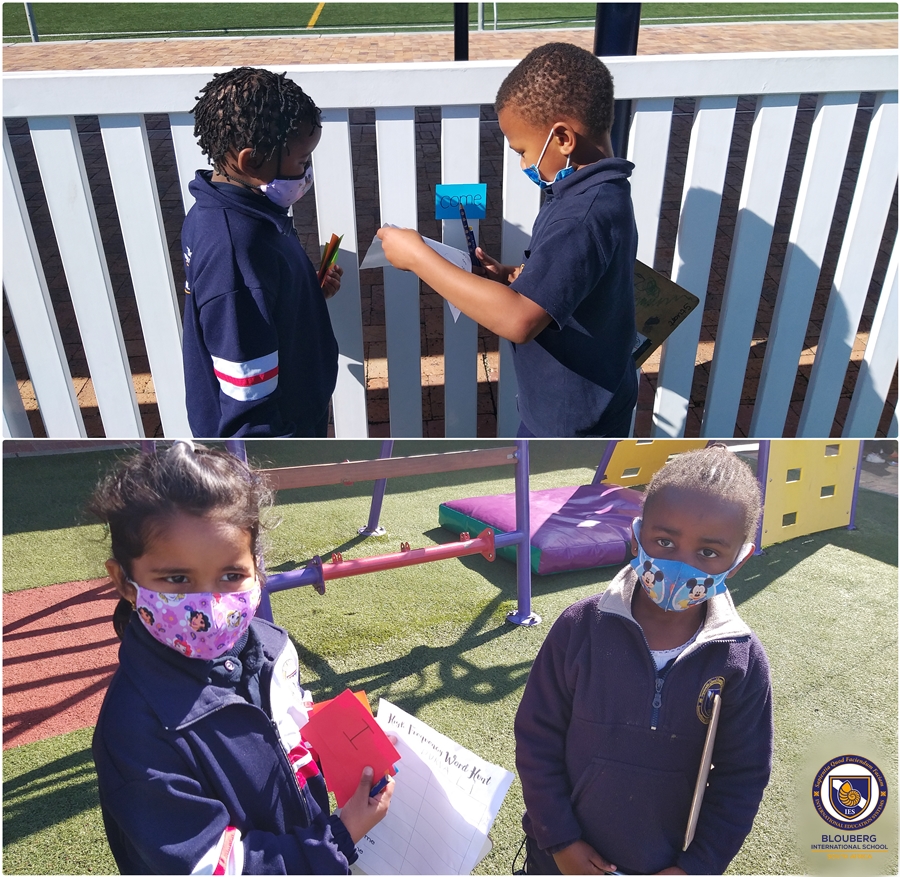
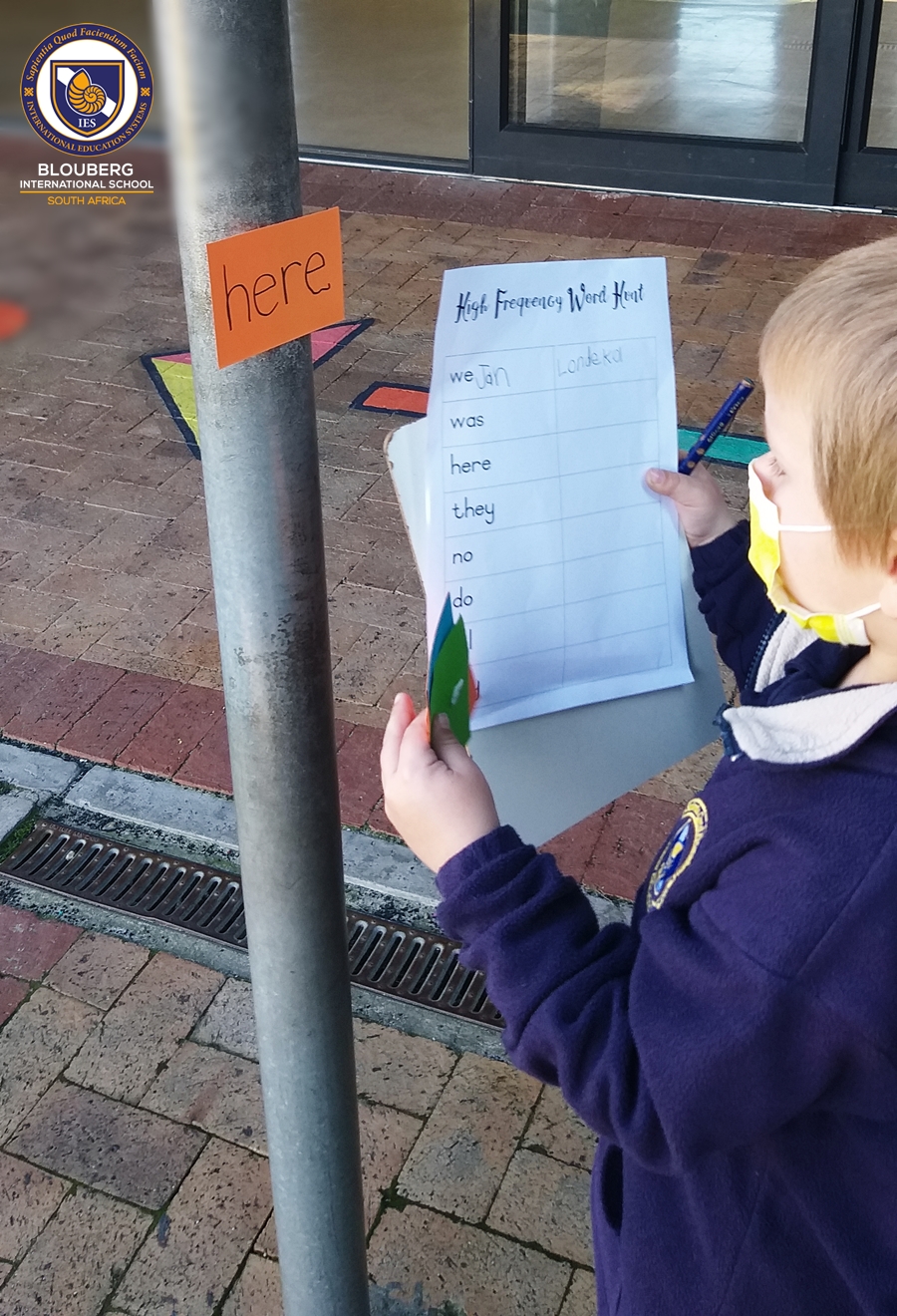
Last week we had a High Frequency Word Hunt. The students had to go and find flashcards of words on the playground according to a list in pairs. They thoroughly enjoyed this activity and excitedly showed the teachers all the words they could find from their lists.
Learning to read is a complex process, which involves many skills. Two of these skills is phonological knowledge and the other is memorising High Frequency Words. Phonological knowledge helps students to decode or sound out words. That is why it is more important to know the phonetic sound of letters rather than the alphabet name, so that words can be spelt out phonetically, like the word c-a-t. Knowledge of High Frequency words is important for those words that cannot be sounded out phonetically, such as the word ‘you’ or ‘the’. These words commonly occur in sentences, hence the term High Frequency Words. That is also why students have greater confidence and fluency when they have been spending time memorising High Frequency Words as part of their reading homework at home.
It’s important that parents try to make learning High Frequency Words fun. Here are some helpful ideas in the links below:
https://www.curiousworld.com/blog/sight-word-games
https://www.weareteachers.com/sight-word-activities/
https://www.themeasuredmom.com/25-low-prep-sight-word-activities/
Bronwen Nuthall
Reception Year Teacher

Read More

Developing A Love Of Reading In Your Child
“Children are made readers in the laps of their parents’’ – Emilie Buchwald
It is so important to encourage a love of reading in your child from a young age. Reading in a wonderful opportunity to bond and build memories as a family together. Research shows that reading to children, even before they can understand words, teaches them to associate books with love and affection. Reading is a multifaceted process involving word recognition, comprehension, fluency and motivation.
The first words children encounter in their reading are often known as High Frequency Words. Some High Frequency Words can be sounded out, but often they need to be memorised. It can be useful for children to learn phonics rules to help them break down words so that they can make sense of them. Some High Frequency Words can be taught as word families where the rule is the same. For example in the short words ending in ‘o’ such as ‘go’, ‘no’ and ‘so’ the ‘o’ is pronounced as ‘oh’, However in ‘to’ and ‘do’ the ‘o’ sound is pronounced as an ‘oo’ sound. In this example children would learn that short words ending in ‘o’ either sound like ‘oh’ or ‘oo’ at the end of the word. Jolly phonics is really great at helping children be more aware of where they hear the sound in the word. The sound buttons help them see and find beginning middle and end sounds in words with ease. This helps them with both blending sounds to make words and breaking words up into sounds to read them.Once your child has knowledge of phonics skills and has mastered some of their High Frequency Words, they are ready to start reading books with simple sentences. A good knowledge of High Frequency Words will help with good fluency and gaining confidence in reading. As confidence improves it motivates your child to want to read more. It is so important to make your child’s reading homework experience as enjoyable as possible.
Here are some tips for parents:
- Find a quiet area in a relaxed area of the home where there won’t be distractions or interruptions.
- Encourage your child to use their knowledge of their phonics skills and spelling rules to sound out words.
- Be patient and allow your child to get the word wrong. Ask questions such as “Does it make sense?” “Does it sound right” “Does it look right?”rather than giving them the answer or losing patience when they are making the same errors.
- Tell your child to look for clues in the pictures for words they are unsure of.
- Practising learning High Frequency Words in fun ways such as writing them in fun ways or playing games.
Children often learn by imitating those most important in their life. It is vital to model attitudes towards reading in positive ways as motivation plays such an important role in the acquisition of reading skills. If your own experience with learning reading has not been positive, you need to be aware of not carrying that over to your child.
Create opportunities for your child to be aware of reading words in their environment such finding familiar words on signs, grocery products, menus and in magazines, etc. As you use opportunities to encourage reading, the whole world will to open up to your child, allowing them to interact with their world and achieve new goals they have never before imagined.