
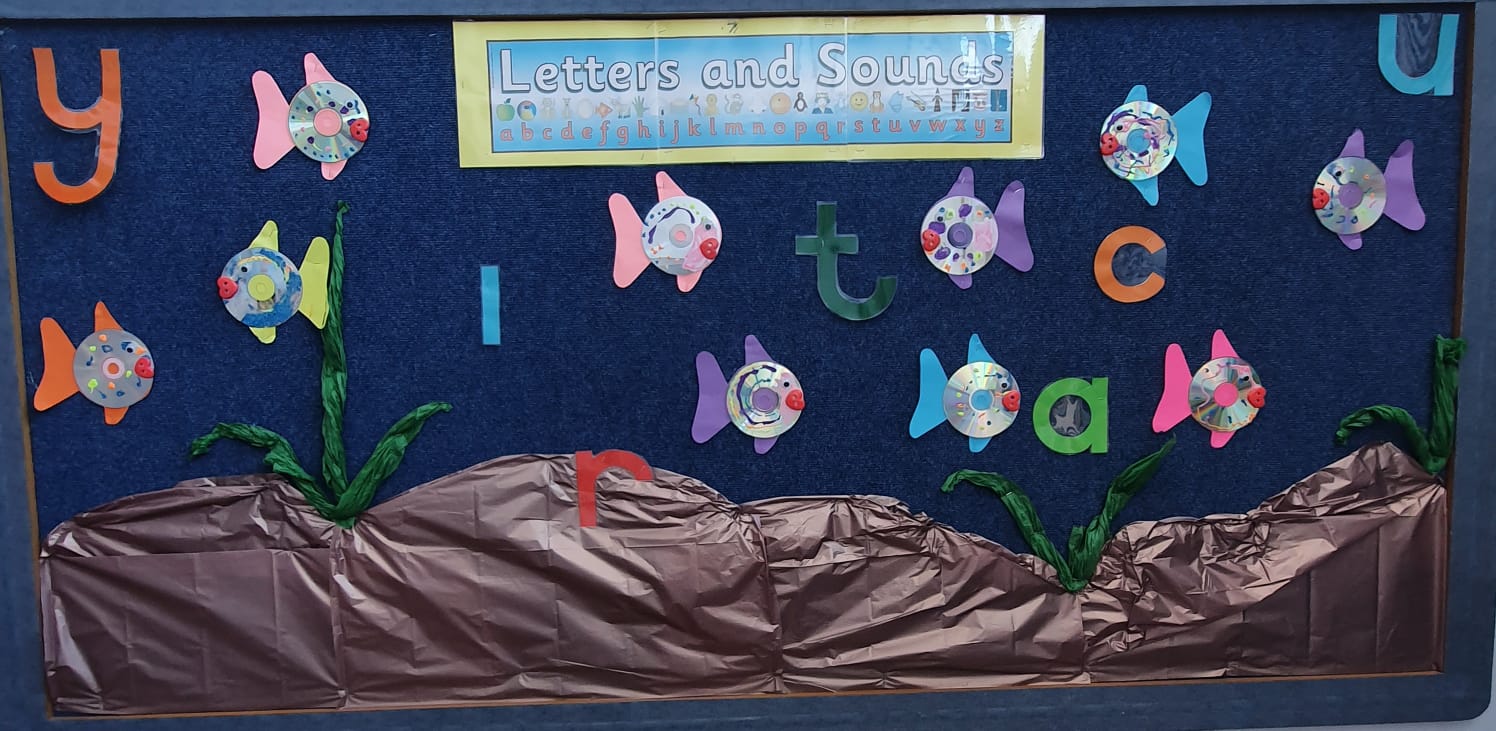
Just keep swimming, just keep swimming…
This week we learnt all about different sea animals. How some live in the ocean and others can live both in the sea and on land. The students loved learning more about the sea: who doesn’t love sharks and jellyfish!
We did the following hands on learning activities this week:
Numeracy: The students had to find different numbered shells in the sand to complete the number line.
Literacy: The students wrote their names and sounds in the sand with the shells, this activity strengthens their pencil grip.
Fine motor activity: The students enjoyed building and creating ocean sculptures while developing their problem solving, fine motor and social skills at the playdough area.
Construction area: We have added boats, ocean animals, shells and gems to our construction area. The students were very excited to build something new, which will extend their thinking as they build something different than they usually do.
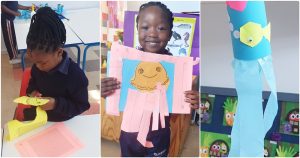
Arts and crafts: The students made lovely crafts this week practising and developing their scissor and fine motor skills.
Music and Movement: The students shake out the sillies by copying the actions of the ocean animals. They had to “wobble like a jellyfish”, “clap like a seal”, “slide like a sea snail” and “leap like a dolphin “ .
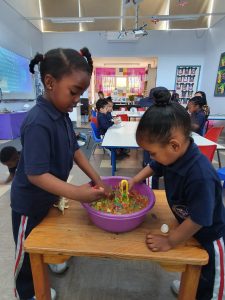
Sensory Area: We created an underwater sensory bin filled with water beads and sea creatures for some imaginative exploratory play.
We reminded the students to be safe when they go to the beach and follow the following rules:
- Wear a hat with a wide brim to shade your face and neck.
- Sunglasses can help to protect your eyes.
- Cover up with a t-shirt to protect your shoulders and upper arms.
- Always wear sun cream.
- Drink lots of water.
- Just swim where it is safe.
- Make sure you can swim NEVER swim alone and make sure you are always supervised by an adult at the beach.
We also encouraged the students to get involved in protecting the ocean by:
- Reduce and recycle.
- Joining a beach clean up.
- Asking shops and restaurants if they have plastic-free alternatives.
The students had a blast doing all of the activities.
Martie van Dyk
Pre-Reception Teacher


Read More
Animal Unit
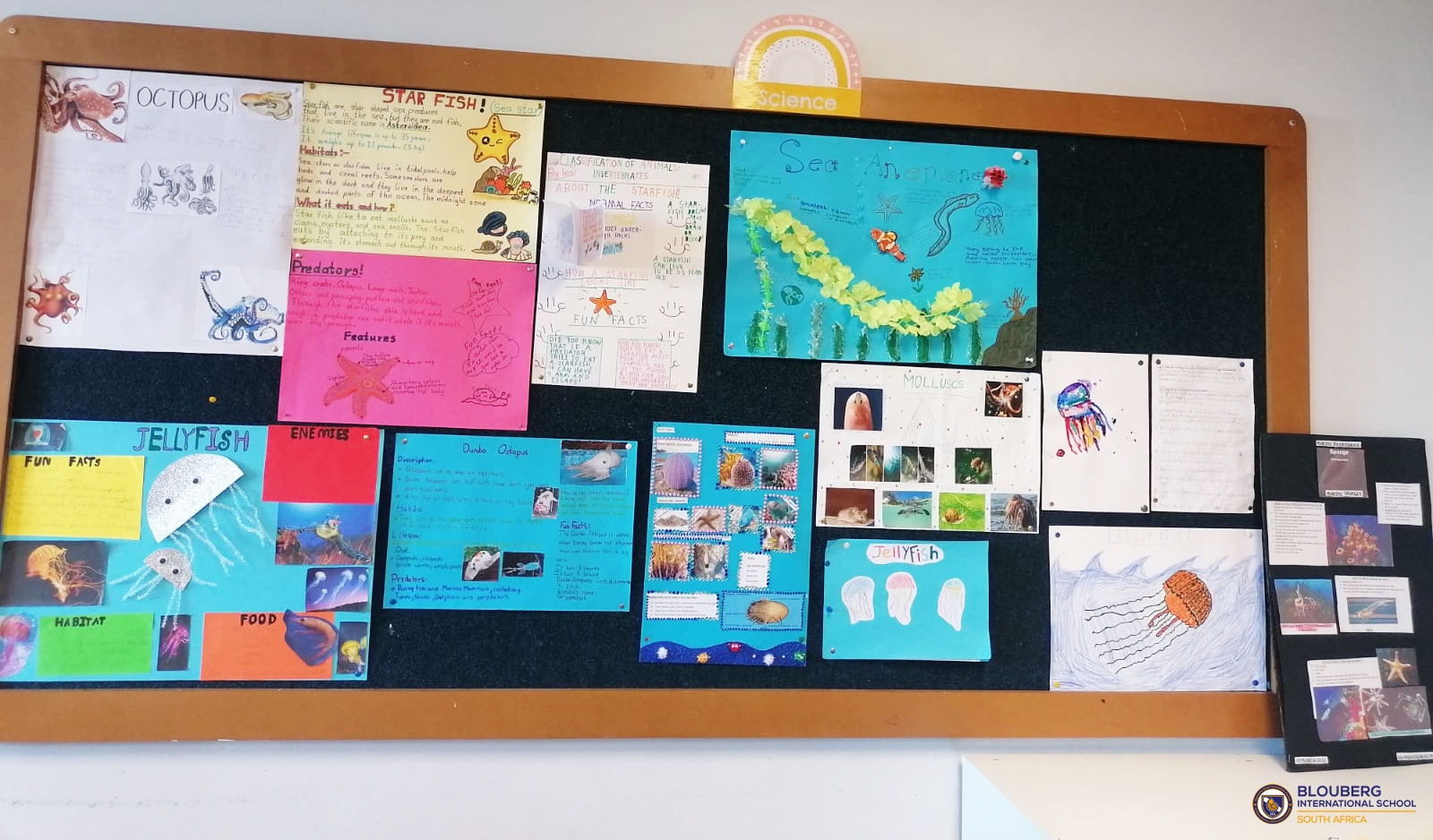
As part of the Animal Unit in Science, the Year 4 students learned about vertebrates and invertebrates during the last few weeks. Vertebrates are animals with a skeleton and bone structure and invertebrates are animals without it.
The students were tasked to research invertebrates living in the ocean. They had to do an oral presentation about the appearance of their chosen animal as well as it’s habitat, feeding habits and some interesting facts.
Here are some fascinating facts we learnt about these creatures this week:
- The Dumbo octopus has 3 hearts and 9 brains.
- A Starfish pushes its stomach out of its mouth to be able to eat.
- Octopuses are blue blooded.
- Jellyfish are immortal and are made from 98 percent water.
Well done Year 4!
Yvette Fourie
Year 4 Teacher


Read More
Budding Authors…
Story telling is the most powerful way to put ideas into the world – Robert Mckee
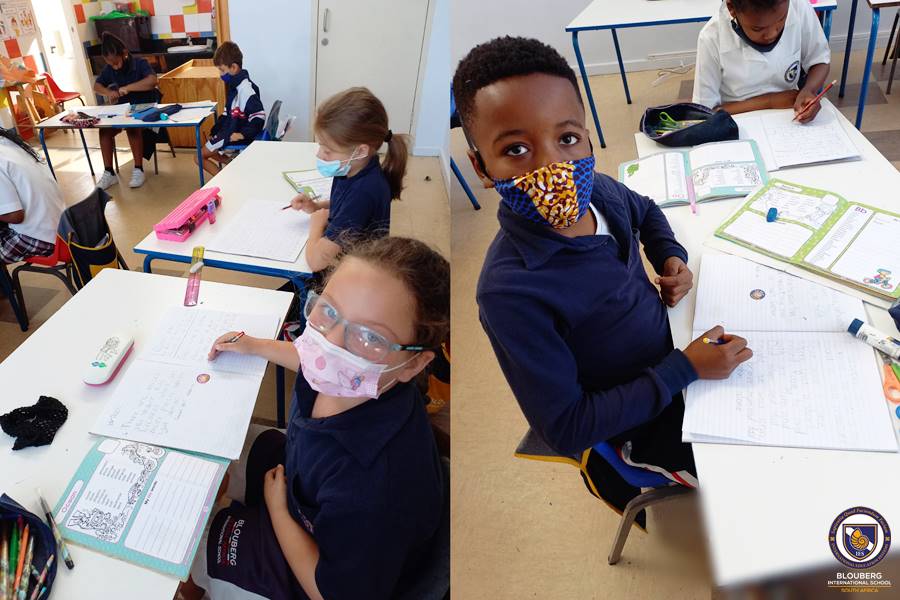
Not everybody has the ability to write a captivating story and have it published for other people to read. However, watching a child use their imagination, which has no boundaries or preconceived ideas, is the most wonderful thing to see.
Sometimes they struggle to find the right words to start, but once they do, their power of imagination takes over. Forgotten is spelling words and punctuation. They focus on their story. Even students who may be struggling in a language, manage to put some thoughts on paper. While these stories are not necessarily worthy of being published, they are far too valuable to be missed.
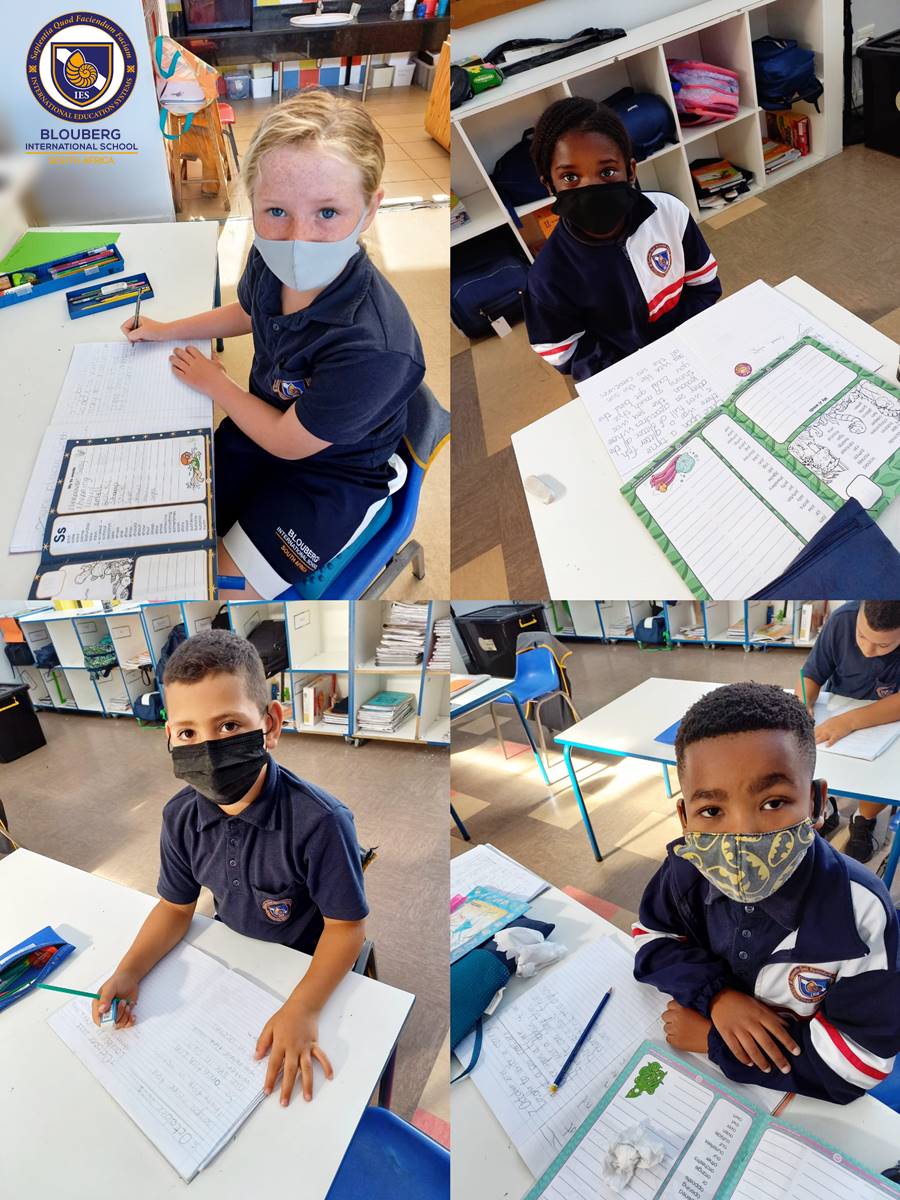
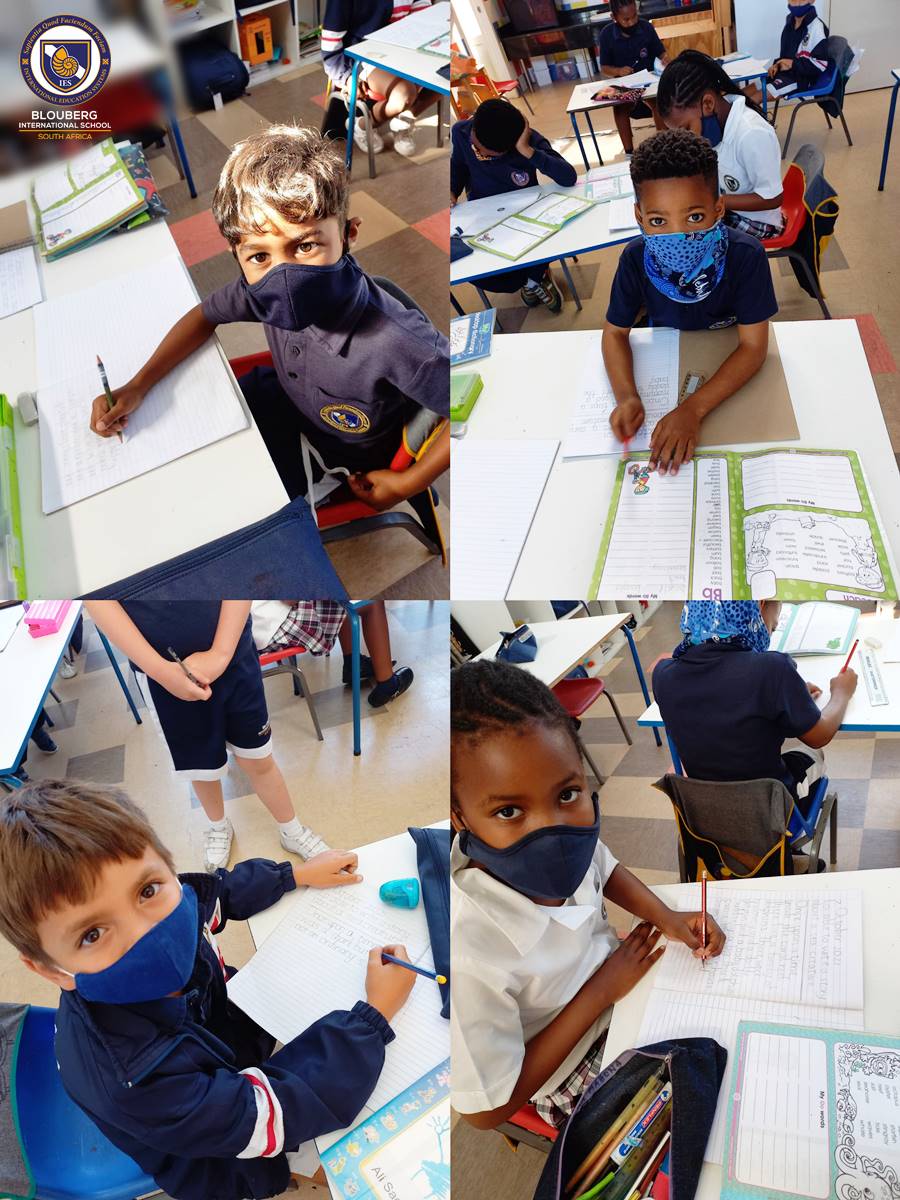
When teaching Creative Writing, I tell my class that they need to paint a picture with words. We wrote a story about a sea creature this week and I gave them free reign, with no boundaries. The results were amazing.
Kim Coetzer
Year 2 Teacher
Read More