
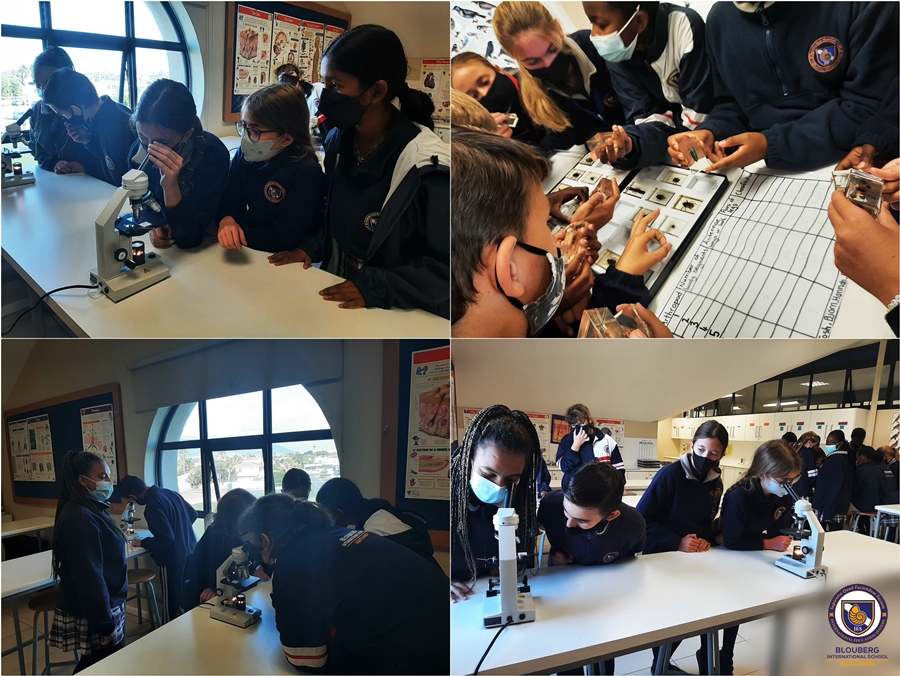
Becoming A Biologist In South Africa
It is certainly not new information that we live in one of the most diverse countries in the world when it comes to South Africa’s endemic flora and fauna. In fact, according to SANBI, we are ranked in the top 3 countries with the highest percentage of endemic species. South Africa is estimated to be home to almost 100 000 endemic floral and faunal species, as reported by BIOFIN. Our floral diversity is estimated to be just short of two thirds endemic, with our reptiles, amphibia and marine species to be around half.
South Africa is a well-recognized biodiversity hotspot, with the Cape Floristic Region hosting almost 10 000 vascular plants, with a staggering endemism percentage of almost 70%. Endemism and biodiversity in South Africa have clear intrinsic value. Apart from that, it has been an enormous driving force in our tourism. It is also important to recognize its role in employment opportunities, alternative or traditional medicines, and environmental education.
So, what do we need in order to conserve this incredible ecological gift that we have been given? More importantly, who are the people behind conserving it? Unfortunately, conservation is not often second nature to us. We live fast paced lives driven by consumerism. Playing our part in conserving the Cape Floristic Region, our pride and joy, starts with being educated on its value and importance. Whether this is intrinsic value, monetary value or some other value such as preserving genetic variation, the development of herbal remedies and traditional medicines, or simply a feeling of stewardship.
An ecologist from Senegal, Baba Dioum, summed it up quite well: “In the end, we will conserve only what we love, we will love only what we understand, and we will understand only what we are taught.”
Education is the starting point to truly assigning value to something. In order to feel the drive to take an active part in conserving our country, one needs to realise its value, and what better way to do this than through receiving an education in Biology in one of the most unique countries in the world? Getting students excited about our natural world starts at an early age. At BIS, we incorporate practical implements to our coursework by allowing the students to see, hear, touch and experience. Practical work allows students to place their coursework into context with the real world, while also deepening their understanding of the topic. We as teachers are looking forward to the rest of our journey in guiding the next group of conservationists, farmers, park rangers, botanists, environmental educators and so much more.
Nadia Viljoen
High School Biology teacher

Read More
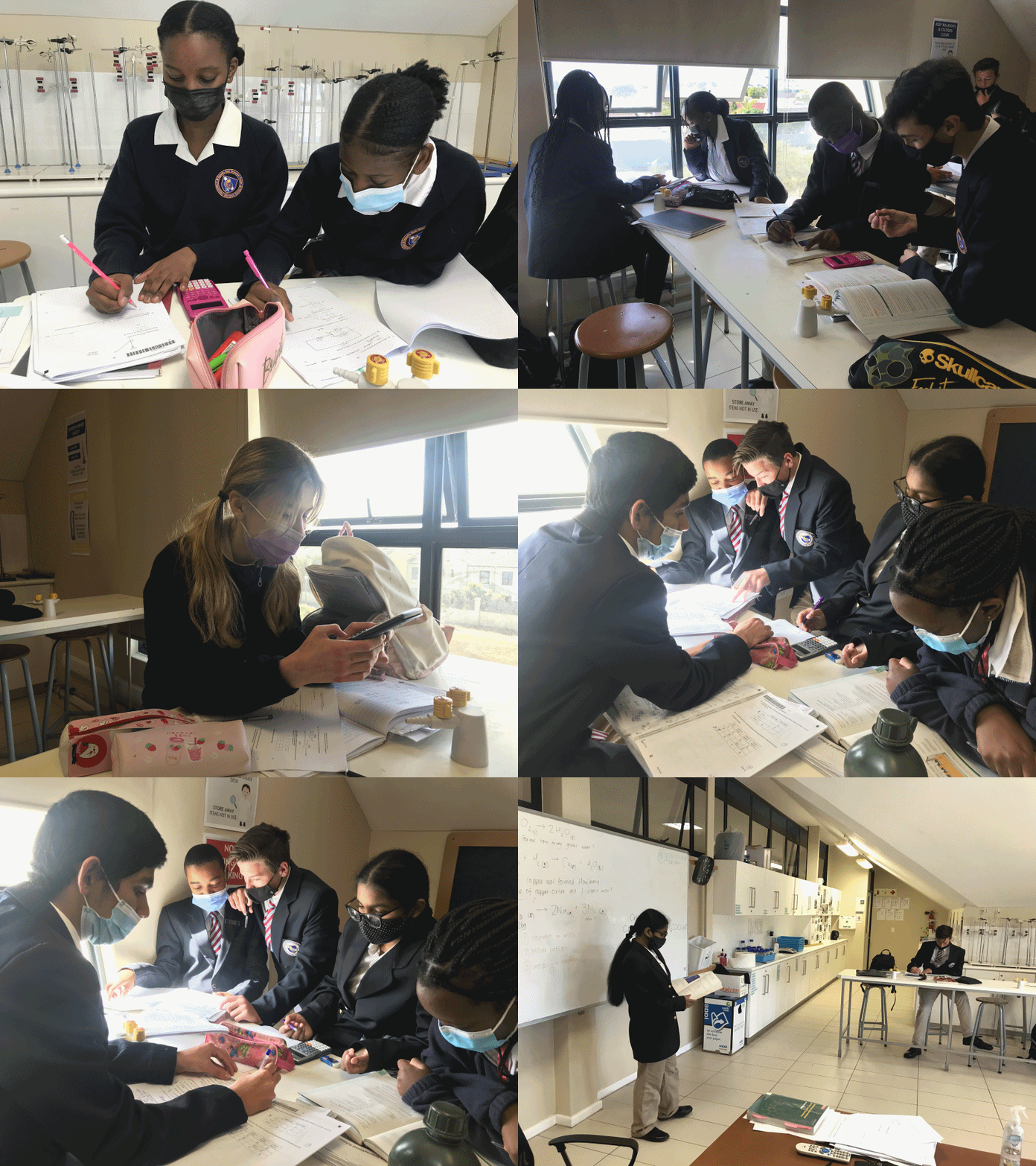
Preparing For Examinations
Our June examinations are around the corner and preparing for examinations is just as important as studying for your subjects. Below are some helpful hints on how to prepare for your examinations:
Helpful hints
- Familiarise yourself with your examination timetable.
- Ensure that you know exactly:
- what work will be covered in each subject,
- the format of each examination paper,
- the time allocation,
- the equipment that may be needed for the examination (e.g. calculator for Mathematics).
- Get copies of old examination papers and worksheets (IGCSE and AS/A Level).
- By now all your notes should be up to date and you should have all that you need to study effectively for the examinations.
- Prepare your study area. Some things to consider are:
- have a good source of light
- have lots of paper available
- a clear work surface
- coloured pens if you prefer to use colour
- light or unobtrusive music if you prefer to learn with music
Keeping healthy
- Eat fresh foods such as fruit and nuts. Pile up on the vegetables in the evenings and drink plenty of water and fruit juice to keep the flu at bay. The brain needs to be fed well in order for it to perform at its optimum.
- Try not to nibble on too many chocolates and sweets while studying.
- With that said, the odd sweet or chocolate will provide an energy boost when you feel really tired.
- Getting a good night’s rest is also important. Sleep will rejuvenate you and keep you going.
Just before the examination
- Get a good night’s sleep.
- Have a good breakfast.
- Arrive at the venue with time to spare.
- Make sure you have the right equipment, tissues, watch, etc.
During the examination
- Don’t rush into answering questions.
- Read the instructions at the beginning to ensure that you know how to answer all the questions and how many questions to answer.
- Read through the questions carefully.
- If there is a choice of questions, make your choice carefully. Underline key words in the questions.
- Stick to the time plan given to you by your teacher.
- At the end of the examination, if you have time, read through your paper to check that you have answered all of the questions.
Julian Harrison
Cambridge Examinations Officer




Read More