The Science of Life
Biology is the study of living organisms, both in terms of their structure (anatomy) and how their different parts function (physiology). The cell is introduced as the basic unit of life, which then form tissues, organs, systems and ultimately an organism.
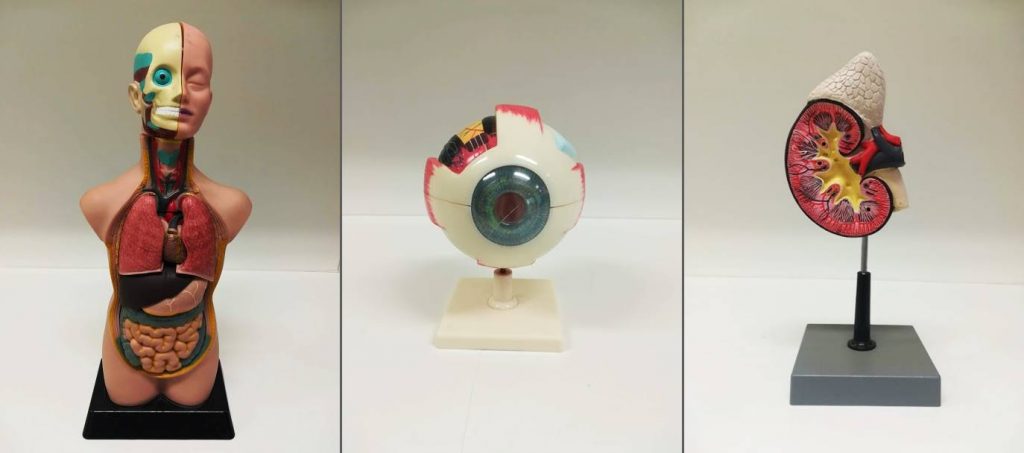
Biology can be divided into many different fields of study, such as biochemistry, genetics, microbiology and biotechnology to name but a few. Each of these directions delve deeper into the complexity of being alive. As a school subject Biology skims the surface on all these topics to provide a platform from which to launch for those interested in further studies at university level. It is important to understand how the different components of an organism function together as a whole. The intricacy of organs such as the heart or the eye is astounding and every part of these structures have a very specific and complementary purpose. Emphasis is placed on the practical application of Biology in the real world, from developing vaccines for infectious diseases, how gene therapy is able to provide hope to people with currently incurable conditions to understanding the impact of lifestyle choices on our health. Biology often overlaps with Chemistry as we investigate the chemical components of cells and study the equations of photosynthesis, respiration and the binding of gases to haemoglobin in blood. Mathematical calculations also make a regular appearance in Biology papers and is a necessary skill that students require.
Practical work is another important component of Biology as it gives students the opportunity to handle apparatus and chemicals, while conducting a scientific investigation based on work covered in class. Other skills developed are the ability to present the results obtained from practical work in a suitable table as well as reading and interpreting graphs. AS students begin preparation for their practical exam from Year 11 to ensure they have the necessary confidence and skills when the Cambridge exams arrive. The Year 12’s recently did a practical where they investigated the effect of different concentrations of an enzyme (catalase) on the breakdown of hydrogen peroxide. Filter paper discs were soaked in a solution containing catalase and then placed in a container with hydrogen peroxide. As the enzyme breaks down the peroxide it produces oxygen gas which causes the filter paper discs to rise to the surface. Students had to time the movement of the discs dipped in different concentrations of catalase.
Biology is a subject which provides countless career options, especially in the field of medicine or research. It is a diverse Science involved with finding answers to some of life’s most interesting questions. Despite the biological advances made over the years there are still many things to learn and discover.
Marlene Feltoe
Biology Teacher