
Year 7 and 8 Cultural Outing
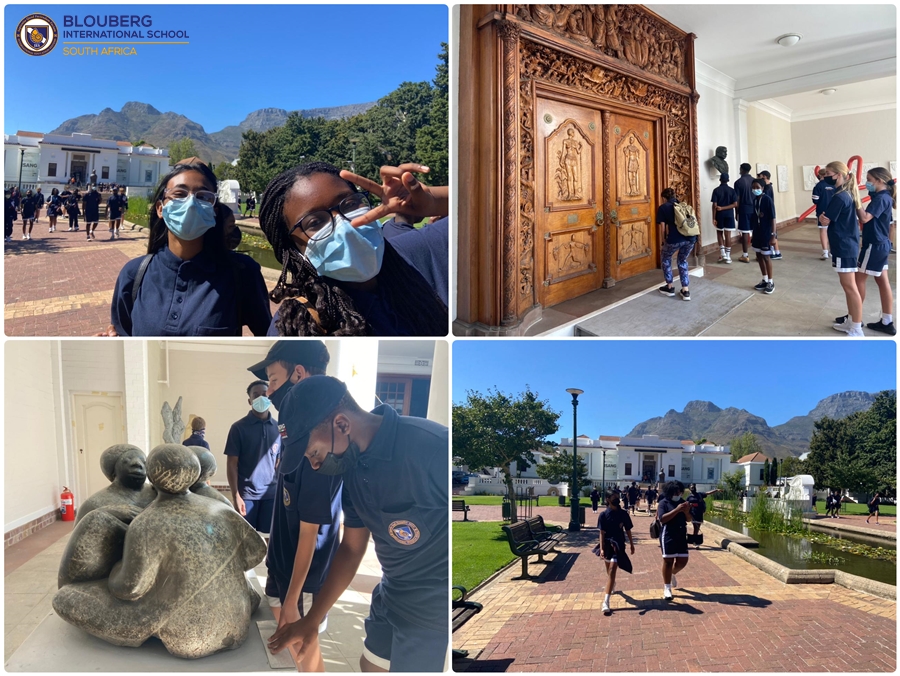
It is always a treat when the students are able to take some time away from their every day school routine for rejuvenation and energy. This is exactly what happened on Friday, 18 February, when the Year 7 and Year 8 students went on a cultural tour to Gardens and the Foreshore, where they visited the Iziko National Gallery and the Artscape theatre.
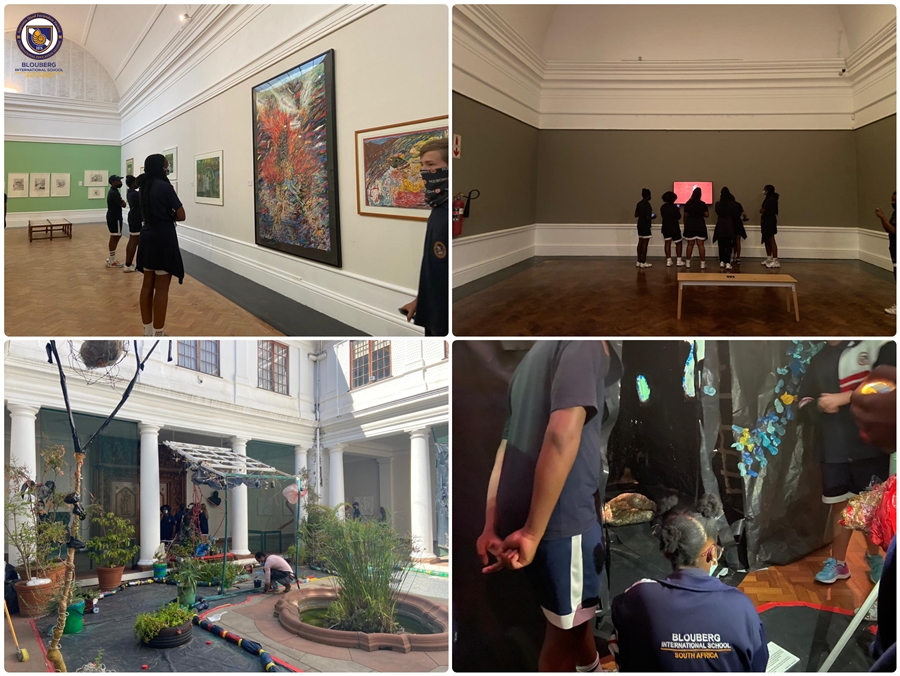
We were able to see two exhibitions at the National Gallery, “Drawing from the Collection” and “Tribute”.
“Drawing from the Collection” showcases a variety of drawings and works on paper from the Permanent Collection of Iziko South African National Gallery. The artworks represent an eclectic number of visual artists working in different styles and stretches across history and countries to provide an overview of drawing as a medium.
“Tribute” is an active display. Here we could interact with artworks especially chosen to support their classroom practice.
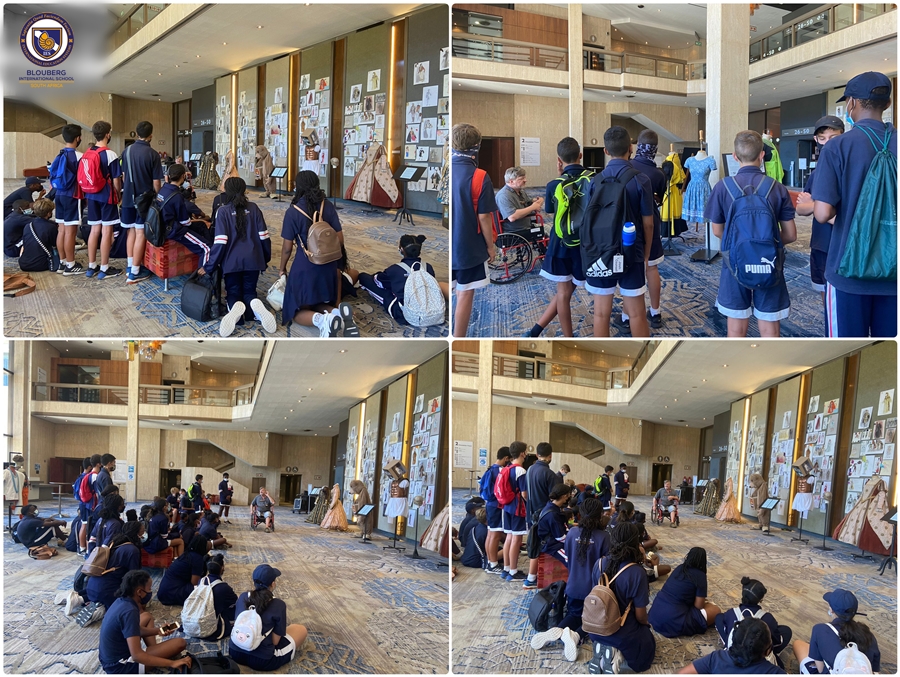
Our next stop was the Artscape Theatre in the Foreshore, where we had a guided tour of the costume exhibition. The exhibition portrayed the unforgettable moments for various productions dating back from 1971 to the present day.
After we had our fill of culture, we refuelled at the Food Court of the popular V&A Waterfront. This concluded our Cultural outing. With transport by Elwierda, we made our way back to Blouberg International School safe and sound.
Riaan Vosloo
IGCSE, AS and A Level Art and Design Teacher




Read More
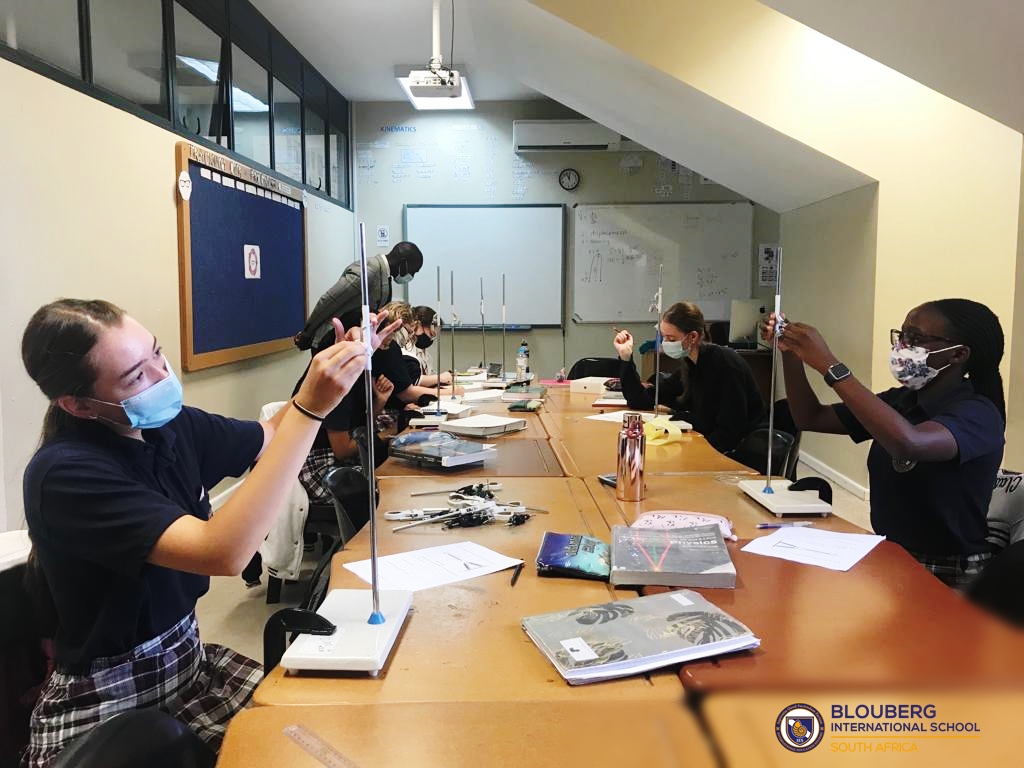
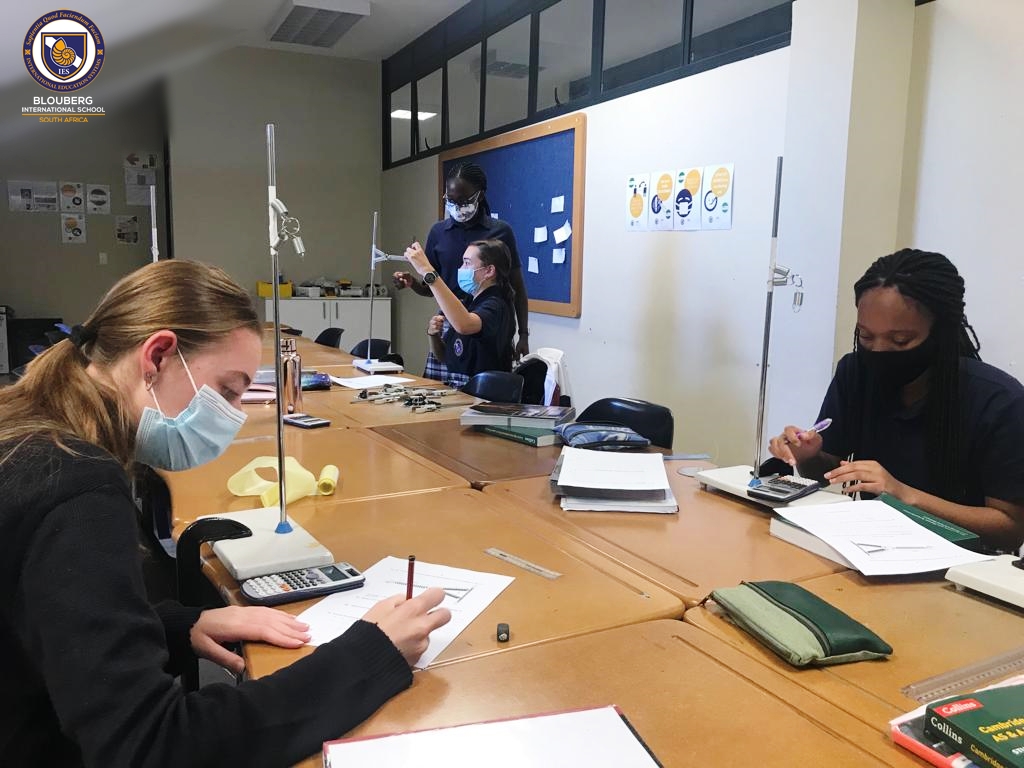
What role do physicists play in the advancement of human civilisation?
If it weren’t for physicists, the world as we know it, would be a very different place. I cannot imagine what life is like for the uncontacted North Sentinelese tribe which has none of our modern technology. If all modes of transportation and communication ceased to exist for a minimum of 30 days, how would your life be? Would the human race survive? It is these types of questions that drive physicists to constantly develop new technologies. Most of the cutting-edge technology used in the 20th century was developed by physicists collaborating with professionals from various disciplines. For example, in 1938, Lise Meitner and Otto Frisch discovered nuclear fission, which was used to build nuclear bombs and is used today in nuclear power plants to produce electricity for our homes and businesses.
A degree in physics equips one with analytical and problem-solving skills, which are in high demand. These skills also offer a background for understanding an increasingly technological society. Physics degree-holders wind up in a wide range of jobs, many outside of academia. Physics grads often work in the private sector and sometimes at government laboratories. “Financial institutions are always on the lookout for physics majors since they have the perfect blend of strong math skills and the training in how to apply math to modelling real-life problems,” says Jed Macosko.
Look at the evolution of computers: the first computer had a processing speed of 1 MHz, but through understanding quantum physics, the fastest computer to date, can process data at 100 million times faster than the classical computer.
Physics is the study of nature itself. The more we understand nature, the more we can advance as a civilisation.
Brian Sizani
IGCSE, AS and A Level Physics and Mathematics Teacher


Read More