
From The Spanish Classroom
Some language teachers will say that one of the most important aspects of teaching, especially when the language is not spoken at home or outside of the classroom, is pronunciation. Many times, this can be difficult to apply in the class, because in the process of achieving our final goal of getting our students communicating in Spanish, we don’t want to discourage them. Sometimes we overlook pronunciation errors for the greater good of creating a positive learning environment and giving them the necessary confidence to start speaking the foreign language.
In my opinion, pronunciation can be something to improve on in the later stages of learning a second language or at least not be the focus in their first years. I am more prone to the idea of improving pronunciation in a more natural way, giving them some tips during class when they are learning new vocabulary, rather than during their oral presentations.
At Blouberg International, one my favourite ways of teaching the correct pronunciation is through songs, stories, and role plays.
Songs are the perfect resource for teaching pronunciation, especially when they have great rhythm, related and comprehensible vocabulary, and have repetitive and memorable lyrics.
Cesar, the creator of Rockalingua, explains it this way: “Focuses on creating songs that combine useful vocabulary with functional language structures, rhythm, and ample opportunities to repeat the words heard, using the pronunciation presented in the song.” I completely agree with him. Songs are a great way to practice meaningful listening while you work on pronunciation, but stories are as well.
By listening, reading, and creating stories – especially for the Year 5 and 6 students – that they can replicate using their own vocabulary during the role-play lessons, the students absorb more vocabulary in a more relaxed, practical and fun environment.
It is very important to listen to the stories more than once:
- The first time you can focus in identifying vocabulary and expressions that you have learned during the class.
- The second time focus on the content, try to understand the whole story.
- The third time you can focus on the pronunciation.
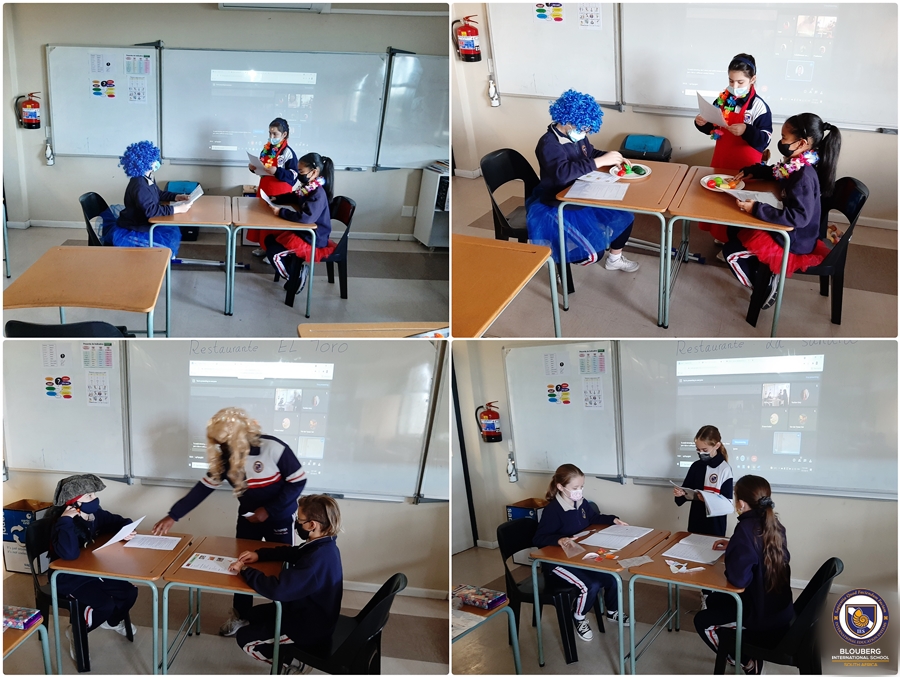
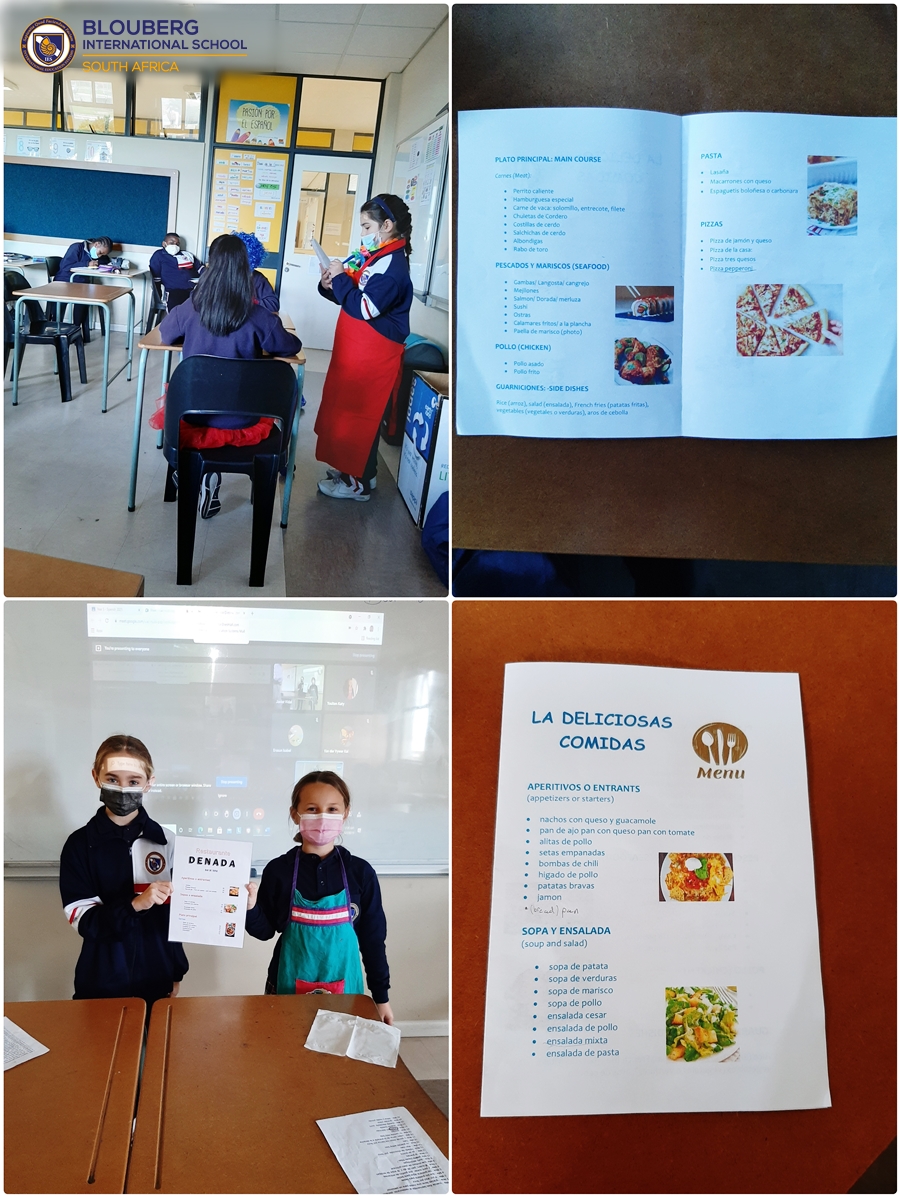
A good example of this is the Term 3 Year 5 project about the restaurant. This can apply to any topic that you wish your students to learn…
– Students learn the vocabulary and expressions related with the food. They also make use of book practice and Rockalingua.
– They create a menu with the food related vocabulary for their role-play.
– Add some relevant grammar to the mixture. “I would like; I prefer; I want or need”.
– Create a story using those expressions and vocabulary for the students to listen and practice during the class with some questions at the end.
– They need to decide the name of the Restaurant and the menu.
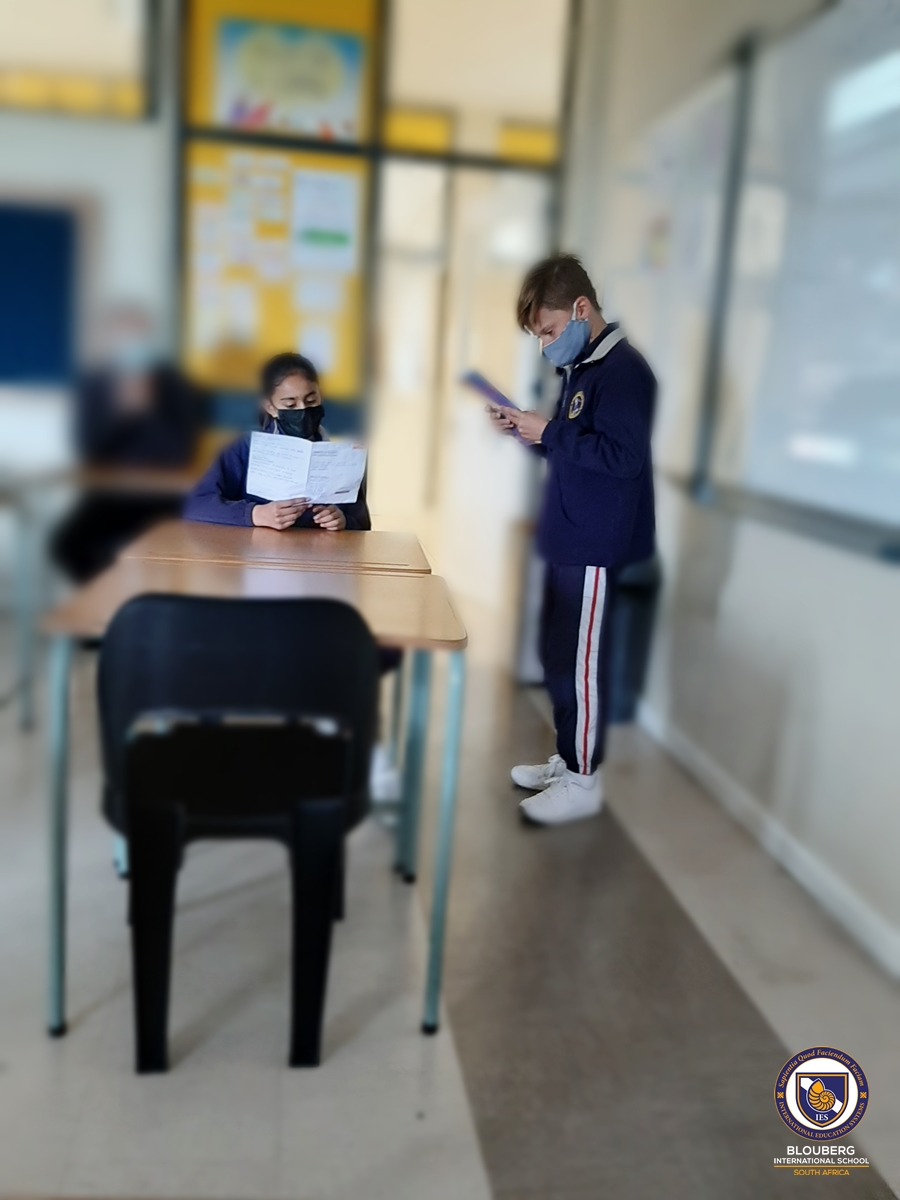
– Ask them to create a similar story and present it to the class.
I look forward to seeing my students develop even better pronunciation as the year progresses.
Javier Vidal
Spanish Teacher
Read More

Interactive Ways To Start Your Language Classes – Spanish Teaching Routines
“¡Hola amigos y amigas!”
This year, I am focusing on working with simple and effective resources to get the students into routines in Spanish class.
I believe that routines are essential for them to practice basic and simple expressions – every day, in a way that all our students can participate. Starting my lessons the same way, it helps students focus and start thinking and interacting in Spanish.
It takes time to establish a routine but once they get familiar with the vocabulary, the students can complete the tasks by themselves in less than 3 weeks.
The worksheet is designed to help students begin to understand themselves and be aware of how they are feeling each day (feelings), as well as what is going on around them. (The date, the season, the weather). It practices simple and practical language in a visual way that makes it accessible to the whole class.
To print less, I hand out a copy of the worksheet to students, at the beginning of the year, asking them to stick it on their notebook first page.
Then I use the projector in class to help them write down the same information in their notebook at the beginning of each lesson, especially at the beginning of the year.
I can say that I am very impressed with the positive impact that a solid beginning of the class routine creates, especially with the youngest students.
Having a repetitive start gives students the opportunity to settle in and feel comfortable with the change in language. It gives everyone in the class a chance to speak and sets the tone for the class.
In my classes, we start with general information (day, date, weather, feelings) and we will be adding more sections, especially in the last years of Primary school (express likes and dislikes, describe themselves).
It is important to note that I only see my classes once or twice per week, but they can still write down their routine in Spanish every day.
This is what I do at the beginning of class:
(It might take a few classes for students to master these basic routines but in 3 or 4 classes they will be familiarized with it and it will make the beginning of class smooth)
Routine 1 – Greetings.
I say, “Hola”
Students say, “hola”
Then I say, “buenos días” (good morning) or “buenas tardes” (good afternoon/evening)
Students say, “buenos días” or “buenas tardes”
Then I ask, “¿Cómo estáis?” (How are you?)
Students say, “bien. Gracias, ¿Y usted?” (Well. Thank you and you sir?)
I say “Bien. Gracias” “Well. Thank you.”
Routine 2 – Days of the Week – ¿Qué día es hoy?
I have a poster in the class with the days of the week, the months and colours (please see the photo)
The first week we sang the Spanish days of the week from Rockalingua, which the students will use later in a practical way to write down the date.
I ask, “¿Qué días es hoy?” (What or which day is today?)
I call on a volunteer and he or she says, “hoy es martes.” (Today is Tuesday)
I ask, “¿Qué día es mañana?” (Year 3 and 4) (What or which day is tomorrow?)
I call on another student that says “mañana es miércoles.” (Tomorrow is Wednesday)
I ask, “¿Qué día fue ayer?” (Year 5 and 6) (What or which day it was yesterday?)
Another student says, “ayer fue lunes.” (Yesterday was Monday)
Routine 3 – Months
We do the same thing that we did on routine 2 with the days of the week. We watch the months of the year song in Rockalingua. I ask “¿En qué mes estamos?” (Which month are we in now)
I call on a student and he or she says, “estamos en febrero.” (We are in February)
Routine 4 – Date
I ask “¿Quién me puede decir la fecha?” (Who can tell me the date?) I call on a student to say the date in a full sentence. For example, “hoy es viernes doce de febrero de dos mil veintiuno.” (Today is Friday, the 12th of February 2021.) I make sure the sentence is correct and then I have the whole class repeat.
Routine 5 – Feelings
“¿Cómo estás?” (How are you?) I ask the students how they feel today.
(I am tired.) Estoy cansado (masculine) or cansada (feminine)
(I am happy/well/not well.) Estoy feliz/bien/mal
Routine 6 – Weather
¿Qué tiempo hace hoy? (How is the weather today?)
I say, “mirad por la ventana” (Look out the window). I have students look out the window and I call on a volunteer to respond using a sentence about the weather. For example, “hoy hace sol” (Today it is sunny) “hoy está lloviendo,” (Today it is raining) etc. I use the Rockalingua song “¿Qué tiempo hace hoy?” about the weather in Spanish that contains vocabulary and grammar structures related to weather.
Routine 7 – Clothes
The students write down the clothes that they would like to wear according to the weather and have to choose a colour also for each clothing item. For example, (Today I am wearing a red dress or a blue t-shirt.) “Hoy llevo puesto un vestido rojo o una camiseta azul.”
I read the whole routine again for them and in a few minutes the students are speaking and interacting or at least getting compressible information in Spanish while they are reviewing basic and important topics, and most of the class is now focused on only one thing.
During the first lesson of the year, I hang out a copy of the beginning of the class routine (click here to view the document) and during the first 3 weeks we are filling in the document together to make sure that the students understand the vocabulary and time.
We also listen to all the Rockalingua songs that contain vocabulary and grammar structures related to this routine: the greetings songs, what’s your name, the feelings, the weather, so the students memorize the vocabulary in a fun and more effective way.
Javier Vidal
Spanish Teacher