Learning Our Phonic Sounds In a Fun Interactive Way
In Pre-Reception the students start to learn phonics which provides the building blocks to later success in reading. We use the Jolly Phonics programme as one of our tools to learn the letter sounds and names. It is a fun and multi-sensory method which is active, with stories, actions and rhymes. Multi-sensory learning is when students learn with all their senses, they are then more likely to remember what they learn.
Here we have some hands-on activities that we did during the week that are fun and interactive:
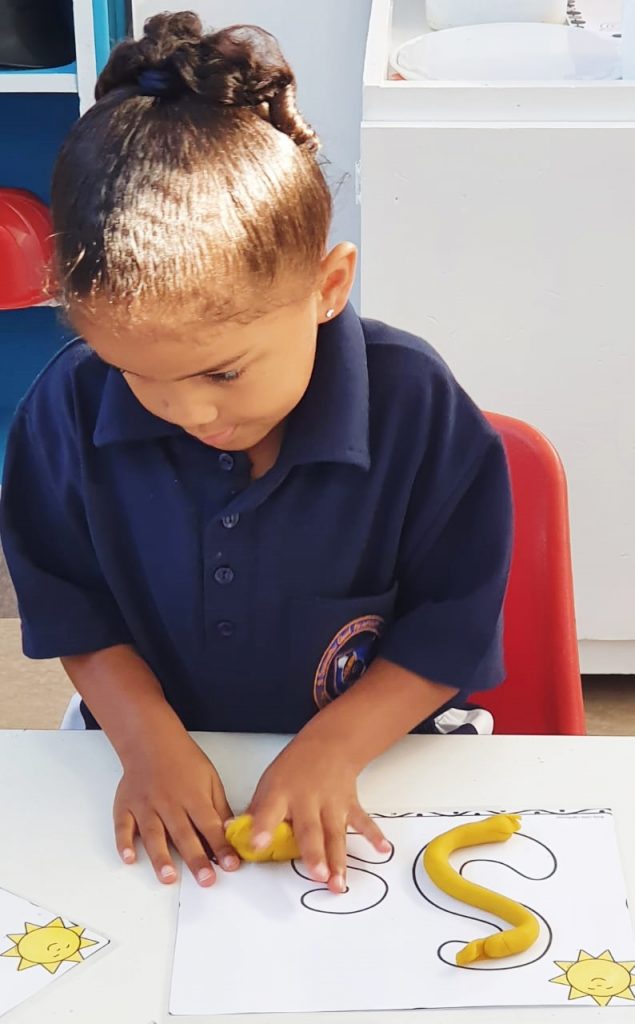
- Playdough is synonymous with excitement for students of all ages. Phonics can also be made more enjoyable for students using playdough. Playdough mats allow the students to form the sound correctly. This activity encourages not only sound recognition, but also fine motor skills development.
- Students all benefit from this great kinesthetic activity. The students practiced writing the sound with their fingers. A salt tray engages the senses and is an exciting way for students to learn how to form the sounds correctly.
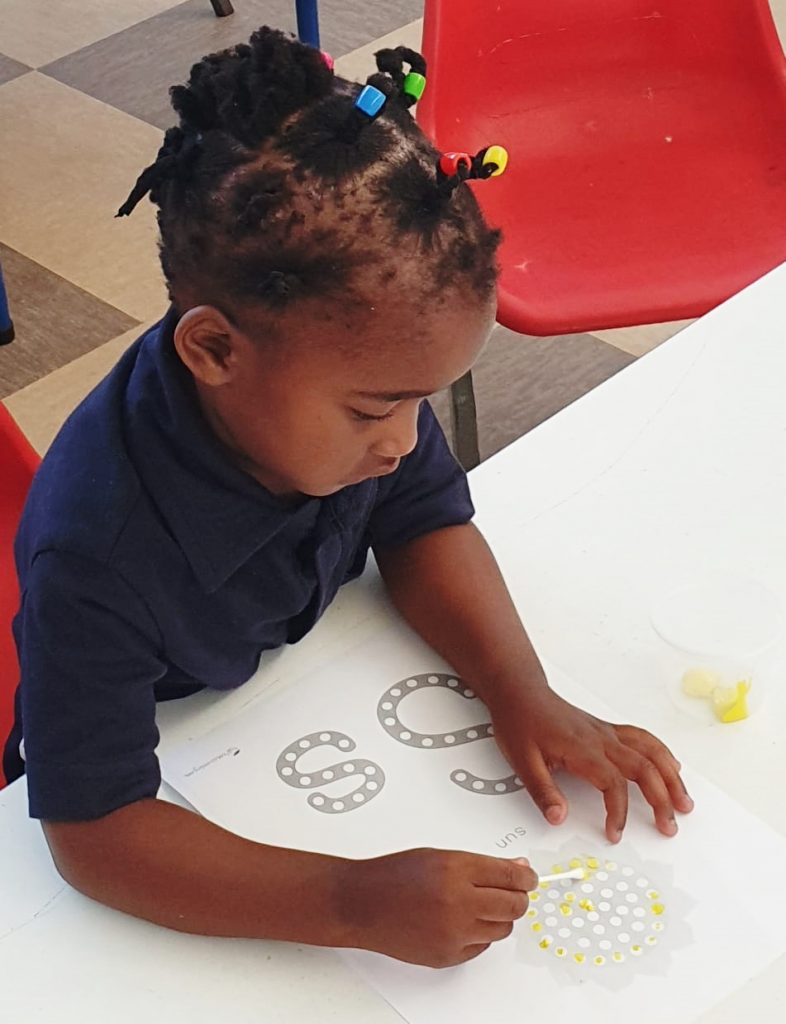
- Q-tip painting is a fun way to strengthen their fine motor skills while learning the sounds.
- The students enjoyed creating their ‘S is for Snake’ activity. In addition to being fun, this activity helps students strengthen their fine motor skills that they will need for writing and helping them with phonemic awareness.
We introduced the Pre-Reception students to the Sound Puppy as well, the students will take turns to take him home with them and find something that starts with the sound of the alphabet that we are learning about this week at home and bring it back to school the following day.
It is important that we as teachers and parents put a lot of effort in phonic activities as students at this age develop their basic ability to recognise sounds. This can help the students to become better readers, writers and listeners in the future.
Martie van Dyk
Pre-Reception Teacher


Read More
Budding Authors…
Story telling is the most powerful way to put ideas into the world – Robert Mckee
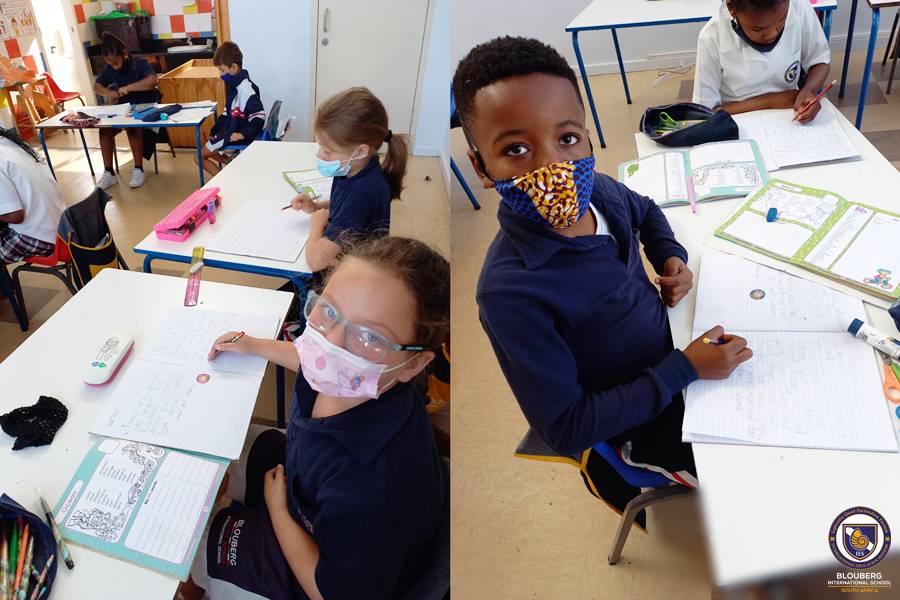
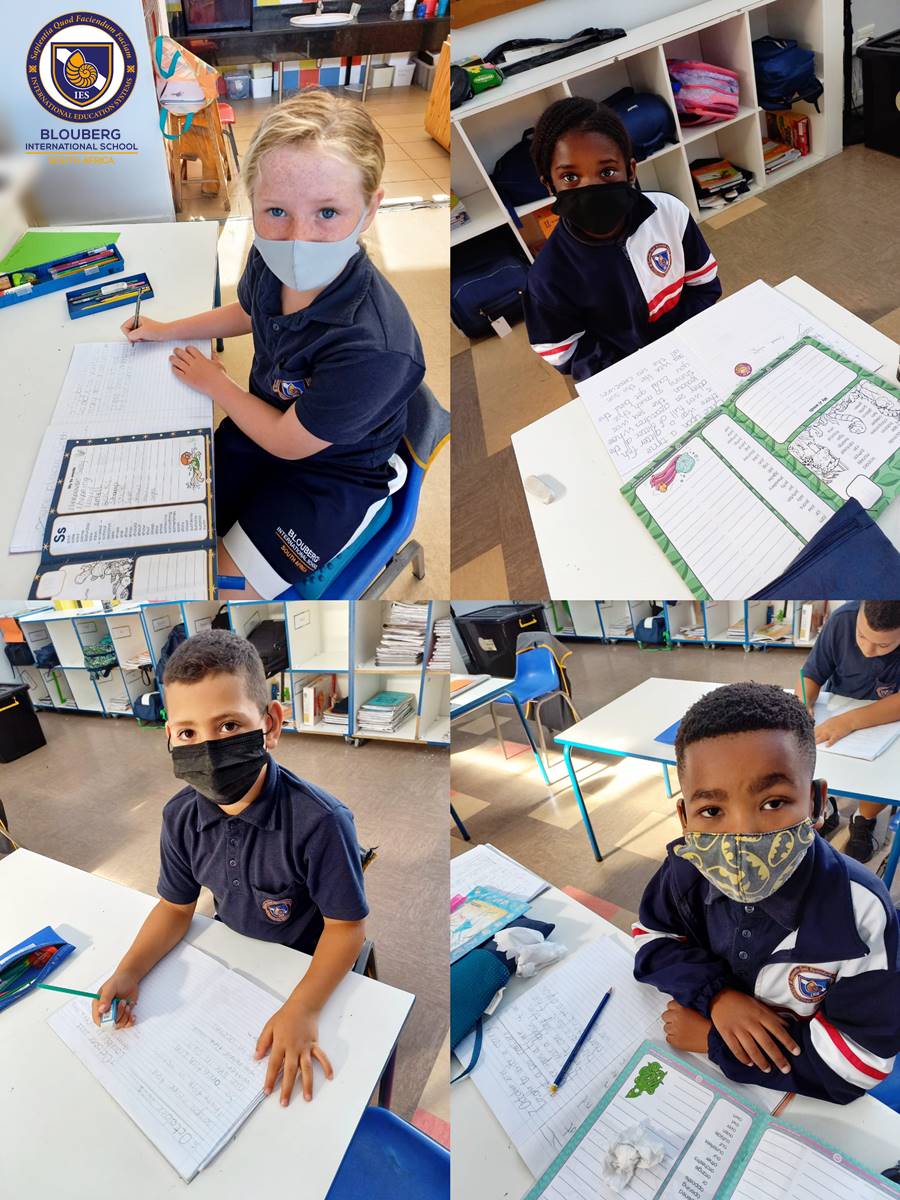
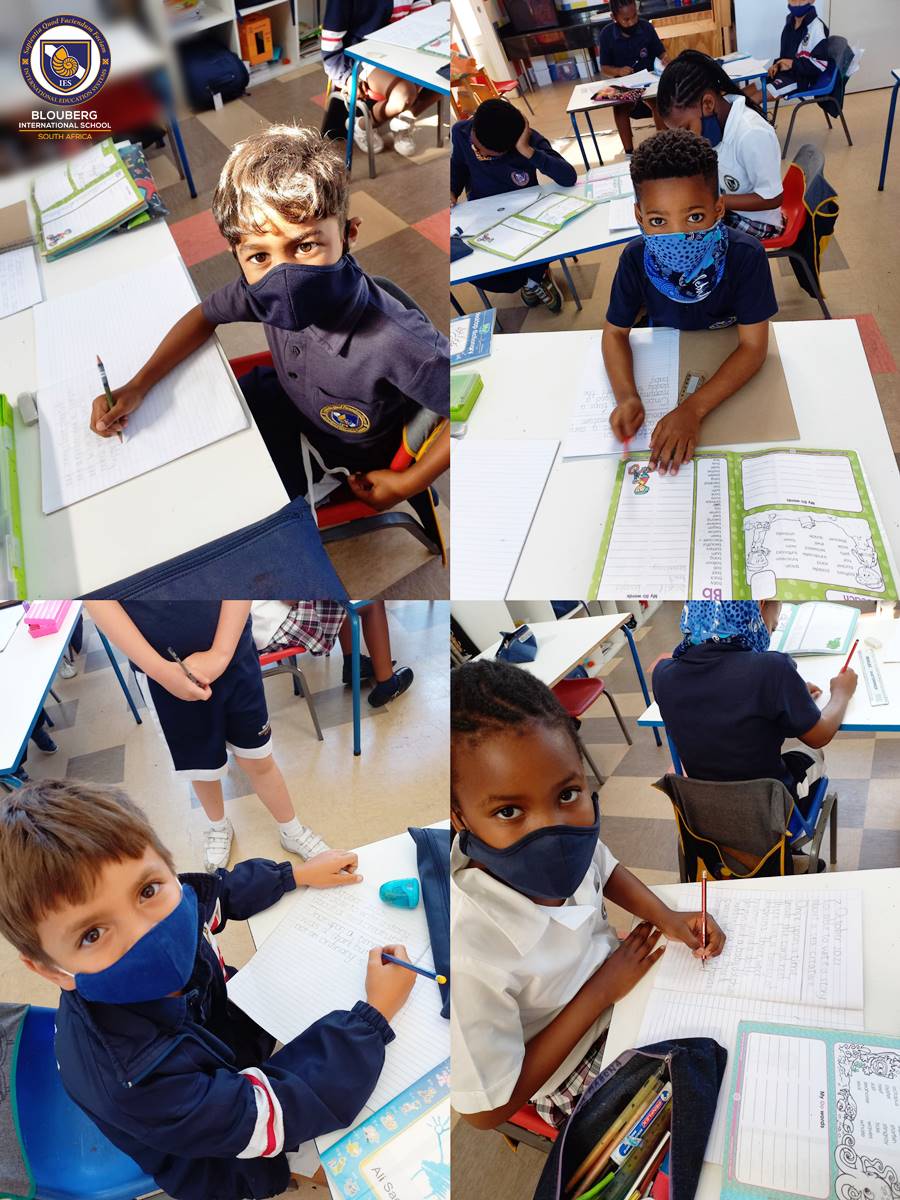
Not everybody has the ability to write a captivating story and have it published for other people to read. However, watching a child use their imagination, which has no boundaries or preconceived ideas, is the most wonderful thing to see.
Sometimes they struggle to find the right words to start, but once they do, their power of imagination takes over. Forgotten is spelling words and punctuation. They focus on their story. Even students who may be struggling in a language, manage to put some thoughts on paper. While these stories are not necessarily worthy of being published, they are far too valuable to be missed.
When teaching Creative Writing, I tell my class that they need to paint a picture with words. We wrote a story about a sea creature this week and I gave them free reign, with no boundaries. The results were amazing.
Kim Coetzer
Year 2 Teacher
Read More
Emergent Literacy In Reception Year
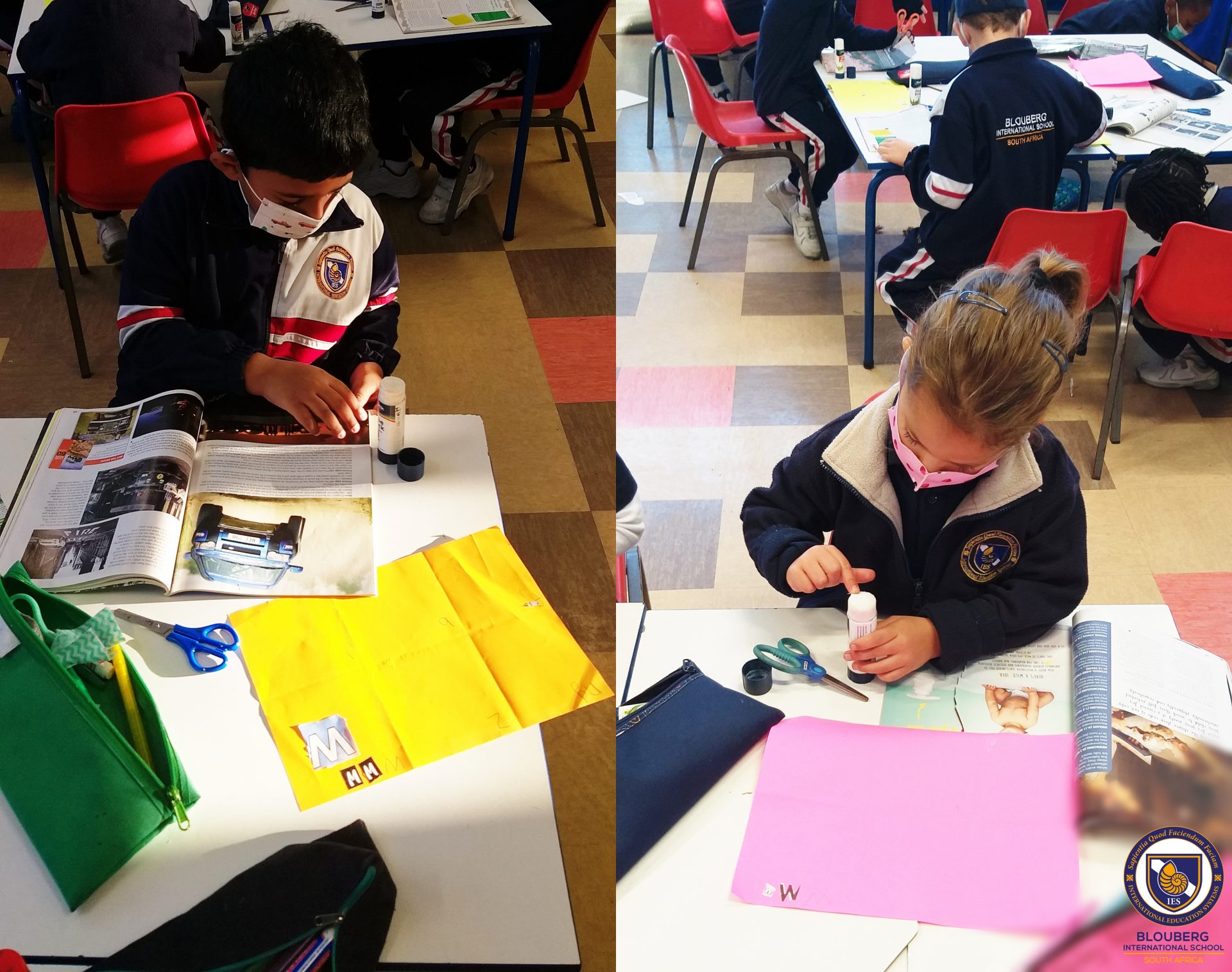
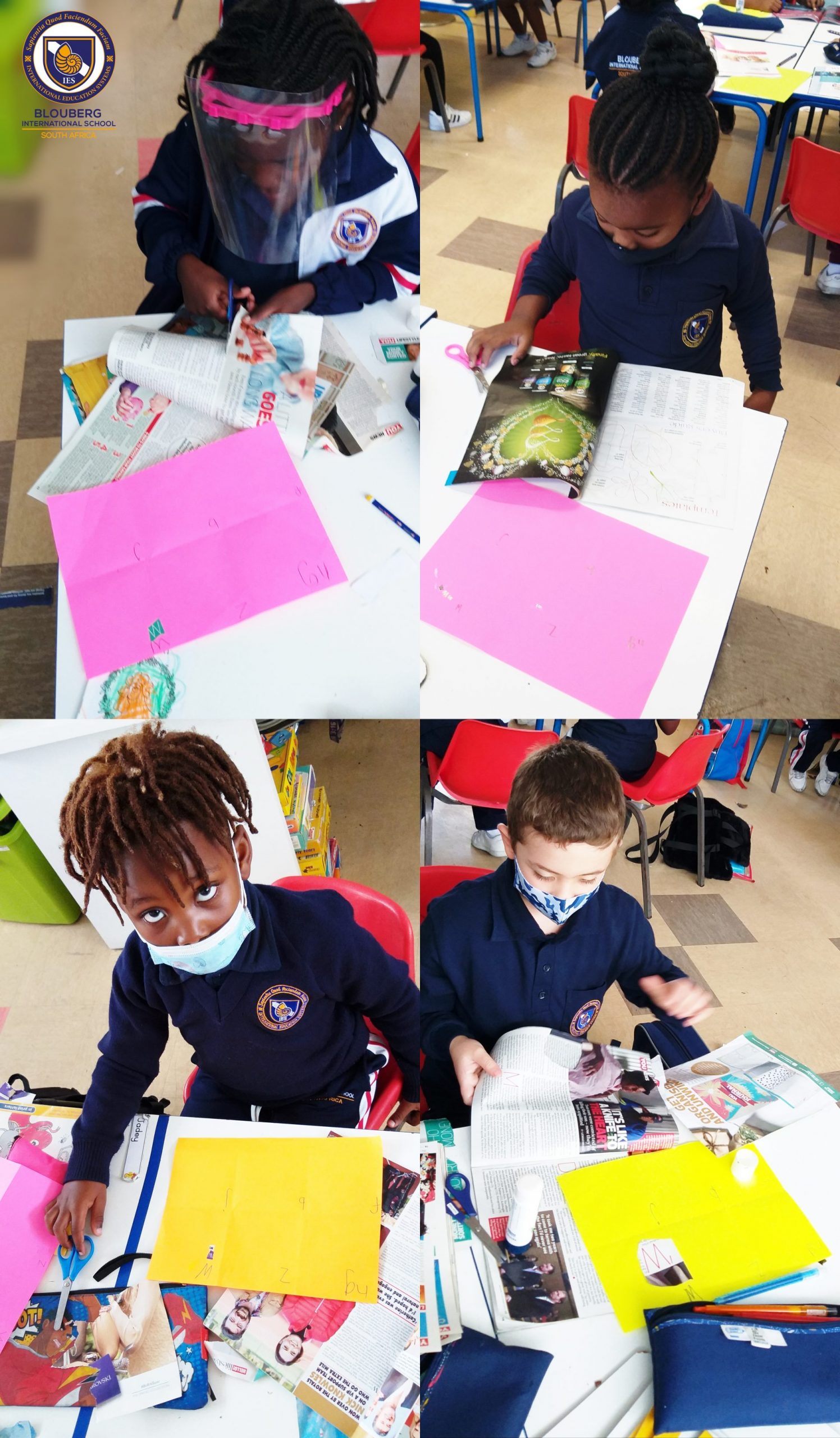
Our Reception students have been enjoying revising the letter sounds they have learnt by paging through magazines to look for the letter sounds. Once found they need to cut them out and paste the sound to match the sound on a colourful page.
This task is part of emergent literacy and combines quite a number of important skills such as fine motor skills, hand eye co-ordination, visual memory and letter recognition skills. As they page through the magazines students are exposed to letters in other fonts and also need to make the link between upper and lowercase letters.
Here are some fun ways to develop letter recognition at home:
- Writing letters on bathroom tiles using bath crayons.
- Writing with a whiteboard marker on a sliding door or mirror.
- Looking for known letters (and perhaps words) on number plates and signs in the community.
- Playing I spy to identify objects at home that begin with a specific letter (remember to use the phonetic sound (example: mmm, not ‘em’).
- Finding letters on a shopping catalogue.
- Writing letters in something fun on a tray, such as custard, chocolate pudding or dry substances such as icing sugar, jelly powder, rice or salt.
- Writing letters using a pointer finger on a steamed up mirror.
- Making letters out of playdough.
- Making letters out of salt dough and cooking it.
- Making letters with sweets on iced cupcakes.
- Finding letters in letter pasta.
- Writing simple words using Jelly Tot letters.
For more great ideas have a look at our Foundation Stage Pinterest Page: https://pin.it/1Of5Yuy
Bronwen Nuthall
Reception Year Teacher




Reception Year Holiday News!
It’s hard to believe that the third term has already begun and we are at the start of another busy term in Reception Year. The students arrived back at school on Tuesday, brimming with excitement and eager to share all the wonderful things that they had been doing during the winter holidays.
This term we will be learning about how to copy sentences about our “news”. We have learnt about sentence structure, that a sentence starts with a capital letter, ends in a full stop and that words need to be evenly spaced.
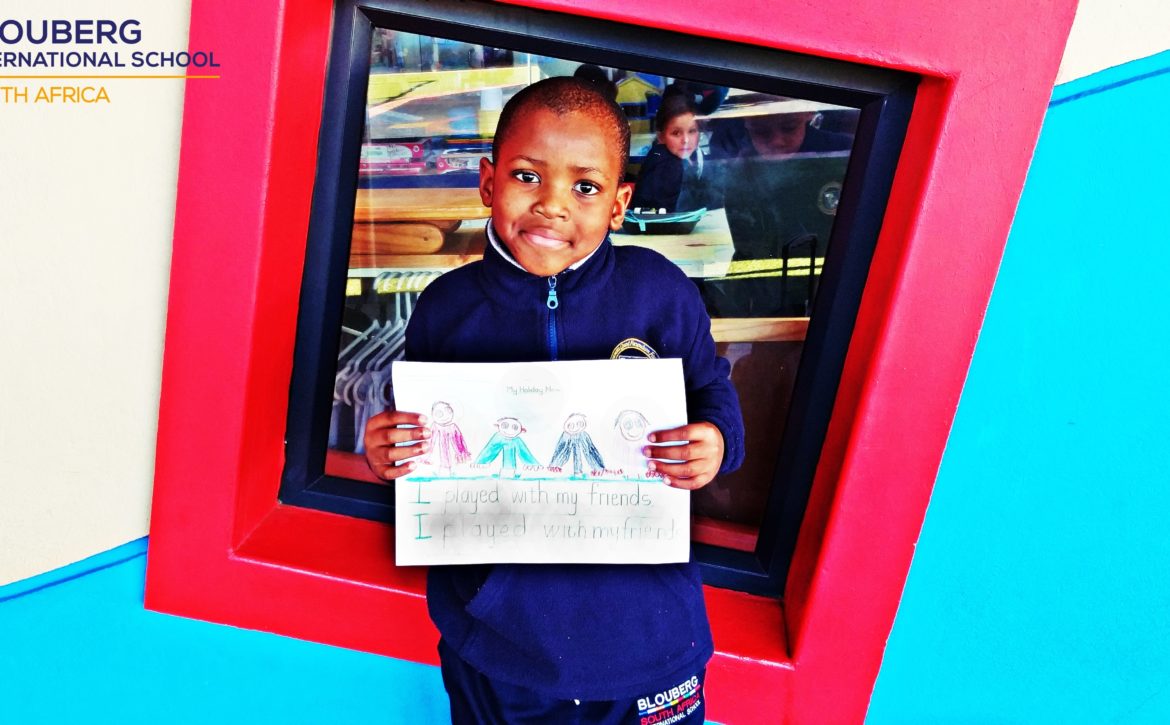
The students were given the opportunity to explain one thing about their holiday to their “talk partner” sitting next them. This helps them remember their favourite part. They began the task by drawing a detailed picture of their holiday news. When the teacher came around, the students gave her a sentence, which she wrote in the lines under their pictures. They then carefully tried to copy their sentences in the lines below, using the correct punctuation and spacing. The students made good attempts at copying their sentences and these are a few of the sentences that they came up with:
Melissa Moje (5 years old): “I went to the beach.”
Emmanuel Omole (5 years old): “I watched T.V.”
Sarah Miller (6 years old): “I played outside.”
Joel Mofokeng (7 years old): “I played with my friends.”
Zoe-Jane Way (6 years old): “I went to my oupa’s house.”
Michele Lemme (6 years old): “I went to the shop.”
Lizelle Vorster (5 years old): “I played with my robot.”
Reuben Davids (6 years old): I went to the treehouse.”
Malin van Zandvoort (5 years old): “I played football.”
Thami Makubalo (5 years old): “I went for a walk.”
Madison Carli (5 years old): “We went to the shop.”
Britney Quaddri (5 years old); “I watched T.V.”
Uyindalo Kweyama (6 years old): “I found my teddy.”
Enzo Tona (6 years old): “I went to holiday care.”
Jenna Miller (6 years old): “I went to the shop.”
Gabriel Perdigão (6 years old): “I built a treehouse.”
Bronwen Nuthall
Reception Year teacher
Key Stage 1 Spelling Bee – Term 1 2019
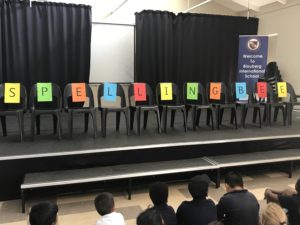
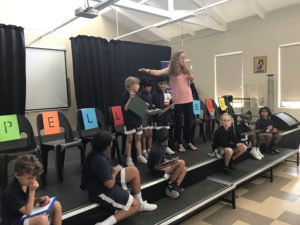
Every year we have a spelling bee for Key stage 1. It is a fun competition and great opportunity for our students to practice their spelling and see how far they can go. We begin by asking our classes to spell a selection of words we have learnt in the first term. The top three spellers from each class are then the finalists for the competition.
Our 9 finalists for Year 1 and 2 are positioned on stage separately and given words to spell. As the competition progresses we ask for more challenging words. This provides an exciting platform for our students to explore the words they have learnt and perhaps even push themselves into discovering new words.
The three winners for Year 1:
Amber Jordan (3rd)
Sinddhizhai Divakaran (2nd)
Divyanshi Bajpai (1st)
The three winners for Year 2:
Georgiana Cannell (3rd)
Nate Veenendaal(2nd)
Nivad Manouchehri (1st)
Congratulations to our spelling champions!
Mrs Charlie Cronje
Key Stage 1 Teacher