
Year 3 Creating Masterpieces!
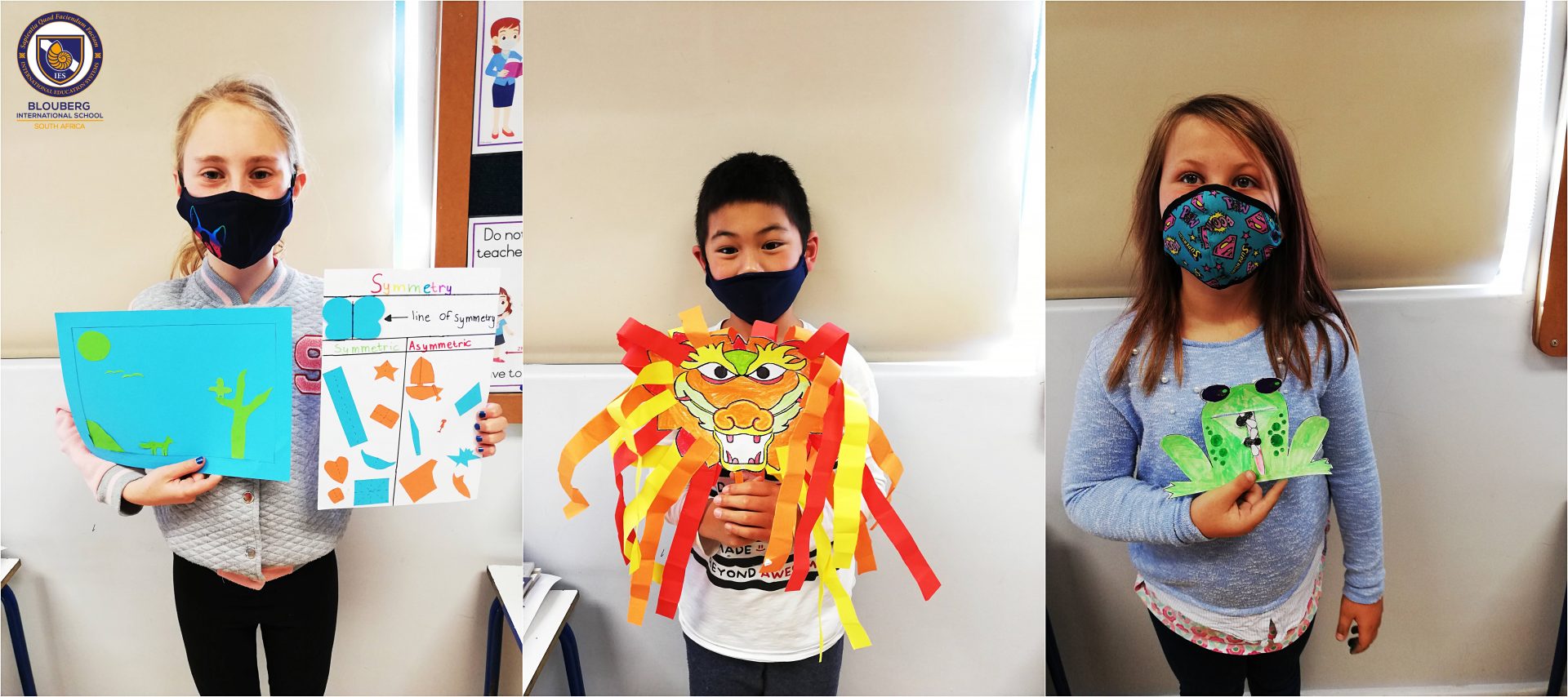
The year 3 classes have worked very hard over the last few weeks to interpret symmetry and its relevance to adventure. After being able to apply the concept they created perfectly symmetrical frogs and beautiful tessellation patterns.
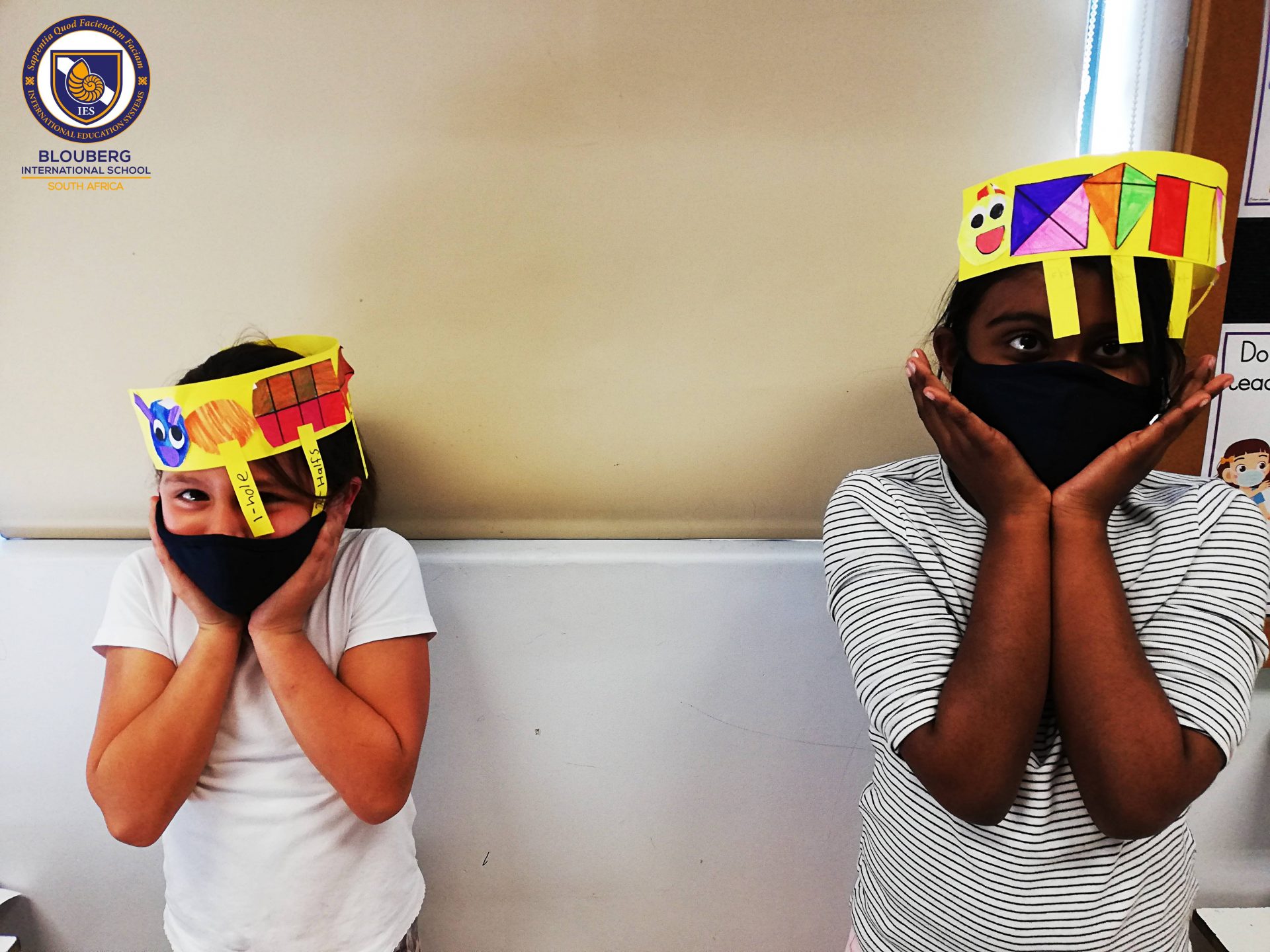
The year 3’s also created beautiful Chinese Dragons, silhouettes and the cutest caterpillar hats that displayed their knowledge of fractions.
The bright colors and exciting projects has given Spring a warm welcome!
Sasha Rajah
Year 3 Teacher





Symmetrical Expression
What is Symmetry?
Mathematically speaking, symmetry “means that one shape becomes exactly like another when you move it in some way: turn, flip or slide.” -(https://study.com/academy/lesson/what-is-symmetry-in-math-definition-lesson-quiz.html#lesson) Symmetry is a basic part of geometry, nature and shapes.
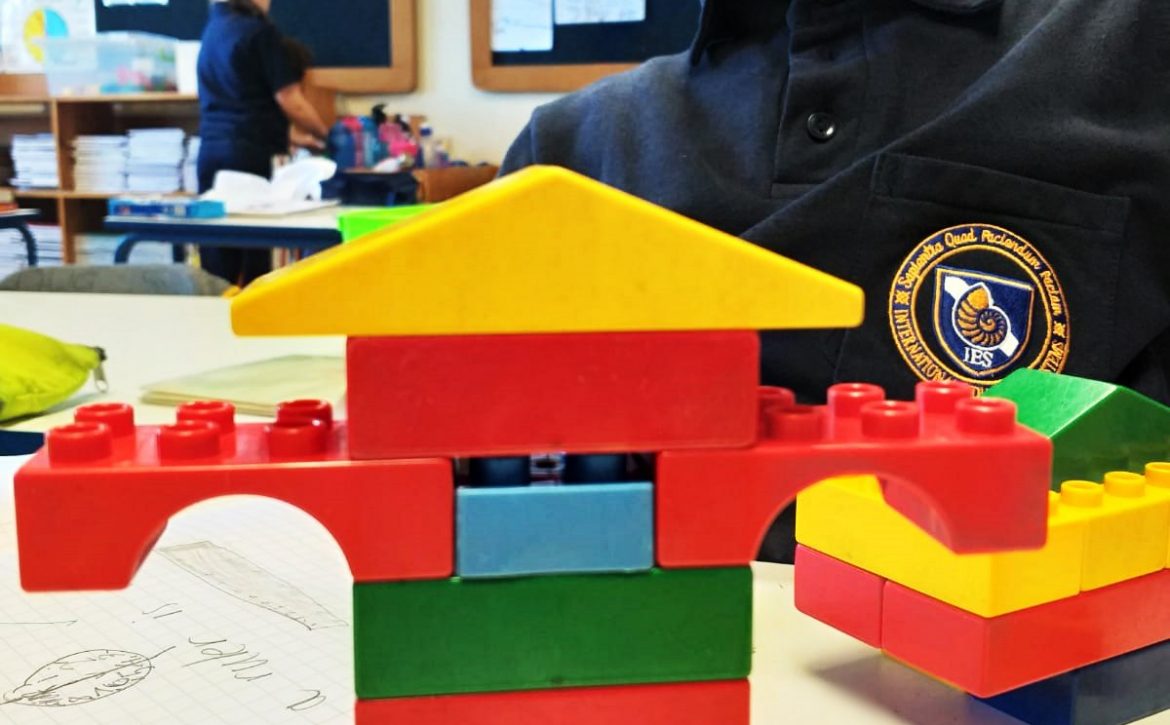
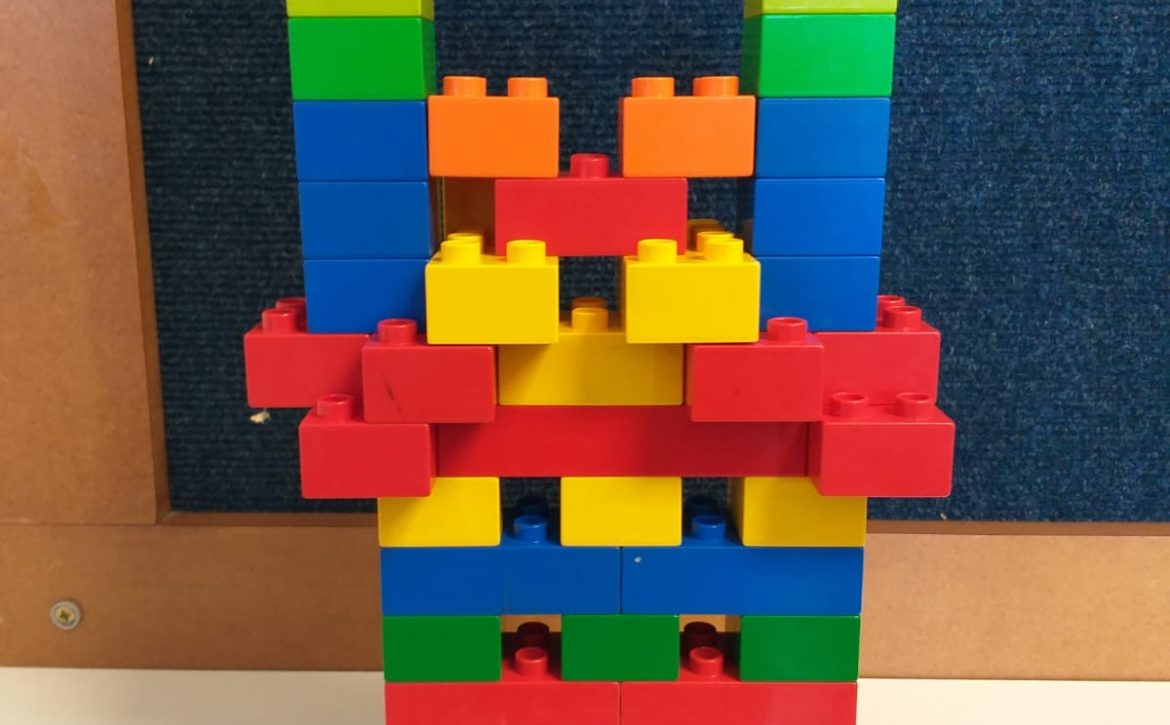
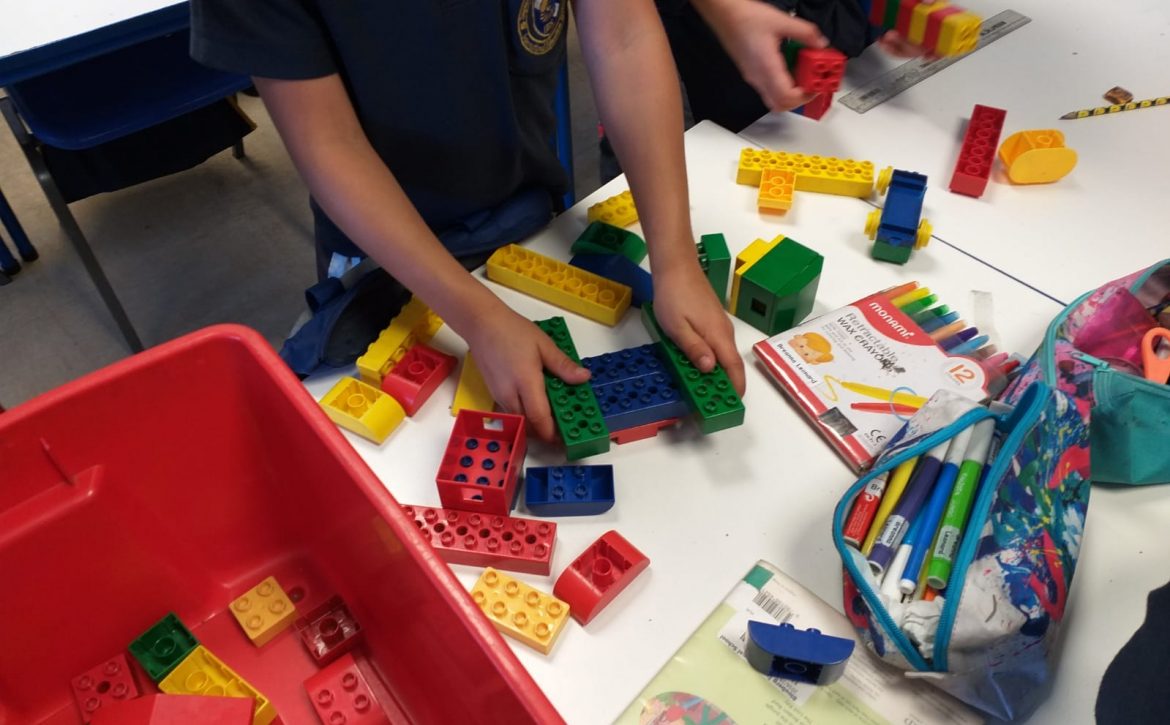
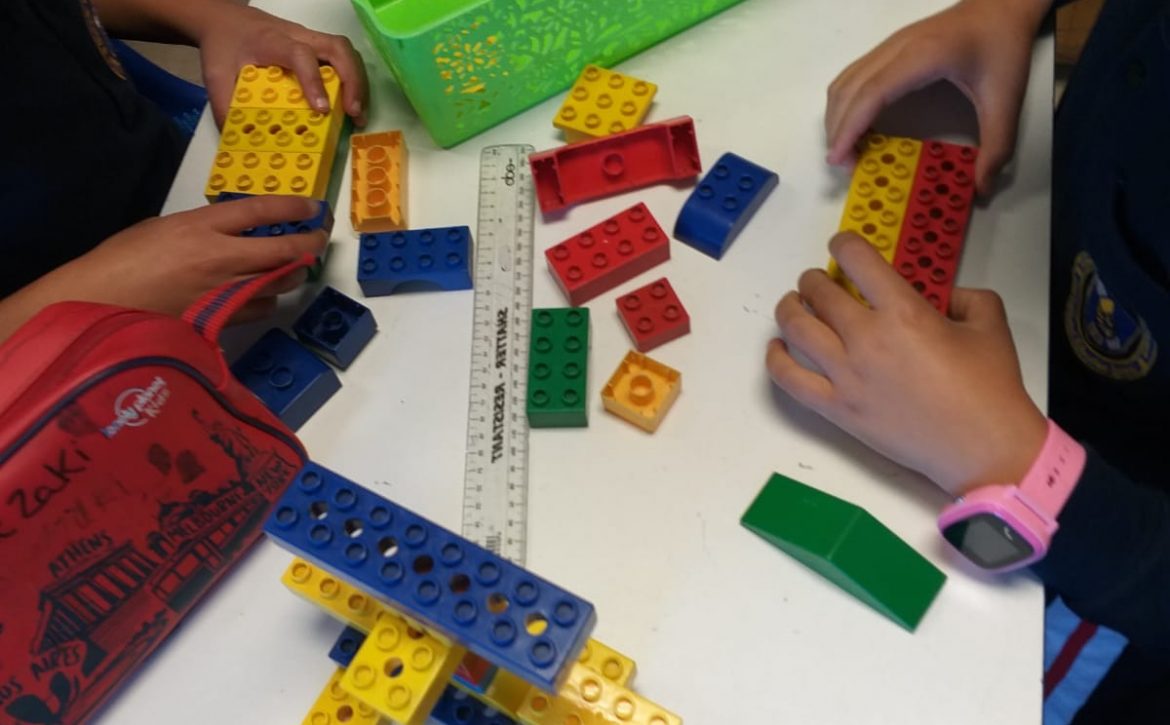
In Year 2, symmetry is part of the geometry section of the curriculum. Using Active Learning as our base, we attempted to allow the learners to discover symmetry in shapes, buildings and nature. First, the students explored the school grounds and had to find and draw as many symmetrical objects they could find. When they returned to class, they gave their own definition of symmetry using what they had just done. The following lesson, students were required to work in groups of four and had to build a symmetrical construction using Lego and building blocks. They had to ensure that the colours they used also demonstrated symmetry. After this, they drew what they had constructed and drew the middle line to show that they knew what the line of symmetry was.Students need to understand symmetry to be able to later grasp more complicated concepts like reflective, rotational and point symmetry. Ballerinas use symmetrical principles to complete a turn by turning their bodies on one spot. Even a simple calculation like 8 = 4 + 4 is a demonstration of symmetry; where the totals on each side of the equals sign need to balance.
“We are imprinted with a tendency toward symmetry and can learn new concepts more quickly if we can detect an element of symmetry in them.” – Katherine Buchholz (https://www.realcleareducation.com/articles)
Gillian Baker
Year 2 Teacher
Read More
Year 2 Teacher