
Year 6 – Term 3 At a Glance
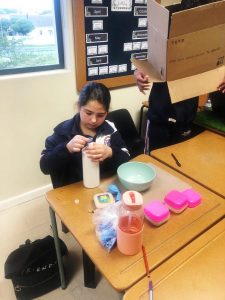
Our year 6 students enjoyed an exciting and adventurous term. Throughout the term, the students broadened their knowledge by learning about fractions, circuits, ecosystems and more. They developed insight into the educational struggles of others around the world through the inspirational story of Malala and got a taste of entrepreneurship by designing and creating products from sustainable materials.
During our insightful skills periods, the students became aware of good online conduct and how to use social media in a positive manner.
As the year 6 students will become the leaders of tomorrow, they went on camp at Bonamanzi. Not only did they learn to become independent, but also discovered which qualities are vital to be a good and influential leader.
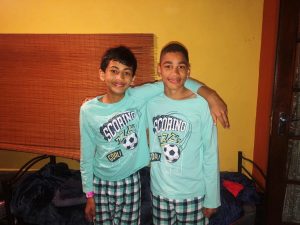
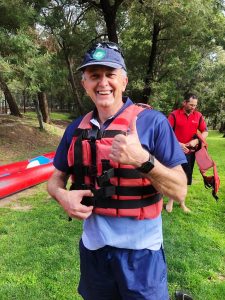
Tired does not even begin to explain how they felt after they returned from camp. They went river rafting, created flags, competed in various group activities and went night walking, where they discovered scorpions, as well as the importance of covering your legs to avoid pesky ticks. Snacking was of utmost importance – who knew that 11-year-old students could eat so much!
The students also came into personal contact with the wild side of camping, with mosquitoes that must’ve originated in the Jurassic era, big and sneaky, causing them to all return home, looking like they might have the plague – they definitely would’ve made quite an impact on dot day! Poor Miss Nel injured her foot while running, having to hop along after the students as they ventured out and about.
Ending the term on a high note, the students hosted their very first student led conference. During this conference, the students chose which work they were most proud of during the term and presented it to their parents themselves. They were able to explain to their parents what they had learnt during the term, as well as how they improved and what they found interesting. Both the students and the parents thoroughly enjoyed this special bonding time together.
As another term ends, the year 6 students will definitely be able to tick off a few things from their bucket lists – yes, pun intended.
Rochelle Oosthuizen
Year 6 Teacher




Read More
Keep Calm And Create A Calm Space
Emotions play such an important role in our lives. It helps us to think and behave in certain ways. They help us to build relationships, avoid or resolve conflicts better. Emotions help us make decisions for the future and helps us cope with what we are dealing with during the day.
We start feeling emotions from when we are little, and as we grow and mature, we learn how to identify them far better and hopefully become more skilled in how to express them appropriately. With practise we get better at understanding what we are feeling and why.
Just for a moment, think about what you did today versus what you did yesterday. Did different emotions on different days, allow you to behave in different ways? Are you more tolerant today than you were yesterday? Have you smiled more today than yesterday? Have you made some rash decisions based on how you were feeling? Have you made the best decisions you could have made so far this year?
Emotions can last for a second or for an hour. They change constantly throughout our day. Emotions are part of a person’s character. Without them we would be robots.
We read emotions from facial expressions, body language, hand gestures, tone of voice and even eyes. Notice the feel of a handshake, a hug or a touch. These are many cues that help us to pick up on someone’s emotional wellbeing.
Many adults today find it difficult to identify what it is they are really feeling, let alone be able to express their emotions appropriately. Am I angry or just irritated? Am I happy or just proud? There are so many emotions that are closely linked and can be misunderstood. There are so many different emotions that sometimes it can be impossible to recognise them all. It can also be very confusing and extremely challenging.
Being able to accept what you are feeling allows you to become more self-aware and self-compassionate. I know this can sound all airy-fairy, but being able to have a good emotional intelligence, to me, is far better that having a good IQ. This will help you in all aspects of life, in the workplace and in relationships that you build along the way.
Using a feelings wheel helps us to open up our feeling’s vocabulary and learn to understand the extent of them a lot better. Once you have used the feelings wheel for some time, you won’t need to go back and look up what the feeling is, you will identify it straightaway.
There are many students today that need assistance with feelings and emotions, and need to learn some healthy strategies to overcome or face them head-on.
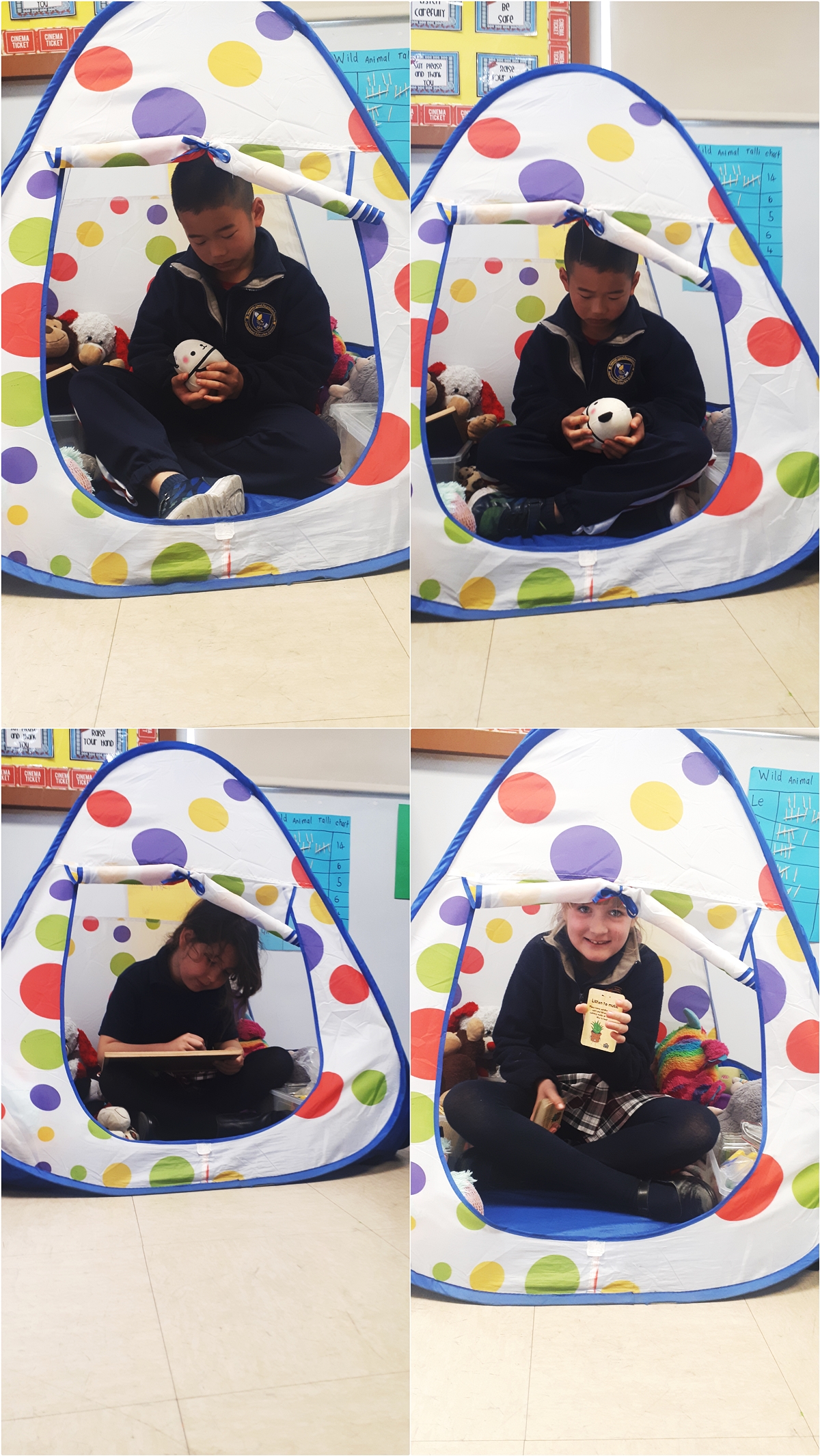
I have a number of feelings wheels and charts around my class to help my students with their emotions. I have a dedicated calm space for my students to retreat to whenever they feel overwhelmed or need a place to ‘check in’ with themselves.
You can create a calm space in your own home for your children, or even for yourself. When children see that you use the space, it allows them to realise that we, as adults, also have emotions and sometimes need to refocus and recentre.
This calm space is different to a time-out space for consequences. It is a place of safety. Children are not to be sent there by a parent, rather it must be a child’s choice to go there. You can suggest it, but it should not be enforced. This space does not have a time limit.
Decide as a family, where this calm space will be. Decorate it together if that’s something that they might like. You can even give the space a name.
Leave them alone in their space to reflect, to let out some anger or other emotions. Try not hover around them or speak to them. Allow them this time to be on their own.
You can include some calming tools in your calm space to help them with self-regulation. Some good ideas are therapy putty or a stress ball to squeeze, a liquid timer or a glitter jar to look at, books to read about emotions, calming cards or positive thinking cards, a teddy bear, or some simple calming toys, such as a Rubik’s cube, that keep their minds busy. Some nice, calming smells can help too. I use lavender in my class, and my students love rubbing it onto their temples. This relaxes them completely. Believe me, I have used it several times!
Embrace your emotions, and talk about them with your family, your friends, your colleagues. The more we accept that we have them and that they are a normal part of our lives, the more skilled we will become, and your EQ will be what people talk about instead of your IQ.
Wendy Menton
Year 3 Teacher

Read More
Auto Museum Outing
To fully appreciate the future, we need to appreciate the past.
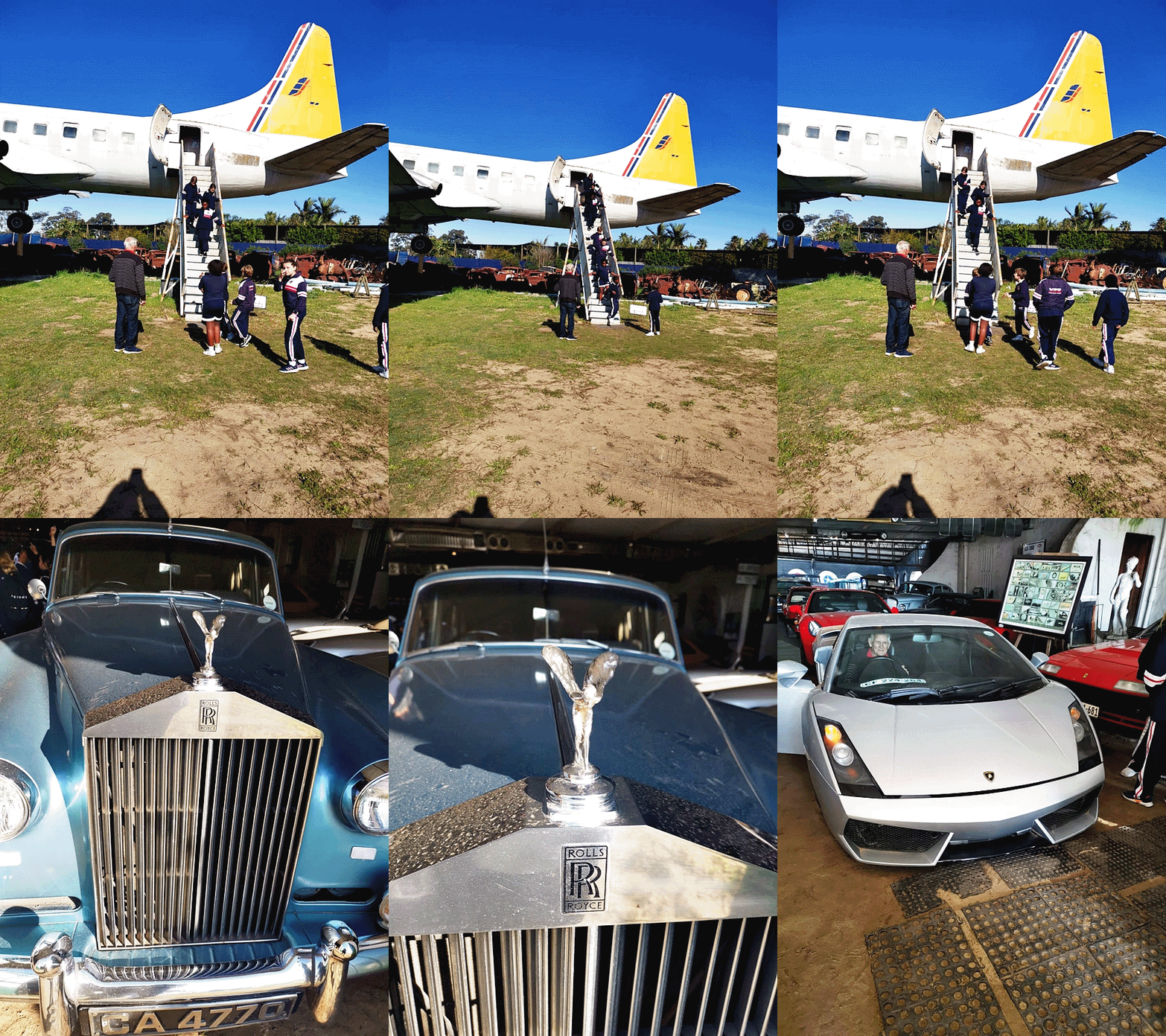
Our Year 4 classes visited the Wijnland Auto Museum in Joostenberg vlakte, as part of the Transportation unit that we have been studying in History.
Throughout the term, we have investigated the various types of transport, how transport has evolved over time and the importance of the different modes of transportation.
During our visit to the museum, the students learned about cars and how the design and technology has changed over the years. We saw various amazing antique cars, army tanks and even went inside an old passenger airplane.
We cannot wait to discuss this topic further in class.
Yvette Fourie
Year 4 Teacher

Read More

Transport
During the past two weeks, we learned more about air, land and sea transport.
We have been working on our fine motor skills during arts and craft time by making a truck out of different shapes and then we learned more about the traffic light (red means stop, orange means slow and green means go) we made our own traffic light by sticking tissue paper in the right order.
During Numeracy, we played the road number game. The students loved using a toy car to trace the numbers that they are learning about. We had to start at the “go” sign and stop at the “stop” sign. By doing this they will have an in-depth sense of how shapes of numbers are formulated. We also used shapes to make different modes of transport. The students had great fun sorting the colourful blocks and making different modes of transport out of Play dough.
Literacy was all about the “t” and “p” sound. The students enjoyed tracing the sounds they have learned so far.
Martie van Dyk
Pre-Reception Teacher


Transport In Year 1 – Rockets
This term in Year 1 our History topic is Transport. The learning outcomes for this topic is for students to be able to identify different modes of transport through the ages and how they have evolved: road, rail, sea and air and to understand how transport has made a difference in our lives today.
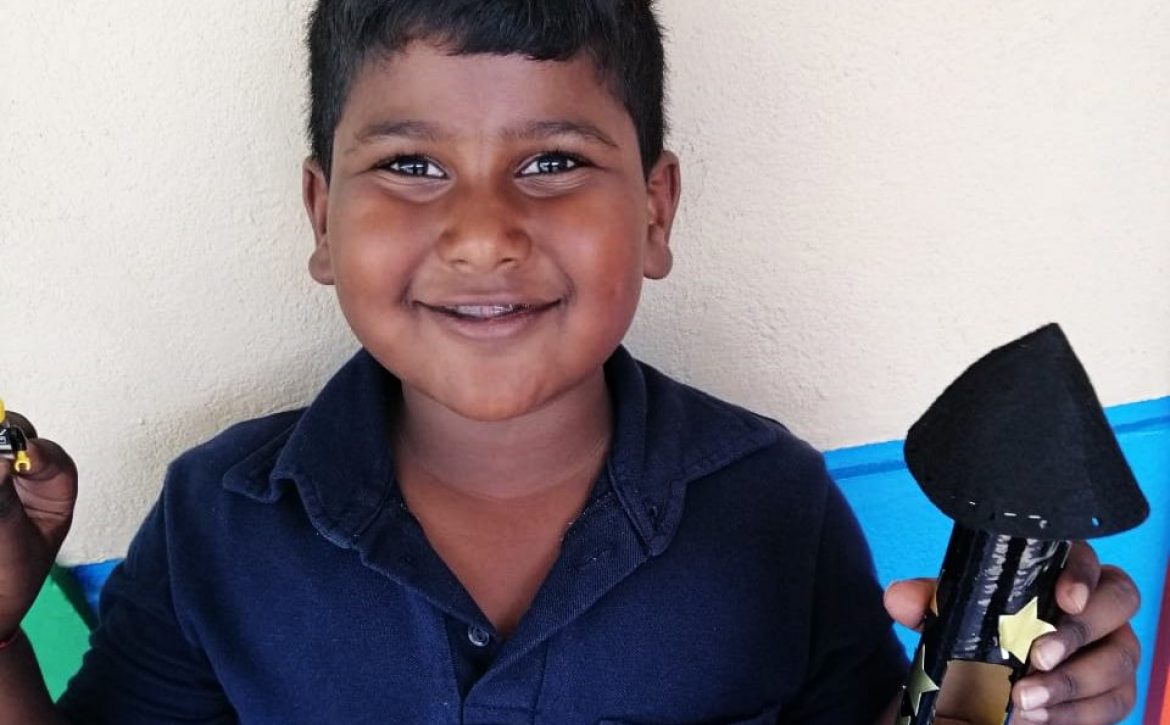
We integrated our Transport theme into our Design and Technology lesson by challenging the students to design and make our own Rocket Ships during class time. Students were asked to bring materials to school and they needed to build their rocket ship by themselves.
The Year 1 teachers were very impressed at the unique and creative Rocket ships the students built.
Tayla White
Year 1 Teacher
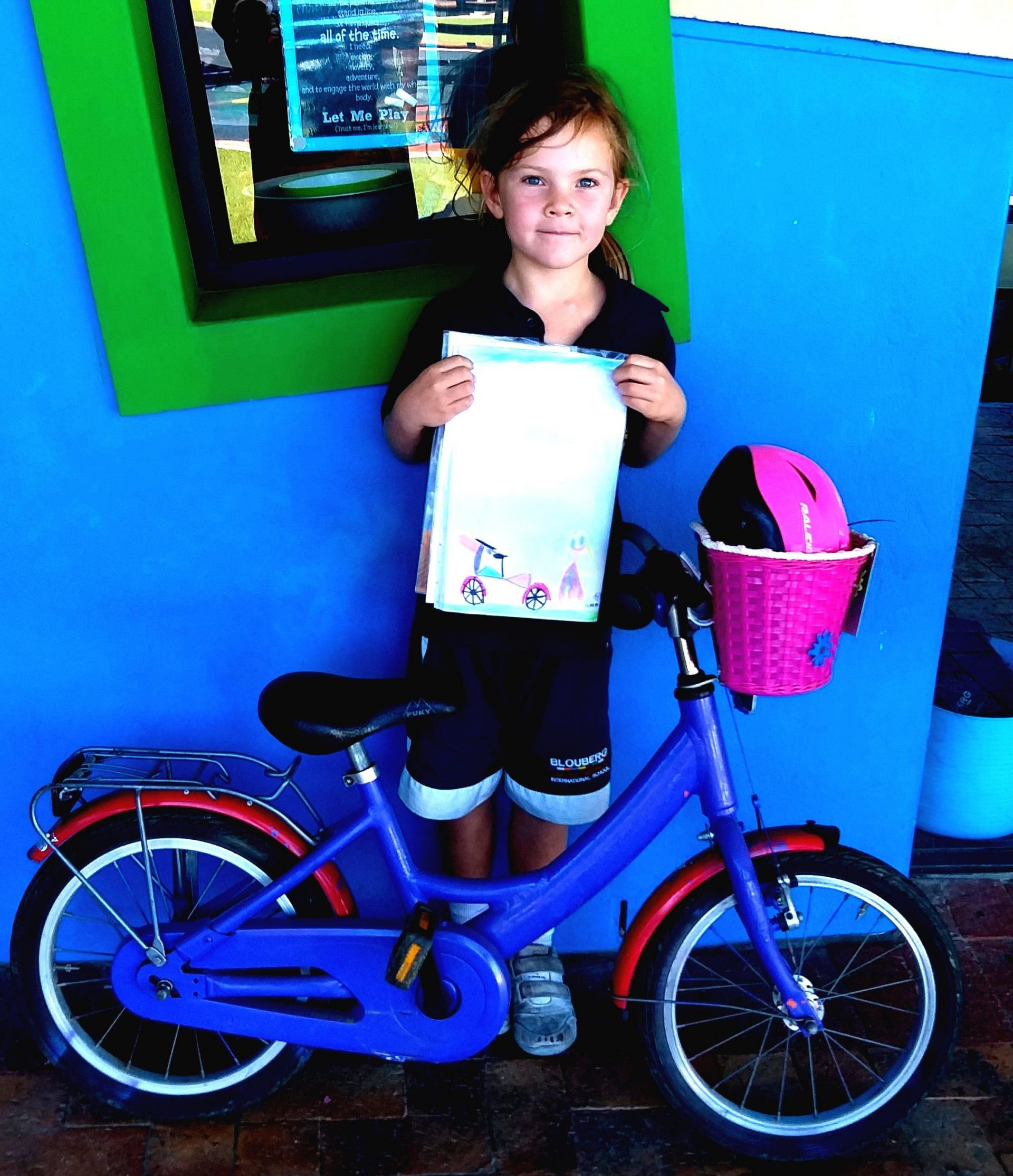
Reception Year Show and Tell – Term 1 2019
At the end of the two week theme covering Transport each student had to prepare a short presentation about their favourite transport or vehicle. The students really enjoyed sharing the information they had learnt with their classmates.
Here is a sentence from each student’s Show and Tell in Ms Nuthall’s class:
Emanuel Omole (5 years old): “This is my car. It goes super fast on the road.”
Madison Carli (5 years old): “I like carriages, because they don’t need any petrol. They have nice wheels and they are pretty.”
Irén Martinez Braquiero (5 years old): “The boat is blue.”
Malin Van Zandvoort (5 years old): I like bicycles, because they can go really fast.”
Gabriel Perdigão (6 years old): “The titanic sailed from New York.”
Uyindalo Kweyama (5 years old): “Mr Ferarri has the same name as my sister, Enzo.”
Sarah Miller (5 years old): “Here’s the part where the astronauts drive the rocket.”
Ali Sadi Hastürk (5 years old): “This aeroplane is from Turkish Airlines.”
Thami Makubalo (5 years old): “My car drives fast like my daddy.”
Melissa Moje (5 years old): “When I go to Midrand I fly in an aeroplane.”
Louis Kane (5 years old): “This is a fire truck. The ladder can go up.”
Jenna Miller (5 years old): “The campervan has 17 windows.”
Joel Mofokeng (7 years old): “The aeroplane goes high in the sky.”
Zoe- Jane Way (5 years old): “The Myciti bus is blue, red and white.”
Reuben Davids (6 years old): “This helicopter goes high up and it can land on mountains.”
Britney Quadri (5 years old): “This is my sports car and it has 4 wheels.”
Michele Lemme (5 years old): “The aeroplane goes fast and lands on the ground very slowly.”
They did very well in showing the class their creations and communicating in a public speaking scenario.
Ms Bronwen Nuthall
Reception Year teacher


Foundation Stage: The wheels of the bus go round & round…
During the last two weeks the Foundation Stage learnt more about Transport. Transportation is an important part of everyday life, and that is why so many students find this topic interesting. Transportation as a theme not only teaches our students about what different vehicles are and how they work, but we also use it to teach other important concepts such as safety when riding in a vehicle or walking.
We got to play with all the different types of transportation theme items such as cars, trucks and trains. Our students made different crafts, sang transportation songs, played games and listened to stories about transport. Learning through play will help students retain all the lessons in their long term memory.
Written by
Martie van Dyk
Reception Year Teacher
Read More