
Auto Museum Outing
To fully appreciate the future, we need to appreciate the past.
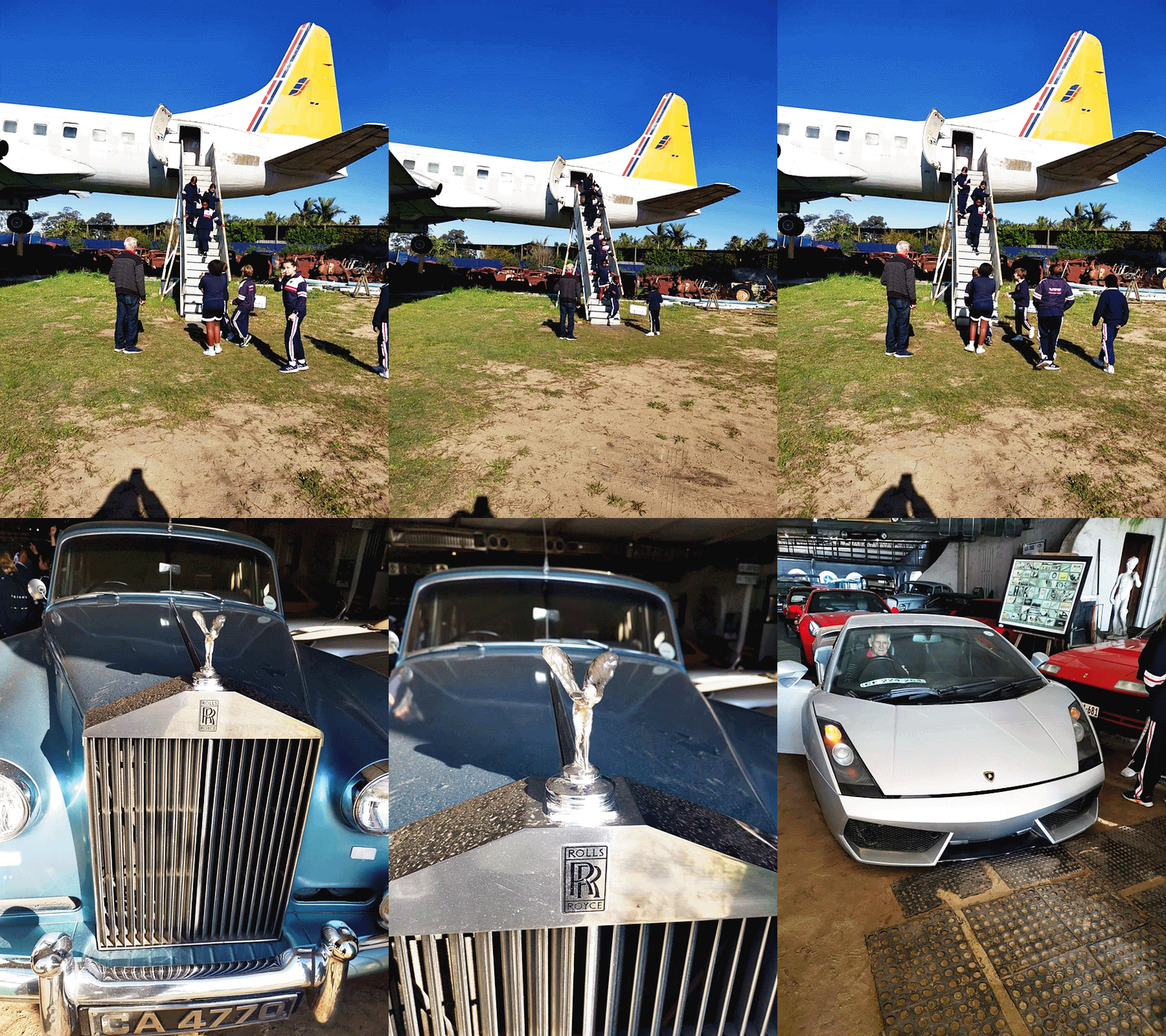
Our Year 4 classes visited the Wijnland Auto Museum in Joostenberg vlakte, as part of the Transportation unit that we have been studying in History.
Throughout the term, we have investigated the various types of transport, how transport has evolved over time and the importance of the different modes of transportation.
During our visit to the museum, the students learned about cars and how the design and technology has changed over the years. We saw various amazing antique cars, army tanks and even went inside an old passenger airplane.
We cannot wait to discuss this topic further in class.
Yvette Fourie
Year 4 Teacher

Read More
The Magic In Allowing Learners To Take Control Of Their Own Learning
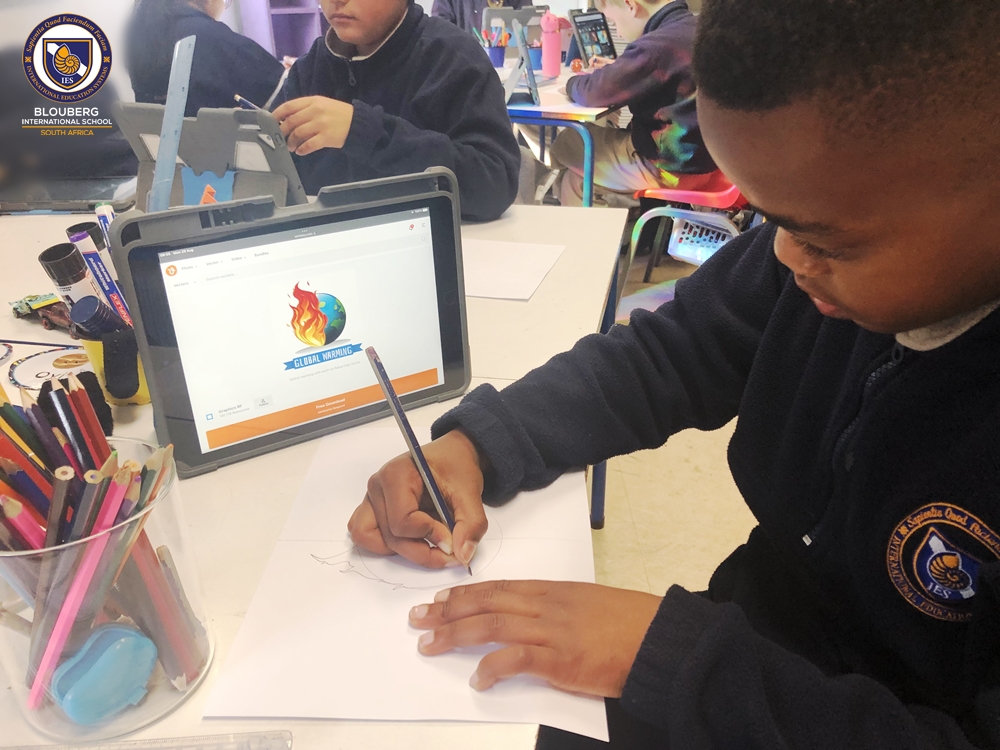
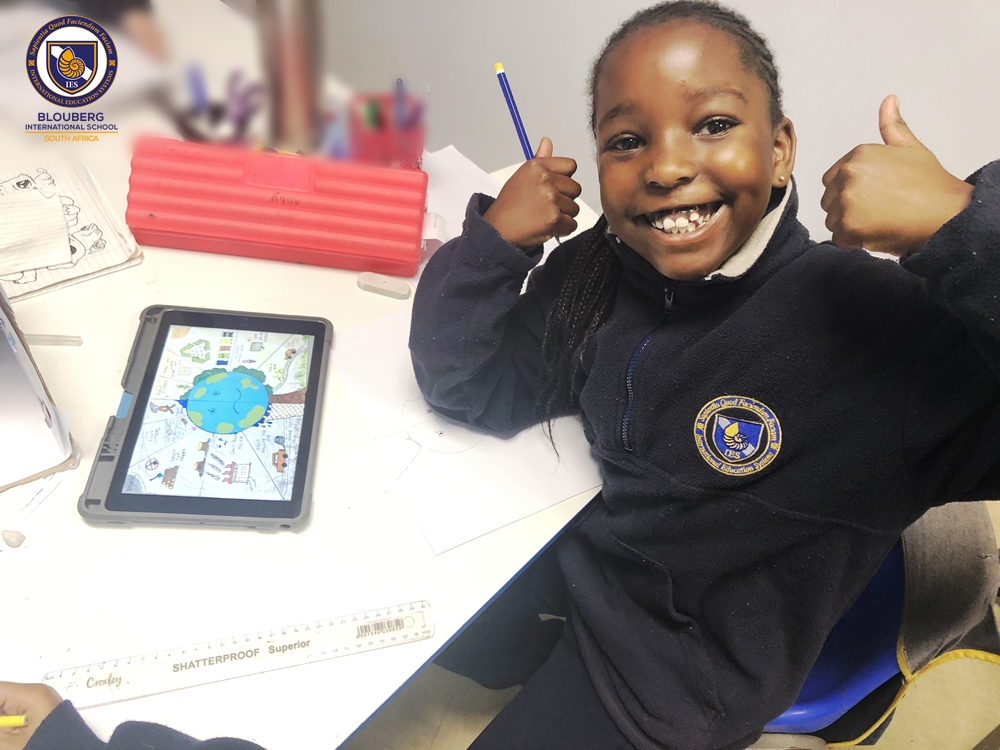
In Year 3 this term we have been exploring the concepts of natural disasters, the water cycle and global warming. The students had the opportunity to discover these topics through their own research, whilst using the Ipads. They have slowly built upon their prior knowledge, lesson by lesson. With Geography as the subject, global warming as the topic and Google at their fingertips, the students decided to take the lesson in a different direction.
Once the students had begun their search and discovered what both causes and alleviates global warming, they discovered some images that they wanted to recreate.
The students had found an interest and wanted to pursue an activity that they had come up with themselves. Each one of them chose to represent the information they had learnt with something that summed it all up into one image. Pictures were produced, that represented our earth in two states and they were drawn and coloured in by the very hands that may one day construct the solutions to the problems we face.
Autonomy is developed through our students having some choice and control in their lessons, and if the knowledge and learning objectives stay the same, then does it matter how they discover it?
Kirsten Stoffberg
Year 3 Teacher


Read More
States Of Year 5
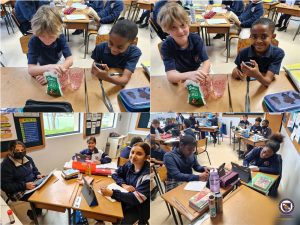
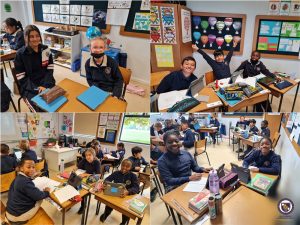
We all know that our children matter. What the Year 5s have been learning recently is that they are also MADE of matter.
We have been looking at the particle model and states of matter in Science, and the students have explored the topics in a variety of different ways. They have used their textbooks to learn independently and peer-teach each other about processes like boiling and melting, practising the skill of reading information to pick out salient points, as well as their communication skills (and producing some useful posters for the classroom walls in the process).
They observed what happens when a solid is dissolved in water and described the process on the particle level, while reminding themselves that while you may not be able to see the salt in salt water, you would definitely know it’s still there if you tasted it.
They practised their Science enquiry skills by looking at available equipment and figuring out how to test the effect of temperature on the rate of dissolving, writing a practical report to systematically record their findings.
Now they are turning their hand to some research, using the iPads to look up some information about the properties of water.
Throughout the topic, I have been impressed by the students’ willingness to jump into the world of Science and test things out, whether it be research skills, observation skills, or designing a fair test. It would be fair to say that the students have been vibrating with energy – much like their particles!
Hannah Kirkaldy
Year 5 Teacher

Read More

Observing The Weather Using A Wind Vane
Our budding Year 5 meteorologists (a physical scientist who observes, studies and forecasts the weather) have been learning all about the wonders of the weather in Geography this term.
They started by learning about the four main elements of the weather (temperature, wind, rainfall and cloud cover) and how these can be used to describe the weather. They are currently completing a 2-week weather project, where they need to observe and track the weather on a daily basis. These observations require the use of various weather instruments, such as a thermometer for temperature; a rain gauge to measure rainfall and a wind vane to measure wind direction. Using these instruments accurately is a skill they need to master and demonstrate over the course of the project.
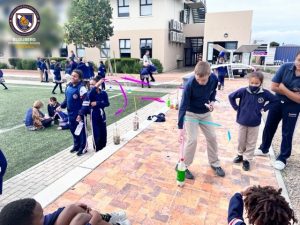
But we can’t accurately measure wind direction without an instrument to help us, so, the Year 5 students started the project by designing and making their very own creative and colourful wind vanes! The idea behind making these weather instruments was that they could then be used by each student at home when making their observations on the direction of the wind.
Great fun was had by all when they put their wind vanes to the test outside on the school field! The direction of the wind (moving air) is the compass direction that the wind blows from. On the day the Year 5’s did their test, the wind was blowing in a northerly direction. They knew this because they had first accurately plotted the 8 compass directions on the ground, using a compass.
We are looking forward to seeing the results of their investigations on weather at the end of this exciting project!
Cindy Drury
Year 5 Teacher


Read More