Robotics
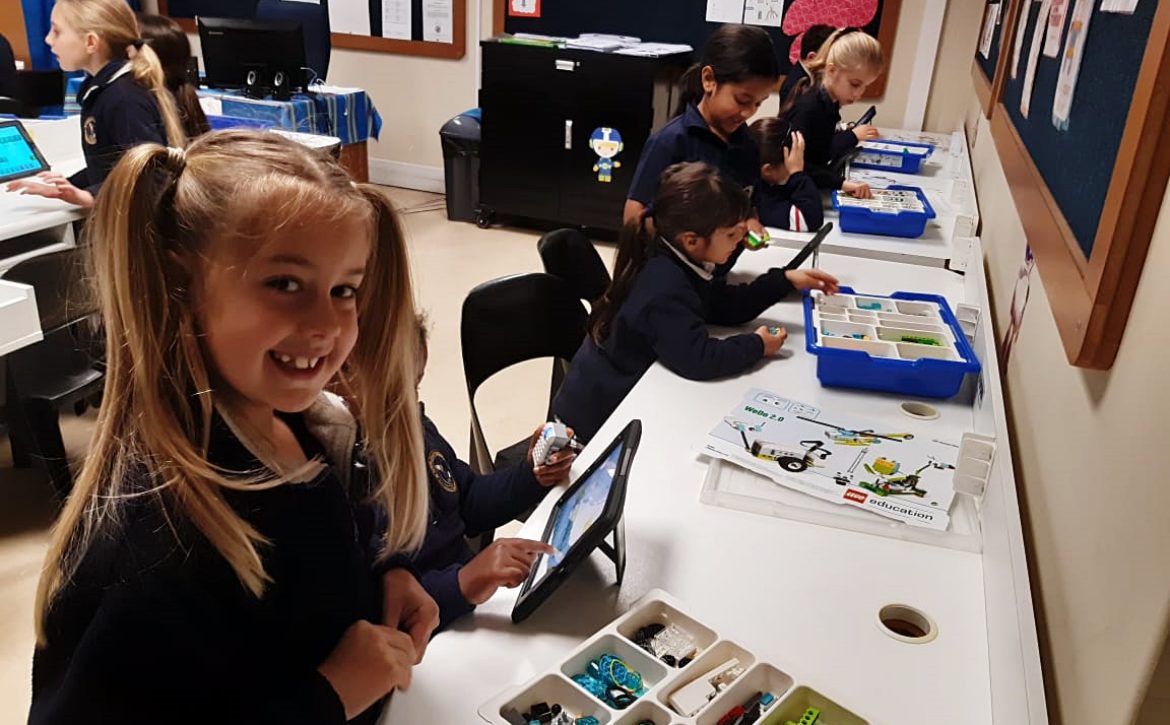
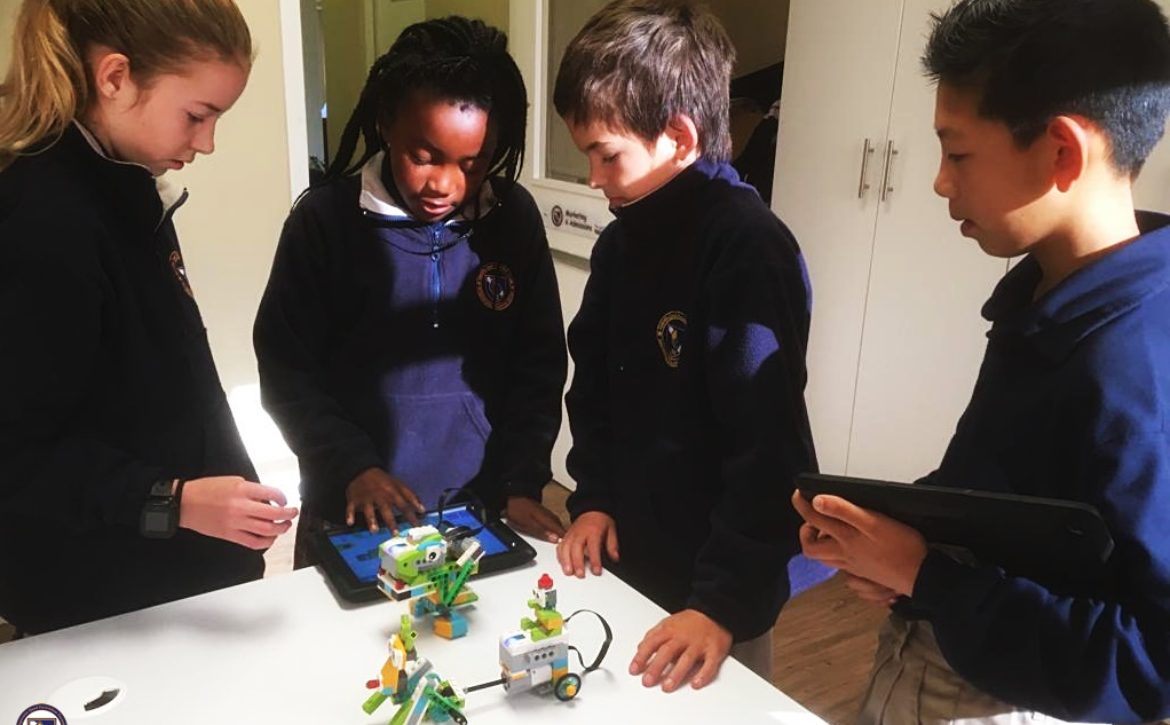
Robots have always been a captivating piece of technology, programmable to move, make noise, light up, and follow instructions as directed. There is nothing quite as fun — and educational — as building one’s own robot and setting it through the paces of a race, an activity or a challenge.
In the school setting, robots encourage problem-solving, creative thinking, and a healthy sense of competition that drives innovation from students.
As robotics and computers become increasingly prevalent in students’ lives, understanding programming and programming concepts is becoming very important for students’ success. Robots are a fun, easy, and effective way to learn about computer programming. Programming a robot has tangible, observable effects.
Having to control a physical robot and seeing what goes wrong, students learn what robots can and cannot do. They also learn the need for precise instructions. Robotics helps address the growing demand for teaching science, technology, engineering and Maths in schools.
Robotics use the making of a prototype easier so it will help make the problem better. Students get the time, space and purpose to build robots and solve open-ended problems. Program building robots aims to help students develop logic building and critical thinking skills at a very young age.
Robotics is a branch of mechanical engineering, electrical engineering, electronic engineering and computer science. It deals with the design, construction, operation, and application of robots, as well as computer systems for their control, sensory feedback, and information processing.
We would be amiss not to place immense value on incorporating Robotics into our children’s lives. As our future engineers, programmers, pilots and doctors, to name only a few, we have to empower them for them to be successful.
Sonia Terblanche
Robotics and Programming Teacher Junior School