
Different Habitats
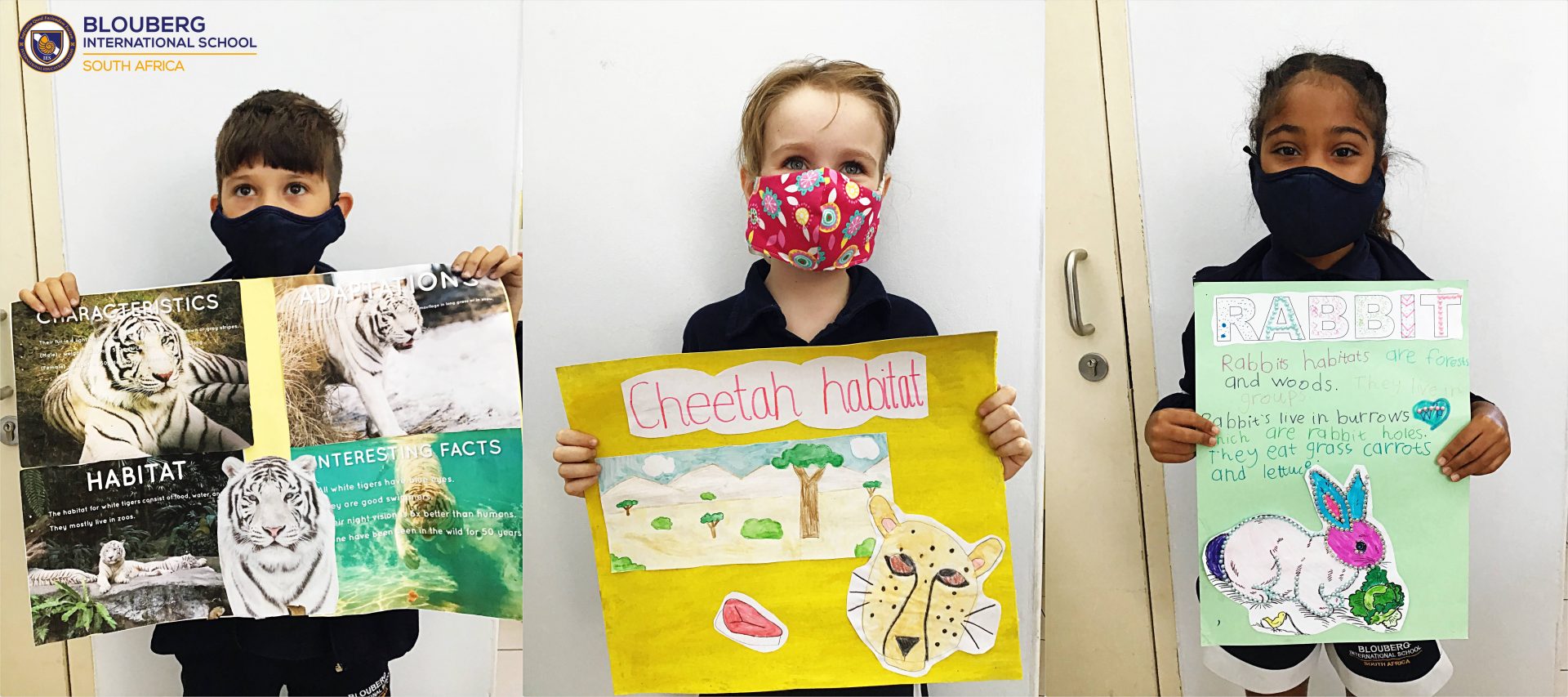
The Year 2 students have been learning many different facts about various animals and their habitats.
“The most important thing is to preserve the world we live in. Unless people understand and learn about our world, habitats, and animals, they won’t understand that if we don’t protect those habitats, we’ll eventually destroy ourselves.” – Jack Hanna
It is crucial that the Year 2 students learn about different habitats as they begin to understand the importance of both living and non-living things in a habitat. In learning this, students have learnt how plants and animals have adapted in order to thrive where they live. They have learnt that without the different habitats, we would not exist, therefore it is important for us to protect and appreciate the different habitats on Earth.
“We don’t own the planet Earth; we belong to it. And we must share it with our wildlife.” – Steve Irwin
Some fun facts we learnt:
-Wolves are part of the dog family.
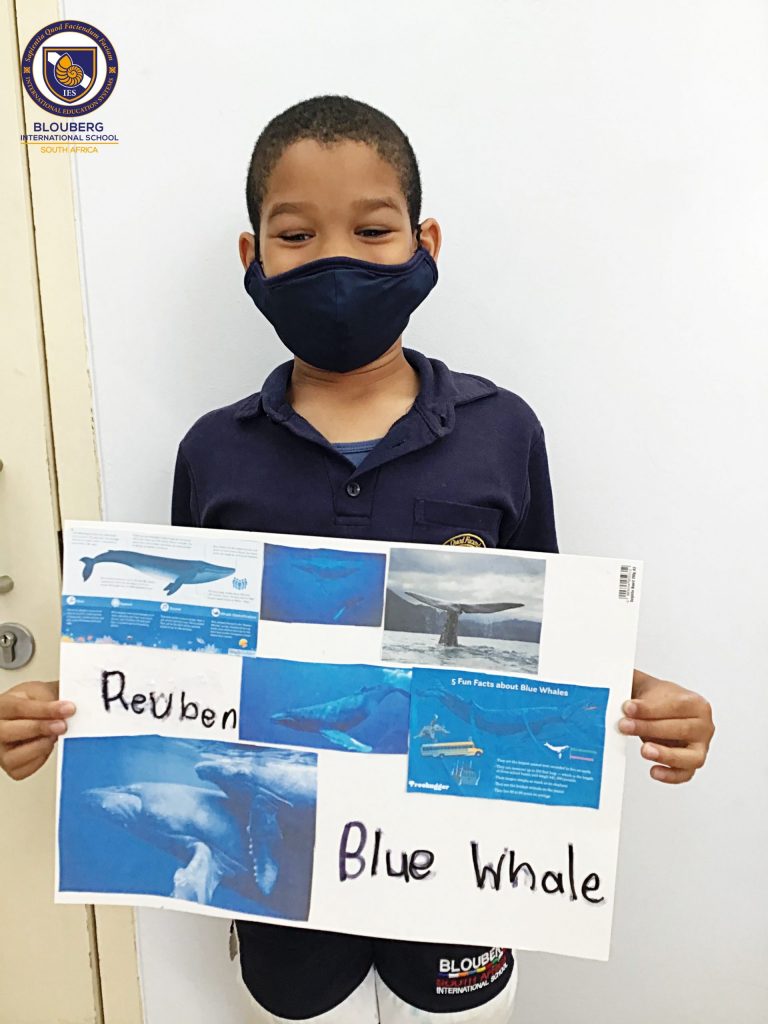
-The blue whale is much louder than a jet, which only reaches 140 decibels.
-Koala Bears choose their habitat by the group of food trees.
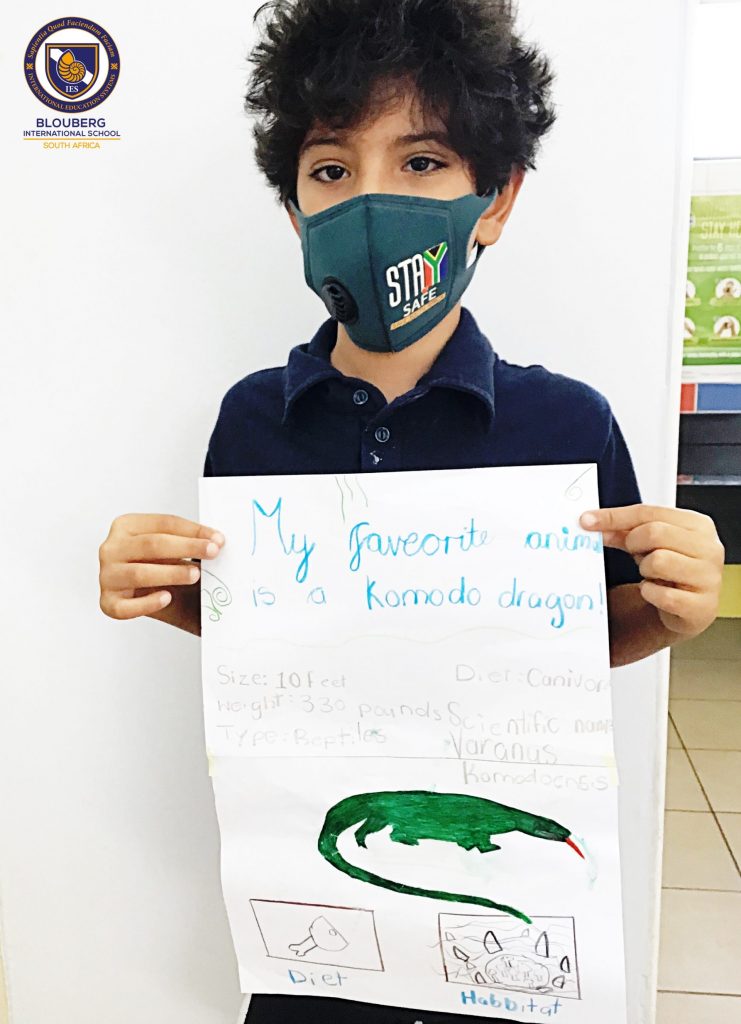
-The Komodo Dragon can weigh up to 150 kilograms.
-Camels have long eyelashes to protect their eyes from sand.
Erin Hierse
Year 2 Teacher


New Techniques In Art
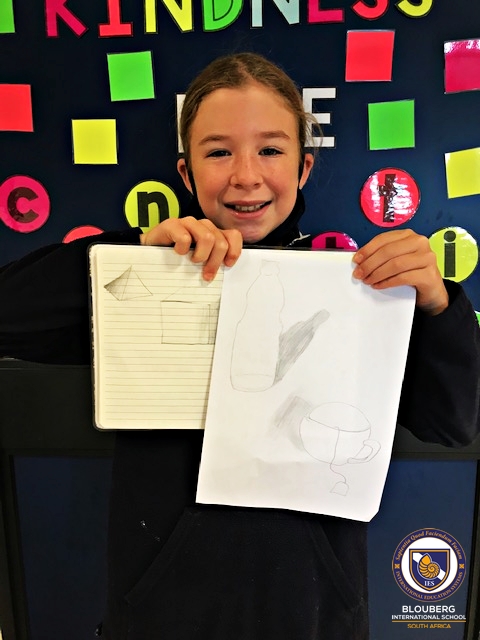
The past two weeks the Year 6 students have been learning how to shade and add depth to their Art. They started off creating their own value scales. Value scales consist of values ranging from white to black with several shades of gray between. These shades of gray help to create the illusion of depth and tone. Once completing their very own value scales, the Year 6’s went on to shade 3D shapes and add depth to their pictures using cross hatching, smooth shading and stippling.
Finally, they had to find a real life object, place it in front of them and draw what they saw, including all the shadows that fell on the object. The Year 6’s really impressed us with their art skills and followed the different techniques perfectly.
We look forward to seeing what they come up with in future art pieces.
Brittney Hakime
Year 6 Teacher



Learning More About Shapes
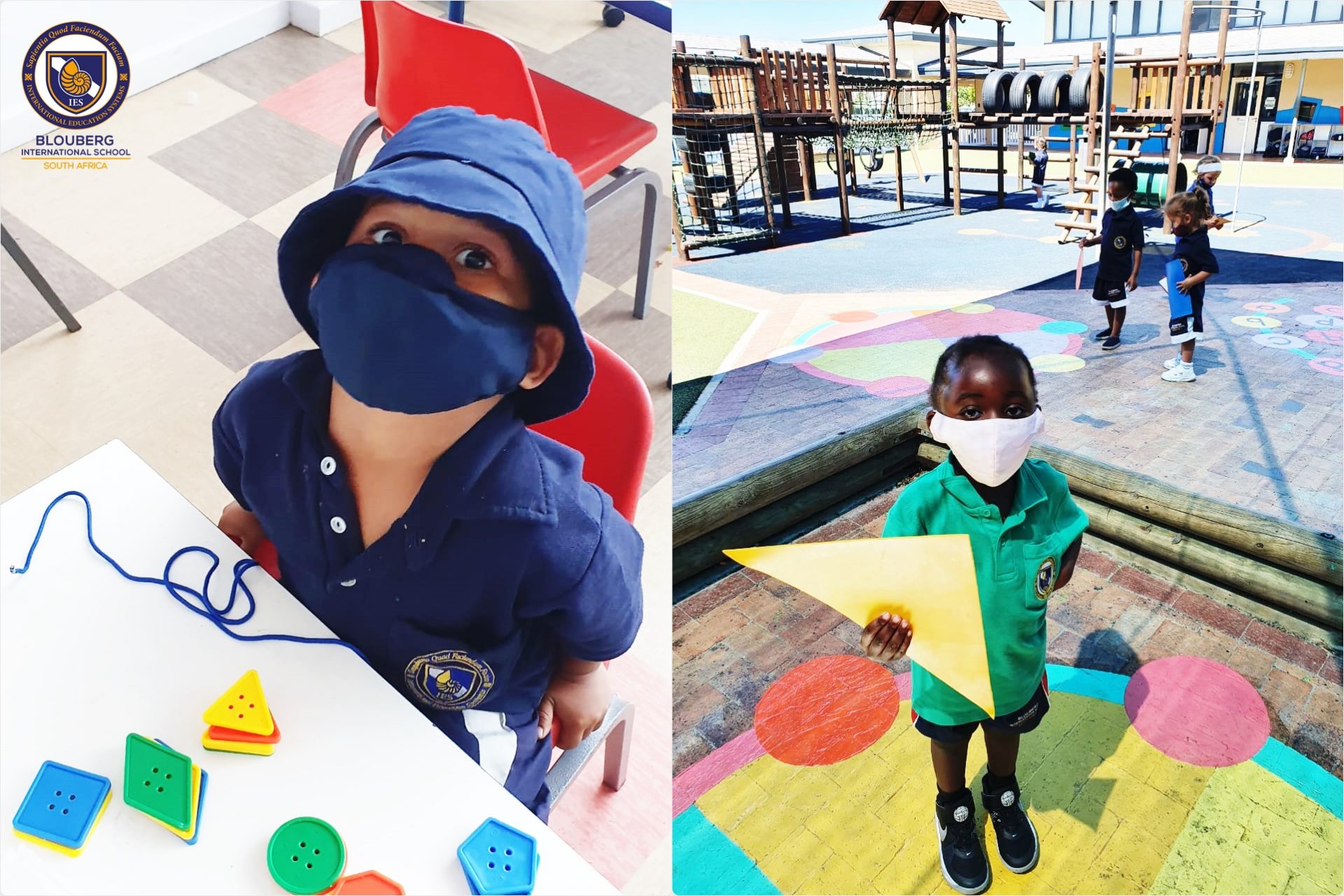
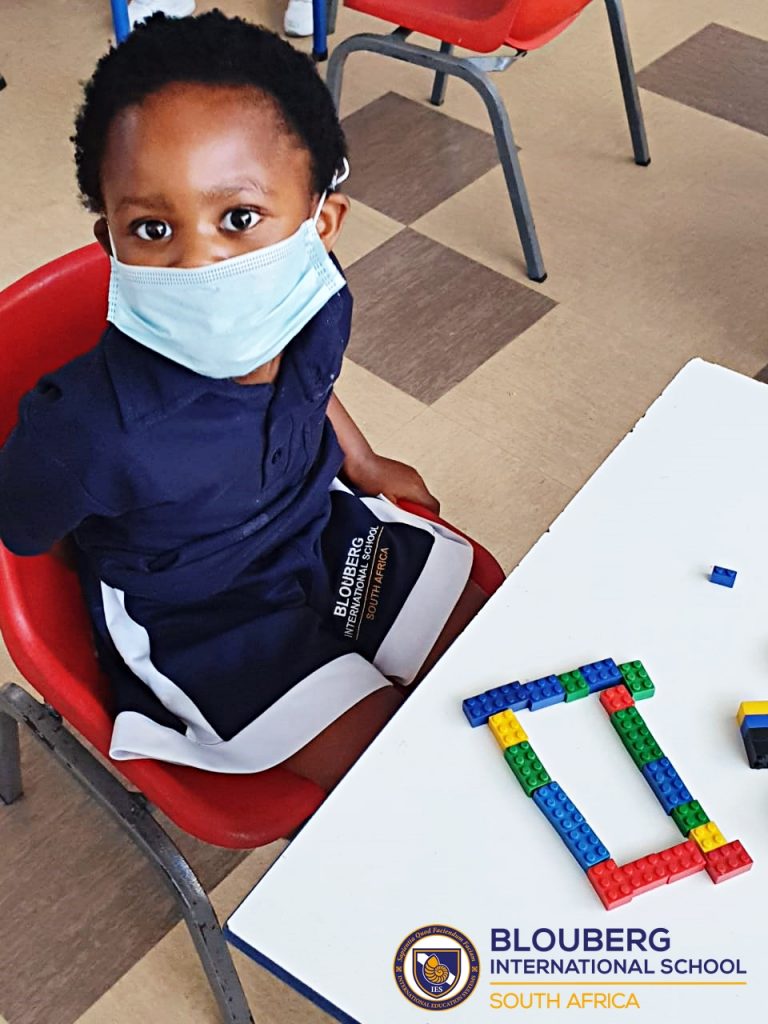
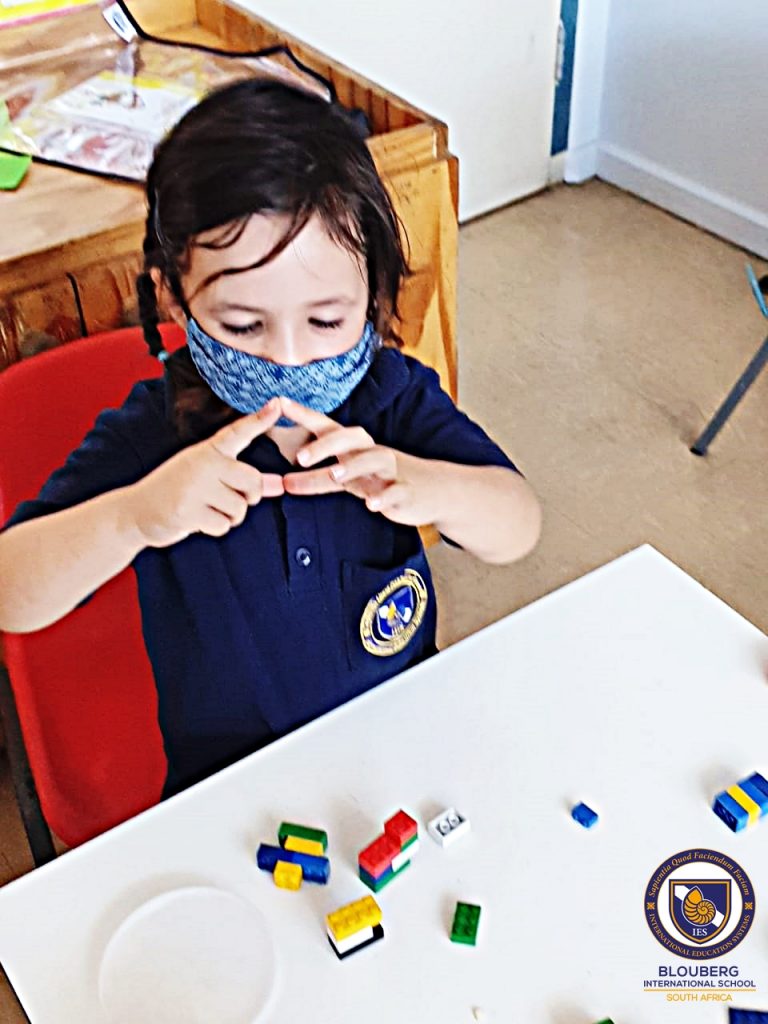
We have been learning about making and recognising basic shapes in Pre-Reception. The students had the opportunity to create and explore with shapes to learn what shapes look like and how to make them
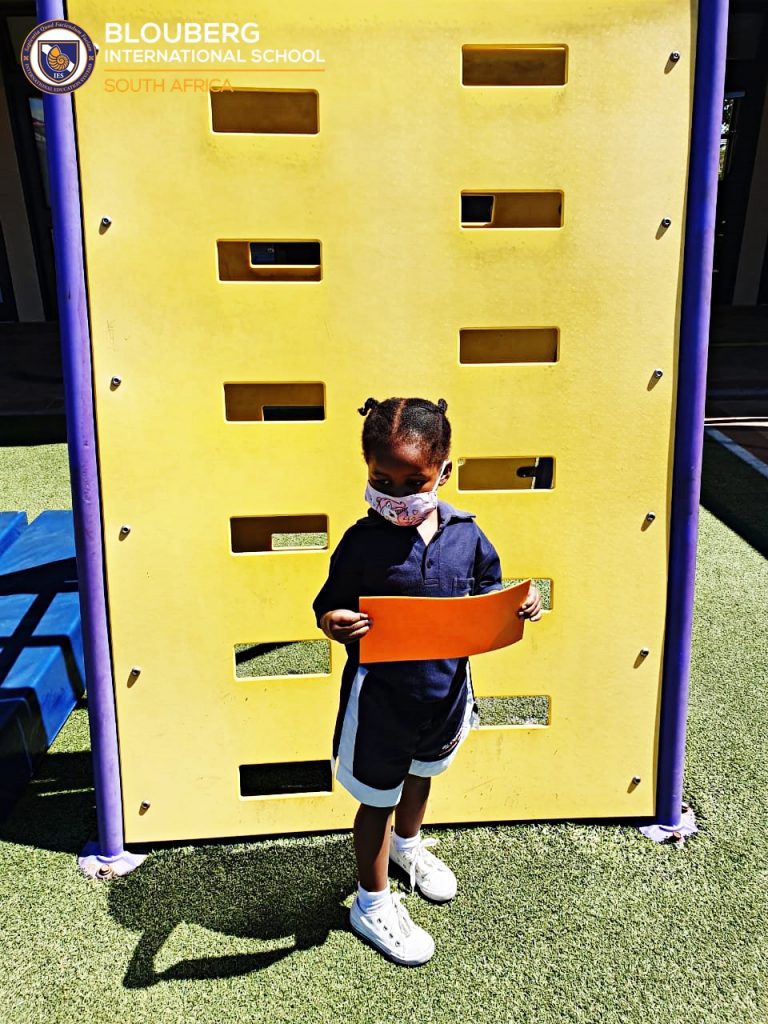
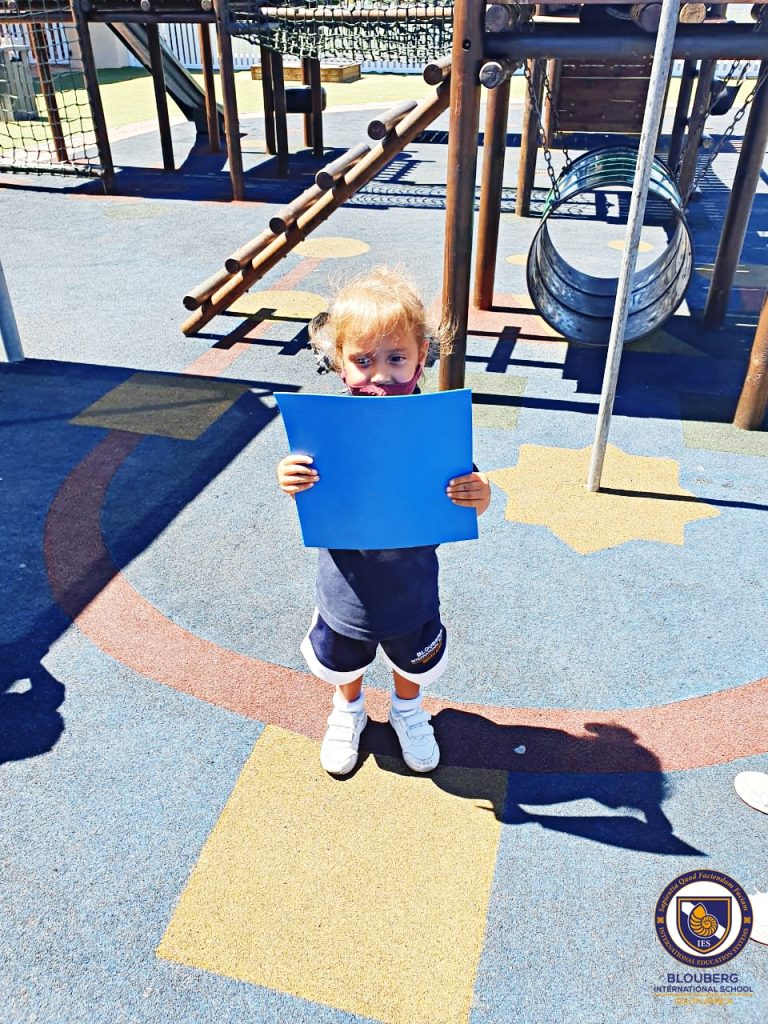
We went on a shape treasure hunt in our playground. The students had to match their given shape with the shapes of the hopscotch and other games on the playground.
In the classroom we used Lego blocks, beads, play dough and match sticks to make different shapes. We also practised drawing shapes and cutting them out. We made even a square man during arts and craft time.
The students will continue to observe shapes in every activity they do and every book they read. Shapes are everywhere and fun to explore throughout the year.
Martie van Dyk
Pre-Reception Teacher

What The IGCSE’s Taught Me
Our top achiever in the 2020 IGCSE’s recounts her experience and shares some advice with future candidates:
“A famous author once wrote “People say nothing is impossible, but I do nothing every day.” That author was Alan Alexander Milne, the creator of the “Bear of Very Little Brain”. A bear who would sit around all day, doing absolutely nothing but he enjoyed every second of it. So, if there was one thing I learned in the 2-year course that is IGCSE, it was that I needed to relax more, to take everything in my stride and to not worry so much about the little things. To take everything step-by-step, day-by-day, and before you know it, you’ll be running.
I remember in Year 9, when the concept of IGCSE was first introduced, everything became overwhelming. I found it tremendously difficult in the beginning. At first, I wasn’t able to grasp most of the concepts for certain subjects and I was very confused most of the time. I’d never say anything though because no-one in my class ever seemed like they were having trouble, so I assumed it was just me struggling. Thankfully I had my friends, parents and teachers to tell me otherwise. My previous idea of studying consisted of working all day at school, then coming home and doing the same thing. It took a lot to make me realise that this wasn’t going to work for me anymore.
So, by Year 10, I changed the way I studied. I stopped studying for long hours on end and began working for shorter periods of time with a little too many breaks. I found that I study better when I’m relaxed and not putting any pressure on myself. I study consistently through the year and study in moderation. In class, I told myself that I was going to start asking as many questions as it took for me to understand because understanding a concept makes remembering it easier. I’d try to make notes for my subjects in a separate book, to make them clear and orderly on paper hoping it would appear that way in head as well. I found the use of different highlighter colours made certain sections of information easier to recall during an exam because it had a colour associated to it. I tried my best in class to understand the concept first before I made notes on it so that when I did, all I had to do was solidify the ideas onto paper. My dad would make fun of my highlighters saying , “At school all I had was a pen, one that wrote if I was lucky.” But I’d like to think that it was the highlighters and the stacks of cue cards with equations that helped me retain the information better. I realised it was also very important to take care of myself first before my schoolwork, through staying healthy and remembering that school is not all there is to focus on. For me , staying relaxed, calm and enjoying my childhood would be my top priority. Getting all A’s was unexpected , my goal is simply to do the best I can.
“The forest through the trees” is something my parents would have me repeat to myself. It reminded me to look at the bigger picture and focus on the important things. Stressing about the small tests and assignments wasn’t going to do anything except burn me out before the race was even over.
My advice to other students would be: “Start where you are. Use what you have. Do what you can.” – Arthur Ashe “
Rifqah Price,
Year 11 Student
Blouberg International School

Rifqah Price, Blouberg International’s Top IGCSE Student 2020
The Duke Of Edinburgh’s Iinternational Award At Blouberg International School
Blouberg International School is working with The President’s Award for Youth Empowerment (TPA) to offer our learners new ways to broaden their curriculum. TPA delivers The Duke of Edinburgh’s International Award in South Africa, and both our organisations believe that learning should not be confined to the classroom but should also take place in the school environment and wider community.
Blouberg International School provides students with an opportunity to develop soft skills such as leadership, teamwork, and confidence. We are working together to develop confident, responsible, reflective, innovative, and engaged learners and create opportunities for young people to develop skills, get physically active, serve their local community and experience adventure. By offering the Award as non-formal education alongside the academic Cambridge programmes, we are able to provide students with a holistic education.
The President’s Award for Youth Empowerment (TPA) is affiliated to The Duke of Edinburgh’s International Award for Young People and is a full member of the International Award Foundation which oversees the Award Programme in over 130 countries globally, with 18 of these being in Africa, and over 1.3million active participants internationally. TPA is a registered non-profit organisation (004-920NPO) with Public Benefit Organisation status, registered with SARS (PBO#930001329).
TPA motivates young people to develop character, discover their purpose and determine their future to contribute towards building a great South Africa. The Award Programme targets 14–24-year-olds across the socio-economic spectrum, from public and private schools, children’s homes, correctional services centres, universities, etc.
There are more than 100 ISASA affiliated schools implementing the Award Programme nationally.
On the Programme, there are three levels: Bronze, Silver and Gold. Within those levels there are four sections:
1. Skills Development.
2. Physical Recreation.
3. Service to the Community and
4. an Adventurous Journey.
With guidance from volunteer adult Award Leaders, each young person builds confidence by reflecting upon their interests, abilities, and ambitions to set themselves challenges. Youth Participants progress at their own pace through the three Award levels; however, each level has minimum requirements.
At completion of the Award, young people get an internationally recognised certificate that bares the signatures of His Royal Highness the Duke of Edinburgh, Prince Philip, and President Cyril Ramaphosa. The certificates are recognised by employers and universities worldwide.
The Programme was founded in South Africa in 1983 under the banner of the Gold Shield Award, with Dr Ian Player, as the first Chairman. In 1994 the organisation was re-launched as The President’s Award for Youth Empowerment with Mr. Nelson Mandela as its Patron-in-Chief.
Once the individual is registered, participants manage their progress with the Online Record Book (ORB) application.
The Online Record Book (ORB) is an easy-to-use online system in which Participants can record their activities and achievements. Participants can set up activities, record their efforts, upload evidence, and submit assessor reports. Award Leaders can monitor progress behind the scenes and help if required.
For more information about The President’s Award (TPA) email Mr. Riaan Vosloo, email: riaan.vosloo@iesmail.com. You can also visit the official website of TPA: www.presidentsaward.co.za
Ms. Caroline Grix and Mr. Riaan Vosloo are the registered President’s Award Leaders at Blouberg International School:
Ms. Grix: caroline.grix@iesmail.com
Mr. Vosloo: riaan.vosloo@iesmail.com
Hello Year 1’s And BIS Students!
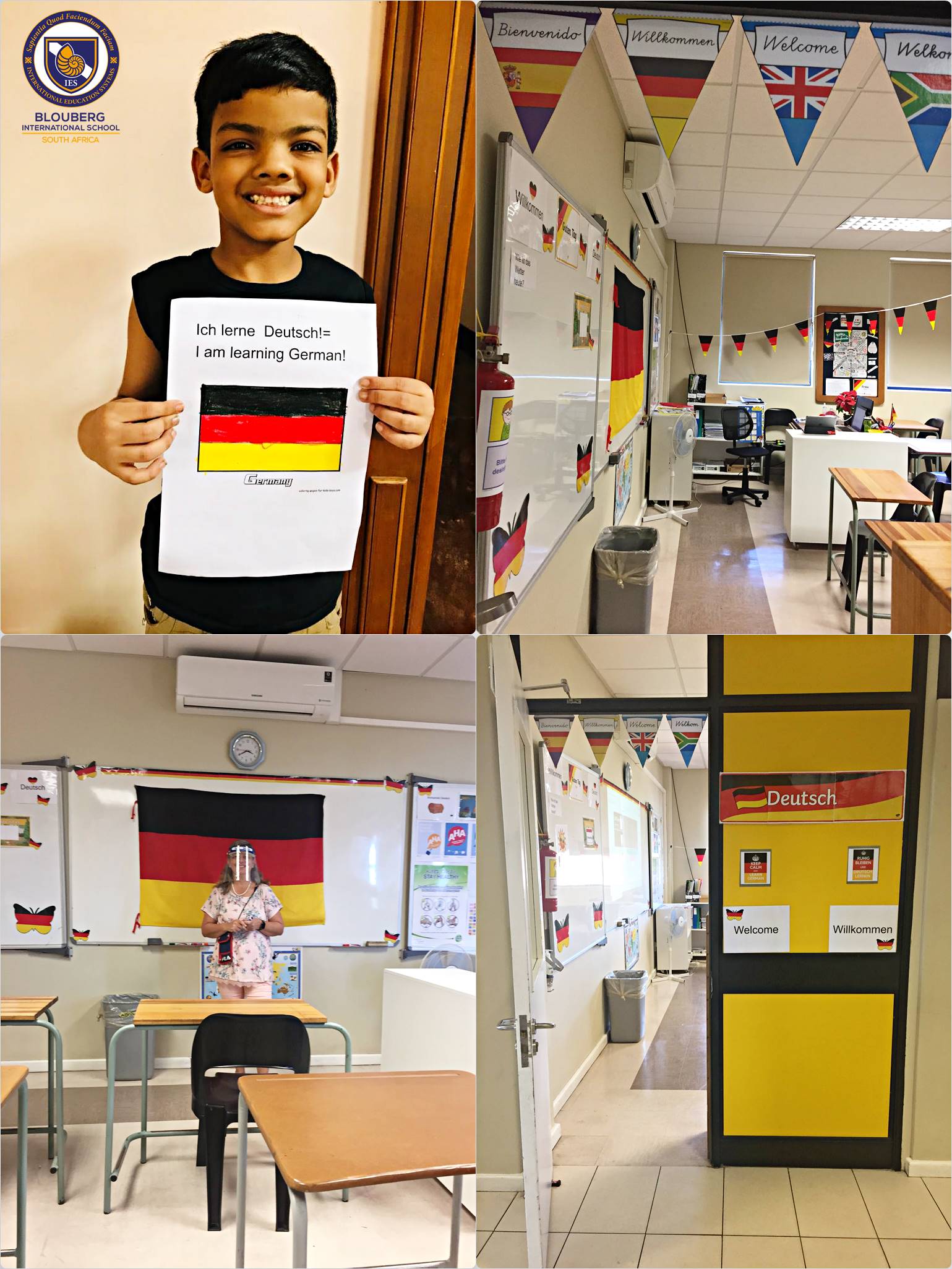
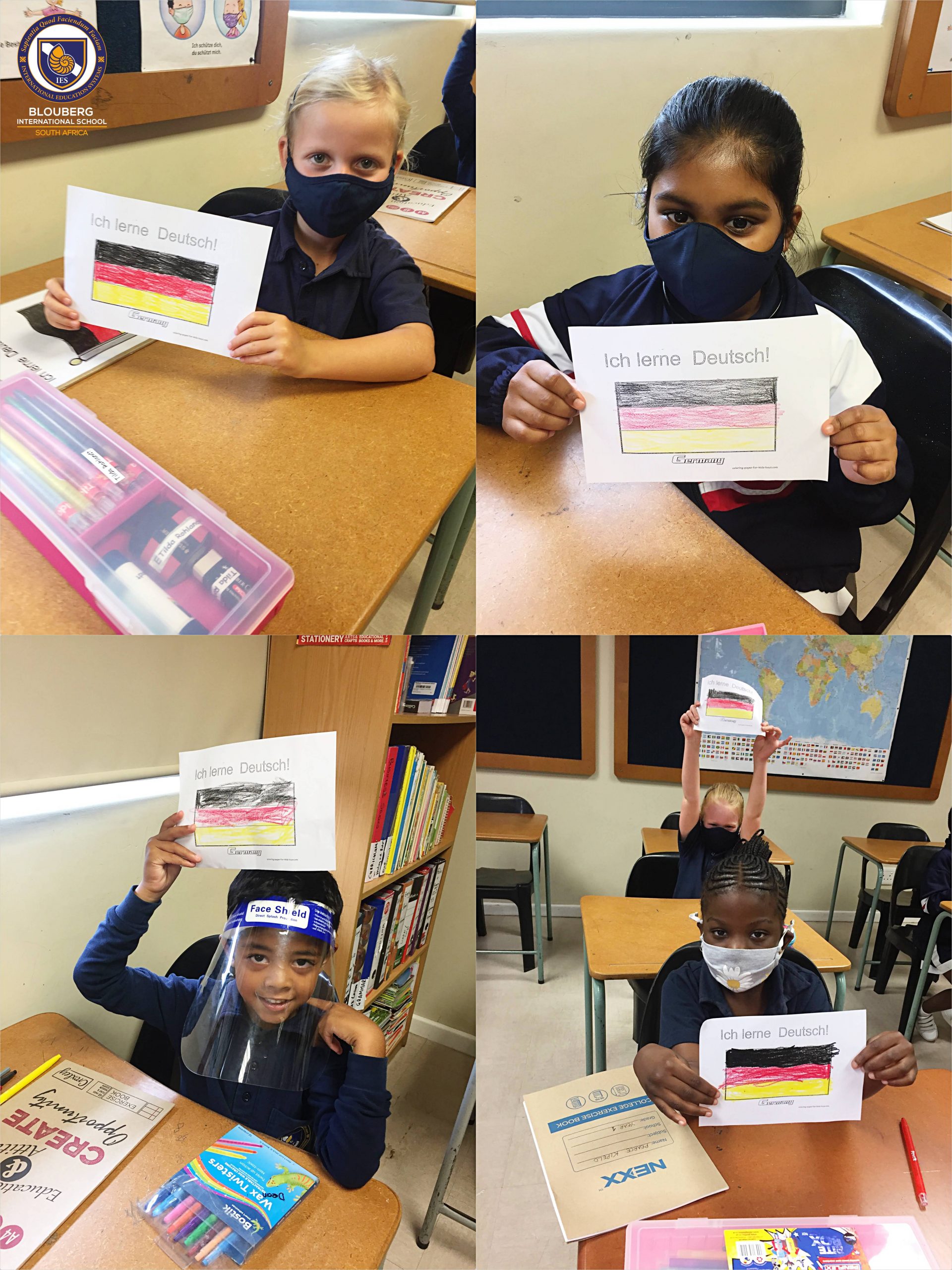
Ich lerne Deutsch! = I am learning German!
In Year 1, the students start the subject German as a foreign language.
Friday (15th January), the Year 1 classes were welcomed to my classroom for their first German lesson.
They found out that the country is called Germany (Deutschland) and that they speak the language German (Deutsch).
They were introduced to the German flag with the simple colours of black, red and yellow and soon realised that my classroom is decorated with those 3 colours. Each student then received a German flag to colour in and take home.
They also learnt to say Hello (Hallo) in German and that I am Frau Pani (Mrs. Pani).
We ended the lesson with a simple goodbye (tschüss) that sounds just like ‘juice’ in English.
Well done Year 1, your pictures of the German flag look great!
Looking forward to teaching you German.
Bye! Tschüss!
Frau Kerstin Pani
German Teacher Primary School


Choose Happiness!
The start of the new school year has been a whirlwind of events and emotions. Students got the opportunity to meet their new teacher and classmates. Just as we had all settled in, we had to convert to learning online for a week…
One thing is for certain: our principal, staff, parents and students have all shown great adaptability, patience and understanding this past week.
It was wonderful to see that all my students were joining each and every lesson. Their enthusiasm and energy to keep learning, despite the various challenges, is absolutely amazing to experience. The thing that really sticks out to me is seeing their beautiful, bright smiling faces every single lesson. Even though we have been thrown a curveball and had to learn online for the week, they are still happy and eager to participate in lessons and share their answers and ideas.
Change is never easy and we will have to deal with unexpected changes and challenges throughout our lives. It is, however, up to us how we choose to navigate through those challenges.
“Happiness is a choice, not a result. Nothing will make you happy until you choose to be happy. Your happiness will not come to you. It can only come from you.” – Ralph Marston
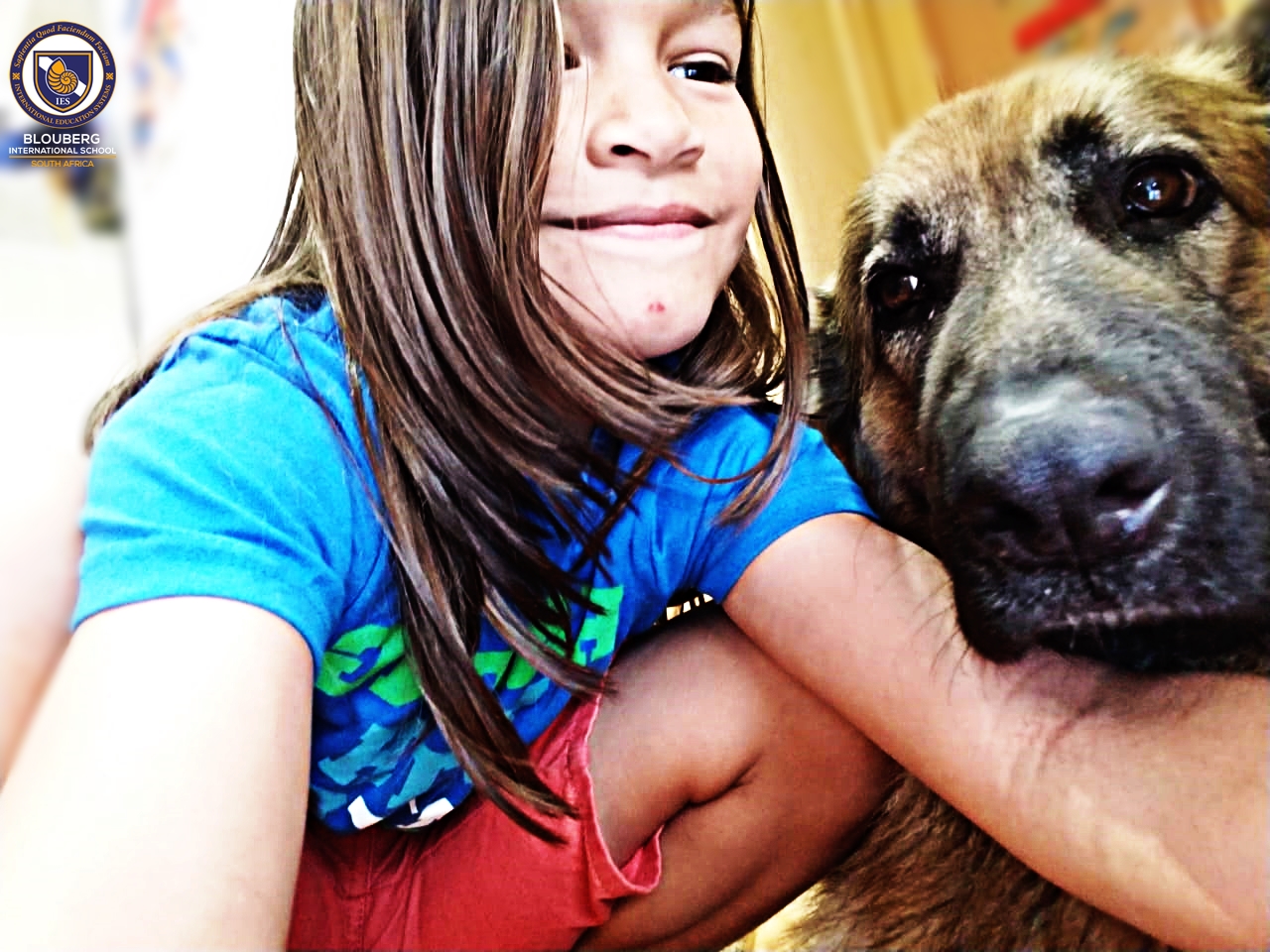
Have a look at the beautiful photos the students shared of things that make them happy.
Do yourself a favour and choose happiness.
Ria du Plessis
Year 4 Teacher


Learning New Skills
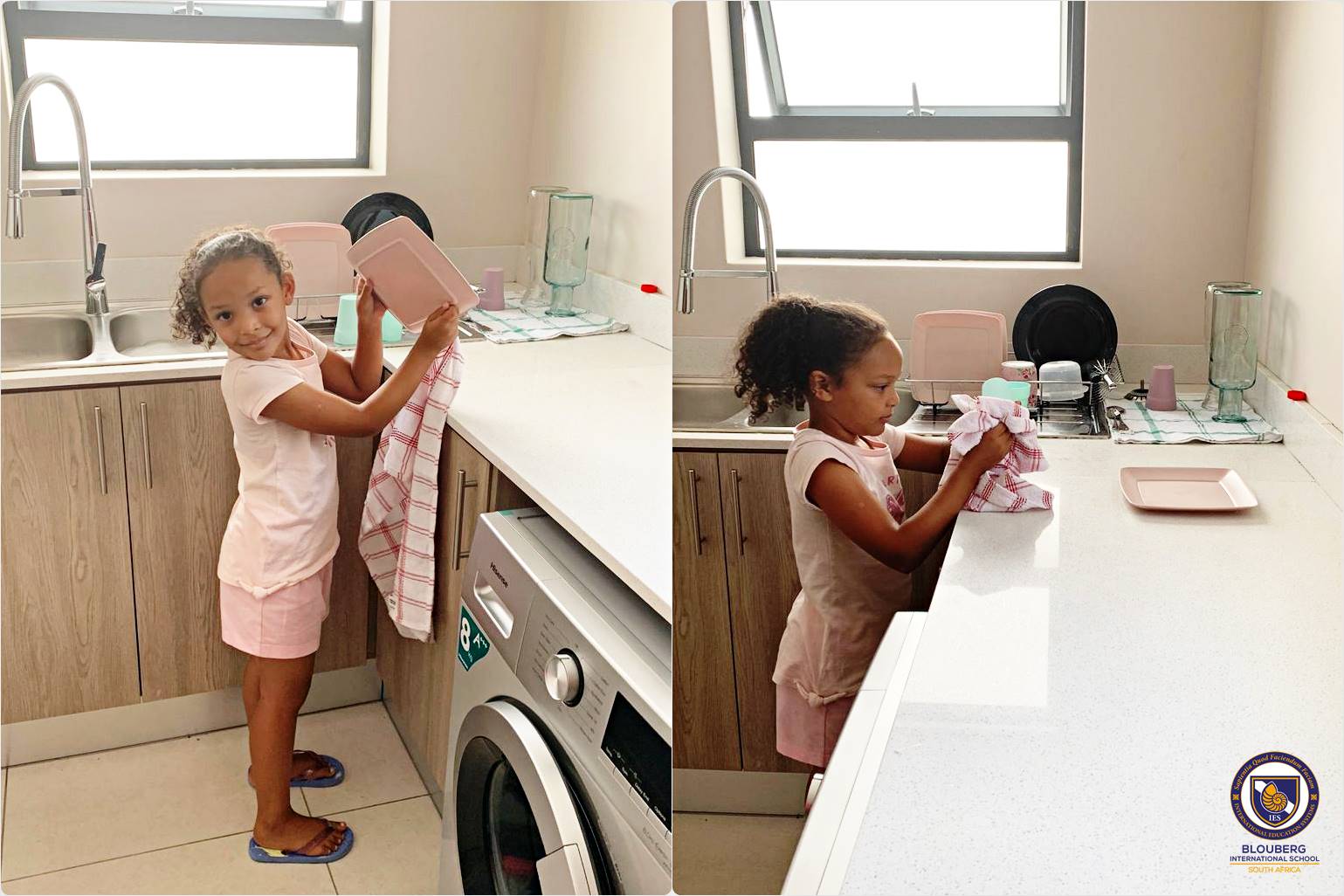
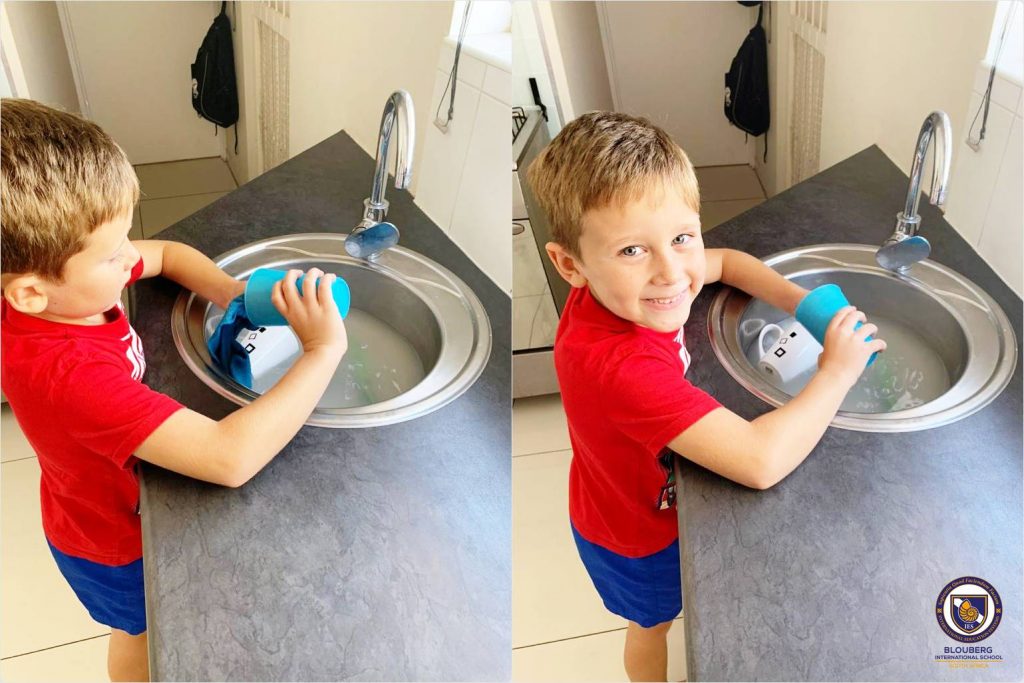
In Year 1, we are teaching our students to become independent and responsible. They are learning to do things for themselves, which are very important skills for children to learn and carry into their adulthood. It may feel like you are taking a risk at first, allowing them to feed the dog, or pour their own drink, but without taking a risk, we are not allowing our children to try and master new skills.
When independence grows a child’s confidence also grows. As they master new skills or take on some responsibility, they begin to see themselves as being capable. This gives them added confidence and makes them more likely to try out new things.
Life is full of choices, and learning how to make good decisions is crucial. You can help your child by giving simple choices early on. You might ask them which game they would like to play or which friend they would like to invite over. Go on give it a try…
Charlotte Cronje
Year 1 Teacher

The Importance Of Growing Up In Reception Year
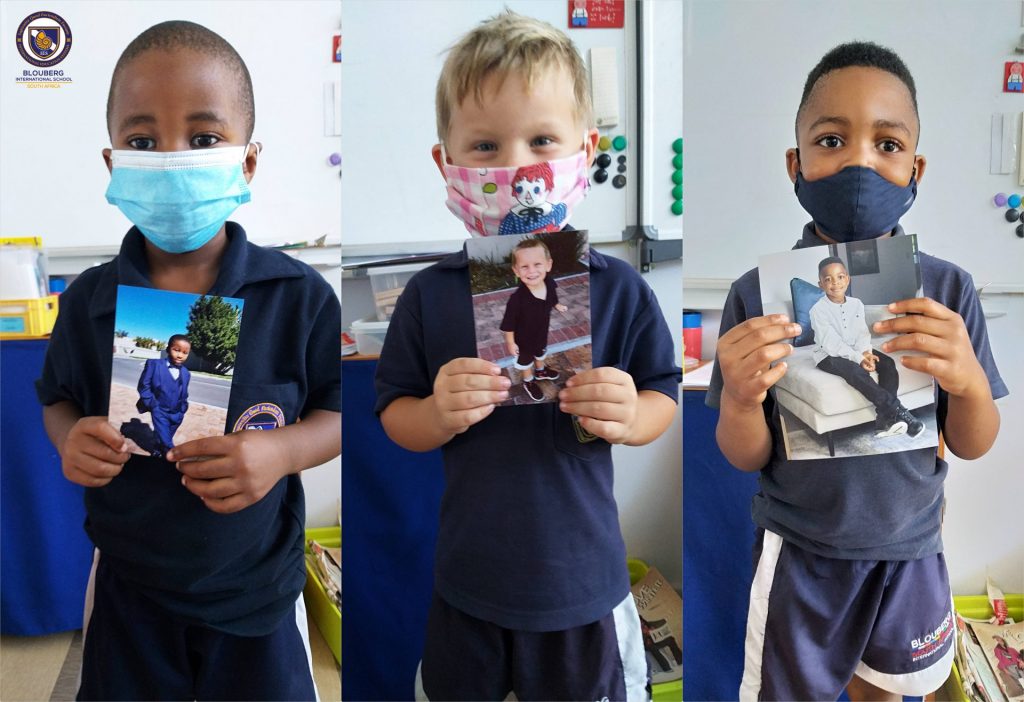
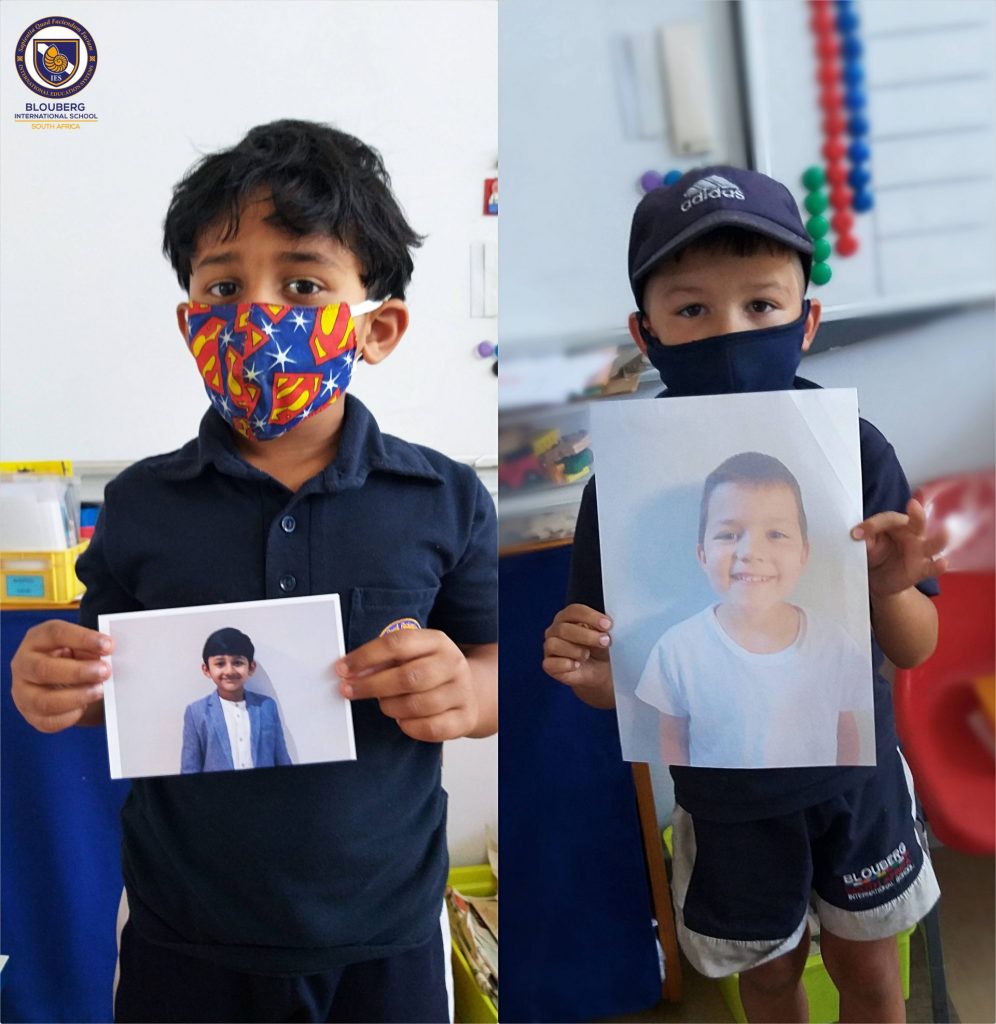
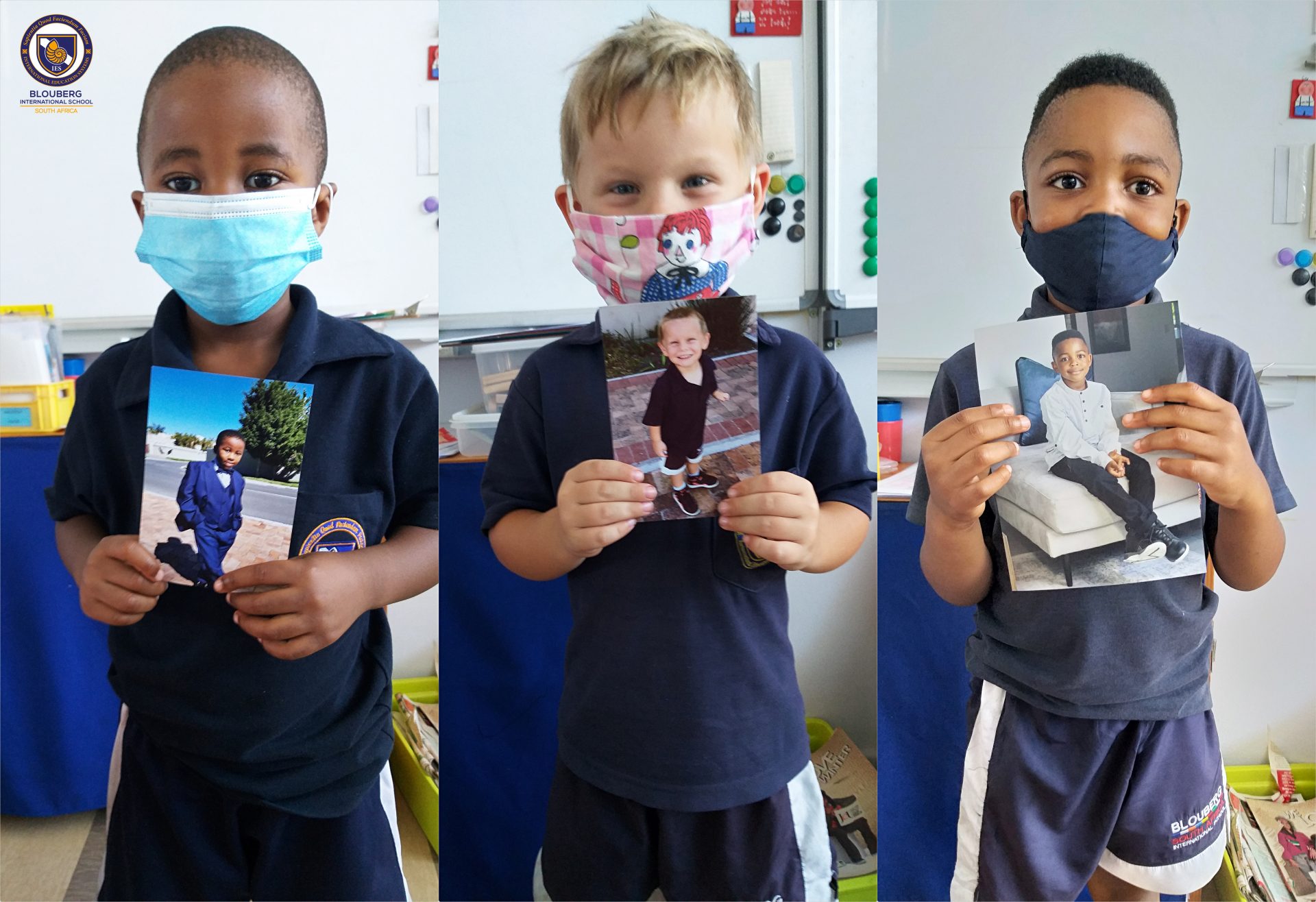
Last week the students brought in photographs of themselves and to introduce themselves to the class. Some of the children had photographs of when they were a bit younger. It was a reminder of how quickly they grow and that Reception Year is such an important year of growth for a young child. It is a year where they gain so many new developmental skills. Children also need to mature and develop independence so that they are ready for big school in Year 1.
So how do parents develop independence in their children? Here is some advice:
- Routine: Setting consistent routines is important for building independence and confidence.
- Rules: Set consistent rules in the home. Use a balance of positive reinforcement and consistent consequences that are followed through by all caregivers. Teach your child to take responsibility for their actions and make amends appropriately.
- Chores: Give your child chores to do at home. This helps them feel they are contributing in the family home, builds confidence and also teaches responsibility.
- Choice: Allow your child to choose. This gives a sense of freedom, and self- confidence. Too many options can sometimes be overwhelming, so limit the amount of choice when necessary.
- Free Play: Nurture free play and limit screen time. Children learn so much through free play. It helps them interact with the world around them and develop language skills. Play also helps develop fine motor and gross motor skills. It also helps them develop emotionally and socially.
- Problem Solving: Let your child solve problems: Don’t always give them all the answers and allow them to make mistakes.
- Don’t be too Overprotective: Don’t be too over protective or do too much for your child. Encourage your child to speak up for themselves in different situations and try not to answer for them. Doing too much for your child doesn’t allow them to try and do things on their own. This also reinforces that you can do things better, which hampers the development of independence and self-confidence
- Positivity: Lastly encourage a positive outlook in life. This teaches your child that they can choose joy, persevere and overcome in any situation.
Bronwen Nuthall
Reception Year Teacher
From the Principal’s Desk, 29th January 2021
Dear Parents
We have come to the end of another week which proved to be just as challenging for parents as for teachers. We are therefore grateful for your continued support of our school and educators.
A special mention is due to the PA members who assisted last Saturday morning in getting the students school supplies packed and organized for collection. These ladies were indispensable in having everything ready for collection during the rush on Saturday morning.
Your support and encouragement when collecting books was greatly appreciated. This is what makes Blouberg International a family and not just a school. A special thank you to Mrs. Izelle Williams, Mrs. Betsie Lott, Mrs. Nadine Romeikat, Mrs. Cheryl Muller and Mrs. Jaqueline De Wet. ‘Alone we can do so little, together we can do so much.’
Schooling for all year groups will resume on campus on Monday, 01 February 2021. Please remember that high school students are to use the gravel entrance and the primary school students, the main entrance. Siblings in different year groups may use the same entrance. Early care will be available from 07h00 and aftercare available till 18h00. Please remember to contact Mrs. Angelique Fraser on the aftercare line (064 625 9124) to arrange for collection of aftercare students.
It is important that you do not send any students to school who are showing any cold or flu symptoms. In the past, we have had to call parents to collect unwell students from school. To date we have been lucky not to have any reported positive cases amongst our students. Due diligence and adherence to protocols will allow us all to stay safe and well.
I wish you all a wonderful weekend. Stay safe and healthy.
Best regards
Edna
Read More