
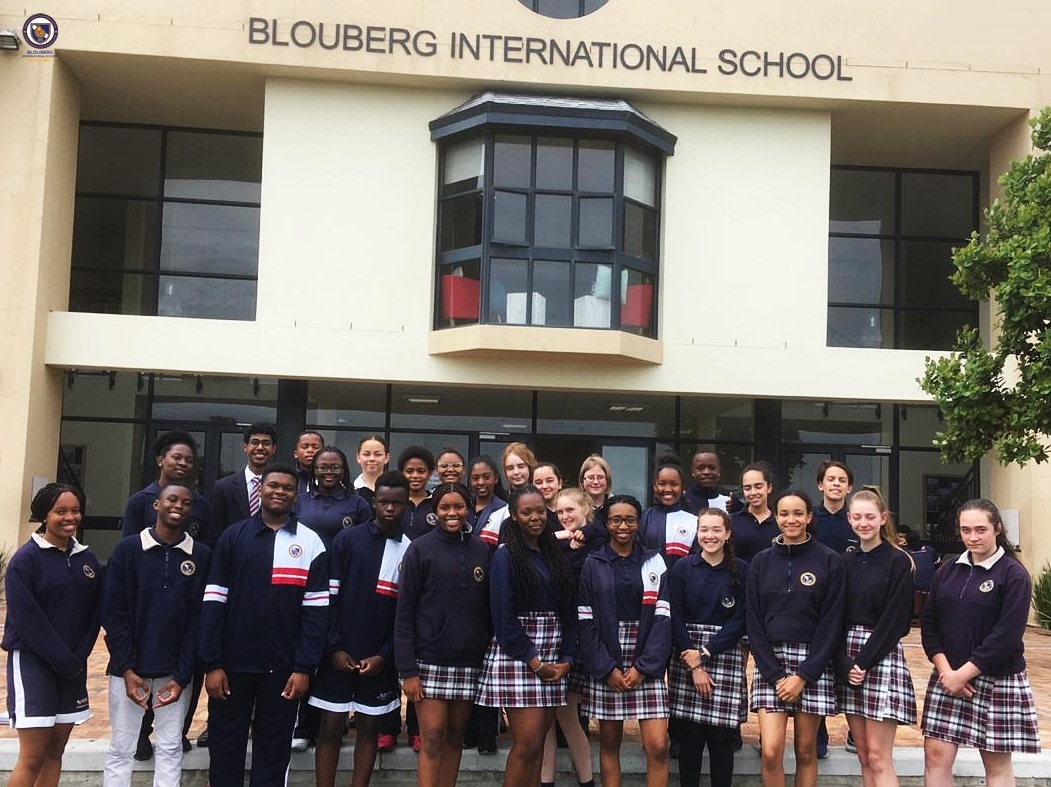
Theatre Of Dreams – Invitation To Perform At The Fugard Theatre
Both excitement and tension were high during the auditions held last week for Blouberg International’s production of Shakespeare’s dreamiest play, “A Midsummer Night’s Dream”. Though casting was challenging, as we have so many incredibly talented students, we are happy to announce our performers and crew members:
CAST “A Midsummer Night’s Dream”
EGEUS: Vincent Chamunorwa
HERMIA: Kazimla Dyakalashe
LYSANDER: Niklyn Pillay
DEMETRIUS: Mpumelelo Mgidi
THESEUS: Tyler Hanning
HIPPOLYTA: Altesse Cimbalanga
HELENA: Savana Tardieu
PHILOSTRATE: Chinonye Muoka
The Fairies – Inhabitants of the wood
OBERON: Jéan Marie Schoots
TITANIA: Azande Dube
PUCK aka Robin Goodfellow: Pontsho Gomba
PEACEBLOSSOM; Shannon Gill
COBWEB, Cheyenne Kyle
MOTH, Caitlyn Brandt
MUSTARDSEED: Jianicia Meintjies
FAIRIE: Lisa Tuwe
FAIRIE: Courtneigh Harris
FAIRIE: Jessica Smith
The Rude Mechanicals – Actors
PETER QUINCE: Philade Luthango
NICK BOTTOM: Landelwa Maqanda
FRANCIS FLUTE: Vallarie Fodson
ROBIN STARVELING: Athena Thomas
TOM SNOUT: Siobhan Smorenburg
SNUG: Taylor Anne Galheto
The Backstage Crew
Daniel Marriage
Zhenni Lu
Rifqah Price
Ayanda Gumede
Gift Ike
Ben Cimbalanga
Ethan Cawcutt
Caden Leonard
This production is a fantastic occasion for BIS students to gain exposure on a professional stage, as it will form a part of the Shakespeare School’s Festival held in March 2020 at Cape Town’s historical Fugard Theatre.
There will also be an opportunity for two students to train with media and publicity professionals before they represent our production and run the PR process within our school and the community.
We look forward to preparations with our wonderful cast!
For more information on the Shakespeare School’s Festival, visit www.ssfsa.co.za
Mr Riaan Vosloo and Miss G Kerswill
High School Teachers
Year 3 Are “Walking Like Egyptians!”
♫ All the kids in the marketplace say
Ay oh whey oh, ay oh whey oh
Walk like an Egyptian ♫
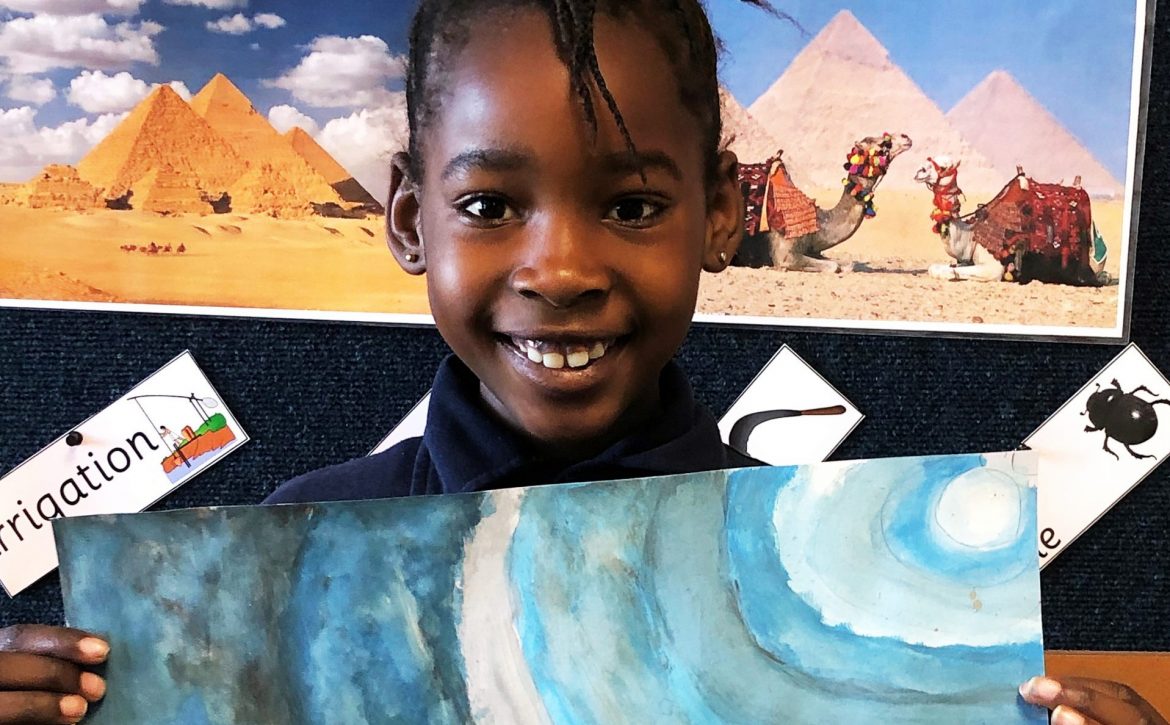
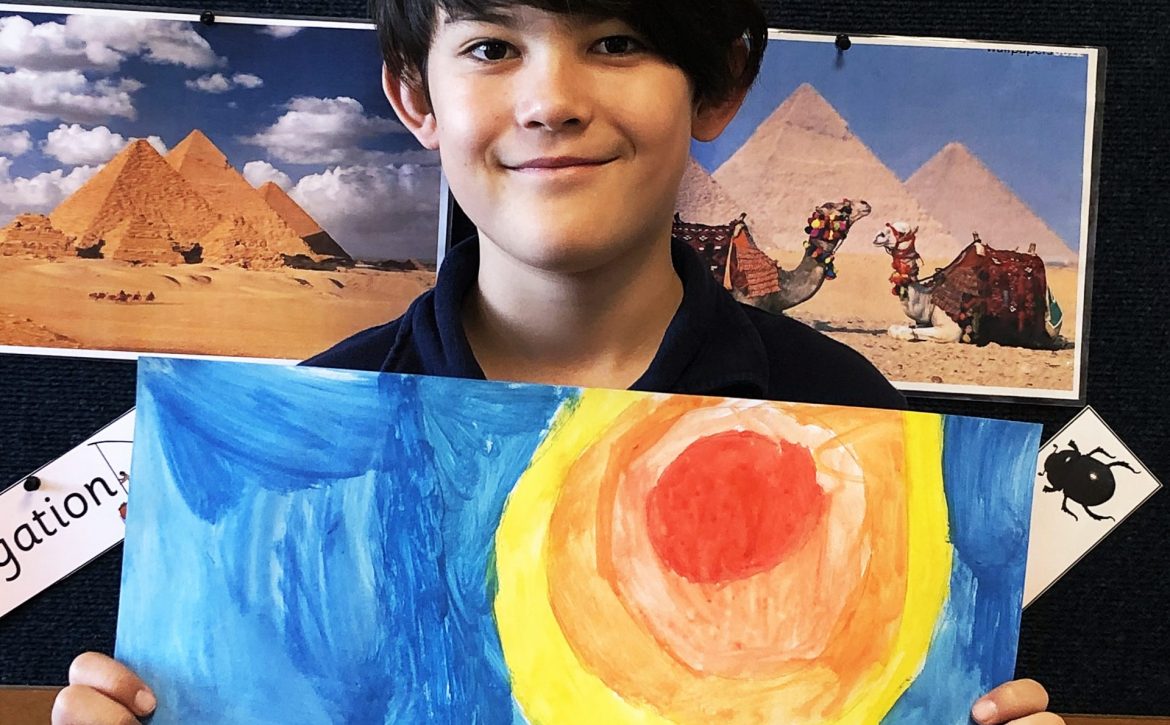
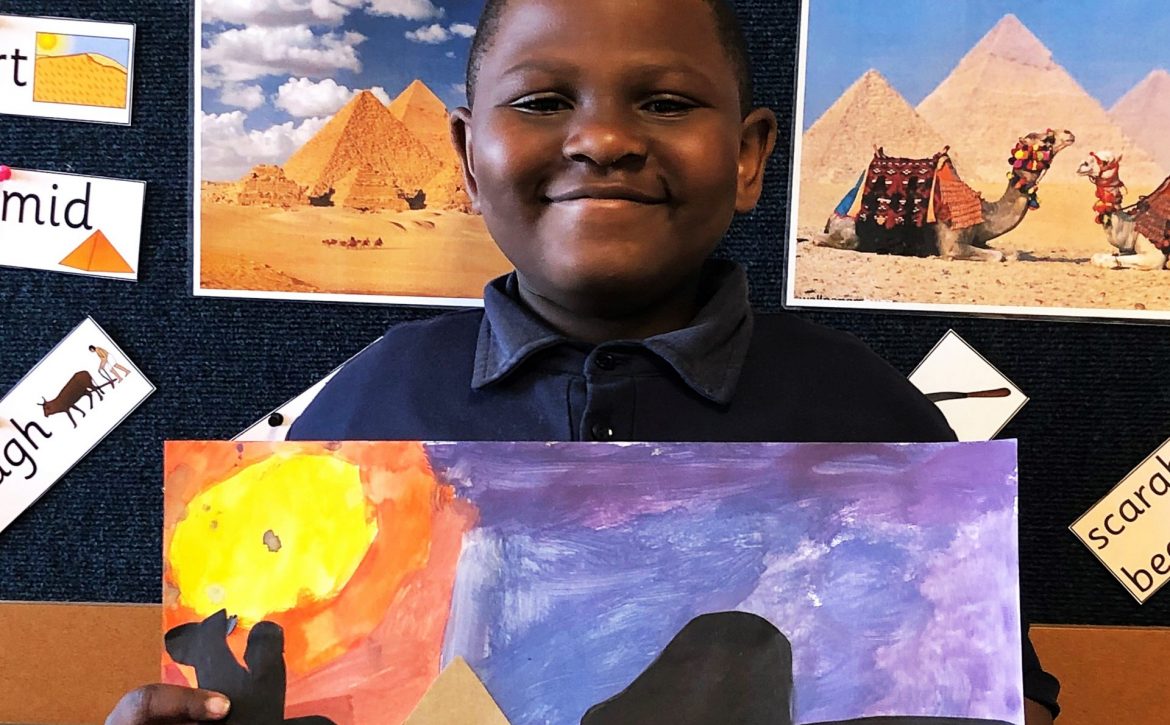
Calling all pharaohs, slaves, gods, goddesses, farmers and mummies! This term Year 3 are learning all about Ancient Egypt. Our students are delving into pyramids, exploring royal tombs, writing hieroglyphs and discovering the various roles and rights of Egyptian society.
During Art this week, students created a typical Egyptian landscape using pencil drawings, paper cuttings and water paints. Their task was to design an Egyptian landscape silhouette using various art media to showcase ancient symbols and landmarks. The students tackled the task with much gusto and thoroughly enjoyed creating the moon-like backdrop firstly, with pencil drawings and then water paints. They learnt to mix various shades and tones and to blend the colours to create a rainbow-like effect before they pasted on their pyramids, camels and sphinx cutouts.
Well done Year 3’s! Your artwork looks awesome and you have a very proud teacher!
Mandy Goch
Year 3 Teacher

From the Principal’s Desk, 24 October 2019
Dear Parents
This week I received several emails from parents expressing their excitement after seeing students practicing for athletics in the mornings. It is indeed an awesome sight to see both Key stage 2 and the high school preparing themselves for the upcoming sports events. Their display of hard work and dedication goes a long way in building school spirit and a sense of community amongst the students.
Saturday, the 9th of November, is a Sports Day for the Foundation Stage and Key Stage 1 students and we look forward to cheering on our little athletes. Throughout the key stages, our teachers are encouraging students, as per school policy, to ensure they are doing at least one winter and one summer sport every term.
“If we did all the things, we are capable of doing, we would literally astound ourselves.” – Thomas Edison.
If we want to live a successful life, we must take complete responsibility for everything we experience. This week I have been particularly mindful of responsibility and the potential greatness we can achieve if we take responsibility for both our physical and mental well-being. The key to success in every aspect of our lives lies within us. Challenging though it may be, taking responsibility for the aspects of our lives within our control, does bring peace of mind.
A couple of weeks ago, our Year 10 and 12 students began their final AS and IGCSE examinations. It was moving to see a group of students the other day, gather and pray before entering the examination venue. I was impressed by their calm and the mindset with which they faced the examination.
The school’s management team is actively planning for 2020 and we are excited to see the growth in our class numbers. An additional Year 5 class will open in 2020 as we strive to keep our classes small, allowing our teachers to give personal attention to their students.
My goal for the week ahead is inspired by Dale Carnegie.
“If you want to be happy, set a goal that commands your thoughts, liberates your energy, and inspires your hopes.”
I wish you all a wonderful weekend ahead.
Kind regards
Edna
Holistic Approach To Mathematics As A Discipline & Subject
- types of problems it addresses
- methods it uses to address these problems
- the results it has achieved
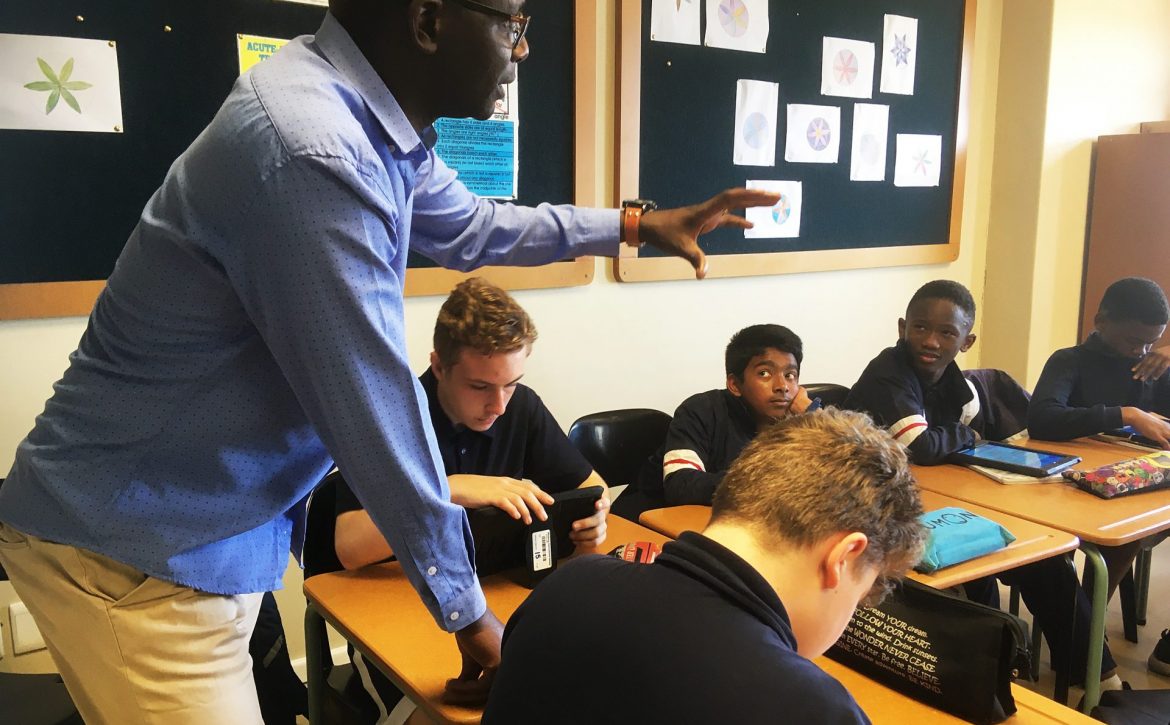
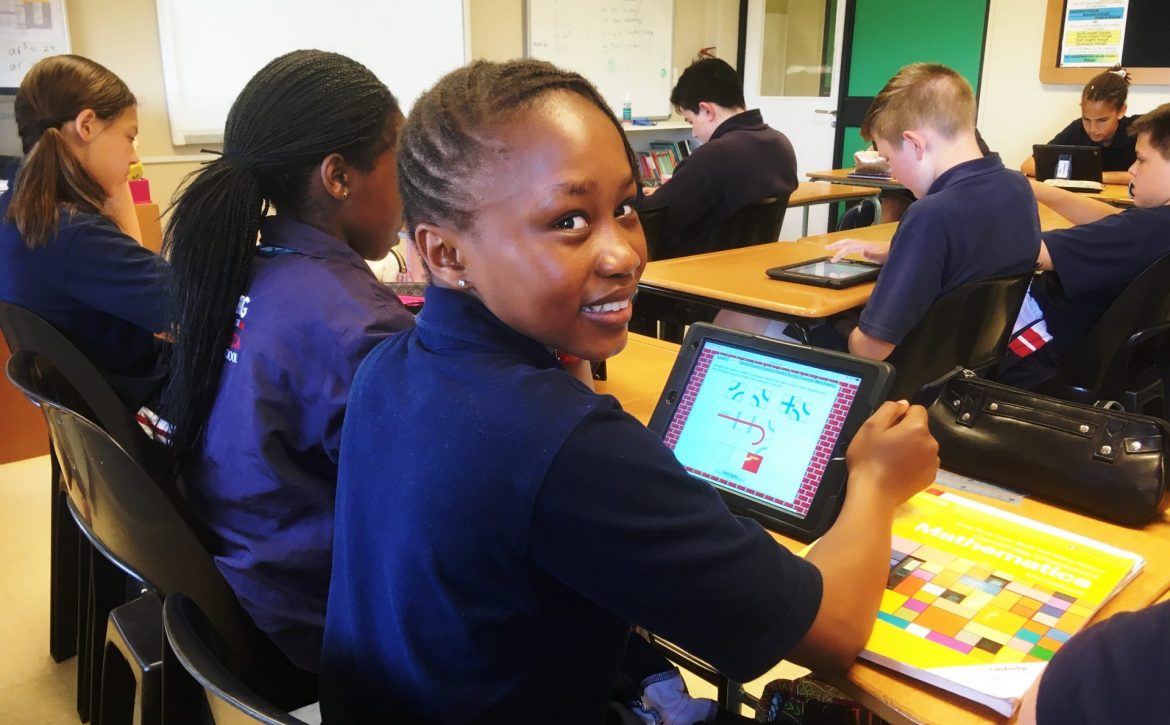
Mathematics relies on both logic and creativity, and it is pursued both for a variety of practical purposes and for its intrinsic interest. Primary and Secondary Mathematics however should focus on a holistic definition encompassing all facets of the subject as a discipline. I would like to explore, again another category generally believed to address Mathematics in its totality:
Mathematics as the prime human endeavor
We teach Reception and all Primary measurement of time for example, years, months, weeks, days, hours. We also teach distance measurement that developed throughout the world. For some people, the essence of mathematics lies in its beauty and its intellectual challenge. Because mathematics plays such a central role in modern culture, students need to perceive mathematics as part of the human endeavor, comprehend the nature of mathematical thinking, and become familiar with key mathematical ideas and skills.
Students and us as teachers tend to define mathematics in terms of what they learn in mathematics class. The instructional and assessment focus tends to be on basic skills and on solving relatively simple problems using these basic skills, this is only part of mathematics.
Beauty in Mathematics
It is important to study enough mathematics so that students understand and appreciate the breadth, depth, complexity, and beauty of the discipline. Mathematicians often talk about the beauty of a particular proof or mathematical result. G. H. Hardy was one of the world’s leading mathematicians in the first half of the 20th century. In his book “A Mathematician’s Apology” he elaborates at length on differences between pure and applied mathematics.
Mathematics is an aid to representing and attempting to resolve problem situations in all disciplines. It is an interdisciplinary tool and language.
Mr Hebert Tapfuma
High School Mathematics




Every Child Shines
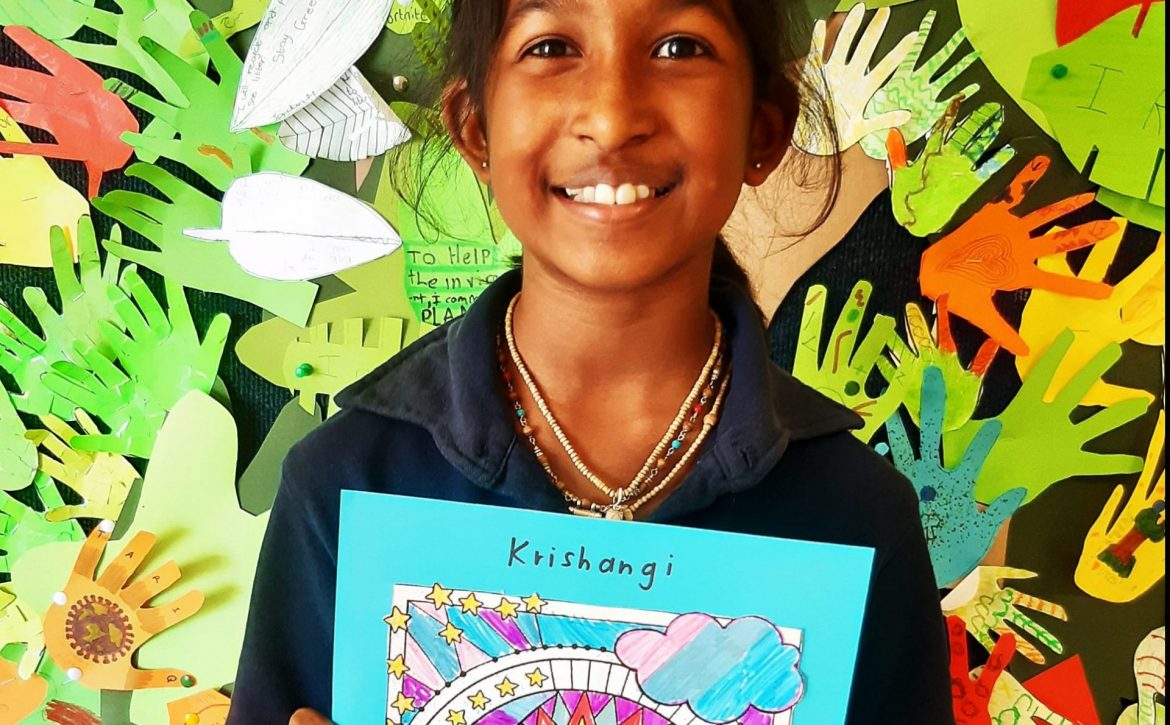
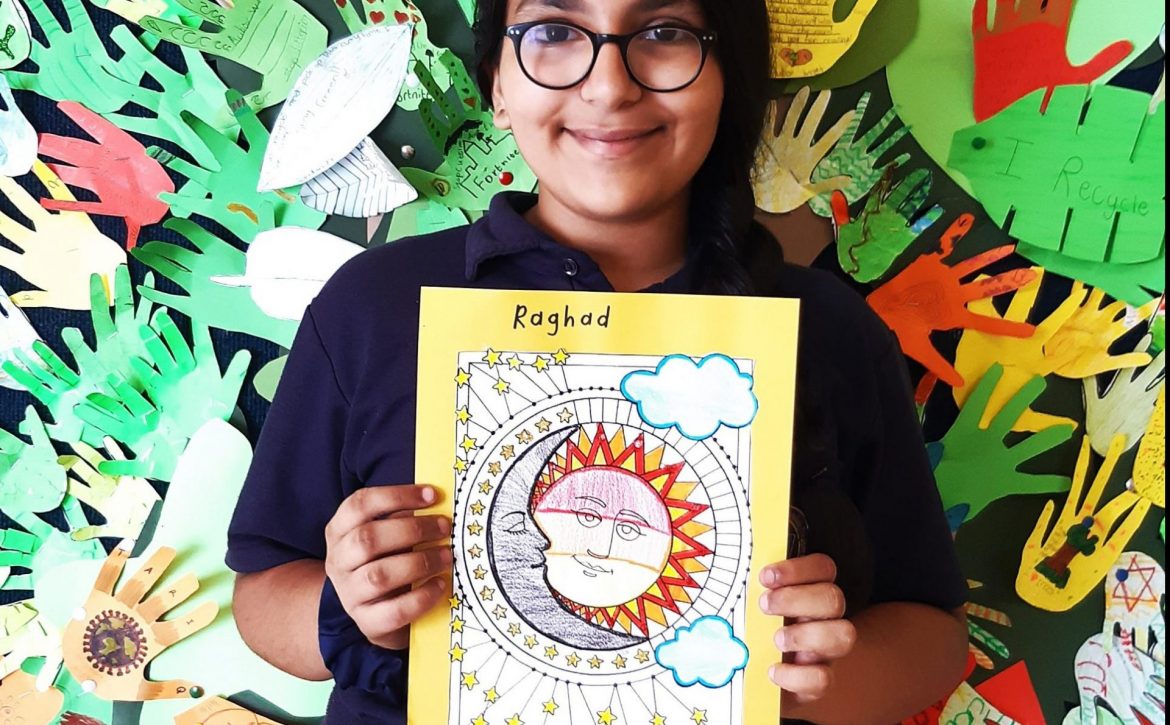
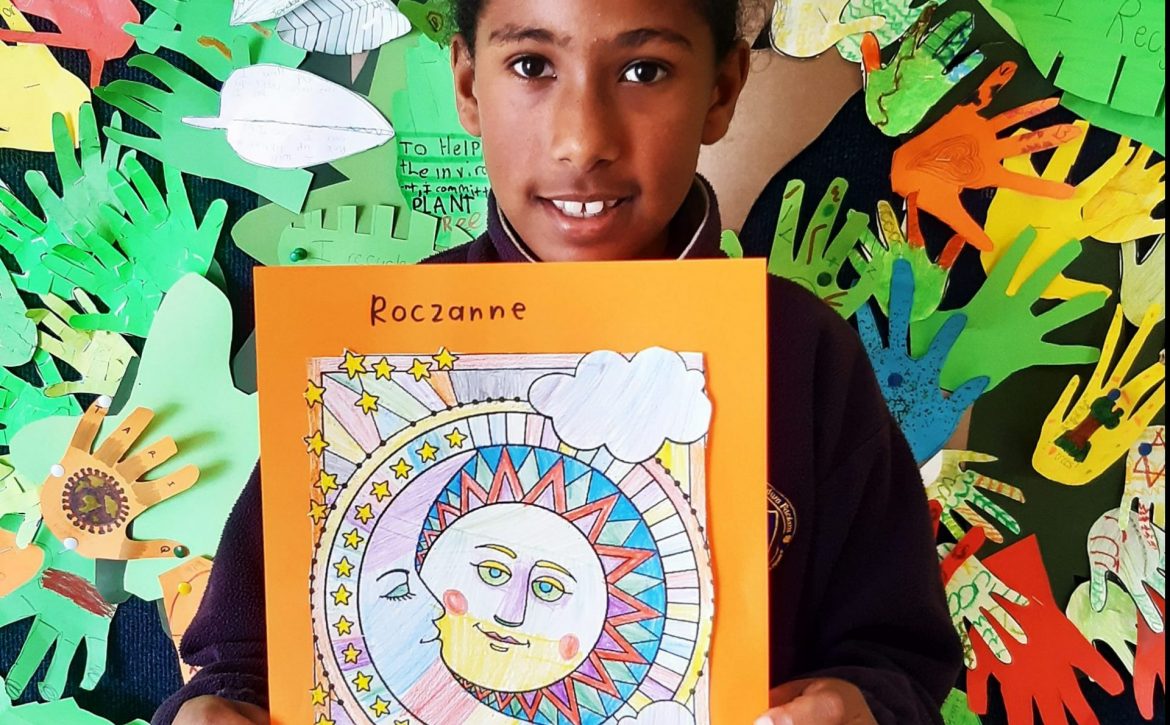
Last week the Year 4’s had to set some personal goals for themselves to end the year in the best possible way. It was wonderful to see all the different goals that the students wanted to achieve. Goals varied from “improving my piano skills”, “respecting and accepting myself for who I am” to “giving my old toys to charity”. I noticed that there were so many students that wanted to do well in their progression tests and achieve a high mark at the end of the year.
It is clear that we’ve reached that time of the year where they might start to feel a bit overwhelmed and stressed about the upcoming tests and assessments. It is so important that we, as teachers and parents, encourage our children to do their best but it should not be something that causes them so much stress and anxiety. I recently read a beautiful quote that really stuck with me:
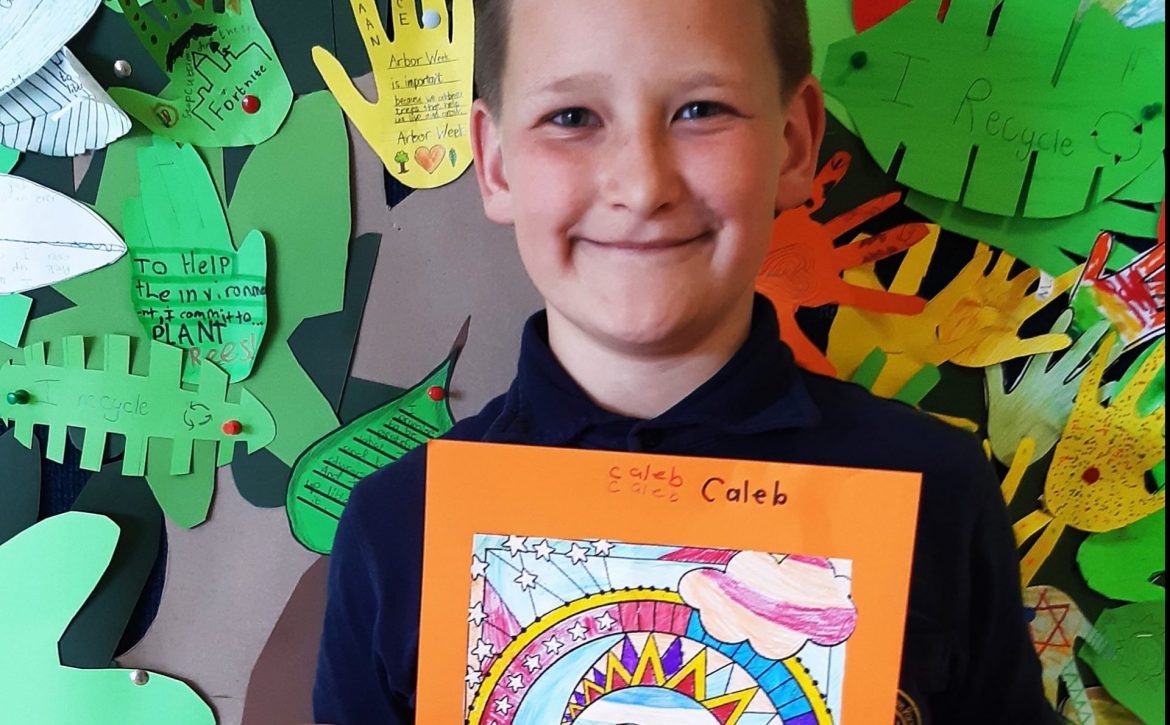
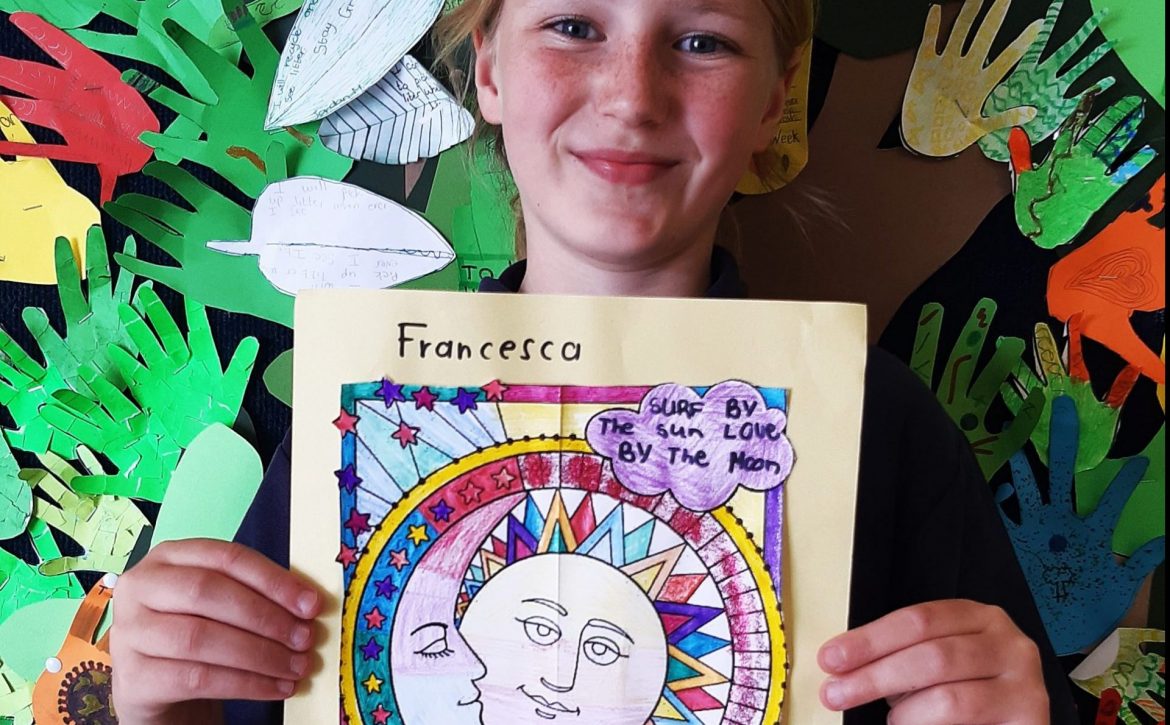
“Don’t compare your child to others. There’s no comparison between the sun and the moon. They both shine when it’s their turn” – Unknown
This quote really inspired me to start thinking differently about the way we think about these tests and the way that we speak to our children in general. I read a marvellous article on https://www.momspresso.com that summarized the impact that comparing can have on children:
The article states that every child is different and that in the present age, where competition has spread its tentacles in every walk of life, it is crucial to teach our kids to be grounded. And comparing him at each step will just not help. He should be taught to better himself with each day, not to be better than his counterparts. It is natural to know where our child stands amidst others, in this world of ranks and percentages and wherein everyone is bidding for that coveted seat in a top school or university. But to constantly harrow him as to how others are better than him will fill him with inferiority complex.Here are some prime reasons as to why we should not compare our children with others:
- It leads to self-doubt.
- It causes pangs of jealousy.
- It can make your child negative.
- They will feel like they don’t have your support.
- It can make them extremely nervous and cause anxiety.Instead of comparing your child to others, rather encourage and motivate them to better themselves and teach them to love and respect themselves.
Here are some easy tips to motivate your child:
- Let them set realistic goals for themselves.
- Celebrate their accomplishments – no matter how small.
- Encourage them.
- Take interest in what they do and spend time with them.
- Discover their passions and use it to help them achieve their goals.
- Always remain positive.
- Ensure that they know you love them no matter what.Inspired by the quote about the moon and the stars, my class had to decorate and colour in a picture of a moon and a sun and was encourage to be as creative as possible. The creativity and uniqueness in their picture reflects their own uniqueness. We are all different and that is what makes us special.
I wish all the students that are studying for the upcoming tests and assessments all of the best.
Always remember: You are worthy, you are blessed and you are loved.
Mrs Ria du Plessis
Year 4

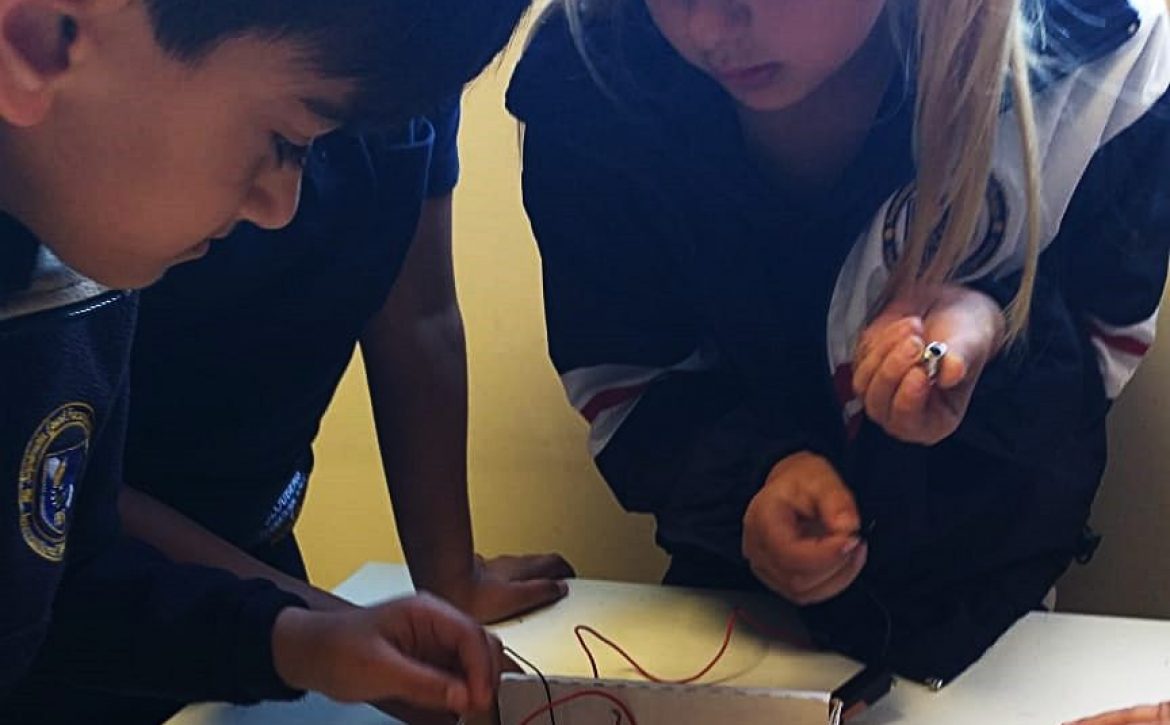
Electrical Excitement
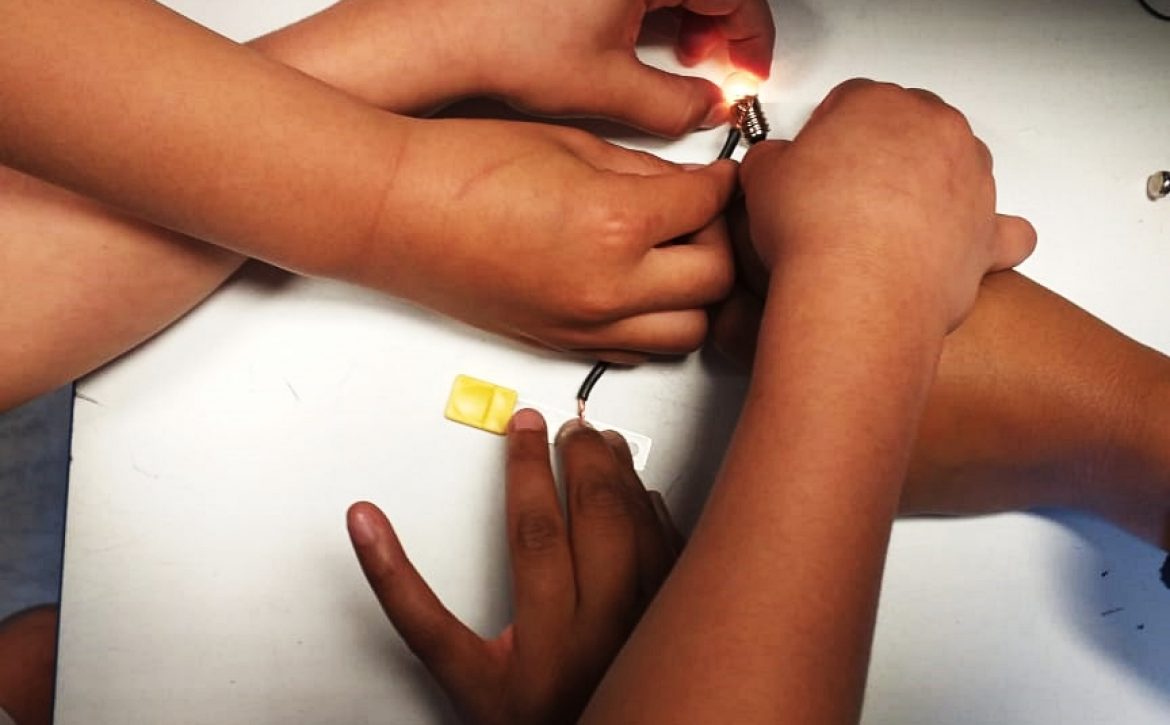
The Year 2s are learning about electricity and simple circuits. Mrs. Baker’s class were guided safely to discover how electricity works.
The class was divided into four groups. They were given: a small light bulb, some wires, a battery, a battery holder, and a switch. Their task? Make the light bulb glow!
Much consternation, frustration and excitement followed. Each group was determined to be the first group to get the light bulb to glow. Mrs. Baker soon realized that a couple of tips were needed. The students got back on task, and before long, an excited shout could be heard as one of the groups were able to get their bulb to glow.
Why do such an activity in Year 2?
Science allows for many skills to be integrated in one subject. Students were expected to collaborate to complete the task. They had to problem solve and critically analyse what they were doing to change what wasn’t working and improve on what they had done so far. Once the students saw that all the wires and metal parts had to be touching for the light bulb to glow, immediate cohesion was seen in the group with each child having to hold a wire or a battery holder or the bulb to make sure everything was working in circuit.
I don’t think these Year 2s will easily forget this lesson! Hopefully this will ignite their curious minds to ask questions and discover new things daily.
Gillian Baker
Year 2 Teacher


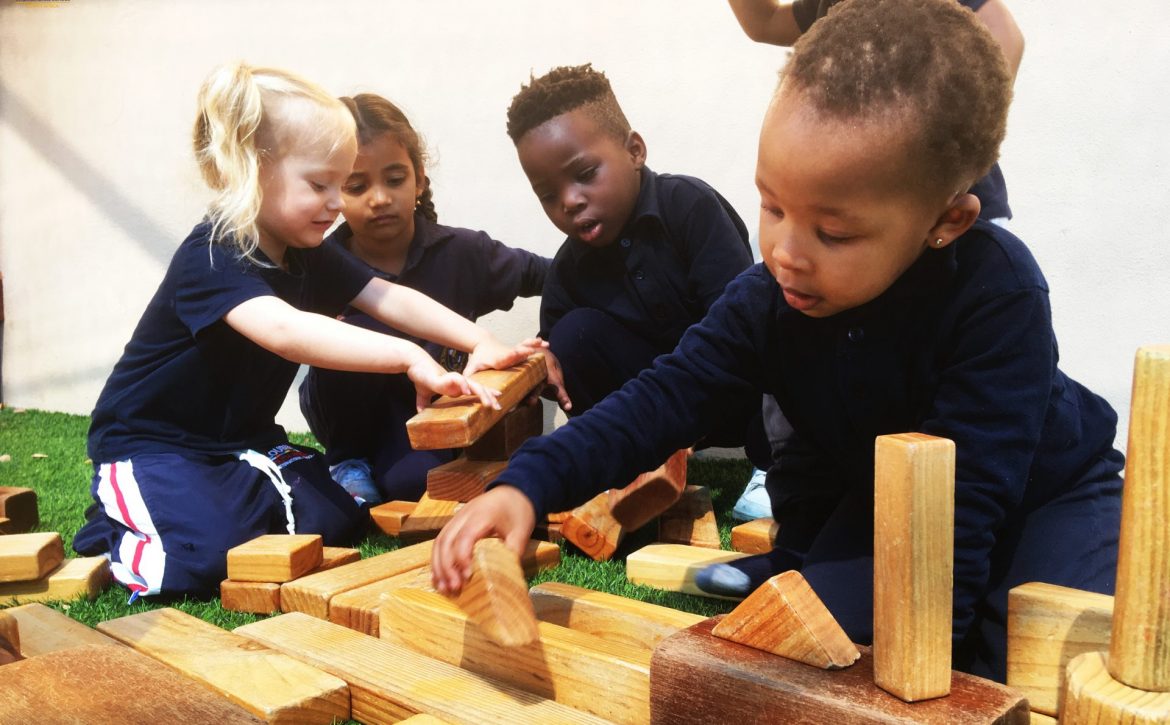
The Building Blocks of Early Learning
The Nursery class is enjoying building blocks. They have been working together to make big towers, learning to share with each other while cooperating for a greater goal.
We have been learning about different shapes and discussing what shapes the blocks are. At this stage we are investigating squares, rectangles and triangles.
A few benefits of building blocks include:
- Improves hand-eye coordination by learning to place the block on the block tower in such a way that does not topple the tower.
- Teaches early math and engineering skills through hands on learning.
- Spatial awareness.
- Improves fine motor skills.
I wish to encourage parents to spend time with your children, building with a variety of blocks and Lego. Such a simple activity can have a tremendously positive impact on learning.
Jacky Billings
Nursery Teacher
From the Principal’s Desk, 17 October 2019
Dear Parents
I have just returned from a wonderfully informative conference in Budapest. It is always encouraging when principals from different corners of the world come together as it’s an opportunity to learn from each other’s different experiences.
I have also recently had a visit from Cambridge Regional Director, Juan Visser, on Wednesday the 16th of October. I am happy to report that as a Cambridge Registered Centre we are looking forward to continued support from Cambridge; their guidance with regards to university entrance, subject choice and compliance is invaluable.
Cambridge Primary has traditionally focused on Mathematics, Science and English as Core Subject Areas. However, effective from September 2019, the curriculum will be broadened. It is important that students are able to identify their favorite subjects early in their academic career and are encouraged to pursue the areas in which their natural talents lie. In order to accommodate the differing strengths and interests of the students, Cambridge has broadened its curriculum with the addition of Art and Design, Digital Literacy, Music and Physical Education. Their aim is to develop the all-important “soft skills” of teamwork, responsibility, leadership and resilience. Cambridge is constantly developing and revising its programs in order to offer the best possible education for the learners.
“In a fast-moving world, education needs to evolve.”- Dr. Judith Roberts
The focus of the curriculum for the various subjects are as follows:
- Digital Literacy aims to develop learners understanding of the digital world and celebrates the opportunities that technology offers. The aim is to increase the confidence in students while using technology.
- Physical Education focuses on developing movement skills.
- Music allows the learners to explore the subject as performers, composers and listeners.
- Art and Design encourages learners to express themselves as they experience and reflect on art.
We are incredibly excited about the broadened scope of the curriculum as we are now able to offer the above subjects to the standard which Cambridge requires.
I wish you all a wonderful weekend.
Kind regards
Edna
From the Principal’s Desk, 11 October 2019
Dear Parents,
The definition of appreciation- the thoughts of a teacher.
It’s the little things.
As clichéd as it might sound, I truly feel that it is the small moments of triumph, the quiet moments we keep to ourselves when an involuntary smile breaks across our face and a lightness, a sense of joyous freedom descends; these are the moments we return for.
Humans need to feel valued, is this not a universal truth? Most of us want our value vocalized, trumpeted, for us to feel secure.
I am coming to realize that teachers are a little different in this respect.
The importance of teachers is undisputed and good teachers are invaluable. I think we know our value and it’s not just about our students reaching a predefined academic standard. We applaud the A’s and encourage the C’s and, naturally, seeing a student or a class improve over time gives us pleasure; it’s the pleasure of knowing that we are fulfilling our purpose, our requirements. Where I believe the true joy in teaching lies is in the little moments, insignificant perhaps in the grand scheme of academic terms and mark sheets, but nourishing to the soul of a teacher.
The simple phrase “thank you, ma’am” has a healing quality which can transform bitterness into relief, it can coax a reluctant smile from even the most recalcitrant of jawlines. A scribbled note in the corner of the board, a ‘U rock!’ Or perhaps a ‘stay awesome!’- it doesn’t secure an A, but it sure secures a smile.
We enjoyed a visit from Andrew Blackie (Commercial Director) and Louise Mayor (Head of Marketing) of Sparx this week. The Sparx Programme will be introduced to our School next year. More information will be sent to parents shortly.
Wishing you a restful weekend.
Kind Regards
Edna


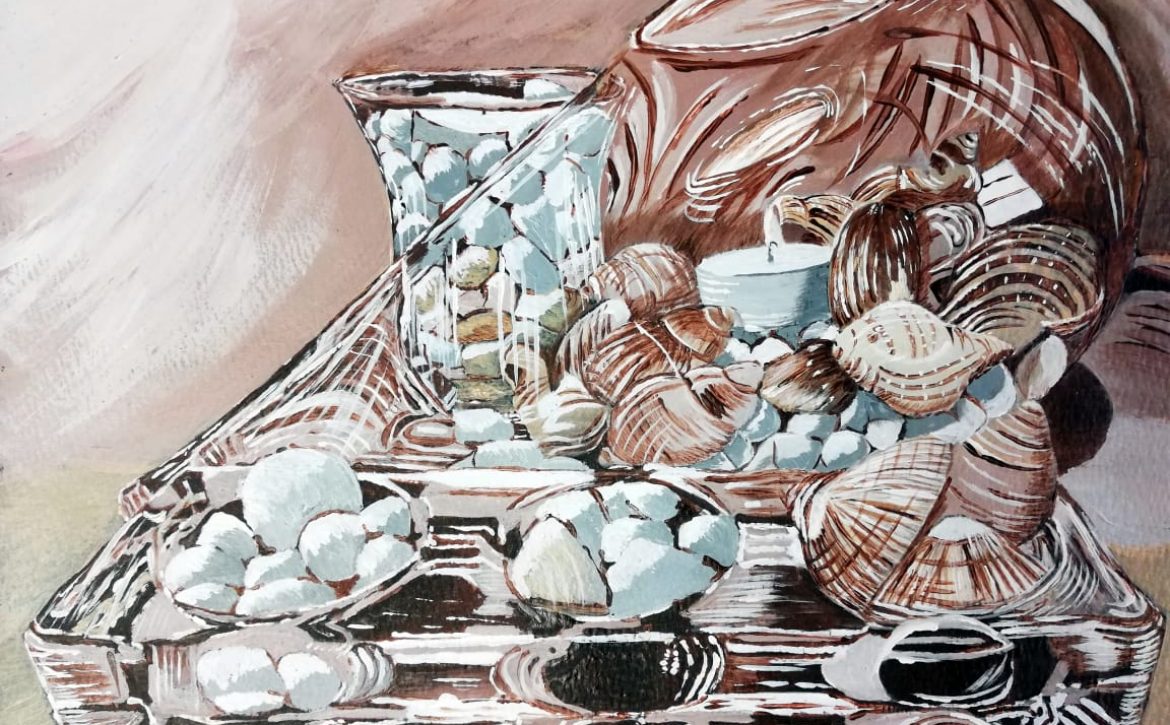
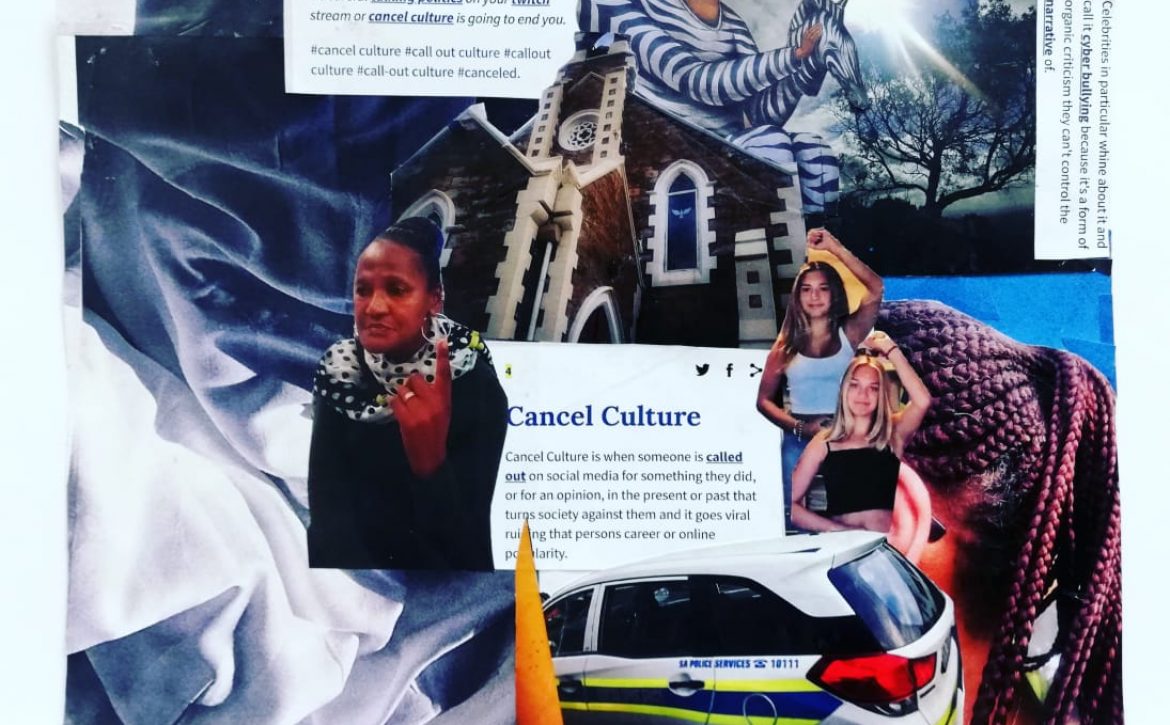

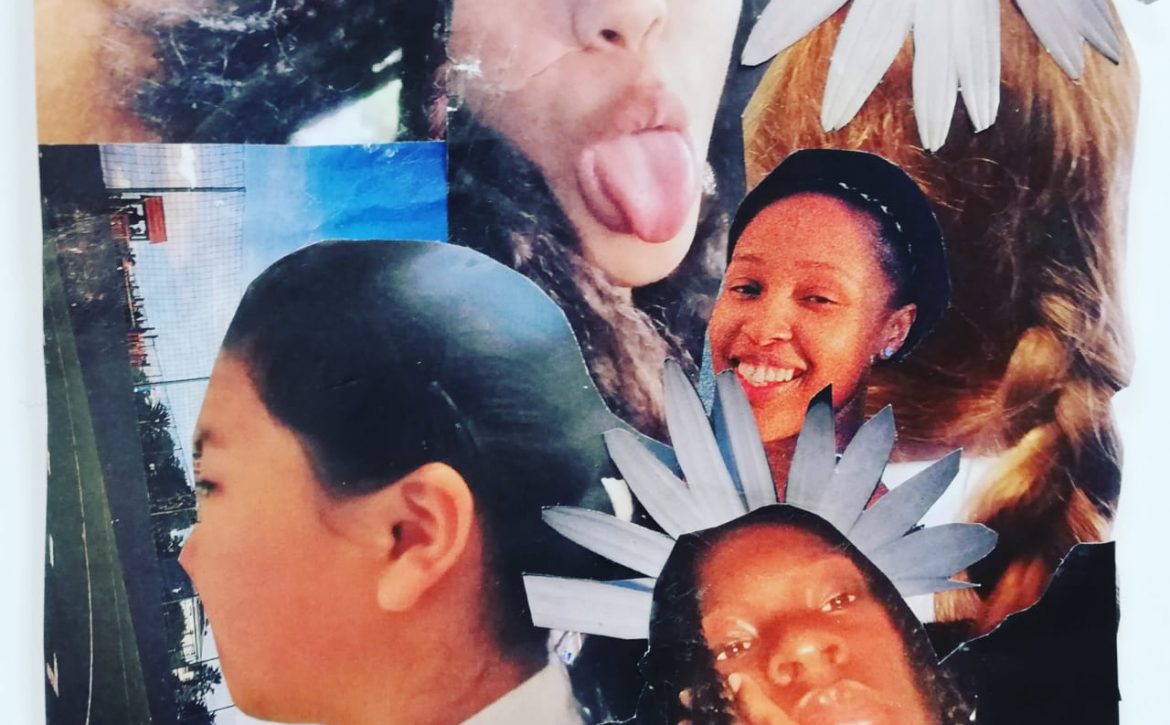
CAMBRIDGE ART & DESIGN
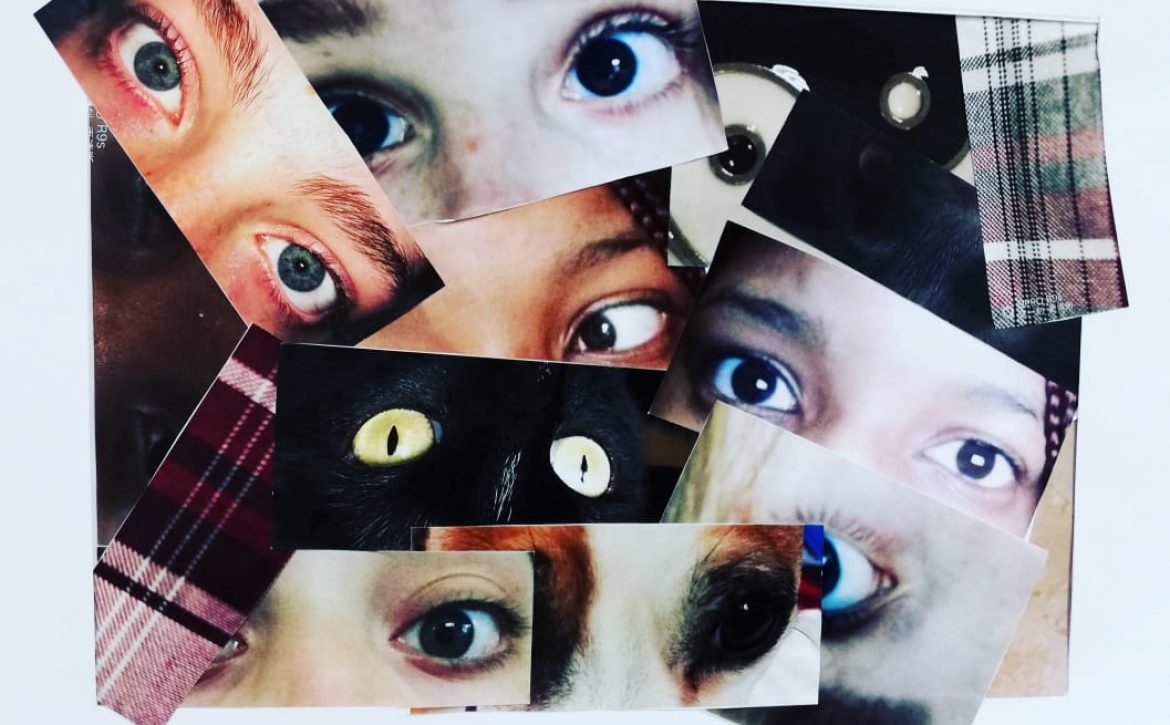
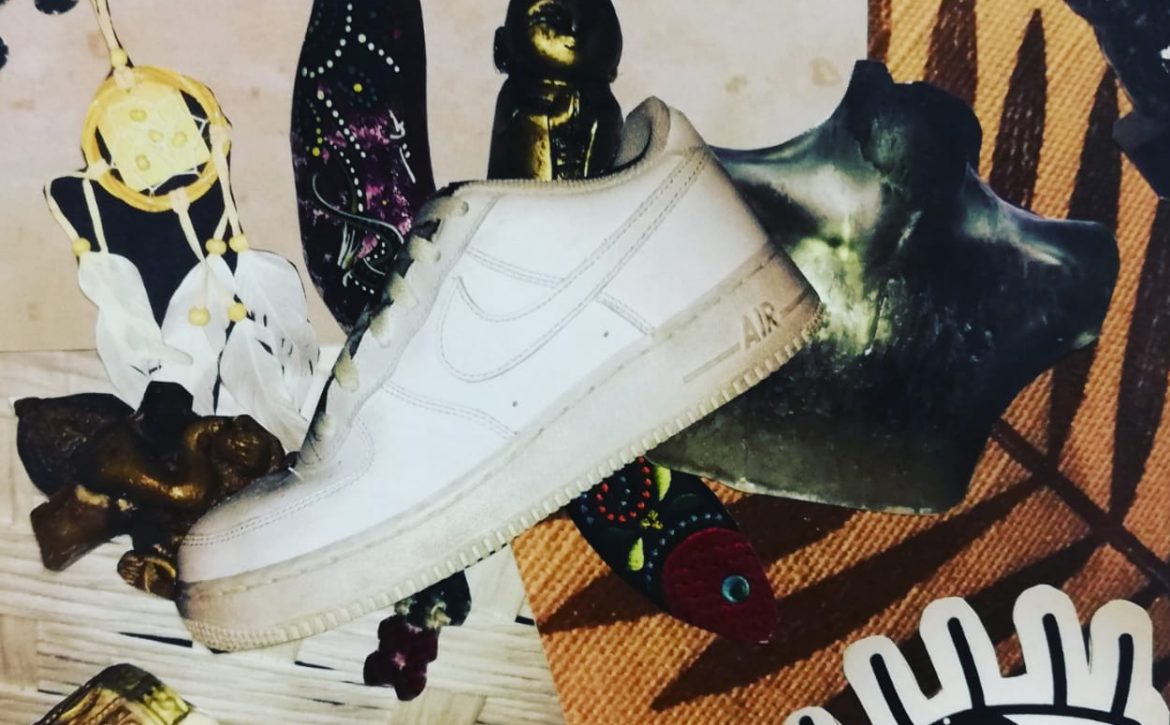
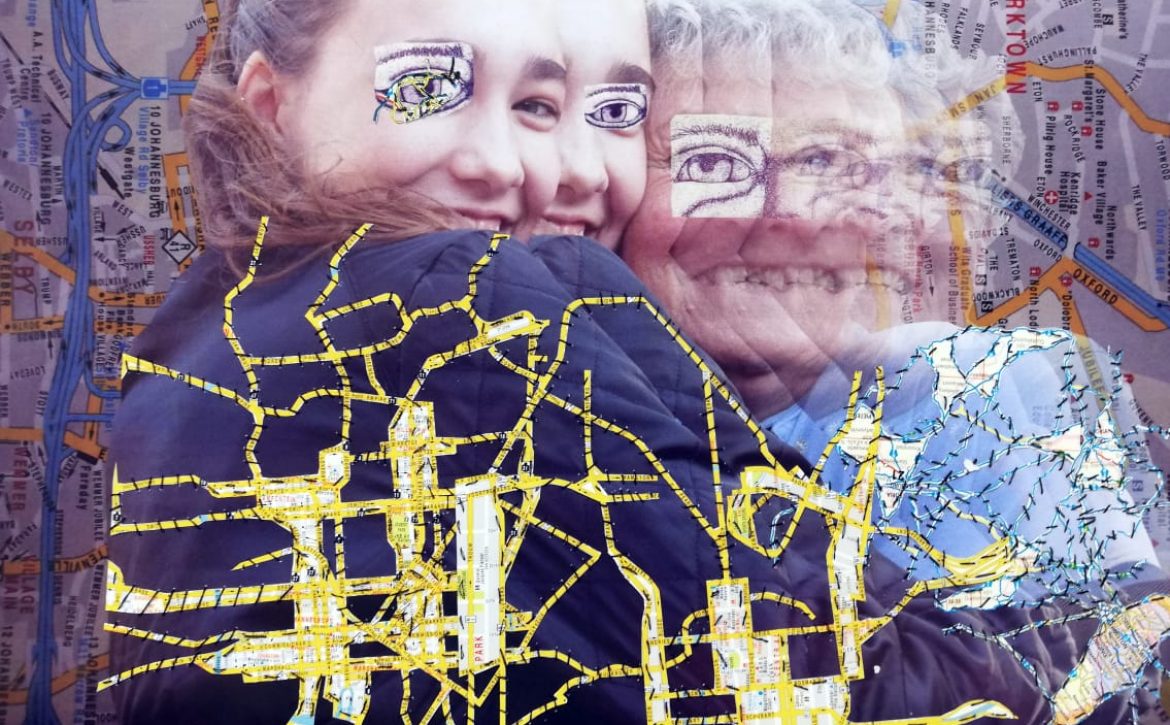
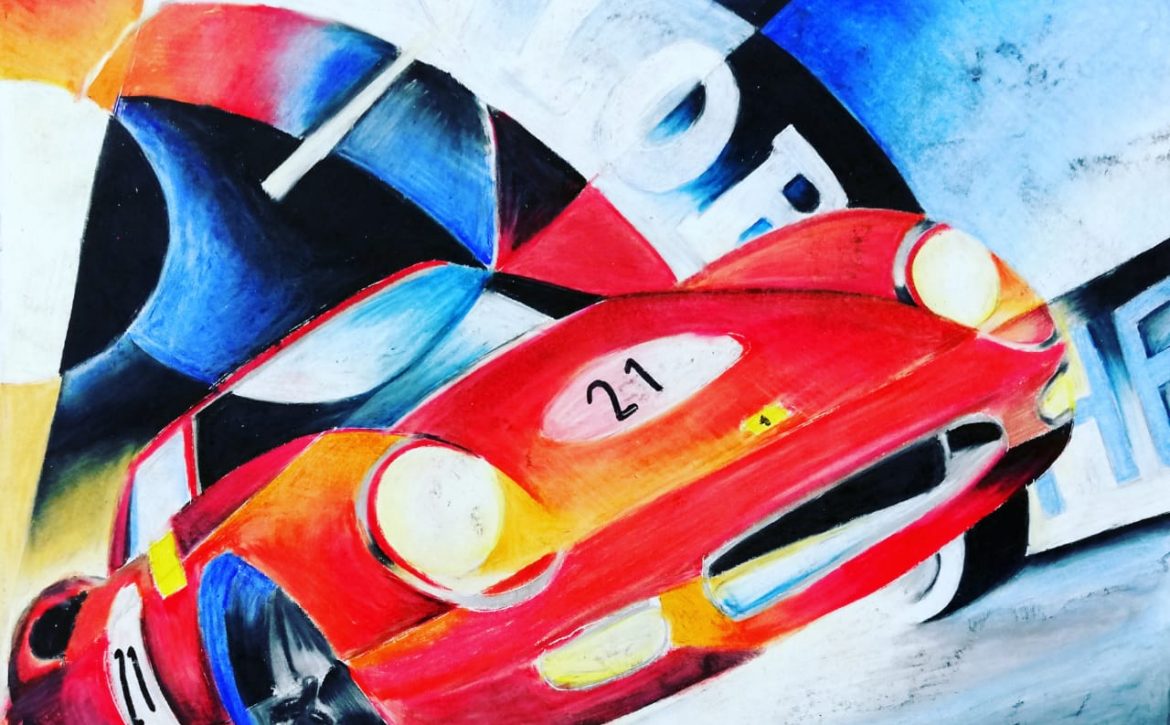
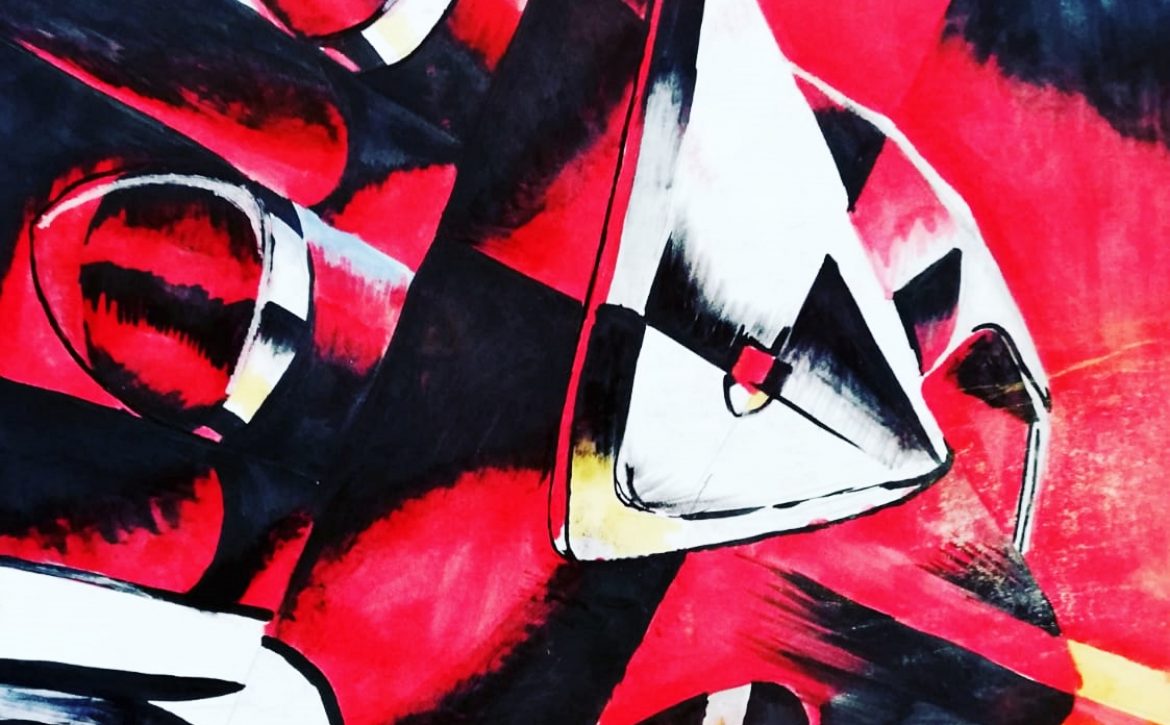
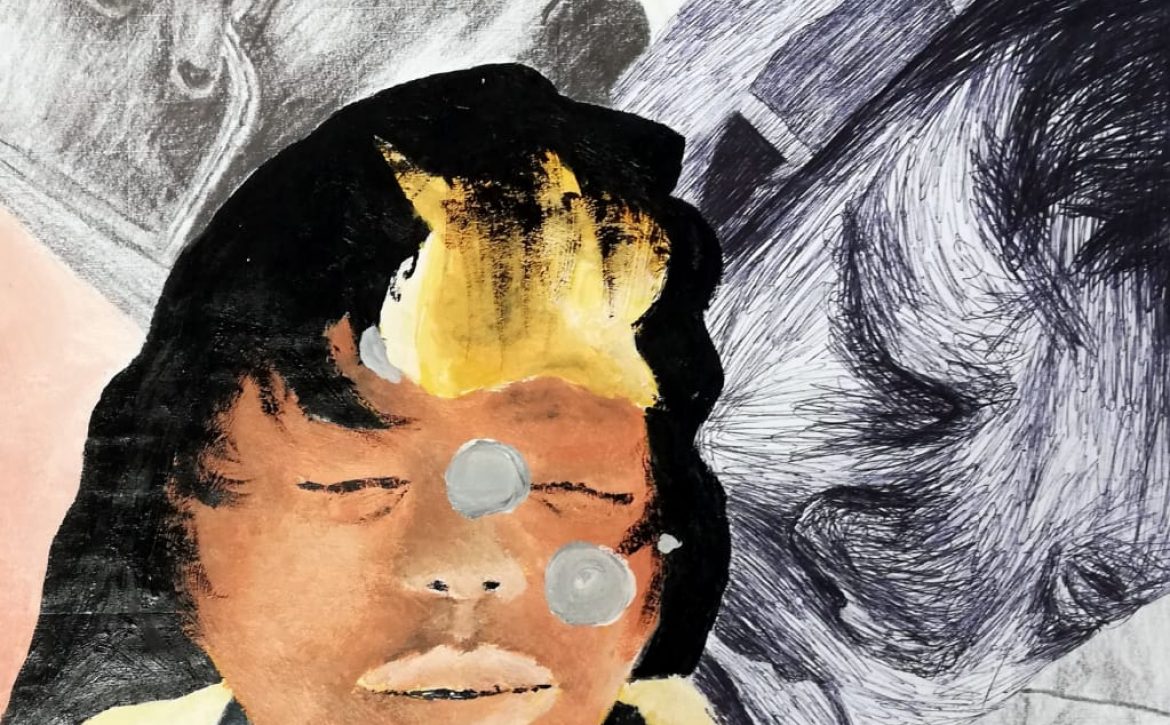
Art programs encourage students to be creative and use their imagination as much as possible. As this increased emphasis on creativity happens, children cherish new ways of thinking about the world in general. Needless to say, art programs are a critical aspect in helping students to magnify their understanding of their place in relation to the rest of the world they live in.
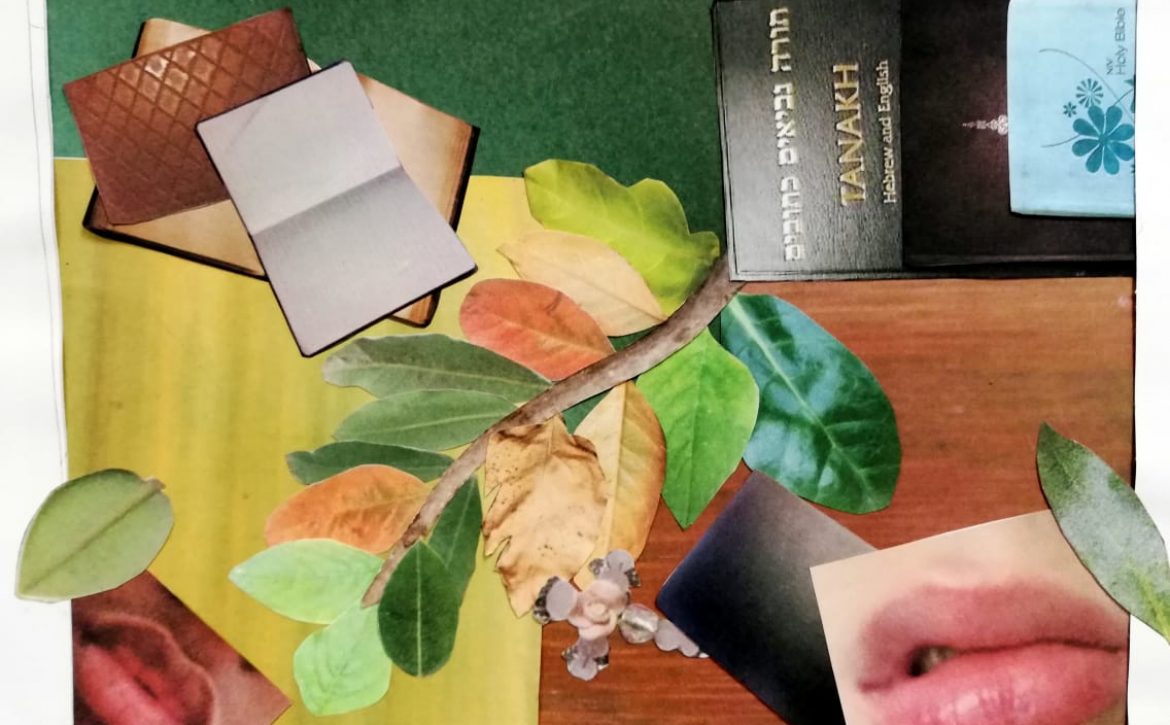
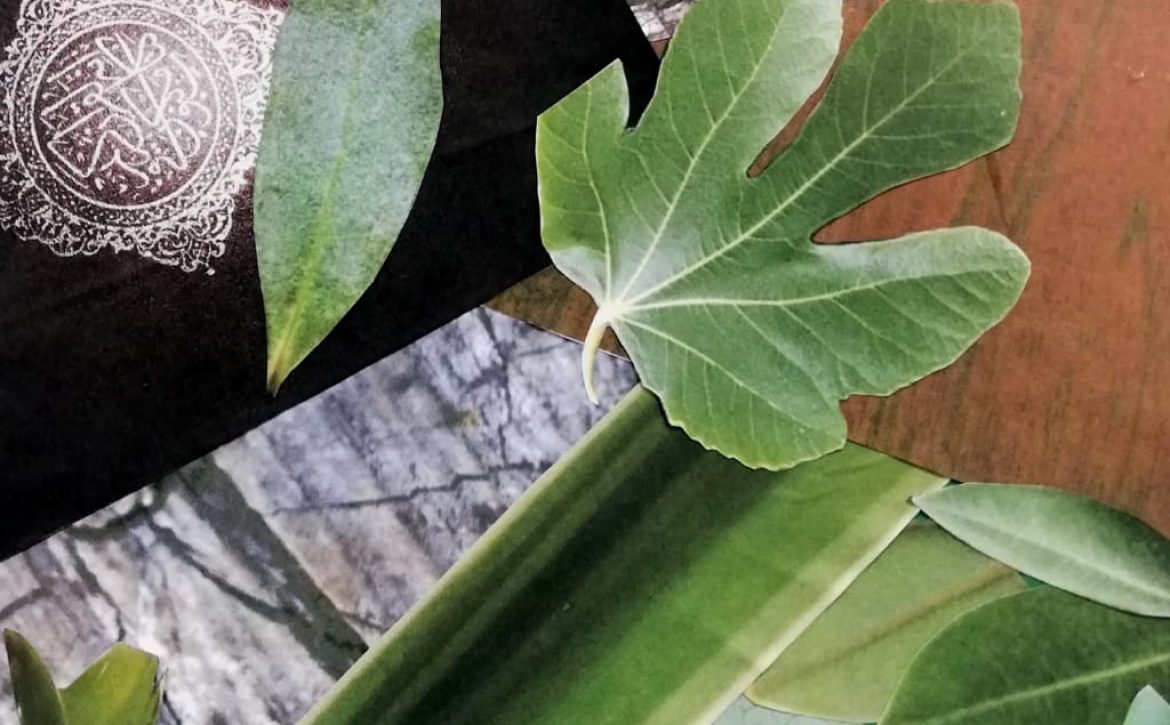
Additionally, students are also capable of developing an understanding and appreciation for different cultures, which can translate to an increased sense of tolerance and social acceptance.
The Cambridge IGCSE Art & Design syllabus aims to encourage a personal response by stimulating imagination, sensitivity, conceptual thinking, powers of observation and analytical ability. Students gain confidence and enthusiasm as they develop technical skills in two and three dimensional form and composition, and are able to identify and solve problems in visual and tactile forms. They also learn how to develop ideas from initial attempts to final solutions. An ideal foundation for further study, Cambridge IGCSE Art & Design also develops a greater awareness of the role played by the visual arts in society and in history, broadening cultural horizons and individual experience.
The Cambridge International AS and A-Level Art and Design syllabus considers expression and communication. Students gain an understanding of visual perception and aesthetic experience, and the ways in which art and design creates a language of its own. Most of the work for this syllabus is practical or studio based, so that students can develop their abilities of observation and analysis of the visual world, sensitivity, skill, personal expression and imagination. They also learn how to relate their skills to an enhanced knowledge of their own cultures, past and present, as well as an appreciation of practical design problems.
Students are often asked to “think outside the box” in terms of problem solving. Art programs encourage novelty and nonlinear thinking, skills that can be used not only in academic settings but in the professional world as well.
Riaan Vosloo
High School Art Teacher