

The Art of Spring – Year 2
We made our ice-cream cones out of brown cardboard, paper-plates and lots of different decorative bits and pieces. We had so much fun designing our own creations, making them look super delicious just the way we would like it if we could eat them.
We are excited for the warmth and new beginnings that spring is sure to bring.
Siobhan Hendry
Year 2 Teacher


Dinosaur Art In Reception
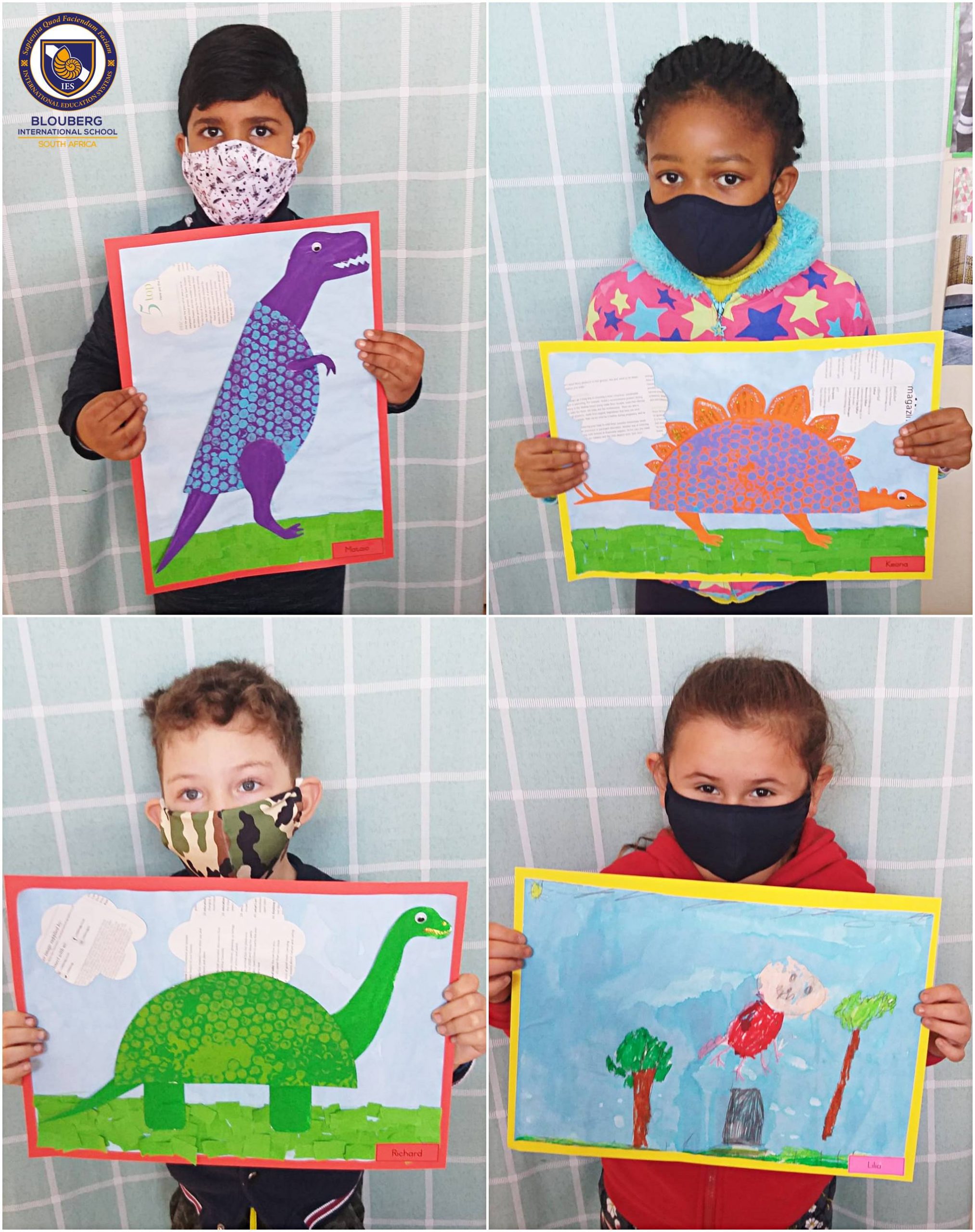
We have been learning about dinosaurs in Reception and the students have thoroughly enjoyed learning about this theme.
In art we used paper plates to make different kinds of dinosaurs and also had fun drawing our own dinosaurs in pastels.
We have been listening to dinosaurs songs daily and most of the students already know all the words. If your child also loves dinosaurs they would enjoy the educational songs about various dinosaurs from Story Bots. See the links below:
https://youtu.be/SZzPLdAWKOE
https://youtu.be/GOR4YDdY9dk
https://youtu.be/KECKqtKZXEE
https://youtu.be/SZzPLdAWKOE
https://youtu.be/SZzPLdAWKOE
https://youtu.be/SZzPLdAWKOE
Bronwen Nuthall
Reception Teacher

Year 2 Duckling Art
You may already know that art is a great way to treat anxiety and stress in children. But did you know that it also positively impacts their cognitive and physical development? Especially during strange and uncertain times like the ones we’re going through.
This week our Year 2’s had some fun making their very own little ducklings. We got creative with some paper plates, watercolour paint, googly eyes and some cool feathers! So much fun was had by all, we really relaxed and enjoyed ourselves with some cool music on in the background and some creative juices flowing.
They look super great up on our walls displayed in the classroom!
Siobhan Hendry
Year 2 Teacher


Living Life As An Artistic Being
Teenagers are at high risk for depression and anxiety. They know what we want to hear, and that is what they often give us. Teens know the buzzwords, and talking about their emotions can be wrongly impacted by their preconceived ideas about what they think we want to hear.
Teens who are good with words can use them as a disguise rather than a method of self-discovery. Furthermore, for other adolescents, discussing feelings may be frightening or uncomfortable. The creative process does not allow for that kind of manipulation to happen. Creative arts get teens out of their heads and into their bodies. The teen brain is wired for creativity. Consequently, creative expression is a natural fit to support thriving in adolescents. Creativity is part of building one’s identity. In addition, it supports brain development. Being creative even reduces anxiety. It makes us happier. Creativity and teen mental health go hand in hand.
The act of doing something creative employs various parts of the brain. That is why being creative enhances connectivity in the brain. Connectivity refers to the relationships between different areas of the brain. A study published in 2014 suggests that people with artistic training have improved connectivity between the two hemispheres of their brains. Creative arts, including music and visual art go beyond the rational mind, tapping into our most authentic self. Adolescents, in particular, are attracted to making symbols and graphic depictions. Therefore, they are more attracted to using art as language than to verbal questioning.”
Creativity help teens develop what is known as divergent thinking. Divergent thinking is a process of generating creative ideas by exploring many possible solutions. The creative experience produces a natural “high”. Simply viewing art and listening to music stimulates the brain to release dopamine, the “pleasure chemical”. This is the same chemical that is triggered when we fall in love.
Actively making art or music has a similar effect. In addition, it induces a state of flow, a term coined by psychologist Mihaly Csikszentmihalyi. This flow describes the experience of being completely absorbed in an activity. It means participating in a reality that is different from that of everyday life. As a result, experiences of flow are the key to sustainable happiness. Teenagers ascribe ‘happiness’ to their moods when they are able to engage in flow activities that stretch their skills and makes them feel alive and proud. Creativity, in particular, produces flow. Moreover, unplugged creative activities for teenagers offer both flow and a mini digital detox.
Creative arts prepares teens to be creative in other areas of life. It comes into play as teens learn new ways of relating to their past, present and new approaches to dealing with pain, trauma, or difficult relationships.
Riaan Vosloo
High School Art and Design Teacher

Shakespeare Schools Festival At The Fugard Theatre 2020
Our High School Drama department participated in the 2020 Shakespeare Schools Festival this past Friday at the famous Fugard Theatre. They performed a stunning rendition of A Midsummer Night’s Dream.
The students had been practising relentlessly for months and the day finally arrived! Mr Riaan Vosloo and Ms Genevieve Kerswill accompanied them to the theatre where they spent the whole day preparing for one of the biggest local drama events of the year.
The whole production was performed by our students on stage in front of a live audience at The Fugard Theatre.
Twenty six Blouberg International High School students took part in the stage production and assisted with roles such as directing, sound and lighting, backstage prompting and props.
This performance was an experience they will cherish forever. We wish to congratulate all the students involved and their teachers on their magnificent achievement.
High School Drama Department
Year 2 Design & Technology: Festive Trees
“Design and Technology in primary school develops children’s skills and knowledge in design, structures, mechanisms, electrical control and a range of materials, including food. It encourages children’s creativity and encourages them to think about important issues.” https://www.data.org.uk/for-education/primary/
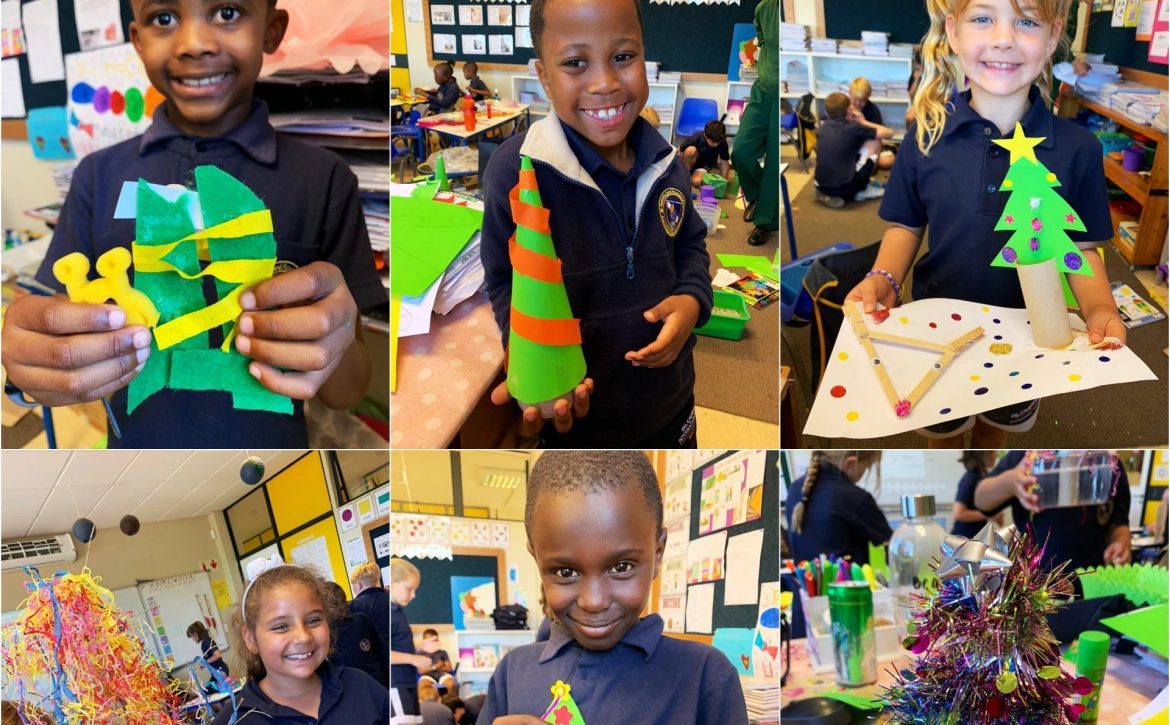
Last week, out Year 2’s got to design and create their own Festive Trees. First, we began the design process by drawing our trees the way we pictured them in our heads. Then, we labelled each part of our tree depicting exactly what materials we would like to make it out of. Colouring in was the next part of the process. We had to display our tree in the colours we wished to build and present it.
Once the design part of the process is done, the constructing stage begins. Each child was asked to bring in the various materials that they chose to use to build their tree. Many different type of materials were used. We had egg trays, cardboard boxes, coloured paper, festive decorations and various other exciting creative materials.
We had so much fun! The most beautiful part is that every single one of them is different and so lovely in its own way.
Siobhan Hendry
Year 2 Teacher

Year 3 Are “Walking Like Egyptians!”
♫ All the kids in the marketplace say
Ay oh whey oh, ay oh whey oh
Walk like an Egyptian ♫
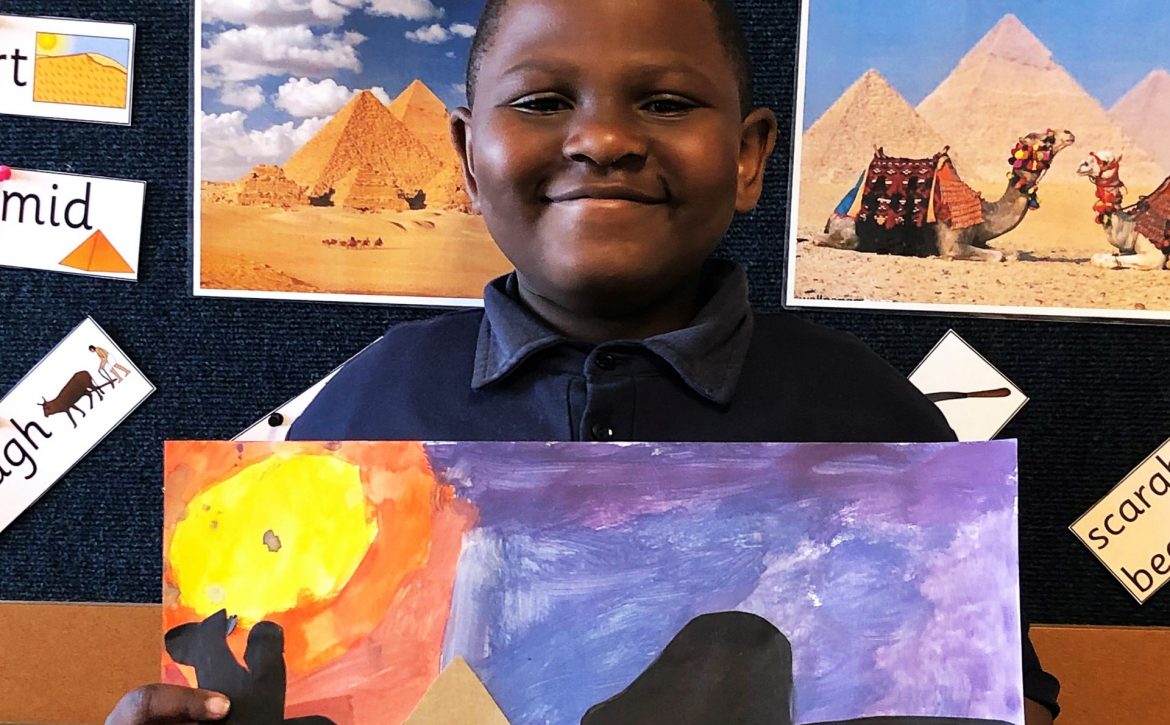
Calling all pharaohs, slaves, gods, goddesses, farmers and mummies! This term Year 3 are learning all about Ancient Egypt. Our students are delving into pyramids, exploring royal tombs, writing hieroglyphs and discovering the various roles and rights of Egyptian society.
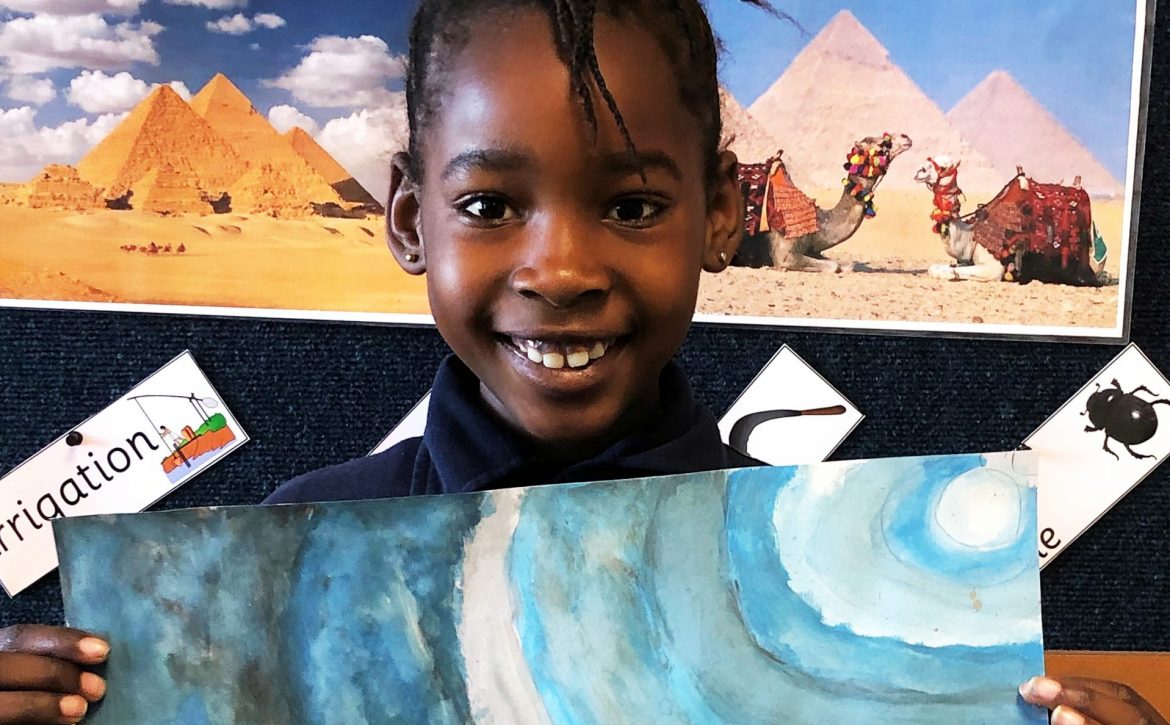
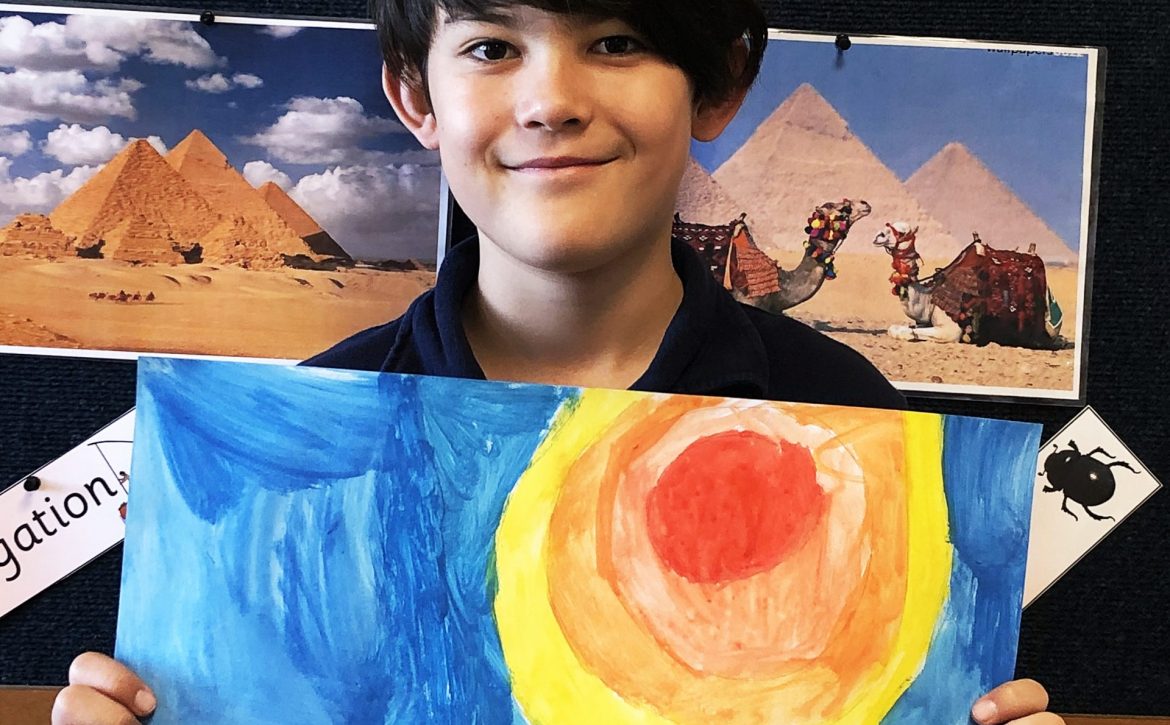
During Art this week, students created a typical Egyptian landscape using pencil drawings, paper cuttings and water paints. Their task was to design an Egyptian landscape silhouette using various art media to showcase ancient symbols and landmarks. The students tackled the task with much gusto and thoroughly enjoyed creating the moon-like backdrop firstly, with pencil drawings and then water paints. They learnt to mix various shades and tones and to blend the colours to create a rainbow-like effect before they pasted on their pyramids, camels and sphinx cutouts.
Well done Year 3’s! Your artwork looks awesome and you have a very proud teacher!
Mandy Goch
Year 3 Teacher
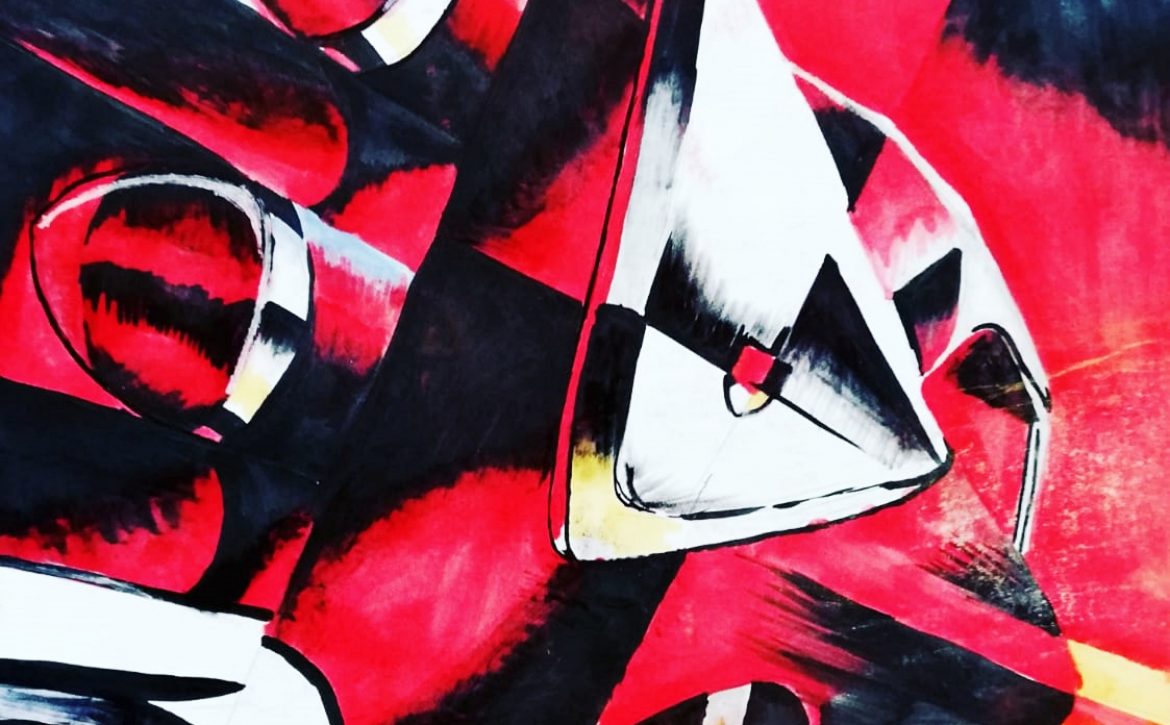

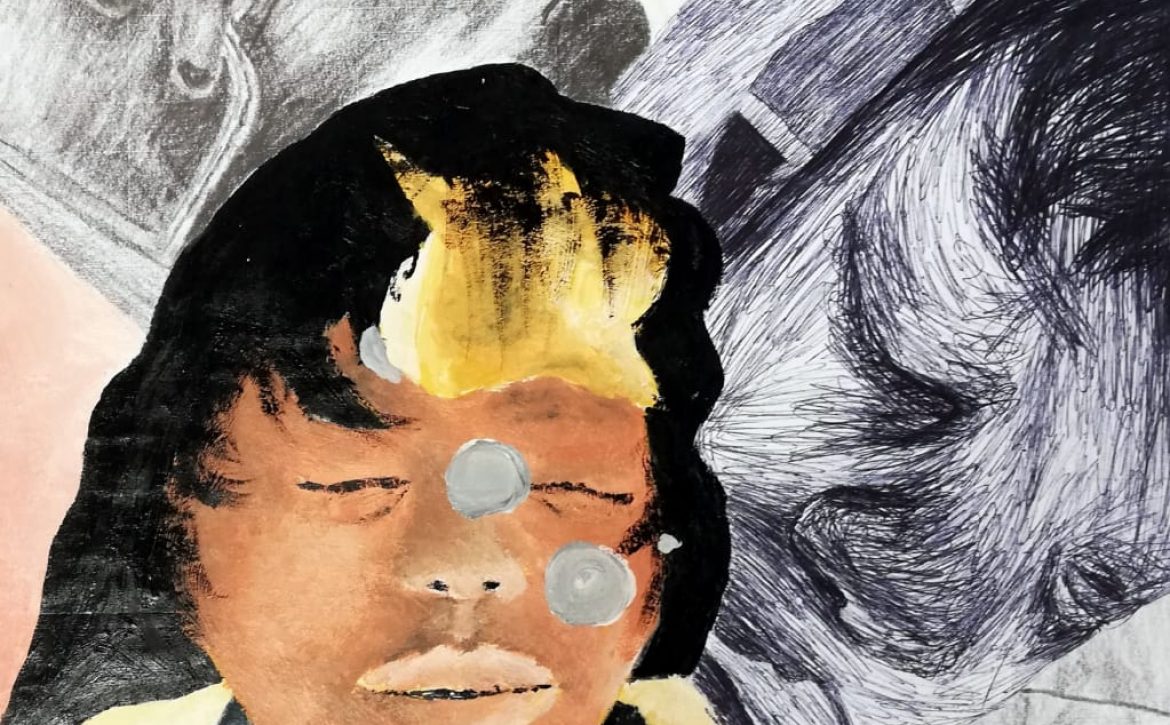
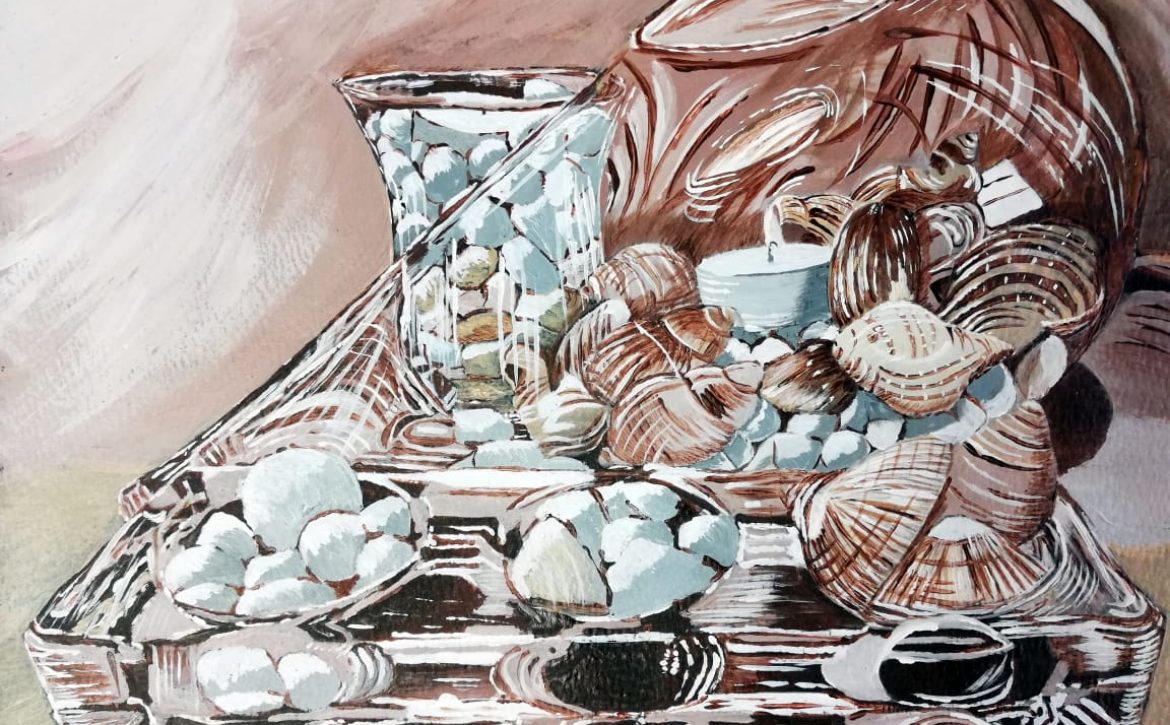
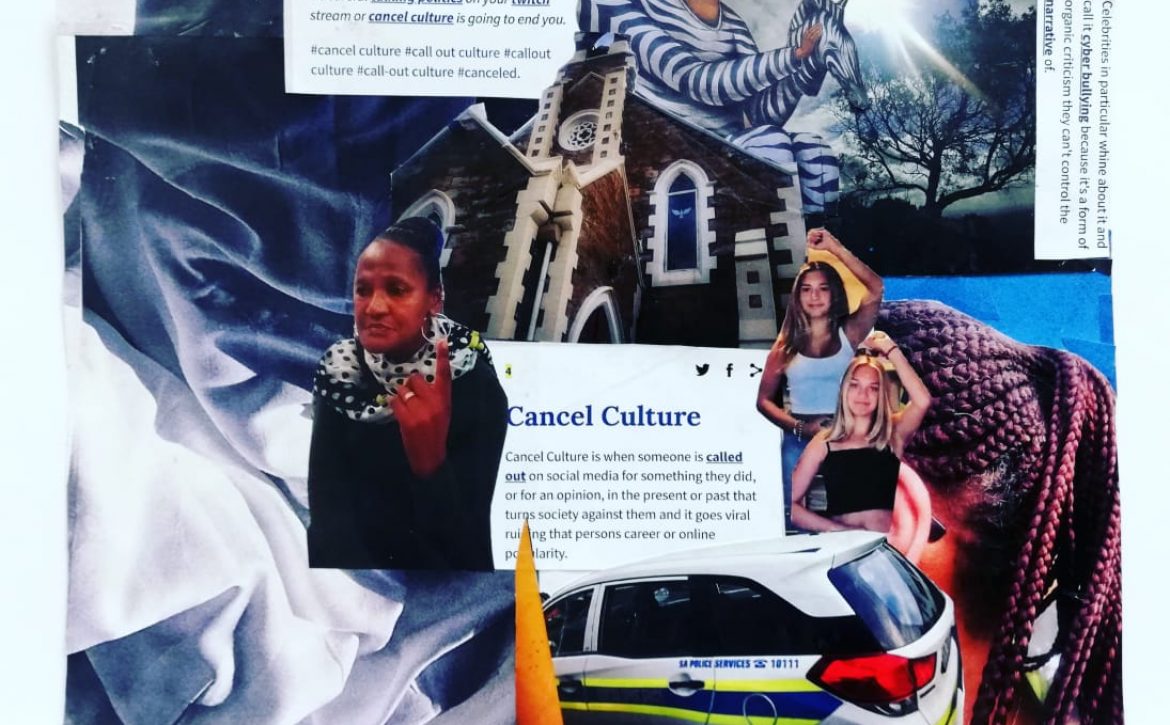
CAMBRIDGE ART & DESIGN
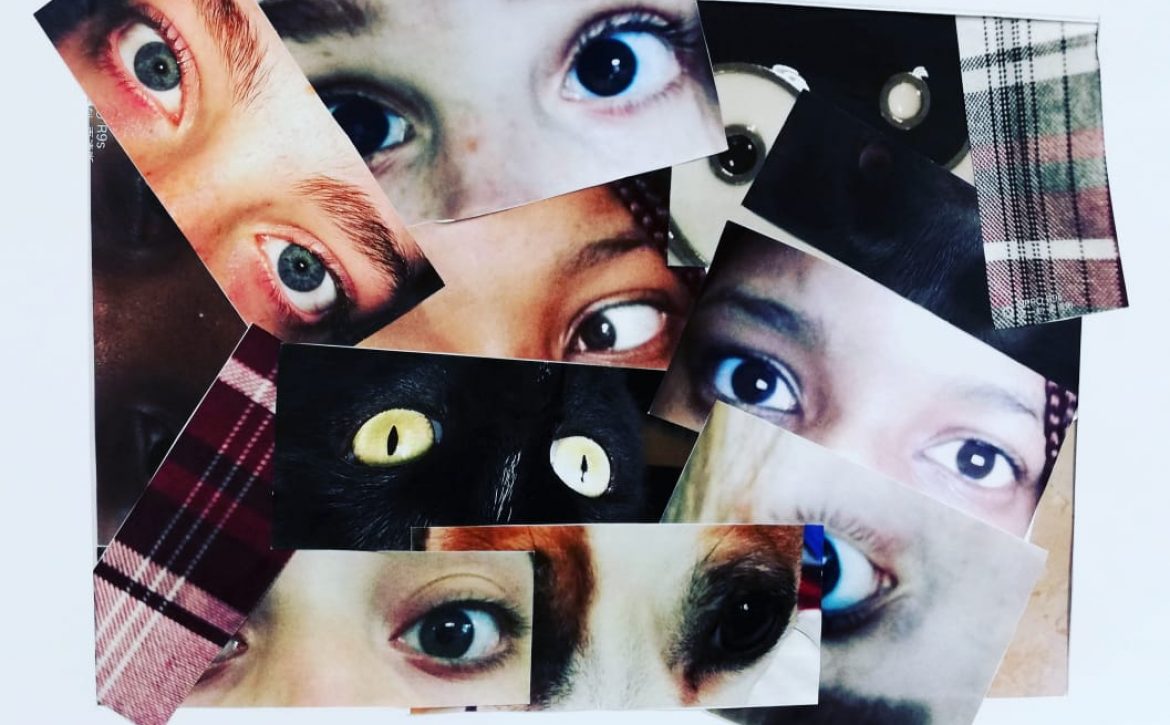
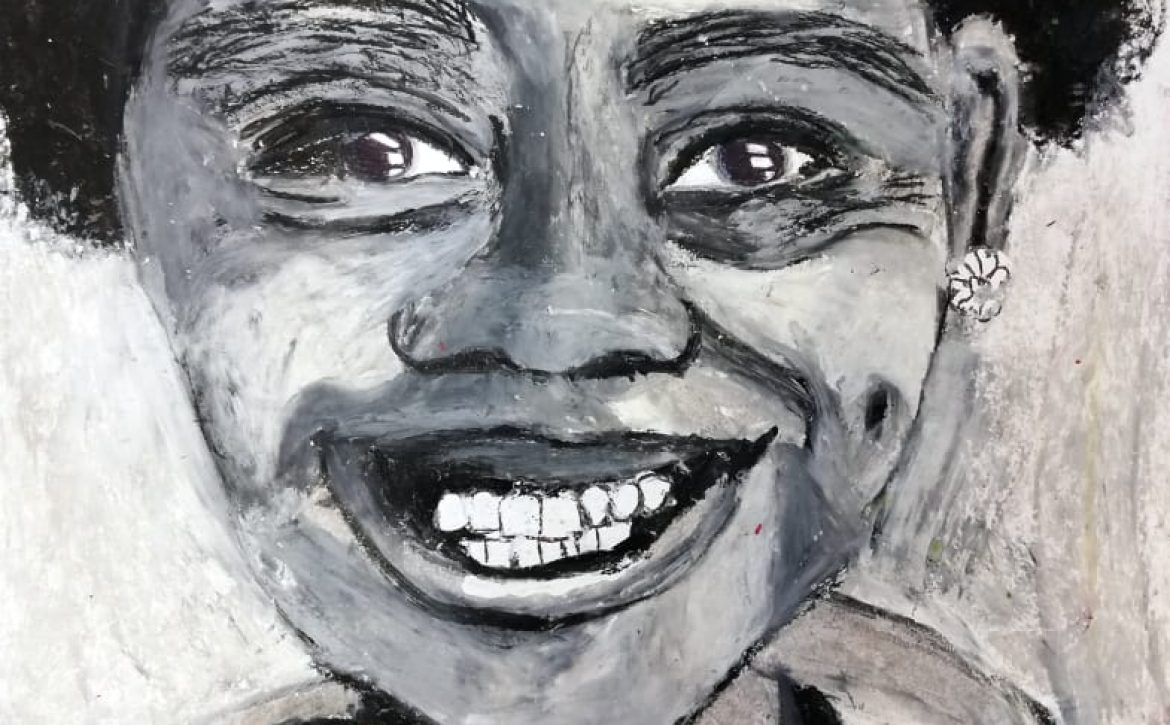
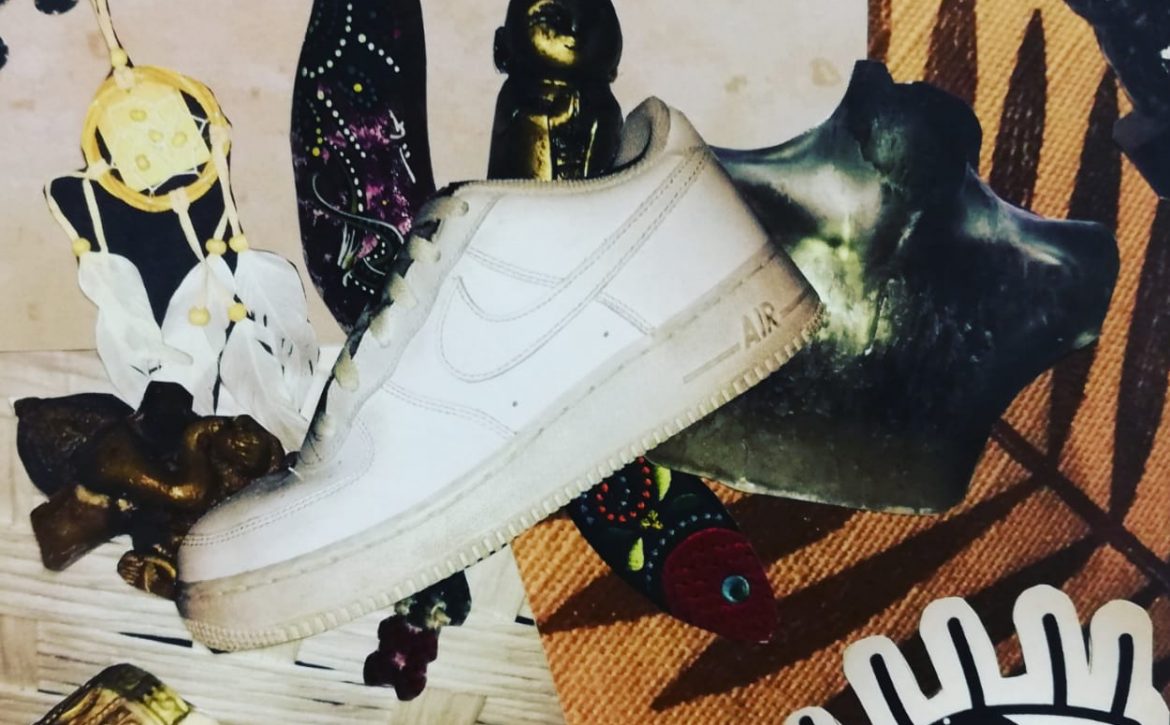
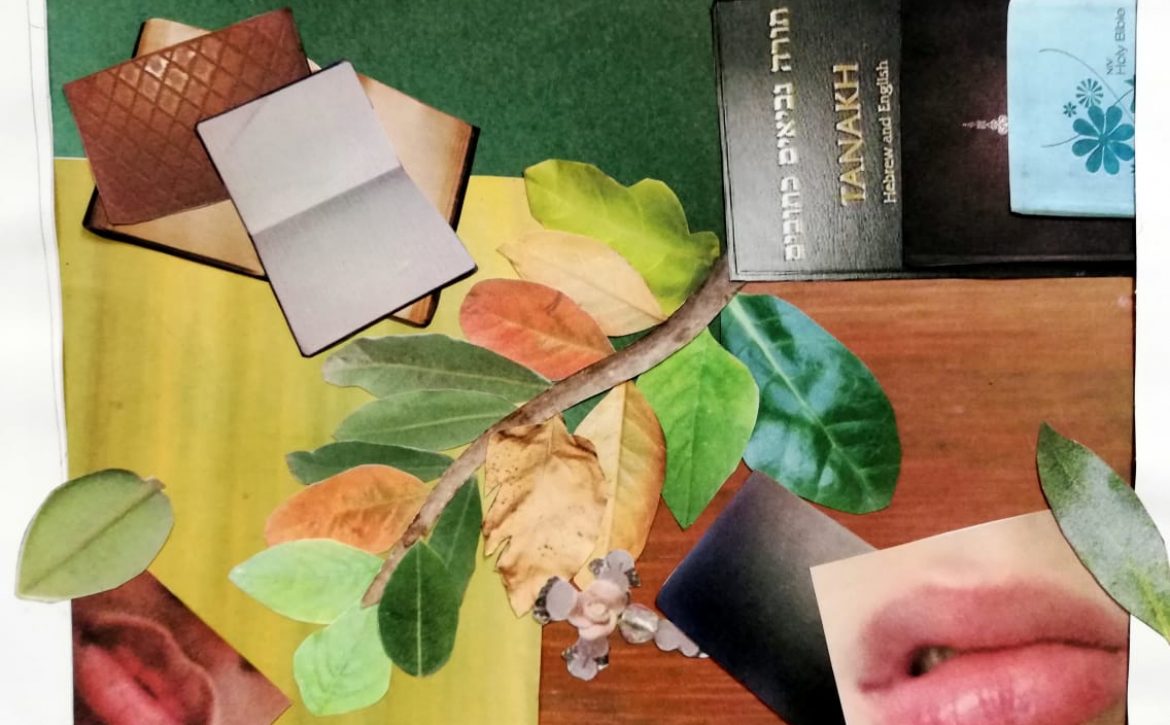
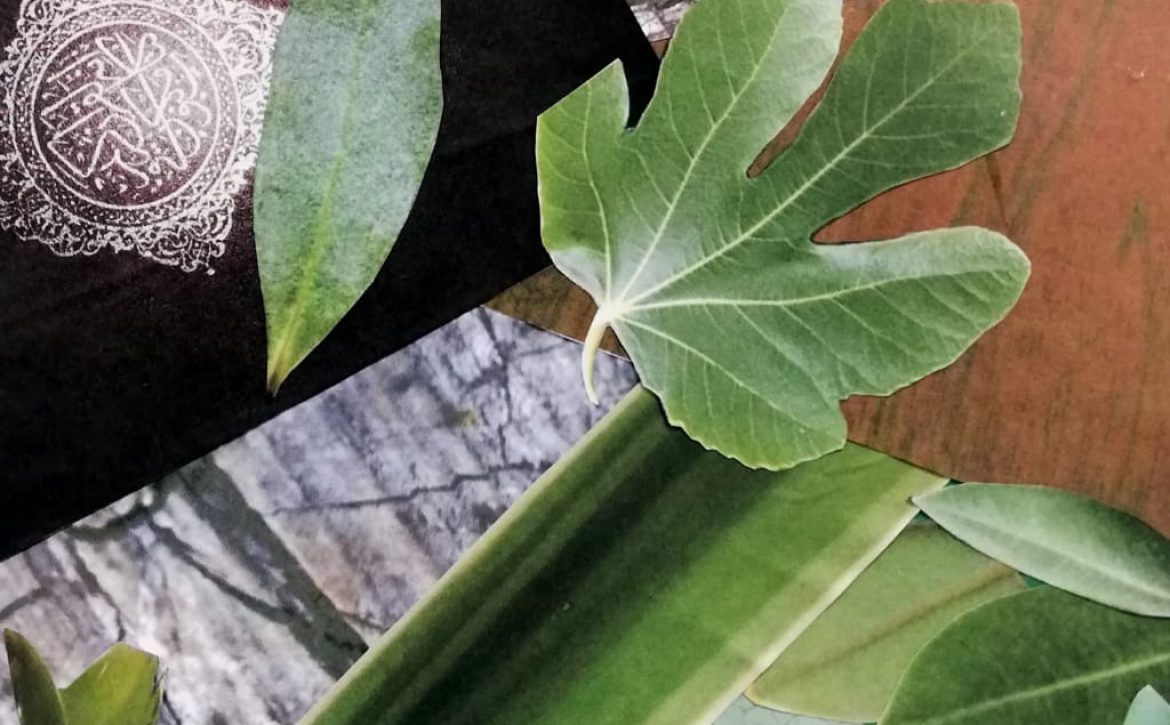
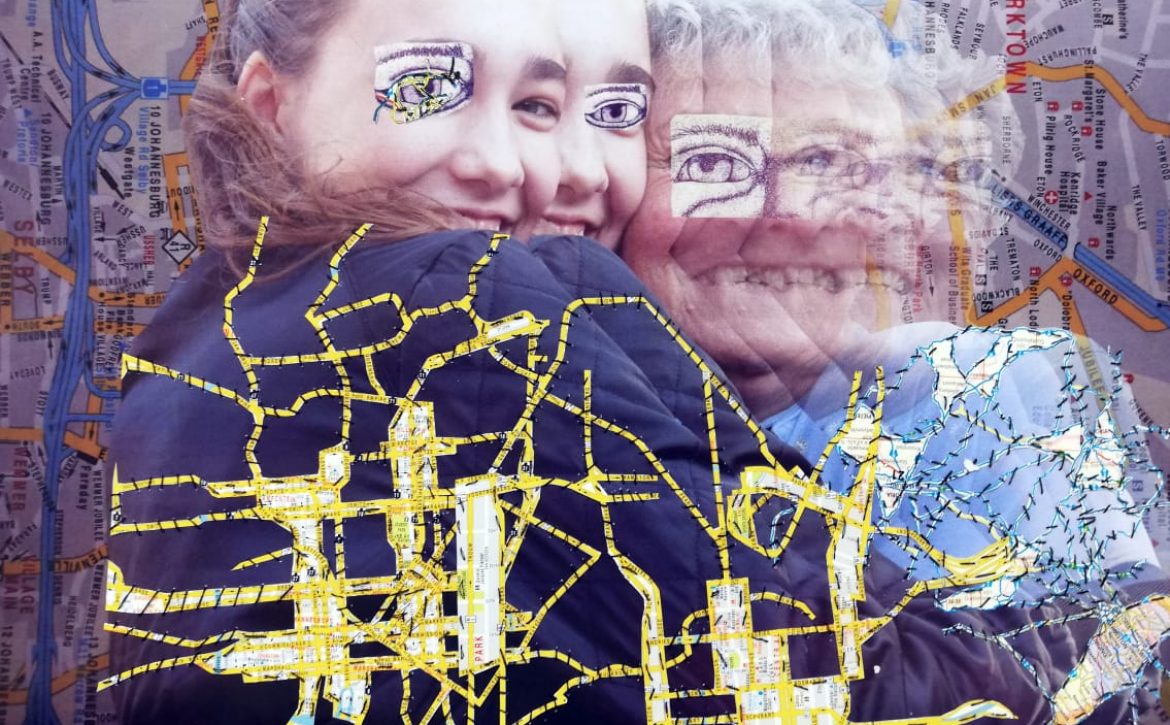
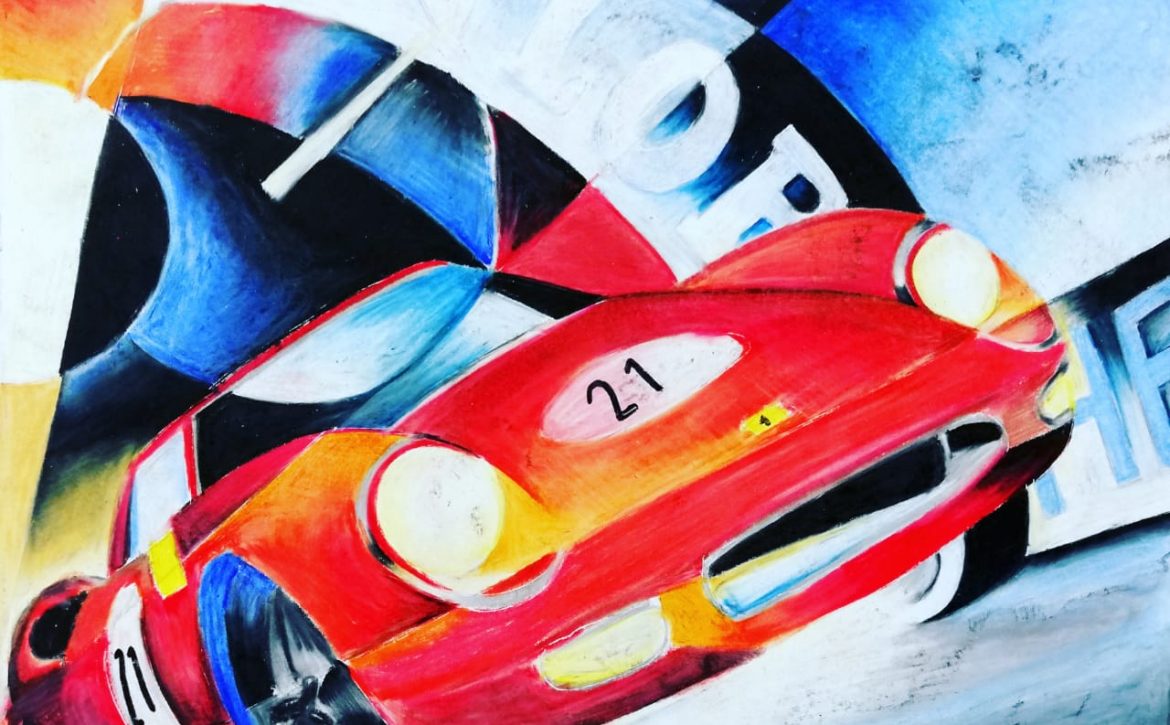
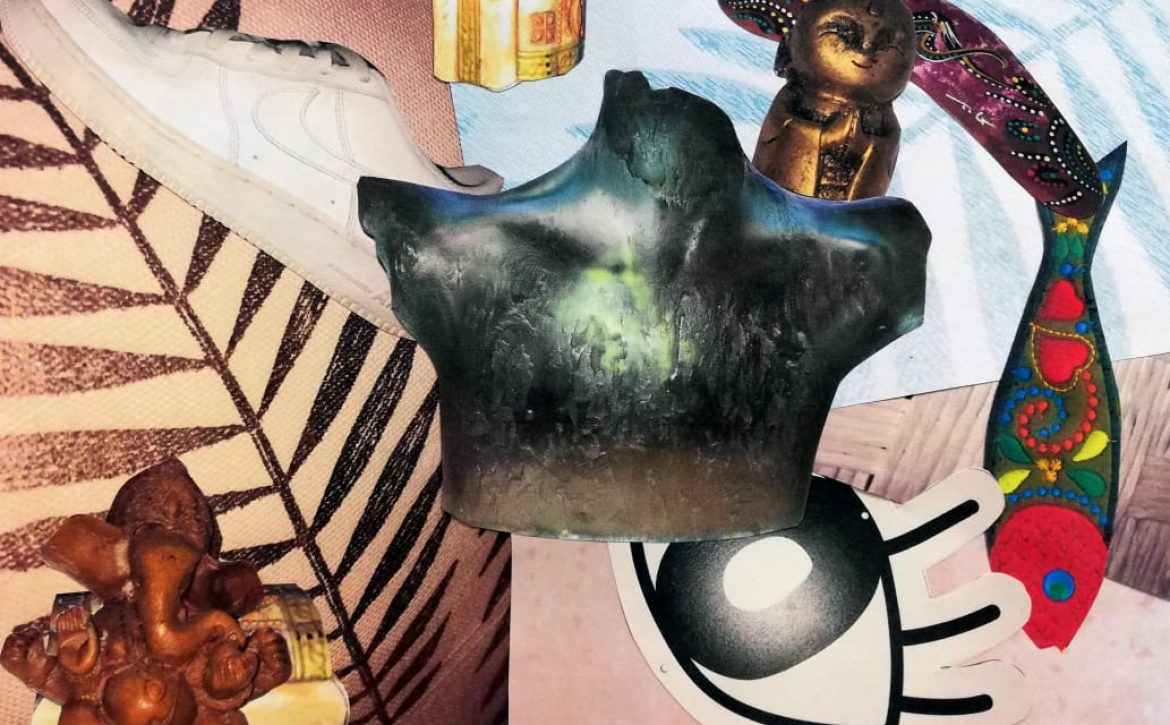
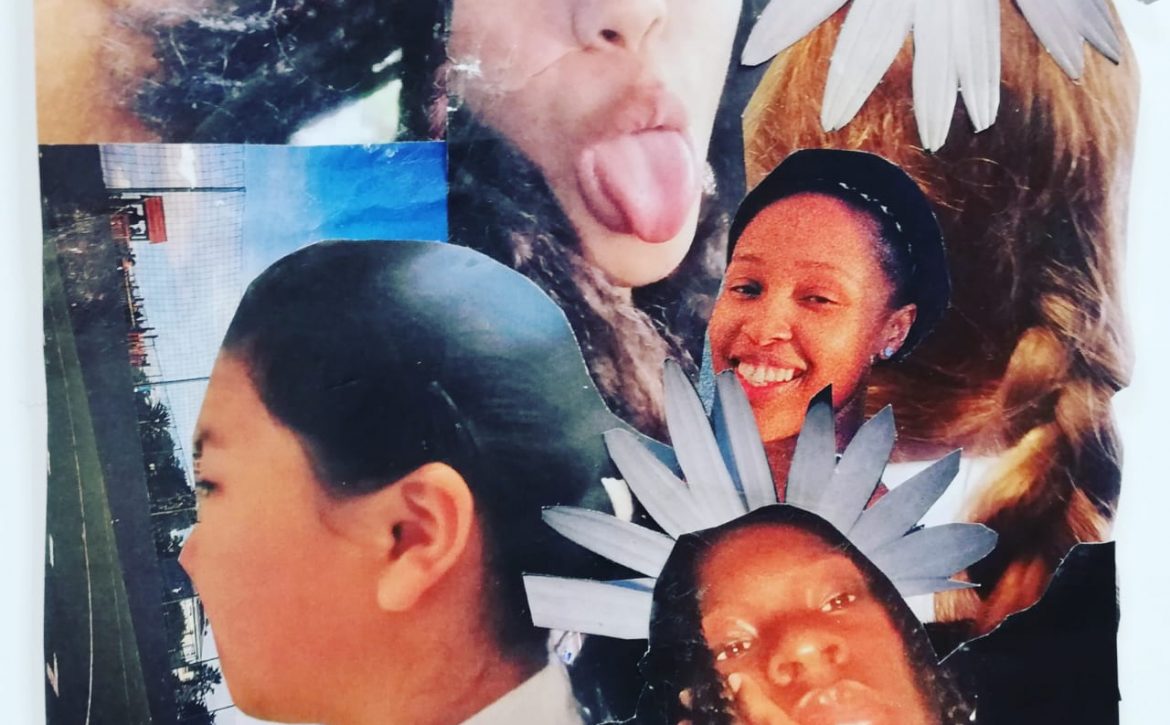
Art programs encourage students to be creative and use their imagination as much as possible. As this increased emphasis on creativity happens, children cherish new ways of thinking about the world in general. Needless to say, art programs are a critical aspect in helping students to magnify their understanding of their place in relation to the rest of the world they live in.
Additionally, students are also capable of developing an understanding and appreciation for different cultures, which can translate to an increased sense of tolerance and social acceptance.
The Cambridge IGCSE Art & Design syllabus aims to encourage a personal response by stimulating imagination, sensitivity, conceptual thinking, powers of observation and analytical ability. Students gain confidence and enthusiasm as they develop technical skills in two and three dimensional form and composition, and are able to identify and solve problems in visual and tactile forms. They also learn how to develop ideas from initial attempts to final solutions. An ideal foundation for further study, Cambridge IGCSE Art & Design also develops a greater awareness of the role played by the visual arts in society and in history, broadening cultural horizons and individual experience.
The Cambridge International AS and A-Level Art and Design syllabus considers expression and communication. Students gain an understanding of visual perception and aesthetic experience, and the ways in which art and design creates a language of its own. Most of the work for this syllabus is practical or studio based, so that students can develop their abilities of observation and analysis of the visual world, sensitivity, skill, personal expression and imagination. They also learn how to relate their skills to an enhanced knowledge of their own cultures, past and present, as well as an appreciation of practical design problems.
Students are often asked to “think outside the box” in terms of problem solving. Art programs encourage novelty and nonlinear thinking, skills that can be used not only in academic settings but in the professional world as well.
Riaan Vosloo
High School Art Teacher
Zeitz MOCAA
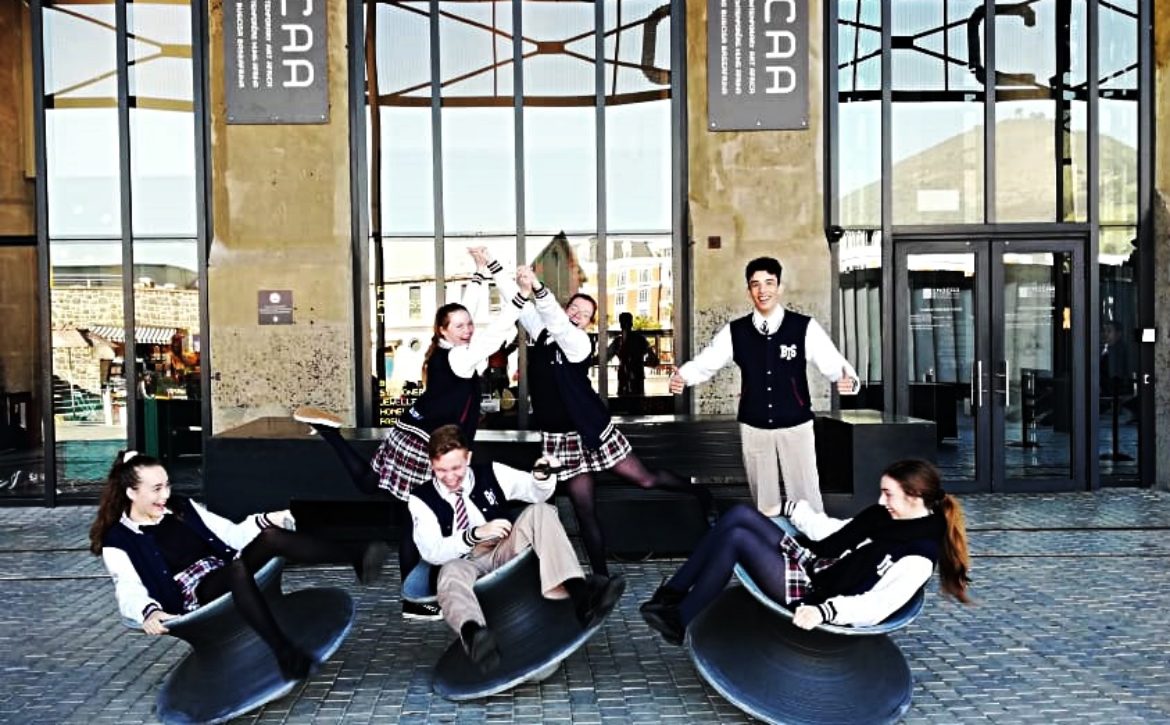
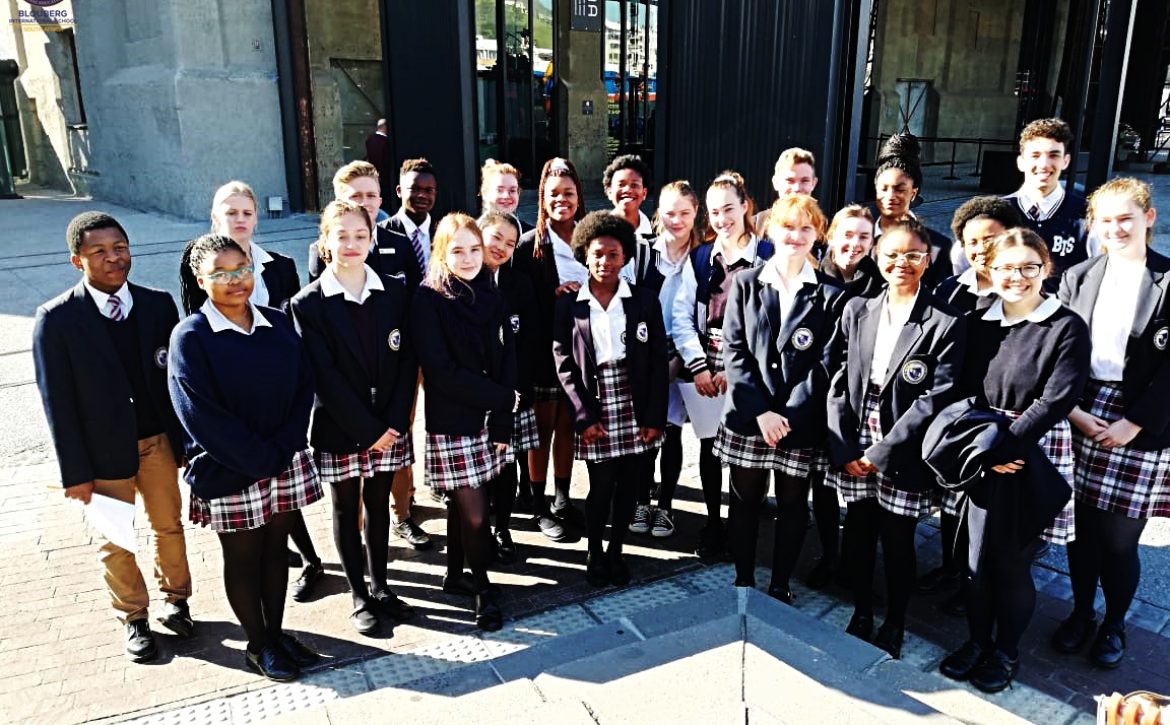
On Friday the 23rd of August the grade 9-12 art students had the propitious opportunity to attend an outing to visit the Zeitz MOCAA – a stirring occasion that enabled us to view the largest collection of African contemporary art in the world.
In the early morning we departed from school to the V&A Waterfront, where the museum stands. We had arrived slightly early which gave us the chance to explore some of the clever constructions that stood just outside the museum – which included chairs that were built to not stand right up but instead roll around whilst an individual is seated.
After some fun and laughter we were taken through the employee entrance which lead us all the way down to the basement, where you could look above to view the impressive architecture of the monument we stood in. Our introductory guide had explained some brief history of the building and how in the 1920s it had been built as a grain silo but was later altered to house countless works of modern artistry. The historical landmark itself was considered art, not only it’s contents.
The exhibitions were briefly talked about – including the new opening of William Kentridges’ : “Why should I Hesitate.” Although that was not yet open, us students were told to make our way to the 2nd and 4th floors where we could gaze upon the exhibition “Still Here Tomorrow to High Five You Yesterday,” which spoke about the importance of political and social issues spanning over the continent. We were given a worksheet to complete to aid us in analyzing 3 chosen displays on these floors to help us better understand how we can use these techniques to better convey a message in our art pieces. Once finished with traveling around everyone returned to the basement to complete the write ups.
At lunch time we hopped back onto the bus to take us to the Waterfront food court where everyone ordered food and socialized a bit before leaving back to arrive at school at 2 o’clock that afternoon.
The experience is one that can not be easily forgotten and I believe us students not only enjoyed ourselves greatly but gained more outlook into the world of art and how you can use various mediums to convey a message through space, lines and shapes.
Jenna Cook
Student Year 12B

Let The Hunt Begin!
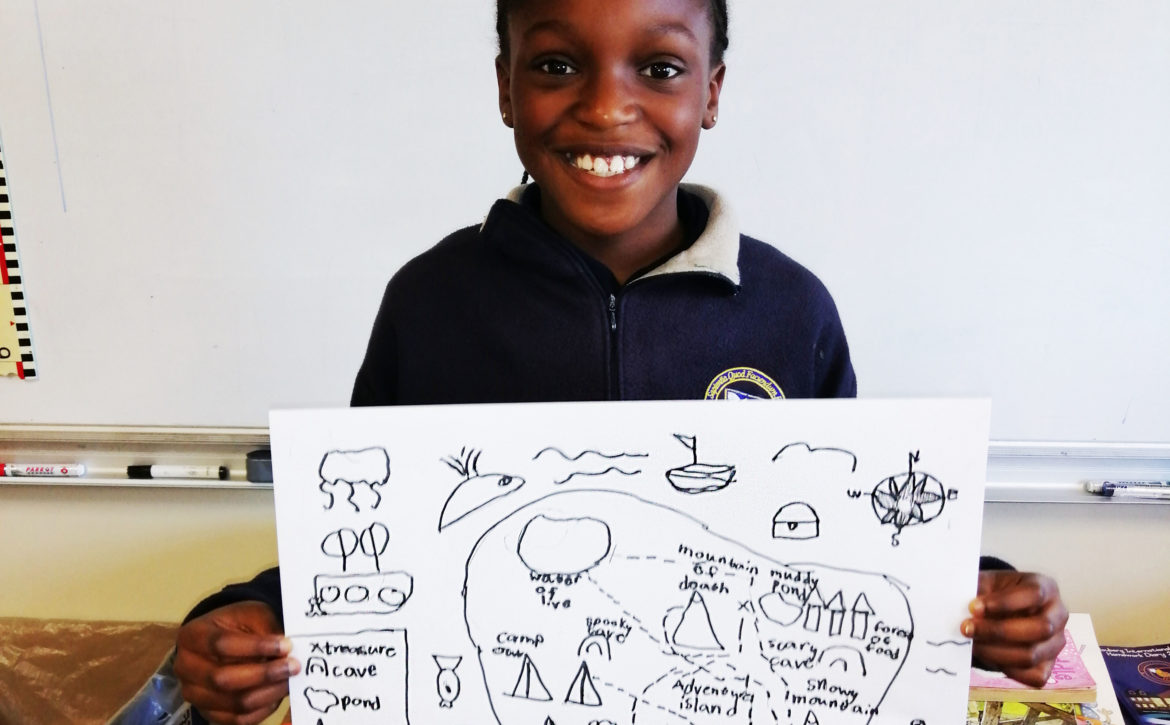
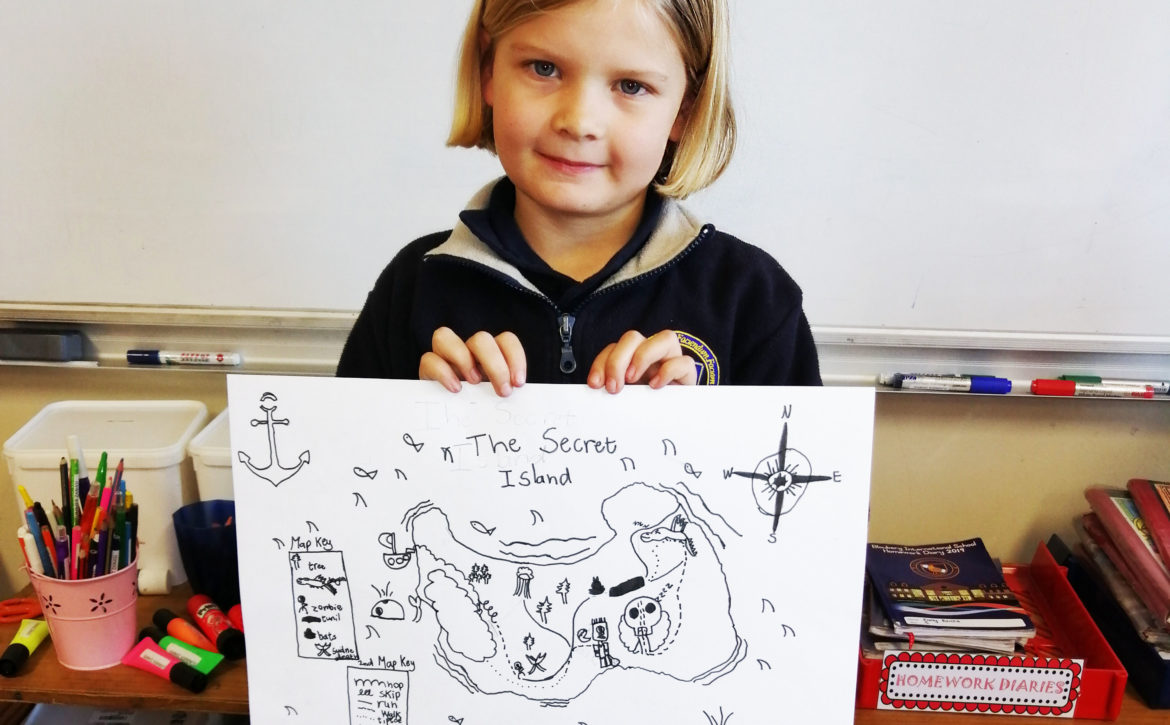
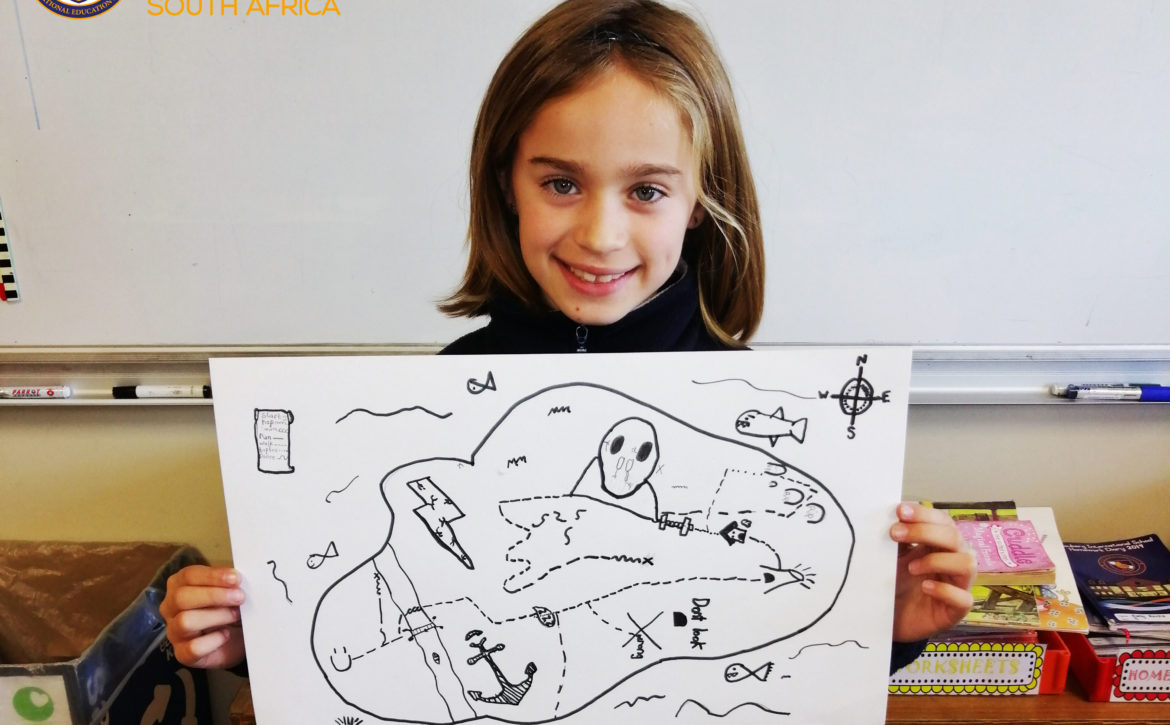
This term we have started off with developing our map skills in Geography and so the students are creating as well as designing their very own treasure map in Art. This includes designing a detailed map key, drawing interesting landmarks and creating a name for their Island. It is an exciting process that will end off with staining the maps using a wet tea bag, slightly burning the edges and then rolling it up into a scroll, to create an old effect.
The year 3 students are thoroughly enjoying embarking on this adventure and can’t wait to show their parents the final results.
Our class is close to completing the drawing part of their treasure maps and including lots of detail into it.
Mrs Alexia Holmes
Year 3 Teacher