
Hands On Physics
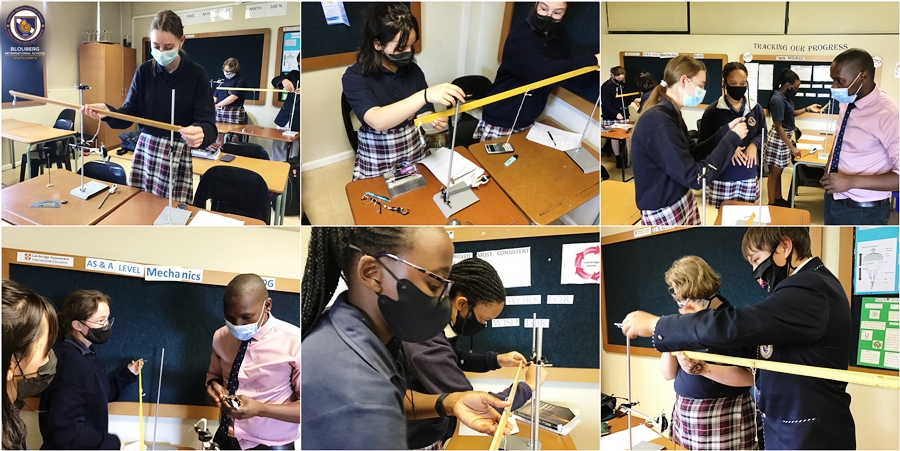
I often hear people say, “Physics is hard” or “it’s for intelligent individuals” and I beg to differ. When we were toddlers, we were curious, we asked questions frequently, we were hands on and our parents encouraged us to explore the world around us. As we progressed into adolescence, some of us stopped asking questions and started believing everything we see or hear.
Many neurological studies have shown that curiosity enhances people’s abilities to learn and retain new information. Physics is for curious people. Anyone who isn’t afraid to ask “foolish questions” such as why the sky is blue, what causes ocean waves, are we the only human beings in the universe, etc., can be a good physicist.
In a quest to find answers to nature’s great mysteries one needs to have an enquiring mind. Great physicists have strong scientific ability. They have an analytical approach to solving any problem.
This term the focus was on developing the students’ scientific skills such as:
- Problem solving skills, other technical skills
- Mathematical skills applied to physical systems
- Analyzing and modeling physical process
- Gathering data, making testing models and predictions
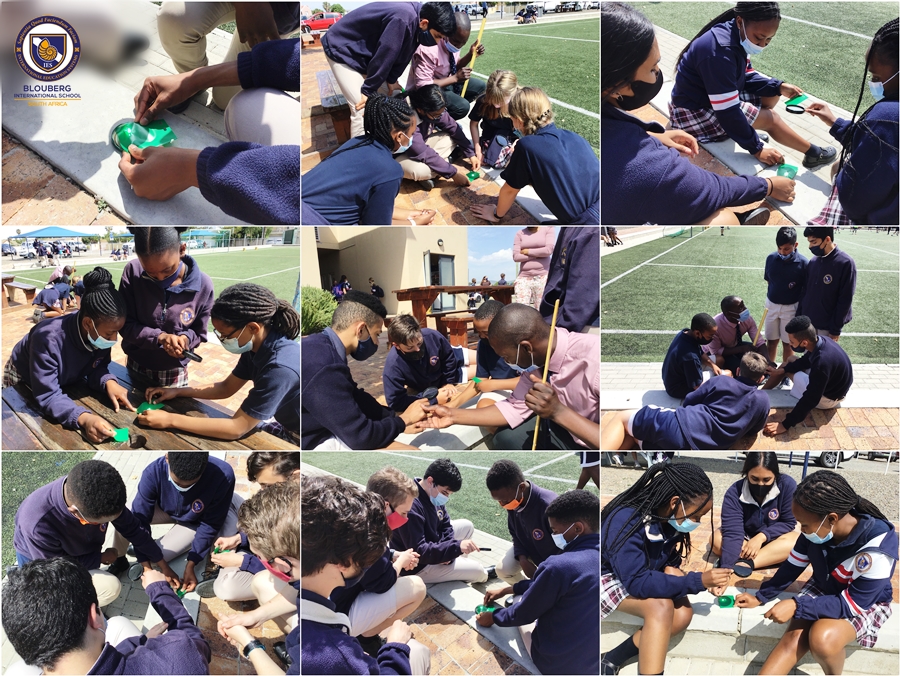
The year 9 students were given a task to build a model of a periscope for SA NAVY. A periscope is an instrument for observation over, around or through an object or obstacle, it is usually used in land and sea warfare by the military. The underlying physics concept is internal reflection of light.
In year 11, the students are making a remote-controlled toy car. This project will help them understand how motors work, the role of rheostats in a circuit and they will also get to do a bit of engineering while at it.
All these HANDS ON projects are aimed at developing the above mentioned scientific skills. Whether or not students continue with physics post high school, they will have these essential skills for any field of work.
Brian Sizani
IGCSE, AS and A-Level Physics Teacher
Read More
Valedictory Ceremony Top Achievers 2021
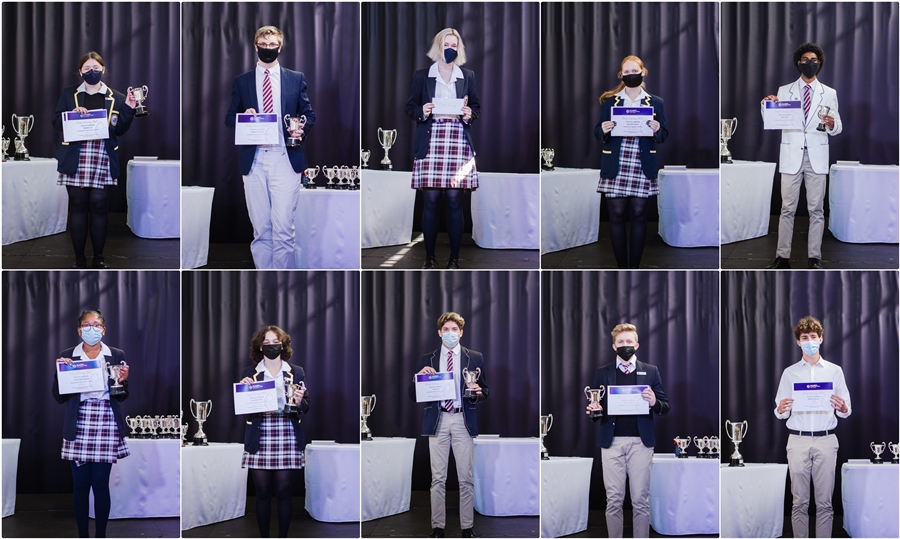
Congratulations to the following Matric students for receiving various awards at this year’s Valedictory Ceremony:

Chloë Goldman (Awarded the DUX trophy)
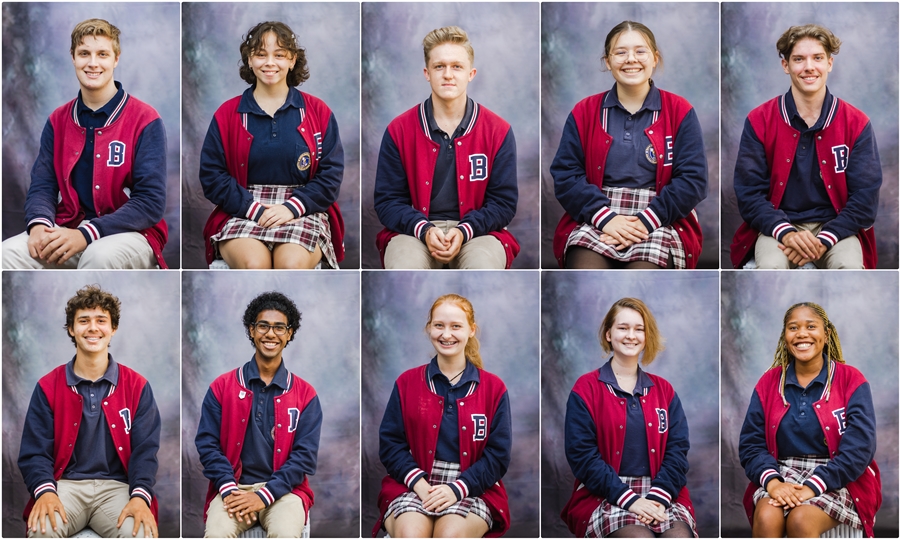
Adriaan Rademan, Courtneigh Harris, Daniel Schlacher, Gabrielle Luyt, James Hart, Matthew Petersen, Niklyn Pillay, Samantha Wynne, Siobhan Smorenberg and Tumelo Mpofu-Mketwa.
Below is the list of awards they all received:
ACADEMIC: |
|||
| Chloë Goldman – DUX WINNER | Gabrielle Luyt | Adriaan Rademan | Siobhan Smorenberg |
| Highest mark achieved in Biology | Highest mark achieved in German | Highest mark achieved in Accounting | Highest mark achieved in Art |
| Highest mark achieved in Chemistry | Highest mark achieved in History | Highest mark achieved in Computer Science | |
| Highest mark achieved in English | Merit award Aggregate of 75% or more | ||
| Highest mark achieved in Mathematics | |||
| Highest mark achieved in Spanish | |||
| Full colours Aggregate of 85% or more | |||
| Dux Scholar Highest marks in Year 12 | |||
| Tumelo Mpofu-Mketwa | James Hart | Niklyn Pillay | Samantha Wynne |
| Highest mark achieved in Afrikaans | Highest mark achieved in Geography | Highest mark achieved in Physics | Academic acknowledgement certificate Aggregate of 70% or more |
| Courtneigh Harris | SPORT: Cricket – Full Colours | ||
| Highest mark achieved in Business Studies | James Hart | ||
| Matthew Petersen | |||
| Daniel Schlacher | |||


Read More
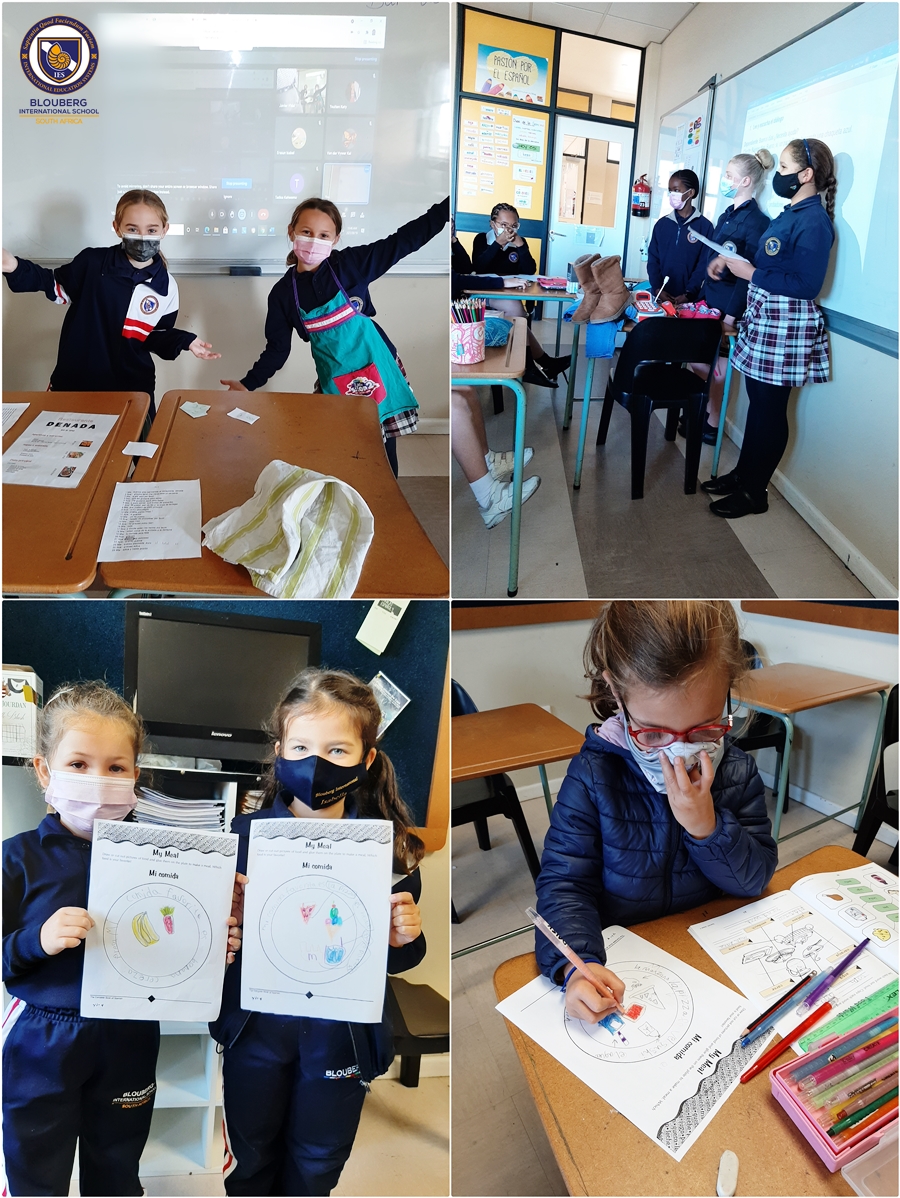
From The Spanish Classroom
To acquire a second language is it very important… to be a good listener.
“Active listening is a valuable technique that requires the listener to thoroughly absorb, understand, respond, and retain what’s being said”. – Centre of creative leadership.
Becoming an Active Listener
- Pay Attention. Give the speaker your undivided attention and acknowledge the message.
- Show That You’re Listening. Use your own body language and gestures to show that you are engaged.
- Provide Feedback.
- Respond Appropriately.
Prepare yourself for the message:
- Limit distractions. Move away from distractions so that you can pay full attention to the other person. Take note of the person’s tone of voice and body language as well.
- Pay attention to what’s being said, not what you want to say. Set a goal of being able to repeat the last sentence the teacher says. This keeps your attention on each statement.
- Be okay with silence. You don’t have to always reply or have a comment. A break in dialogue can give you a chance to collect your thoughts.
- Encourage the teacher to clarify ideas and offer more examples.
- Restate the key points you heard and ask whether they’re accurate. “Let me see whether I understand you correctly…” is an easy way to clarify any confusion.
If you are listening:
- Look at the person that is presenting.
- Avoid any distractions (close your books, notes, and put away any other objects that can make you lose the focus on the presentation).
- Be ready to answer some questions that the student that is presenting has prepared for the class.
If you are presenting:
- Prepare some questions about the project for the class.
- Try to speak clear and loud enough.
- Bring some visual materials to make it more attractive for the class.
In conclusion, concentrate on what’s being said and think about what the speaker is saying rather than about what to say next.
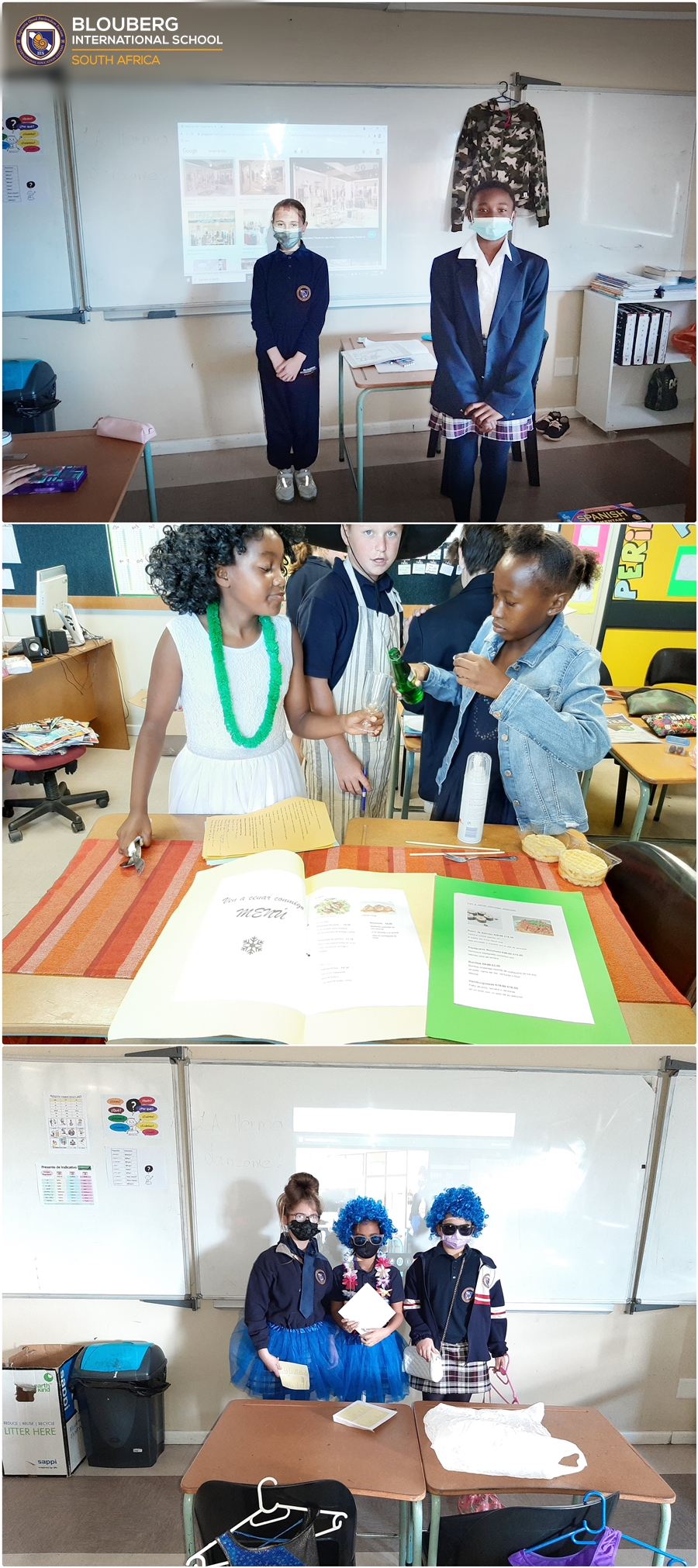
Almost every week the Spanish students can present an oral project about the different topics that they have been learning: The house, family, weather, the city, food, clothing, animals, and much more. This is a great opportunity to put their communication skills into practice and make the lessons fun, useful and interactive.
Javier Vidal
Spanish Teacher
Read More
Mental Health Awareness Month
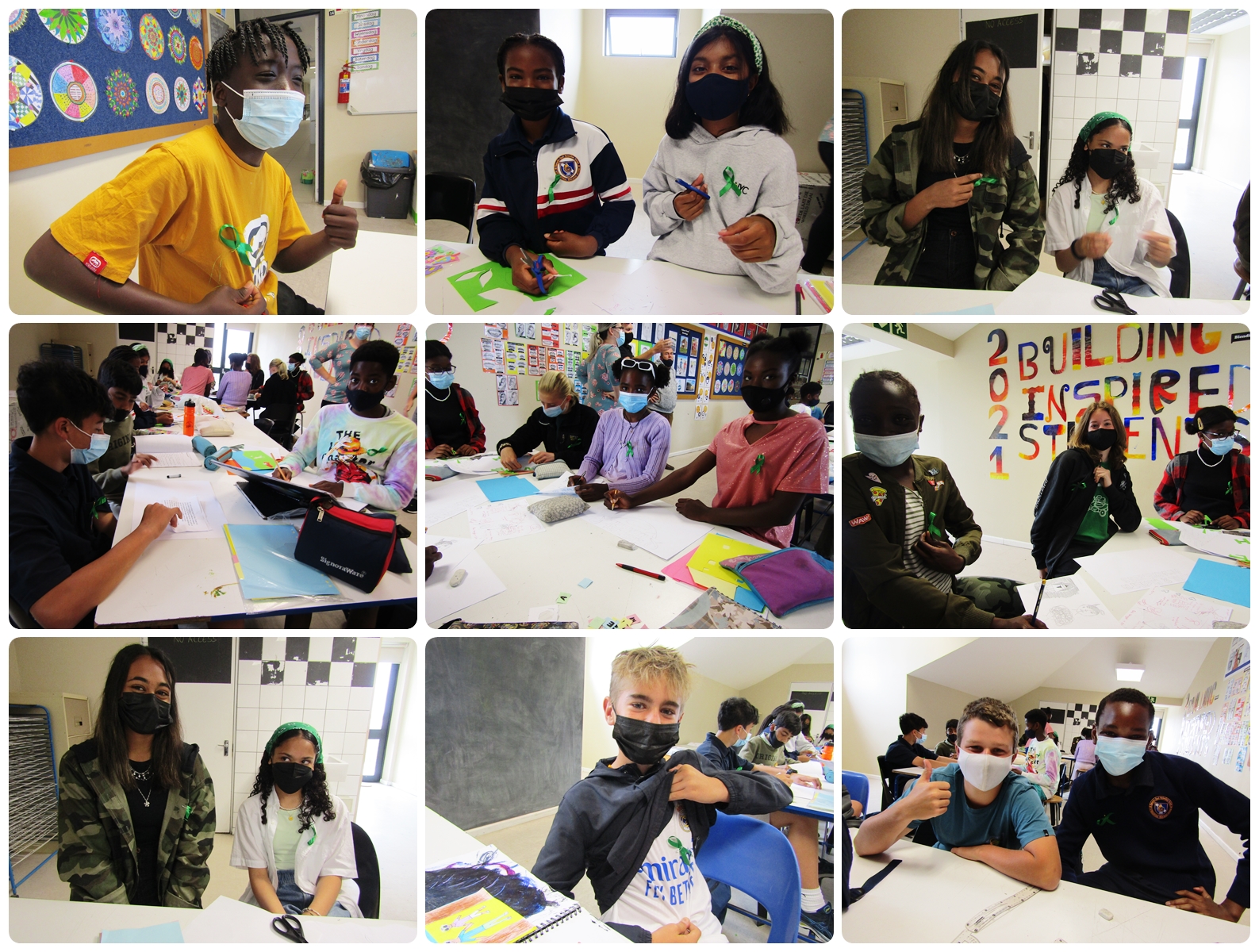
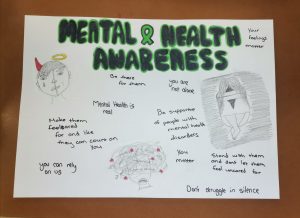
The High School dressed in green civvies today, in support of Mental Health Awareness Month.
Everyone’s lives can sometimes become overwhelming and we as a school, want to empower our students when it comes to mental health, encouraging healthy dialogue and support for sufferers.
“The month of October has been declared Mental Health Awareness Month with the objective of not only educating the public about mental health but also to reduce the stigma and discrimination that people with mental illness are often subjected to.” Quoted from https://www.gov.za/speeches/mental-health-awareness-month-2021-13-oct-2020-1232
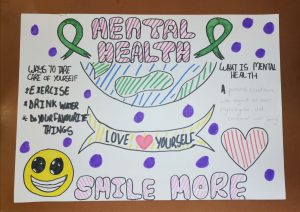
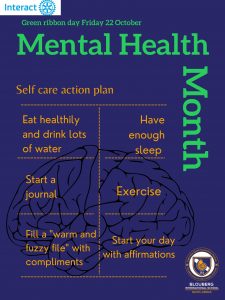
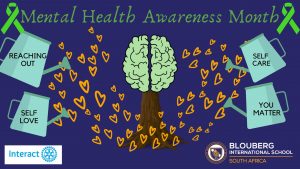
The BIS Interact Club members have placed posters around the school with tips and good habits that can help maintain good mental health. During the civvies day today, students were given green ribbons to show acknowledgement and support for this important cause.
We would like to thank all our High School students for coming together and embracing this wonderful initiative.
BIS Interact Club




Read More

Year 11 Leadership Inting
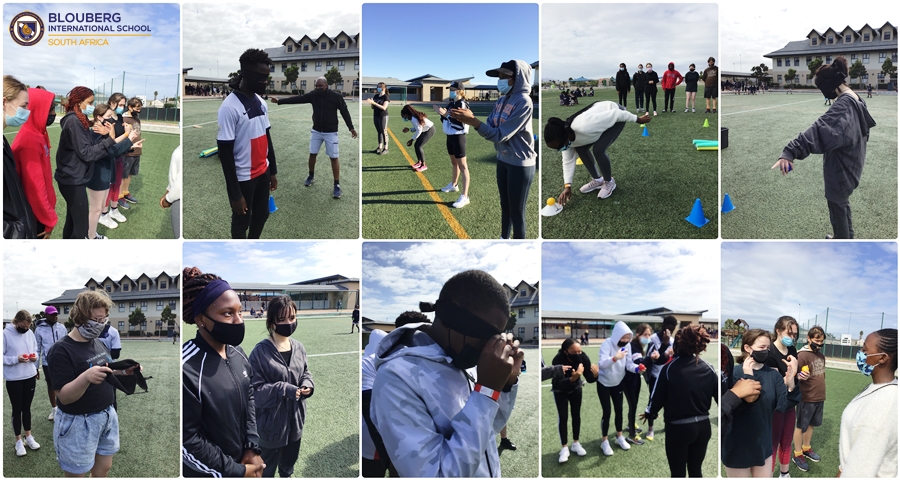
On the 7th and 8th of October, instead of the usual Year 11 annual leadership camp, we participated in an inting hosted on the school grounds. This forged a space for us to develop our team building and leadership skills, and it also unified us as a year group.
Camp instructors came from their stomping grounds at High Africa Adventure Centre, bringing along with them several pieces of equipment for interactive and physically challenging activities. These not only tested our physical abilities and how we navigated around the capabilities of our fellow classmates, but also quickly revealed just how limited our patience is!
For both days, we were spilt into two teams, the members changing slightly each day. This illuminated the strengths and weaknesses each person brought to the team dynamic, and how they could be utilised to ultimately bring the teams to victory. At the end of each day, a winning team, as well as an outstanding leader and camper were chosen. Through games such as “red light, green light”’ with a teddy bear (this stirred an uproar of frustration!), as well as “pool noodle hockey” and a spin on the popular “musical chairs” game, we were able to establish and nurture new ways of communication.
There was an abundance of mind-bending tasks that tested our trust in each other’s abilities, as well as in ourselves. The skill to integrate oneself into team environments was introduced to us, driven by games that included illustrating a story out of a random assortment of picture cards and constructing a sailboat out of geometric wooden pieces. Whether we were human chess pieces or building strange structures with melting marshmallows and brittle spaghetti straws, one thing was for certain: we couldn’t have grown closer as a class after that week.
Yes, we embarked on this inting with the intention of becoming confident leaders, a goal we certainly achieved! However, we also came out as stronger teammates and more self-assured individuals. Communication and trust were qualities that we learned are vital to becoming a valuable team member; also, the skill to be able to listen and follow, as well as to lead. But most importantly, I believe we were reminded of how our individual uniqueness and defining qualities can be used to realise and achieve a common goal.
Kazimla Dyakalashe
Year 11 Student and 2022 SRC Member


Read More

Business Studies Simulation Game
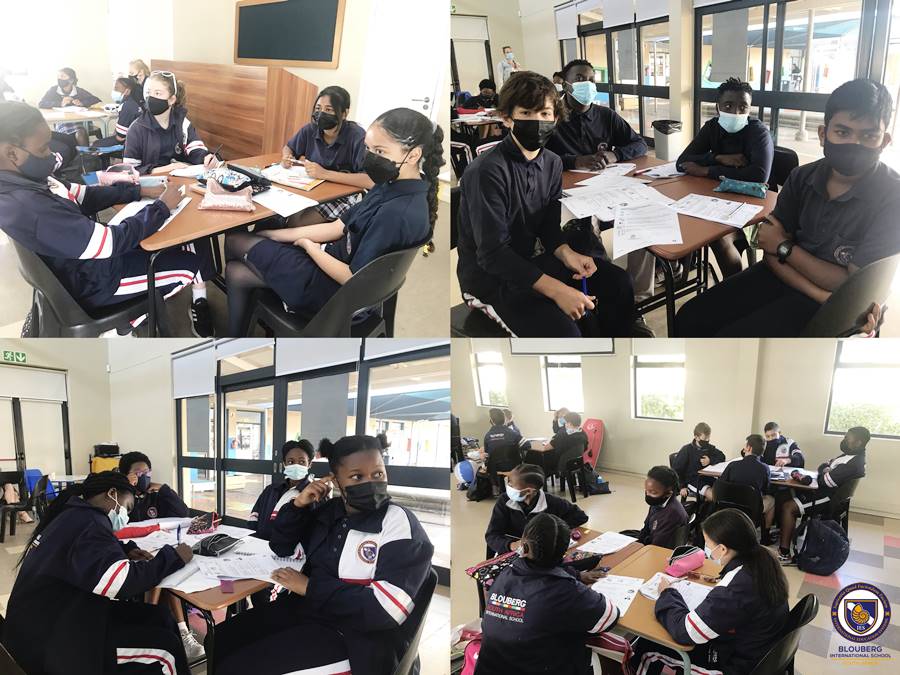
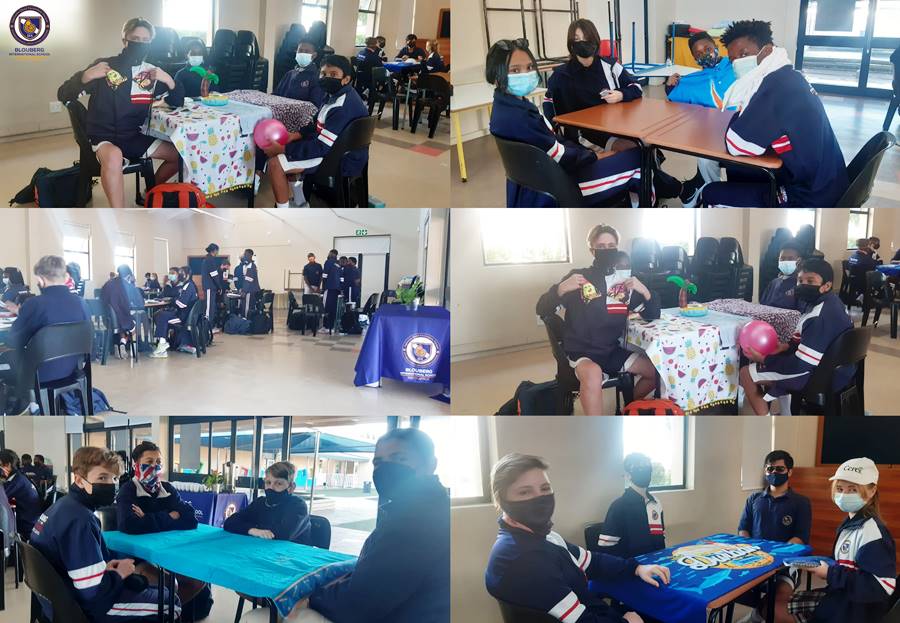
On Thursday and Friday last week, the Year 7 and 8 students participated in the Banango Traders Business Simulation Game run in affiliation with the Johannesburg School of Finance. This initiative is a great opportunity for students to improve and test their business knowledge by running a virtual business.
The event brought out our students’ competitive nature as they competed in teams against one another in order to generate the highest profit. Many congratulations to the teams in each year group that won and the Year 7s for making the most profit out of the two groups.
“The business stimulation taught us the importance of quick thinking and taking risks in business,” is just one of the examples of positive feedback that was received by the students.
The students undoubtedly left with a first-hand appreciation for entrepreneurs and a new, energetic enthusiasm for starting their own businesses. We definitely have a couple of budding entrepreneurs amongst this group!
Caroline Grix
High School Business Studies Teacher


Matric Dance 2021
Student Account:
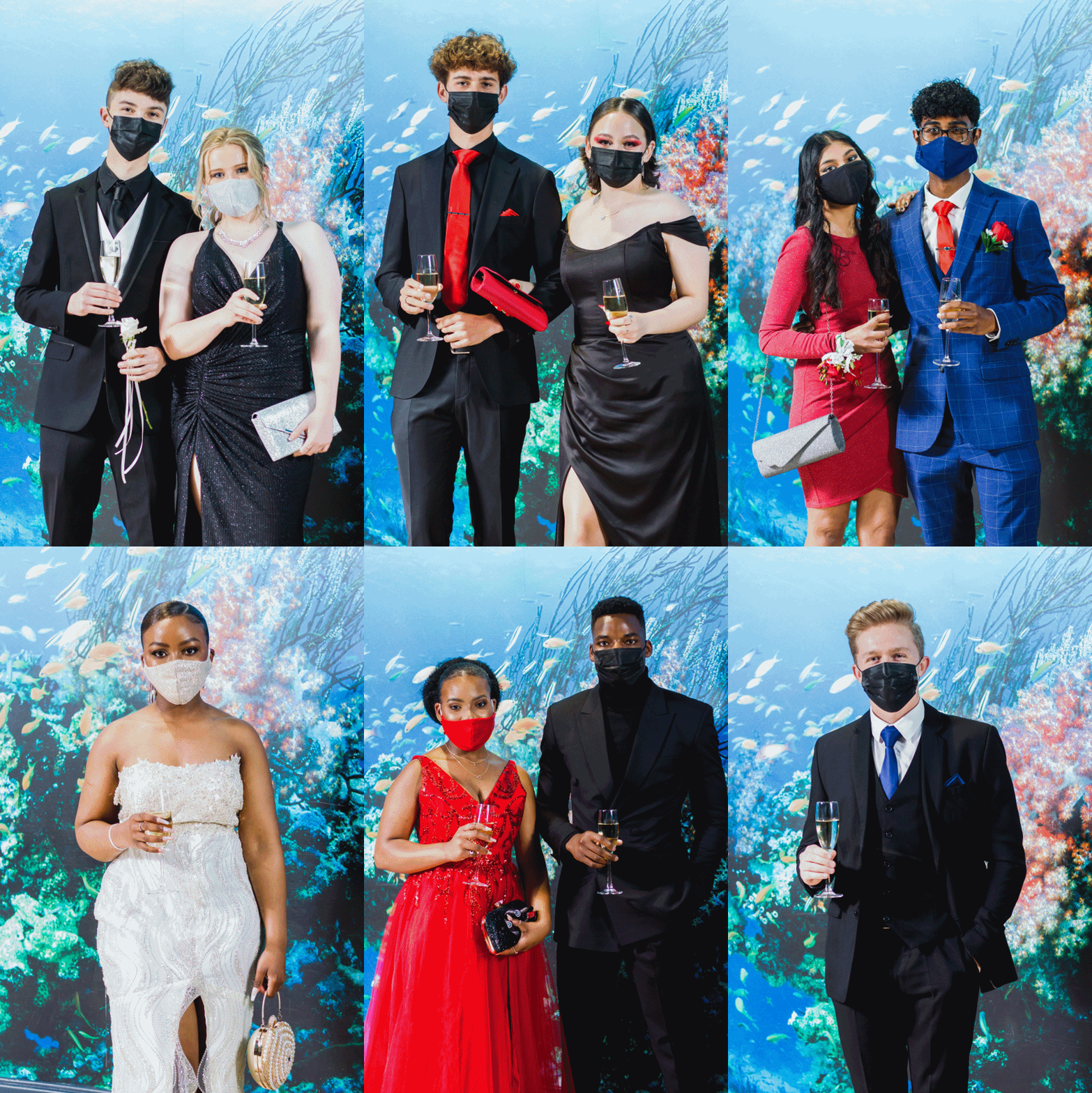
The 2021 Matric Dance was a night not to be forgotten. It was a lovely end for our Matric Class, and an unforgettable sendoff before the start of our exam season. The Aquarium could not have been a more invigorating and mystical venue for such a night, and the presence of the varying sea creatures left most of us in awe. The food provided by the aquarium was delicious and inclusive for everybody, and left everybody satisfied. Lots of dancing and smiles were the biggest take-away of the night, and it was highly enjoyable for all.
Written by Matric student – Gabrielle Luyt
Student Account:
On Friday the 17th of September, the matrics of 2021 attended the formal Matric Farewell. It was hosted at the aquarium and although a different location it was certainly unique! It was so special seeing everyone arrive with their fancy cars, and beautiful dresses and suits, and we had Mr Swart, the teachers, some Year 11s and the parents awaiting our arrival. It was nerve wracking walking up but all the cheers and familiar faces definitely helped!
We soon said goodbye to the parents and began our night inside. There was a professional photographer there and she did an amazing job taking all the pictures and really making them look beautiful. We took lots of pictures in front of the huge shark tanks, and the fishes and sharks accompanied us in the background of most of our photos! She made us all feel really comfortable and I’m sure we’ve got photos no other matric dance has gotten before!
After photos, we stepped into the hall where we would be having dinner. There were round tables positioned throughout the room and they were decorated beautifully and elegantly. The matrics were treated with a buffet of food options, drinks and delicious desserts. I was definitely full at the end of the night! Our favourite, chosen music played throughout the evening and a large portion of our night was spent dancing together as a year group and having fun as our last night together!
Overall I had a lovely time at the Matric farewell and I’m glad I got to spend the night with my peers. It was definitely a special night, and one I will not forget!
Written by Matric student – Chloë Goldman
Read More

Valedictory and SRC 2022
Although things looked a little different at BIS this term, we are so fortunate that our students were able to attend school for the majority of the term. Thank you to everyone who supported the staff and students through this journey.
We will continue to ensure that the curriculum is comprehensively covered, ensuring that we stay on track for the rest of the academic year.
Our sincere thanks go to the teachers for all their hard work with the planning and delivery of the online lessons, as well as the teaching of the students in the classroom.
On Wednesday, we held a special Valedictory & Prize-Giving Awards Ceremony on the school campus for the Matric Class of 2021, joined online by students and parents. Ceremonies like this one enable us to pause as we recognize, acknowledge, and celebrate our students’ success and development.
We also had the pleasure of announcing the 2022 SRC Leadership Team:
Remy Wang
Michael Mkandawire
Rifqah Price
Kazimla Dyakalashe
Savanna Prinsloo
We are so incredibly proud of all the year 11 students who nominated themselves and gave speeches a few weeks ago. Whether they have received a formal position or not, they will all be incredible leaders for our school in 2022. I have no doubt that they will work hard to make our school an even better place by upholding our school’s values throughout the year.
This holiday is a short one, and I hope that you have time to rest and recuperate.
We look forward to welcoming our students back to school on Wednesday, 29th September.
Carmen de Villiers
High School Coordinator

The upcoming Cambridge IGCSE and AS/A Level examinations and how to prepare for them
The October/November Cambridge IGCSE and AS/A Level examinations are fast approaching, with the first examinations already taking place on 28 September 2021. It is vital that students prepare themselves for these examinations.
Below are some helpful hints and tips for preparing for the examinations:
- Familiarise yourself with your examination timetable.
- Ensure that you know exactly:
– what work will be covered in each subject;
– the format of each examination paper;
– the time allocation;
– the equipment that may be needed for the examination (e.g. calculator for mathematics).
- Get copies of old examination papers and worksheets.
- By now, all your notes should be up to date and you should have all that you need to study effectively for the examinations.
- Prepare your study area. Some things to consider are:
– have a good source of light;
– have lots of paper available;
– a clear work surface;
– coloured pens if you prefer to use colour;
– light or unobtrusive music if you prefer to learn with music.
- Keeping healthy! Eat fresh foods such as fruit and nuts. Pile up on the vegetables in the evenings and drink plenty of water and fruit juice to keep the flu at bay. The brain needs to be fed well to perform at its optimum.
- Try not to nibble on too many chocolates and sweets while studying.
- That said, the odd sweet or chocolate will provide an energy boost when you feel really tired.
- Getting a good night’s rest is also important. Sleep will rejuvenate you and keep you going.
Devising a Revision Timetable:
If you plan your revision carefully, you will enjoy the feeling of being well prepared for the examinations, secure in the knowledge that you have done your best and have covered all the work.
- Create a calendar for this purpose, using bright colours/larger paper etc.
- Start by marking in the dates and times of your examinations.
- Shade in the dates and times when you know you have other commitments, e.g. sports fixtures/family function.
- Work out how much time you would need per section per subject. Remember to spend more time on those subjects you find more difficult.
- Using a pencil, begin to draw up your revision timetable by writing in the subject and the sections that you wish to cover each day.
- You could leave a revision time blank each week, as a “safety net” for work not covered as planned. This may be as a result of those unforeseen circumstances that make life interesting.
- Do not get stressed out if you don’t stick rigidly to the timetable. Sometimes you start by expecting to cover too much at one time. The main idea is to get you to focus on the work that needs to be covered and to work towards a goal.
- Be sure to timetable rest and relaxation.
- Before changing subjects, take a longer break of about 20 – 30 minutes and try to get outside or do something different.
Study Methods:
Each one of you will have your own method of studying and it is important that you feel comfortable with your chosen style. It is equally important that you admit if your method has not worked in the past.
Here are some tips that you may like to try out. These are tried and tested methods.
- Start by reading through a section from beginning to end. This will give you an overview of what is to come. Focus on headings and pictures and diagrams.
- Ask questions as to the content of the section (why, what, when, where, how and who?). This will help to get your mind in touch with the main areas within each section (e.g. What do I need to know about this topic? What exactly is this text about? How does this section link up with what I have just studied?).
- Re-read the passage with the aim of answering your questions. Look up words you do not understand, refer closely to graphs and diagrams, highlight important ideas in colour, etc. Do not try to make notes at this stage.
- Aim to check that you have understood the work. Think about the passage and focus on key points. Re-read the passage, making notes on the relevant material. This may take the form of block notes or diagrammatic notes e.g. mind maps/spider diagrams.
- It is a good idea to redo mathematics exercises and worksheets as well as work through past papers.
- Diagrams can become excellent forms of summary in subjects such as geography and biology. A diagram should be drawn clearly with large labels for easy identification.
- When encouraging a difficulty concept, try to break it up into smaller units and talk your way through the steps of the problem.
- If you have difficulty remembering something, pin up key words on your bedroom wall or cupboard door as a constant reminder. Each time you walk past the word, stop, and ask yourself a question or two about it to trigger a response.
- In language, you need to understand the rule to apply it, e.g. rules for the past and present tense.
- Review. Aim to ensure that you remember what you have learned by reviewing worksheets/past papers/testing yourself with questions that you set or working with a friend and testing each other verbally.
Just before the examination:
- Get a good night’s sleep.
- Have a good breakfast.
- Arrive at the venue with time to spare.
- Make sure you have the right equipment, tissues, watch, etc.
During the examination:
- Don’t rush into answering questions.
- Read the instructions at the beginning to ensure that you know how to answer all the questions and how many questions to answer.
- Read through the questions carefully.
- If there is a choice of questions, make your choice carefully. Underline key words in the questions.
- Stick to the time plan given to you by your teacher.
- At the end of the examination, if you have time, read through your paper to check that you have answered all the questions.
I would like to wish all students the best with their 2021 examinations.
Julian Harrison
Cambridge Examinations Officer
Read More

Year 7 and 8 Art
Art, caft and design embody some of the highest forms of human creativity. A high-quality Art and Design education should engage, inspire and challenge students, equipping them with the knowledge and skills to experiment, invent and create their own works of Art, Craft and Design.
As students progress, they should be able to think critically and develop a more rigorous understanding of Art and Design. They should also know how Art and Design both reflect and shape our history, and contribute to the culture, creativity and wealth of our nation. Therefore, exposure to various fields and techniques is what Art in Year 7 and 8 is all about.
At the start of Year 7, we focus on the formal elements of Art as well as the principles of Design. These make up the foundation needed to create all artwork.
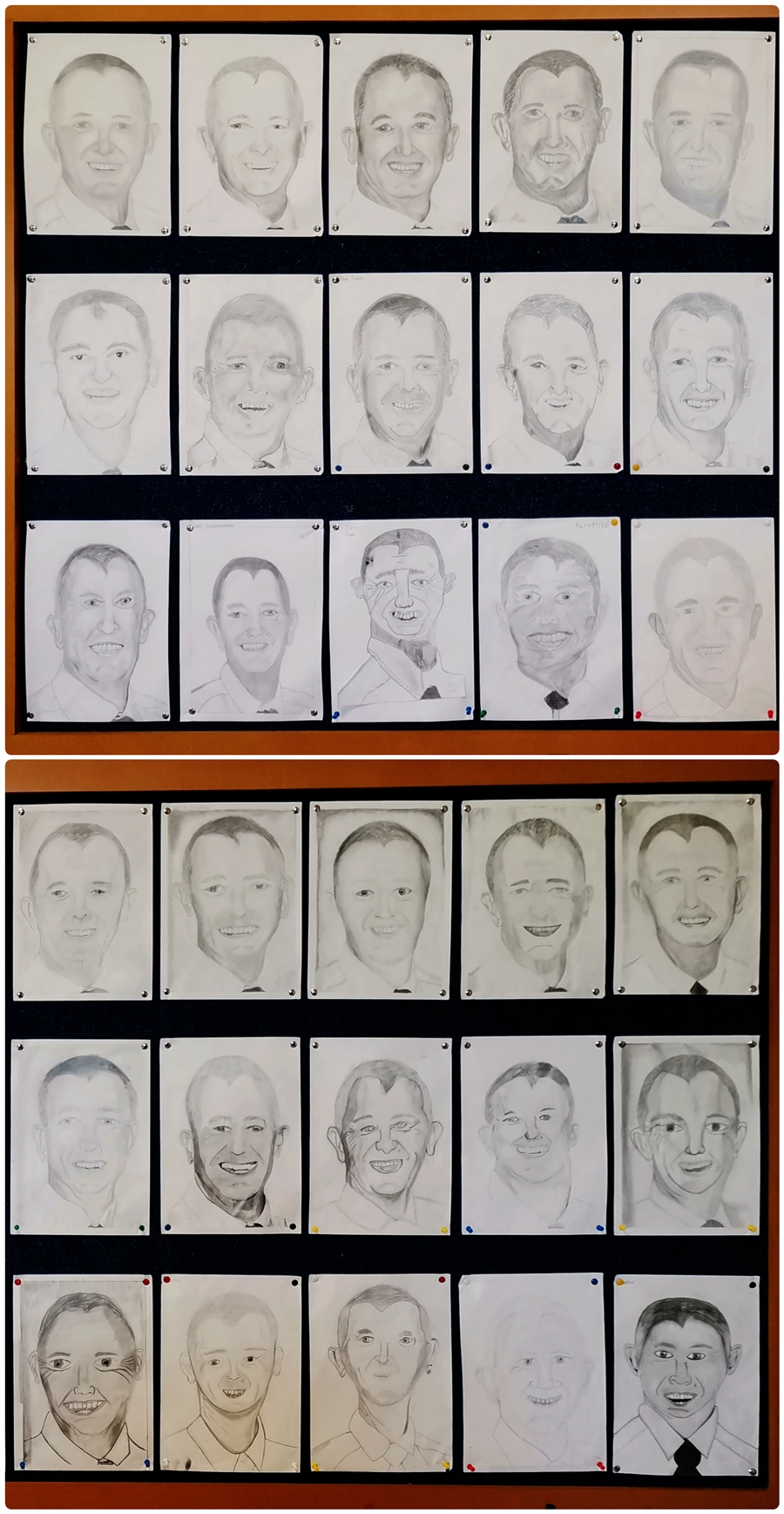
During Term 2, we started with teaching students the skills to draw different facial features. After this, they had to put their newly acquired skills to use by drawing a portrait of our principal from a photo. The results are astounding. This is in preparation for Year 8 where they do self-portraits.
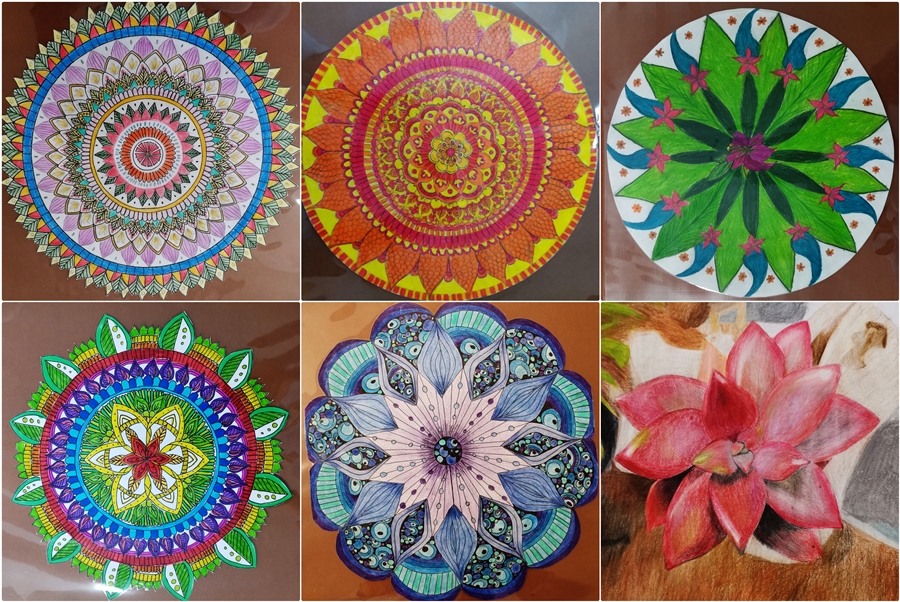
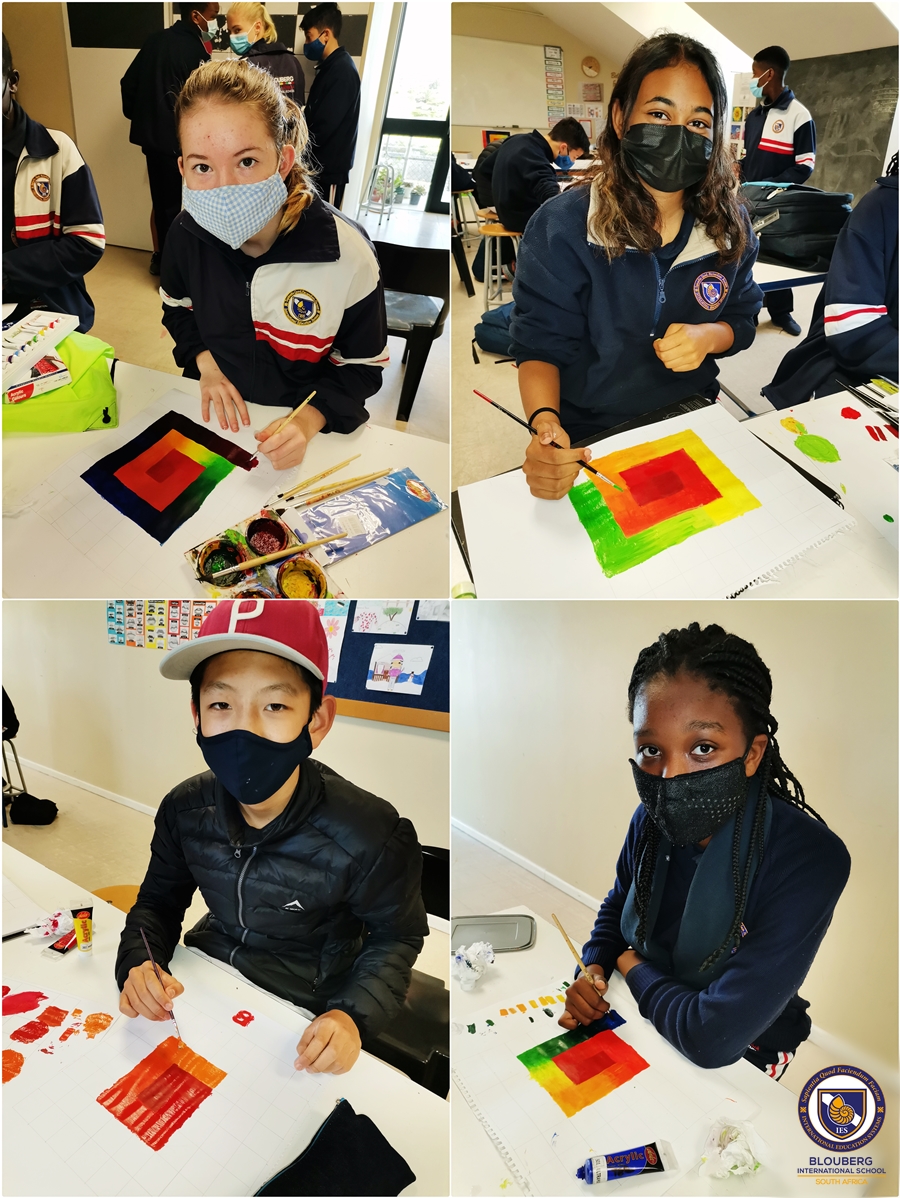
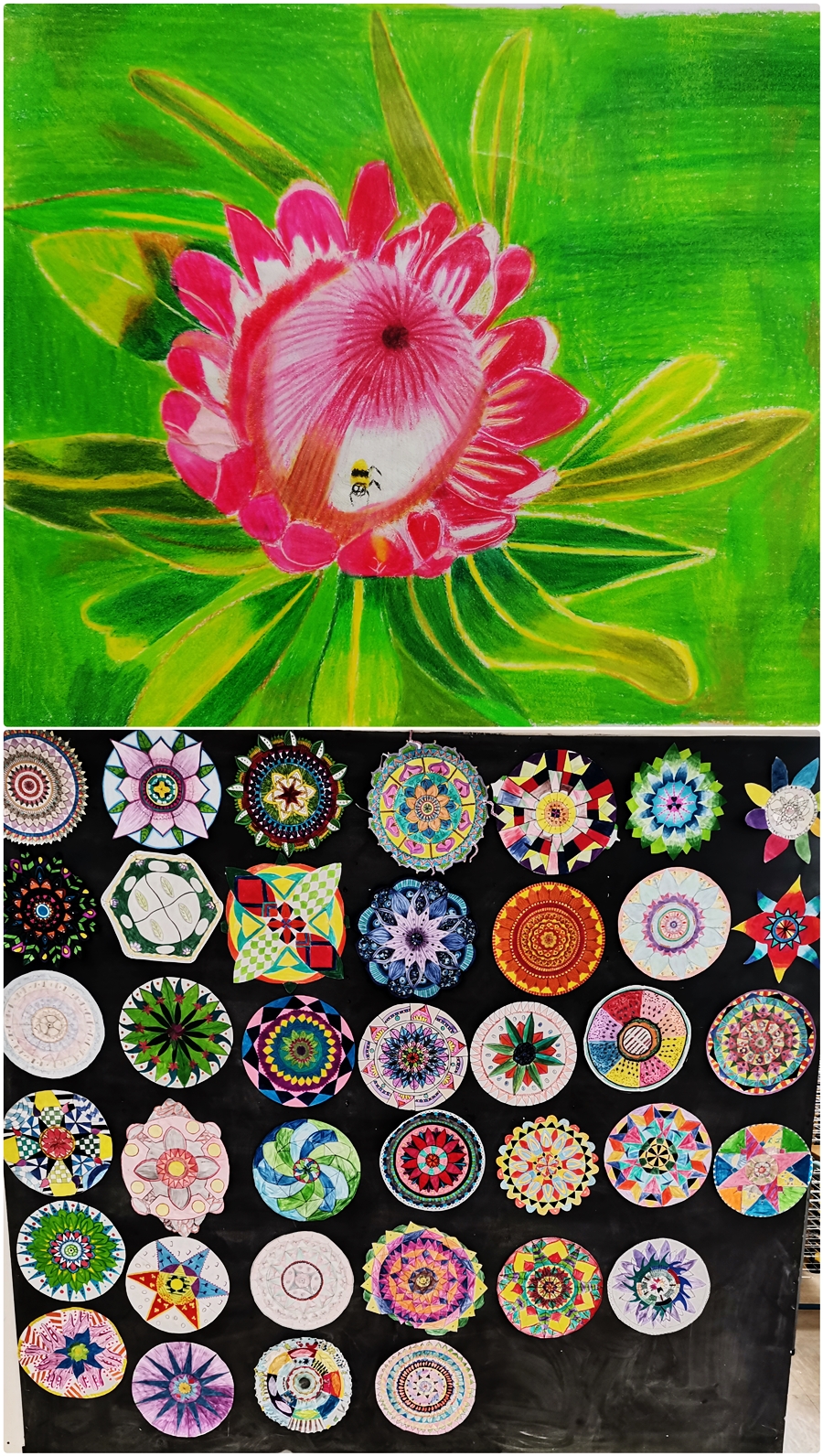
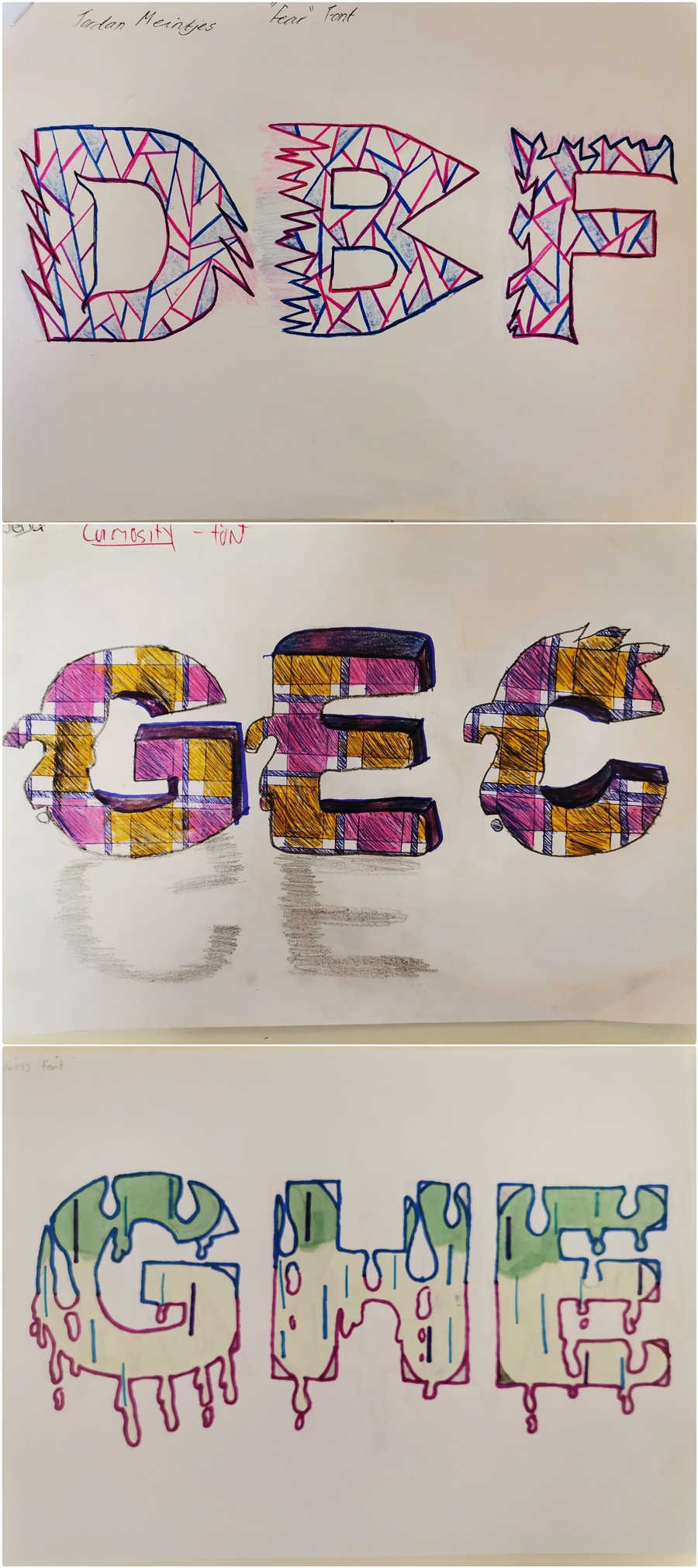
Colourful Mandalas were the order of the day in their June practical exam. This served as yet another opportunity to show their creative skills and freedom of expression. Currently the Year 7’s are busy with paint blending while the Year 8’s are exploring the world of Graphic Design. They are designing their own emotion-inspired font and using this in further practical tasks.
In Term 4, both Year groups will be exploring other areas of Art and Design as well. The purpose of exposure to the various areas of Art and Design is to help students make a more informed decision when it comes to taking Art as a subject at IGCSE or AS Level.
Art in Year 7 and 8 is exciting, challenging and a test for student’s creativity, thinking, hard work and dedication.
They say a picture is worth a thousand words so here are a few examples of what the Year 7 and 8’s have been up to thus far in 2021…
Ane Gornall
Year 7 and 8 Art and Design Teacher


Read More