
Primary School Music Programme
Watch our students perform click here…
Music builds a sense of belonging, discipline, confidence, creativity, movement skills, and cooperativeness.
BIS has a developmental music programme from Pre-Reception to Year 6. The music education programme offered is holistic, child focused and inclusive. All students have the opportunity to be actively involved in learning music through singing, playing and dancing. They have opportunities in the music classroom to compose, create and perform music while developing a repertoire of songs that target specific skills appropriate to their level of learning music.
The class music programme selects songs that foster tuneful singing and aural development. Creative movement is also integrated encouraging spatial awareness. Students learn graphic and traditional notation in rhythm and melody from Year 1 onwards.
Through dancing and movement they learn a lot about rhythm and tempo and through singing they learn all about pitches and note names. We have a few percussion instruments, like bells, boomwackers, ukulele and glockenspiels that the children play to learn about pitches and rhythm.
We have two choirs in the Junior school and also a band, a small violin ensemble as well as a marimba band. We also have an extensive instrument programme and have tuition in the following instruments, flute, brass instruments, guitar, clarinet, saxophone, piano, singing, drums and violin.
In a multicultural school, music makes connections across cultures and aids those who do not yet have good English skills. It links students with the immensely rich history and diversity of cultures.
Beverley du Plessis
Music Teacher
Read More
Who’s-Done-It Mystery Game
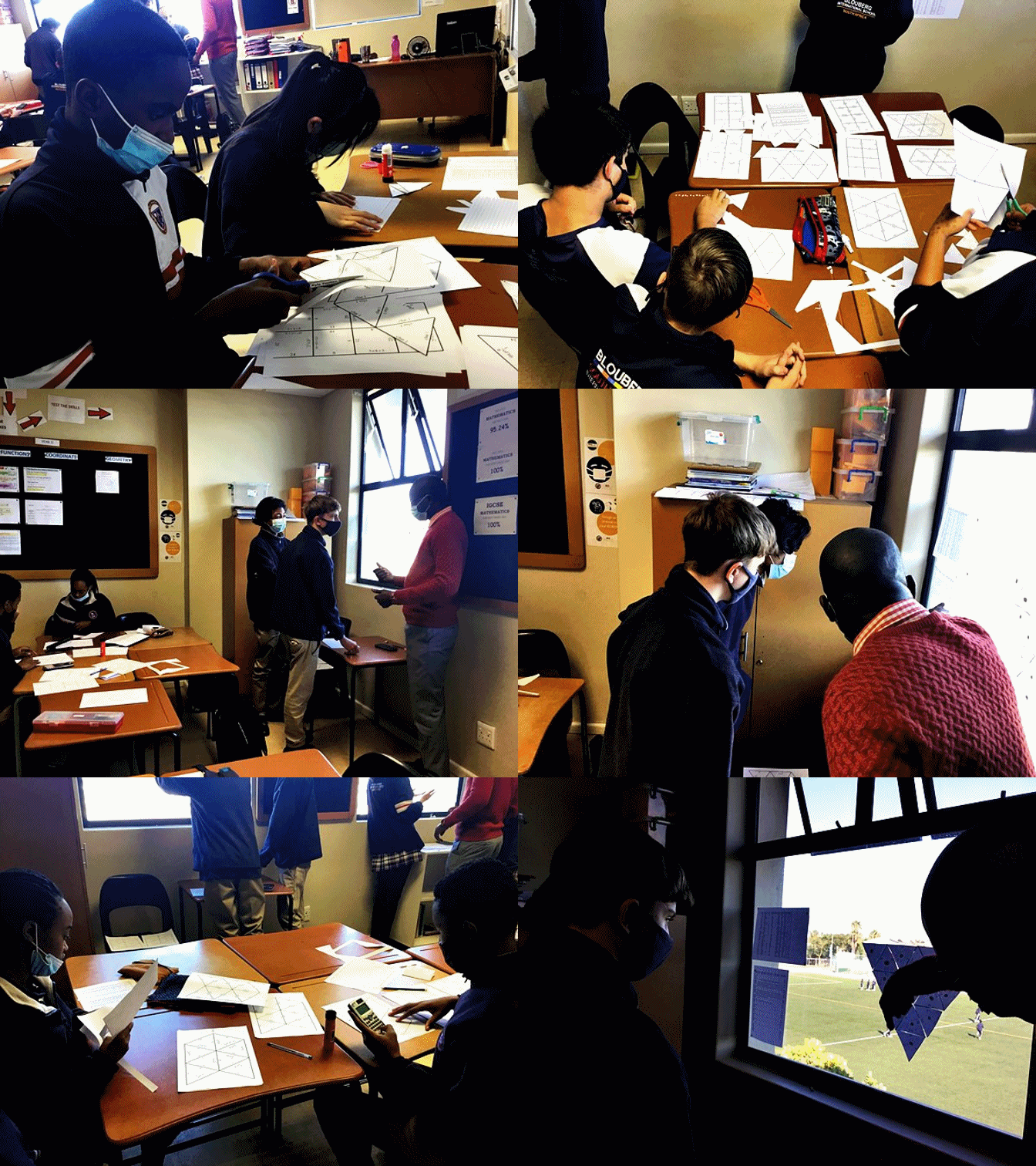
Learning mathematics is not fun for every student. At Blouberg International School, we believe in making mathematics fun and helping students love the learning journey. One way to do this is through interactive mathematics games, such as Who’s-Done-It Mystery – Death at the Jigsaw Shop.
Who’s-Done-It Mystery – Death at the Jigsaw Shop is an engaging mathematics mystery game to motivate Year 9 students to apply their mathematics skills independently to solve the mystery of a crime committed at the Jigsaw shop. The manager is dead, and the week’s takings have disappeared.
There are 32 suspects. There are 5 clues. Each clue gives a fact about the perpetrator and eliminates half of the suspects. The clues are jigsaws. To work out a clue, you must first make the jigsaw. Round the outer edge of the jigsaw are numbers. Each number represents a letter (a=1, b=2, c=3 etc.). The first letter of the clue is underlined and then the clue reads clockwise round the shape.
Students have the opportunity to apply a variety of mathematics skills to solve the mystery: fractions, percentages, directed numbers, and converting measurements.
This week, Year 9 mathematics students paired up, played the game, and managed to eliminate suspects and come up with the real perpetrator’s name.
Here are some of my students’ immediate reactions to this fun exercise:
- Detective Riley Hanning: “This is a serious case; someone’s life is involved here, and we ought to be precise and accurate!”
- Detective Ruby Lee Gallagher: “It’s fun and engaging. How I wish this was my everyday math lesson from Year 1.”
- Detective Oratile Tsotetsi: “This is obviously one of my favourite lessons. A double lesson went quickly without notice!”
Want to take up the challenge yourself?
See below files of evidence collected by the arresting police officer at the shop and try to come up with the perpetrator’s name. You can post your evidence and proofs to my email (given below).
Let’s enjoy mathematics as a family.
Mr Hebert Tapfuma
High School Mathematics Teacher
HOD Science & Mathematics
clue1clue2clue3clue4clue5storysuspects final list
Read More

BIS Interact Club – Peace Home Homework Programme
One of BIS Interact’s main focuses is improving the quality and accessibility of education in our communities.
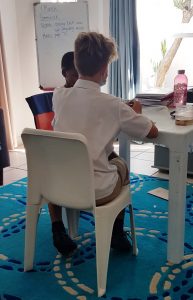
Next week our school will be celebrating Book Week. In commemoration of this, the BIS Interact Club will continue their weekly visits to ‘Peace Home’, a shelter for children with past challenges, who now have a safe environment thanks to their loving adoptive mother Aziza. Their task is to spend time with those children and assist them with their homework where possible.
This is an account of one of our member’s past visit to Peace Home:
A group of Interactors volunteered to go to “Peace Home” after school. We all hopped on the school bus feeling both excited and nervous. I myself was pretty nervous, as I had never been a tutor.
When we arrived, we were warmly greeted by Ms Nolan and the kids. They were very eager for us to help them with their homework. I was assigned a young boy with his maths. When we began he was struggling with adding and subtracting his fractions. I gave him some tips on how to easily do them. He quickly grasped the concept and no longer had any issues with his fractions. It felt very rewarding for both of us.
It was an amazing experience helping these kids. On our way back to school, we all shared the same good feeling. We all agreed we would volunteer again.
Oscar Berger (Year 11) – Interact Member
Read More
Stop Motion Animation
Stop-motion has been around, in one-way or another, for pretty much all of the history of cinema. It has been responsible for everything from visual effect showpieces and fantastic creatures to full-length features. Even though it has never been the world’s most popular form of filmmaking, it has always had an audience and avid followers. Many of us are familiar with movies like Wallace and Gromit, The Corpse Bride, Shaun The Sheep, Chicken Run, and even The Lego Movie. These are all examples of Stop Motion Animation. Stop motion is a discipline that combines parts and pieces from many different sectors of filmmaking. During the first term, the Year 6s learnt about stop motion animation. This is a fun, creative and hands-on project. The Year 6s put hard work and dedication in for Term 1 to complete their very own animations and then present it to the class.
Stop motion is an animation technique in which a camera is repeatedly stopped and started, frame-by-frame, in order to give inanimate objects and figures the impression of movement.
This takes time and patience from the person creating a Stop Motion Animation.
Instead of taking individual photographs of drawings, one starts taking photographs of an inanimate object, for example a puppet, and makes slight adjustments to its positioning between each shot. In doing this, you can create the illusion that the object in question is moving. This is the essence of what we call stop-motion animation, an umbrella term that encompasses many subsets, like Claymation, Pixilation, and Puppet Animation. We start off by watching videos on Stop motion animation. This is when the students get very excited doing their very own animation. We throw around some ideas and listen to what others think they will be doing. Research and ideas are key when creating a project like this. We learn about how to film, staging the backgrounds, how to move your objects and take photos, the lighting, the stability of the camera and lots and lots of patience. We then learn about the App, Stop Motion Animations Studio. This is a free app, if you want to become a Stop Motion animation creator full time or want to make animations for a longer period of time, you can purchase the app to unlock different features.
When the students are familiar with the app, we film a mock video. This is to see if they understood all the elements we learnt above. They use anything on their desks to bring to life, from erasers to scissors to pencils and even books.
The storyboard is then introduced where the planning comes in. They ask themselves questions like, what their animation will be called and what objects they will be using (Lego usually is their favorite). The beginning, plot and ending of their animation is also important.
There are different types of stop motion animation:
- Object-Motion — moving or animating objects.
- Claymation — moving clay.
- Pixilation — moving or animating people.
- Cutout-Motion — moving paper/2D material.
- Puppet Animation — moving puppets.
- Silhouette Animation — backlighting cutouts.
Filming then starts. Discussions and research continues to the very end, sometimes the students get better ideas and their animations change.
Benefits of Stop Motion Animation
- Offers children ownership and autonomy in the filmmaking process.
- Teaches children how stop motion animation works.
- Debunks the mechanics of how movie making happens.
- The creative constraint of the medium encourages problem solving.
- Stop-motion animation can help children learn about, visualize, and explain a variety of math concepts. From addition and subtraction to algebra and graphing, having children use stop-motion animation to solve and explain math problems gives children additional math practice and supports differentiated instruction.
Each year, the Year 6 students produce amazing stop motion animations. We can see the hard work and dedication they put into their animation. Have a look at some of the animations done by our BIS students over the years.
It is fun and educational; even you can give it a try.
Sonia Terblanche
ICT, Programming and Robotics Teacher
From The Spanish Classroom
My Spanish Mentor
What is a mentor?
Mentor is defined as someone who guides another to greater success. Helping them develop in their work.
Who is a good mentor?
Good mentors are enthusiastic people, enjoying the role they play in helping others achieve their goals. There are many qualities of a good mentor. While considering a mentor, look for someone who is enthusiastic, a good fit, respectful of others and a respected expert in their field, in this case, Spanish as a second language.
What is the role of a mentor in the Spanish class?
A mentor is a student that provides guidance, motivation, emotional support, and role modelling to a new student or someone that is struggling with the acquisition of a second language.
Who needs a mentor?
Everyone needs a mentor, no matter where they are in life. There is always room for growth and improvement. However, it is recommended more for the new students or the students that are struggling now. Perhaps you feel that you are falling behind or don’t understand a certain unit or topic. You can be brave and ask for a mentor; anytime is good to ask for help!
A mentor may help with:
- Supervising the daily routine, making sure that his or her protégé writes and understands all the information about the day.
- Motivating him or her to participate in the dynamics of the class.
- Providing guidance with the oral presentations and projects.
- Helping to find the information in google classroom about the CASS and final test content and other support materials.
- Encouraging him or her to use Rockalingua to review vocabulary.
- Supporting him or her during the oral presentations and projects.
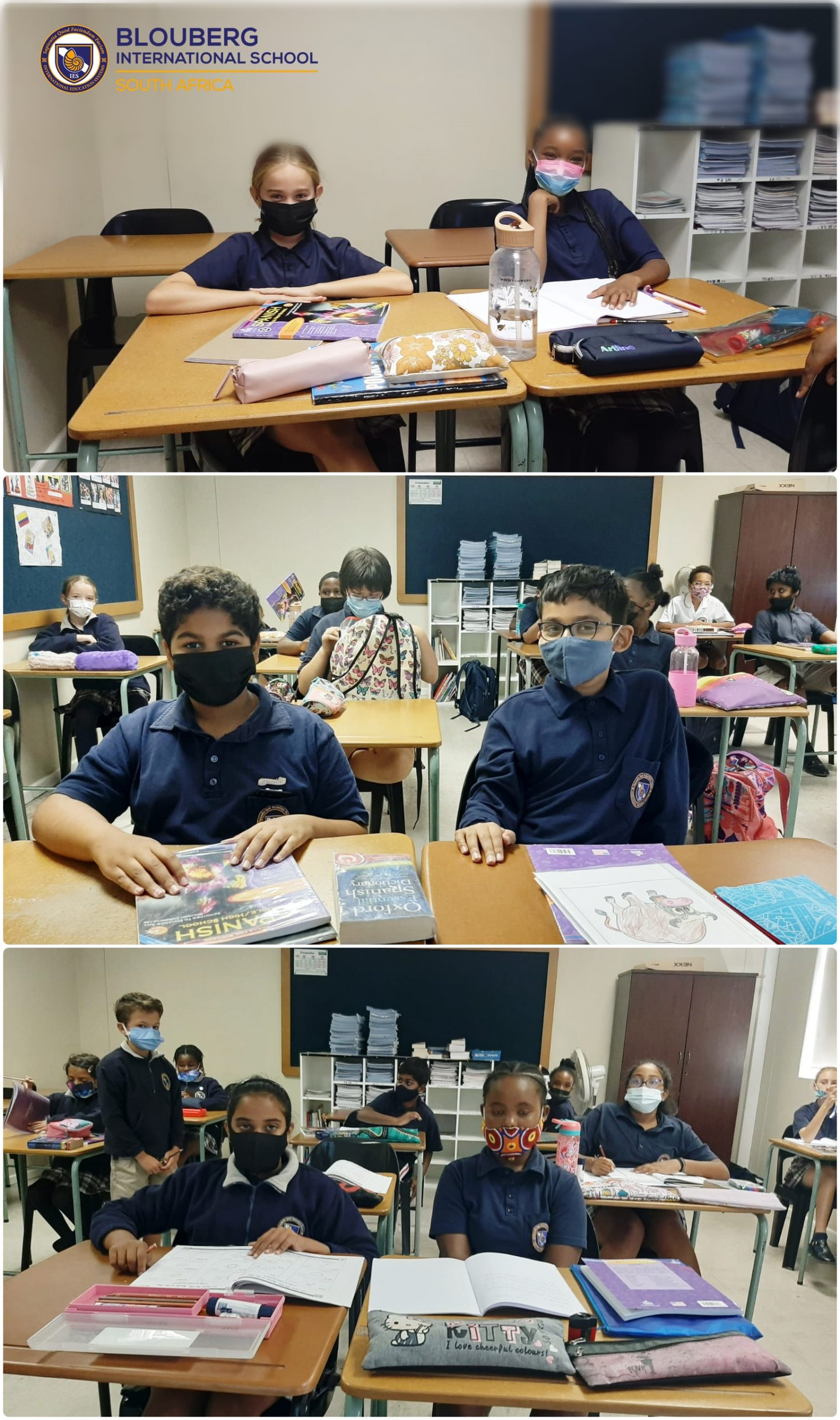
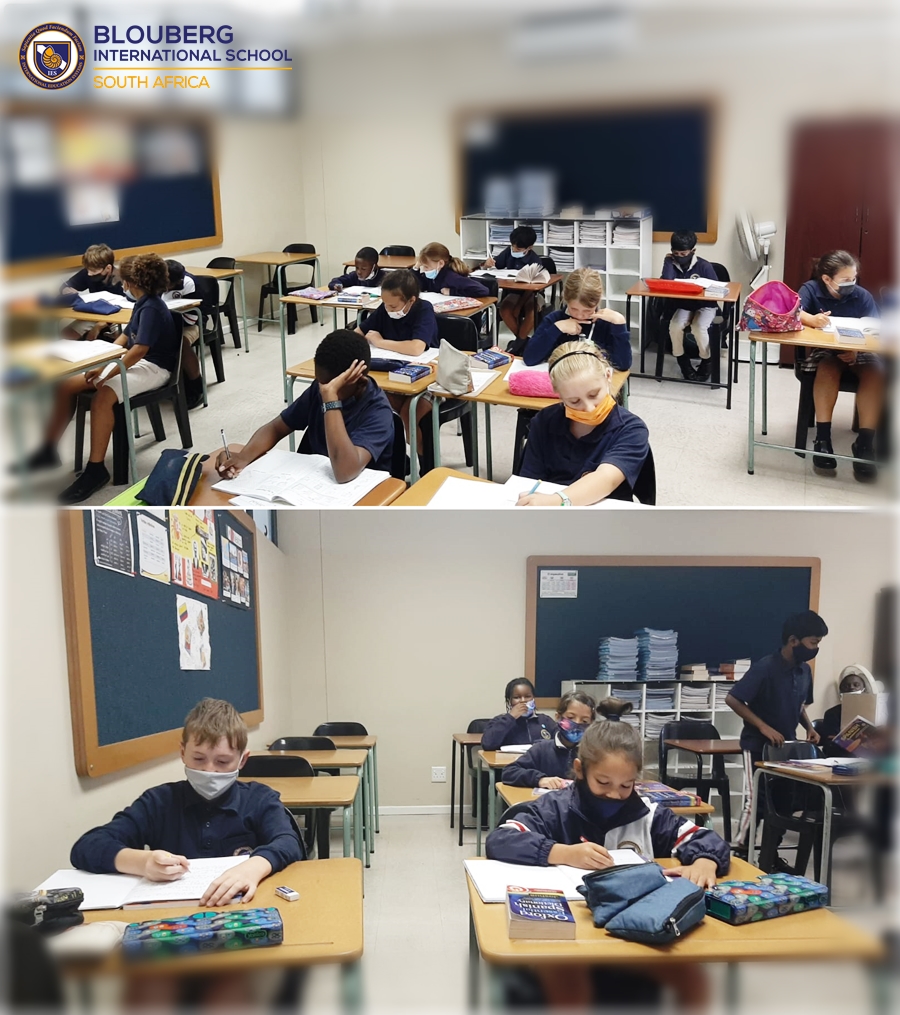
Below are some photographs of our school’s Spanish mentors and their protégés:
Read More
The Importance Of Reading
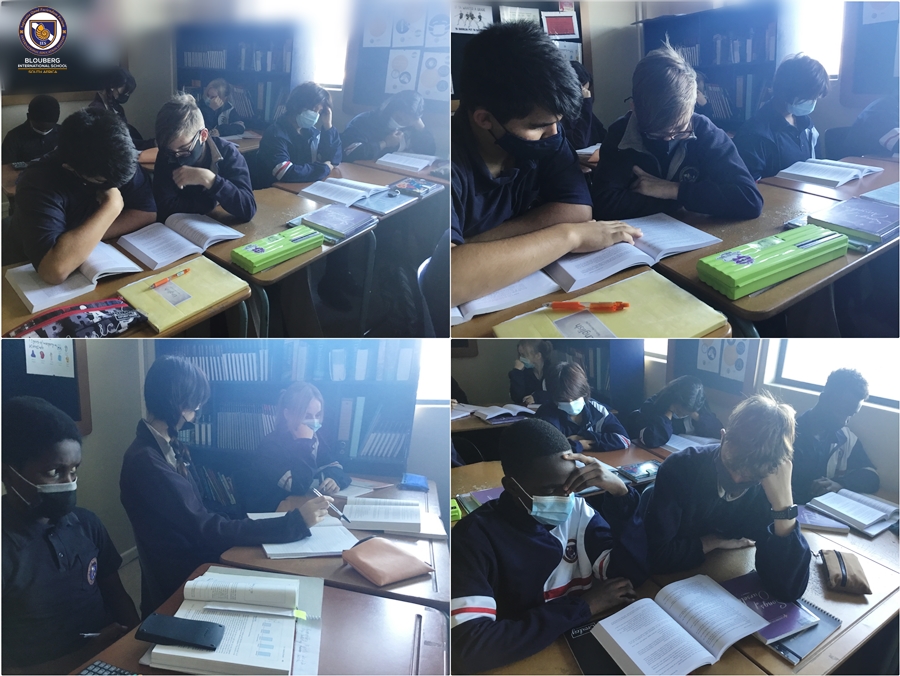
As an English teacher, I am no stranger to reading. I am also no stranger to students trying anything and everything they can to get out of reading. It has become apparent that children nowadays either refuse to read, or they are unaware of just how important reading is.
When I deal with students who are not performing up to standard, I always ask whether that student likes to read. The reason for this is that there is a proven correlation between achievement in English and the enjoyment of reading. This is because reading allows people to see how the language is supposed to be used. It enables one to see how to properly use grammar, how words are supposed to be spelled, how sentences are supposed to be structured, and it allows one to learn brand new words to expand one’s vocabulary.
In addition to reading having academic advantages, it also allows one to be transported into different worlds without even having to leave their couch. It enables the young aspiring adventurer to step into the world of swashbuckling pirates, crime fighting superheroes, or brave soldiers. Reading is an excellent way to broaden the imagination of young dreamers and creatives, as it inspires them to push the boundaries and think outside of the box.
I will forever encourage students to read as much as possible. For the non-reader, I always suggest reading articles or blogs – anything that contains subject matter that is of interest to them. Hate reading, but love soccer? Pick up an autobiography about your favourite soccer player. Can’t stand a novel, but love Science? Grab yourself a National Geographic magazine and read the articles. Reading can be so diverse that even the most stubborn nay-sayers will be tempted to pick something up and read.
In celebration of Book Week, I would like to encourage all our students, staff and parents to pick up a book this week, and immerse yourself in the joys of reading.
Mia Tossel
IGCSE, AS and A Level English Teacher

Read More
A Healthy Mind Is The Greatest Treasure To Find
As adults, our mental health- our psychological, emotional and social well-being — impacts every area of our life. Our mental health helps determine how we handle stress, relate to others, and make choices. This is no difference when it comes to children. Our children’s mental health helps determine their academic success, their motivation levels and drive, their levels of joy and their ability to healthily connect and socialise.
“It takes a village to raise a child.” For me, no proverb rings more true than this. It takes a community of people to provide for, support, and interact positively with children for those children to grow and develop into the person they are meant to be. I believe that we as parents, teachers, counsellors, assistant teachers, carers, grandparents, aunts and uncles- the adult role players are endless- are all responsible for helping cultivate our children’s mental health.
At BIS, we are committed to providing a quality and engaging learning environment. We prefer to work from a whole-child framework, where we believe that in order for our students to achieve academic success, their mental, emotional and social needs need to be considered and supported. As such, the counselling department is beginning with new ventures in Term 2, as a means to offer pro-active and preventative intervention. These will include more group work and engagement with the larger student body, in addition to the individual counselling sessions, which will continue at school.
The following are confirmed dates of workshops that will be taking place this term:
- Year 5 – 22 April ; 29 April and 6 May
- Year 6 – 22 April ; 26 April and 6 May
- Year 12 – 28 April
Additional information related to the Y5 and Y6 workshops will be shared with our parents ahead of each scheduled date.
Mental Health Day takes place on the 11th of May 2022. It is estimated that one in every five children presents with a diagnosable and treatable mental health disorder. During this week on campus, we will be raising awareness on youth mental health issues around the world; and how our children can support and safeguard their own mental health. “What mental health needs is more sunlight, more candour, and more unashamed conversation.” – Glenn Close
Let us, together as parents and teachers, intentionally strive to help our children in the search for their treasure – a healthy mind. With the treasure of a healthy mind, comes the jewels of joy, healthy self-esteem, positive relationships, motivation and empathy for others. Let us ensure that we are supporting, and mindfully playing our part, in raising happy, healthy and inspired children.
Kayla Smith
School Counsellor
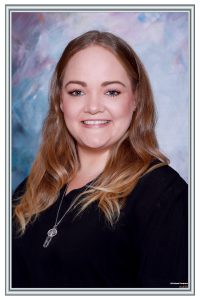
Ms Kayla Smith – Blouberg International School Counsellor
Read More
The Journey, 2022

On Wednesday, 9 March, thirteen Year 11 students, accompanied by Ms Sheila Marais and Mr Julian Harrison, departed on a ten day camp known as the ‘Journey’. The students were dubbed the ‘Pioneers’ as they were the first to participate in what will become a school tradition.
The Journey began at Elgin, wound its way through the mountains and followed the Overstrand Coast until its end at the Walker Bay Nature Reserve in De Kelders. The Pioneers hiked through mountains and towns and along the beaches. They kayaked to one of their campsites, as well as enjoyed a picnic on the bank of a river. Each stage of the Journey challenged the Pioneers both mentally and physically. In the late afternoon and early evening, students relaxed by swimming, playing card games or talking around the campfire.
The Pioneers stayed in camps at various campsites between Palmiet and Stanford. While some enjoyed the bustle of the campsites closer to the towns, many others enjoyed the peace of the more isolated options. Tents were pitched as soon as the students arrived at camp. While some wanted to rest after an eventful day, they certainly appreciated this forward planning by the time night fell.
The Pioneers were also required to prepare their own food. They cooked a variety of meals over gas or fire. While they did an outstanding job, I’m certain that they gained a new appreciation for the food they receive at home, as well as the effort that goes into preparing it.
The Journey taught the students much about overcoming challenges, leadership, teamwork and the importance of friendship. Students’ helpfulness, thoughtfulness and kindness really stood out. Students accompanied and carried the bags of those who found the day more challenging. They were friendly to those who were inspired by and asked about their adventure. They shared space to hang their clothes and helped each other to carry kayaks, made heavy by water, up the river bank. Students shared their loads and shared the food – even with the staff. They even shared equipment, and when treats were available, they shared those too. Some students prepared hot chocolate or parts of meals for the group, serving themselves only once the rest of the group had eaten. The parents of the Pioneers can be truly proud of the young adults that they have raised. Let it never be said that there is no hope for future generations.
Aside from a little disappointment at not seeing more wildlife (save for the dolphins, snakes, birds, fish, field mice and a few thousand shongololos that made an appearance), the Journey was an outstanding success. Spurred by the thought of pizza and a shower, it was a very tired group of students who met Mr Andre Swart and their parents at the nature reserve on 19 March.
Special mention must be made of Venture Forth. The Journey would not have been possible without their expertise.
We look forward to our Year 10s undertaking this adventure in 2023.
Sheila Marais
Journey Co-coordinator
Read More
Term 2
Dear Parents
Welcome back to Term Two! We hope you have had an enjoyable holiday break and that you are as excited as we are to start the new term.
It is evident to us that the culture of the school is centred around our students’ well-being, and we value that. A safe and supportive school environment, as well as providing social-emotional support, is certainly at the core of our work.
Our school will be stronger with the support of its community. We invite you to take advantage of the opportunities to support our students’ learning and experiences. We look forward to meeting you at our parent-teacher meetings next week and working with you this term.
To start the term on a light note, I would like to share these amusing “Teenager Pro Tips” that were sent to me during the holiday. I think many parents and teachers can relate to these:
Teenager to Teenager Tips
“9pm is the proper time to request supplies for tomorrow’s school project.”
Or 10pm, if you’re an overachiever.
“When asked to go get a sibling, don’t go. Instead, stand next to the person who asked and scream your sibling’s name.”
“When reminded to do something say ‘I did’ until proven otherwise.”
“Teenager comes home from his first day of school, and his mother asks, what did you learn today? ‘Not enough,’ teen replies. They said I have to go back tomorrow.”
We continue to appreciate your unwavering support and encouragement; it makes a critical difference to our success.
Thank you.
Carmen de Villiers
High School Coordinator
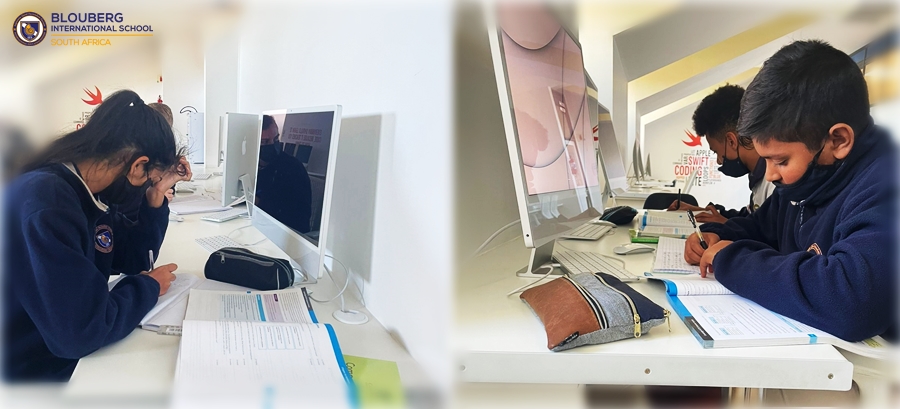
(PHOTO: IGCSE Computer Science students hit the ground running this week)
Read More

End Of Term
As Term 1 comes to an end, we can only reflect on how lucky we were to tackle this term without major disruptions and challenges. We are very fortunate that our programmes and events went as planned during the term. Students and staff were involved in a wide range of events and activities, and we once again enjoyed and celebrated many successes.
As our teachers continue to work hard this week to complete their extensive planning for Term 2, we are optimistic and hopeful that this landscape will continue into next term.
The High School’s academic reports once again testify that our students continue to develop and excel in their learning. The reports reflect the unique and distinctive scope and depth of our curriculum. Over the course of the term, we have received an increasing number of inquiries from parents, mostly for the High School, who hear about the value of a Cambridge education – especially the opportunities that the Cambridge qualification offers to students who want to study at international universities.
Our teachers are committed to building a school of excellence, and therefore, we kindly request that you actively participate in your child’s education. You are invited to contact or visit the school any time you have a question about your child’s progress. We consider it a great privilege and responsibility to be your child’s teachers and we look forward to working with each and every one of you in Term 2.
I trust that this holiday period will be a time of relaxation, family and special moments.
Carmen de Villiers
High School Coordinators


A special photo taken of our High School students after the Founder’s Day go-kart races.
Read More