

Up, Up And Away!
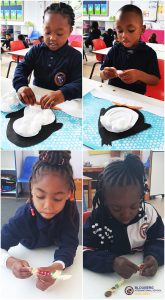
During the past two weeks, we have been learning more about birds in the Foundation Phase. We did many hand-on activities to learn more about the fascinating creatures. We made art pieces about penguins, peacocks, flamingos and owls. During Numeracy we counted feathers and eggs and during Literacy we wrote our sounds in bird seed. We threaded beads on feathers, we cut paper feathers and we even made playdough eggs to strengthen our fine motor muscles.
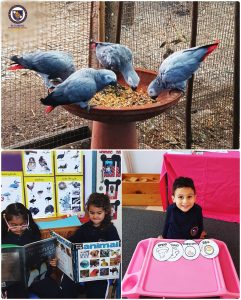
The students enjoyed looking at books and video clips with interesting facts about birds.
We learned the following facts about birds:
· There are 10000 species of birds.
· All birds lay eggs.
· Birds migrate to other countries.
· All birds have feathers.
· Birds don’t have teeth.
· Birds are great communicators.
· A group of birds is called a flock.
· Some birds can mimic humans.
· Ostriches are the largest birds.
· The smallest bird is a Bee Hummingbird.
I have read a lovely article about birds this weekend and I would like to share this with you. “Here are six life lessons, inspired by our winged friends.
1. Be confident. Birds learn to trust themselves before they take off in the sky. So have faith in your abilities and know that you will find a warm current to soar in.
2. Let your colours shine. Different birds have hundreds of different hues. Be bright and make sure you aren’t hiding what makes you one-of-a-kind.
3. Show up early and often. The legendary early bird gets the worm for a reason. So find something worth showing up for, and then show up every day.
4. Go with the seasons. Birds thrive despite changes in their environment. Be fluid and go with the flow, trusting your ability to always find a branch to land on.
5. Flock together. Birds seek strength and sustenance from one another. Keep friends and family close by as you navigate the days
6. Spread your wings. Eventually, all birds must leave the safety of the nest and become what they are meant to be. Have no fear of falling, and start flapping.”
The students learned that birds are very important. Many people (including myself) keep birds as pets and enjoy watching them in the wild or at the exotic animal world. Farmers raise poultry for their meat and eggs and we also use bird feathers in various product.
Martie van Dyk
Pre-Reception Teacher

Read More
Support Throughout The Students
“Everyone needs a house to live in, but a supportive family builds a home.” – Anthony Liccione
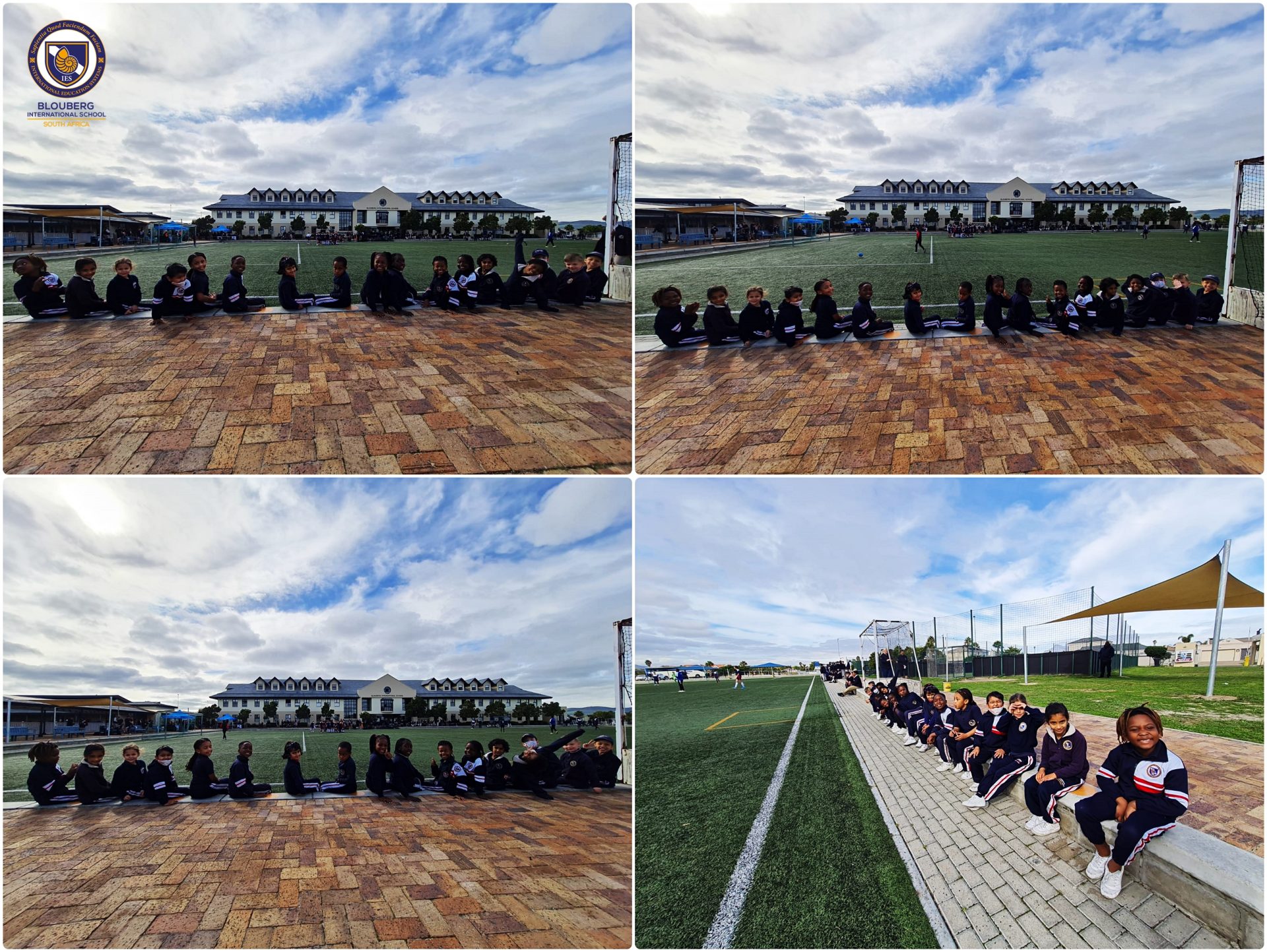
As a Year 1 teacher, I have realised the importance of the younger students participating in supporting the older students in their sports. It is also important for the older students to show their support and provide motivation to the younger students. This support can come in the form of attending sports days, watching and cheering on matches, reading to the younger students to encourage reading and by being good role models for the younger studens. Support such as this, helps to build a passion for sport which will motivate young students to later participate in school sports. This is vital for students when growing up as a team sport can teach students things they cannot learn in a classroom.
I would like to encourage all parents and teachers to motivate students to want to support their fellow peers, from younger age groups to the older age groups.
“It is really important that we promote competitive support in schools. It is very important that we recognise that has to be underpinned by good quality physical education and by getting people into patterns of exercise.” – Sebastian Coe
Year 1 Teacher
Erin Hierse


Read More
News From The BIS Interact Club
Our Interactors have been very busy the past few weeks with various activities:
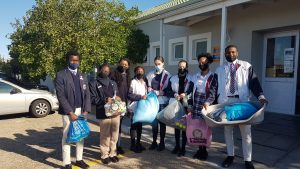
In our last week of school, we dropped off the collections for Honey’s Garden at their offices in Leadville Dog Park, Sunningdale. They were thrilled to receive all the goods! Thank you for your generous donations.
We received an invitation for 10 girls to attend The “Stand Up and Stand out” Girls’ Seminar organized by the Ukhozi Girls Organization. The aim of this girls only organization is to motivate and empower girls to reach their dreams regardless of their background limitations.
The Seminar was titled “Unashamed Conversations” and it took place at Inkwenkwezi High School in Joe Slovo. Other schools from the area were also invited.
Upon our arrival, we were welcomed by Nqobizitha Hobane, founder of Ukhozi Girls, who thanked us for the collections of female toiletries and stationery donated by our school.
We then had a chance to introduce ourselves to guests from other schools while we were offered some tea and delicious muffins.
The program consisted of various performances by different schools which included singing, dancing, drama, poetry, our own Altesse Chimbalanga with some inspirational words about the beauty of being a woman, as well as some guest speakers.
We all agreed it was a great experience to be able to gather and speak openly about issues that affect young girls and women and be advocates of change in our communities and society at large.


On Saturday 2nd July, our Interact President, Rifqah Price, was invited to attend the annual Induction Breakfast for the Rotary Club of Blouberg. This was a great opportunity for all members of Rotary (including Interact and Rotaract) to get together and share ideas and inspire each other. It was also the annual nomination of the new Board members.

I was very pleased to witness two of our past students at BIS being elected members of the 2022/2023 Rotaract Board: Katherine Lott (Vice President) and Beverly Ndaramu (Secretary). Congratulations to these young ladies!
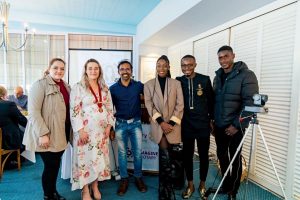
On Saturday 9th July, the BSA Cup soccer tournament took place at Tafelberg School. One of the participant teams were the under 12 boys from Dunoon Pioneer Soccer Club.
The Interact Club attended the event and had the opportunity to hand out 20 kits (tops and shorts) to the team. They were very happy to receive new uniforms for the winter season.
A special thank you to BIS families for their support during our Spur waitering event, whose generosity made it possible to provide the soccer gear to these boys.


Last Friday, the Interact Club of Edgemead High school hosted a workshop for all Interact Clubs in the area to attend.
The event lasted around 3 hours and included ice breakers, games to get to know each other, various guest speakers ranging from the current President of Rotaract to senior experienced members of Rotary and the current youngest Blouberg Rotary member, as well as team building activities and idea sharing circles.
Overall, it was a fun evening that lead to a closer Interact community, new friends and inventive fundraiser activities” – Erin Steward (Year 11)
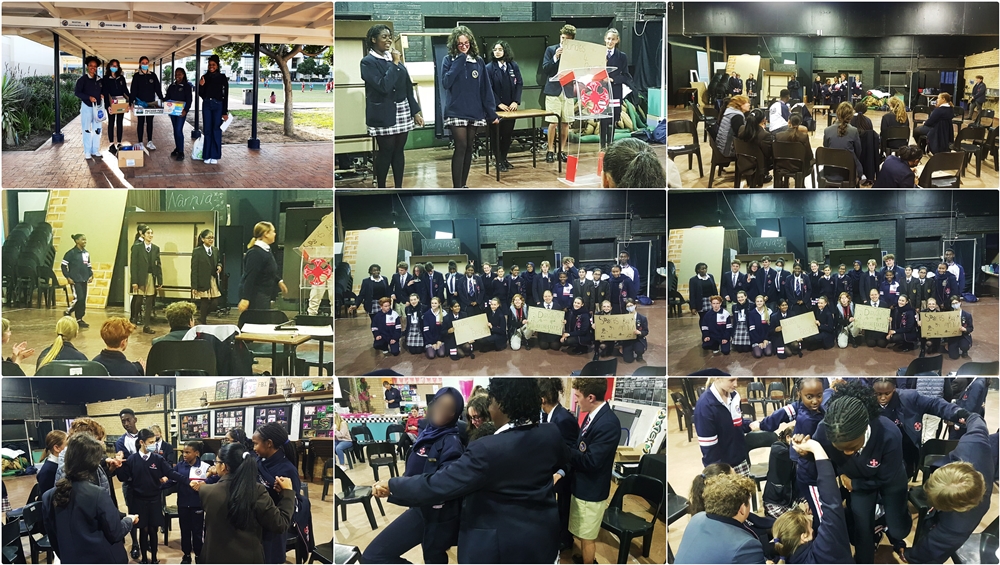
“The Seminar was titled “Unashamed Conversations” and it took place at Inkwenkwezi High School in Dunoon.
Elena Berger
BIS Interact Coordinator
Read More
Holiday News
The Reception students came to school this term very excited to see their teachers and classmates again. They were eager to share about all the fun things they had been doing this past holiday.
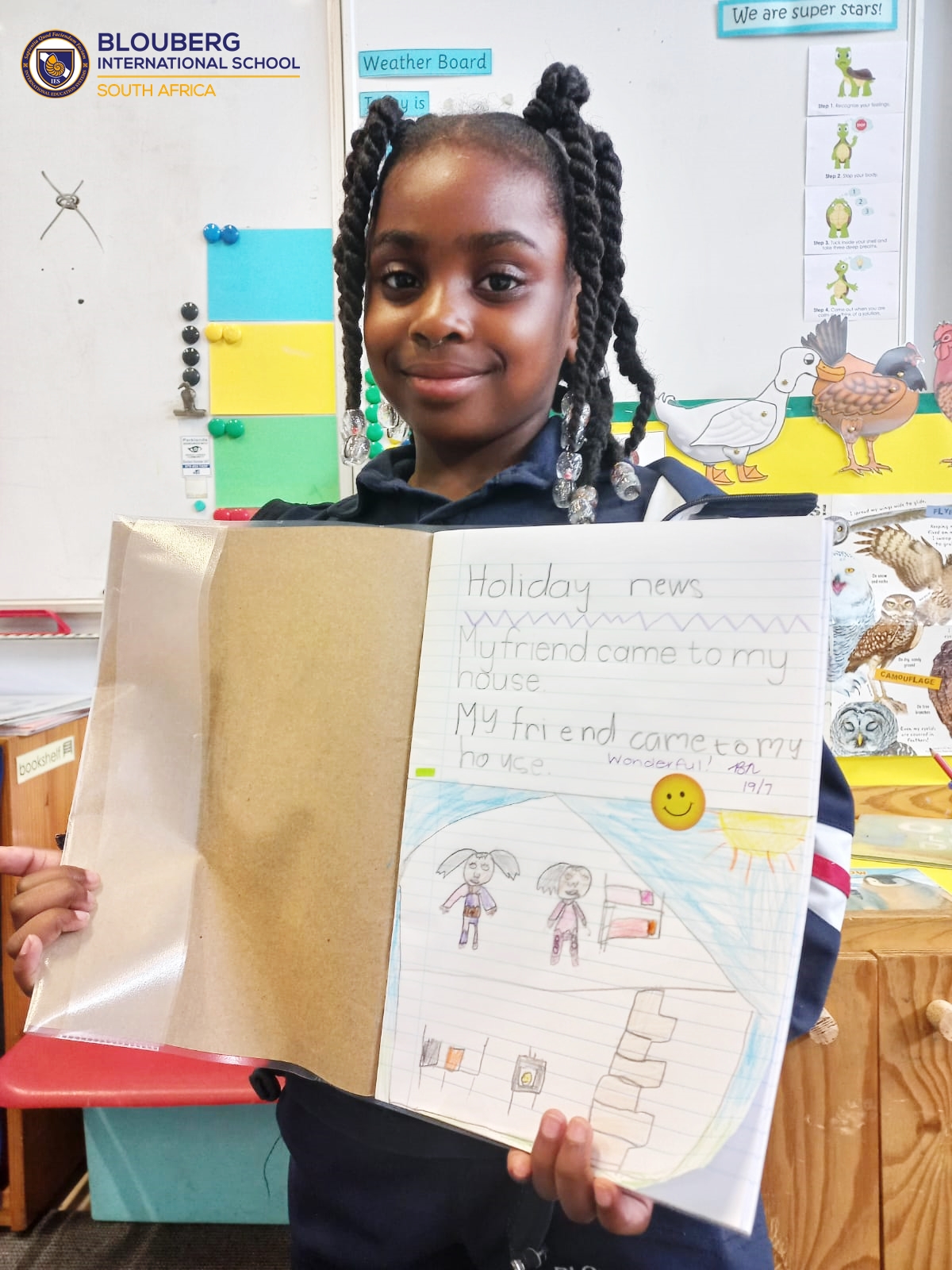
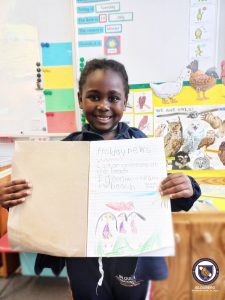
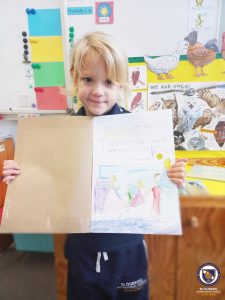
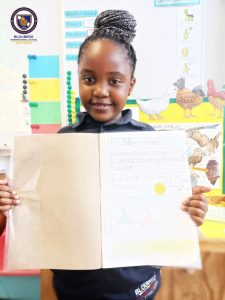
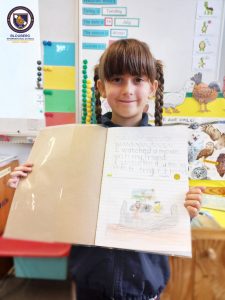
This term we are focusing on becoming more aware of punctuation and writing sentences. The students are learning about using capital letters to start a sentence, having finger spaces between words and using full stops to end a sentence. Each student told the teacher a sentence about their news. The teacher writes the sentence and the student copies the sentence in their books. They then draw a matching picture about their news. The following sentences are about the students’ favourite fun things that happened in the holidays.
Zion Durojaiye (5 years old) “I played with my truck at the beach.”
Sofia Haskins (6 years old) “I watched a movie with my friend.”
Omime Ogumah (6 years old) “I went to my friend’s house.”
Kaedy Frey (5 years old) “I went to the beach.”
Jonah Atson (5 years old) “I played with my cousin.”
Coco Baur Mazadiego (4 years old) “It was raining on the birthday.”
Ariah Mukubvu (5 years old) “I got an ice-cream at the beach.”
Amelia Engelbrecht (5 years old) “I got a dog called Rocky.”
Tiwatope Olanrewaju (5 years old) “I played with my brothers.”
Marcus de Beer (5 years old) “I saw lions and birds in the savannah.”
Chiamaka Davidson (6 years old) “I got an ice-cream.”
Onyinyechi Okoye (5 years old) “I went to a restaurant.”
Grayson Muller (5 years old) “I played outside.”
Rume Oriesa (6 years old) “My friend came to my house.”
Bronwen Nuthall
Reception Year teacher

Read More
Fairy Tales
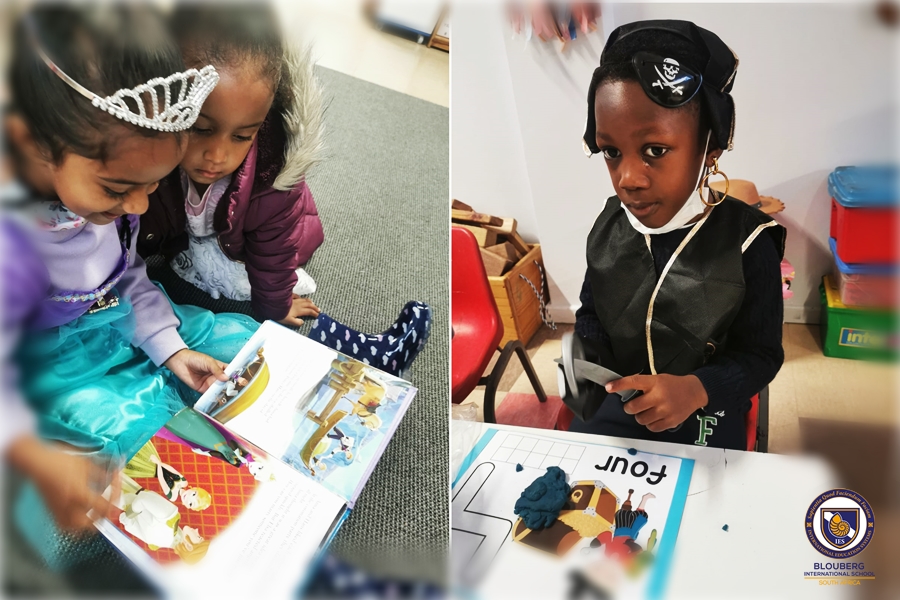
Our Foundation Stage students have been learning about Fairy Tales. The classrooms were abuzz with excitement as we embraced the theme by building Fairy Tale puzzles, made crowns fit for a prince and princess, paged through our many Fairy Tale books in the book corners, made beautiful crafts relating to the theme and of course read various Fairy Tales at story time.
Fairy Tales offer something a little different to a child’s development. They enrich imagination, cultivate a deeper understanding of life’s great truths as well as elevate an understanding of things that can be difficult and complex to convey.
Reasons Fairy Tales are good for children:
- They see good conquer evil
- Consequences for actions
- They see great obstacles overcome by ordinary characters
- They enrich imagination
- They benefit every age
- They build emotional resiliency
- Teach critical thinking skills
- Fairy Tales teach lessons
- Vocabulary
- Emotional Processing
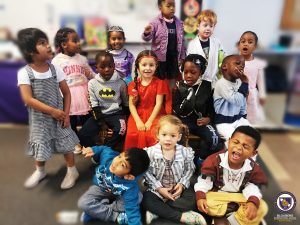
We ended off the theme with a dress up day, which was the most fun of all. The students got to tell the class about their favourite Fairy Tale and some got to dress up as and talk about their favourite characters (See photos). As Hans Christian Andersen once said: “Life itself is the most wonderful Fairy Tale.”
Cindy Nunan
Pre-Reception Teacher


Read More
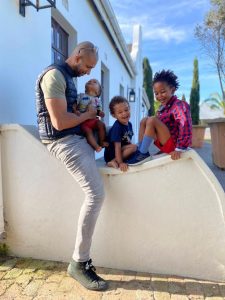
Happy Father’s Day
Father. Dad. Superhero. Protector. Best friend.
These are just a few ways that we can describe the most important men in our lives. Even as an adult, my dad is still my hero and I am still learning from him all the time. Father figures come in many different forms throughout the world and all of them represent beacons of light and a guiding path for those that they take care of.
In my Reception class, I asked the students some questions about their dads in preparation for Father’s Day this coming Sunday. Here are their responses:
How old is your dad?
Kopano: My dad is 44 years old.
Mahadhyuth: I don’t know – I didn’t ask him.
Lolwam: 14
Chimdindu: 60
Zande: 32
What does your dad do during the day?
Kopano: He showers and builds a library, church and school out of Lego.
Naif: He drinks Coke.
Chimdindu: My dad buys me stuff every day.
Bavani: He works and he goes to the shops and he takes my dog for a walk.
Isabella: He stays in bed or works with chicken.
What is your dad’s job?
Enhle: He sends messages for work.
Samuel: He works on his laptop.
Does your dad have super powers?
Naif: Yes, Sonic super powers.
Samuel: His muscles.
My favourite thing about my dad:
Enhle: He always let’s me play games.
Anam: Sitting down and watching movies as a family.
Bavani: For bringing me a dog.
Isabella: When he fetches me from school.
Is your dad funny? Why is your dad funny?
Purity: He tells me jokes.
Lolwam: No.
Amelia: Yes, he tickles me and tells jokes.
Anam: Sometimes, he tries to make puppets.
Zande: He plays tricks on me.
Emmanuel: He does magic tricks that are funny.
What is your dad’s favourite thing to do?
Purity: He likes to go camping.
Mahadhyuth: He loves to do work.
Amelia: Play with me.
Emmanuel: Work at the police station.
From the whole of the Foundation Phase we wish all of the Father figures in our lives a Happy Father’s Day and we thank you from the bottom of our hearts for all that you do for us!
Kim Hahn
Reception Year Teacher





Read More
Sensory Day
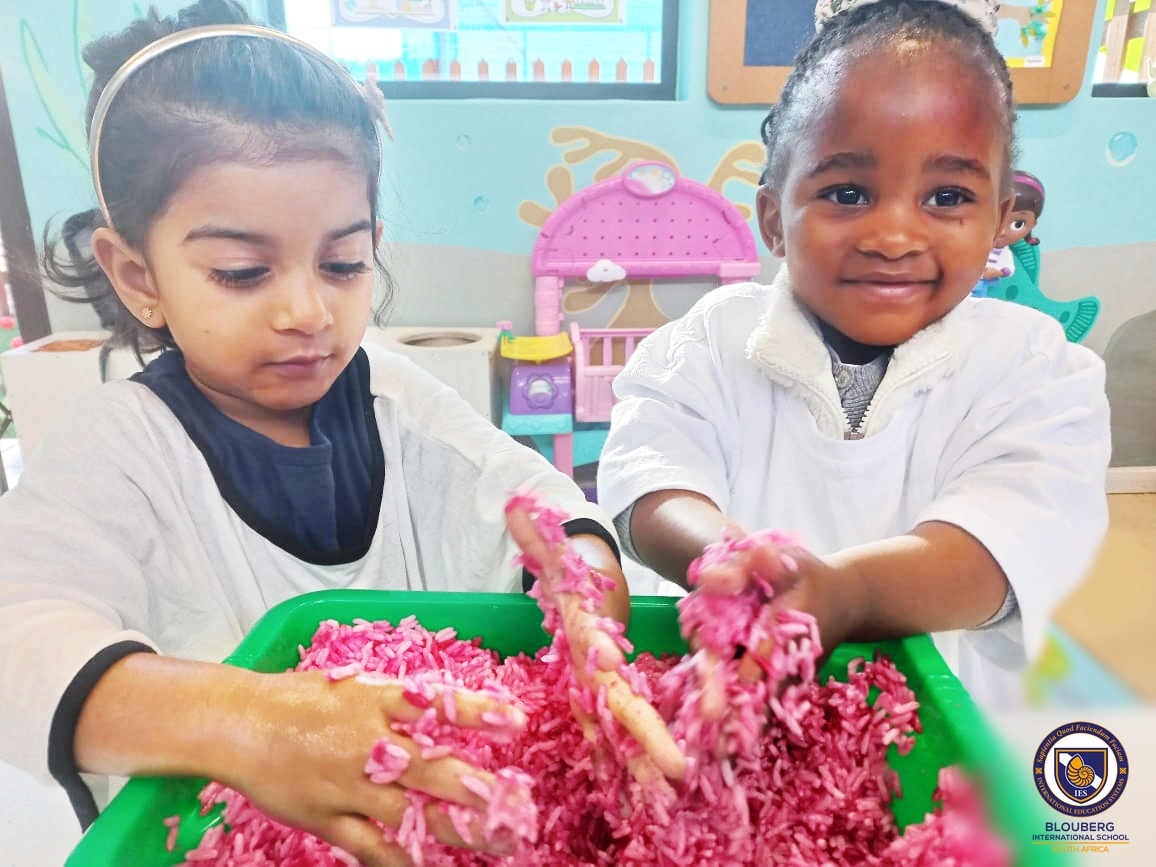
Even though it was messy, and oh the clean-up was a delight, the toddlers thoroughly enjoyed every minute of exploring the colourful spaghetti, the mushy sago and the sticky rice. They were able to hop out of the ‘clean class’ box and just enjoy making a mess.
Sensory play is an important part of childhood and there are really no limits to what you can use in your sensory activities. However, nature and food can often be your best friend when it comes to sensory play.
To help you keep your youngster busy during the holidays, here are a few great sensory play ideas for home:
- For keeping their hands busy:
- Soapy Jars: Fill a plastic peanut butter jar halfway with water, a pinch of dish soap and food colouring. Seal it tightly, and let your toddler roll it/shake it around outside.
- To explore their sense of smell (ages 4-6):
- Smell it and guess: Blend up six different fruits/vegetables in small quantities and pour them into separate dishes. Allow your little one to taste and guess.
- For co-ordination and organisation:
- Alphabet scoop and transfer: You will need alphabet magnets or water-safe letters, a storage container, a wooden spoon, two dish buckets and water. Pour enough water into your container to allow the letters to float and allow your child to scoop each letter out individually. You can practice various beginner literacy activities with them!
- To assist with emotions, and to keep them calm:
- Place beach sand or regular sand into a big container and hide small toys in the sand. Make sure the toys are all of the same themes. Once they have been able to scoop out each toy, engage with them to create a fantasyland on the sand. It’s like a zen garden for kids.
Jo-Anne Dickason
Nursery Teacher


Read More

Assessments And Amphibians
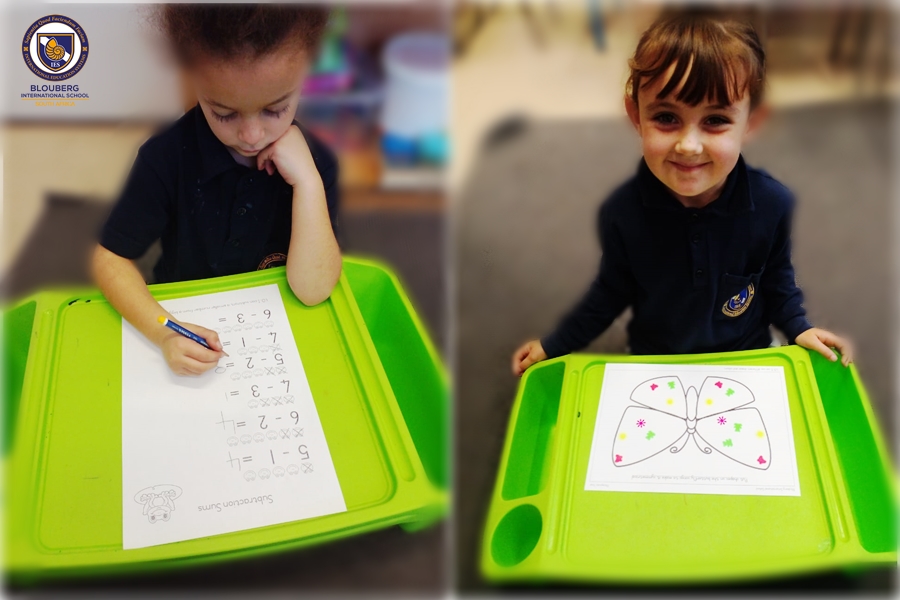
Over the last two weeks, Foundation stage have been doing their end of term assessments. Every day the students are learning new things and continue to approach each challenge with a positive attitude. The assessments have given each student an opportunity to show their teachers how much they have learnt this term and we are so proud of them.
Recently, Foundation stage have been learning all about amphibians. The students asked, what is an amphibian? What is the difference between a reptile and an amphibian? And what is the difference between a frog and a toad? They have learnt so many interesting facts, especially what makes a frog different from a toad.
Did you know that…
- Frogs are smaller and slimmer than toads and have a more pointed nose.
- Toads are much bigger and broader than toads and have a wider nose.
- A frog’s skin is smoother than a toad. Therefore, they need to live near water because they need to keep their skin moist.
- Toads have a hard, dry skin and don’t need to stay near water.
- A toad’s eye shape is also different from a frog’s. Frogs usually have big bulging eyes, as opposed to a toad’s, that is a bit more subtle in appearance.
- Frogs have long legs made for hopping and they can jump up to 20 times the length of their own body.
- Toads have shorter legs and prefer to crawl instead of hop.
The foundation stage students enjoyed learning about these interesting facts. We are confident that the next time they see an amphibian, they’ll be able to tell us whether it’s a frog or a toad.
Lauren Bloem
Reception Teacher


Read More
Bugs, Bugs, Bugs Everywhere…
Learning about bugs is so much fun for our Foundation Stage students. Isn’t it funny how young students are just curious about everything and don’t have the grossed out reaction that we have as adults.
During the past two weeks we have been learning about all sorts of bugs and insects through hands-on learning activities.
Some of the activities we have done includes:
- Butterfly life cycle sequencing: The students practised sequencing the cards in the correct life cycle order.
- Bug or not sorting: Is everything that crawls a bug? Is everything with wings a bug? With a container full of toys the students had to investigate what it takes to be called a bug. This sorting game helps them learn to scientifically classify and observe.
- Butterfly Symmetry Smash: We cut the butterfly out of card. The students then squirted paint onto one side of each butterfly. We folded the butterflies in half and smashed the paint.
- Which bugs can fly: The students learned which bugs could fly and which could not.
The students enjoyed looking at books about bugs and learning interesting facts about bugs by watching Blippi Wonders.
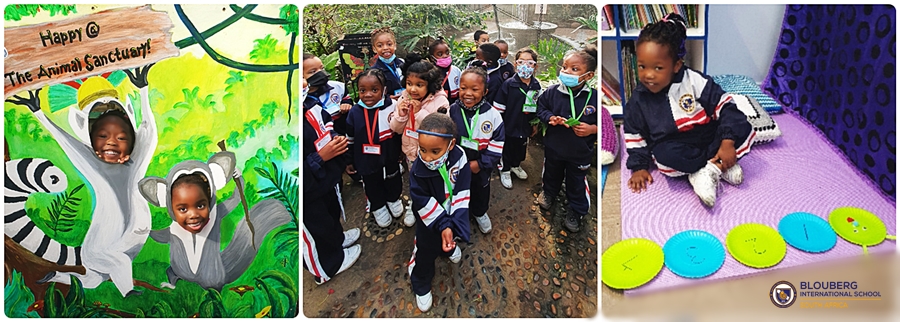
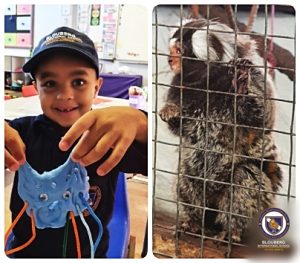
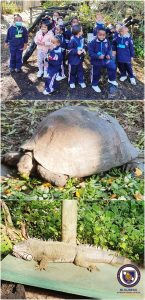
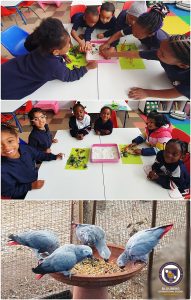
On Friday, 27 May, the Pre-Reception and Reception students went on an educational Outing to the Exotic Animal World. The students saw different types of insects, spiders, reptiles and animals like: birds, iguanas, tortoises and meerkats to name a few. The students enjoyed an interesting and informative lesson about reptiles. It was an amazing experience for the students to end off our theme.
Martie van Dyk
Pre-Reception Teacher

Read More
Becoming A Biologist In South Africa
It is certainly not new information that we live in one of the most diverse countries in the world when it comes to South Africa’s endemic flora and fauna. In fact, according to SANBI, we are ranked in the top 3 countries with the highest percentage of endemic species. South Africa is estimated to be home to almost 100 000 endemic floral and faunal species, as reported by BIOFIN. Our floral diversity is estimated to be just short of two thirds endemic, with our reptiles, amphibia and marine species to be around half.
South Africa is a well-recognized biodiversity hotspot, with the Cape Floristic Region hosting almost 10 000 vascular plants, with a staggering endemism percentage of almost 70%. Endemism and biodiversity in South Africa have clear intrinsic value. Apart from that, it has been an enormous driving force in our tourism. It is also important to recognize its role in employment opportunities, alternative or traditional medicines, and environmental education.
So, what do we need in order to conserve this incredible ecological gift that we have been given? More importantly, who are the people behind conserving it? Unfortunately, conservation is not often second nature to us. We live fast paced lives driven by consumerism. Playing our part in conserving the Cape Floristic Region, our pride and joy, starts with being educated on its value and importance. Whether this is intrinsic value, monetary value or some other value such as preserving genetic variation, the development of herbal remedies and traditional medicines, or simply a feeling of stewardship.
An ecologist from Senegal, Baba Dioum, summed it up quite well: “In the end, we will conserve only what we love, we will love only what we understand, and we will understand only what we are taught.”
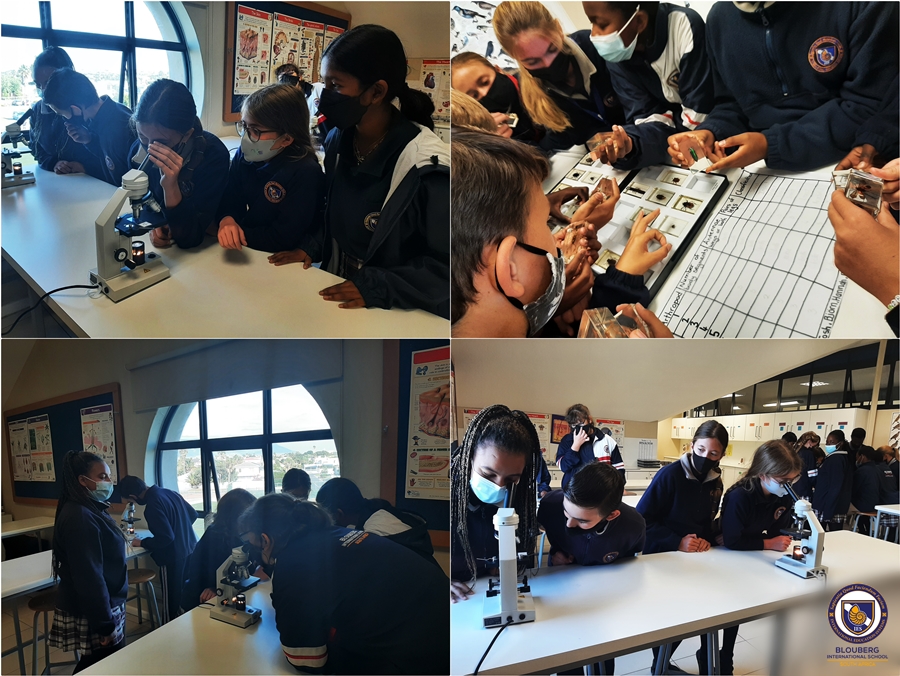
Education is the starting point to truly assigning value to something. In order to feel the drive to take an active part in conserving our country, one needs to realise its value, and what better way to do this than through receiving an education in Biology in one of the most unique countries in the world? Getting students excited about our natural world starts at an early age. At BIS, we incorporate practical implements to our coursework by allowing the students to see, hear, touch and experience. Practical work allows students to place their coursework into context with the real world, while also deepening their understanding of the topic. We as teachers are looking forward to the rest of our journey in guiding the next group of conservationists, farmers, park rangers, botanists, environmental educators and so much more.
Nadia Viljoen
High School Biology teacher

Read More