
Welcome back to school!
There was much excitement in the Year 2 classes as they returned to school this week! Watching the different facial expressions as they walked into class, one could definitely see that, most of them were very happy to be back.
Within the first hour, however, questions like: When is it break? Can we eat yet? Do we have to do more work? Or statements like I’m tired, made me realise that it was going to take a while for the students to get back into their normal routine.
When asked what they missed about school, answers like, break time, playing with my friends, free time in class, or we missed you, were quite openly shared. Obviously school work did not rank high in the popularity poll!
However, given a few days to settle in, the students were soon eager and ready to start learning again. I was reminded that, especially, with younger children, their minds absorb information like sponges.
As we enter the final term of 2022, one looks back at the beginning of the year and appreciates just how much they have grown, academically, emotionally and socially.
Kim Coetzer
Year 2 Teacher

Read More
Adventures In Space
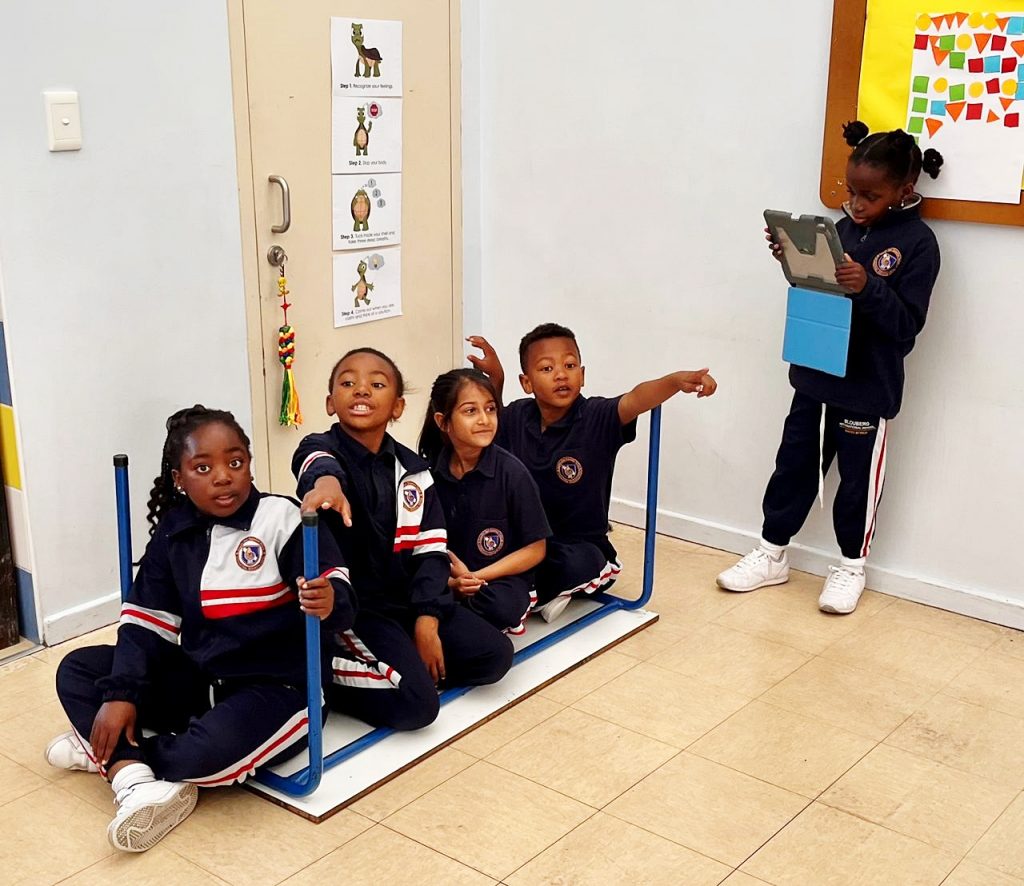
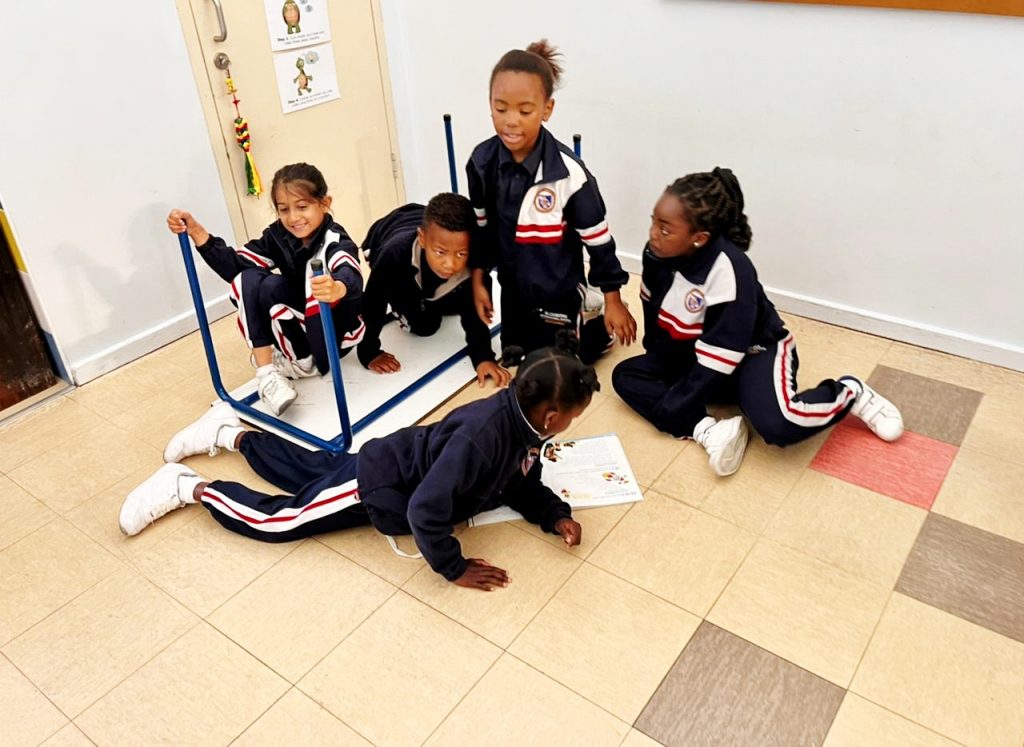
In English this week in Year 1. we have been working on our creative writing skills as we dramatised stories of our adventures in Space. Turning our desks upside down in class, we pretended they were our ‘spaceships.’ The students worked in groups and had a lot of fun acting and narrating out their space adventure stories. We then used the ipads to video their stories before writing about them. The class has a lot of fun working together and creating their own space adventures!
Clara Chassungo wrote: “I am going to space, I’m taking my brother, Geraldo and am also taking my mum and dad. We are going to look at all the different planets and we are landing on the moon! We will land at 3 o’ clock in the morning and we see aliens and footprints. We will jump in the sky…”
Buhle Sibiya writes: “ I am going to space so I can see the 8 planets in the galaxy and I am taking Ozzie, she is my friend. We landed on the moon and we saw aliens and we are going to land…”
Charlotte Cronje
Year 1 Teacher


Read More

Saving Water
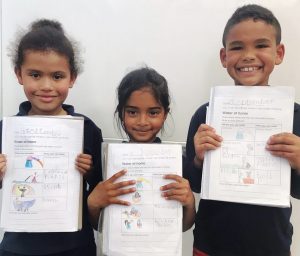
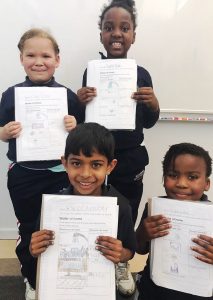
The students in Year 1 have been studying the topic Earth and Space in their science lessons. They have learnt about the planet Earth and how it is made up of mostly water and that there is not much fresh water on our planet.
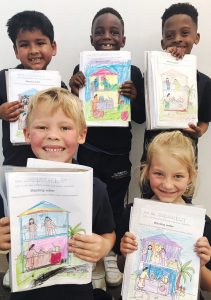
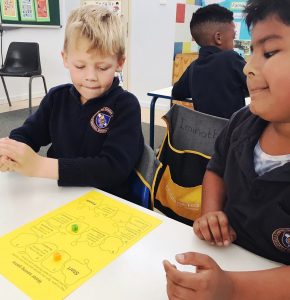
We looked at ways we use water at home and how best we can save water. Although they are too young to remember how close we came to ‘Day Zero’, many of the students have learnt to use water sparingly. They were able to come up with a number of ways to save water as well as spot the places where people waste water.
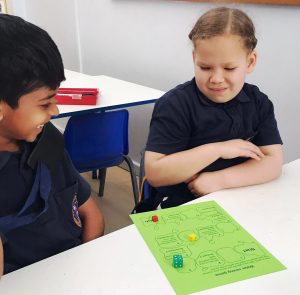
The water saving game was a big hit with the students.
Ann Cordner
Year 1 Teacher

Read More
Litter Challenge
“Educating our children is a key ingredient in the recipe to save our Earth!”
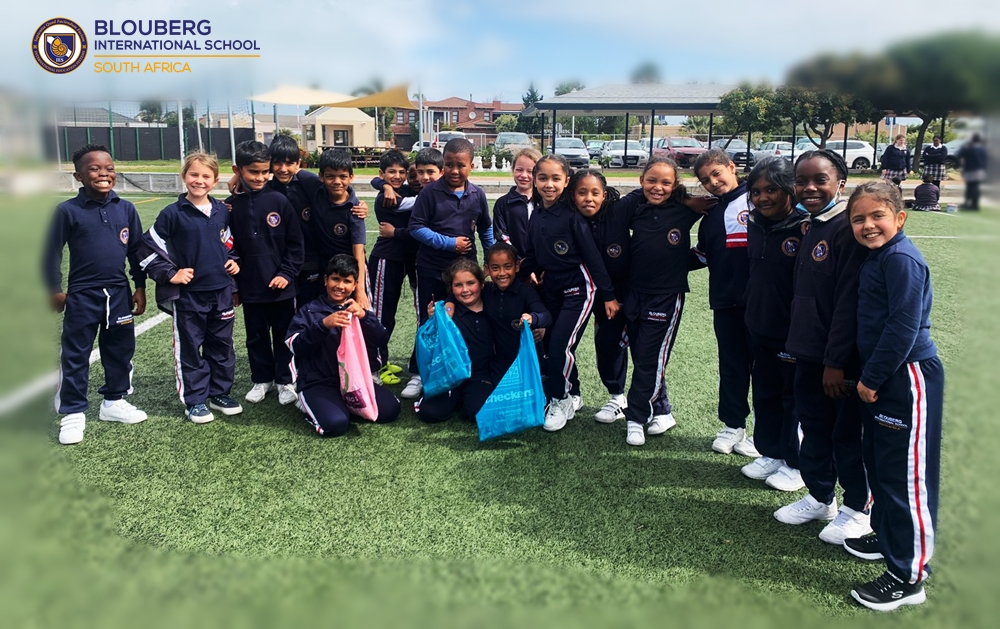
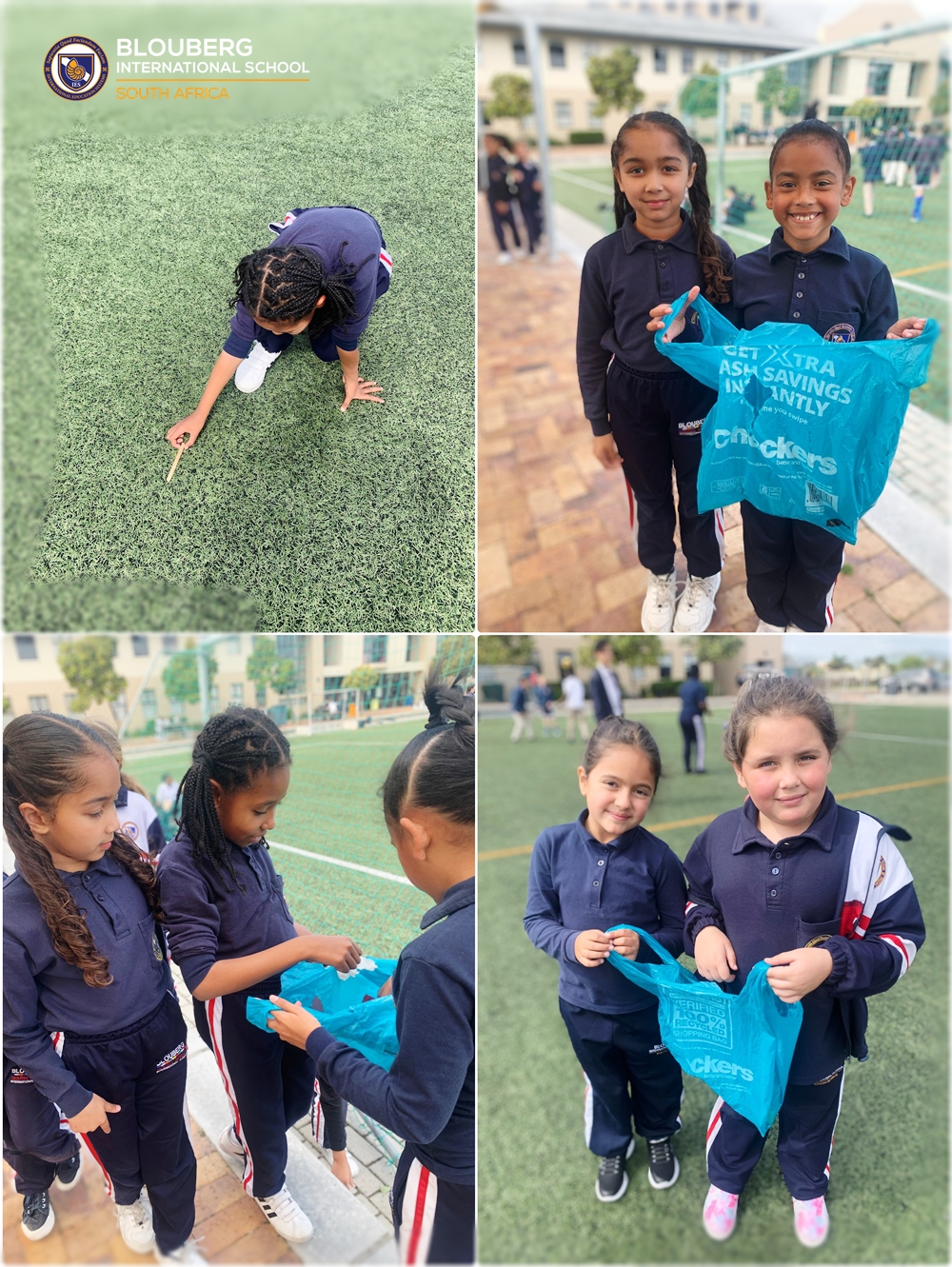
This week our Year 2’s did a school litter pick-up! Before we went out we had a small class discussion where we reminded ourselves about what litter was and chatted a bit about what a good strategy would be in order to cover the area we were going to cover and pick up as much litter as possible. The students were excited at the idea of helping to make their school a cleaner place!
We made a plan to tackle the field and the surrounding areas, a few students carrying some plastic bags for any rubbish to go straight into, all of us walking in our smaller groups across the field making sure to keep a look out for any litter that may be laying around.
All of the students took their role in this clean-up very seriously and seemed to enjoy themselves as they went. Well done Year 2’s, you are making a difference!
Siobhan Hendry
Year 2 Teacher

Read More

Spring Has Sprung In Arts And Craft This Week
“Reuse the past. recycle the present, save the future” – Unknown
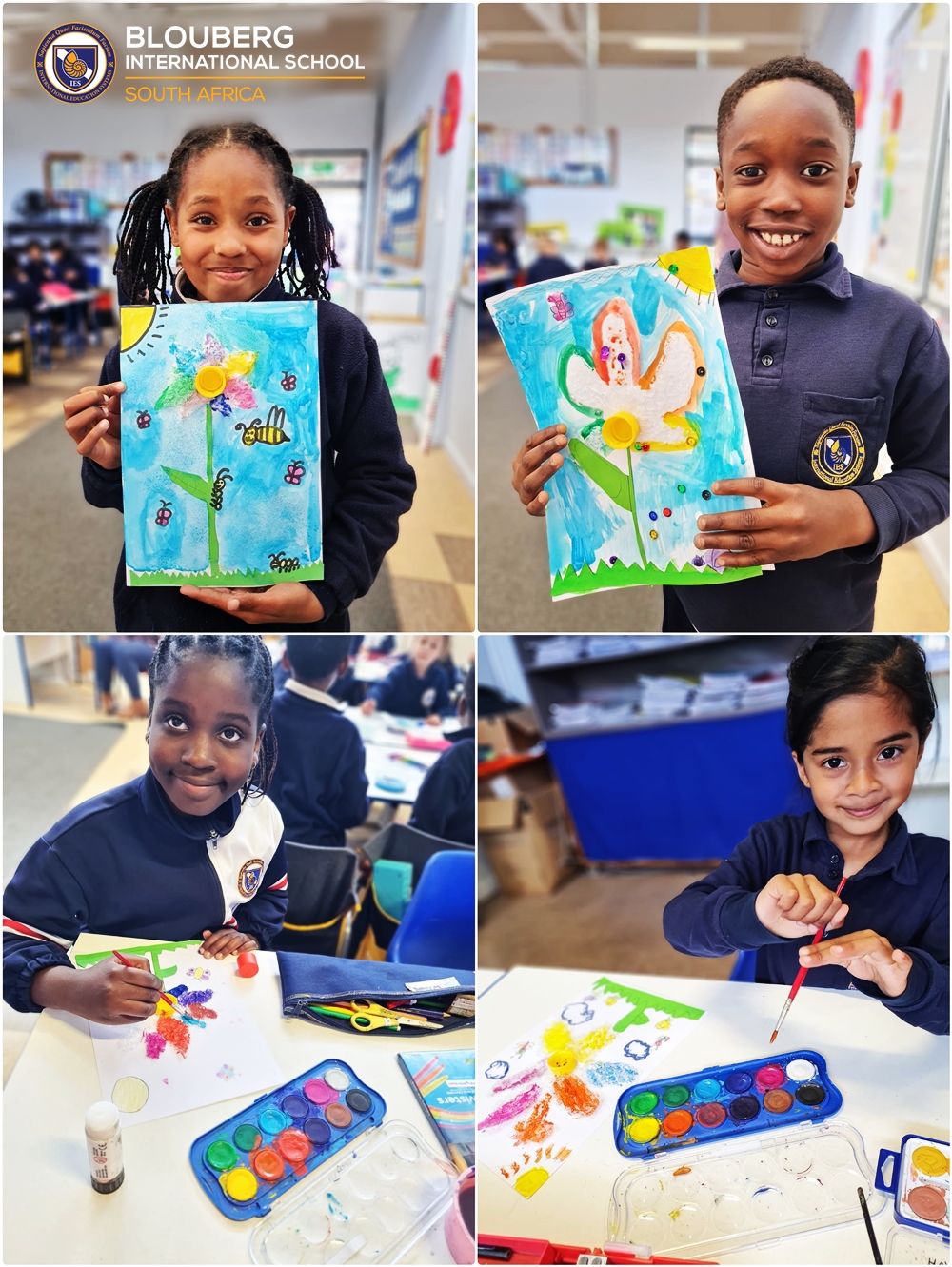
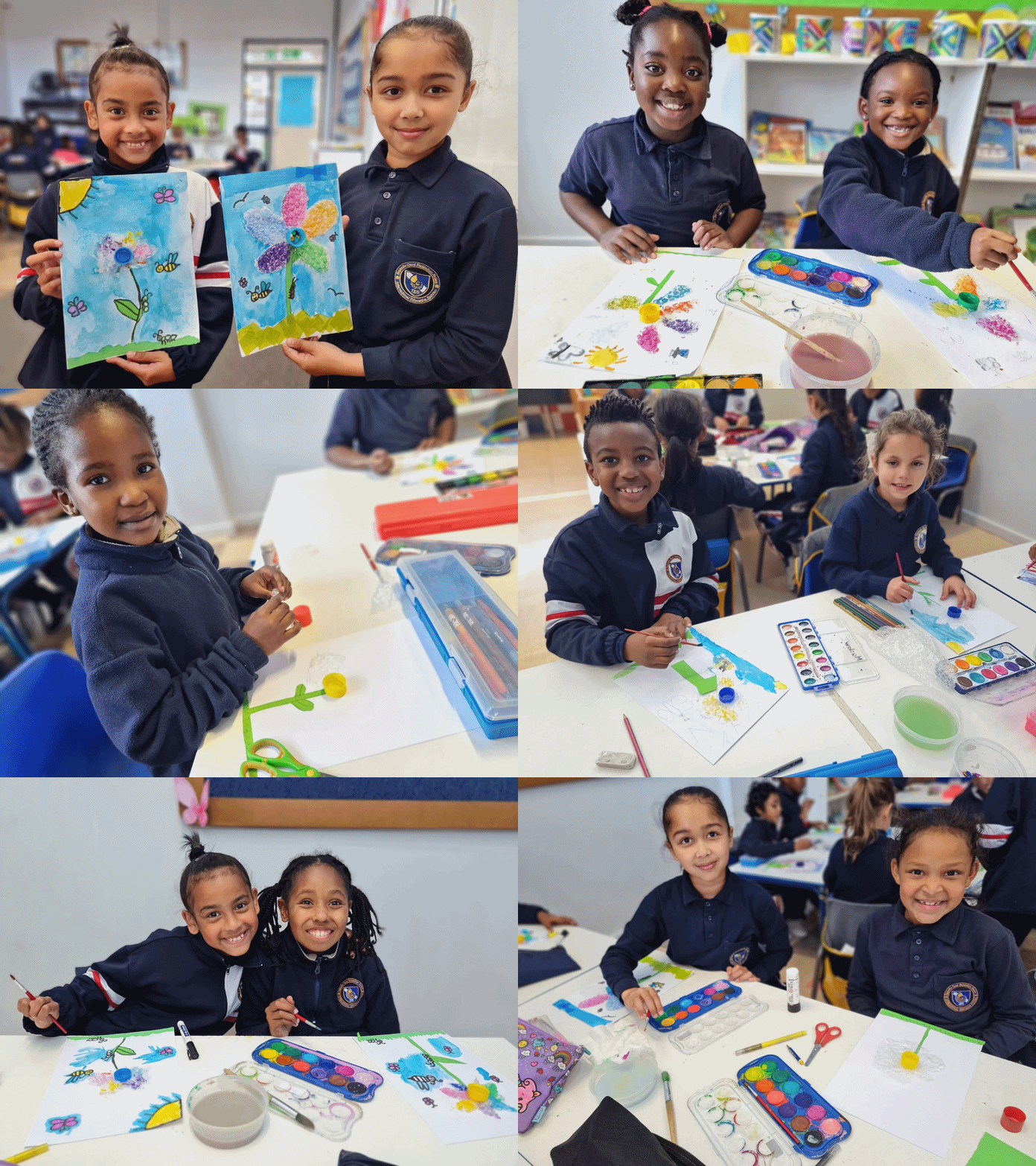
In KS1 Arts and Crafts Club, the students have been making use of recycled goods to create a beautiful flower to welcome the start of Spring.
Teaching students about spring helps to develop life skills, observation skills and promotes a love for learning and nature. Helping children notice and celebrate the signs of spring is a wonderful way to sharpen their observation skills. This helps students to learn how to focus, to be present, and live in the moment. Observation skills help people become better writers, scientists, and global citizens. Using nature to teach these skills can shake children and parents alike out of the rut of the normal day-to-day life.
Using recycled goods such as bubble wrap and bottle tops help students realise that these items are goods and not waste. We can reuse them for Arts and Crafts activities, not allowing them to be thrown into bins or left lying around on the floor around us. Teaching students to reduce, reuse and recycle (the three R’s) can create a ripple effect on the lives of their loved ones around them.
We encourage students and parents to continue trying to follow the three R’s.
Year 1 Teacher
Erin Hierse
Read More

Exploring Intaka Island
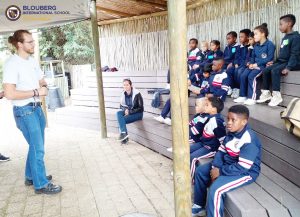
A very excited group of Year 1 students left school to visit Intaka Island on Thursday, 25 August. After a brief introduction to the origin of Intaka Island and the eco system found there, the students set off in groups to explore this small island in the middle of our busy city. Intaka Island’s wetlands and canals demonstrate how engineering and natural processes can be used to improve the conservation of water.
The students took a walk around the island learning about the medicinal plants and seeing how many animals and birds they could spot from the ‘hide’. We were extremely lucky to walk past a freshwater crab and to spot a Pied Kingfisher and a Malachite Kingfisher.
A highlight for the students is the boat ride on the canals, spotting the birdlife and some pets in the gardens of the townhouses.
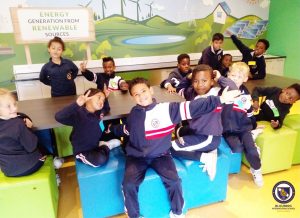
Intaka island is a wonderful example of sustainability. They use solar power energy, energy through the use of a wind turbine and various bio digestive systems to supply their own gas and wormery’s to create their own compost and liquid fertilizers. The students learnt all about recycling, compost and the importance of sustainable living. The students also learnt how Intaka Island uses their own grey water and black water system to sustain their building and plant life.
It was a fun, interactive and very informative outing, which you can see from our photos!
Ann Cordner
Year 1 Teacher


Read More

Looking After Our World
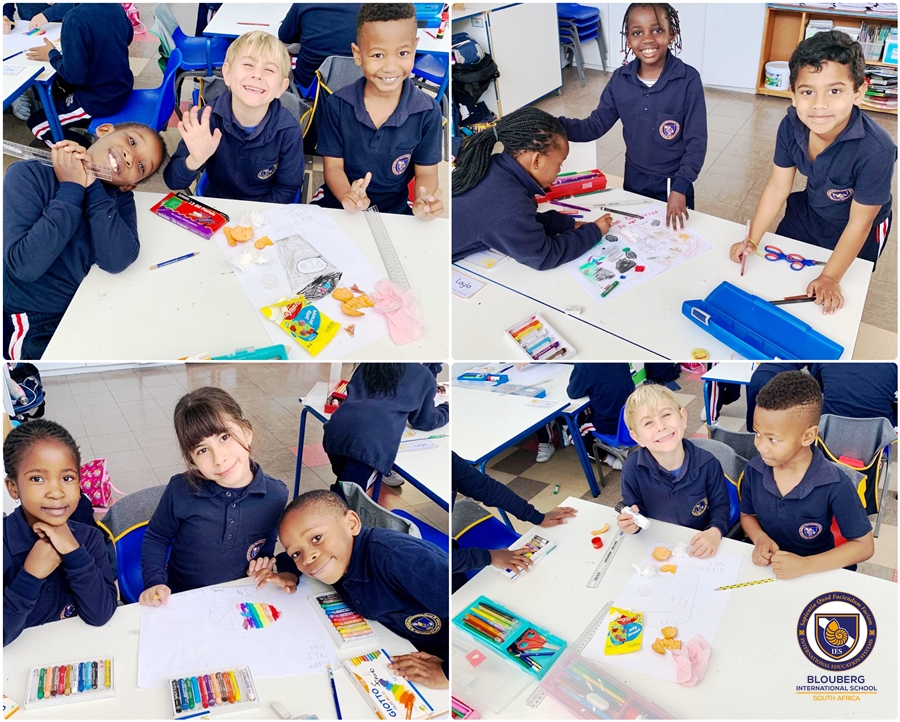
For Global perspectives in Year 1 this term, we have been learning about ‘Looking after our world.’ As part of the topic, we have been looking at the problem of ‘litter.’ The list of social problems caused by litter and rubbish is extensive.
Litter creates safety, fire, and a variety of human health hazards because of the organisms attracted to it. Oprah Winfrey says, “If every person picked up just one piece of litter today, there would be over 300 million fewer pieces of litter.”
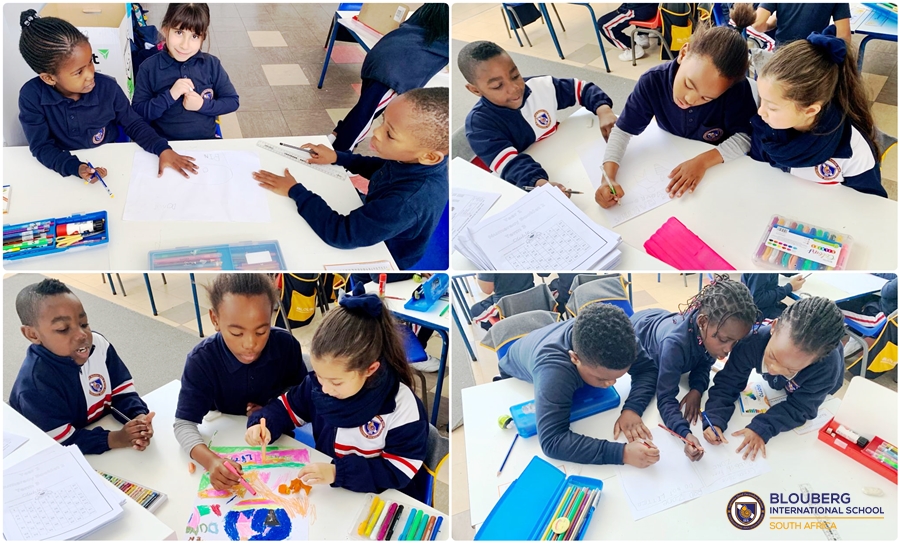
The Year 1 classes have been on litter walks around the school grounds and picked up litter together. We have also made a classroom display from some of the litter we have found and the class have worked together to raise awareness about litter to educate others in our school. They’ve created some fantastic, colourful and interesting posters to raise awareness about litter in our school environment.
If you would like to view some of their work, it can be found in the Year 1 classes!
Charlotte Cronje
Year 1 Teacher
Read More

The Day The Teachers Became Penguins
The Year 2 classes had visitors yesterday! Educators from SANCCOB came to tell us all about penguins and sea birds. The students thoroughly enjoyed watching videos about all the ways SANCCOB helps injured seabirds and penguins. Did you know that glass takes 1,000,000 years to break down? Plastic takes 200 years to disintegrate. The students were horrified to see some of the photos of how litter could harm these gentle creatures.
There were fun activities as well. In groups, we had to identify good foods and bad foods for seabirds and penguins. However, the highlight of the morning was the dressing up of three teachers in penguin suits! Mrs. Coetzer, Miss Hendry and Teacher Angelique were then ‘assisted’ by groups of students, leading them through the different rehabilitation stages. This included, x-rays, food-giving, receiving medication and finally, gently helping the ‘injured penguins exercise.
Great fun was had by all, even the teachers.
Kim Coetzer
Year 2 Teacher


Read More
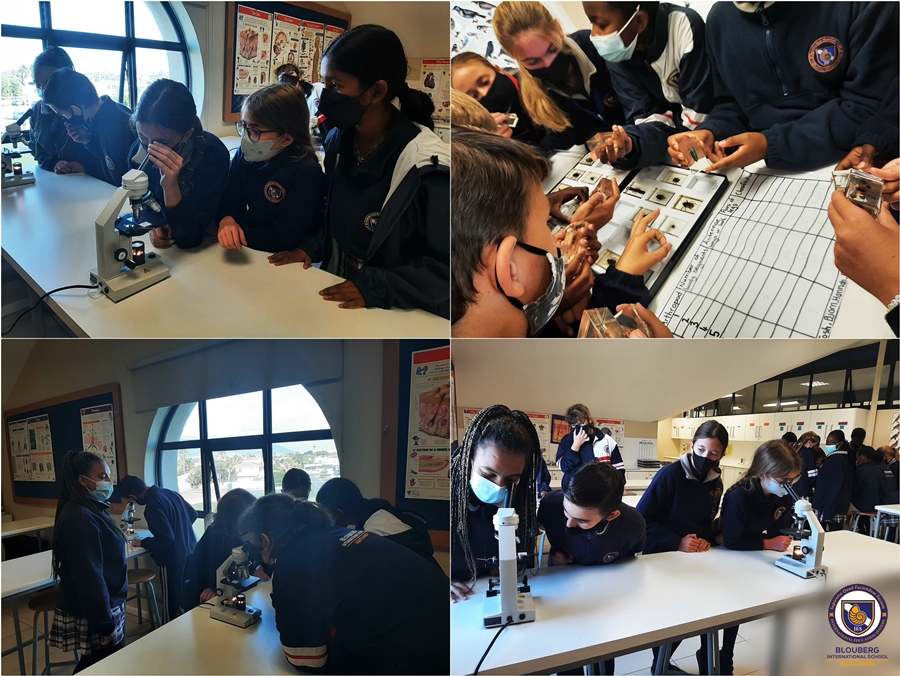
Becoming A Biologist In South Africa
It is certainly not new information that we live in one of the most diverse countries in the world when it comes to South Africa’s endemic flora and fauna. In fact, according to SANBI, we are ranked in the top 3 countries with the highest percentage of endemic species. South Africa is estimated to be home to almost 100 000 endemic floral and faunal species, as reported by BIOFIN. Our floral diversity is estimated to be just short of two thirds endemic, with our reptiles, amphibia and marine species to be around half.
South Africa is a well-recognized biodiversity hotspot, with the Cape Floristic Region hosting almost 10 000 vascular plants, with a staggering endemism percentage of almost 70%. Endemism and biodiversity in South Africa have clear intrinsic value. Apart from that, it has been an enormous driving force in our tourism. It is also important to recognize its role in employment opportunities, alternative or traditional medicines, and environmental education.
So, what do we need in order to conserve this incredible ecological gift that we have been given? More importantly, who are the people behind conserving it? Unfortunately, conservation is not often second nature to us. We live fast paced lives driven by consumerism. Playing our part in conserving the Cape Floristic Region, our pride and joy, starts with being educated on its value and importance. Whether this is intrinsic value, monetary value or some other value such as preserving genetic variation, the development of herbal remedies and traditional medicines, or simply a feeling of stewardship.
An ecologist from Senegal, Baba Dioum, summed it up quite well: “In the end, we will conserve only what we love, we will love only what we understand, and we will understand only what we are taught.”
Education is the starting point to truly assigning value to something. In order to feel the drive to take an active part in conserving our country, one needs to realise its value, and what better way to do this than through receiving an education in Biology in one of the most unique countries in the world? Getting students excited about our natural world starts at an early age. At BIS, we incorporate practical implements to our coursework by allowing the students to see, hear, touch and experience. Practical work allows students to place their coursework into context with the real world, while also deepening their understanding of the topic. We as teachers are looking forward to the rest of our journey in guiding the next group of conservationists, farmers, park rangers, botanists, environmental educators and so much more.
Nadia Viljoen
High School Biology teacher

Read More