

Under The Sea
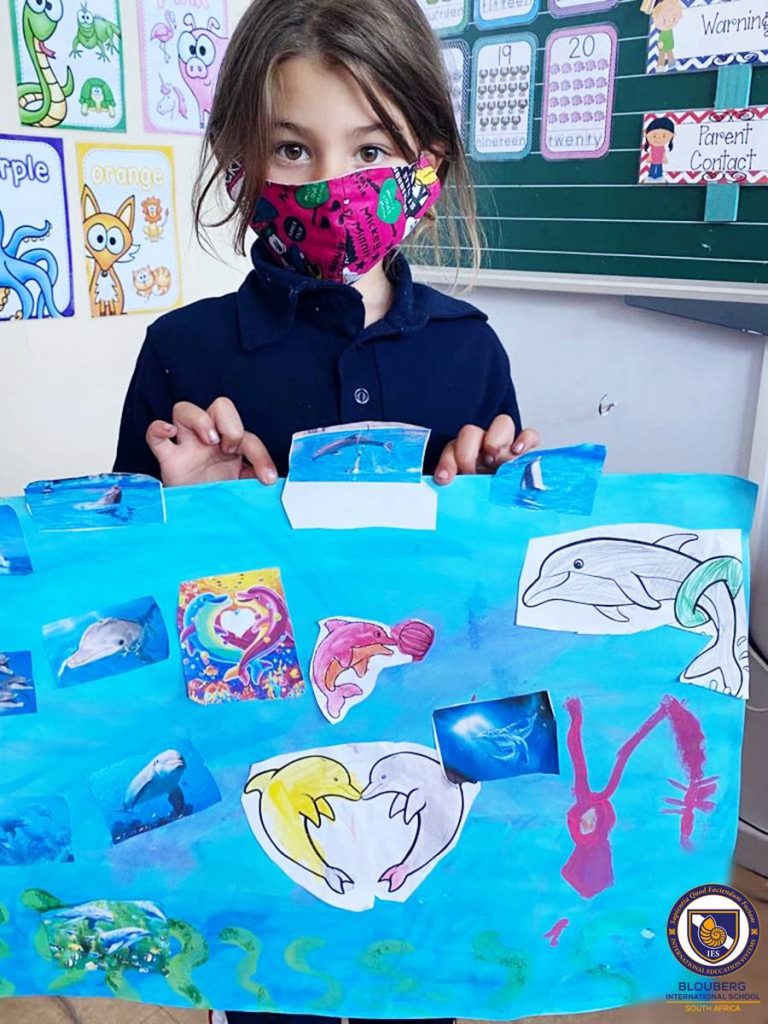
In Reception year we have been learning about all the wonderful animals living under the sea. This week, our little ones had the opportunity to come tell their friends all about their favourite sea animal. Show and Tell is an integral part of the Foundation Stage curriculum, not only does it give the students the opportunity to share some of their personal experiences and general knowledge, but it also teaches them valuable skills such as speaking with confidence and listening to their peers.
We had lots of fun learning all about the scary sharks, playful dolphins and silly crabs.
Here is what some of my students had to say about sea creatures:
“I like dolphins because they do those big splashes” – Clara Chassungo
“A dolphins has two tummies and they don’t even chew their food” – Leah Karstel
“I drew the jelly fish ’cause it’s Mrs Meyer’s favourite” – Ozioma Jangayiso (Thank
you Ozzie for such a beautiful under the sea picture!)
“The shark’s skin feels like sandpaper” – Alessio Gomes
Monique Meyer
Reception Year Teacher and Foundation Stage Coordinator


Fun Day
As the end of term has arrived, it was with great excitement that the little ones came to school dressed in Civvies ready for their Fun day.
The teachers planned various activities, mostly making a big mess, because making a mess is always the most fun. The little ones painted the most beautiful pictures, dancing, playing outside and generally having lots of adventures.
We would like to thank our parents for everything they do to support their children’s learning journey. We cannot do this without them.
Wishing everyone a fantastic holiday!
Monique Meyer
Foundation Stage Coordinator


Read More
High Frequency Words
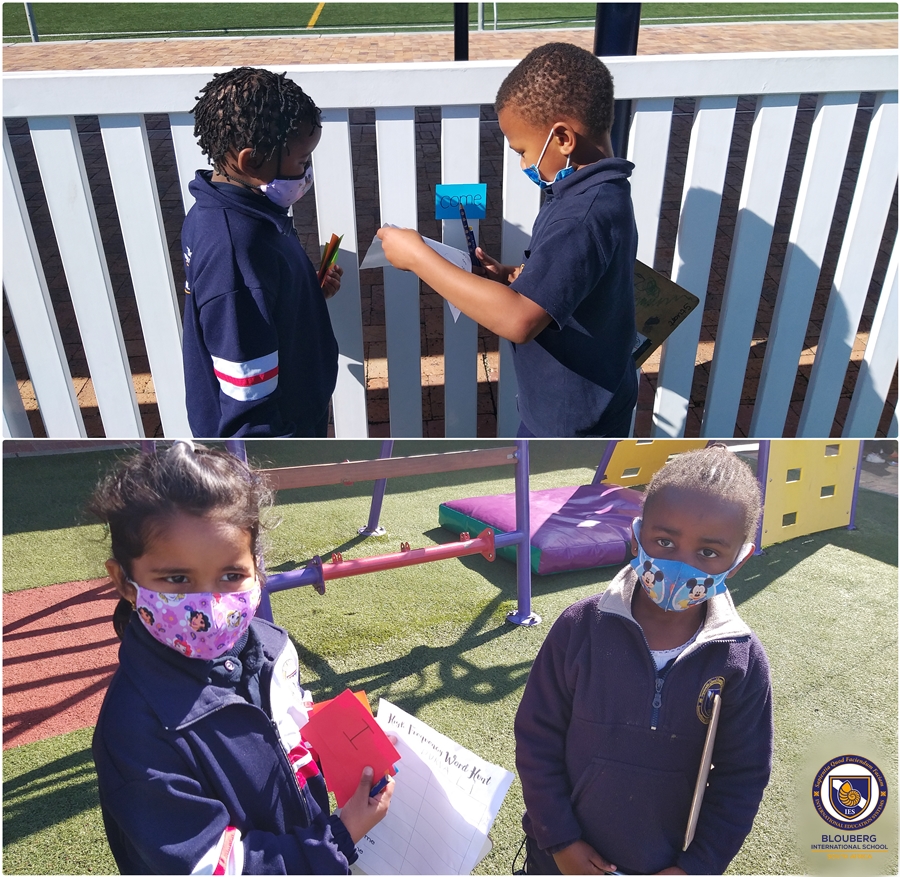
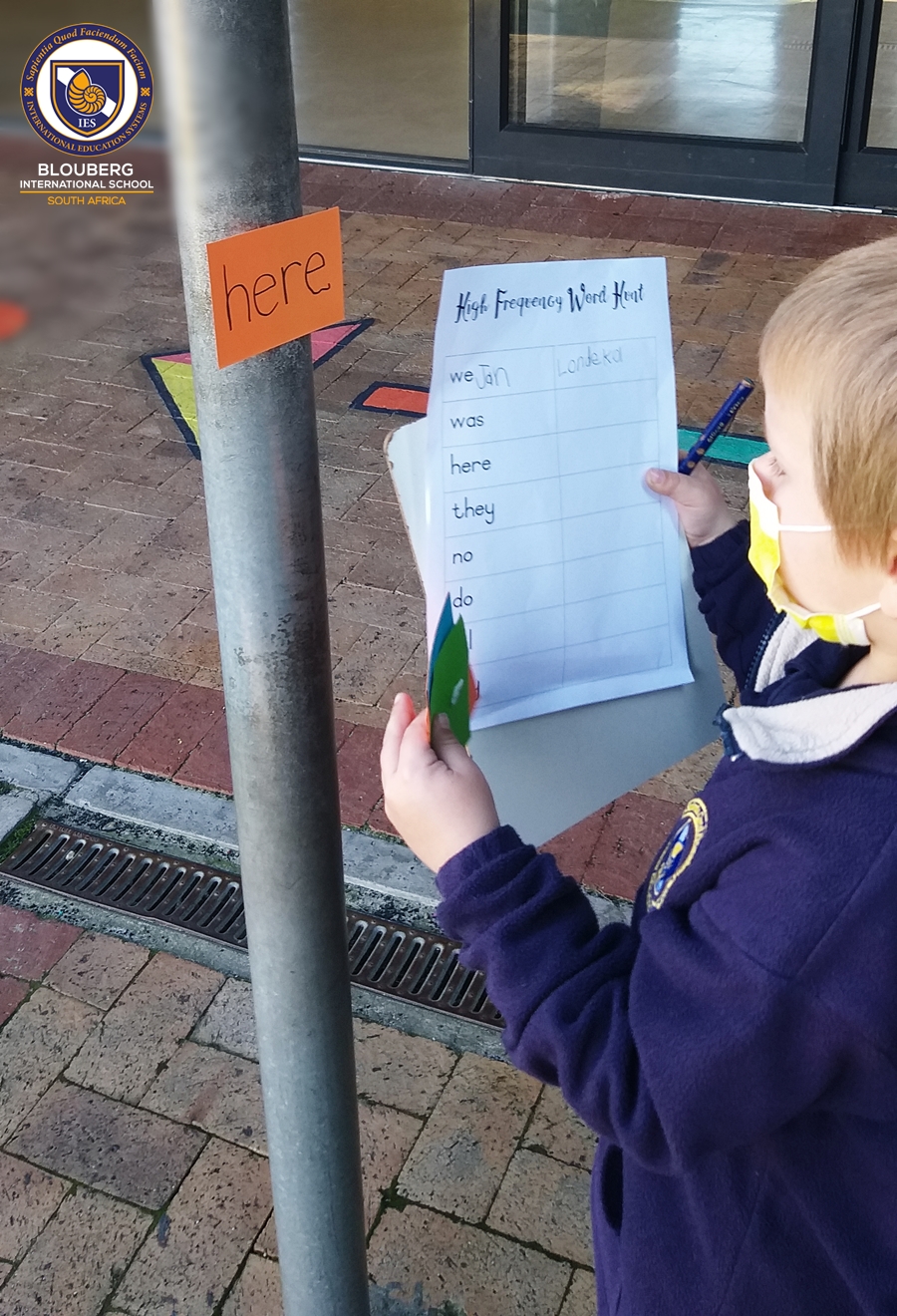
Last week we had a High Frequency Word Hunt. The students had to go and find flashcards of words on the playground according to a list in pairs. They thoroughly enjoyed this activity and excitedly showed the teachers all the words they could find from their lists.
Learning to read is a complex process, which involves many skills. Two of these skills is phonological knowledge and the other is memorising High Frequency Words. Phonological knowledge helps students to decode or sound out words. That is why it is more important to know the phonetic sound of letters rather than the alphabet name, so that words can be spelt out phonetically, like the word c-a-t. Knowledge of High Frequency words is important for those words that cannot be sounded out phonetically, such as the word ‘you’ or ‘the’. These words commonly occur in sentences, hence the term High Frequency Words. That is also why students have greater confidence and fluency when they have been spending time memorising High Frequency Words as part of their reading homework at home.
It’s important that parents try to make learning High Frequency Words fun. Here are some helpful ideas in the links below:
https://www.curiousworld.com/blog/sight-word-games
https://www.weareteachers.com/sight-word-activities/
https://www.themeasuredmom.com/25-low-prep-sight-word-activities/
Bronwen Nuthall
Reception Year Teacher

Read More

The Importance Of Outside Play
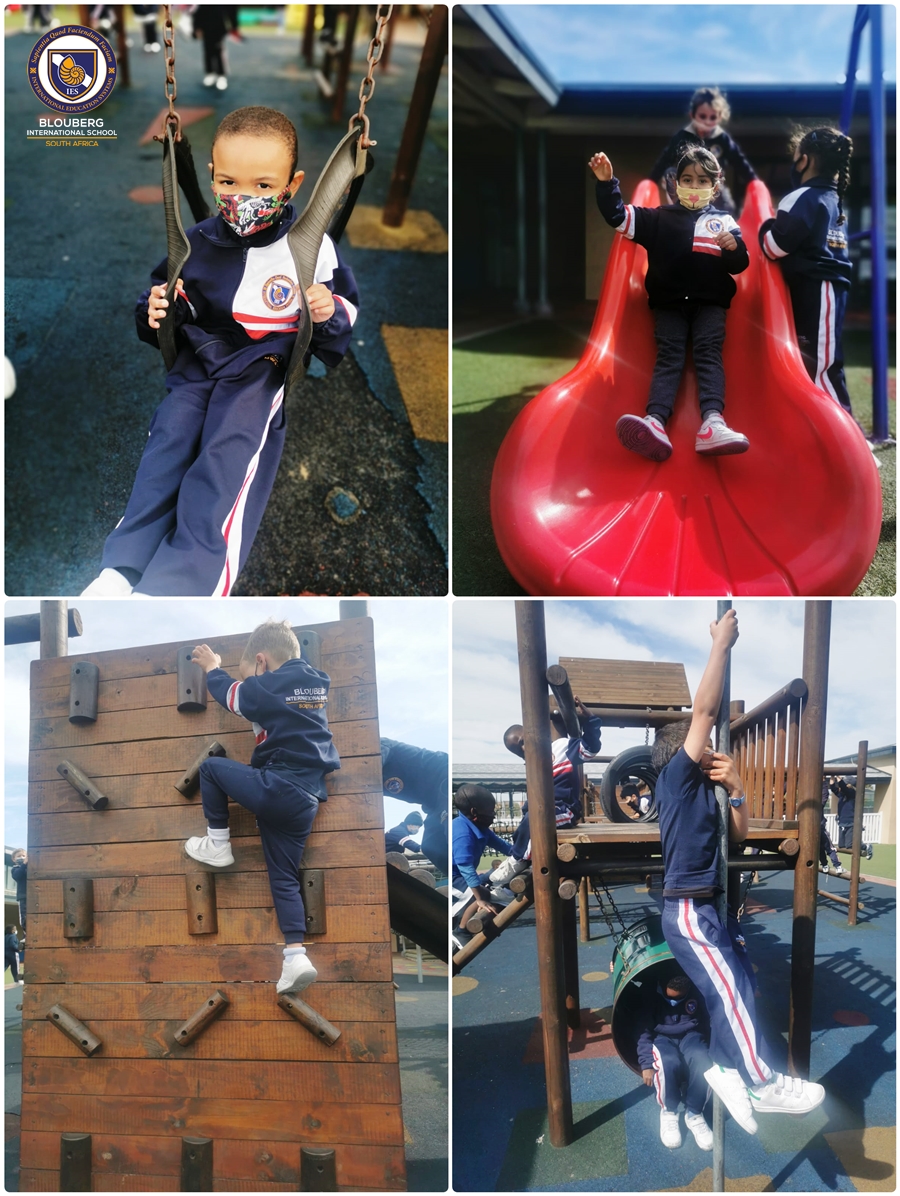
One of the main ways children learn and develop their gross motor skills is through playtime, on the playground, during outside time. As they play, their gross motor skills improve even without them knowing they are actually working on these abilities.
How playground equipment helps develop these skills:
- Climbing a ladder up to a slide or steps helps children learn to start balancing and shifting their weight. Going down a slide, children experiment with different body positions while working on balance and control of their bodies.
- While they are on swings they are in motion which helps them work on balance and coordination. When kids learn to pump up their feet to propel themselves on the swings, they work on sequencing and coordinating their body parts and movements to control the swing.
- The jungle gym strengthens arms, legs, their core and even their fingers. It provides an excellent way to work on balance, coordination and sequencing of which hand or foot moves next.
- The monkey bars strengthen hands and upper body strength as well as developing coordination and sequencing.
While there are many physical benefits to outside play, it provides a huge opportunity for social development in children as well. They also develop stronger reasoning and observation skills, giving them the opportunity to explore the world from a different perspective.
There are endless benefits to playing outside!
Cindy Nunan
Nursery and Pre-Reception Teacher



Hooked On Books in Foundation Stage
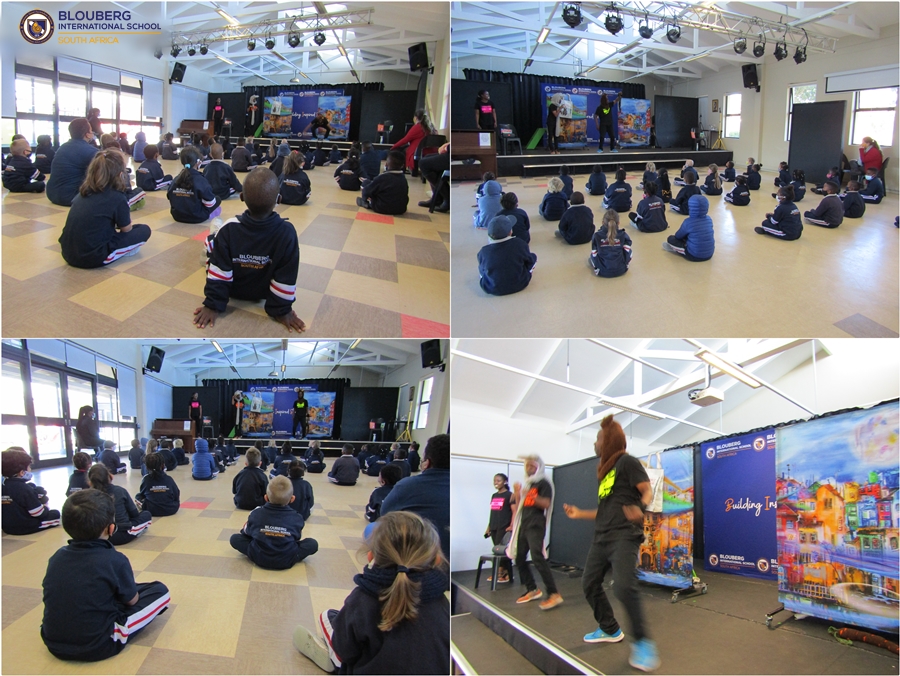
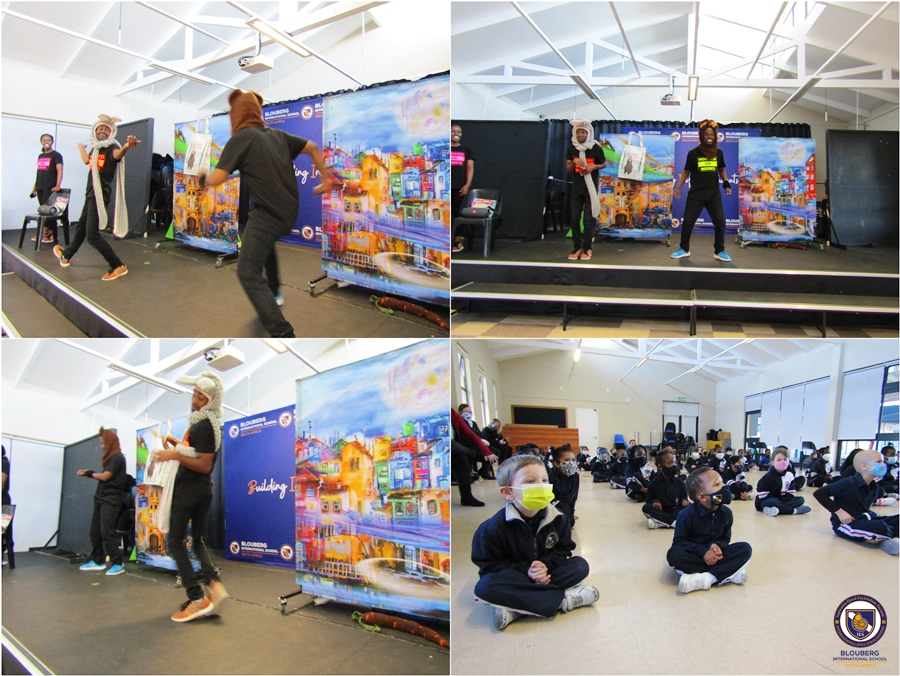
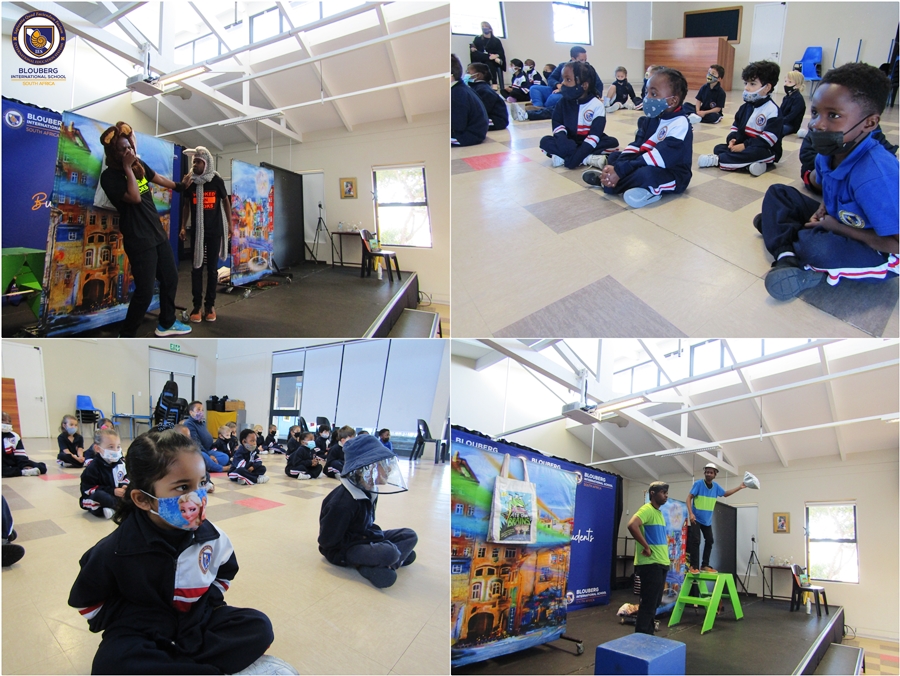
On Friday, 20th of August, we were elated to welcome the team from Hooked on Books to Blouberg International School. The annual event is a highlight in the school and it was with great excitement that the students lined up to go watch the performance in the Junior Hall.
Hooked on Books is a touring Educational Theatre Company that shares their love of books and stories with the students. Each year they choose a selection of stories and dramatise excerpts from the books. The actors are amazing and encourage audience participation, which of course the students love. They end each story on a cliff-hanger to encourage the students to go read the books for themselves.
It was a lovely day and we look forward to Hooked on Books visiting again next year.
Monique Meyer
Reception Year Teacher

Read More

Wild Animals
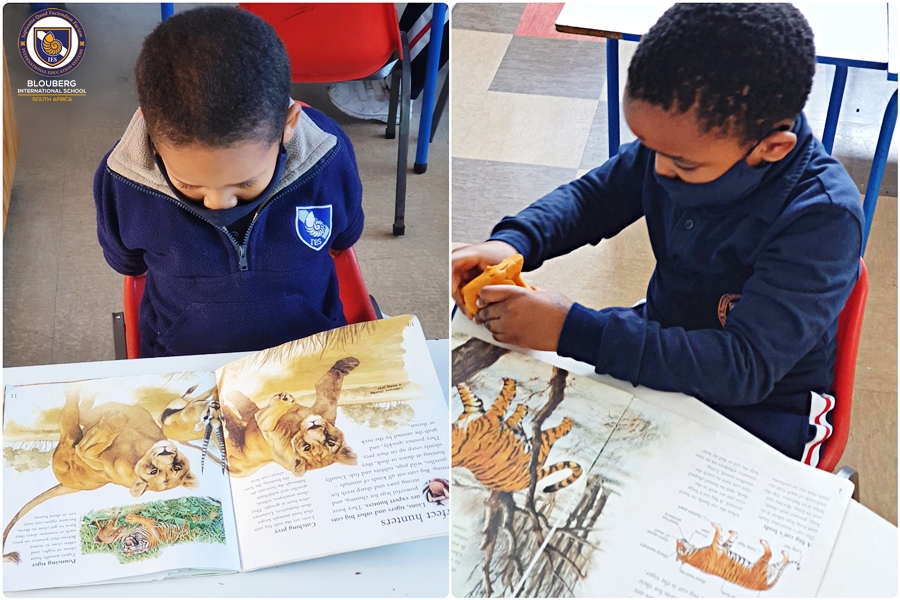
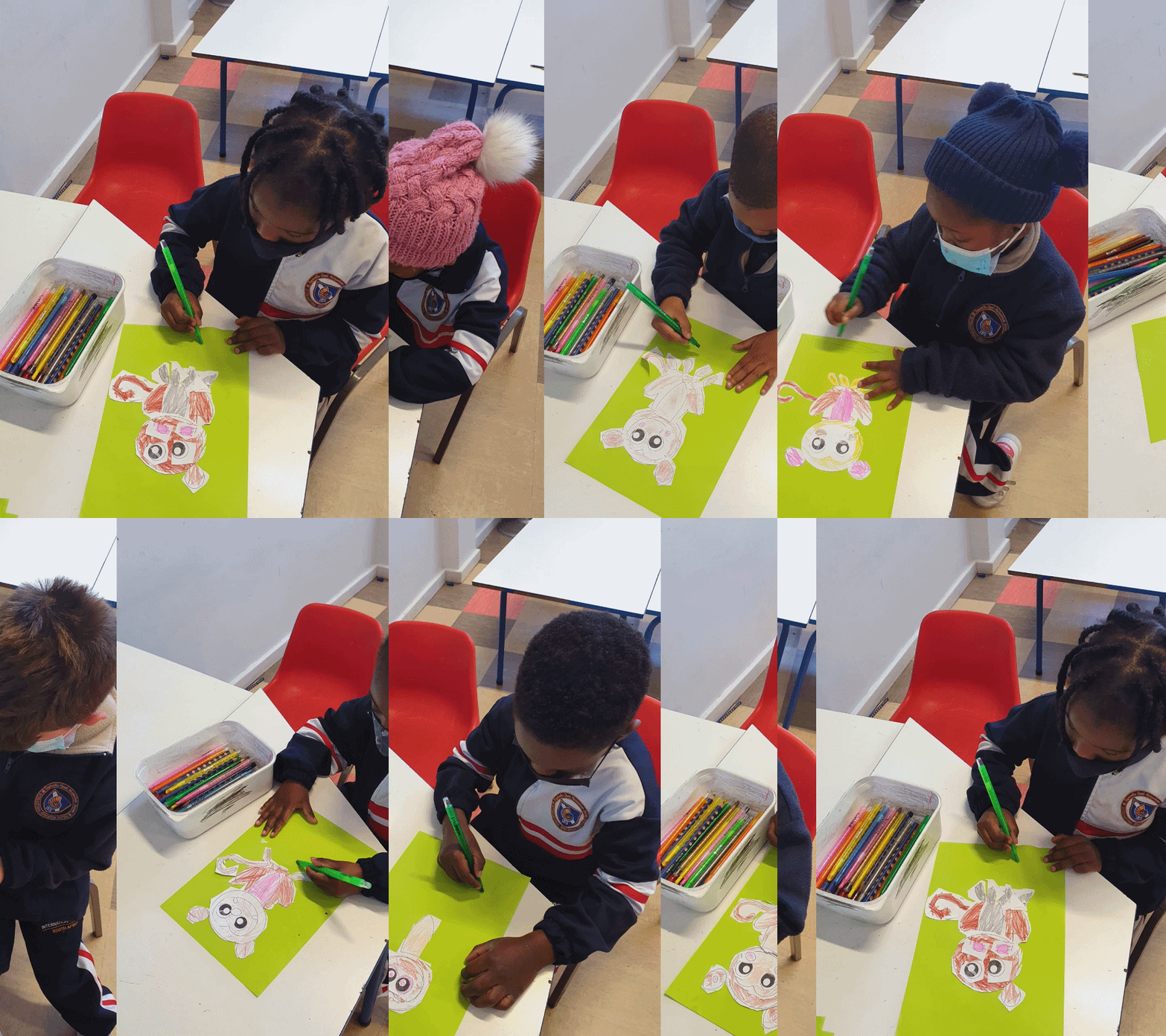
We are learning more about wild animals in Foundation Stage. Picture books with animal characters are firm favourites with the students and they simply love to observe animals on the whiteboard shows. We even made our own wild animals in Art.
According to an article in ONE GREEN PLANET, animals can teach us 10 important things:
- Compassion: Compassion is based on being able to understand the feelings of others/another.
- Patience: There is no rushing an animal to do anything they aren’t ready to do.
- How to live in the now: People waste so much time obsessed with following ‘what will happen next’ that we completely forget to enjoy the now.
- We’re all connected: Ecosystems only thrive when there is balance.
- Humans aren’t as different as we thought: If there’s ever been a time to re-evaluate our relationship with animals, it’s now.
- Respect your elders: Moving forward and advancing towards innovation is a wonderful thing, but we should also learn to respect the wisdom of those who came before us.
- Responsibility: Growing up with a pet has been shown to instill a deeper understanding in children.
- Listen carefully: Animals sit and listen before they react to situations, something we could surely all stand to do.
- Live lightly: Animals learn to live within their means.
- We must stick together: Being able to set aside differences and work together for the mutual benefit of our species.
Martie van Dyk
Pre-Reception Teacher


Year 4 – Online Can Be Fun
Some of the things we do on Fridays include:
1. We dress up, including themes such as funky hair/hats, bring a book, superhero’s, cool shades, character day and wear your favourite colour.
2. We played online games such as scavenger hunt, funny face screenshots, charades and amazing race.
3. We go on virtual tours all over the world. Recently, we visited the Amazon, Universal Studios Orlando, NASA and Pirates of the Caribbean.
4. We learn to draw. Our Year 4 students have created amazing drawings following ‘Art Hub’ on YouTube.
5. We do some amazing art. Learning about Picasso and Cubism and One Point Perspective.
6. Story time. We read some inspirational books using ‘Storyline Online’ on YouTube. We listened to Oprah reading the Hula Hoopin’ Queen and practiced our own Hula skills. We also listened to the inspirational story ‘The house that Jane built’ and our students shared some ideas of what they can do to help people in need.
We miss our friends and we miss our school, our teachers miss us too, BUT it hasn’t been all bad and we will get through this stronger than ever.
Marlize Keyser
Year 4 Teacher

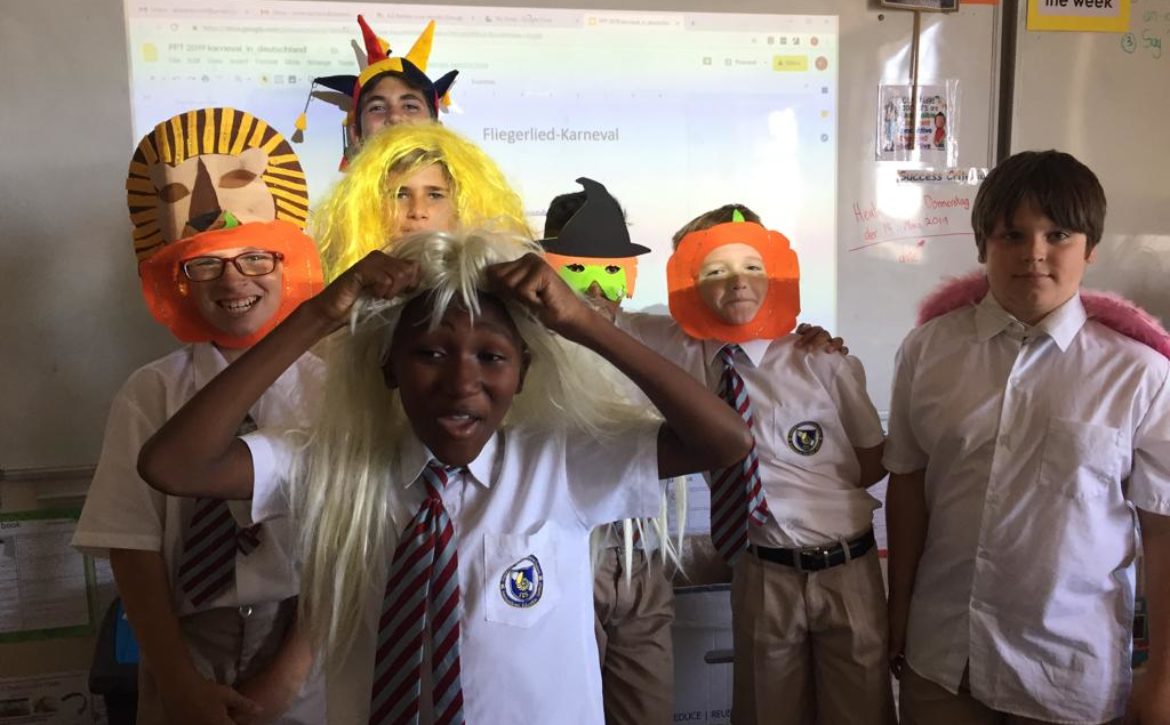
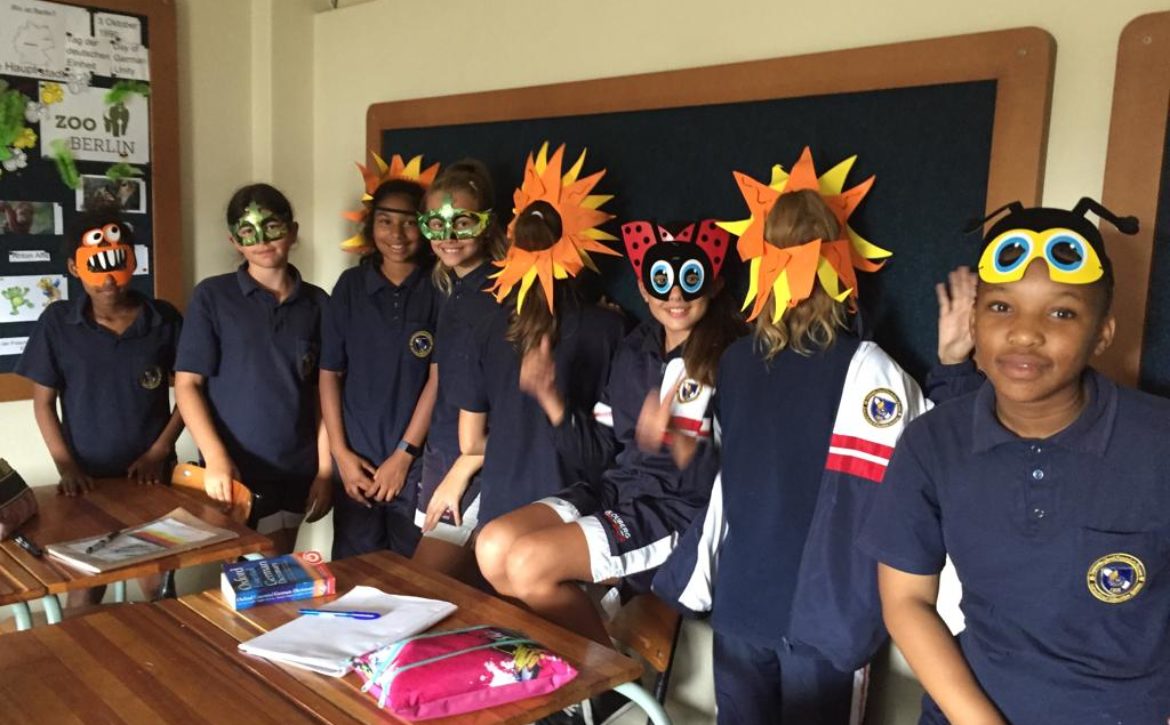
‘Karneval’
From the German Classroom,
We recently discussed the question “Wo wohnst du?” (Where do you live?) with the Year 5 and 6 students and were introduced to some children living all over Germany.
The children in Köln (Cologne) have recently celebrated carnival. Carnival time in Germany is one of the most popular traditions celebrated across Germany. It is known as ‘Karneval’, ‘Fasching’ and ‘Fastnacht’, depending on the region. It begins officially on the 11th November at 11:11 am in Cologne and lasts until “Ash Wednesday” the following year. Around this time, a few weeks before Easter, the processions and parties also welcome the spring and celebrate the end of a long, cold winter.
These processions include dressing up in costumes and a having decorative floats that go through the towns with lots of music and dancing. Everyone is on the street and the children especially enjoy all the sweets that are handed out during the parade. ‘Krapfen/Berliner’ (jam doughnuts) are a typical food enjoyed especially at the carnival time.
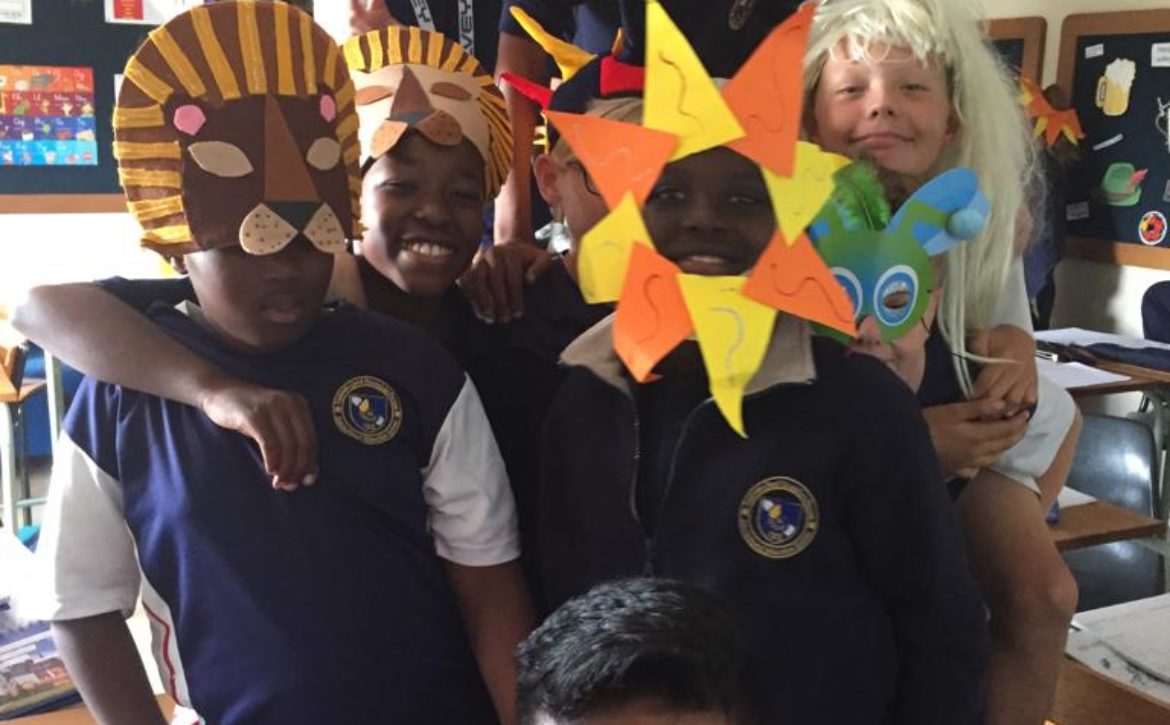
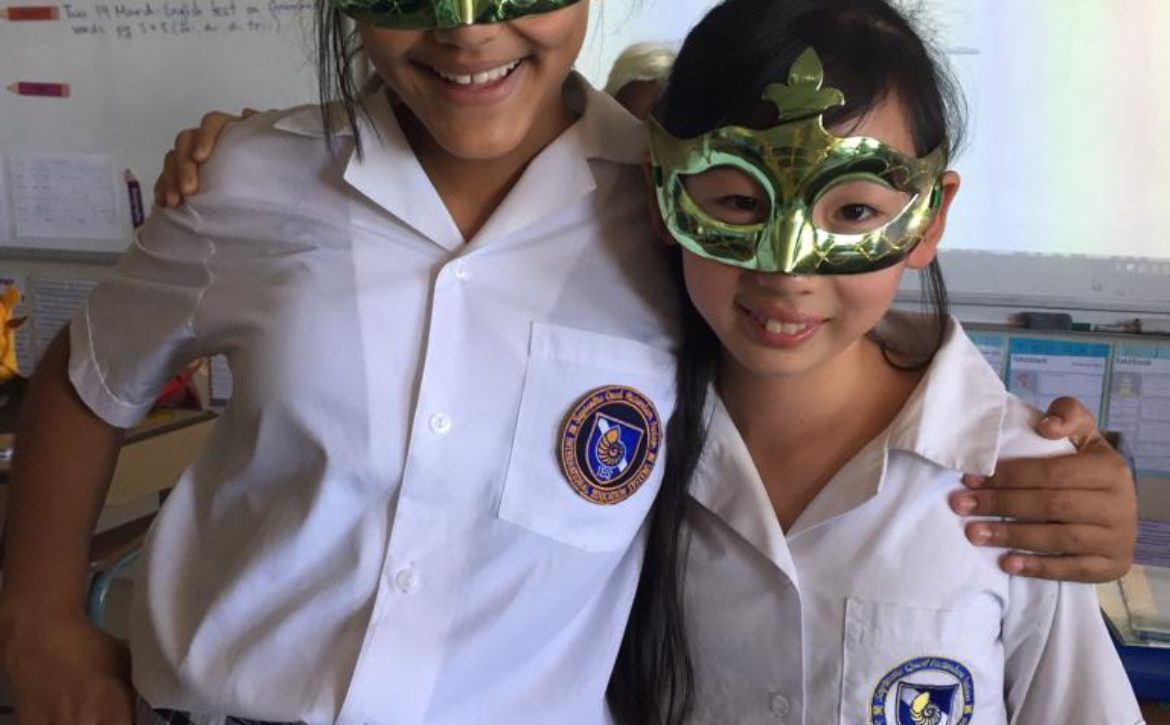
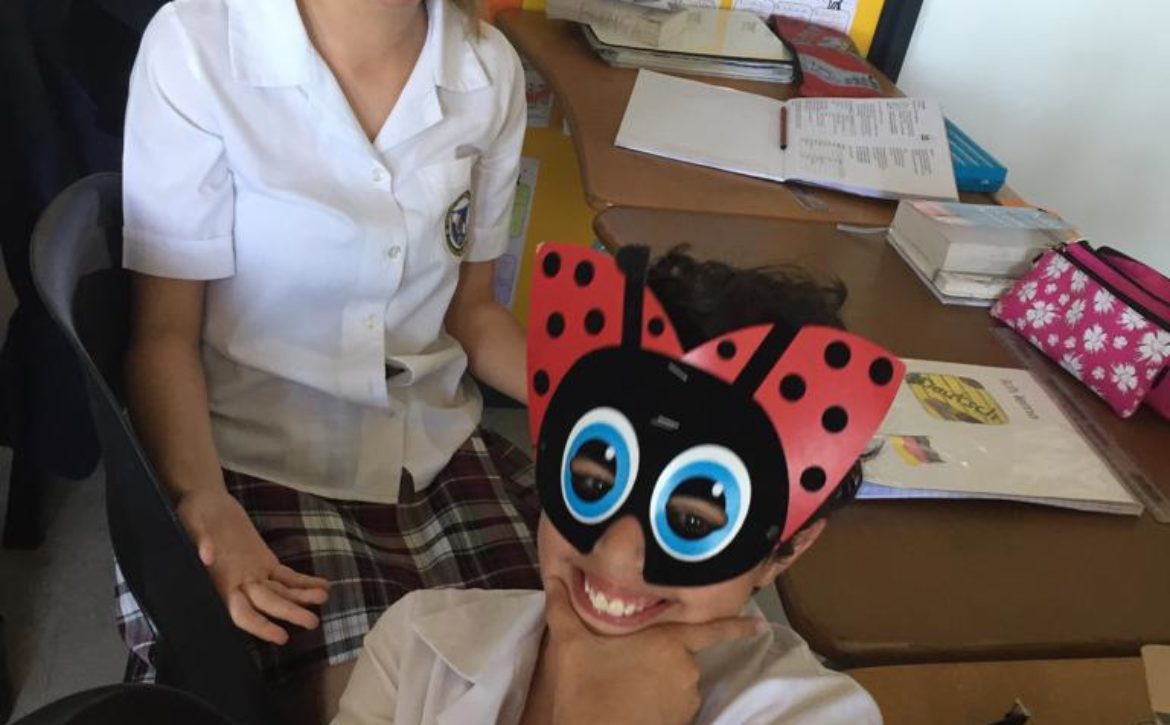
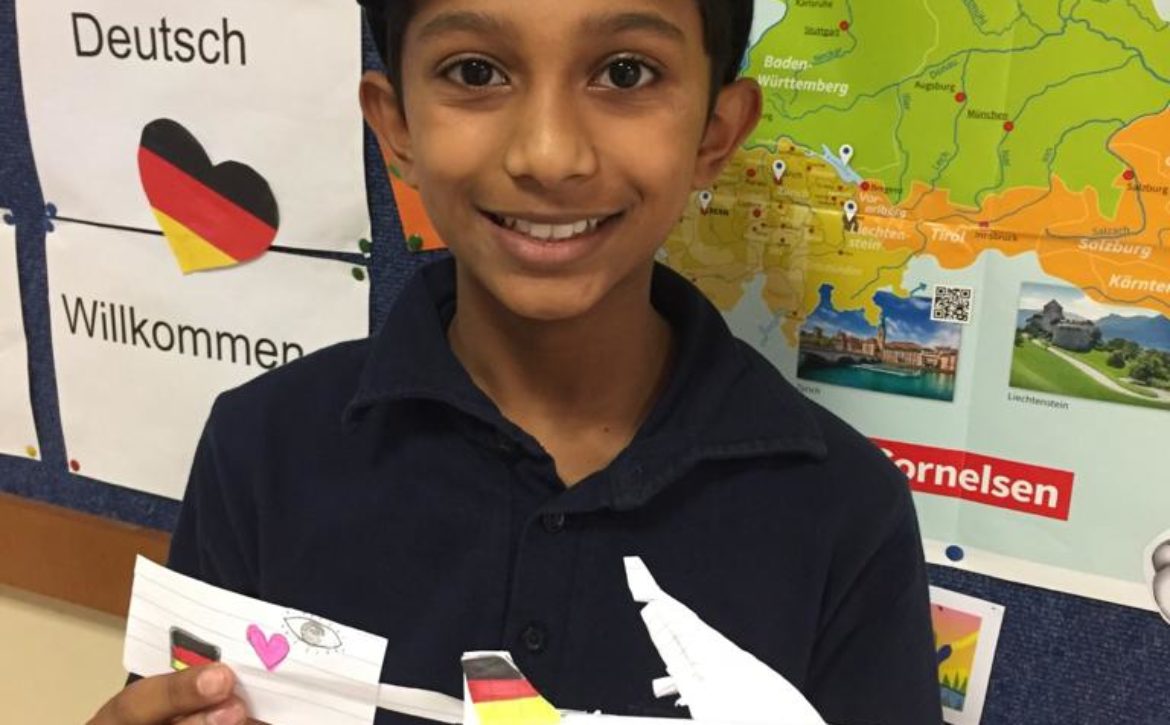
We decided to celebrate the ‘Karneval’ with our own party in class by adding some masks and other props and singing a modern carnival party song called ‘das Fliegerlied’ (The aeroplane song). The year 5 and 6 students were easily able to learn the words to the song and enthusiastically took part in doing the actions. For a little moment we felt like we were a part of the Carnival fever happening in Germany.
Frau Kerstin Pani
Primary School German Teacher
‘das Fliegerlied'(The aeroplane song) websites:
Read More