

Living And Non-Living
This term, our Year 3’s have been focusing on Living and Non-Living things in Science. The unit provides opportunities for the students to observe a range of living and non-living things and to consider how they know whether or not something is alive. The activities we covered so far, encourages consideration of the seven life processes (movement, respiration, sensitivity, nutrition, excretion, reproduction, and growth) as providing evidence of something being alive.
The students also conducted a survey and collected data about the hair and eye colour of classmates, and then collated their findings into a tally chart.
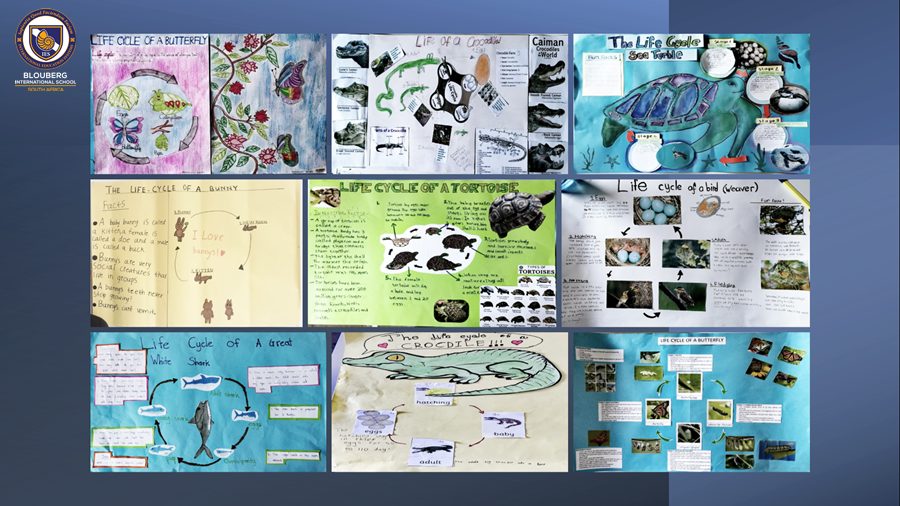
To end the unit, we looked at stages in the human, animal, and plant life cycle. Students were then given an opportunity to create their own life cycle poster and present their work to the class in the form of an oral. The students put in a lot of effort and hard work and both their posters and orals were amazing. There were many fun and interesting facts presented to the class, and I am certain that we all learnt something new about the various animals.
Well done Year 3! I am so proud of you all
Monalisa Maphosa
Year 3 Teacher
Read More

The Egyptian Wesekh
Term 4 is always the most exciting for our Year 3’s. This is because they have seen previous Year 3 “Egyptian’s” strutting the school grounds in all their Egyptian finery and they just can’t wait to start learning about Ancient Egypt. We kicked off the term investigating Egypt’s geographical features, the pyramids, Nile River, Egyptian civilization, Pharaohs, as well as their gods and goddesses.
Our Year 3’s have also already begun planning for Egypt Day and have created a beautiful jewellery accessory known as a Wesekh that they can wear on the day. The jewellery of ancient Egyptians held religious and symbolic significance and was treasured for its beauty and power against evil and death. It was buried with men and women because the Egyptians expected to enjoy wearing their finery in the afterlife.
We started our Wesekhs by looking at various real examples and discussing their features and designs, looking in particular at shape, symmetry and colour. Students then went ahead and designed their necklace by first deciding on a shape and then layout. The next step was to decorate the Wesekh by using anything that sparkled including old costume jewellery, glitter, beads and precious stones that the students collected. The results were stunning!
Be sure to keep an eye out for these amazing accessories on the 12th of November when Year 3 steps out in style on Egypt Day!
Mandy Goch
Year 3 Teacher

Read More
Exploring Seed Dispersal
This term, the Year 5’s have been learning about the different ways seeds are dispersed. We looked at seed dispersal by animals, humans, wind and water. Seeds must be dispersed so they have enough space, water and light to grow into a new plant.
Fun Facts about Seeds:
- The largest seed in the world is the double coconut. It can measure up to 50cm (1.6ft) around the middle! Some coconuts have floated 2,000km over the sea before they find dry land!
- Seeds provide the world’s daily food. Your breakfast cereal and toast, your pasta or pizza lunch and your rice dish for tea all started life as seeds from different grasses.
- Some orchid seed-pods hold 3 million seeds.
- Kapok is soft, fluffy stuff that comes from a seed-case. Years ago it was used to fill life jackets, because it is light, strong and waterproof. Nowadays, modern plastics have replaced it.
- Some seeds found in frozen soil in Canada were grown and produced flowers – the seeds were thought to be more than 10,000 years old!
- There are some very dangerous seeds, such as those that come from deadly nightshade; two berries could kill you. Even more dangerous are the seeds from the Castor-oil plant.
- Most oak trees don’t grow acorns until they are at least 50 years old. If you have planted an acorn, how old will you be before you can plant its acorns?
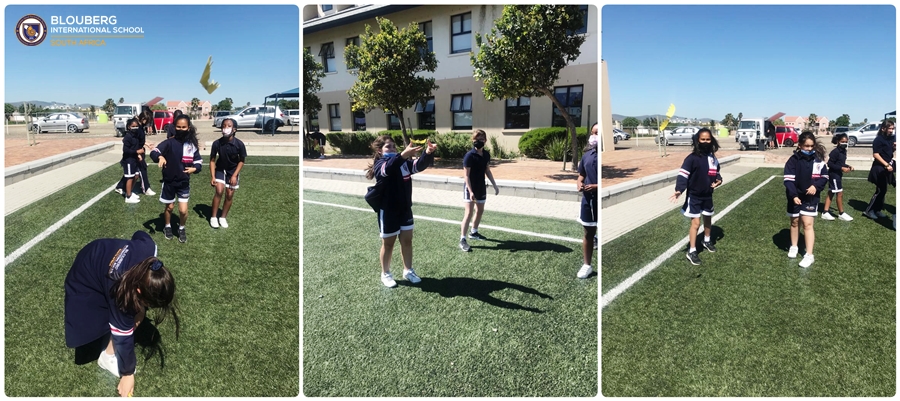
My class (Year 5NM) recently decided to create our very own papery wing shaped seeds to test out how the wind would carry it. We designed different shapes of wings that we attached to a bean seed. We made sure to use paper, making the wings light and feathery, easy to be moved by the wind.
The results of this experiment were great! Students went outside and put their wing shaped seeds to the test. They were exhilarated to get hands on experience with seed dispersal.
Seeds are so interesting and we will certainly never think of them as just seeds ever again.
Nadia Mahomed
Year 5 Teacher

Read More
Masters of Measurement
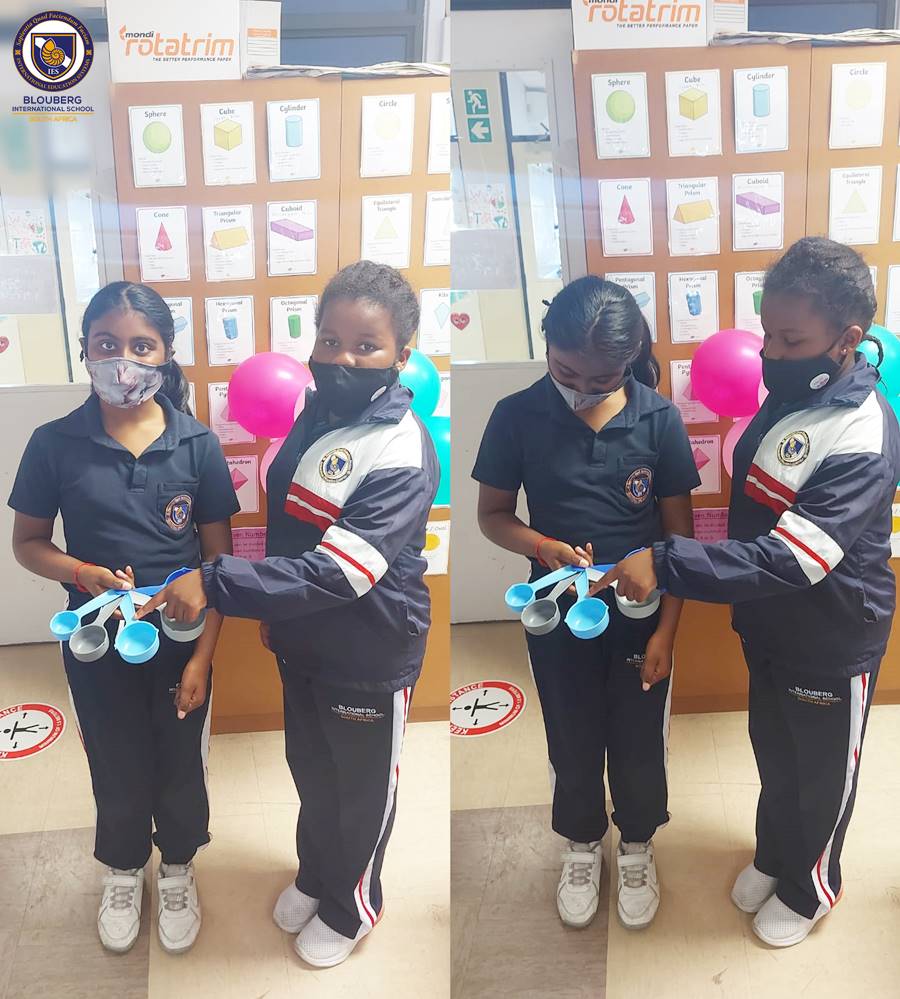
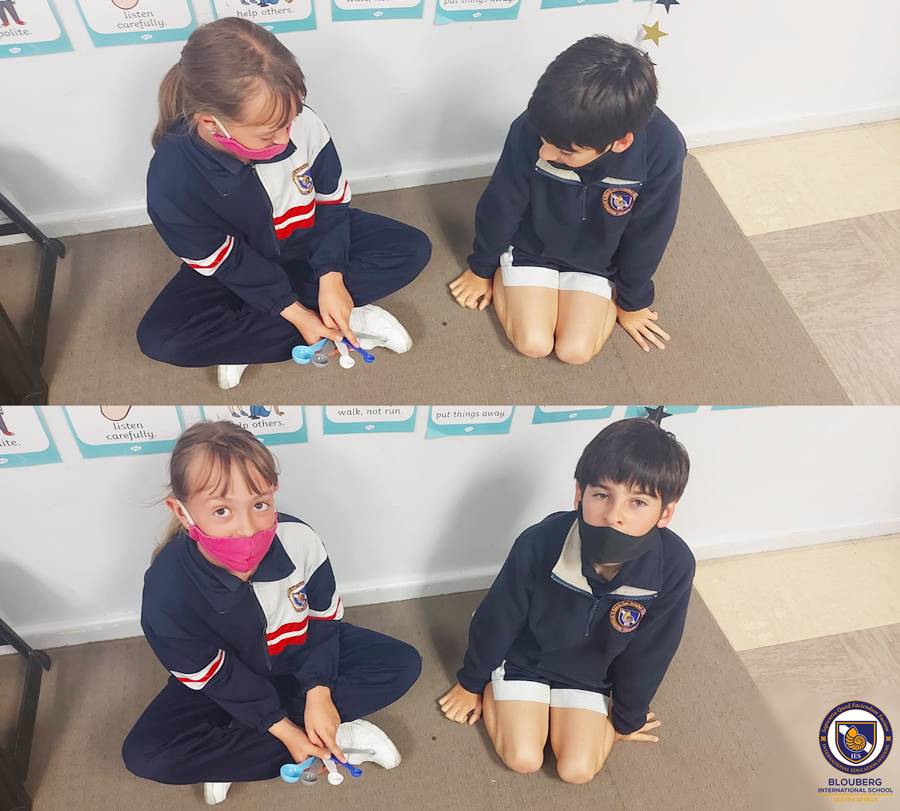
For the past two weeks, the Year 4s have been learning more about Measurement. This included Length (mm, cm, m and km), Mass (g and kg), Capacity (ml and L) and Volume.
We’ve covered the following content:
- Choosing and using metric units
- Their abbreviations
- Estimating
- Measuring
- Recording
- Reading scales and intervals
“It is not what you do for your children, but what you have taught them to do for themselves that will make them successful human beings.” – Ann Landers
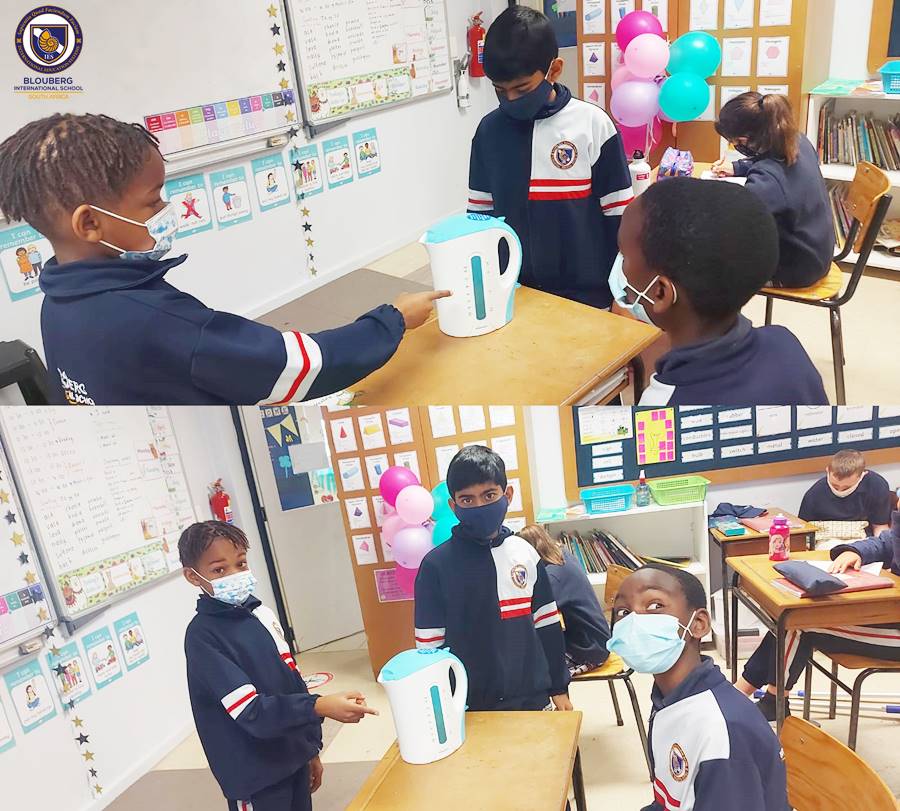
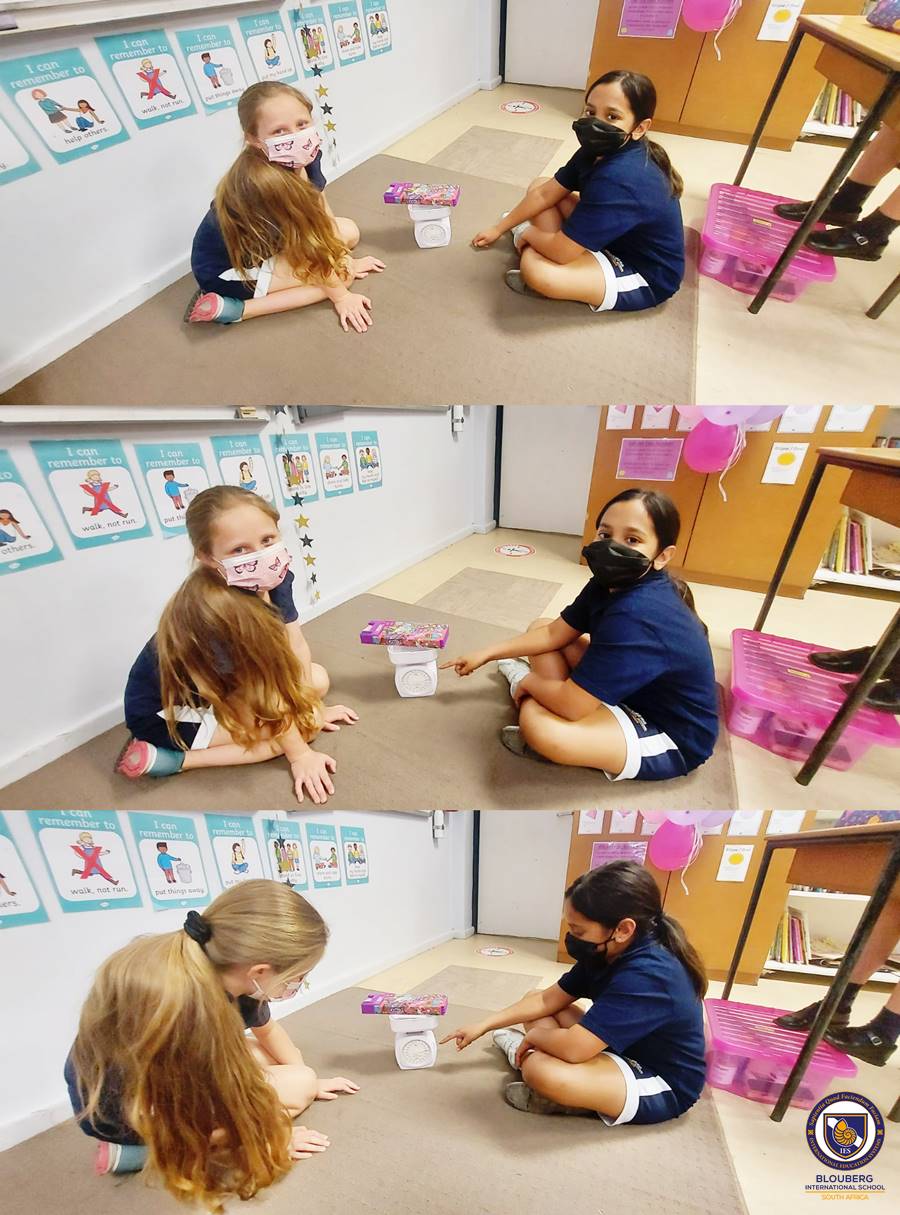
Students got the opportunity this week to apply their knowledge and skills that they’ve learned with some practical, hands-on activities. They had to make use of various measuring equipment such as an/a:
- Analogue kitchen scale
- Digital kitchen scale
- Digital bathroom scale
- Measuring tape
- Industrial measuring tape
- Kettle
- Measuring cups and spoons
Take a look at some of the wonderful, fun photos taken of them in action and practically applying what they have learned.
Ria du Plessis
Year 4 Teacher and Coordinator


Read More
Team Building Tournament
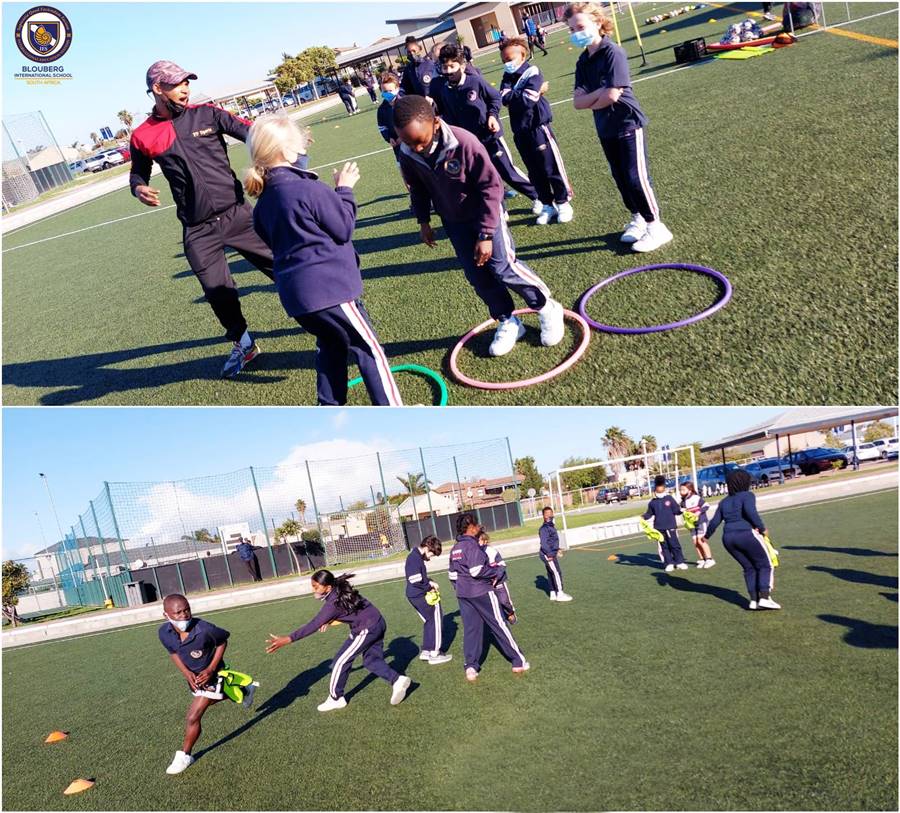
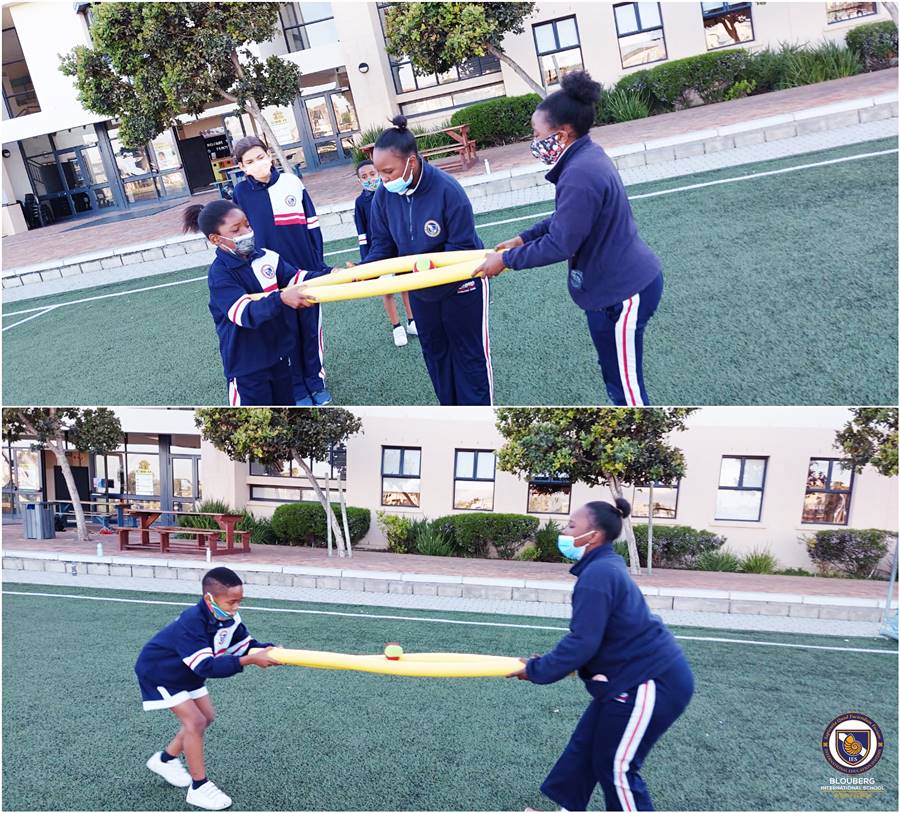
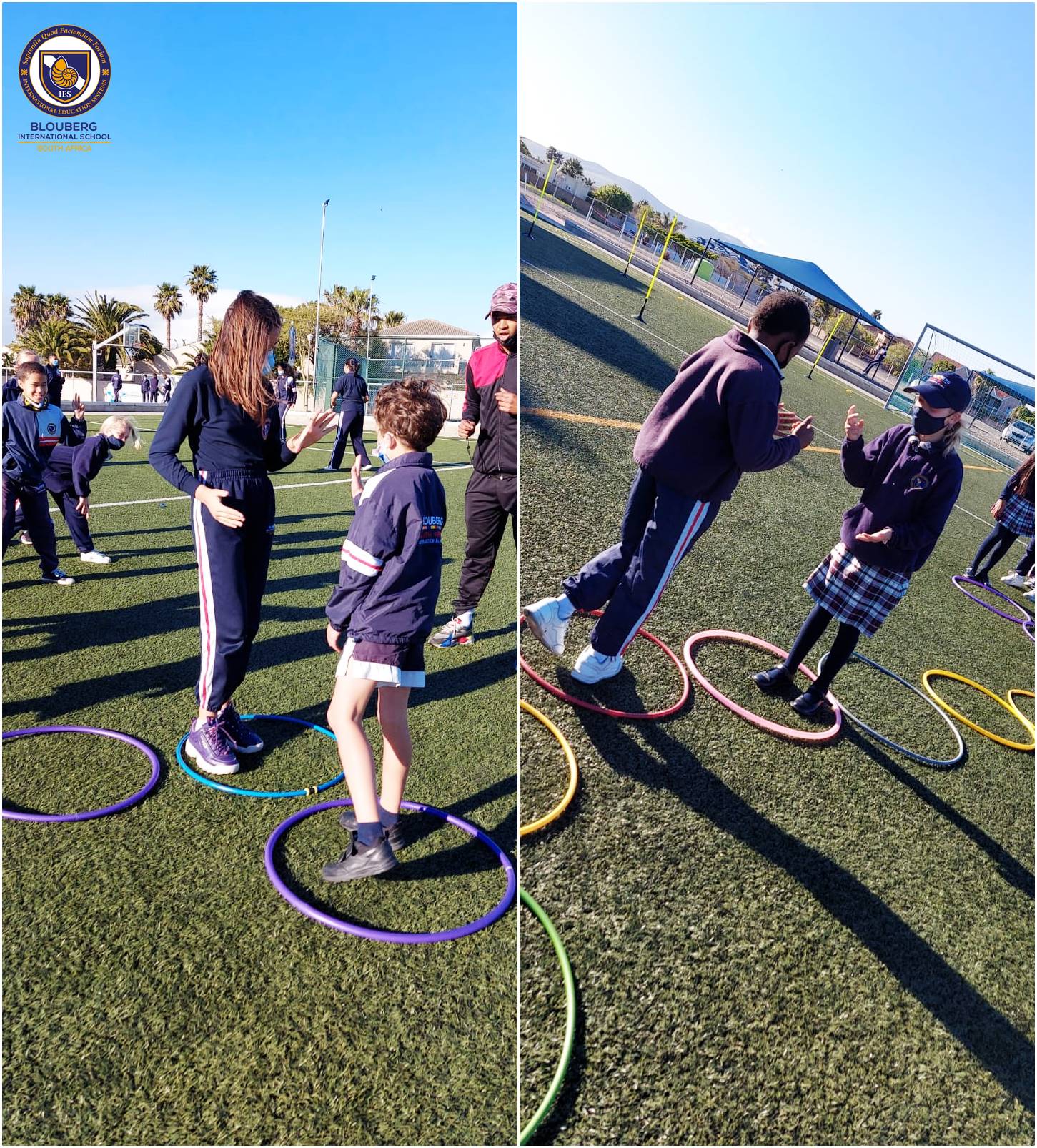
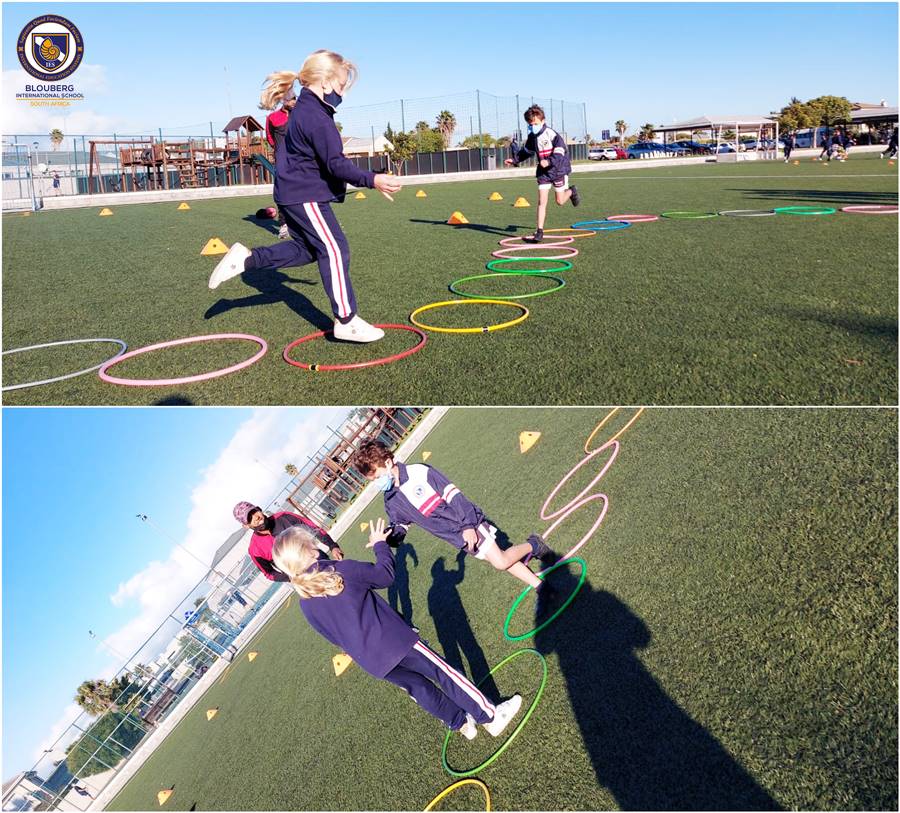
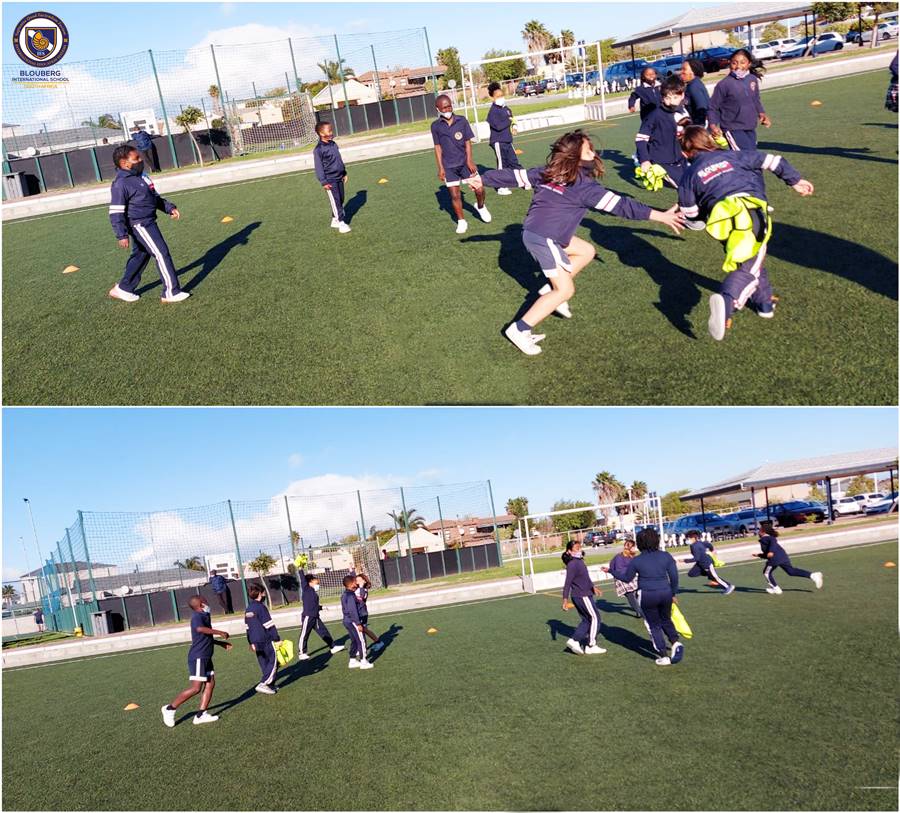
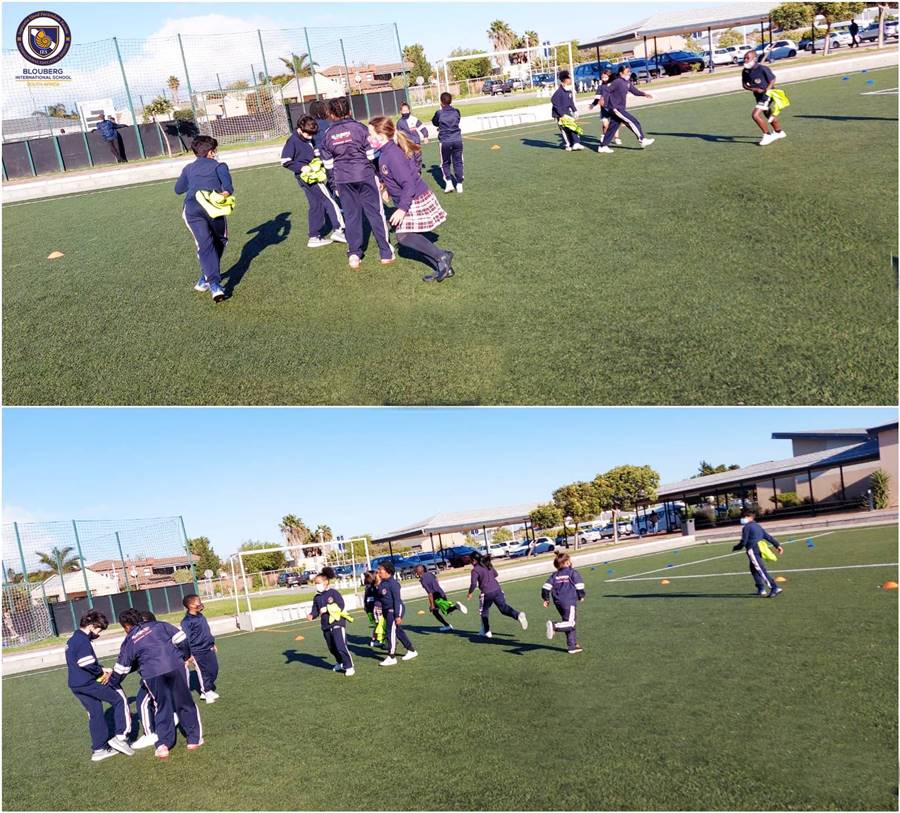
Year 4 students enjoyed a lovely morning of team building to end the term. Coach Fabein from FP Sports and his team of professional coaches organised some fun activities for the classes to complete in a Round Robin competition. The students had a great time and Mrs du Plessis’ class won the challenge overall.
We would like to thank our wonderful team of coaches for the care and support that they show our students every day. We look forward to a well-deserved holiday and to come back refreshed and ready in Term 4.
Yvette Fourie
Year 4 Teacher




Read More

Picasso, Pianos and Portraits!
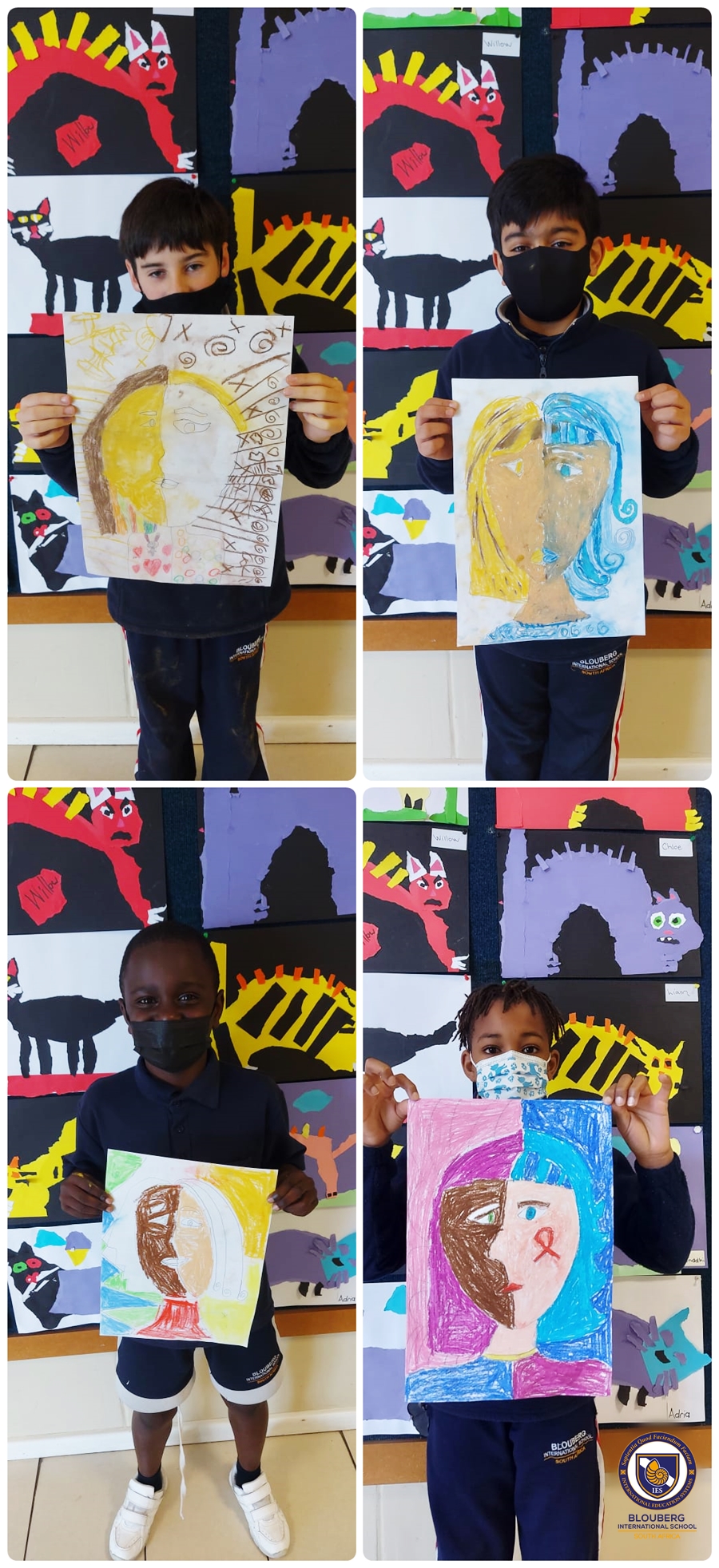
The Year 4’s have been focusing on an interesting technique in Art and Design for the past few weeks, namely Cubism.
A few facts about Cubism:
- Cubism is a style of Art invented in 1907.
- It was a very different way of painting to anything that had been done before.
- In Cubism, an artist tried to show different views of the same object or person all together in one painting. When you look at a Cubist painting, you might see the front, side and back of the same object.
- Cubist artists tried to break an object or person up into different parts. This often made the painting look like it was made up of geometric shapes like cubes.
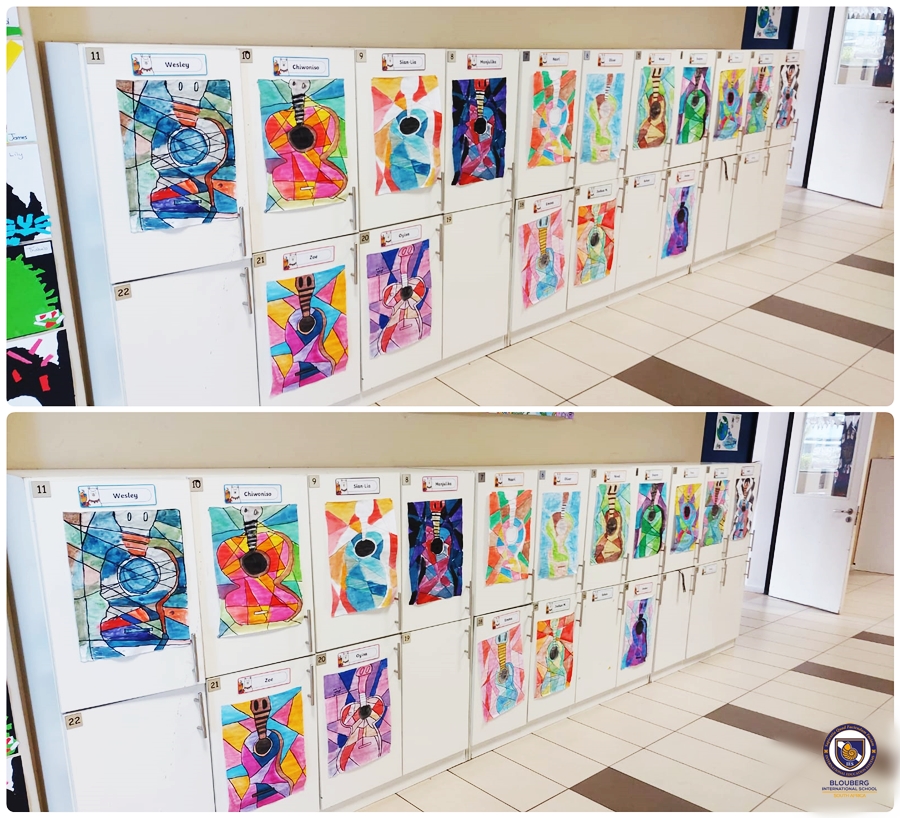
Pablo Picasso was one of the first artists to explore Cubism. He wanted to paint things that he felt, remembered and saw all in one painting. Some of his most famous creations are the guitar sculptures made of cardboard and sheet metal, and the painting The Weeping Woman. We used these two art works as inspiration to create our masterpieces.
Have a look at our beautiful paintings of Picasso’s guitar and portraits using pastels and the Cubism technique.
“It took me four years to paint like Raphael, but a lifetime to paint like a child.” – Pablo Picasso
Ria du Plessis
Year 4 Coordinator



Read More

Being In The Moment To Build Inspired Students
Becoming overwhelmed is easy as we navigate constant change. Becoming inspired and excited by the very same, allows us other opportunities. This term, the year 4’s have been online and/or in class. Every day they enter the classroom, full of expectations and open to the joy of the moment.
It is delightful to see that their education and excellence is determined by enthusiasm and encouragement. This is because of a team effort between teachers, parents and our students.
Google Meets in a hybrid class, encourage moments of magic- as we have to create moments that resonate, whether we are together or not. Most are spontaneous as we aspire to give everyone an equal chance to take part and see…
e.g. suddenly my laptop becomes a webcam for science experiments:
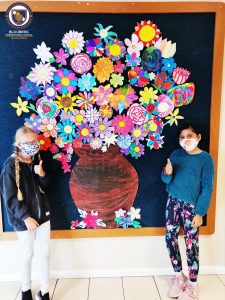
Our hall display reminds us of Mrs Keyser – she wanted to remind us that together we can make something beautiful, and a pinch of fun makes it great.
Who knew that our Google Hangout chats this holiday, would help us in English…
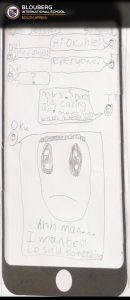


And that a lesson on French knitting at the end of last term, would become an obsession.

Together is so much better.
Mrs Carey Schoots
Year 4 Teacher
Read More

Our Values
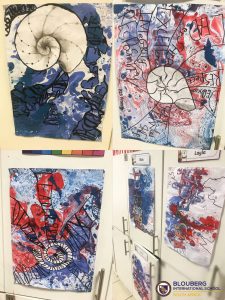
The year 4’s have been inspired by the Eisteddfod Art competition. For the competition, their art needs to include the Nautilus of the Blouberg International School crest and the values of BIS:
Dedication
Excellence
Respect
Responsibility
Integrity
Stewardship
Leadership
The lesson was a great opportunity to discuss these values with the students and was thoroughly integrated with our Global Perspectives learning outcomes.
Learners also learned the skill of paper marbling, which linked to our Science lessons, where they learned about states of matter and density. It was so lovely to share the skill with the learners as it is a lesson that I remember doing when I was about 10 years old.
Many learners are still busy completing the project and we can’t wait to see their interpretation of it.
You can try it at home, but be careful as you need to use oil-based paint. See the following link.
Marlize Keyser
Year 4 Teacher



Sound In Science
In Year 4 we have been learning about Sound in Science this term.
Sounds are made when things vibrate. A vibration is a quick movement that makes a backwards and forwards motion. Sound has different volumes and pitches and the size and shape of the sound waves determines the kind of sound we hear. Animals such as bats, dolphins and whales use Echolocation to help direct themselves through their surroundings. Echolocation is the process of using sound waves to find objects that are not in sight range.
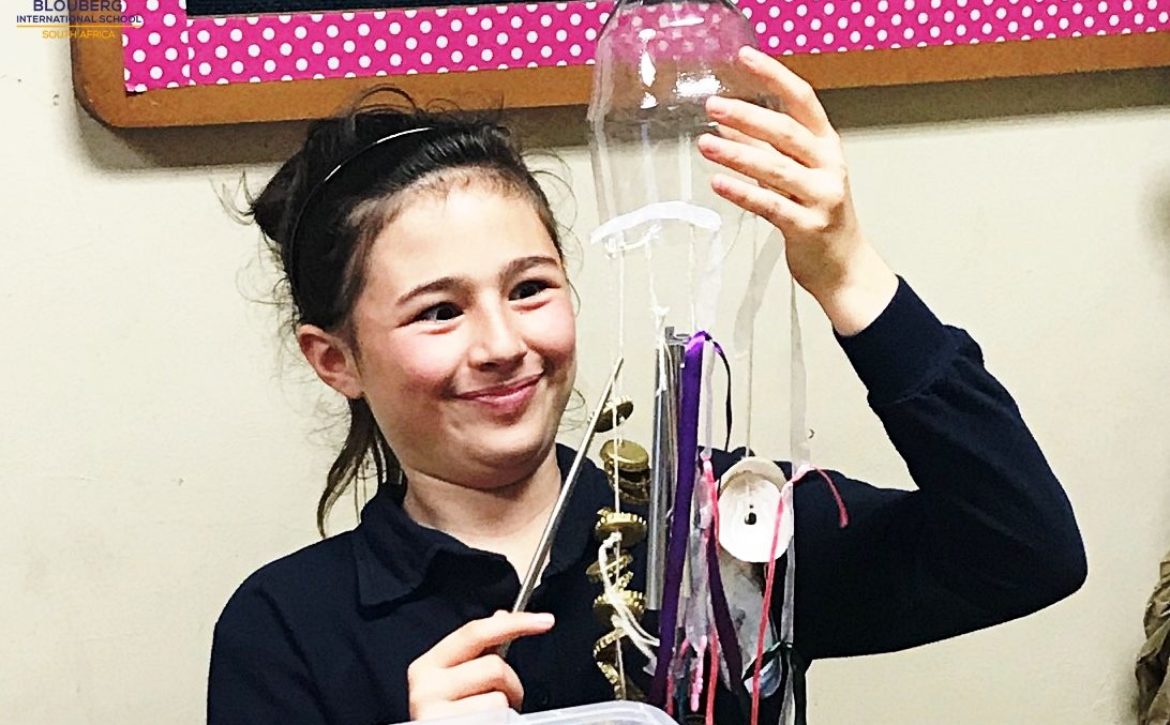
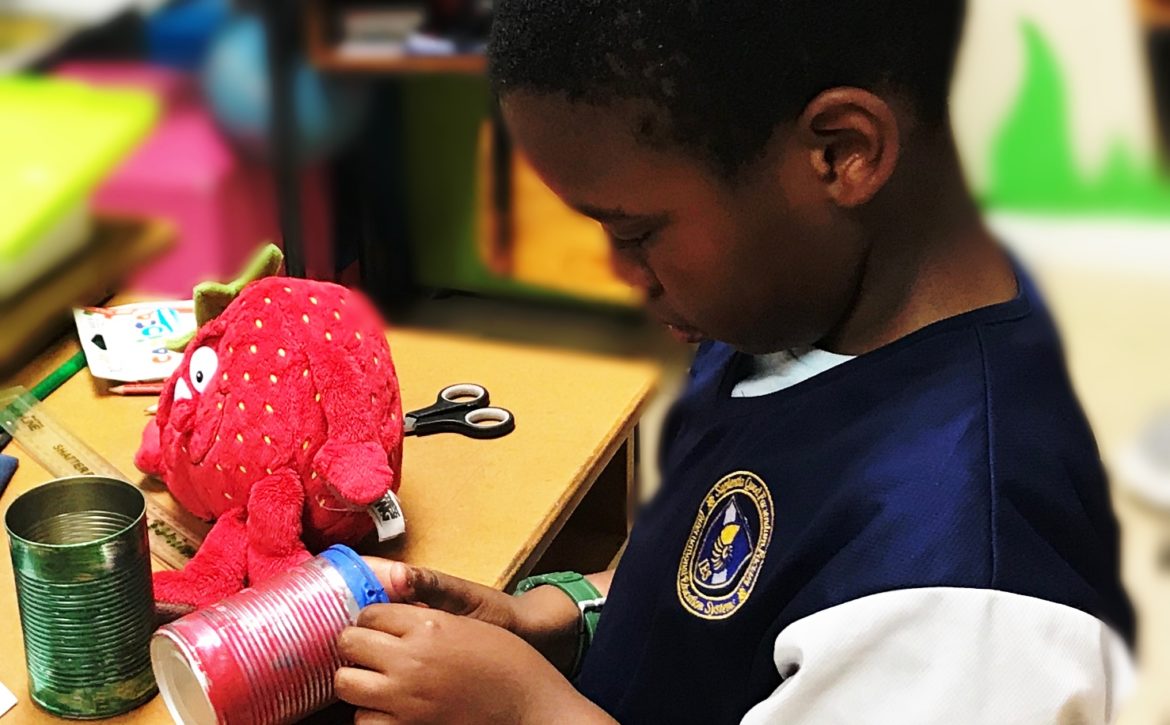
The Year 4’s have been investigating what causes pitch to change and how one can create music using that. They are now building their own creative instruments which need to be created from recycled materials and built in class. The students are not only learning from the teacher regarding the topic but they are also able to teach themselves when it comes to practical tasks such as this.
At this stage they are still busy building their own musical instruments and we are all very excited to see the final outcome.
“Tell me and I forget, teach me and I may remember, involve me and I learn.”
― Benjamin Franklin
Brittney Hakime
Year 4 Teacher