
The Human Body!
Our Year 3’s kick started Term 2 with an introduction from Pinky, the skeleton, to our next Science unit – The Human Body! After much giggles and squeals, students were told that by the end of the unit they would need to be able to ‘dress’ Pinky with his organs all in the right places.
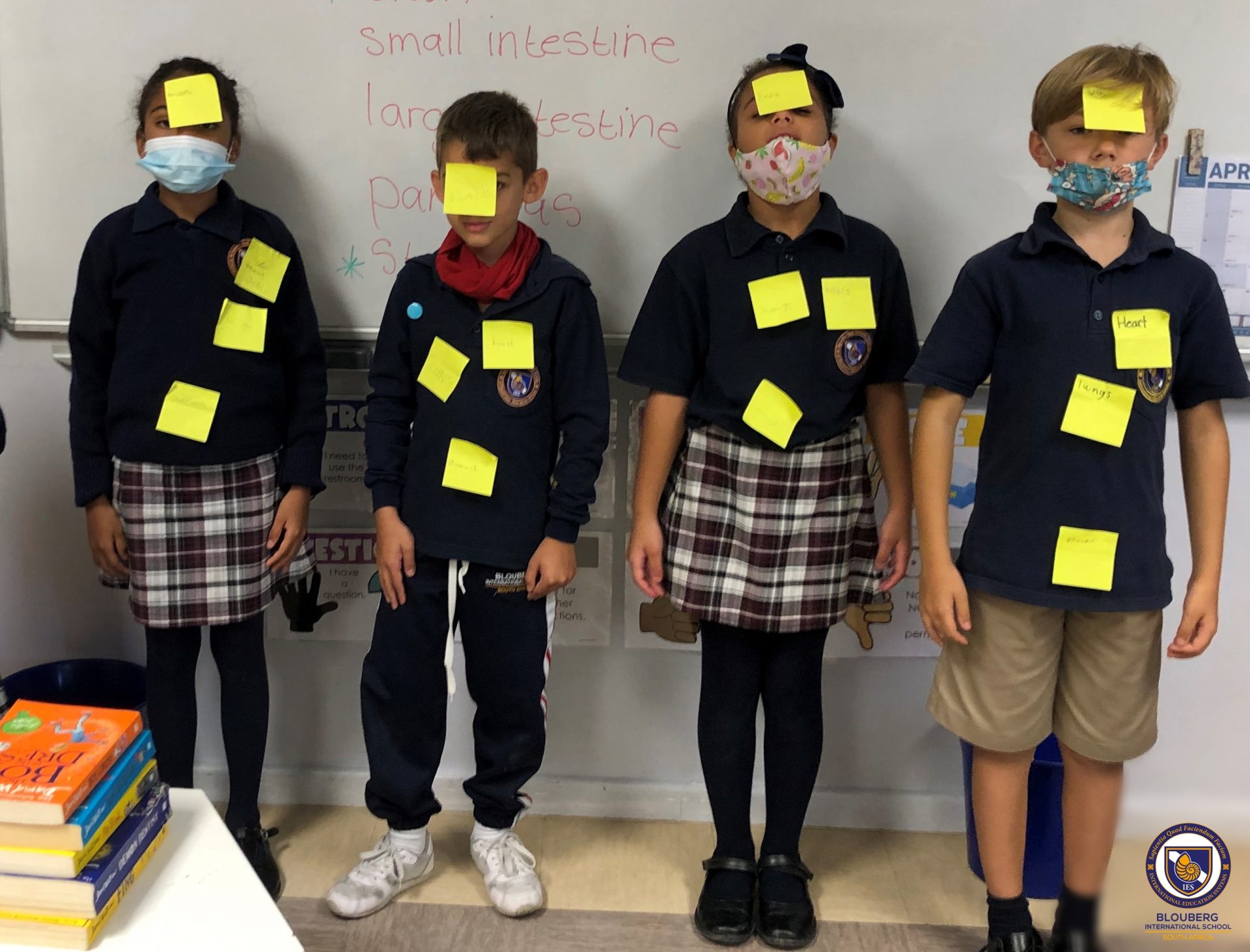
But first…. do the students know where each organ in our body is? Well….no…. not quite…. not at first. In groups, students had to choose one classmate and using yellow stickies, placed them on to the student in the right spot. Needless to say, we had some very strange locations for our small and large intestines!
Throughout the unit, the class enjoyed very student-centred lessons, which included making their own stethoscope out of plastic bottles, tape and toilet paper holders. They then used their stethoscopes to listen to one another’s heart beats.
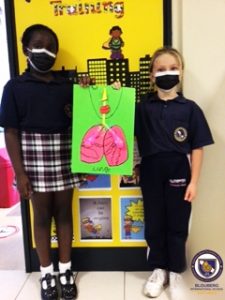
Another lesson involved students making a working lung model using cardboard, straws and balloons. In pairs, students designed and cut out their lungs. Next, they attached the straws and balloons. Then, they drew in their faces and for the grand finale…they blew out into their straws to simulate their working lungs.
The students had a fabulous time designing their models and thoroughly enjoyed the hands-on activities. Well done, Year 3! I think we are ready to ‘dress’ Pinky!
Mandy Goch
Year 3 Teacher


Read More

Investigative Thinking In Key Stage 2
“Children must be taught how to think, not what to think.” – Margaret Mead
Being both a student and teacher of the Cambridge Secondary Education system, I have had the privilege of watching it develop into the beautifully elaborate system we see before us today. If anything, the one thing I appreciate the most about growing up following one of the world’s leading education programmes, is the expansive opportunity I had for inquiry based, independent learning.
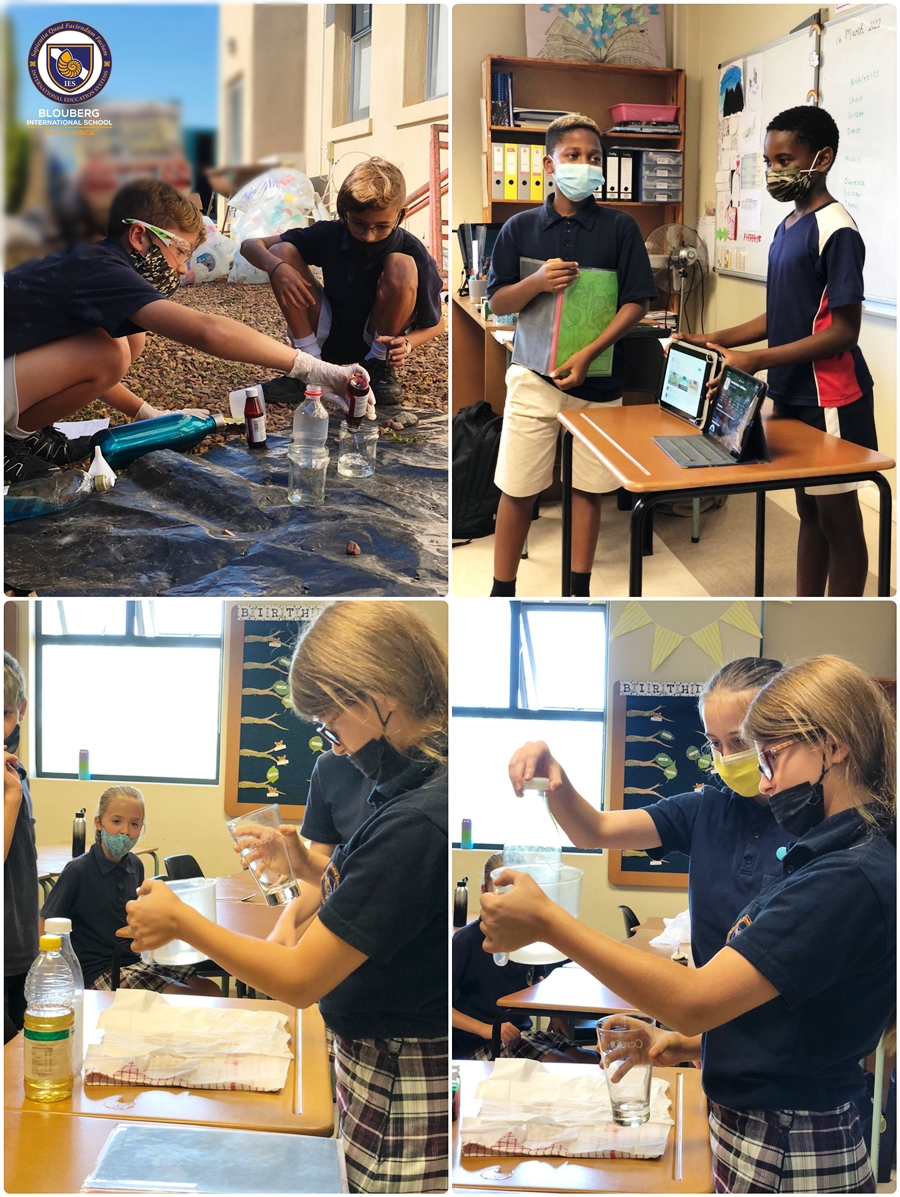
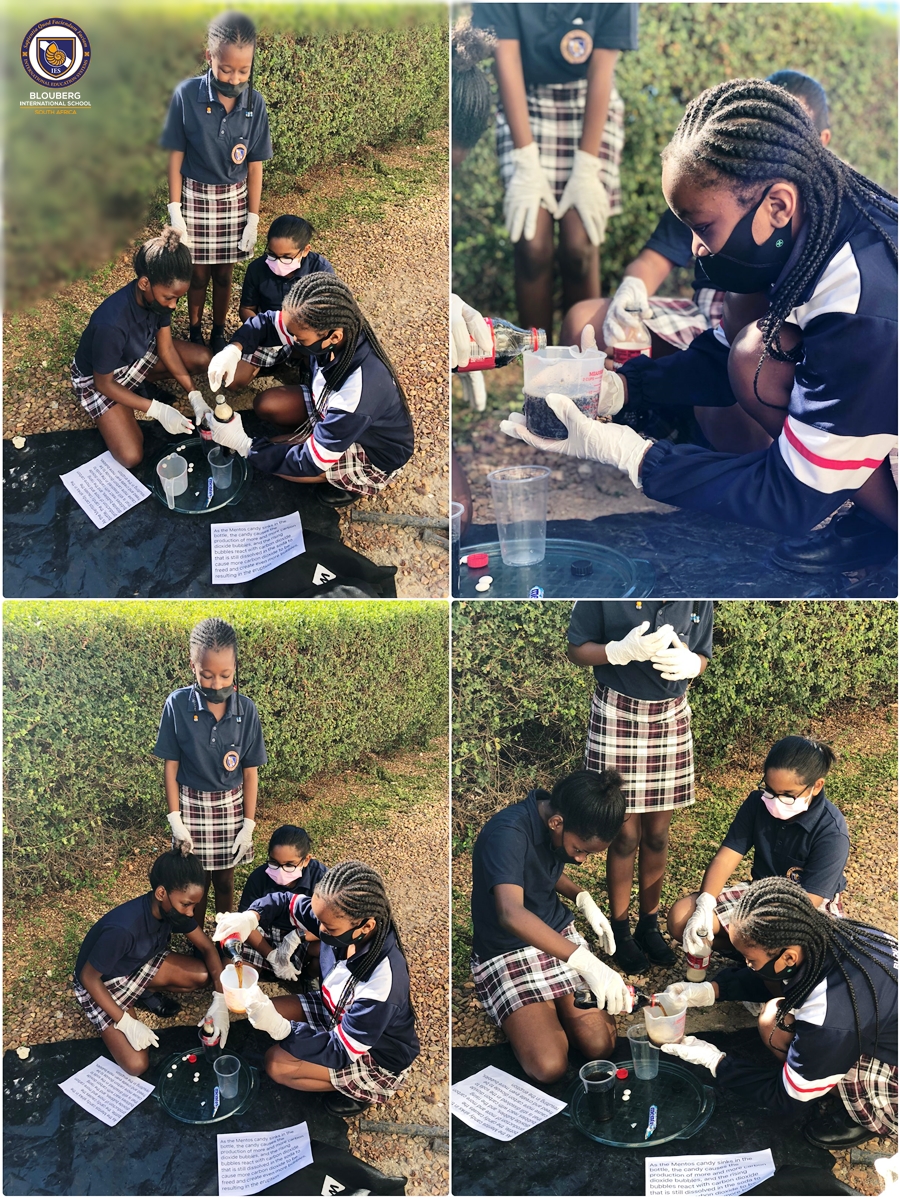
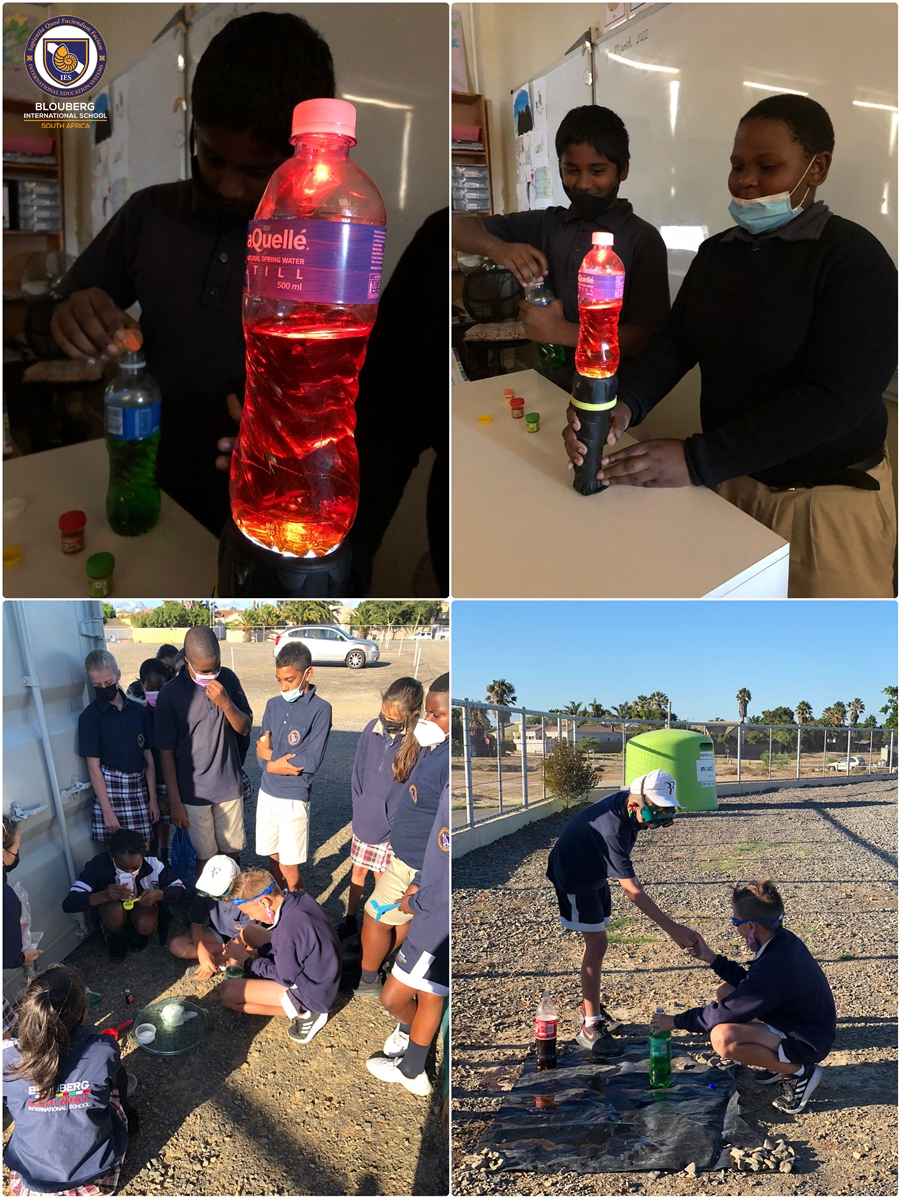
One of my favourite tools in the Cambridge Primary Science syllabus, today, would undoubtedly have to be the scientific inquiry thread, incorporated into our teaching and learning objectives. Not only do we work towards content specific outcomes under each topic, but Cambridge guides us through skill based, investigative thought processes as well.
Each term, our students are given the chance to explore the workings of our world themselves by following these probing steps:
- Asking a question
- Making a prediction
- Planning a fair test
- Carrying out the investigation
- Recording the results
- Drawing a conclusion
This process promotes a beautifully curious approach to learning, where our students are granted the responsibility of their own learning journey.
Lastly, I have to acknowledge the multitude of fun this approach leads to, both in and out of our science classrooms! When having fun and building relationships run parallel to your learning, you know incredible things are bound to happen.
Robyn Pieters
Year 6 and 7 Teacher

Read More

A Recipe For A Good Friendship
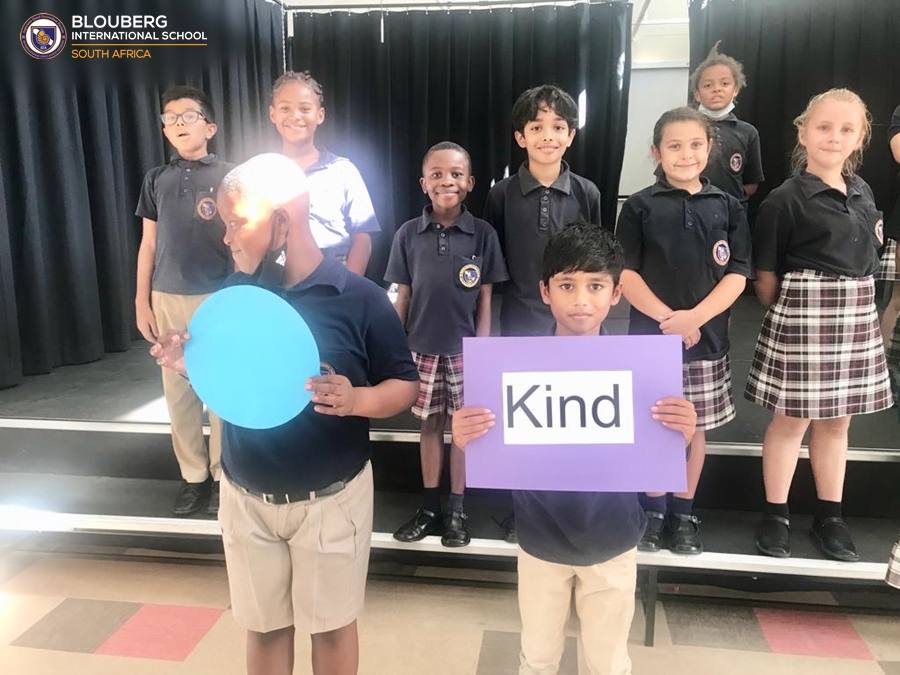
Recently we have been discussing what it means to be a good friend or the ‘recipe’ for a good friendship. As a class, we shared many comforting stories about when others showed care for us. In further discussion, we highlighted the importance of our ‘Blue Badge’ system at school, which focuses on three simple foundations.
As a BIS student we aim to be KIND, CARING & ENCOURAGING.
Year 4NM came up with their own Recipe for a good friend, modelling the 3 simple foundations of kind, caring and encouraging.
How can you be kind…
- Say nice things to others.
- Smile, because it is the best and easiest exercise for the body.
- Be happy for others because when it is our turn we would want others to be happy for us.
- Offer to help whenever we can because giving is always more rewarding.
- Use good manners like saying:
- Good morning!
- Please.
- Thank you.
How can you be caring…
- Let your friends know that you are always there to listen.
- Ask, “How are you?” and remind them that you are a good friend even when they are not feeling good.
- Be patient and respectful to others.
What does it mean to be encouraging?
- It means we must support each other to do good or to be the best we can.
“Everyone needs encouragement like a plant needs water”
- Not everyone is having a good day all day, remember to show some support. It might brighten up their day.
- Be the reason someone feels good today!
Nadia Mahomed
Year 4 Teacher

Read More

Year 5 Haikus
In English, the Year 5s have spent some time looking at poetry. We explored Haikus in particular, looking at their famous line and syllable structure, as well as delving a bit deeper into their usual subject matter. We also experimented with the balance between descriptive and figurative language often found in these Japanese poems.
Our favourite part of the lesson, of course, was writing our own!
Robins
Robins in a tree
Sitting high above the lake
Kings and queens they are.
- By Okuhle Williams
Saturn
Saturn spinning dream
Milky vision blurs your way
Falling into space
- By Christina Donald
Encanto
Magical People
Rhythm of its own design
Perfect Family
- By Dicla Tona
Buzz
Busy buzzing bee
Collecting honey for me
Oh so delightful
- By Emily Röhlandt
Rabbits
Rabbits, white or black
They’re adorable and cute
Hopping there and back.
- By Nivad Manouchehri
Hannah Kirkaldy
Year 5 Teacher
Read More

Year 3 Are Writing Japanese Poetry!
This term, Year 3 have completed an English unit called Poems from around the world. In this unit, the students read and performed different poems from around the world. They investigated how poems are linked to places and explored the words and sounds in the poems. At the end of the unit, they needed to copy the style of a poem and write a poem of their own.
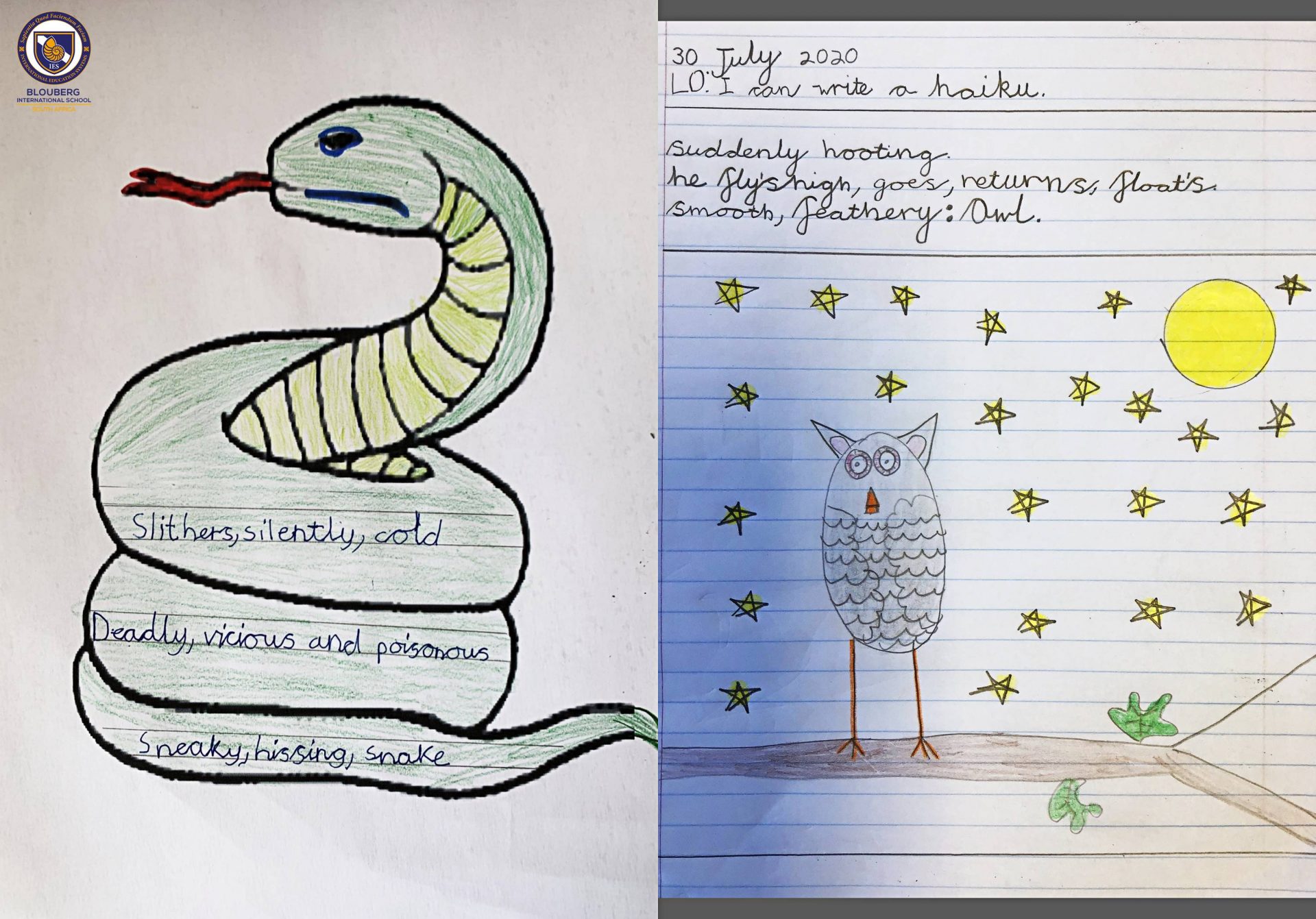
We decided to focus on Japanese poetry and the students wrote their very own Haiku’s. A Haiku is a Japanese poem with a total of just 17 syllables and three lines… but that’s not all. Line 1 must have 5 syllables, line 2 must have 7 syllables and line 3, 5 syllables again.
Year 3 took on the task with great zest and promptly chose an animal each to write about. Next they created a word bank which had to include noun phrases and adjectives. Once the creative juices started flowing, they set about arranging their word bank into a Haiku. The results were amazing!
Well done, Year 3! We’ll make poets of you yet!
Mandy Goch
Year 3 Teacher












Key Stage 2: The Term In a Nutshell
As we come to the end of the term, the Year 5 classes are hardly winding down. Instead, they have been stimulating their imaginations, and developing their creativity, both outside and inside the classroom.
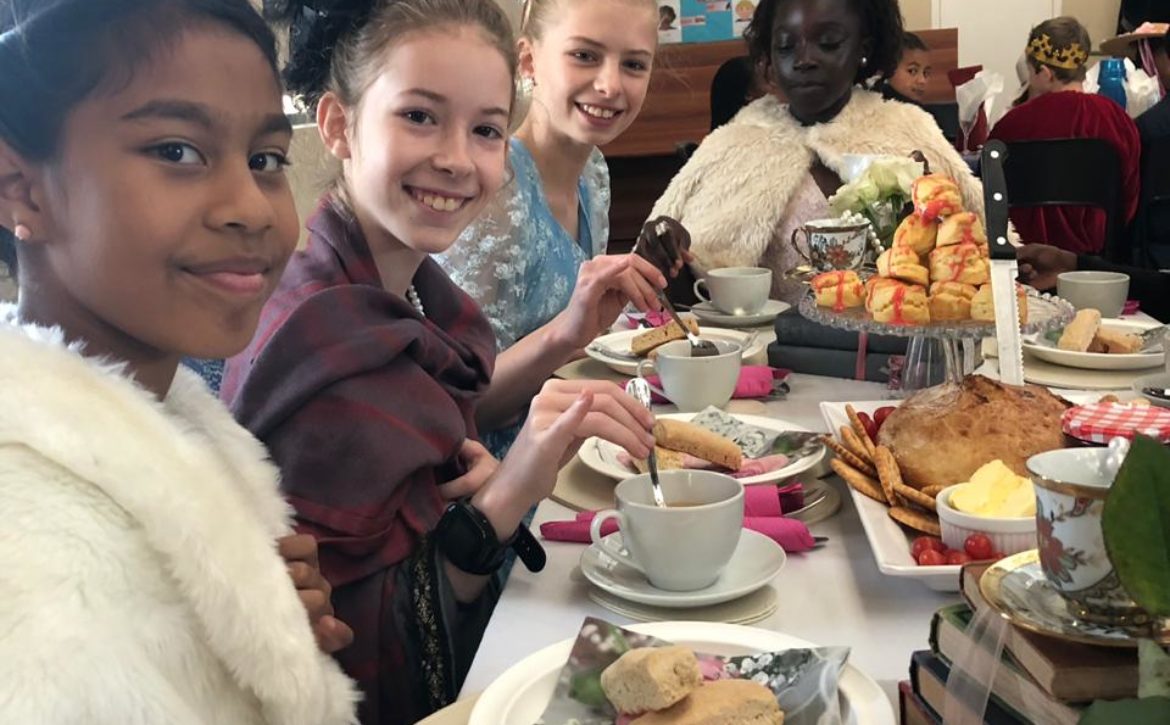
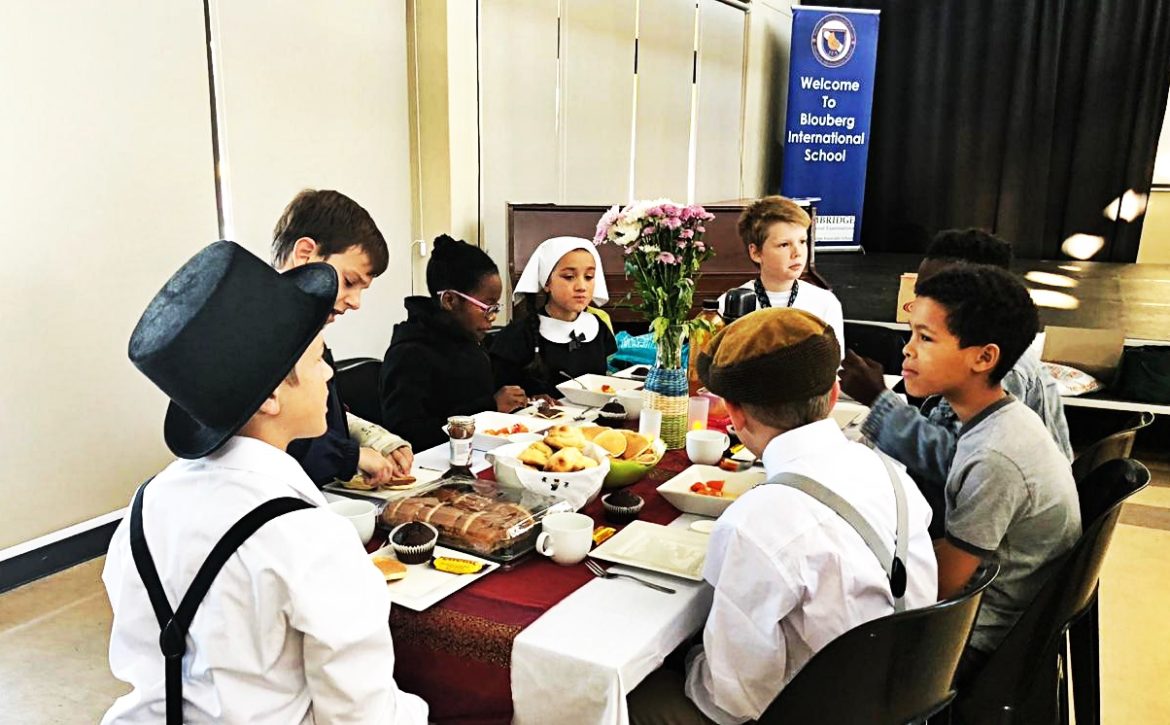
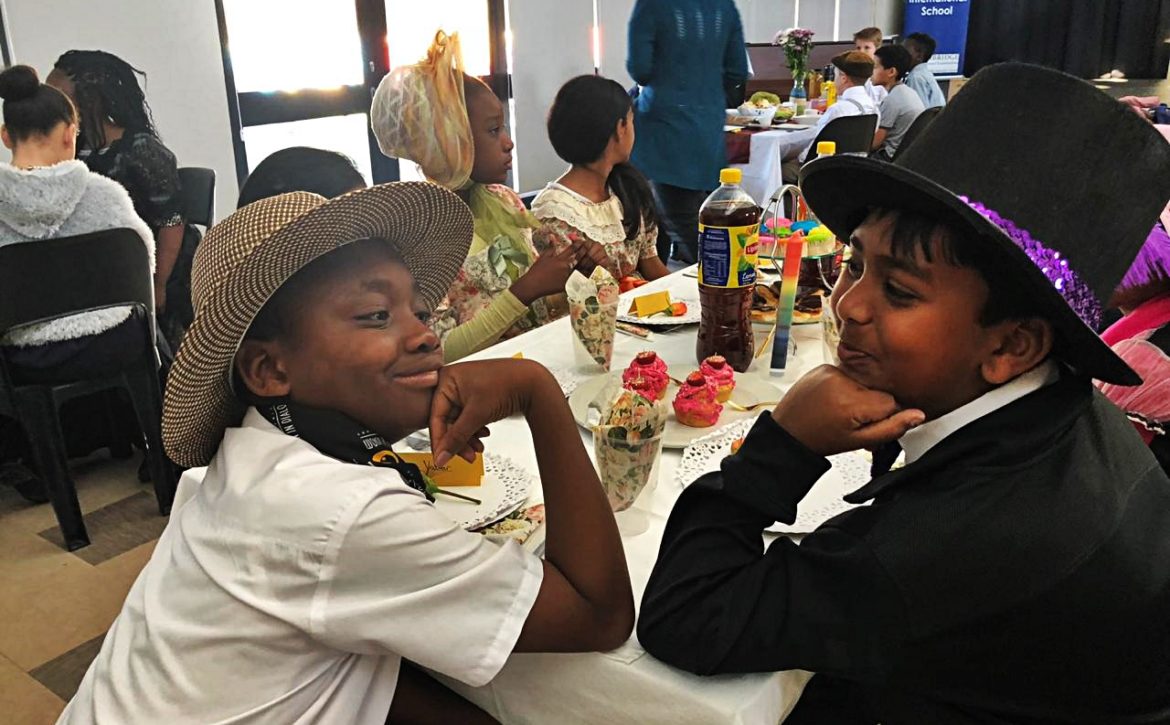
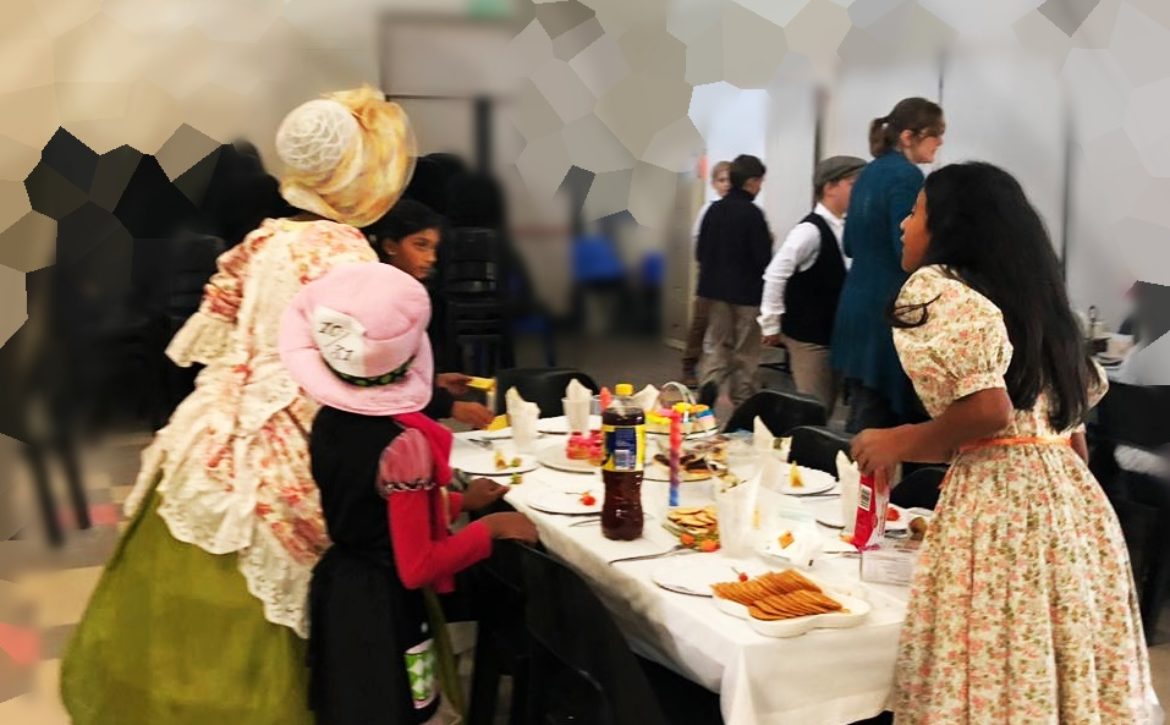
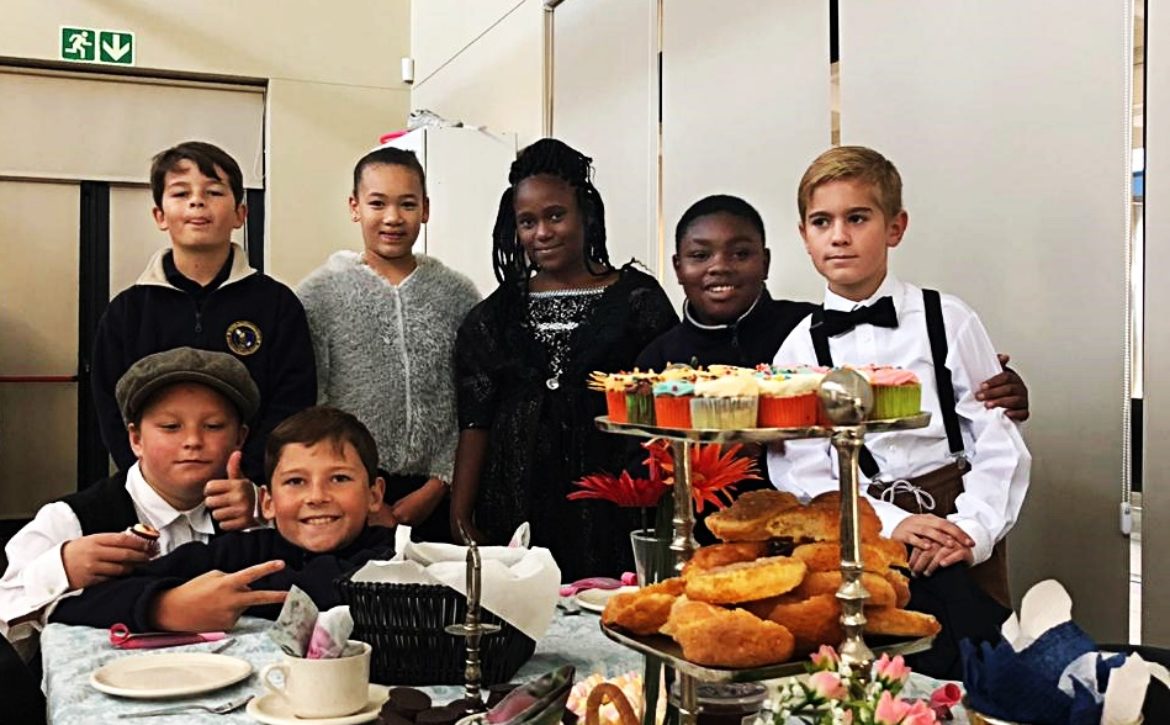
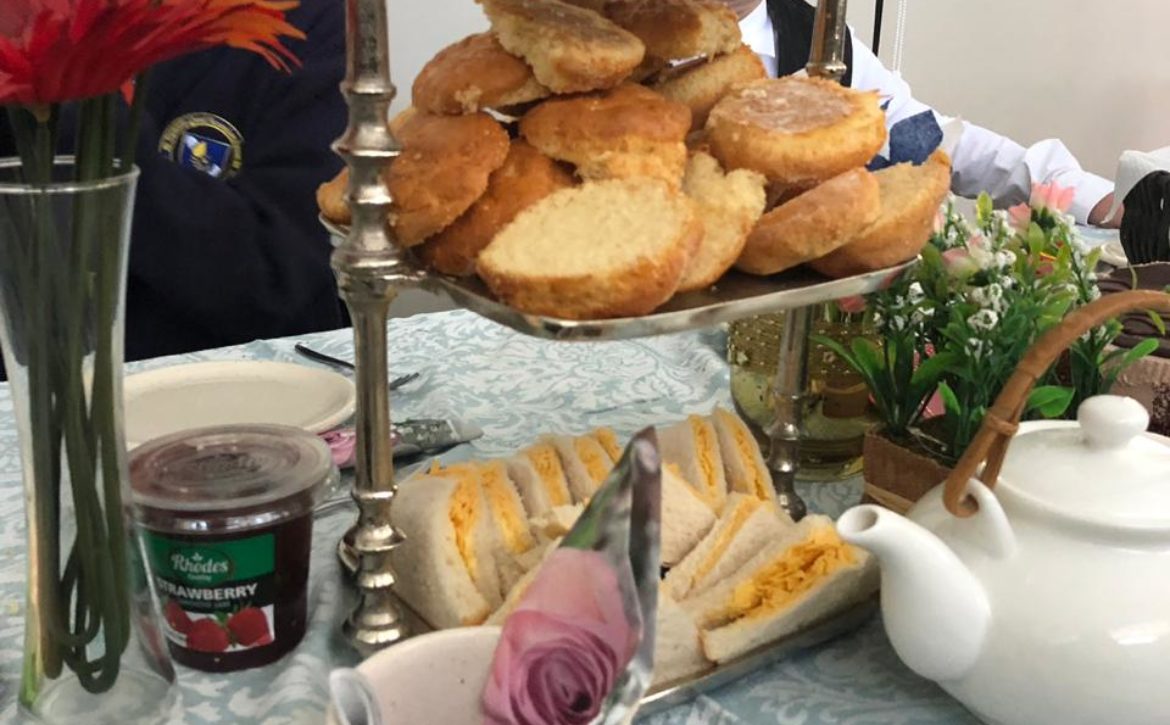
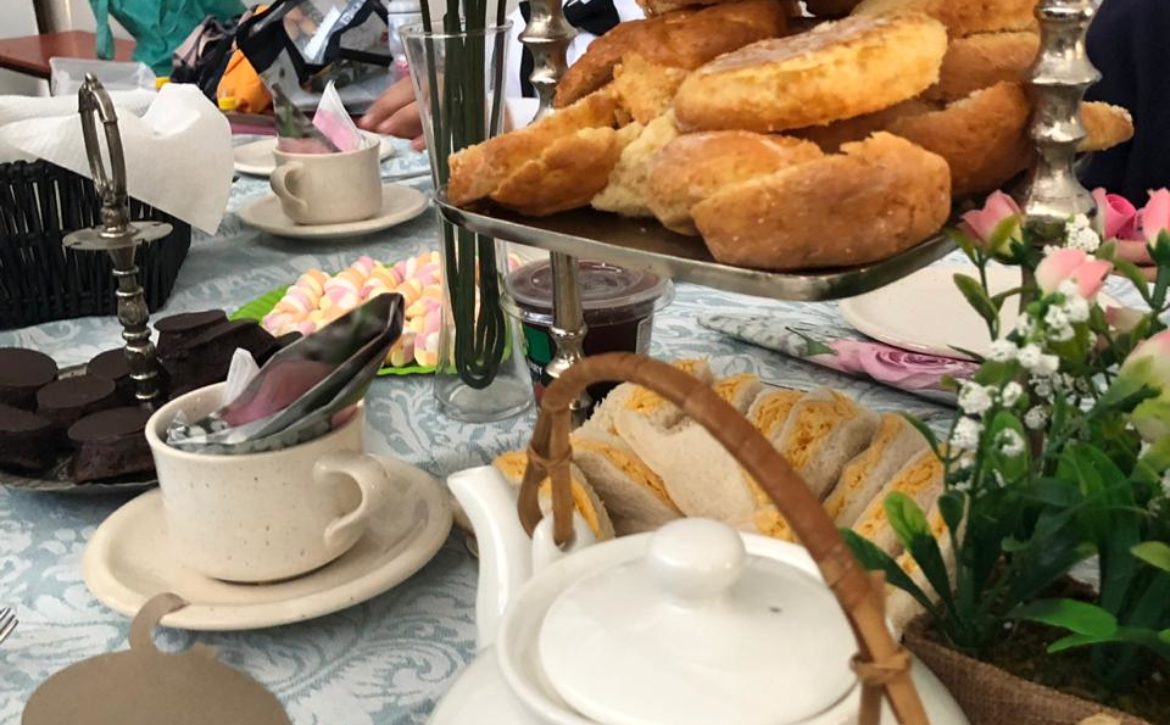
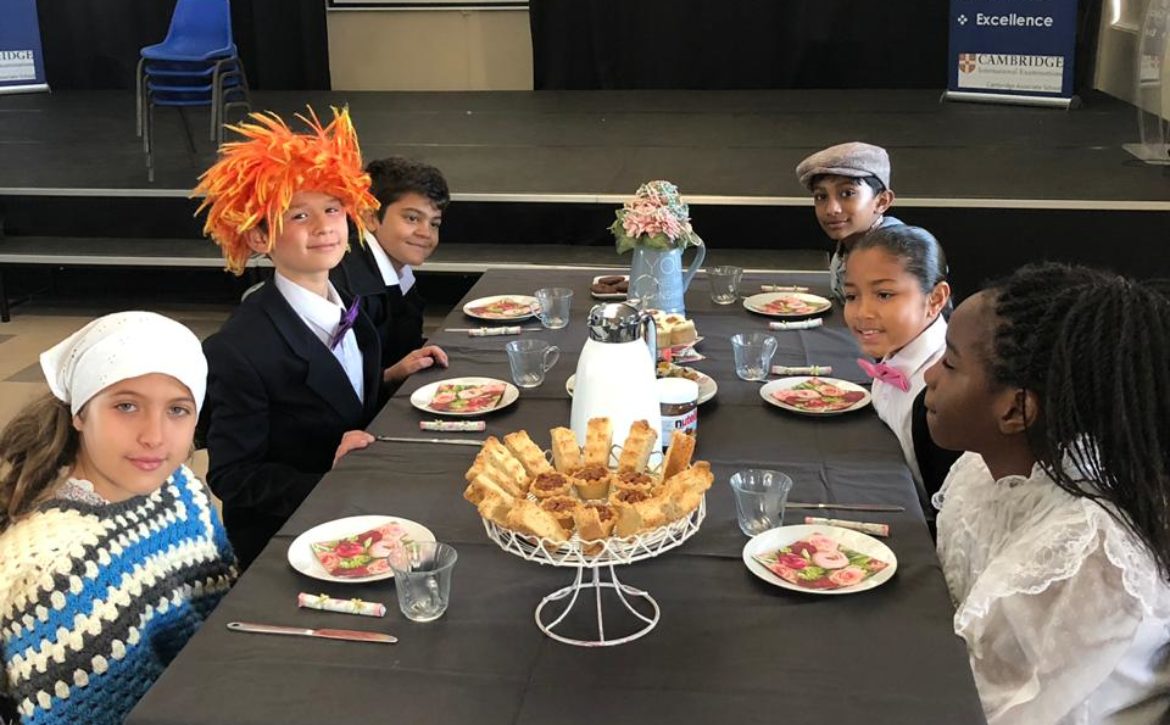
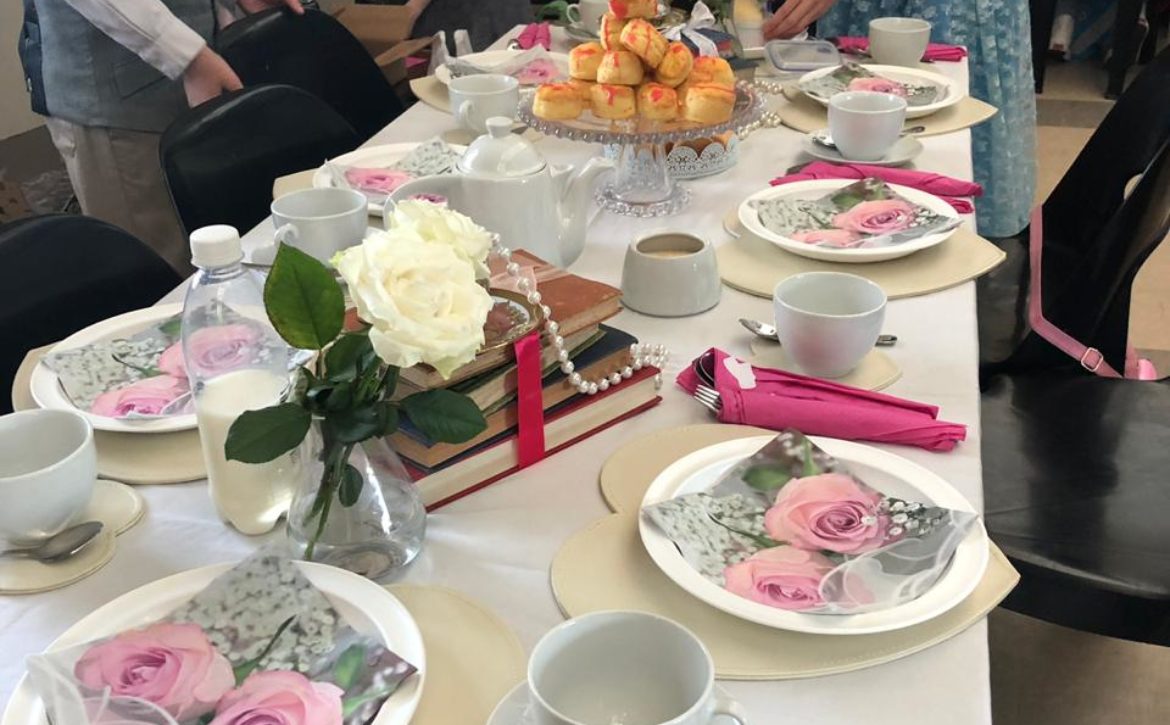
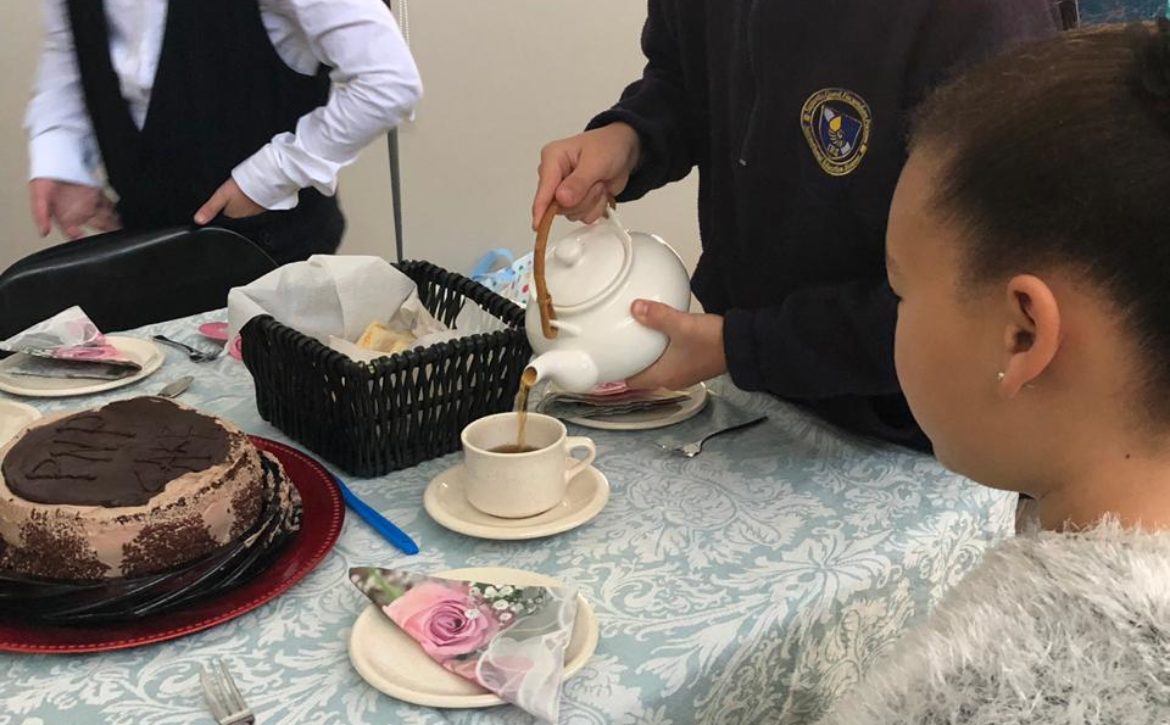
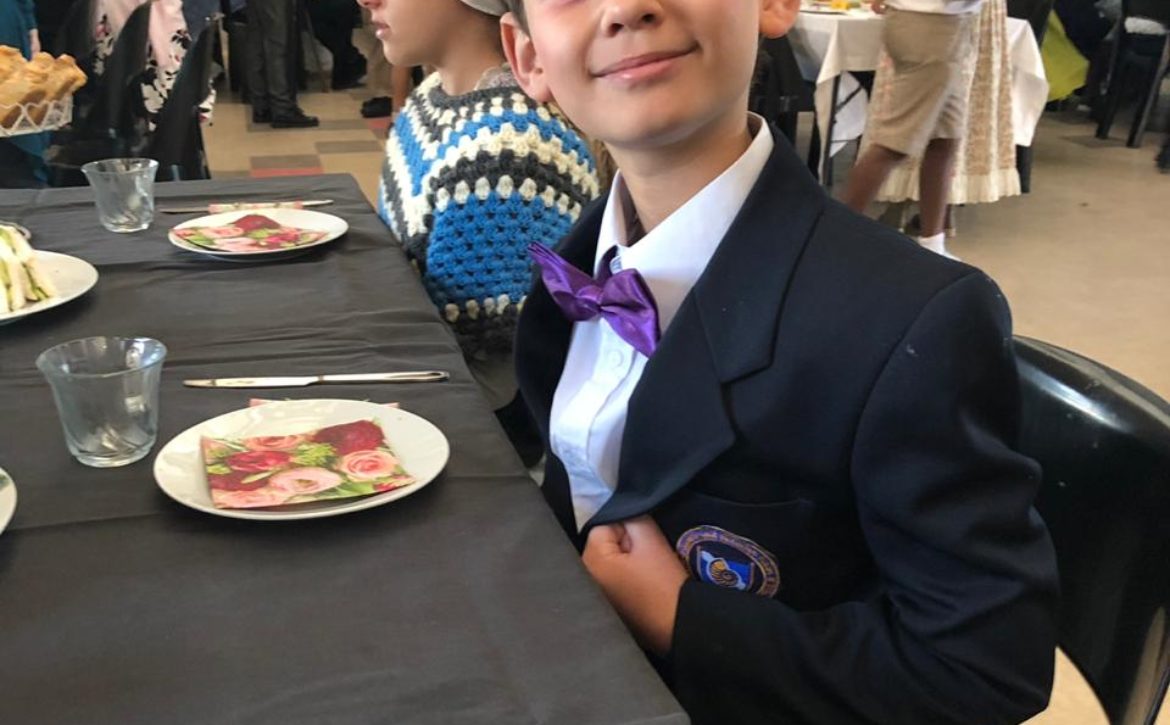
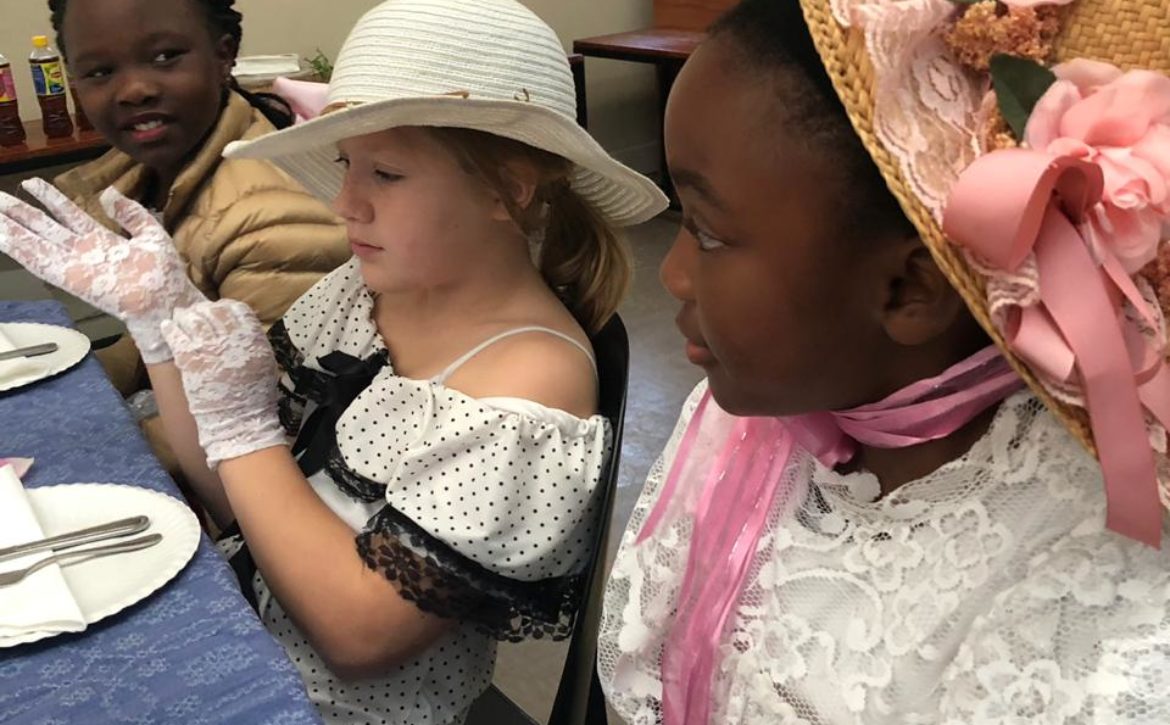
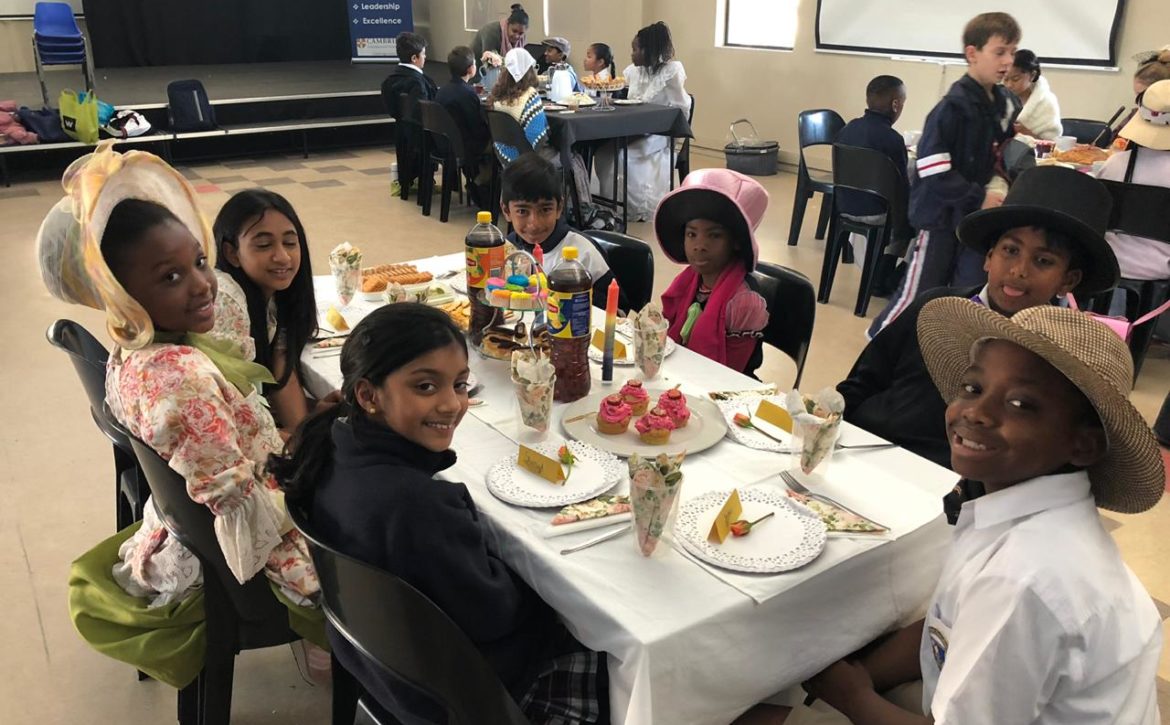
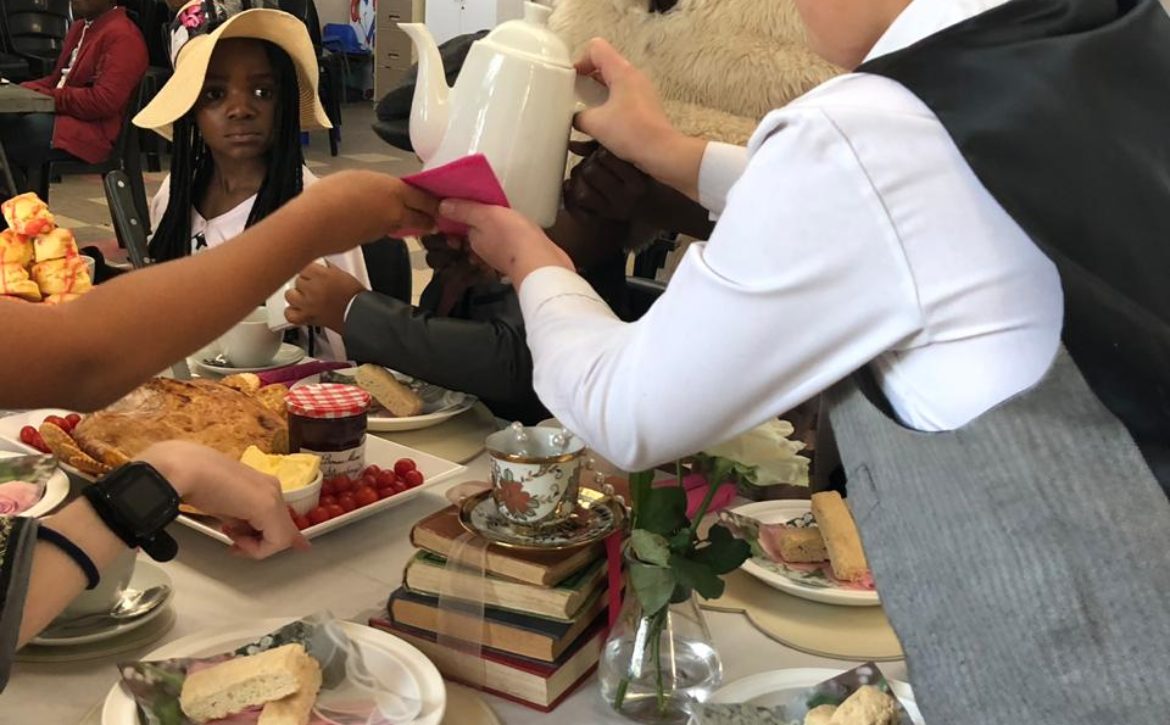
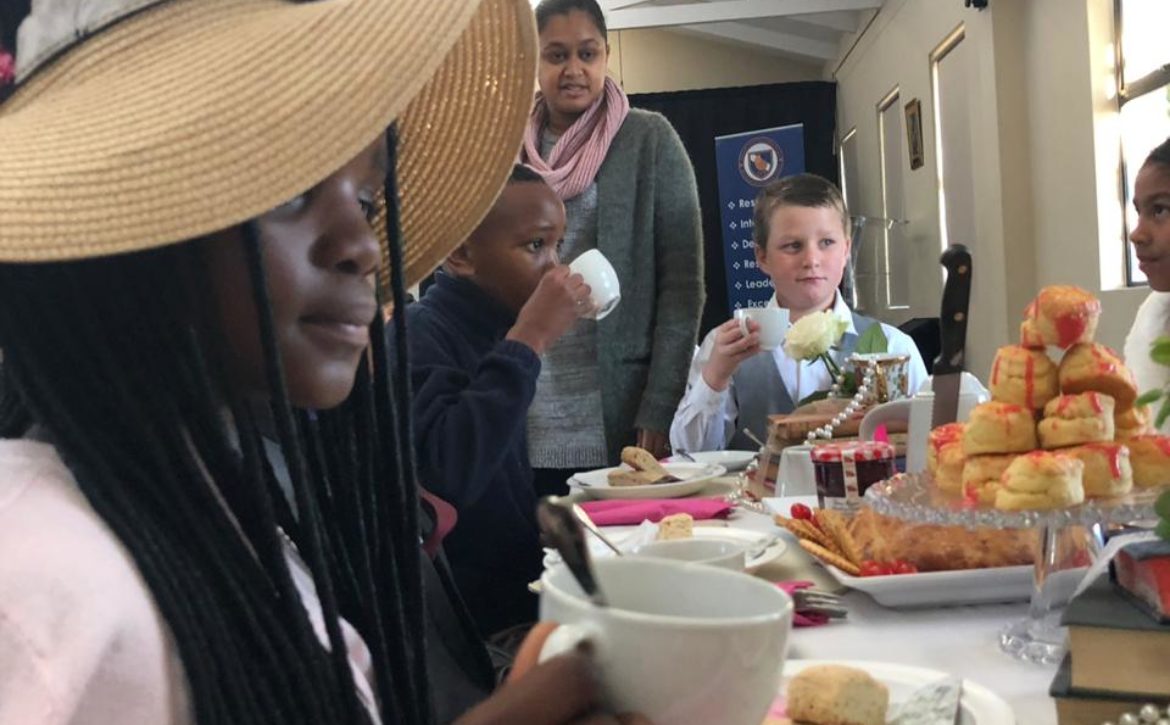
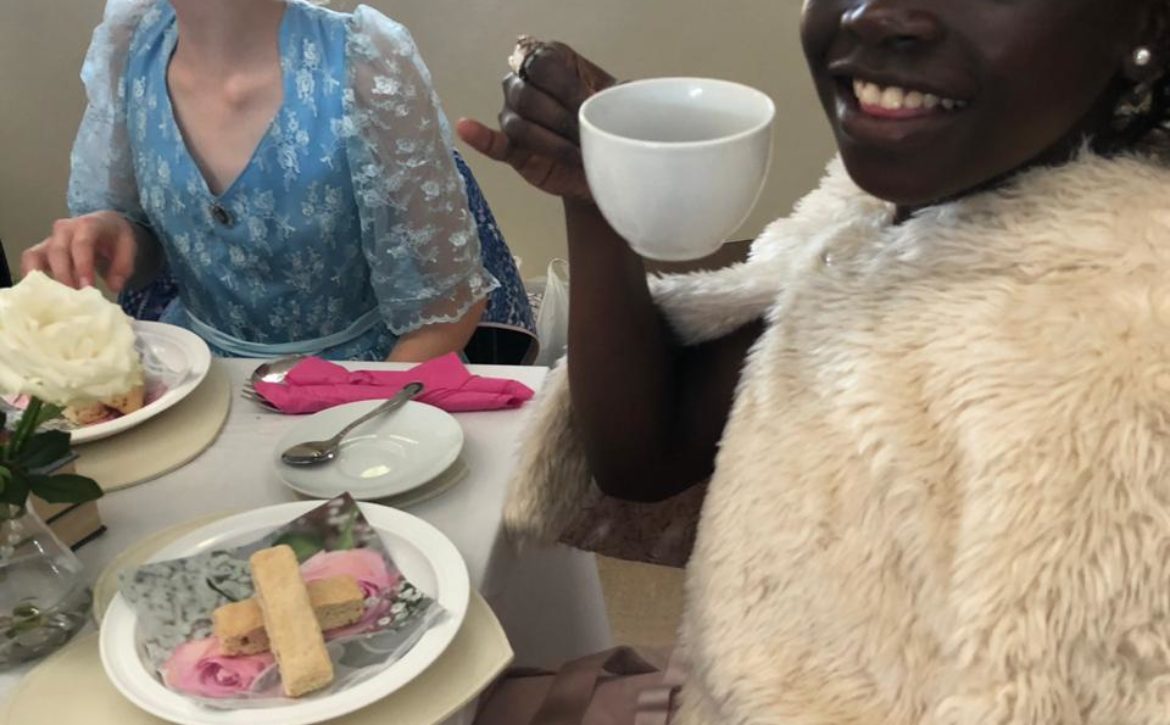
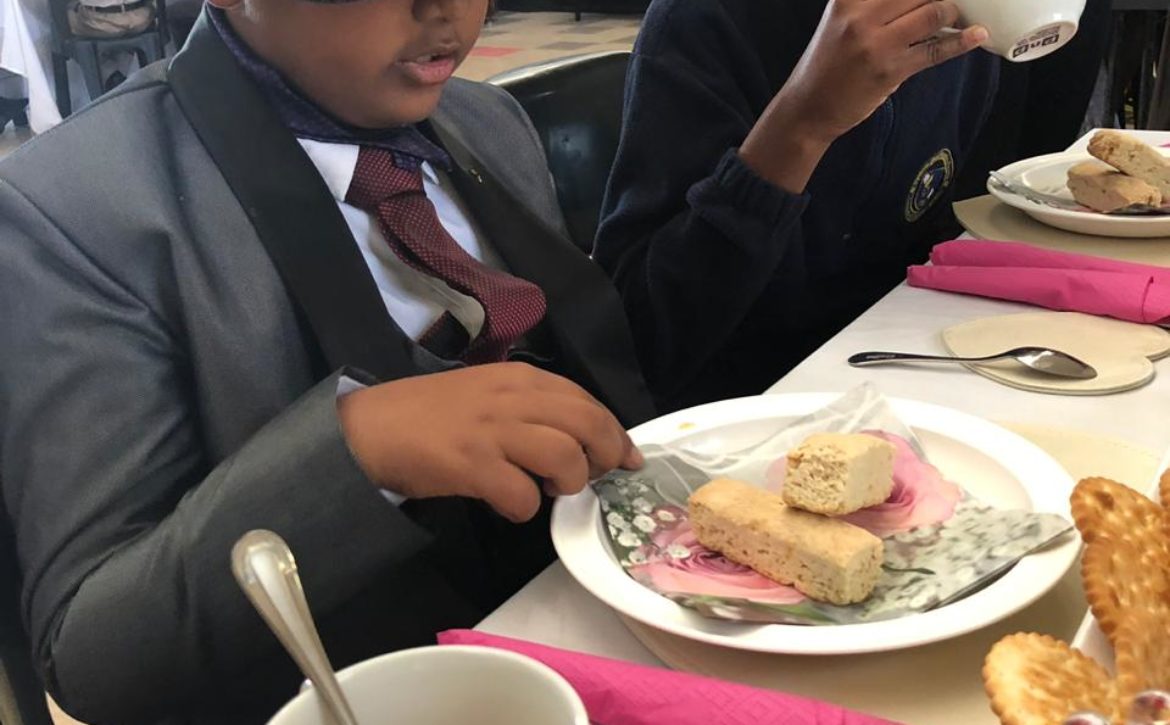
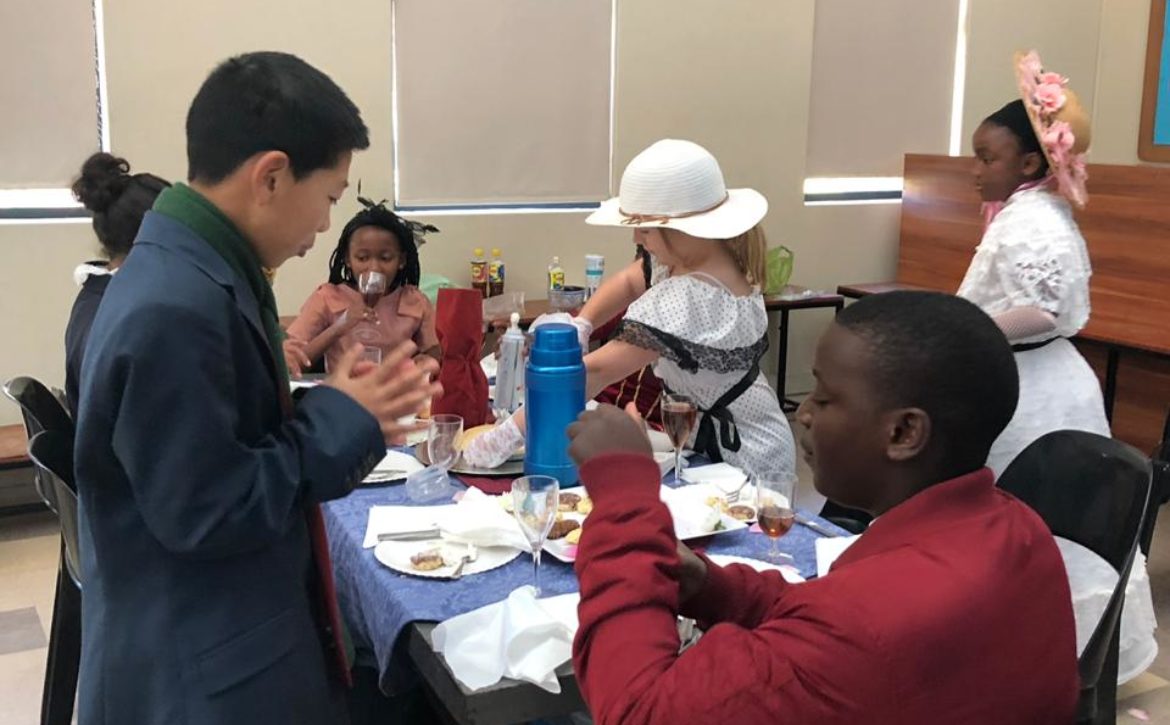
Our recent Outing allowed us to take a trip into History, as we visited a replica Victorian school. The Year 5 classes spent the day pretending to be Victorian pupils in a Victorian school. We developed a vivid picture of what the day-to-day life of a Victorian child would have been like. In the Cambridge curriculum, the focus in History is not just on learning facts – it’s about really forming a picture of what the world was like in the past, and our outing definitely helped us do that. Our Inting had a Victorian theme as well, the students had to decorate a table in Victorian style, and provide a Victorian High Tea to go on the decorated table. Apart from being mouthwatering, this helped us to imagine a different kind of Victorian experience – a very yummy one! It also reminded us of the novel we’ve been reading this term – Alice in Wonderland. The Mad Hatter didn’t quite show up at this tea party – though there were some cool hats to be seen!
Our creativity, however, hasn’t only extended to life outside the classroom. Apart from reading novels together, the Year 5 classes have begun exploring a different kind of literature – namely poetry. Towards the end of the term, we began focusing on a particular kind of poetry: Haiku. A Haiku is a type of Japanese poetry, which is always three lines long. The first line is five syllables, the second is seven syllables, and the third is five again. This is a tough structure to work with, but the students rose to the challenge. It was really amazing how they managed to be free and creative within the rigid structure of the poem.
A Miserable Night
A miserable night,
Everybody is freezing.
They all went to bed.
– Ronan MaceyHogwarts
In Hogwarts towers
Students walk to their classes
Teachers lead them on.
– Kaylah LeachNight-time Roads
One dark, moonlit night
Cars are driving in the street
Like snakes hiss and slither.
– Aiden BrandtA Winter Morning
A Winter morning
The sound of snow falling down
In every colour
– Saumya MaharajA Spring Morning
A Springy morning
Flowers blooming from the ground
Birds chirping loudly.
– Teeyana Shaik-Mahomed
Hannah Kirkaldy
Year 5 Teacher