
Social Media: What Is The Link To Children’s Mental Health
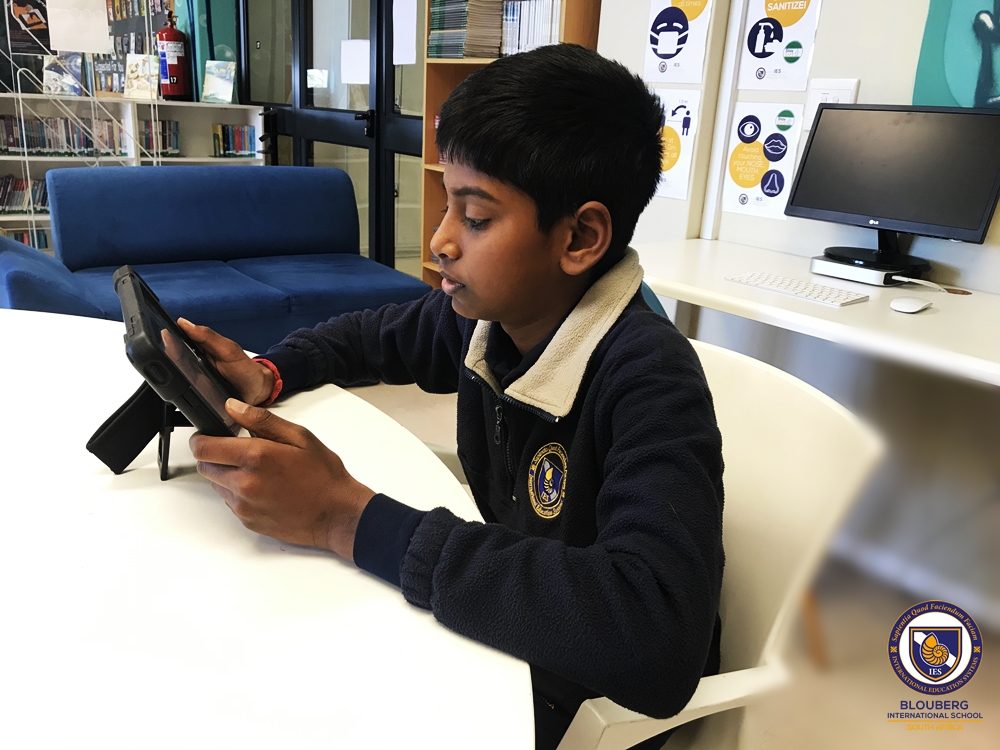
These days most children regularly make use of communication devices whether it be a cellphone, computer, tablet or iPad. The amount of time children are spending online with these devices is increasing at a rapid rate. That brings the question, what is the impact of this increased use of social media on our children’s emotional and mental well-being?
Currently we are experiencing a mental health crisis amongst our youth on a global scale. There have been sharp increases in the rates of depression, anxiety, self‐harm, loneliness and even suicide amongst our children worldwide. This has of course led to much research as to what the connection is between our children’s mental health and their exposure to and use of social media.
Many have said that the rise of social media use in young people coincides with the rise in mental health concerns. One of the most highly discussed and debated topics amongst parents today is screen time. How much is too much and what impact will it have on my child’s development? Researchers are sounding the alarm that screen time and social media use amongst our children and teenagers is something we should very much look at curbing, if we are wanting to make a positive difference in our youth’s mental health and emotional well- being in the future.
Our social media natives – Generation Z – don’t know much about a time before social media and easily accessible technology. According to the World Health Organisation (WHO), children between the ages of 5 to 17 years old should only have a maximum daily screen time of 2 hours. I am sure that on reflection, the majority of us can agree that our children and teenagers are spending far more time than this on social media daily. The time our children spend on their screens and social media is stealing time away from healthy activities that promote physical, social and emotional development like engaging in extra murals at school, hiking, exercise, and joining social groups.
Social media has become young people’s primary way of connecting with one another and for most within this generation, being online is described as a positive experience. So what is the big fuss then? Let’s explore some enlightening but frightening statistics, according to WHO. 1 out of 3 internet users is below the age of 18 years old. 3 out of 4 children spend less than an hour playing and exploring outside – that is less than a prisoner! 4 out of 5 tweens are on social media platforms like TikTok, Instagram and Snapchat by the age of 12 (the legal age required for most of these social media platforms is 13). 7 out of 10 children have accidentally come across pornographic images online. This means that even when our children aren’t actively seeking out dangerous or risky content, they continue to be exposed to and flooded with imagery and content that is not age appropriate. Imagine the psychological impact this is having on our children daily. The immersion into the virtual world can delay children and teens’ emotional and social development. Increased feelings of isolation and loneliness can develop with excessive device and social media use. This is because when talking online begins to dominate our social interactions, we engage less in the real world which exacerbates a feeling a loneliness.
Social media platforms are designed in such a way to hold the users attention for as long as possible. If we as adults are able to fall into this trap of mindless scrolling, our children and teens stand little to no chance with a still- developing prefrontal cortex in the brain. The notion of addiction to devices and social media is the biggest downside. The ‘likes’ and ‘shares’ for example, activate the reward system in the brain. It is instant gratification at our fingertips. The desire for validation and the fear of rejection is very much enforced by social media. “How many likes did I receive on that post?”, “What nasty comments have they left for me this time?”, “How can I look more like her/him?”. These are some common thoughts amongst users of social media. The consistent social comparison to others and their lives can have a detrimental impact on children’s self-esteem, leading to feelings of low self-worth and value.
Cyberbullying is one of the biggest risks when it comes to children’s engagement on social media. Children and teens insecurities are easily exacerbated by the use of social media, according to Unicef. Bullies have 24 hour access to their victims, with a tap of the finger. Those who experience digital violence online are more likely to engage in alcohol and substance use, missing school more regularly and achieving poorer academics. In extreme cases, we know of cyberbullying leading to suicide.
Social media use and technology in general offers amazing benefits for society and our children but we cannot forget the risks and danger it brings us too. Screen time and social media is stealing from us on a daily basis – it can take away our peace, our sleep, our connections and in Gen Z’s case, it can steal away our childhood. Some argue that “the genie is already out of the bottle” in relation to screen time, but there is still time to act.
What can parents do to help?
- Talk to your children about what they do online in a non-judgemental way. Trying to understand the “why” behind the excessive device or social media use is important before trying to curb or limit social media use.
- Limit screen time according to the age of your child. Even coming up with your own family device rule plan has shown to work and brings family together.
- Learn more about the technology your children are using. Have your children teach you and help you understand what they are doing online. This allows us to assess their personal risks being online and help support appropriately when needed. Screen time shouldn’t always be alone time. Co- view and co- engage as it encourages social interactions and bonding.
- Talk to your child regularly about the responsibilities we have as online users. Just as in the real world there are boundaries and rules to abide by, this is also the case online. Warn them about the importance of privacy and the dangers of predators online.
- Teach your children to be critical thinkers online. We can’t believe everything we see online as there will always be misinformation.
- Research parent controls that work for you and your family. Both Apple and Android have safety and parent controls features available. Even further, there are amazing parental control applications such as FYI play it safe, that help monitor and assess your child’s risk online, giving you ample opportunity to intervene and prevent harm to your child.
- Lastly but importantly, be a good digital role model. If your children witness you making hurtful comments on a social networking site or over using your device during family time, they will be less inclined to listen to your judgement around safe and responsible social media and device use. Model good behaviour so that they know what healthy and responsible digital behaviour looks like.
This long weekend, I encourage us all to pop the devices down and to truly connect. Pull out the dusty board games and the treasured family dominoes and enjoy some device free time with your family and children.
Kayla Smith
School Counsellors
Read More
Skills Programme – Online Etiquette
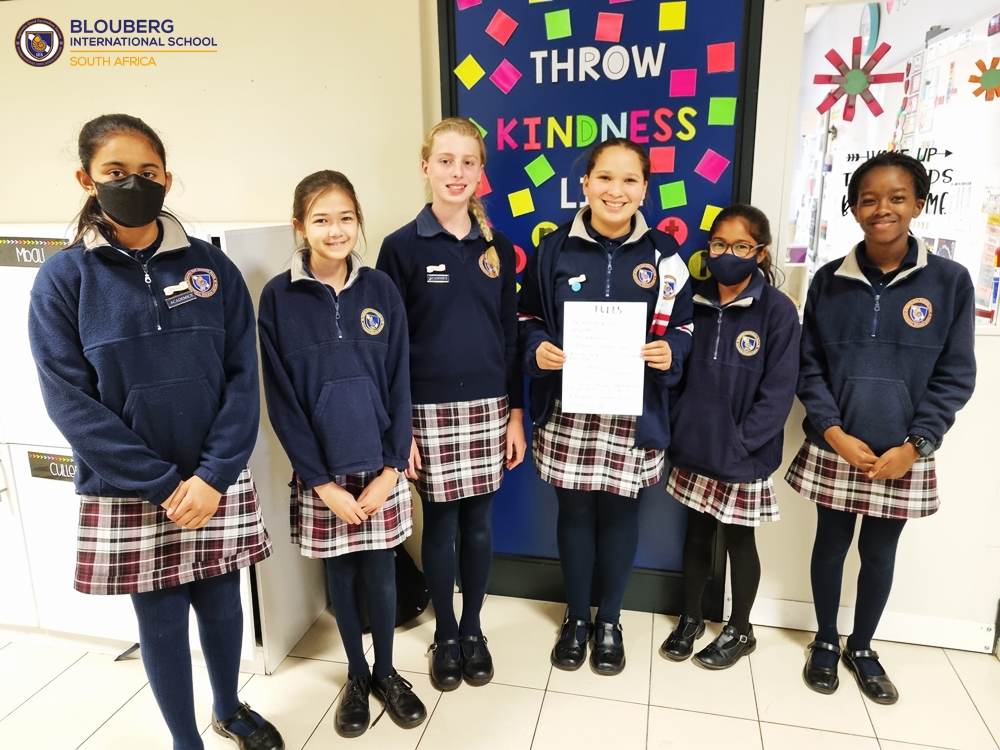
The Year 6’s have been focusing on Online Etiquette during their skills programme and how to conduct themselves in a respectful manner online. Online communication can be challenging at times for children. Not being able to read one’s body language or listen to their tone of voice can make it difficult to understand the meaning of a message.
During our skills lesson, we started by watching students act out a scenario. There could be no sounds or movement, just a still image. We then discussed what we thought was happening and what each person was feeling. The students started to notice that it was difficult to read the scenario without there being any context, sounds or movements.
We went on to watch a video that involved a message being misunderstood and discussed the meaning behind the video, how the students would have dealt with the scenario and what would have been the best way to deal with the issue. The students also spoke about “Why are people sometimes less respectful online?” and they were also able to explain the importance of always turning to a trusted adult when they are in a position they do not understand, makes them uncomfortable or nervous.
Finally, the students worked in groups to create rules for when they are online. With minimal guidance from the teachers, they all got into groups and began making their list of rules.
The Year 6’s have impressed us with their online rules as well as showing maturity and respect when creating them.
Brittney Hakime
Year 6 Teacher

Read More

Reading Mornings
“The more that you read, the more thangs you will know,
the more that you know learn, the more places you will go”. Dr Seuss
In the Foundation Stage classes, we love reading and story time is always our favourite time of the day. We look forward to going on different adventures, be it walking through the woods with the Gruffalo or swimming through the sea with the Fidgety Fish. So, to share our passion of stories, the Foundation Stage classes have started a weekly reading morning where we would like to invite all our moms, dads, grannies and grandads, even aunts and uncles to come and read with us. The little ones love having visitors in class and they are always very excited to share their favourite stories.
We look forward to welcoming you to our reading adventure.
Monique Meyer
Reception Year Teacher and Foundation Stage Coordinator


Read More
Year 2 Fun In Music Class
Music ignites all areas of child development and skills for school readiness, including intellectual, social-emotional, motor, language, and overall literacy. It helps the body and the mind work together. Exposing children to music during early development helps them learn the sounds and meanings of words.
Because of music:
- I can be a singer
- I can be creative
- I can be smart
- I can be a reader
- I can be active
- I can be a learner
- I can be joyful
- I can be a thinker
- I can be a listener
- I can be a team player
- I can be aware of others
This week our Year 2’s had some fun in Music class with their teacher, Mrs Du Plessis. The students practiced learning some clapped & repeated rhythms and then followed that with playing some of these rhythms on various instruments along with listening to different songs. They also enjoyed identifying various sounds together. The Year 2’s absolutely love going Music class each week – a chance for them to enjoy and express themselves individually whilst still having a great time together as a class.
Siobhan Hendry
Year 2 Teacher

Read More

IES Sports Day 2022
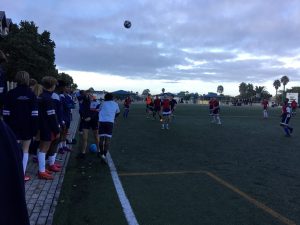
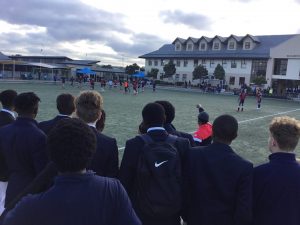
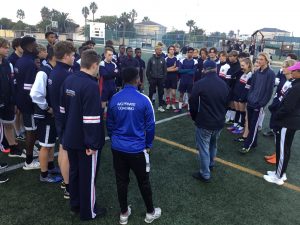
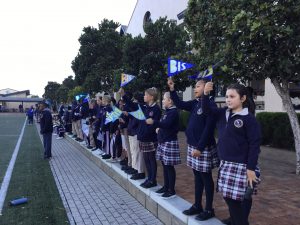
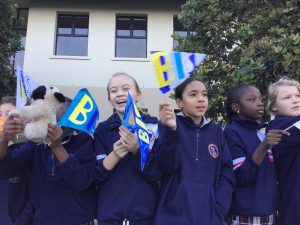
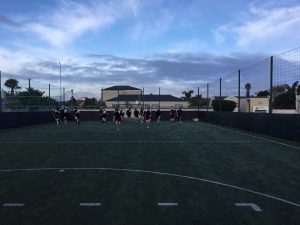
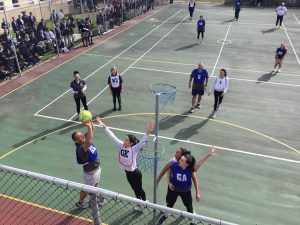
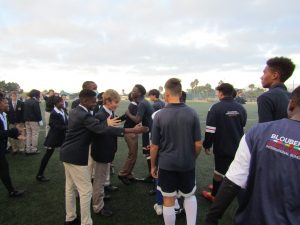
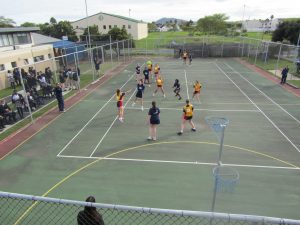
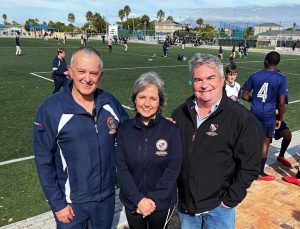
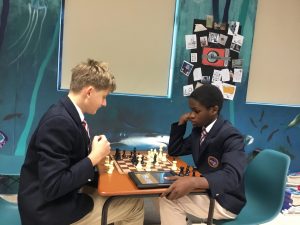
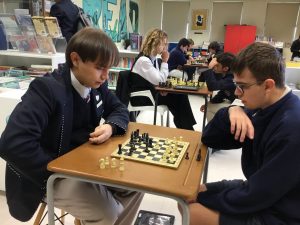
On Friday, 22 July 2022, Blouberg International School hosted our fellow IES South African schools, Hout Bay International School and Helderberg International School, for an exciting day of sport. The U18 teams of the three schools competed in Soccer, Netball and Chess with some joyous cheers from the supporters.
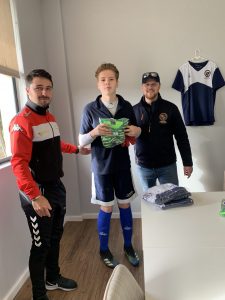
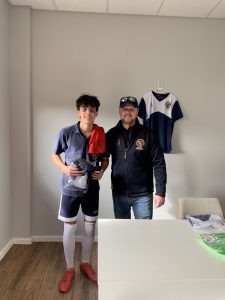
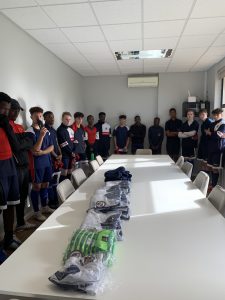
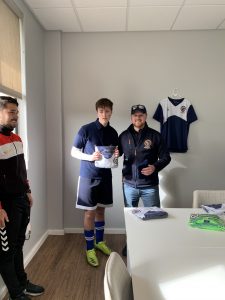
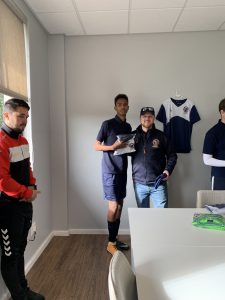
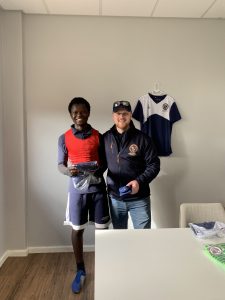
Even though all matches were played with competitive intent and passionate hearts, we were extremely proud of the sportsmanship displayed by all athletes. It was evident that sportsmanship-values took priority above having good results, a true inspiration for our younger athletes who supported their teams. BIS celebrated victories in all games played. The U18 boys had even more reason to celebrate as they also received their brand-new soccer match kits on Friday.
We are looking forward to visiting Hout Bay International School next year to compete for the trophy.
Louis Marais
High School Sport






















Read More
From The Spanish Classroom
Storytelling And Role-Play
“Students learn best when they are actively engaged in the learning experience.”
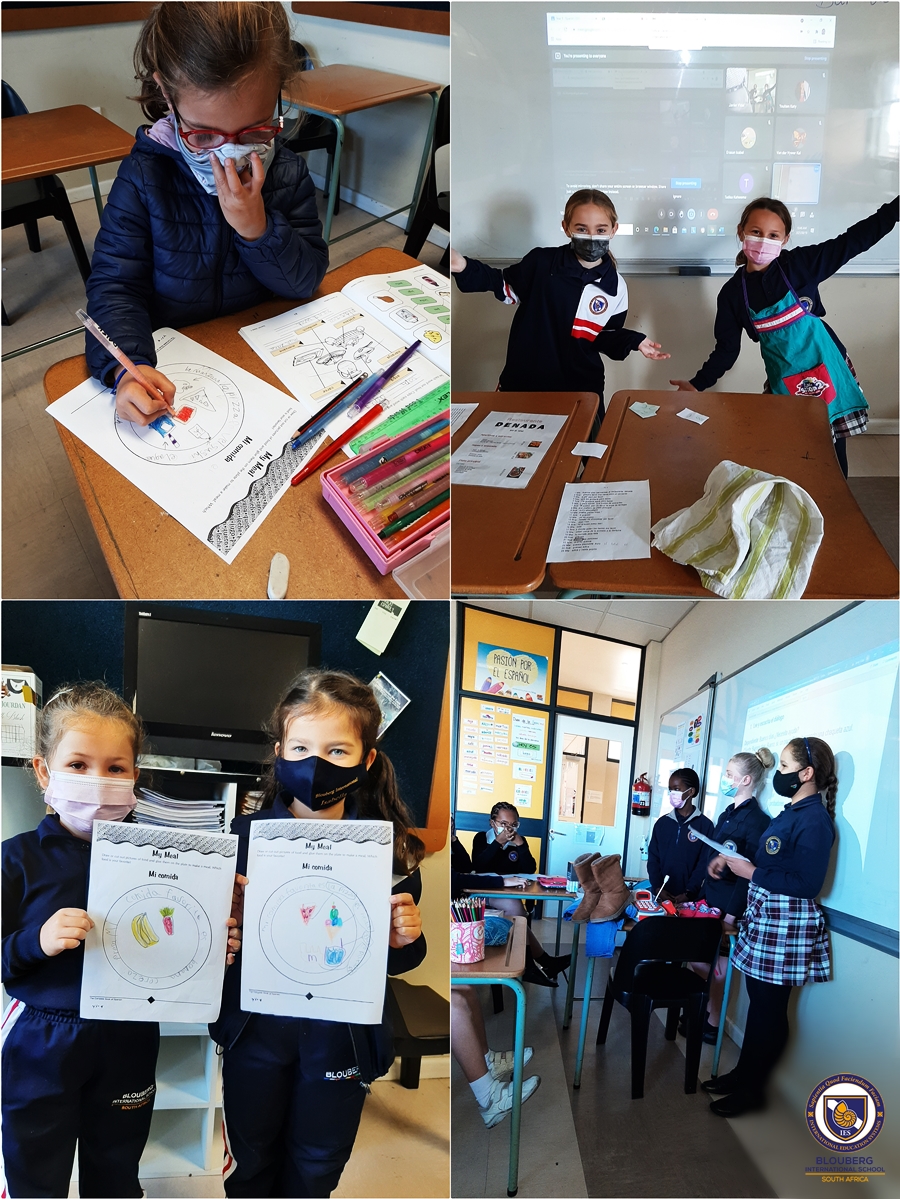
Storytelling and role-play lessons are some of the methods that I have been using during the years at Blouberg International. The students can increase their understanding of a topic by interacting and sharing with others, growing and stimulating new ideas.
Storytelling is a very powerful medium in the classroom; but the stories must be entertaining, exciting and stimulating, taking your students from everyday life into fantasy worlds or great adventures.
“Gain the students attention by making the stories fun.”
When you are telling or writing the stories, be sure to make them fun or interesting for your students. You can create crazy scenarios or characters. For example, famous people booking a hotel room with insane requests or ordering super weird food.
First, you need to gain the students attention. Try to use different voices for the characters or animals and vary in the volume and tone of your voice.
“Role-play can help to develop confidence to speak in different social situations.”
When you introduce a story, be sure to explain its purpose or learning objective so they know which life skills they are developing order food and drinks at the restaurant, book a hotel room, organize a holiday tryp or buy clothes at the shops.
Encourage your students to interact with their classmates at the end of the story, for example asking the class some of the main details of the story: price per night, room number or if there is a swimming pool or internet connection at the hotel.
“Build specific skills that they can use in real life.”
It is very important to introduce key vocabulary and expressions that they can use in real life situations: At the restaurant: “I would like to drink”, “I would prefer to eat”, “the bill please” raising the level of difficulty depending on the year group: using conditional, future or past tense…
You may need to give them structure, a similar story or script to base the exercise on, relevant content and language to work within, then the students can tell their own stories, playing with ideas, exploring the meaning, and making creative writing of their original ideas.
Resume of the advantages of the role-play lessons:
- Explores real-life situations to develop understandings of other people’s feelings and actions.
- Promotes development of decision-making skills: making reservations for a hotel or booking a flight.
- Actively engages students in learning and enables all students to contribute.
- Promotes a higher level of thinking.
Latest recommendations:
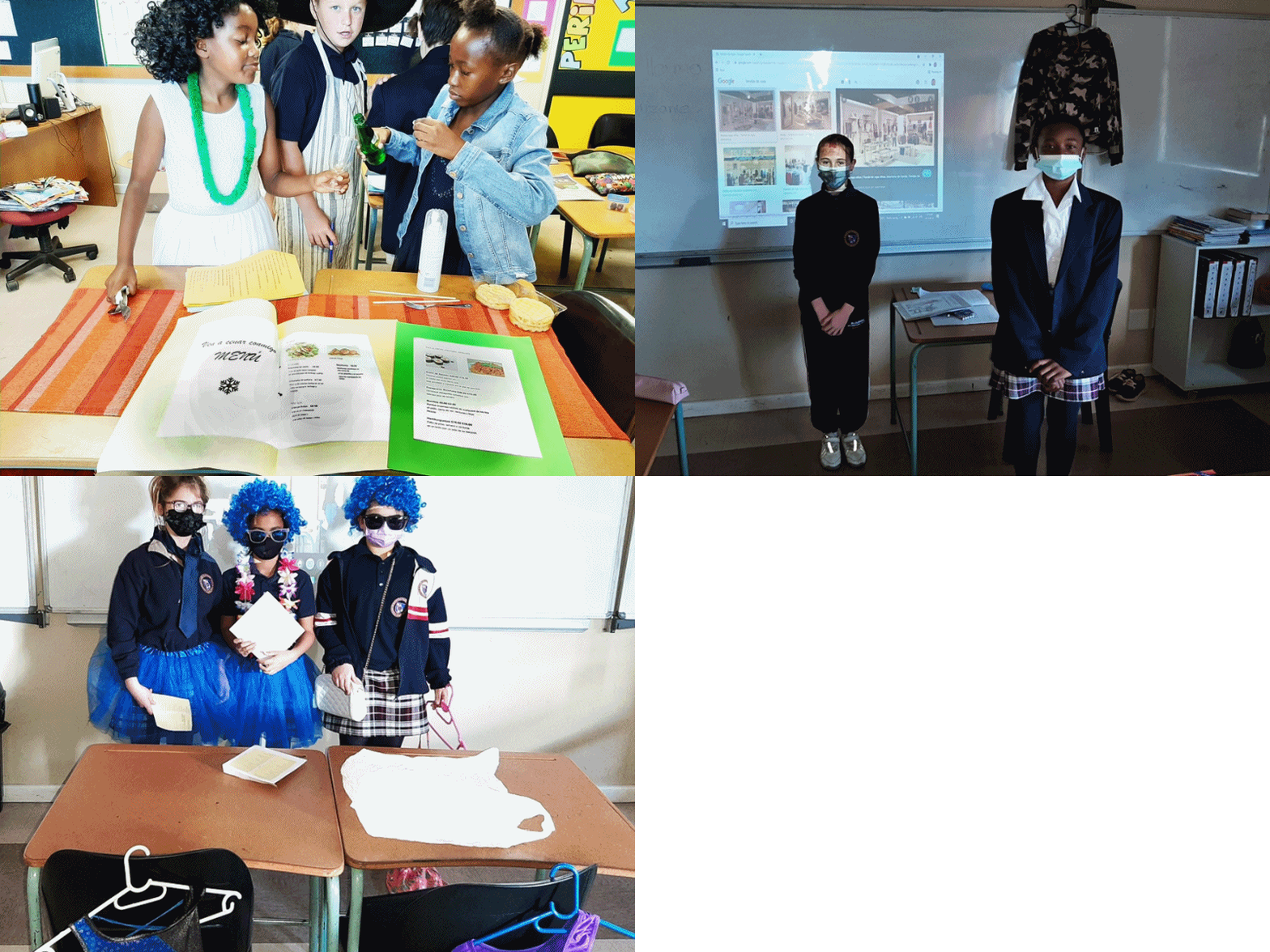
Once students have created their own stories, they need to practise their lines with their group. You can allow each group to use objects (plastic food, cutlery or credit cards) or to dress up to bring the story to life in the classroom.
They can also set up simple scenes with a few signs and create their own names in Spanish, such as Restaurant El Toro Loco or Hotel El Palacio Real.
Be careful not to let the learning purpose of drama be lost in the goal of the performance and make sure everyone participates and contributes the same.
You can also ask your students to send the script on a word document, so you can project it on the board to make it easier for the rest of the class to follow the story.
Javier Vidal
Spanish Teacher

Up, Up And Away!
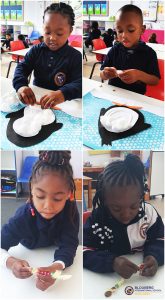
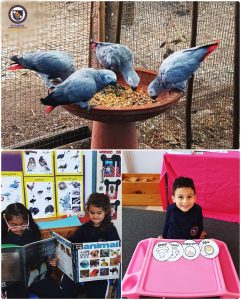
During the past two weeks, we have been learning more about birds in the Foundation Phase. We did many hand-on activities to learn more about the fascinating creatures. We made art pieces about penguins, peacocks, flamingos and owls. During Numeracy we counted feathers and eggs and during Literacy we wrote our sounds in bird seed. We threaded beads on feathers, we cut paper feathers and we even made playdough eggs to strengthen our fine motor muscles.
The students enjoyed looking at books and video clips with interesting facts about birds.
We learned the following facts about birds:
· There are 10000 species of birds.
· All birds lay eggs.
· Birds migrate to other countries.
· All birds have feathers.
· Birds don’t have teeth.
· Birds are great communicators.
· A group of birds is called a flock.
· Some birds can mimic humans.
· Ostriches are the largest birds.
· The smallest bird is a Bee Hummingbird.
I have read a lovely article about birds this weekend and I would like to share this with you. “Here are six life lessons, inspired by our winged friends.
1. Be confident. Birds learn to trust themselves before they take off in the sky. So have faith in your abilities and know that you will find a warm current to soar in.
2. Let your colours shine. Different birds have hundreds of different hues. Be bright and make sure you aren’t hiding what makes you one-of-a-kind.
3. Show up early and often. The legendary early bird gets the worm for a reason. So find something worth showing up for, and then show up every day.
4. Go with the seasons. Birds thrive despite changes in their environment. Be fluid and go with the flow, trusting your ability to always find a branch to land on.
5. Flock together. Birds seek strength and sustenance from one another. Keep friends and family close by as you navigate the days
6. Spread your wings. Eventually, all birds must leave the safety of the nest and become what they are meant to be. Have no fear of falling, and start flapping.”
The students learned that birds are very important. Many people (including myself) keep birds as pets and enjoy watching them in the wild or at the exotic animal world. Farmers raise poultry for their meat and eggs and we also use bird feathers in various product.
Martie van Dyk
Pre-Reception Teacher

Read More
Support Throughout The Students
“Everyone needs a house to live in, but a supportive family builds a home.” – Anthony Liccione
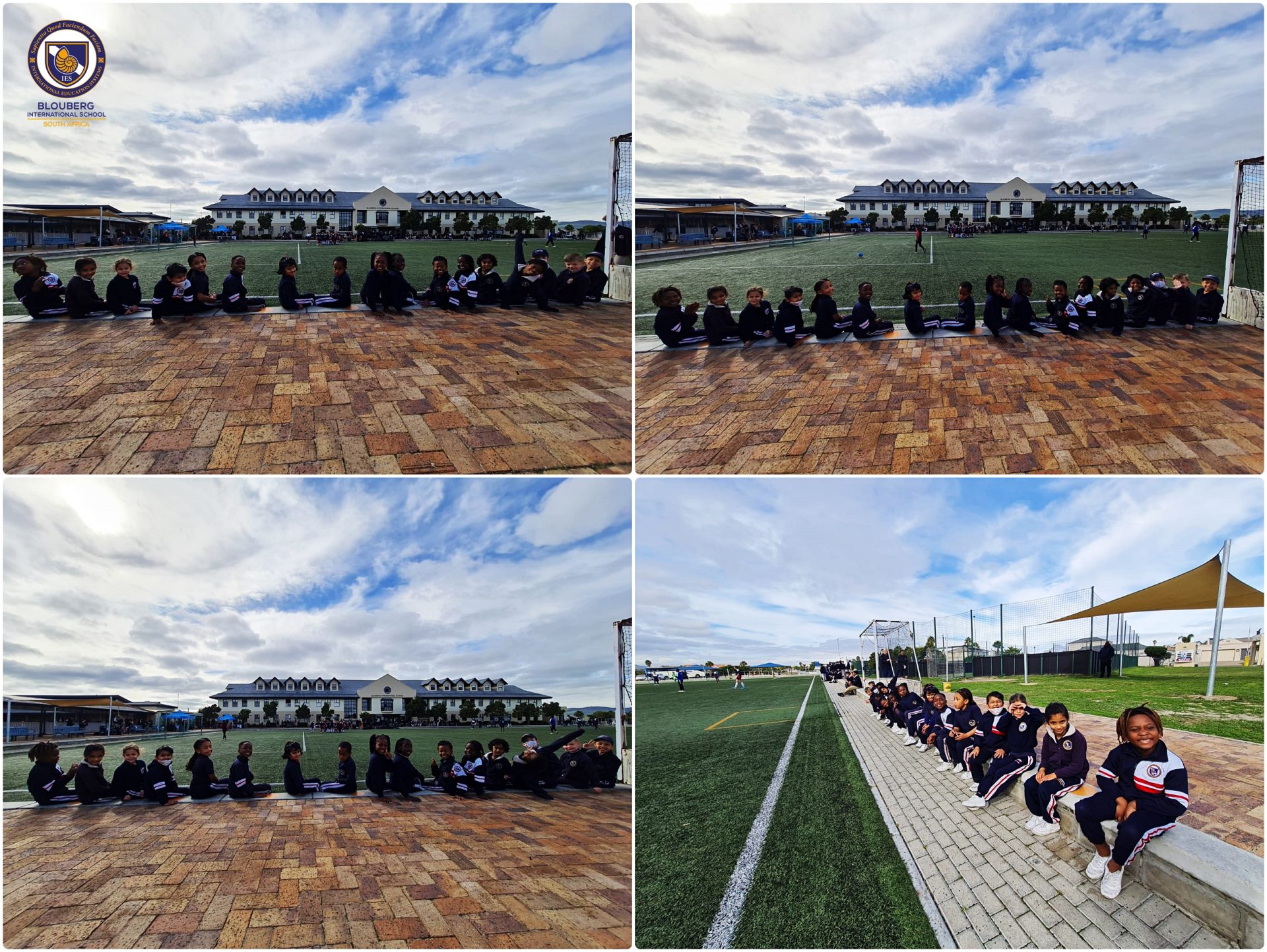
As a Year 1 teacher, I have realised the importance of the younger students participating in supporting the older students in their sports. It is also important for the older students to show their support and provide motivation to the younger students. This support can come in the form of attending sports days, watching and cheering on matches, reading to the younger students to encourage reading and by being good role models for the younger studens. Support such as this, helps to build a passion for sport which will motivate young students to later participate in school sports. This is vital for students when growing up as a team sport can teach students things they cannot learn in a classroom.
I would like to encourage all parents and teachers to motivate students to want to support their fellow peers, from younger age groups to the older age groups.
“It is really important that we promote competitive support in schools. It is very important that we recognise that has to be underpinned by good quality physical education and by getting people into patterns of exercise.” – Sebastian Coe
Year 1 Teacher
Erin Hierse


Read More
Solids, Liquids And Gases
What is a solid, liquid and gas? This was the question posed to our Year 3’s in our first Science lesson in Term 3. But… instead of telling the students, they set about discovering it for themselves. In groups, students were supplied with a plastic bottle of water, a plastic bottle of ice and a plastic bottle of air. Together a discussion was held on which material is a solid, liquid and gas and why.
Roll on lesson 3! Gases are invisible! Now this lesson took our Year 3’s by surprise! In pairs, students were given a plastic bottle filled with vinegar and a balloon filled with bicarbonate of soda. Instructions were given to place the balloon at an angle on the plastic bottles and then to lift the balloon and observe what happened. But first students had to make a prediction. With zero faith in their teacher, most students predicated an explosion! On the count of 3, students then lifted their balloons and voila… no explosion!
Faces of students caught completely by surprise… priceless!!
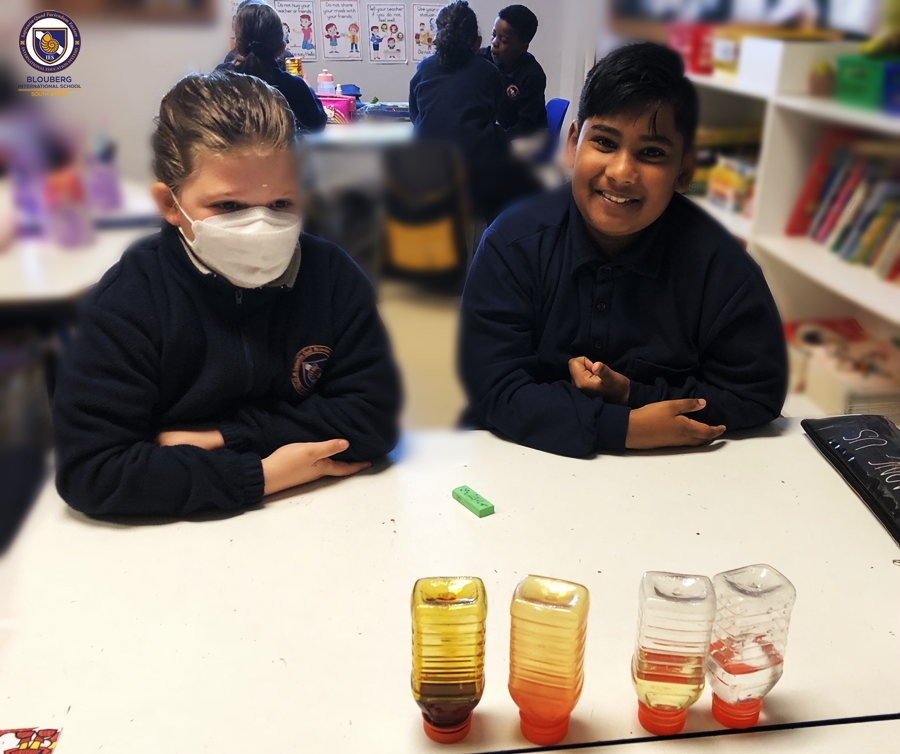
Then it was time to learn about the velocity of different liquids. In groups of four, students were supplied with 4 plastic bottles containing different liquids – shampoo, water, oil and syrup. The task was to turn the bottles upside down and observe what happened to the liquid in each bottle. Groups then took turns explaining the velocity of each liquid.
The skills-based Science lessons this term have been interactive, hands-on, collaborative and most importantly – fun! Students are not only learning new concepts but are also learning to work with one another by investigating, making predictions and talking about their observations.
Thank you for always being such enthusiastic young scientists, Year 3!
Mandy Goch
Year 3 Teacher


Read More
News From The BIS Interact Club
Our Interactors have been very busy the past few weeks with various activities:
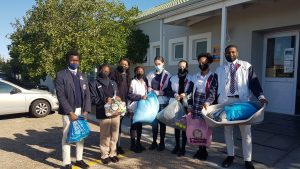
In our last week of school, we dropped off the collections for Honey’s Garden at their offices in Leadville Dog Park, Sunningdale. They were thrilled to receive all the goods! Thank you for your generous donations.
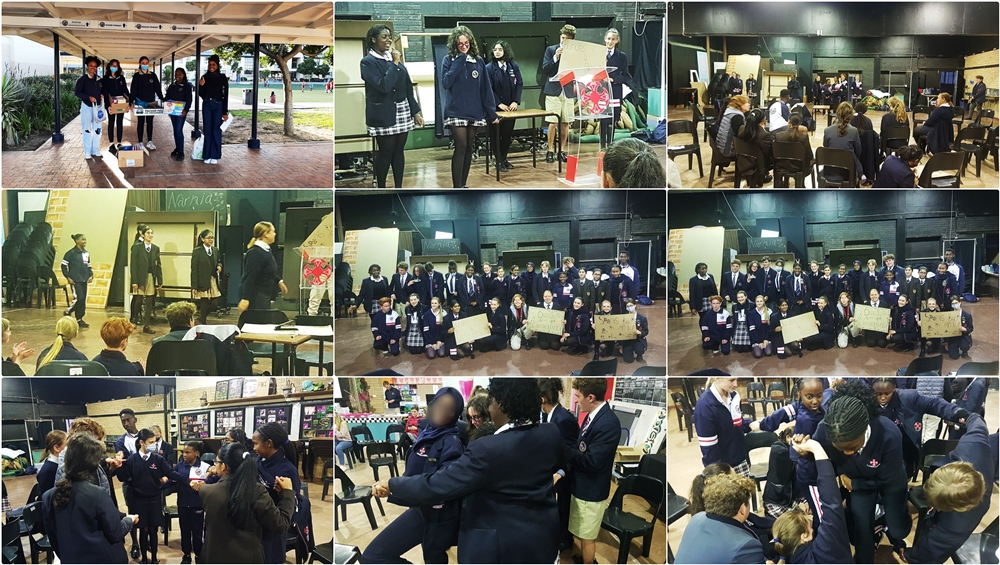
We received an invitation for 10 girls to attend The “Stand Up and Stand out” Girls’ Seminar organized by the Ukhozi Girls Organization. The aim of this girls only organization is to motivate and empower girls to reach their dreams regardless of their background limitations.
The Seminar was titled “Unashamed Conversations” and it took place at Inkwenkwezi High School in Joe Slovo. Other schools from the area were also invited.
Upon our arrival, we were welcomed by Nqobizitha Hobane, founder of Ukhozi Girls, who thanked us for the collections of female toiletries and stationery donated by our school.
We then had a chance to introduce ourselves to guests from other schools while we were offered some tea and delicious muffins.
The program consisted of various performances by different schools which included singing, dancing, drama, poetry, our own Altesse Chimbalanga with some inspirational words about the beauty of being a woman, as well as some guest speakers.
We all agreed it was a great experience to be able to gather and speak openly about issues that affect young girls and women and be advocates of change in our communities and society at large.


On Saturday 2nd July, our Interact President, Rifqah Price, was invited to attend the annual Induction Breakfast for the Rotary Club of Blouberg. This was a great opportunity for all members of Rotary (including Interact and Rotaract) to get together and share ideas and inspire each other. It was also the annual nomination of the new Board members.

I was very pleased to witness two of our past students at BIS being elected members of the 2022/2023 Rotaract Board: Katherine Lott (Vice President) and Beverly Ndaramu (Secretary). Congratulations to these young ladies!

On Saturday 9th July, the BSA Cup soccer tournament took place at Tafelberg School. One of the participant teams were the under 12 boys from Dunoon Pioneer Soccer Club.
The Interact Club attended the event and had the opportunity to hand out 20 kits (tops and shorts) to the team. They were very happy to receive new uniforms for the winter season.
A special thank you to BIS families for their support during our Spur waitering event, whose generosity made it possible to provide the soccer gear to these boys.


Last Friday, the Interact Club of Edgemead High school hosted a workshop for all Interact Clubs in the area to attend.
The event lasted around 3 hours and included ice breakers, games to get to know each other, various guest speakers ranging from the current President of Rotaract to senior experienced members of Rotary and the current youngest Blouberg Rotary member, as well as team building activities and idea sharing circles.
Overall, it was a fun evening that lead to a closer Interact community, new friends and inventive fundraiser activities” – Erin Steward (Year 11)
“The Seminar was titled “Unashamed Conversations” and it took place at Inkwenkwezi High School in Dunoon.
Elena Berger
BIS Interact Coordinator
Read More