

Arts And Crafts Club Key Stage 1
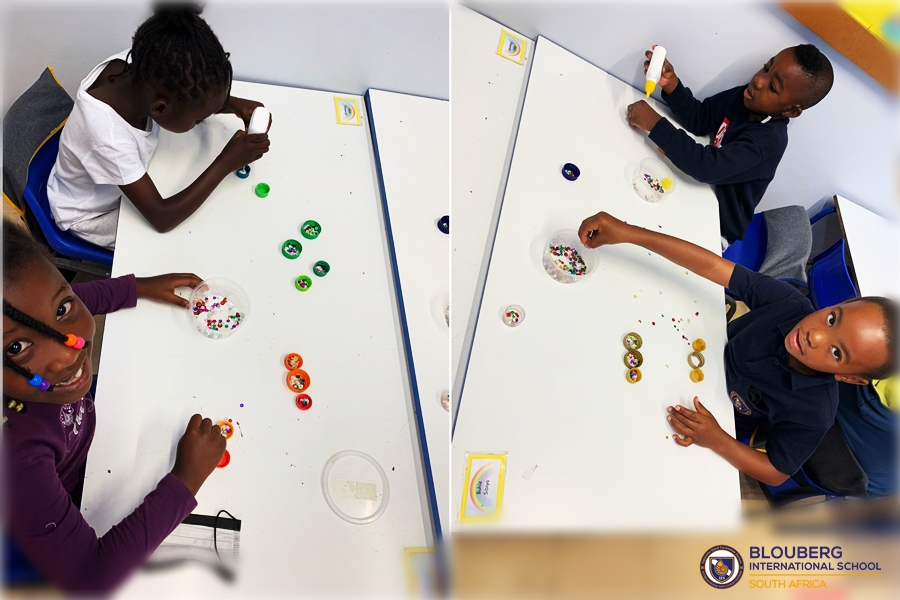
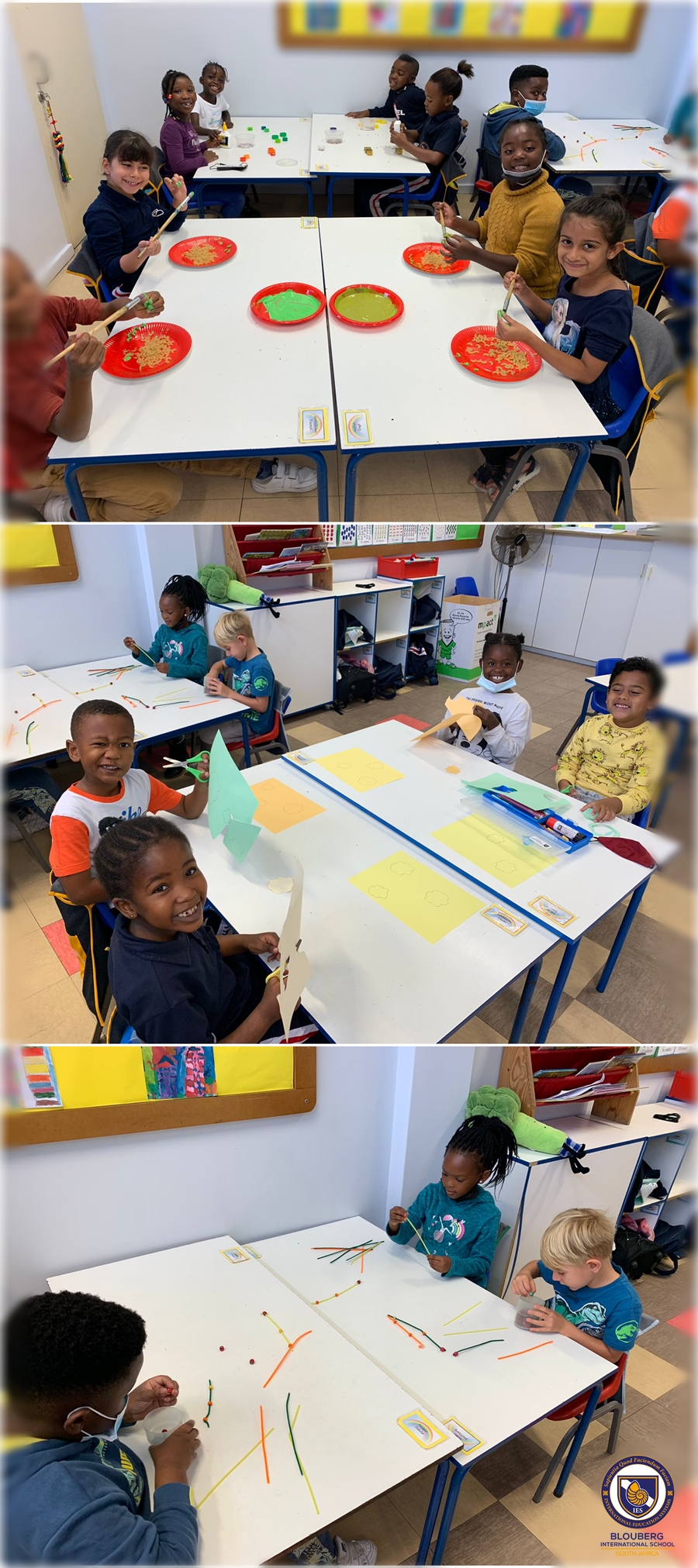
Every second week KS1 meet for our after school Arts & Crafts club run by myself and Ms Hierse. We introduced this club at the beginning of this year and it seems to have taken off wonderfully.
The students look so forward to being able to come and have the opportunity to fully express their artistic and creative talents. One of our biggest aims is to utilize as many recycled materials as possible. It is a passion of ours to witness the beautiful creations that are created from simple previously used items.
We hope to see the Arts & Crafts Club grow more and more throughout the year!
Siobhan Hendry
Year 2 Teacher

Read More
Leading By Example – Teacher Support System
“Teaching kids to count is fine, but teaching them what counts is best.” – Bob Talbert
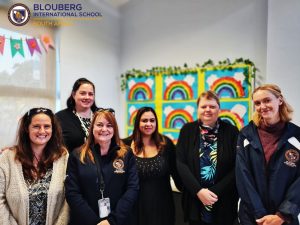
As teachers, we all strive towards one goal; for all our students to succeed. The KS1 and Foundation Phase teachers believe whole heartedly in a teacher support system where all teachers are encouraged, motivated and cared for each day by one another in order to be at our best for our students.
We, as teachers, feel that this support system is very important as its allows us to communicate our feelings, rely on each other, share our specific skills and strategies and build confidence in one another to stay ahead of the game in a rapidly-changing world.
We would like this support system to mirror how the students should want to care for each other as many students do not feel comfortable expressing their feelings to adults. A care buddy is the one friend you can speak to about anything that is going on in your life, whether it be positive or negative.
With the continuous support from all the teachers, the teachers have decided to follow a different system where their care buddy stays anonymous for the year. This care buddy is there to leave you notes of encouragement, recognition, to motivate you for a busy time ahead or a little treat to brighten up their day.
We would like to encourage students to follow this system and show kindness and support to their friends without reason because if they can make at least one friend smile in a day, it will create a ripple effect.
“Everyone who remembers his own education, remembers teachers, not techniques. The teacher is the heart of the educational system.” – Sidney Hook
Erin Hierse
Year 1 Teacher

Read More
To Write Or Not To Write…
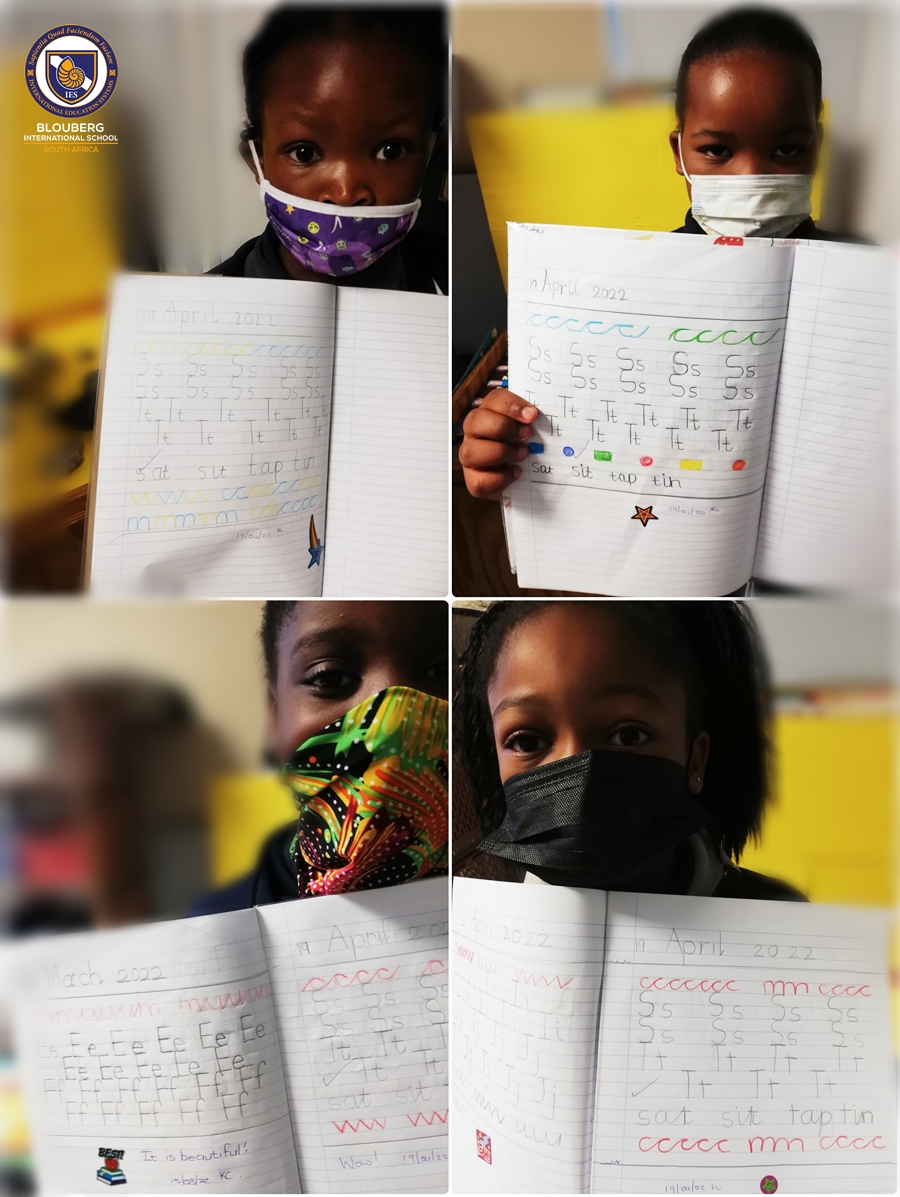
With today’s technology, where even the youngest of young are accustomed to typing on laptops, tablets or iPads, the question is often raised: Just why do children need to learn handwriting skills at school. They probably won’t need these skills in whatever field they find themselves in. However, proven studies have shown that it is extremely beneficial for young children to learn how to grip a pencil or colouring crayon, or learn the correct formation of a letter.
“There is this assumption that we live in the computer age, and we don’t need handwriting anymore. That’s wrong,” says Virginia Berninger, PhD, a professor of educational psychology at the University of Washington.
A few facts to consider:
- Children who learn to write correctly, read more fluently.
- Handwriting requires concentration.
- It trains the brain circuits responsible for motor coordination, vision, and memory to work together.
- Visual-motor skills, such as hand-eye coordination, are associated with academic achievement. Scientists have found that developing fine motor skills in early childhood can predict not only writing success, but also better performance in reading and mathematics in elementary school.
Left-handed children more likely to write untidily? Myth or fact? Unfortunately for the 10% of the world’s population who are left-handed, their handwriting does tend to be untidier than those writing with their right hand. However, if a child is taught to tilt their paper or book a different way, neat handwriting is very achievable!
Kim Coetzer
Year 2 Teacher

Read More
Art Day!
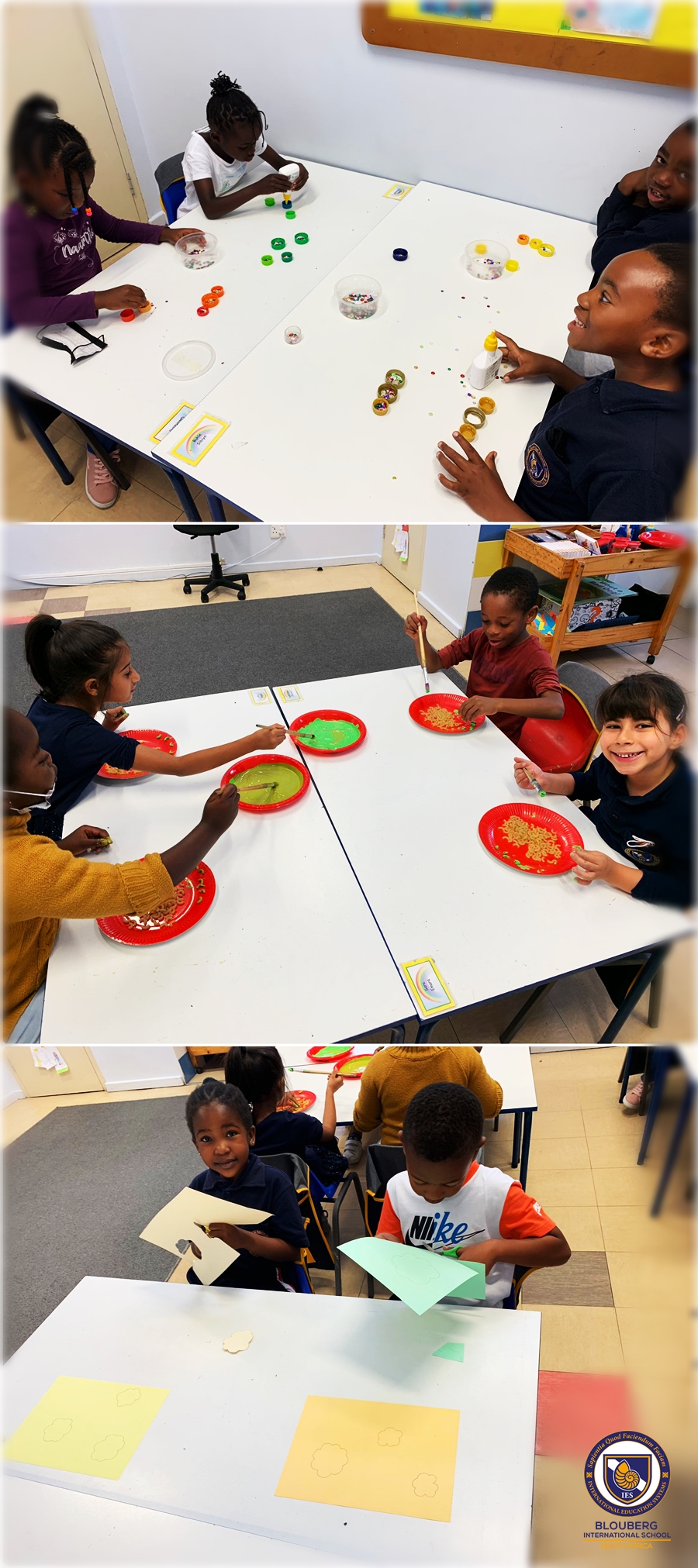
We are very excited in Year 1 to be having a special ‘Art day’ today, for our upcoming school Art auction at the end of this month!
We are working on a collaborative artwork, which means each child in the class is contributing to the picture. We are creating a natural, floral scene against a beautiful sunrise, using mixed media culminating into a layered piece of artwork.
The students are having a lot of fun, painting macaroni, decorating bottle tops, beading pipe cleaners and exploring mixing colours.
I can’t wait to see the finished product displayed at the art auction!
Charlotte Cronje
Year 1 Teacher


Read More
Inspiring Your Child To Read
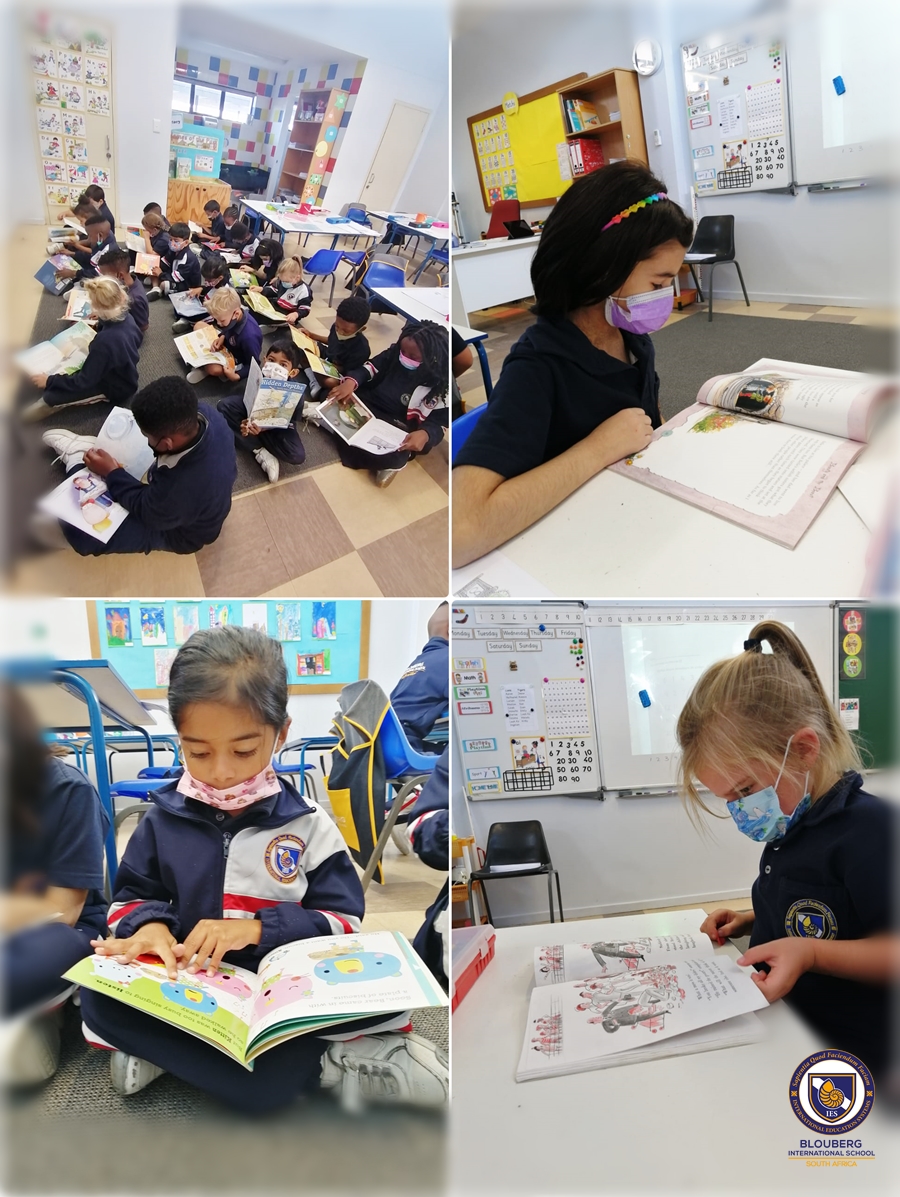
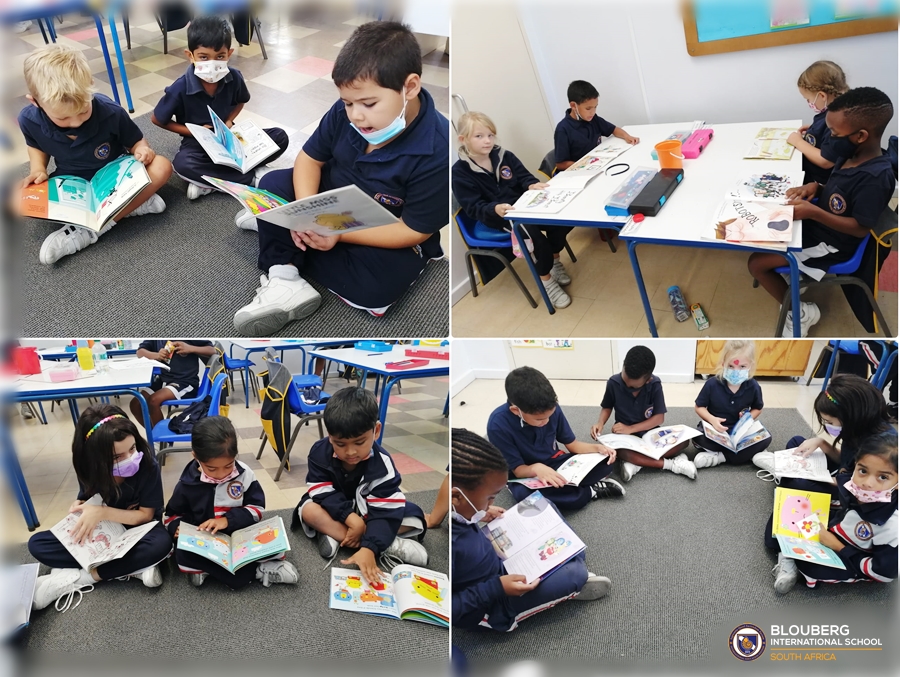
This week, I want to share a few basic and wonderful tips on how to get your little one to become a life long lover of reading…
We all know it can sometimes feel daunting to explain to our children how important it is to build good reading habits. Reading is a vital component of education. All students need good reading skills to succeed not only at school but in life in general.
I hope that sharing these insights with you can inspire you as much as it did me. See the image below titled: Building a Reader At Home
Ann Cordner
Year 1 Teacher and Key Stage 1 Coordinator

Read More
From the German classroom
Back to school in South Africa is always an exciting time of the year. Students start a new grade with a new teacher, enter a new classroom and meet new classmates.
The Year 1’s also started this year with new languages to learn – German being one of them. In the introduction to German and Germany they learnt the phrase ‘Ich lerne Deutsch’ (I am learning German) and the colours of the German flag. The Year 1’s were very surprised to hear that most German schools start in September after the summer holidays in Europe and that the students do not wear uniforms at school.
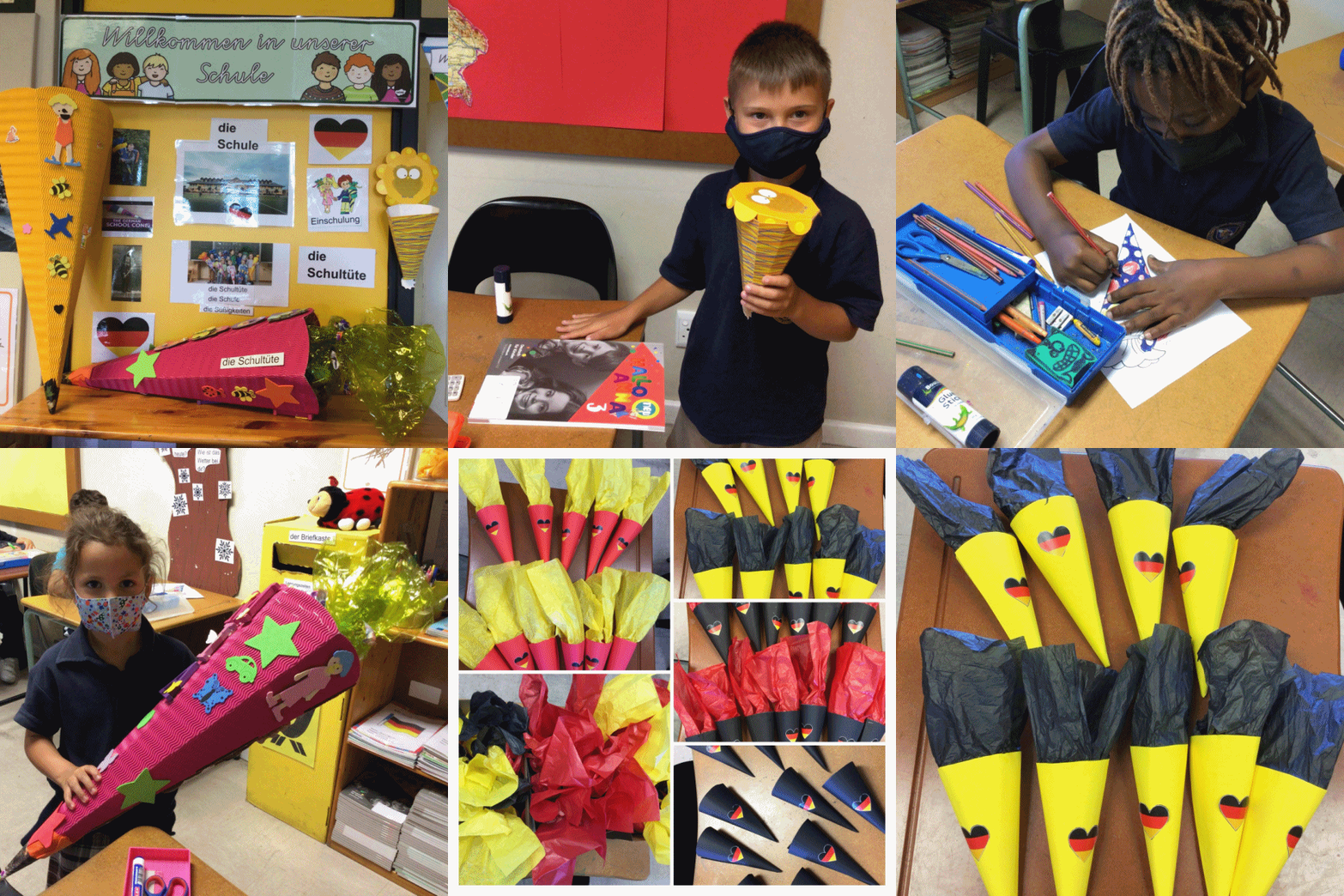
They were also introduced to the Schultüte (a school cone), a German tradition that all Klasse 1 (Year 1) students look forward to on the first day of school. Before Klasse 1, they would usually be attending a type of Kindergarten (a playgroup or nursery) at another institution, therefore making the first day of school one of the most important days of their childhood.
So, what exactly is the Schultüte?
It is “a colourful and elaborately decorated cone which is prepared by a students’ parents and filled with goodies such as small school supplies (like pens, pencil cases, erasers, etc.), toys and sweets.
This German tradition originated in the early 1800s in the cities of Jena, Dresden and Leipzig. Back then, parents brought the Schultüten directly to the schools, where they were hung on a so-called Schultütenbaum (‘school cone tree’) in the classroom. When the tree was ‘ripe’ with school cones, it meant that students were ready to begin first grade. On the first day of school, students were instructed to pick the cone with their name on it.
Naturally, the tradition spread and evolved over time. Today, students often receive their Schultüten before they leave their homes to go to school and the kids proudly carry their Schultüten to their new classrooms. Of course a photo with the Schultüte is a must and a memory for the years to come.
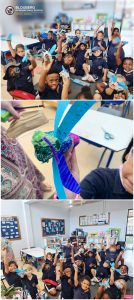
The photos below show our Year 1 students with their beautifully coloured in pictures of a Schultüte in class; the designed and decorated Schultüten by the Year 2 students and the Year 3’s completing a Schultüten craft from their Hallo Anna neu 3 workbook to take home.
The Year 1 students enjoyed holding the Schultüte in my classroom and wished so much for their own Schultüte and to be in Germany for this tradition. With this in mind the German Club embarked on a project to do exactly that, to make a school cone for each Year 1 student.
The German club was launched this year and as the first task in the first meeting the students prepared for making the Schultüte. This proceeded to be a huge task crafting 60 cones with an individualised card welcoming the students to BIS and Year 1.
Thank you to the German Club and friends who spent many breaks crafting, colouring in, pasting, decorating and then eventually filling them with some German treats for the Year 1’s.
All Year 1 students will be receiving their own Schultüte to take home and enjoy. We hope that they will remember this tradition and the Schultüte they received here at BIS for years to come. Please remember to take a photo!
Looking forward to being part of the students’ journey with the German language and traditions in 2022.
Frau Kerstin Pani
Primary School German Teacher


Read More

Year 2 Problem Solving Workshop
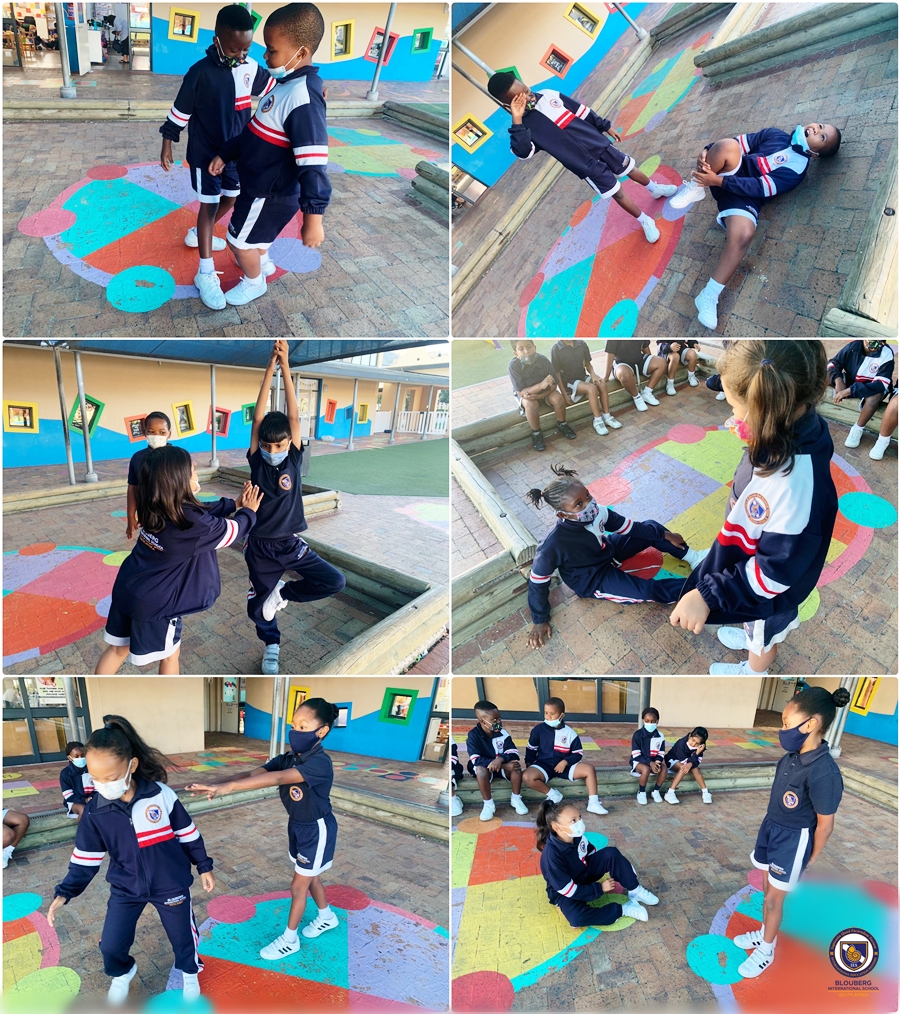
The Year 2’s have been learning about conflict resolution in our Skill’s Programme every second week this term. We split our weekly topics up into; problem solving, conflict resolution, dealing with mistakes and lastly, saying sorry.
We know that students need to learn how to listen to others. Children become more aware of their needs as they get older. They learn how to communicate their thoughts and feelings in a respectful way. They feel inspired to think creatively to search for solutions. No child is too young to learn how to play and cooperate with others, an important skill for young children to develop and grow. There are numerous other skills children learn when you inform them about how to resolve differences, as well:
- Students learn how to listen to others.
- They become more aware of their needs.
- They learn how to communicate their thoughts and feelings in a respectful way.
- They feel inspired to think creatively to search for solutions.
It is critical for children to understand that when they find a solution independently, they receive praise. That way they understand to continue exhibiting the behaviour. Conflict comes up in everyone’s lives, and the most important lesson to teach with these behaviours, is that conflict is normal.
Our last workshop lesson involved some role play where our Year 2’s has the opportunity to act out how they think a potential conflict situation would play out and how they could solve it the right way.
We had fun learning!
Siobhan Hendry
Year 2 Teacher
Read More

Activity Centre Outing – Year 1
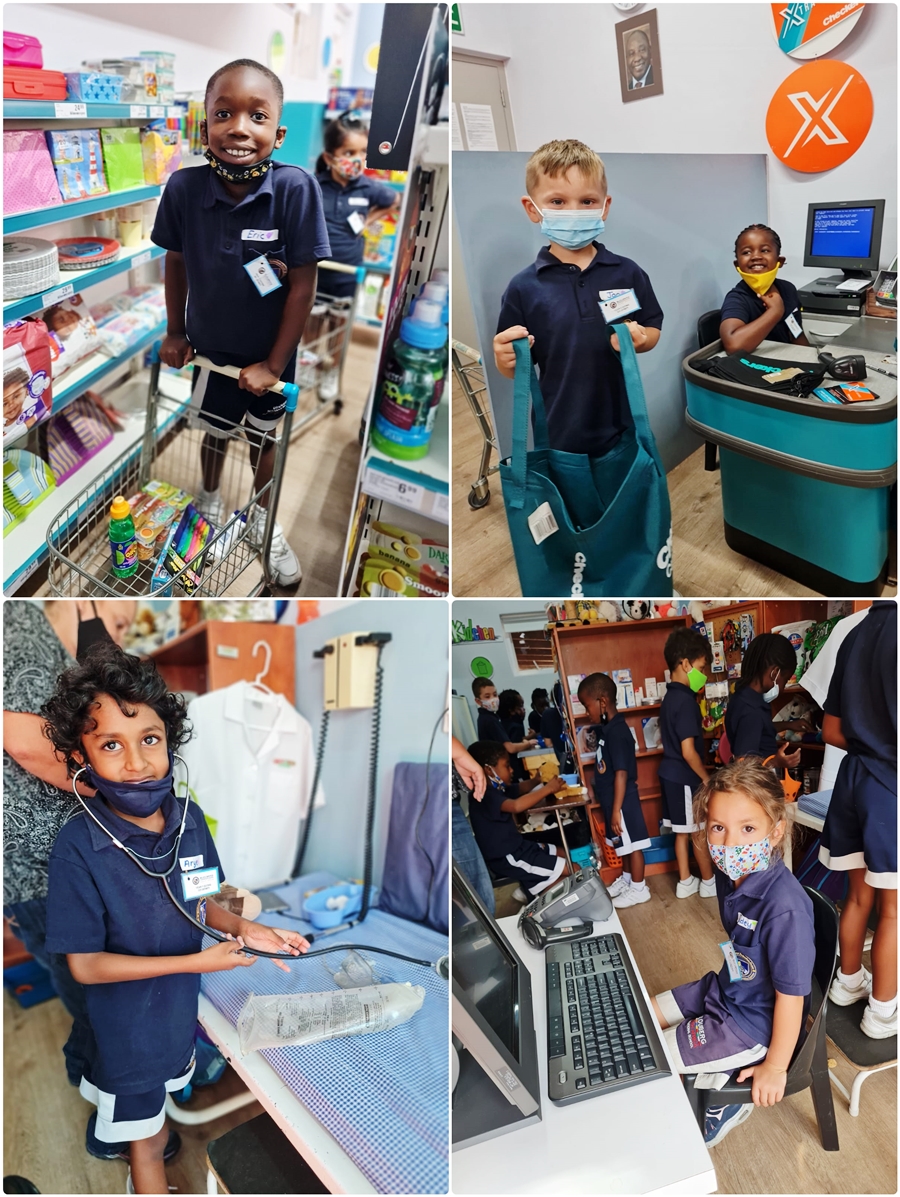
This week, the Year 1 students had the pleasure of visiting an activity centre, where they were able to interact in everyday experiences on a smaller scale.
The students spent some time at the mini Checkers where they were able to shop and check-out items they felt they wanted. They were then introduced to the TAH Vet section to role play being a vet, a patient, a shopper and a teller.
After this, they headed to the mini kitchen to learn about healthy and unhealthy foods and decorate biscuits. As teachers, we find this form of role-play and interaction extremely important for young students to participate in as it is beneficial for them on a greater scale when growing up.
The students also had an exciting experience at the mini Capitec where they learnt about money, how to save money and how an ATM works. They then moved over to the “green-screen” section where they learnt what a green-screen is and they could watch themselves on the TV during their interview.
All of the stations the Year 1 students attended taught them new life skills. These life skills ranged from learning how to buy items from a shop with money, healthy and unhealthy eating, how to look after your pet, signs to look out for when your pet needs a doctor, savings and drawing money from an ATM as well as, how to conduct an interview.
This was definitely an experience the students will not forget!
Erin Hierse
Year 1 Teacher


Read More

It’s All About The Skills…
A Chinese philosopher, Lao Tzu, once wrote – Give a man a fish and you feed him for a day. Teach him how to fish and you feed him for a lifetime.
In our education system, while we are certainly not in the business of teaching children how to fish, this quote does make us stop and think. As teachers and parents(myself included), we become so focussed on our childrens’ academic and sporting progress, that we forgot about those so-called ‘soft skills’. It was with this in mind, that the school began our very own skills development programme every second week.
The various key stages and year groups have different goals most suited to their students’ ages. In Year 2, we decided to focus on problem-solving this term. Ms Hendry, Mrs Pani and I incorporated ‘dealing with conflict, speaking up for yourself and how to make amends’. We felt it was an important topic to tackle, as our students are still developing their emotional and social skills and often do not have the words to express their feelings, resulting in conflict or unhappiness.
The students really enjoy these sessions and participate enthusiastically. We role-play situations, looking for various solutions to the different challenges faced in these exercises.
We are looking forward to next term’s Skills Training.
Mrs Kim Coetzer
Year 2 Teacher

Read More

Learning From Our Elders
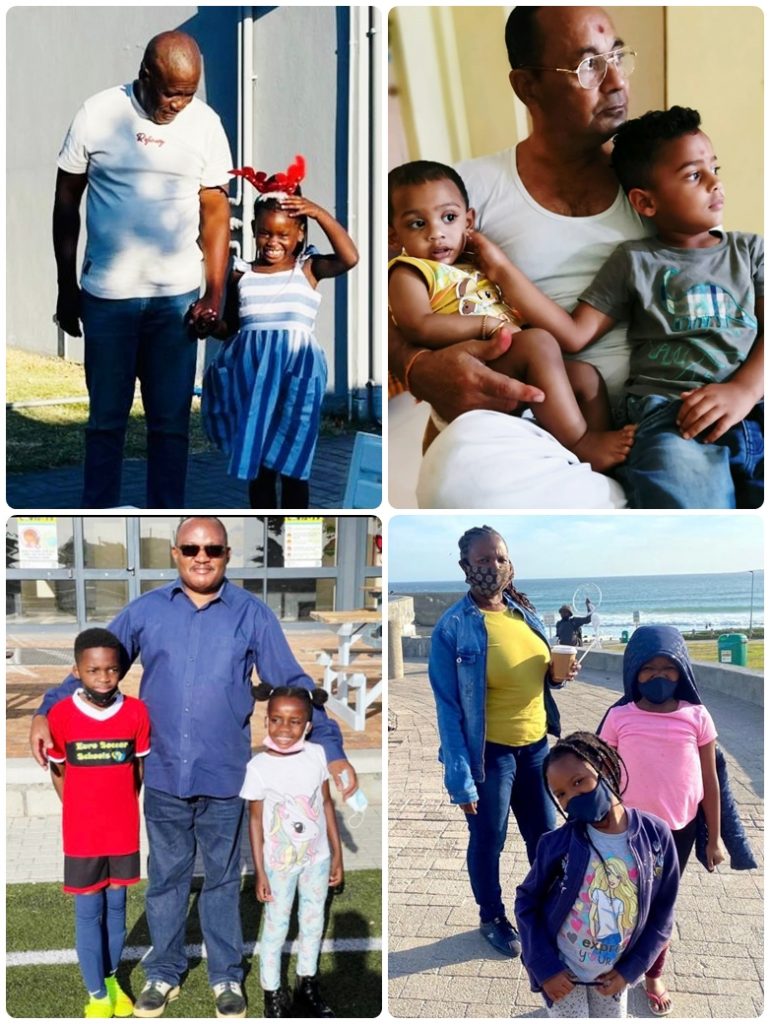
In Year 1 Global Perspectives, we have been learning and talking about what it is like to grow old.
We interviewed my 90-year-old Great Nana in England (Kathleen Mitchell), live in class and the students had the opportunity to ask their own questions.
Young people of this generation can learn a lot from the lives of their elders. The older person has experienced all sorts of dimensions of life and lived through a very different time to how things are now in 2022.
Their lives can be fascinating to hear about and learn from. Some people are very lucky to have grandparents involved in their lives and they can enrich and bring such joy to today’s fast-paced day to day life.
The class will be interviewing and asking questions of the older people in their lives at home and reporting back their findings this week.
Charlotte Cronje
Year 1 Teacher

Read More