
Year 2 Fun In Music Class
Music ignites all areas of child development and skills for school readiness, including intellectual, social-emotional, motor, language, and overall literacy. It helps the body and the mind work together. Exposing children to music during early development helps them learn the sounds and meanings of words.
Because of music:
- I can be a singer
- I can be creative
- I can be smart
- I can be a reader
- I can be active
- I can be a learner
- I can be joyful
- I can be a thinker
- I can be a listener
- I can be a team player
- I can be aware of others
This week our Year 2’s had some fun in Music class with their teacher, Mrs Du Plessis. The students practiced learning some clapped & repeated rhythms and then followed that with playing some of these rhythms on various instruments along with listening to different songs. They also enjoyed identifying various sounds together. The Year 2’s absolutely love going Music class each week – a chance for them to enjoy and express themselves individually whilst still having a great time together as a class.
Siobhan Hendry
Year 2 Teacher

Read More
Support Throughout The Students
“Everyone needs a house to live in, but a supportive family builds a home.” – Anthony Liccione
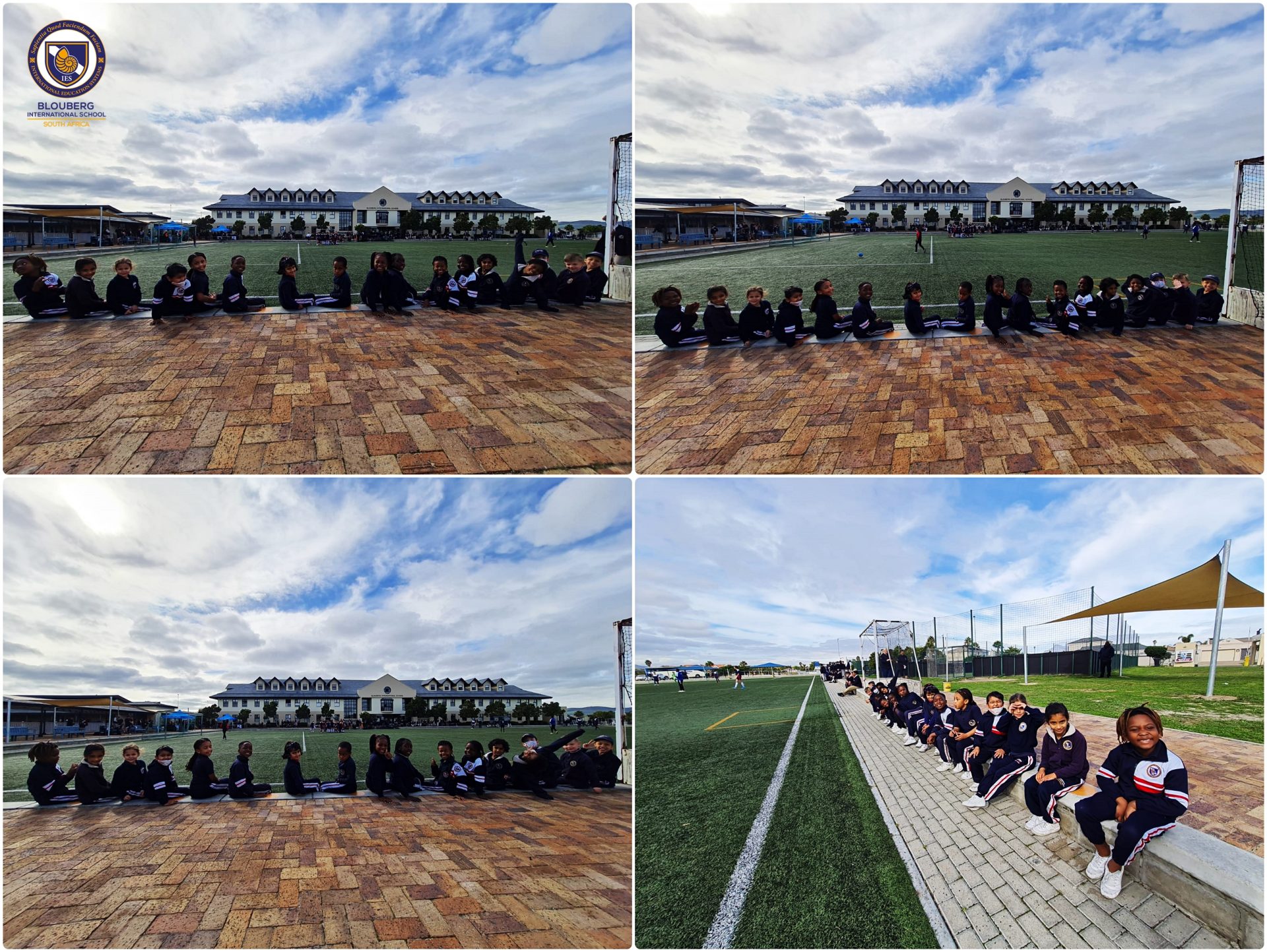
As a Year 1 teacher, I have realised the importance of the younger students participating in supporting the older students in their sports. It is also important for the older students to show their support and provide motivation to the younger students. This support can come in the form of attending sports days, watching and cheering on matches, reading to the younger students to encourage reading and by being good role models for the younger studens. Support such as this, helps to build a passion for sport which will motivate young students to later participate in school sports. This is vital for students when growing up as a team sport can teach students things they cannot learn in a classroom.
I would like to encourage all parents and teachers to motivate students to want to support their fellow peers, from younger age groups to the older age groups.
“It is really important that we promote competitive support in schools. It is very important that we recognise that has to be underpinned by good quality physical education and by getting people into patterns of exercise.” – Sebastian Coe
Year 1 Teacher
Erin Hierse


Read More
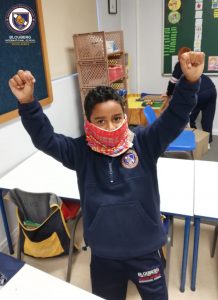
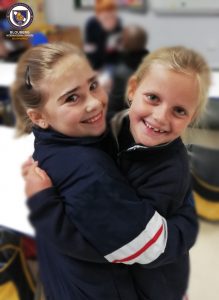
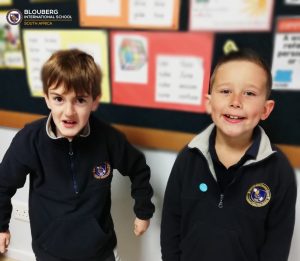
Enthusiasm… Motivation… Excitement
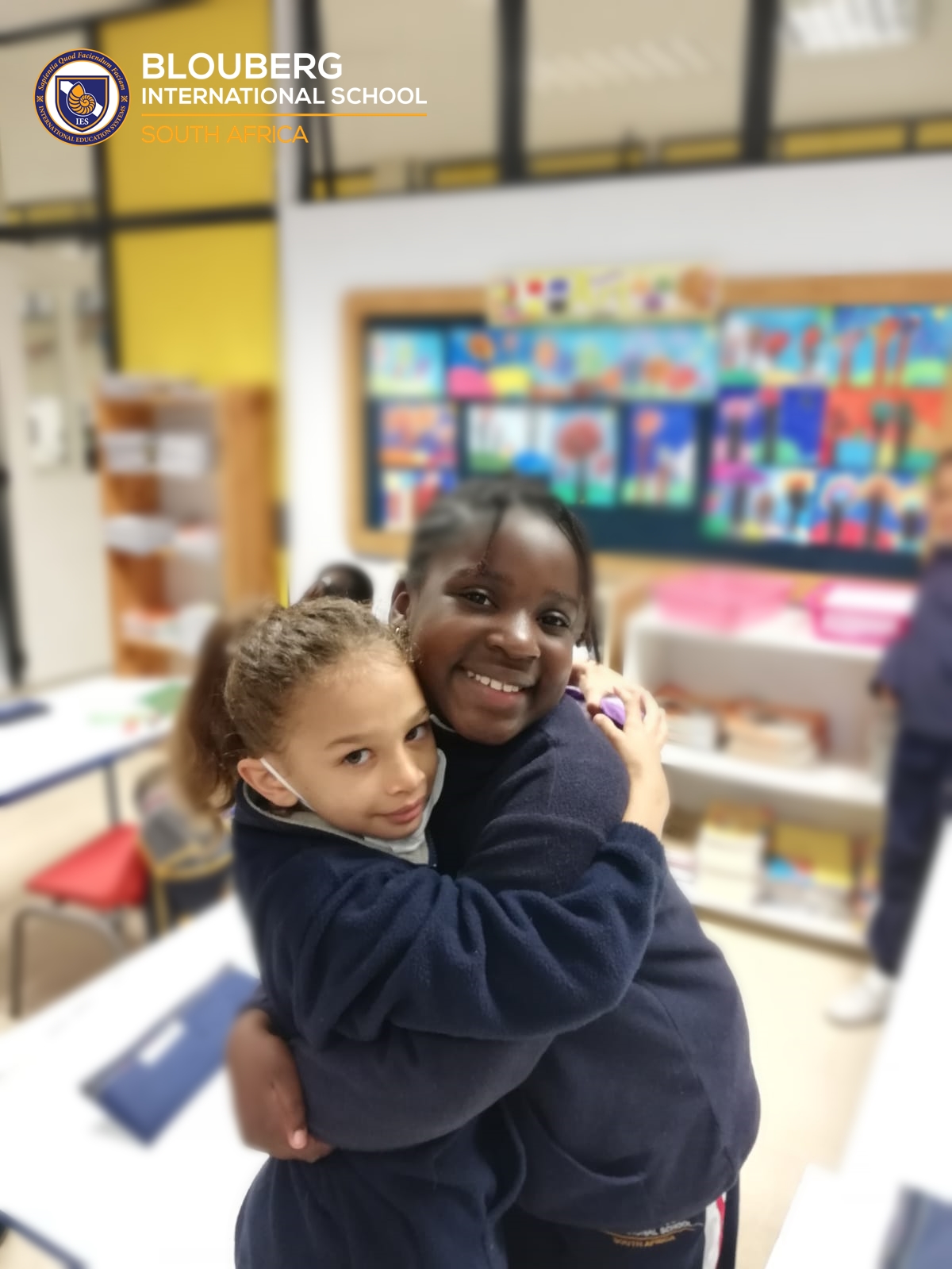
I often wonder why I chose to train for (in my day) kindergarten at the teacher’s training college I attended. I mean, they can be frustrating, tiring with their endless energy, impatient, loud… The list is endless. I am sure that most parents will agree. I am not saying that the other age groups are not without their challenges, but the younger ones?
Then Tuesday, 19 July arrived and it was the beginning of the third term. That was when I remembered why I had chosen to teach this age group. Along with the frustrations, comes their passion for learning, enthusiasm, motivation, boundless hugs and just their absolute honesty: Teacher, you look beautiful, but you are still old.
Quite honestly, with the joy our students bring into our lives every day, I would never ever give this up.
I would like to wish our students, parents and fellow teachers a wonderful third term.
Kim Coetzer
Year 2 Teacher



Read More
Investigating Weight And Mass In Year 1
We have had a fantastic time in Year 1 this last week, introducing weight and mass in some practical lessons.
The students learnt how to use the balance scales to compare the mass of different objects. They discovered that mass is not always related to size. They used mathematical vocabulary to describe their discoveries by using the words ‘heavier’, ‘lighter’, ‘heaviest’, ‘lightest’, ‘the same’ and ‘equal to’. They then explained their reasoning.
We set up a shop in each class and asked the students to work in pairs and “go shop”. They then discussed and compared the mass and weight of different items in the shops. They had a lot of fun learning this concept in Mathematics.
Perhaps next time you take your child to the shops to buy food, you can do some practical weight/mass investigations together!
Charlotte Cronje
Year 1 Teacher


Year 1 Outing To The Science Centre
A visit to the Cape Town Science Center is a highlight for many students. On Tuesday, 7 June the Year 1 students enjoyed the morning at the center.
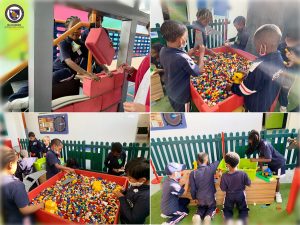
The students were fascinated to see the camera obscura where they saw a 360 view of cape town while sitting inside a dark room. They then enjoyed a lesson about shapes and had to complete a challenging shape sudoku. Working together to build a wall on the construction site was great fun; however when it came time to tidy up the students were not as enthusiastic.
The interactive exhibits allow the students to see how science works in the world around us. Finally, we had the Wizz, Pop, Bang Show, with lots of exciting chemical reactions making fire and sounds and the genie coming out the bottle had everyone enthralled.
The bus ride back to school was quiet and some even fell asleep after a very busy morning.
Here is what some of the students had to say about the Outing:
My favourite part is the … bottle rocket and the lighting box! (Ozioma)
I liked the food table and I liked the bottle rocket. (Leah Koopman)
I saw coloured fire and I saw the camera obscura. (Nathaniel)
I liked building a wall and mommy came with me. (Leah Karstel)
I liked the Lego site and I liked the speaking tubes. (Uche)
Ann Cordner
Year 1 Teacher and Key Stage 1 Coordinator



Read More

Year 2 Word Search Fun!
Word searches for children are available in a variety of themes and age-appropriate versions, which means that there is a word search out there for every type of child. Each word search features a list of words, some of which a child will be familiar with, and some of which will be new. The more a child encounters new words, the bigger his or her vocabulary will grow.
The following are the benefits of a word search:
- Provide hours of fun
- Improves vocabulary
- Improves spelling skills
- Can enhance productivity
- Provide a way for adults and children to bond
- Offers an appropriate way for children to socialize
- Develops problem-solving and pattern-recognition skills
- Nurtures an attitude of persistence
- Provide effective stress relief and working memory
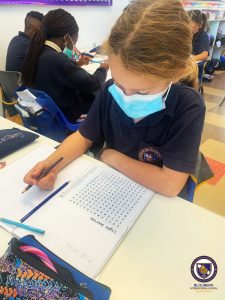
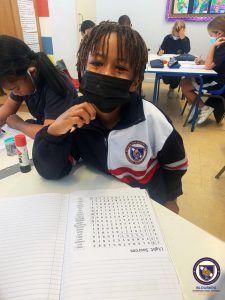
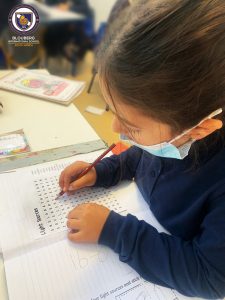
This week our Year 2’s had some fun doing a word search activity in their Science class. For Science this term we have been looking at Light and Dark Sources. We find that this kind of activity is a fun way to learn and also revise what we have learnt as well.
Siobhan Hendry
Year 2 Teacher

Read More
The Importance Of Reading
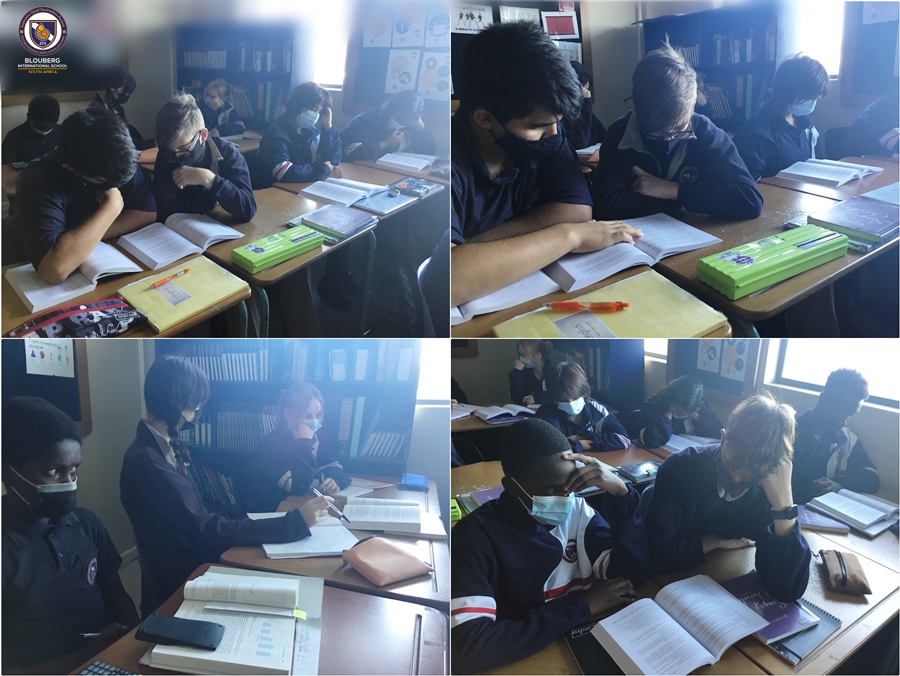
As an English teacher, I am no stranger to reading. I am also no stranger to students trying anything and everything they can to get out of reading. It has become apparent that children nowadays either refuse to read, or they are unaware of just how important reading is.
When I deal with students who are not performing up to standard, I always ask whether that student likes to read. The reason for this is that there is a proven correlation between achievement in English and the enjoyment of reading. This is because reading allows people to see how the language is supposed to be used. It enables one to see how to properly use grammar, how words are supposed to be spelled, how sentences are supposed to be structured, and it allows one to learn brand new words to expand one’s vocabulary.
In addition to reading having academic advantages, it also allows one to be transported into different worlds without even having to leave their couch. It enables the young aspiring adventurer to step into the world of swashbuckling pirates, crime fighting superheroes, or brave soldiers. Reading is an excellent way to broaden the imagination of young dreamers and creatives, as it inspires them to push the boundaries and think outside of the box.
I will forever encourage students to read as much as possible. For the non-reader, I always suggest reading articles or blogs – anything that contains subject matter that is of interest to them. Hate reading, but love soccer? Pick up an autobiography about your favourite soccer player. Can’t stand a novel, but love Science? Grab yourself a National Geographic magazine and read the articles. Reading can be so diverse that even the most stubborn nay-sayers will be tempted to pick something up and read.
In celebration of Book Week, I would like to encourage all our students, staff and parents to pick up a book this week, and immerse yourself in the joys of reading.
Mia Tossel
IGCSE, AS and A Level English Teacher

Read More

End Of Term
As Term 1 comes to an end, we can only reflect on how lucky we were to tackle this term without major disruptions and challenges. We are very fortunate that our programmes and events went as planned during the term. Students and staff were involved in a wide range of events and activities, and we once again enjoyed and celebrated many successes.
As our teachers continue to work hard this week to complete their extensive planning for Term 2, we are optimistic and hopeful that this landscape will continue into next term.
The High School’s academic reports once again testify that our students continue to develop and excel in their learning. The reports reflect the unique and distinctive scope and depth of our curriculum. Over the course of the term, we have received an increasing number of inquiries from parents, mostly for the High School, who hear about the value of a Cambridge education – especially the opportunities that the Cambridge qualification offers to students who want to study at international universities.
Our teachers are committed to building a school of excellence, and therefore, we kindly request that you actively participate in your child’s education. You are invited to contact or visit the school any time you have a question about your child’s progress. We consider it a great privilege and responsibility to be your child’s teachers and we look forward to working with each and every one of you in Term 2.
I trust that this holiday period will be a time of relaxation, family and special moments.
Carmen de Villiers
High School Coordinators


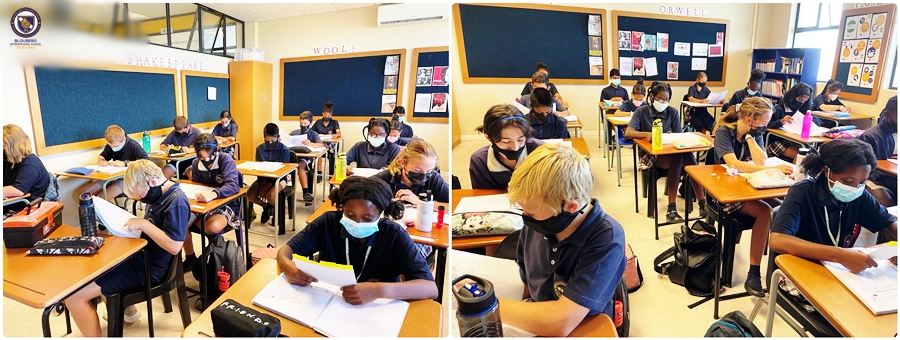
A special photo taken of our High School students after the Founder’s Day go-kart races.
Read More
English
On more than one occasion I have had my students ask me why they need to learn English. As someone who has adapted to the language well since I was young, I never understood what was so challenging about it, until I found the poem below:
We’ll begin with box; the plural is boxes,
But the plural of ox is oxen, not oxes.
One fowl is a goose, and two are called geese,
Yet the plural of moose is never called meese.
You may find a lone mouse or a house full of mice;
But the plural of house is houses, not hice.
The plural of man is always men,
But the plural of pan is never pen.
If I speak of a foot, and you show me two feet,
And I give you a book, would a pair be a beek?
If one is a tooth and a whole set are teeth,
Why shouldn’t two booths be called beeth?
If the singular’s this and the plural is these,
Should the plural of kiss be ever called keese?
We speak of brother and also of brethren,
But though we say mother, we never say methren.
Then the masculine pronouns are he, his, and him;
But imagine the feminine… she, shis, and shim!
English is a language packed with rules, but at the same time has an exception to almost all of them! However, the beauty of the language lies within its sub-context. English allows us to say something without saying it. Imagine if a gentleman still wished ‘to be a glove upon that hand; that [he] may touch that cheek…’ or thought that you ‘doth teach torches to burn bright…’
Although the grammatical rules of the English language is not everyone’s cup of tea, it is the Literature that makes it worth loving.
There are so many words and phrases we use daily which were invented by the great William Shakespeare, that we don’t even realise we are quoting him when we do:
English isn’t an easy language and I understand why some students find it challenging. However, hopefully they won’t feel like they ‘haven’t slept a wink’ if they ever find themselves ‘in a pickle.’
And for those who choose to ‘fight fire with fire’ in English, it is definitely not for the ‘faint hearted’. In their case, they would much prefer to say, ‘what’s done is done,’ to ‘send [English] packing’ and wish it ‘good riddance.’
They may feel that ‘the world is their oyster’ and that they can never have ‘too much of a good thing’.
But in the end, ‘the naked truth’ is that in their ‘heart of hearts’, they know it is ‘a brave new world’ after all, and they can uncover a new love for English once they ‘break the ice.’ Their confusion and frustration will ‘vanish into thin air’, they will escape ‘out of the jaws of death’ and they will come ‘full circle’ in their new appreciation and love for English.
Mia Tossel
IGCSE, AS and A Level English Teacher
Read More

Amazing Presentations!
The process of learning a language not only involves reviewing grammar and vocabulary; it includes trying to understand and acknowledge the culture and traditions of that country in a comprehensive way.
The more you know about these factors the deeper your linguistic immersion will be.
In the case of the Spanish language, it is even more important and relevant due to the diversity within the Spanish speaking countries – 21 countries in total spanning 4 continents (Europe, Africa, North- and South America).
For this reason, the Spanish students at BIS have been learning about the different Spanish speaking countries around the world: Puerto Rico, Argentina, Bolivia, Chile, Colombia, Costa Rica, Cuba, Dominican Republic, Ecuador, El Salvador, Equatorial Guinea, Guatemala, Honduras, Mexico, Nicaragua, Panama, Paraguay, Peru, Spain, Uruguay and Venezuela.
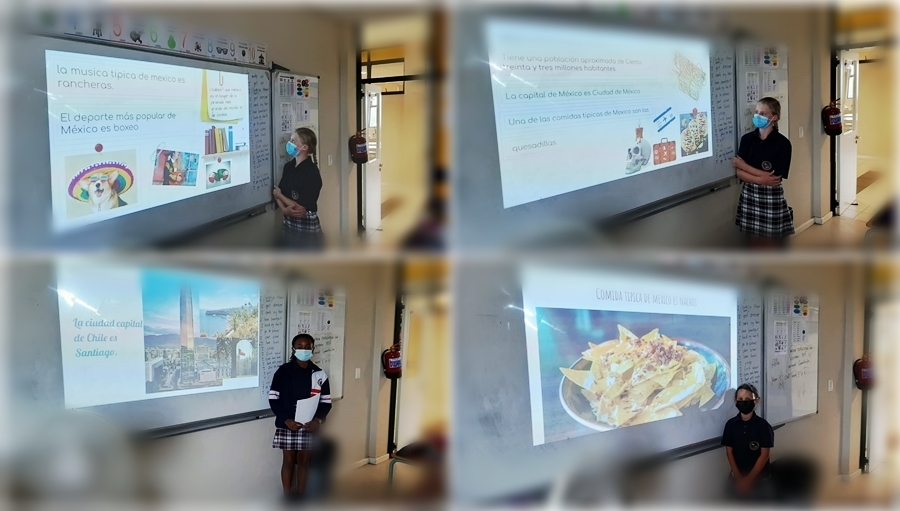
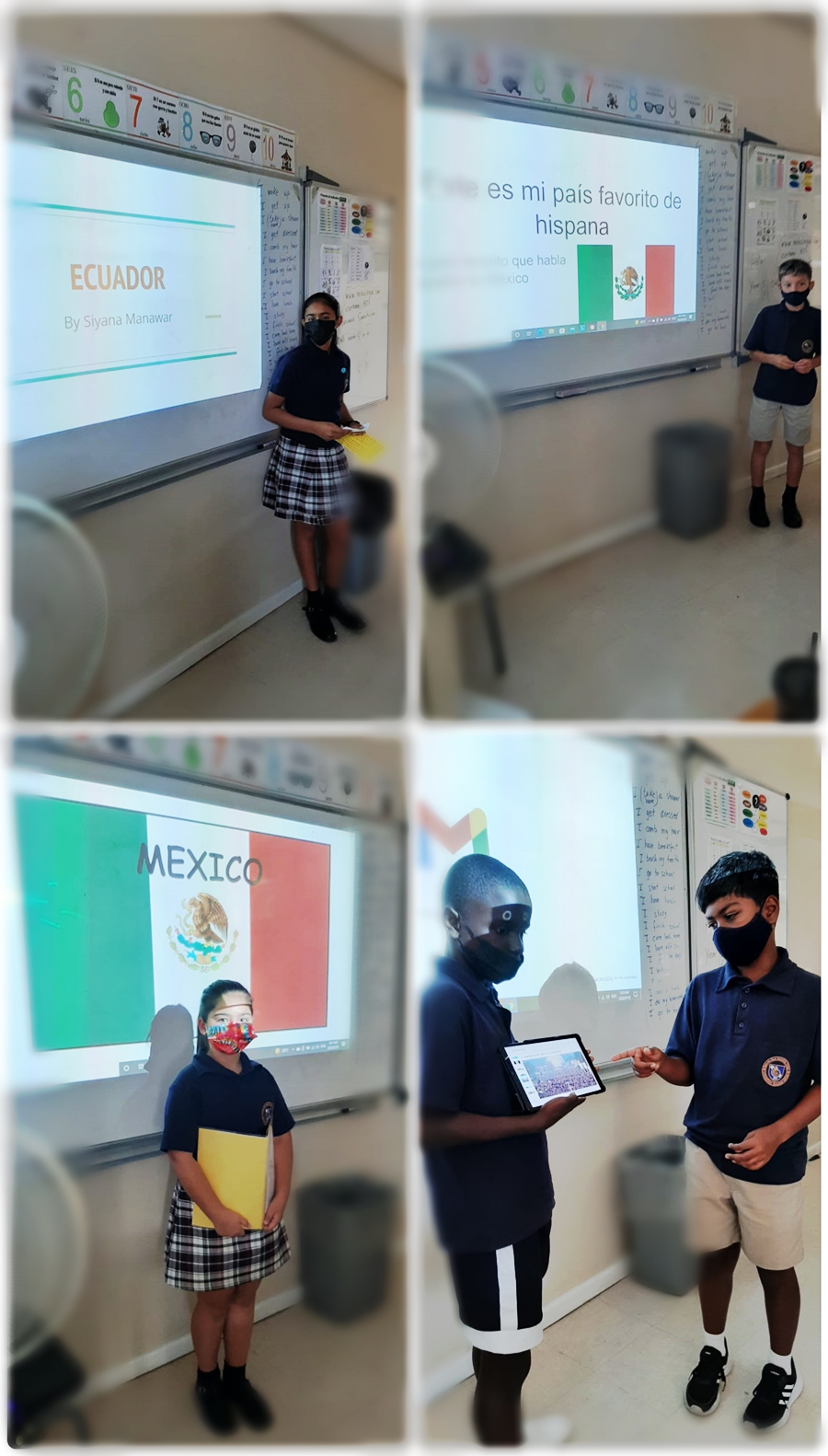
Year 5 and 6 were asked to choose their favorite one, and to do a simple immersion in a variety of topics in the country of their choice.
Some demographic and geographic aspects were discussed during the oral presentations: the capital, total population, identifying the color of the flag and naming the continent that it’s located.
Other, more cultural, aspects were also presented like the typical food and music or the most popular sports.
Finally, they were asked to select two important or relevant people from that country and their profession: the king or the president, a famous actress or actor, a successful singer or a sports figure.
Sharing this information with the whole class enriched the experience and I can’t feel prouder of the outstanding posters and incredible PowerPoint presentation and videos that they were able to put together.
Javier Vidal
Spanish Teacher



Read More