MARHABAN BIKUM FAA MISR (WELCOME TO EGYPT)
Salim walakum. In term four, in some of our subjects, we are covering the topic of Ancient Egypt. This is by far my favourite term of the whole year. Not only because it is the most exciting term, but also I can talk about Ancient Egypt all day, every day. I am certain that my passion around this topic has certainly infected the students in my class. They are even selecting readers in the library around the subject to find out more.
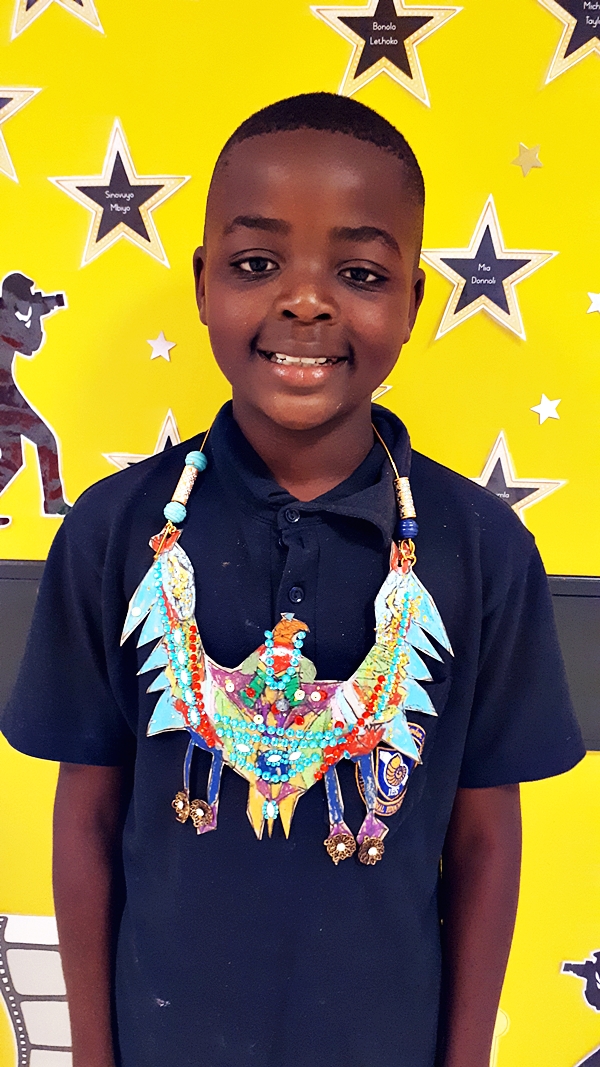
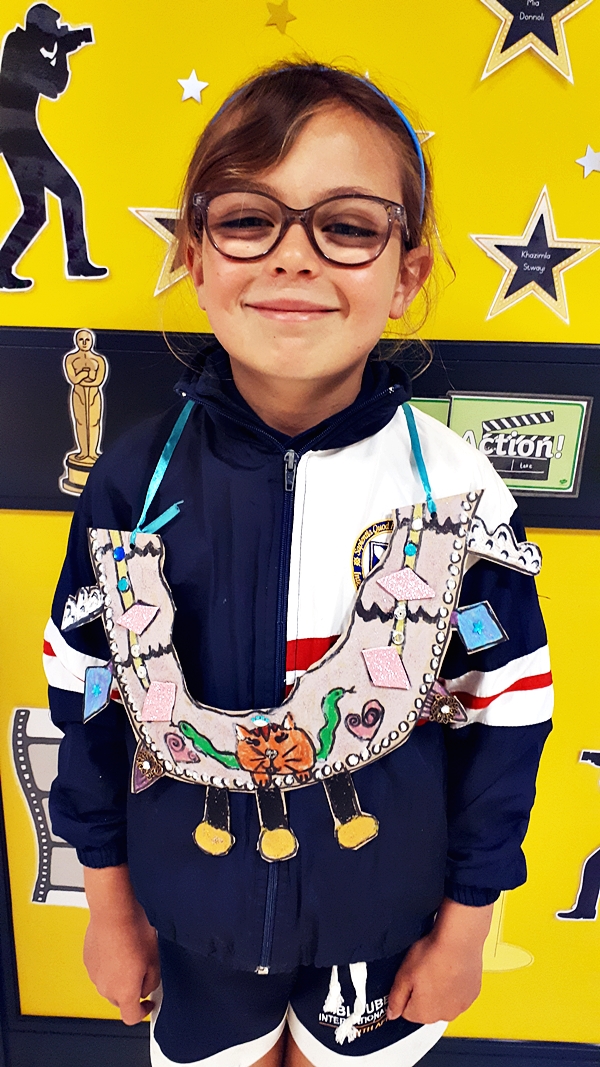
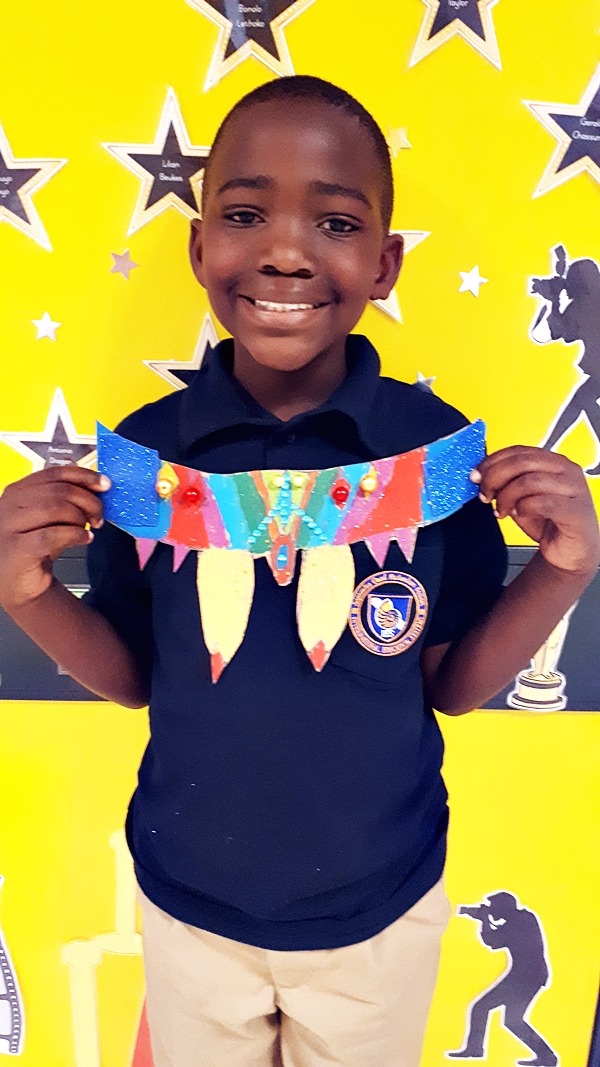
In English, we are reading stories, completing comprehensions and writing sentences about Ancient Egypt. In History and Geography, the students are doing research and completing a poster and presenting an oral using various topics, like Pharaohs, Gods and Goddesses, Mummies, these are only but a few examples. In Art and Design, the students have drawn Ancient Egyptian pots. For the last two weeks, they have been designing Ancient Egyptian necklaces, fit for a Pharaoh.
The Year 3 students spent a lesson drawing and colouring in their necklaces with pastels to brighten up the necklace. They then spent another lesson embellishing their necklaces with old jewellery, beads, sequins and glitter. I have to say, this year’s necklaces have truly outshone previous years. I was so proud of how each child planned their necklace with outmost care and precision, and took the time to ensure that it was their best work. I will leave you to decide which ones are the best!
We are all looking forward to the next Ancient Egyptian project!
Wendy Menton
Year 3 Teacher




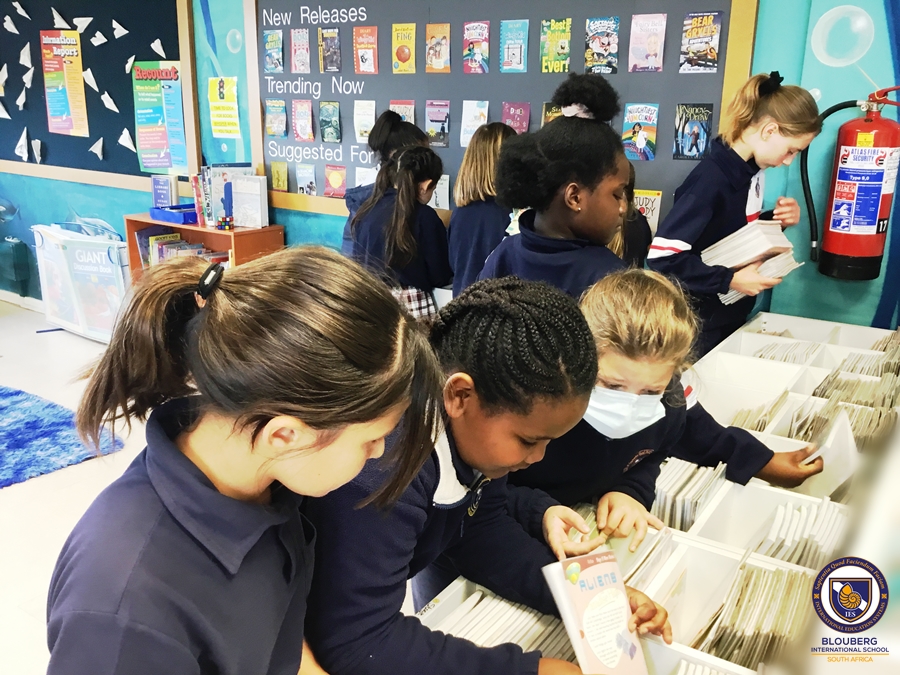
Library Etiquette
Do you still remember the majesty of the Public Libraries that we had to frequent in our youth? The days before internet was a quick fix search. Dewey decimal systems and the smells of old and new books. The librarian peeking at you over her reading glasses as you quietly and carefully walked past her massive counter. The feeling of excitement when you held your first library card. The library was an ocean of possibilities, peacefully beckoning you to crack the spine of a hardcover adventure. Hours were spent finding corners to read in, and making sure you returned your books on time to avoid that dreaded R2 fine. If you were lucky, you didn’t have to take notes by hand, but could make copies of those precious pages before using them for your school projects.
As mystical as the library was, it was also a character forming experience. We all knew the rules, almost as sure as muscle memory. From the moment we walked through those heavy doors, we understood that this was a place of resolute respect and consideration, quietly whispering to one another as we discovered other universes hidden in the pages of classic novels.
I have asked our students during the course of this week if they have visited the local library and not surprisingly, most of them have not. We all know that with the hustle and bustle of this day and age, we rarely have the time for simple pleasures, like visiting our local library. If you do ever find that you have a free morning with your child, then I would like to recommend Milnerton Library to you. The facilities are very well kept, and the staff are knowledgeable and kind. This would be a wonderful introduction to the vast community of libraries that our city has to offer. Proper library use is a vital skill, especially when it comes to the later years of education. Why not set our children up for success sooner rather than later. University and high school notoriously consists of ample amounts of research, and knowing how to effectively utilize the available facilities would be extremely beneficial to our children.
In our very own school library, we have discussed library etiquette this week during our lessons. It almost feels like a lost art and is certainly a worthwhile topic.
We discussed a few of the items below:
- What is the function of a library? We established that the library is one of the few places in society that is completely free. You don’t need to spend money to visit and enjoy the facilities. Being afforded the use of the facilities does come with some responsibility though. The resources are loaned to you in good faith, which makes you accountable for how it is treated and returned. Everyone is welcome in a library as it is a public space, cementing in our minds that education should be fully inclusive and knowledge freely available to all. Libraries can be used to study, do research, read, create awareness and so much more. However, the primary function is the loan and return of books.
- Where do we get our books? The students showed a great sense of understanding that the school library mainly grows through your kind donations, this includes the Birthday Book Programme as well as books that you would like to donate when you are no longer using them. We also discussed the purchasing of resources like our readers; and why we should look after the resources in the library. Some classes even delved into publishing, which is a very interesting topic in its own right.
- General Manners: We explored the rules of libraries and especially our school library. Students were reminded that we enter a library quietly; how to look for books and keep the shelves neat; and, where to return the books and how to check out new books for the week. Our conduct in a library is also extremely important: remembering that one must remain kind, caring and encouraging. If we conduct ourselves with consideration to our fellow library users, everyone will enjoy their experience and continue to benefit from the facilities.
- Returns: We discussed books not being returned and why we should always return our books. We should all have access to the knowledge in the library and if we fail to return our loaned books, the next student will not have access to the material. At this stage there are so many books outstanding at our library, that I would like to ask parents to please check if there are any school library books still at home. Your assistance with this will be greatly appreciated.
It has been such a privilege and a pleasure the last few weeks, getting to know the students even better, sharing stories, reading and brainstorming. I simply can’t wait to see what the future holds for our school library.
Trindade Camara
School Librarian

Read More
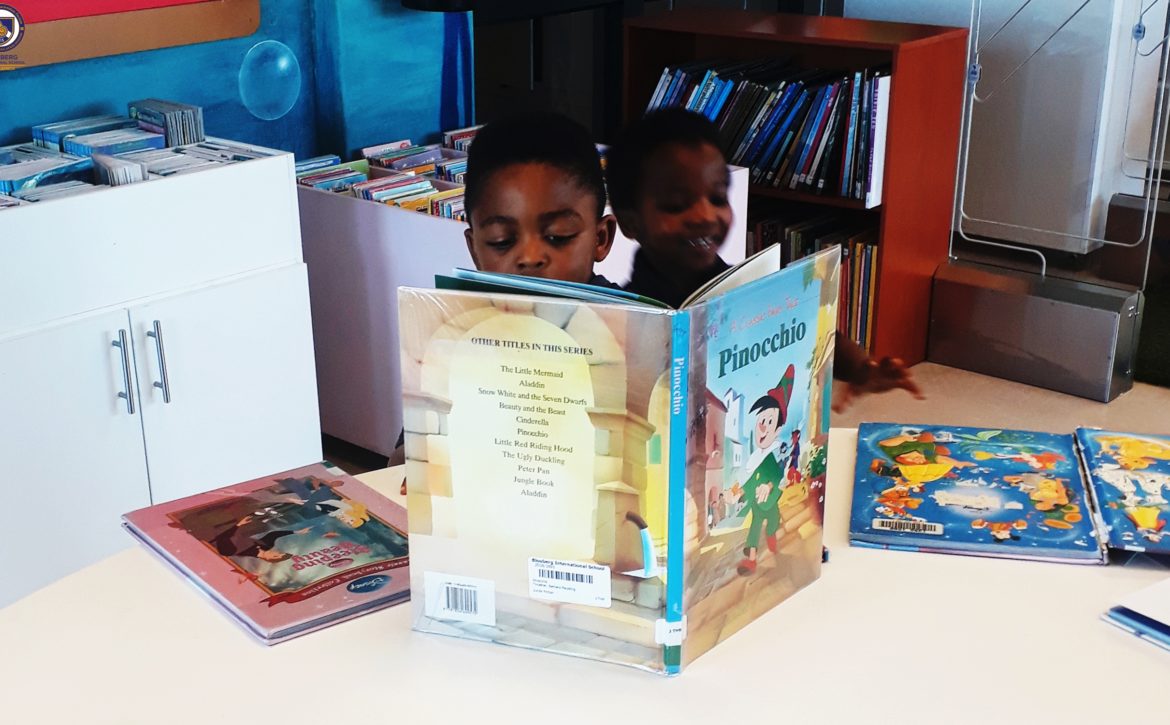
The Library Is A Fairy Tale
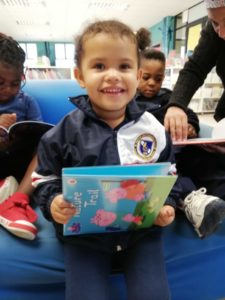
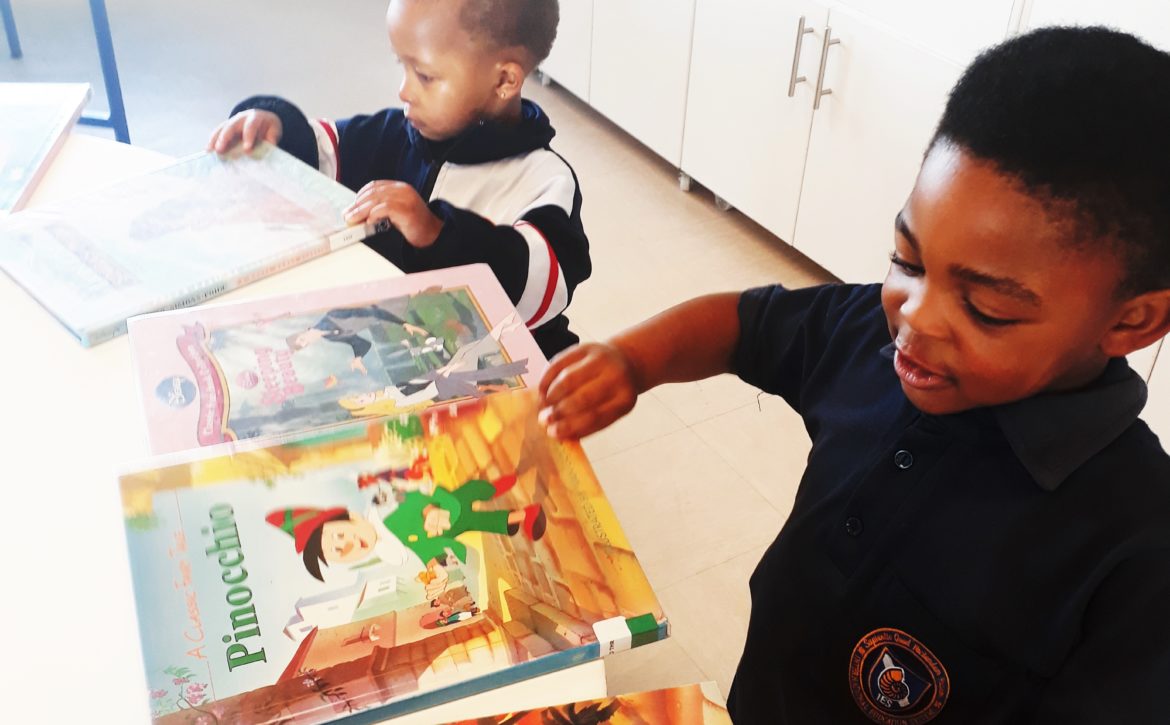
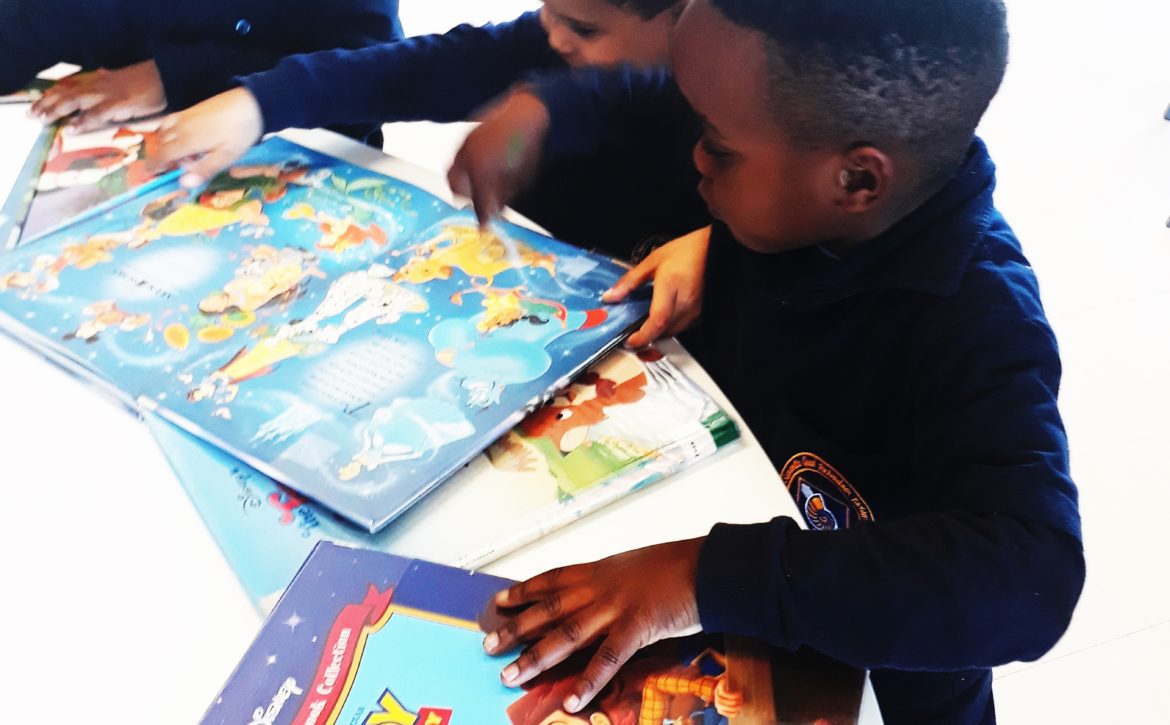
The Nursery had a wonderful time visiting our school’s library this week. We looked at different Fairy tale books such as Bambi, Cinderella, Snow White and Pinocchio just to name a few.
We learned how to look after books and how to not tear the pages. We also learned that we need to be very quiet when visiting the library because other people could be reading.
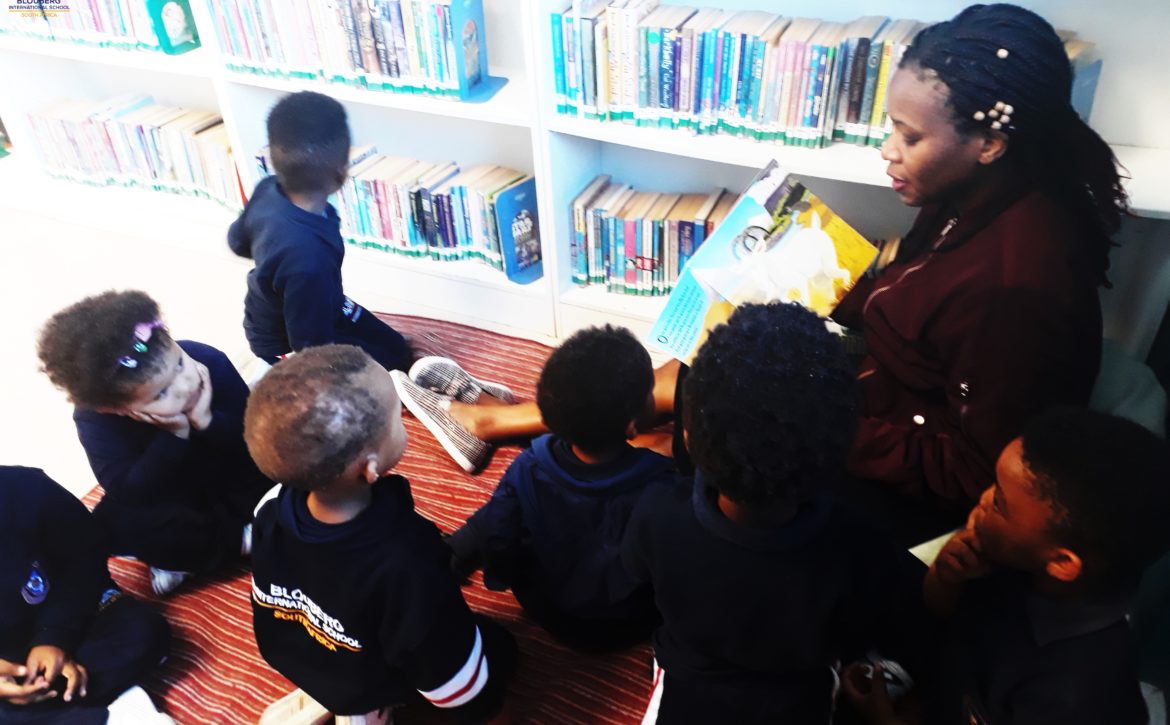
Before we returned to class Mrs M sat down and read us the story “The Billy Goat’s Gruff”. We love listening to her read with such feeling and enthusiasm.
We had so much fun in the Library and cannot wait to learn about and read more Fairy tales soon.
Jacky Billings
Nursery Teacher
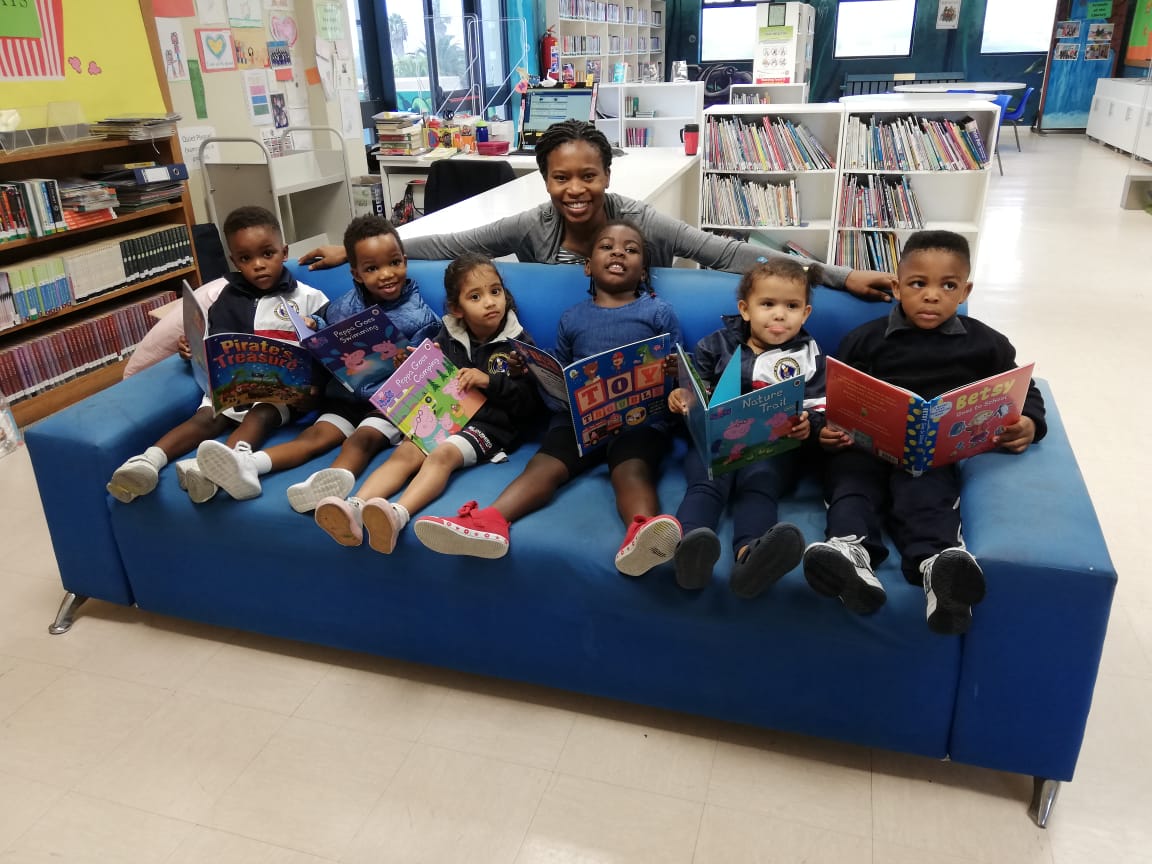
The Nursery visits the school library
“There is more treasure in books than in all the pirate’s loot on Treasure Island.” — Walt Disney
The Nursery had a fun filled day at the school Library. Mrs M showed the little ones around the Library and explained what she does in the Library as the Librarian. She showed the big children’s books and where to find the little children’s books. The children learned how to hold the books and to turn the pages gently. They were very excited to choose their own books and read them. Mrs M sat down with them and read a ‘Peppa Pig’ book out loud. They then went outside and sat on the benches in the outdoor reading corner. They had a wonderful time and we look forward to learning about books and visiting the Library again soon.
Ms Jacky Billings
Nursery Teacher
7 Ways to encourage your child to love books:
1. Start early
Read aloud to your child, starting as soon as your baby is big enough to sit up. A baby might not understand the words you’re saying, but they will benefit from the sound of your voice, colourful pictures and the intimacy of being snuggled in your arms. Make bed-time stories a nightly ritual for toddlers and pre-schoolers, and for older children too, even if they’ve already learned to read to themselves.
2. Provide books, and sing their praises!
Set up a small shelf in your child’s room and fill it with interesting, colourful books. There’s no need to spend a fortune: you can borrow books from friends or your local library, or pick them up in second-hand shops and flea markets. However, encouraging your children to love reading goes beyond merely giving them easy access to books: it’s also important to set an example by praising books, and by showing them how much Mom enjoys reading her own novels, magazines and newspapers.
3. Look after books
A book, no matter how old and tattered, is a gateway into other worlds, and it’s important to encourage children to respect and take care of books. Let your children help you cover treasured books with plastic, and write their names in the front of the books to give them a sense of ownership.
4. Join a library
Visit your local library and apply for children’s borrowers’ cards. Encourage the kids to explore the library, to select their own books and to check them out themselves, which will help inspire independence. Then schedule a visit to the library every few weeks – this is a great way to spend quality time with your little ones.
5. Talk about books
Show an interest in what your children are reading, and encourage them to discuss the books they’re enjoying. Family dinners are an excellent opportunity to open a conversation about reading and stories, and to share interesting facts from novels and reference books. Ask questions about the story while reading to your child. Involving them in the story will make them more excited to read along.
6. Help them find the right books
Once a child has found a book she adores, she’ll want to explore more stories by the same author, or books that have similar themes. Ask your librarian for recommendations, or use the Internet to research lists of books that are adored by children across the world.
7. Let them read what they want
Although it’s important to choose age-appropriate reading material for kids, and to keep unsuitable adult books out of reach, it’s also wise to offer no judgments when it comes to children’s choices. Reading a comic, for example, is better than not reading at all. It doesn’t matter how many times a child re-reads a beloved novel, or if your son sticks only to stories about soccer, or if you think a book sounds dull. As reading skills develop and the children enter the teenage and adult years, they’ll move on to a whole new world of new and interesting topics: science fiction, fantasy, poetry, biography and so many more.
Tips Credit: http://nutriday.co.za/7-ways-to-encourage-your-kids-to-read/