
CREATIVE WRITING
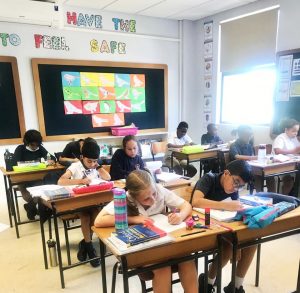
The Year 4’s have been expanding their creative writing skills by working on descriptive introduction paragraphs to a fantasy story.
Mrs. Mahomed’s students have excitedly taken up the challenge and have created some fantastic introduction paragraphs that will leave you wanting to hear the rest of the story.
“The sky was all shades of purple and pink. The wind was pumping. Cassie, a little eight-year-old girl was walking outside in her garden when she came across a seemingly endless tunnel, it was made of what was thought to be trees. The trees were alive, they had a mind of their own and they were muttering. Just then the wind started to blow so hard that it almost blew Cassie away while her long blonde hair and baby blue dressed swayed in the wind too. Just then, Cassie heard a voice calling her from the tunnel.”
Written by Isabella Heidmann (Y4NM)
“It was a Winter’s morning when suddenly a figure dashed passed the window. I barely recognized what it could be but I do remember it was misty blue in colour and had large wings. A strong and glorious body with magical snowflakes that dazzled from it. Wherever it went Winter followed. It almost looked like a dragon. Its body was covered in sharp icicles. It was truly a magnificent sight and I wish I could see the dragon one more time.”
Written by Sachin Gramoney (Y4NM)
“Long long ago in the midst of time there lives a dragon, a quite small dragon. It lives in the bone chilling Winter months where freezing winds howl through the night and snow falls through the day. The dragon sleeps through the warm months and is awaken on the first day of Winter. Today is that day! He comes out into the fridged world and spreads his large wings to fly.”
Written by Eshwar Mudaly-Jansen (Y4NM)
“It was a dim and cloudy night in the city, a huge shadow had appeared out of nowhere. “A dragon!” shouted a civilian in fear. It had blazed through the big tall buildings of the city, crushing and wrecking everything in sight.”
Written by Caleb Ajayi (Y4NM)
“I am going to tell you a tale about the snowflake dragon. You see, deep in the snow forest where cold breezes and heavy snow storms live you will find the snowflake dragon. Don’t go there unless you dare. There’s poisonous snow snakes and wild wolves. It is dangerous everywhere. The wolf’s breath is as cold as dried ice and he breathes hot snow. When you get caught in his breath you will disintegrate.”
Written by Chloe Stewe (Y4NM)

Read More
MARHABAN BIKUM FAA MISR (WELCOME TO EGYPT)
Salim walakum. In term four, in some of our subjects, we are covering the topic of Ancient Egypt. This is by far my favourite term of the whole year. Not only because it is the most exciting term, but also I can talk about Ancient Egypt all day, every day. I am certain that my passion around this topic has certainly infected the students in my class. They are even selecting readers in the library around the subject to find out more.
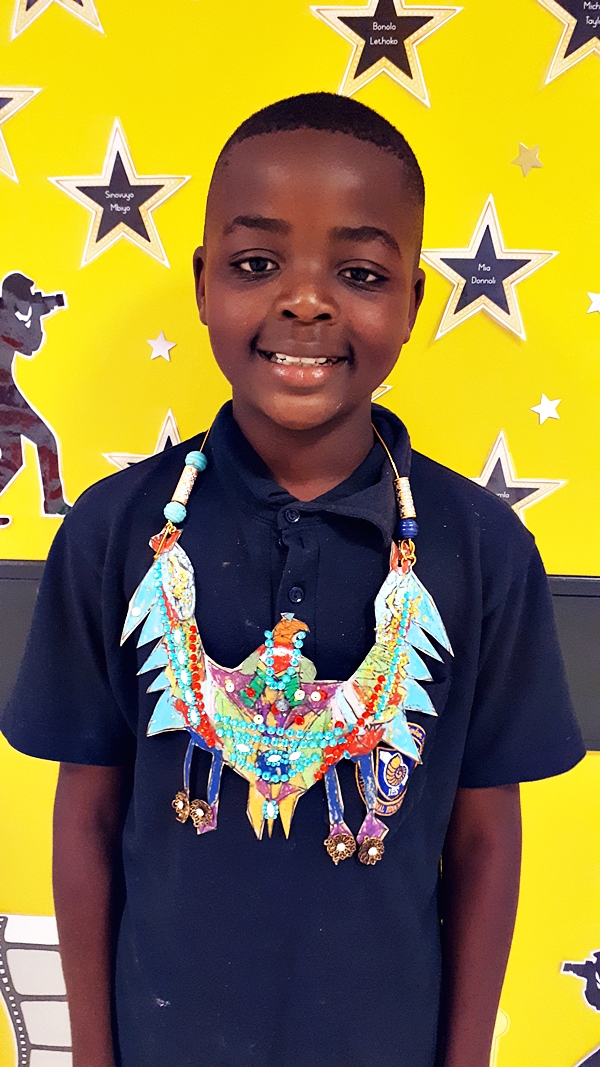
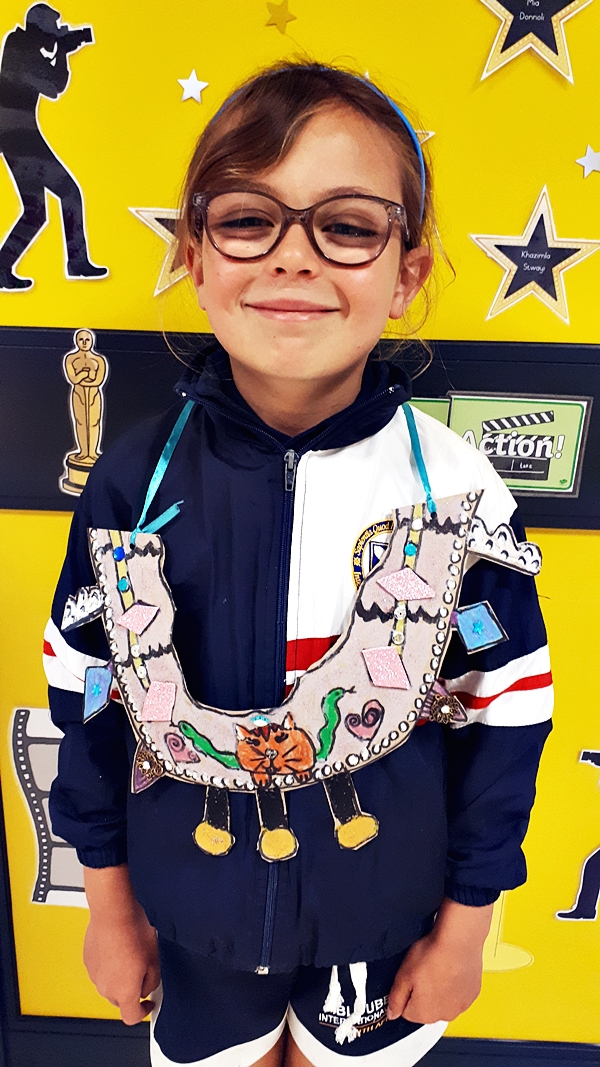
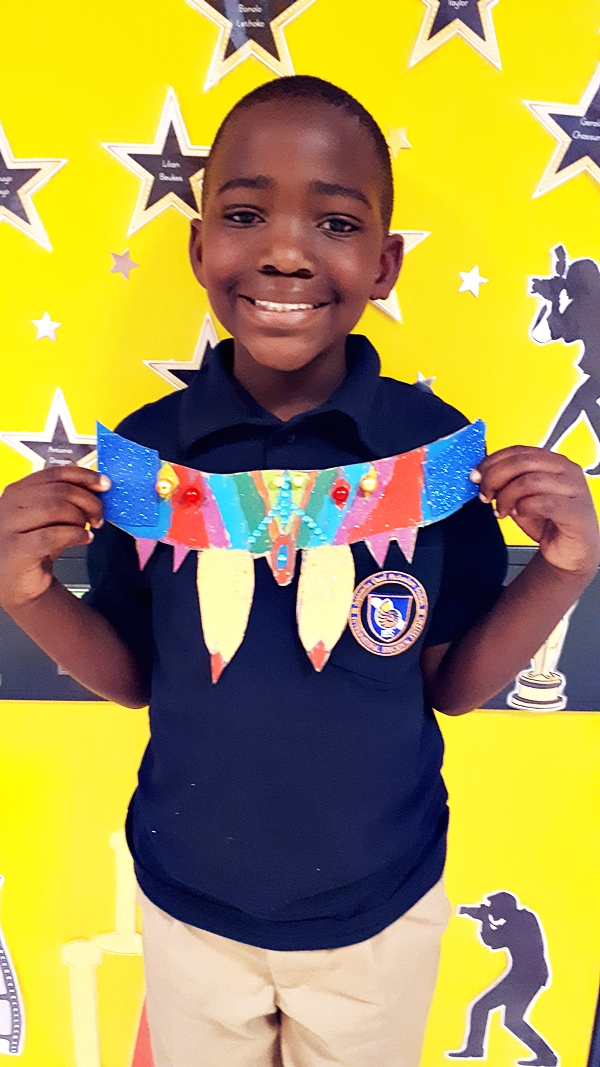
In English, we are reading stories, completing comprehensions and writing sentences about Ancient Egypt. In History and Geography, the students are doing research and completing a poster and presenting an oral using various topics, like Pharaohs, Gods and Goddesses, Mummies, these are only but a few examples. In Art and Design, the students have drawn Ancient Egyptian pots. For the last two weeks, they have been designing Ancient Egyptian necklaces, fit for a Pharaoh.
The Year 3 students spent a lesson drawing and colouring in their necklaces with pastels to brighten up the necklace. They then spent another lesson embellishing their necklaces with old jewellery, beads, sequins and glitter. I have to say, this year’s necklaces have truly outshone previous years. I was so proud of how each child planned their necklace with outmost care and precision, and took the time to ensure that it was their best work. I will leave you to decide which ones are the best!
We are all looking forward to the next Ancient Egyptian project!
Wendy Menton
Year 3 Teacher




Convincing Careers
Year 5s started with a new topic in Global Perspectives for Term 4, called Will a Robot Do My Job?
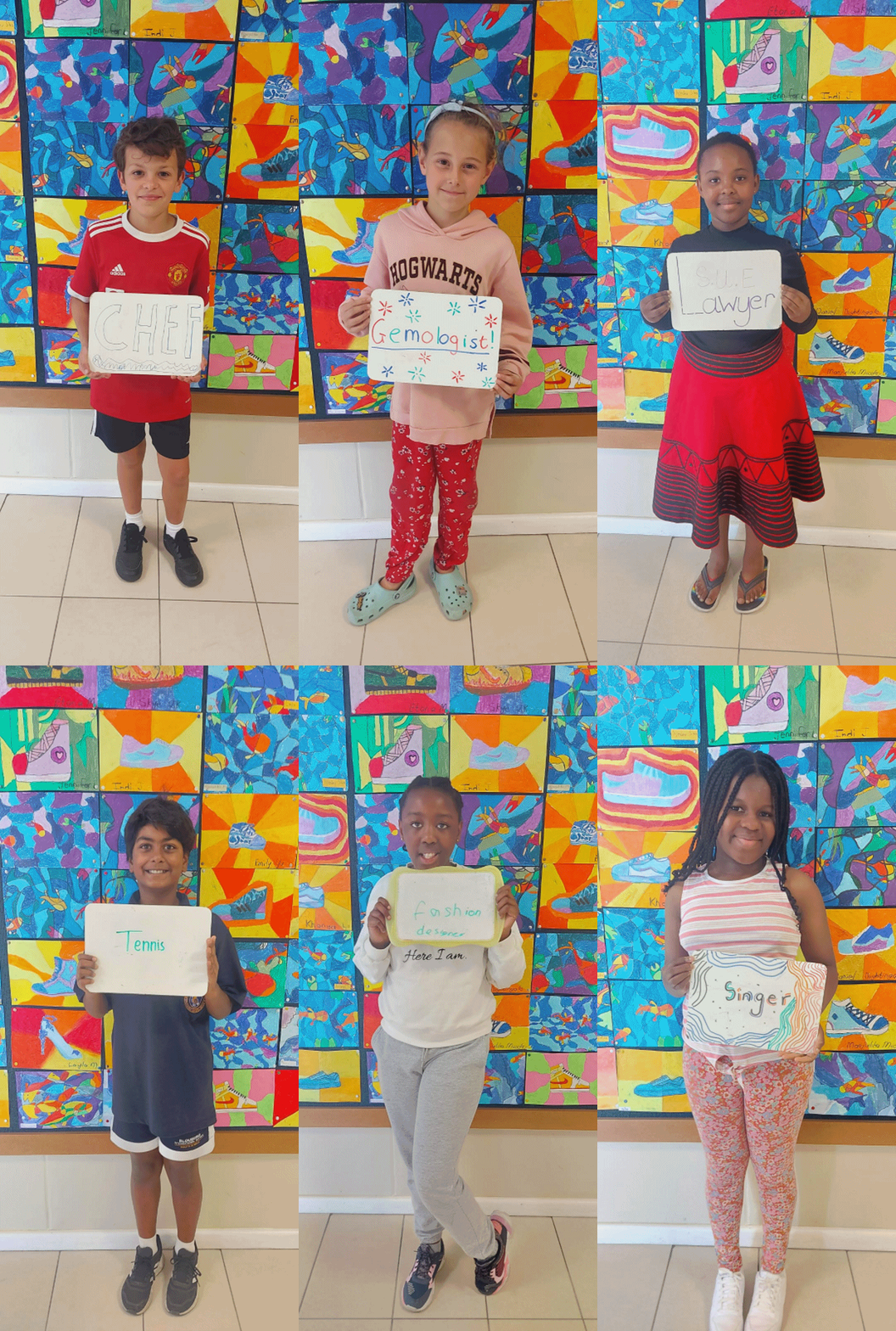
Students had to identify the career that they would most like to pursue as an adult, giving reasons for their choice. They had to use a KWL chart to help them think about the career they have chosen:
- K – They started by completing the “What I know” column with any information that they already have about their chosen career (for example: the skills and knowledge they think are needed to do the job, and any qualities that are required).
- W – Students then completed the “‘What I want to find out’ column with any questions about their chosen job that they want to find the answers to. They shared their questions with other students in groups, and discussed where they might be able to find the answers.
- L – We will research these questions during the next lesson and complete the “What I’ve learned” column.
As we continue with this unit, the students will also have to come up with convincing arguments as to why or why not a robot will be able to take over their job one day.
“The only way to do great work is to LOVE what you do.” – Steve Jobs
Take a look at the exciting careers some of our students would like to pursue one day!
Ria du Plessis
Year 5 Coordinator
Read More
Year 6 – Term 3 At a Glance
Our year 6 students enjoyed an exciting and adventurous term. Throughout the term, the students broadened their knowledge by learning about fractions, circuits, ecosystems and more. They developed insight into the educational struggles of others around the world through the inspirational story of Malala and got a taste of entrepreneurship by designing and creating products from sustainable materials.
During our insightful skills periods, the students became aware of good online conduct and how to use social media in a positive manner.
As the year 6 students will become the leaders of tomorrow, they went on camp at Bonamanzi. Not only did they learn to become independent, but also discovered which qualities are vital to be a good and influential leader.
Tired does not even begin to explain how they felt after they returned from camp. They went river rafting, created flags, competed in various group activities and went night walking, where they discovered scorpions, as well as the importance of covering your legs to avoid pesky ticks. Snacking was of utmost importance – who knew that 11-year-old students could eat so much!
The students also came into personal contact with the wild side of camping, with mosquitoes that must’ve originated in the Jurassic era, big and sneaky, causing them to all return home, looking like they might have the plague – they definitely would’ve made quite an impact on dot day! Poor Miss Nel injured her foot while running, having to hop along after the students as they ventured out and about.
Ending the term on a high note, the students hosted their very first student led conference. During this conference, the students chose which work they were most proud of during the term and presented it to their parents themselves. They were able to explain to their parents what they had learnt during the term, as well as how they improved and what they found interesting. Both the students and the parents thoroughly enjoyed this special bonding time together.
As another term ends, the year 6 students will definitely be able to tick off a few things from their bucket lists – yes, pun intended.
Rochelle Oosthuizen
Year 6 Teacher





Read More
Keep Calm And Create A Calm Space
Emotions play such an important role in our lives. It helps us to think and behave in certain ways. They help us to build relationships, avoid or resolve conflicts better. Emotions help us make decisions for the future and helps us cope with what we are dealing with during the day.
We start feeling emotions from when we are little, and as we grow and mature, we learn how to identify them far better and hopefully become more skilled in how to express them appropriately. With practise we get better at understanding what we are feeling and why.
Just for a moment, think about what you did today versus what you did yesterday. Did different emotions on different days, allow you to behave in different ways? Are you more tolerant today than you were yesterday? Have you smiled more today than yesterday? Have you made some rash decisions based on how you were feeling? Have you made the best decisions you could have made so far this year?
Emotions can last for a second or for an hour. They change constantly throughout our day. Emotions are part of a person’s character. Without them we would be robots.
We read emotions from facial expressions, body language, hand gestures, tone of voice and even eyes. Notice the feel of a handshake, a hug or a touch. These are many cues that help us to pick up on someone’s emotional wellbeing.
Many adults today find it difficult to identify what it is they are really feeling, let alone be able to express their emotions appropriately. Am I angry or just irritated? Am I happy or just proud? There are so many emotions that are closely linked and can be misunderstood. There are so many different emotions that sometimes it can be impossible to recognise them all. It can also be very confusing and extremely challenging.
Being able to accept what you are feeling allows you to become more self-aware and self-compassionate. I know this can sound all airy-fairy, but being able to have a good emotional intelligence, to me, is far better that having a good IQ. This will help you in all aspects of life, in the workplace and in relationships that you build along the way.
Using a feelings wheel helps us to open up our feeling’s vocabulary and learn to understand the extent of them a lot better. Once you have used the feelings wheel for some time, you won’t need to go back and look up what the feeling is, you will identify it straightaway.
There are many students today that need assistance with feelings and emotions, and need to learn some healthy strategies to overcome or face them head-on.
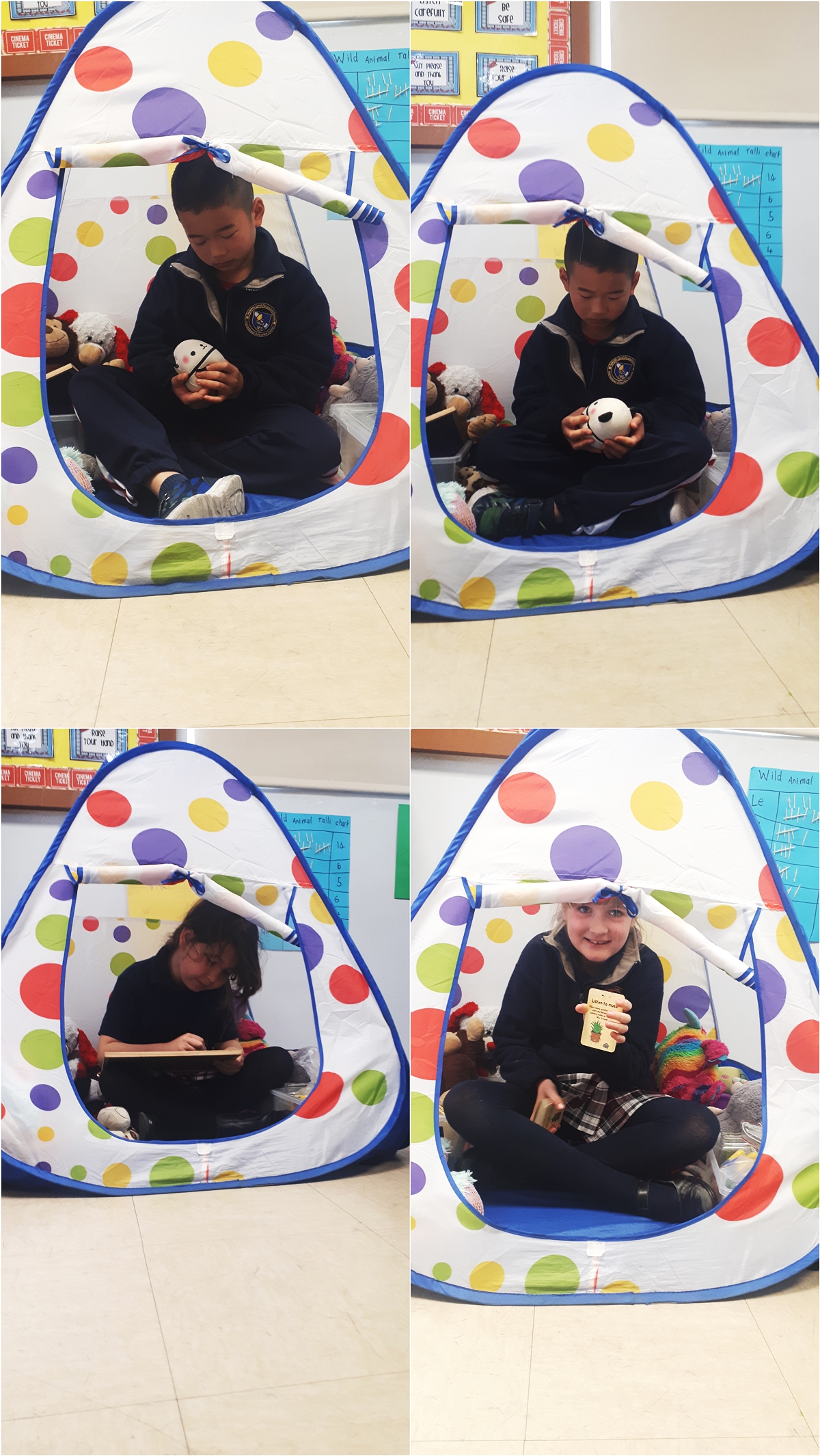
I have a number of feelings wheels and charts around my class to help my students with their emotions. I have a dedicated calm space for my students to retreat to whenever they feel overwhelmed or need a place to ‘check in’ with themselves.
You can create a calm space in your own home for your children, or even for yourself. When children see that you use the space, it allows them to realise that we, as adults, also have emotions and sometimes need to refocus and recentre.
This calm space is different to a time-out space for consequences. It is a place of safety. Children are not to be sent there by a parent, rather it must be a child’s choice to go there. You can suggest it, but it should not be enforced. This space does not have a time limit.
Decide as a family, where this calm space will be. Decorate it together if that’s something that they might like. You can even give the space a name.
Leave them alone in their space to reflect, to let out some anger or other emotions. Try not hover around them or speak to them. Allow them this time to be on their own.
You can include some calming tools in your calm space to help them with self-regulation. Some good ideas are therapy putty or a stress ball to squeeze, a liquid timer or a glitter jar to look at, books to read about emotions, calming cards or positive thinking cards, a teddy bear, or some simple calming toys, such as a Rubik’s cube, that keep their minds busy. Some nice, calming smells can help too. I use lavender in my class, and my students love rubbing it onto their temples. This relaxes them completely. Believe me, I have used it several times!
Embrace your emotions, and talk about them with your family, your friends, your colleagues. The more we accept that we have them and that they are a normal part of our lives, the more skilled we will become, and your EQ will be what people talk about instead of your IQ.
Wendy Menton
Year 3 Teacher

Read More
Auto Museum Outing
To fully appreciate the future, we need to appreciate the past.
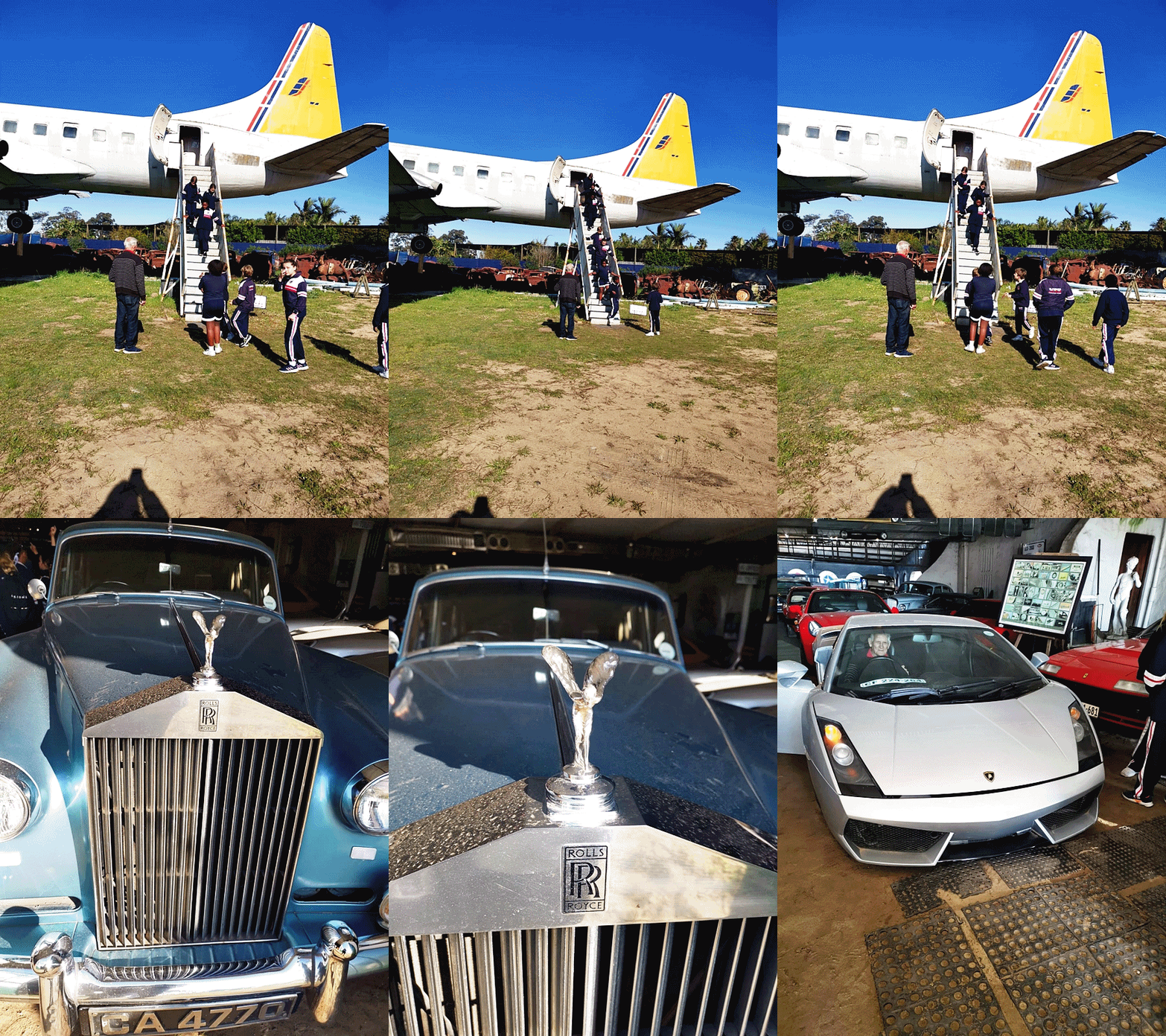
Our Year 4 classes visited the Wijnland Auto Museum in Joostenberg vlakte, as part of the Transportation unit that we have been studying in History.
Throughout the term, we have investigated the various types of transport, how transport has evolved over time and the importance of the different modes of transportation.
During our visit to the museum, the students learned about cars and how the design and technology has changed over the years. We saw various amazing antique cars, army tanks and even went inside an old passenger airplane.
We cannot wait to discuss this topic further in class.
Yvette Fourie
Year 4 Teacher

Read More

From The Arts & Crafts Club
The Arts & Crafts club was launched at the beginning of the year and has proven to be very popular with the students in KS2. We have 2 groups meeting on a Tuesday afternoon. The Year 3 & 4’s with Mrs Goch and the Year 5 & 6’s with Frau Pani.
The students have learnt that art is not instant and takes some planning and many hours to complete. It is a process that takes time and some practice too.
Some of the different medias we have discovered this year include:
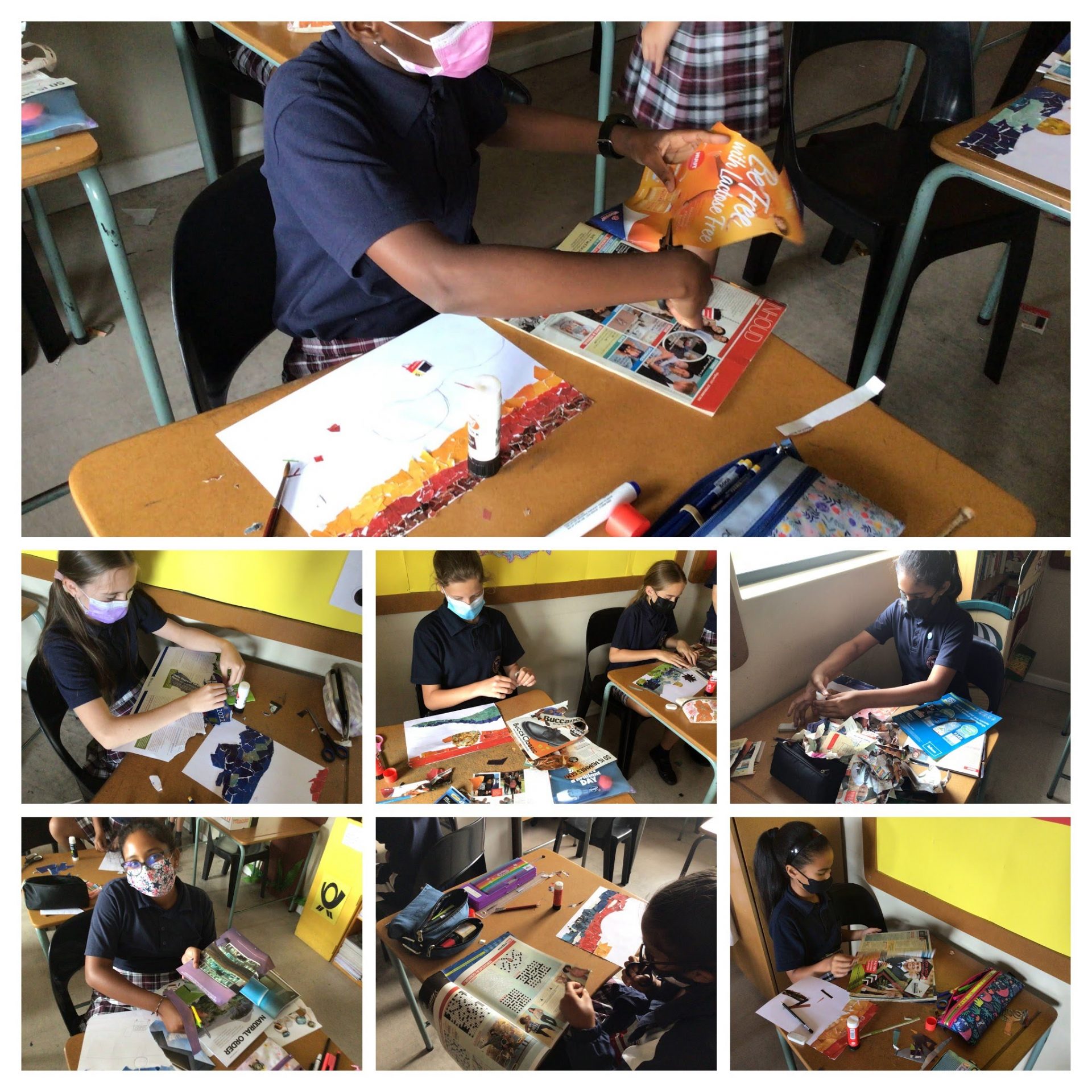
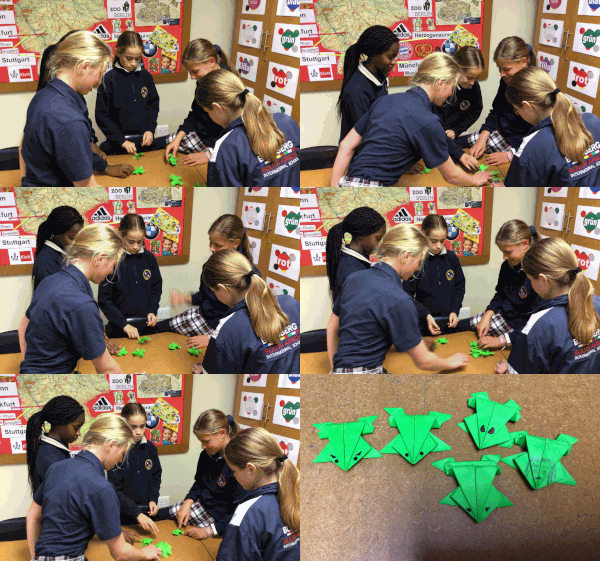
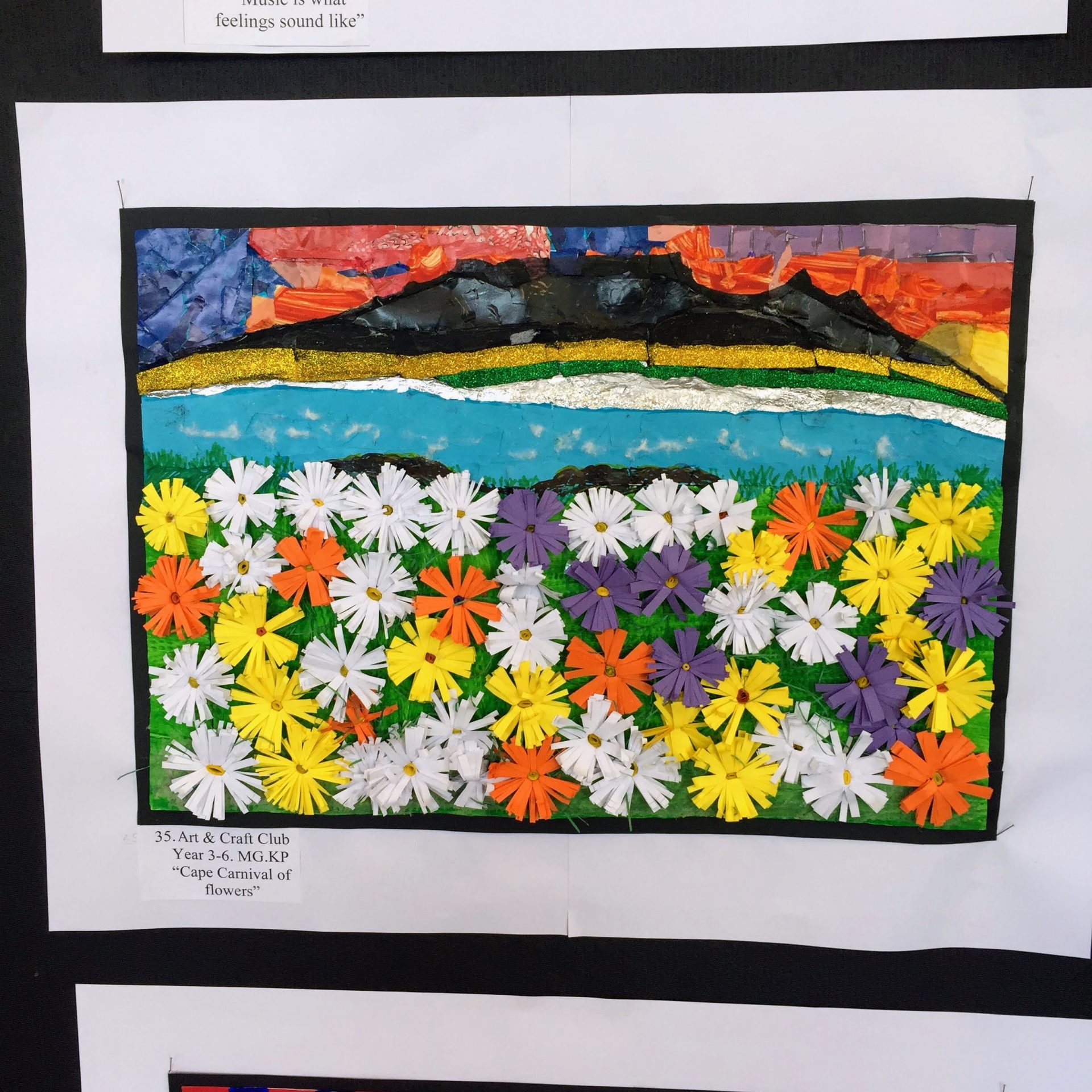
– Paper- We have made sunset collages, paper flowers for the collaborative Art Auction display and simple origami frogs that can jump.
– Sketching- simple line art and sketching beautiful and expressive owls.
– Coffee granules and water- to paint a picture with a difference.
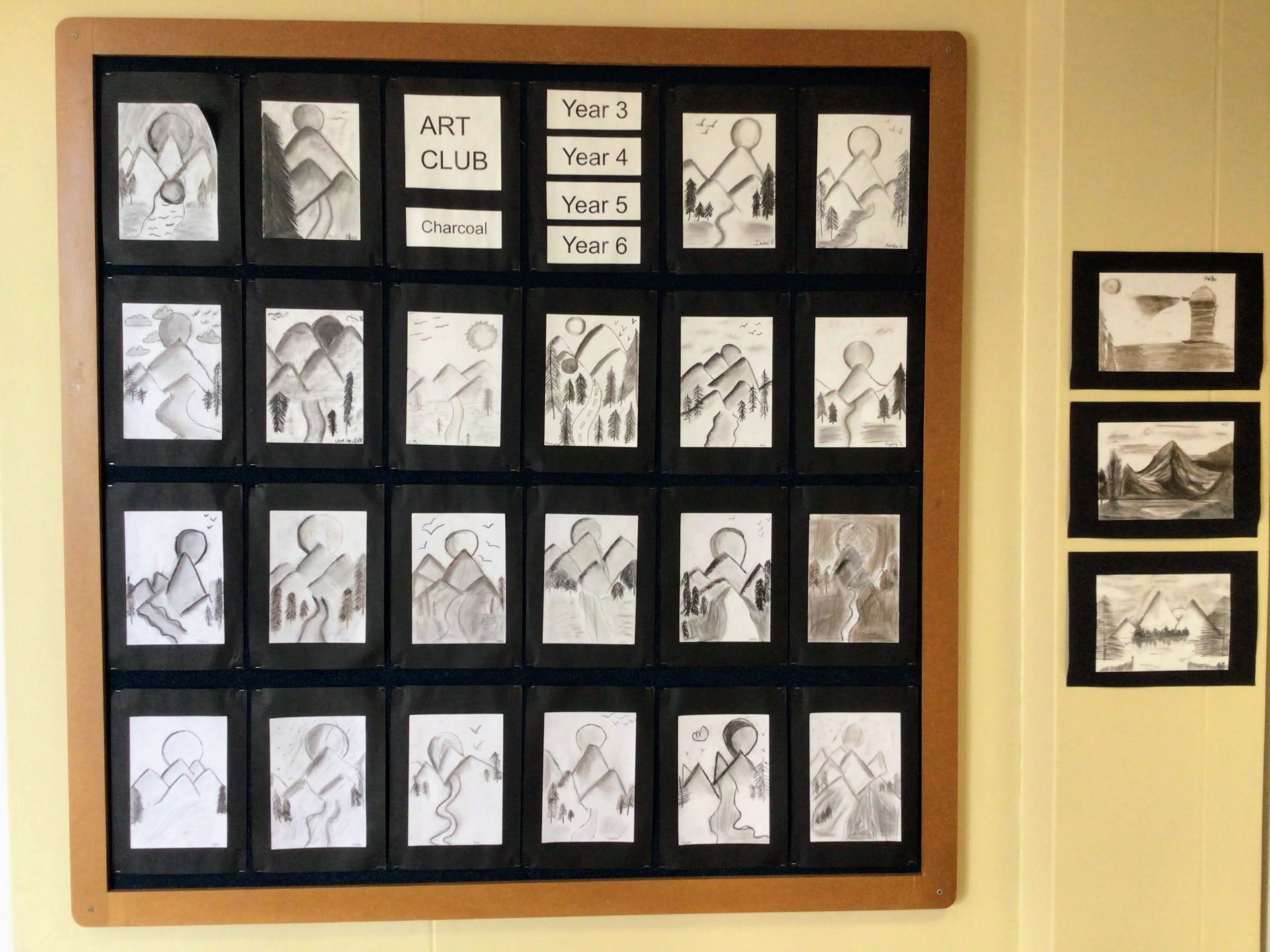
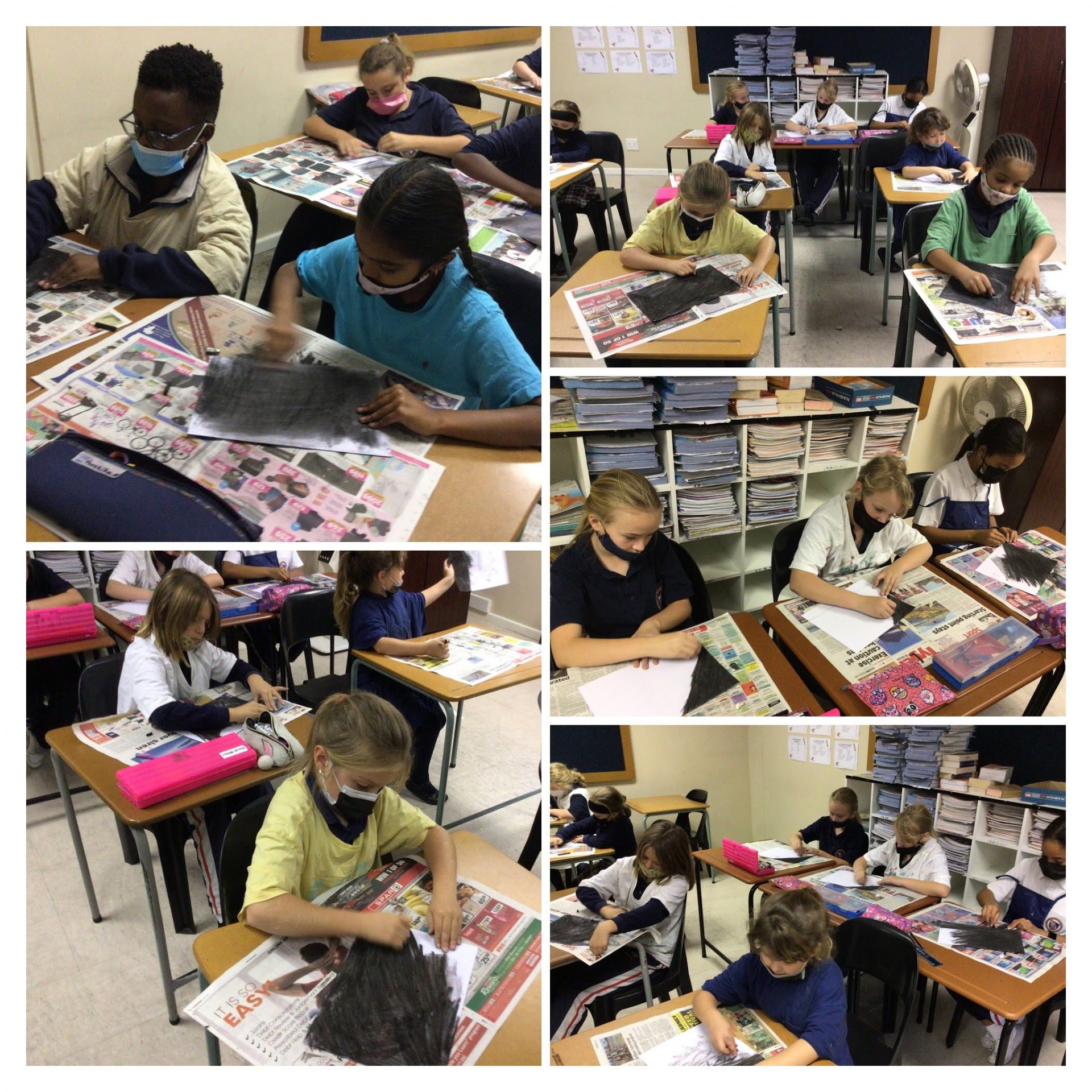
– Charcoal- for most students this was a new medium and we first explored ways to use the charcoal and then we created striking landscapes.
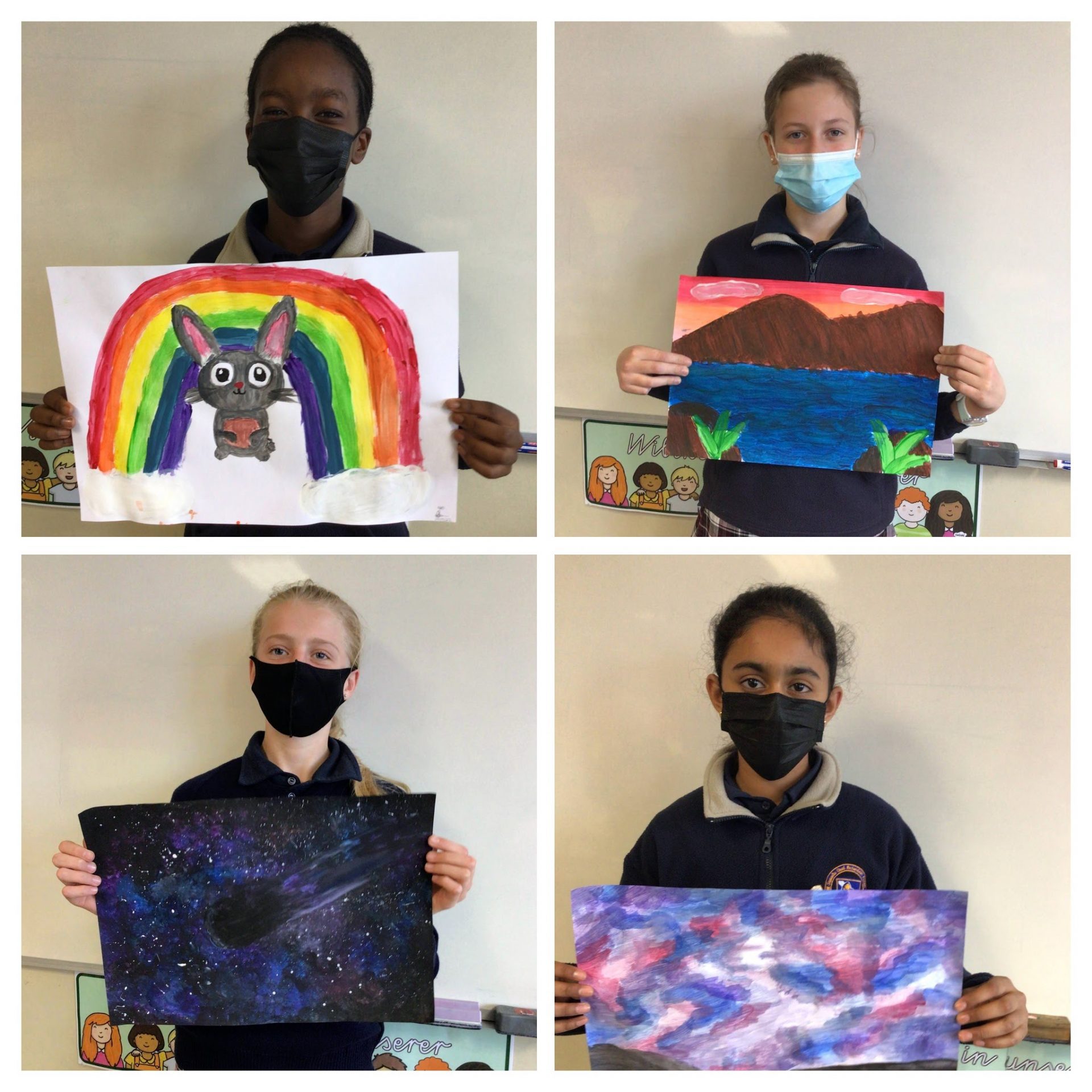
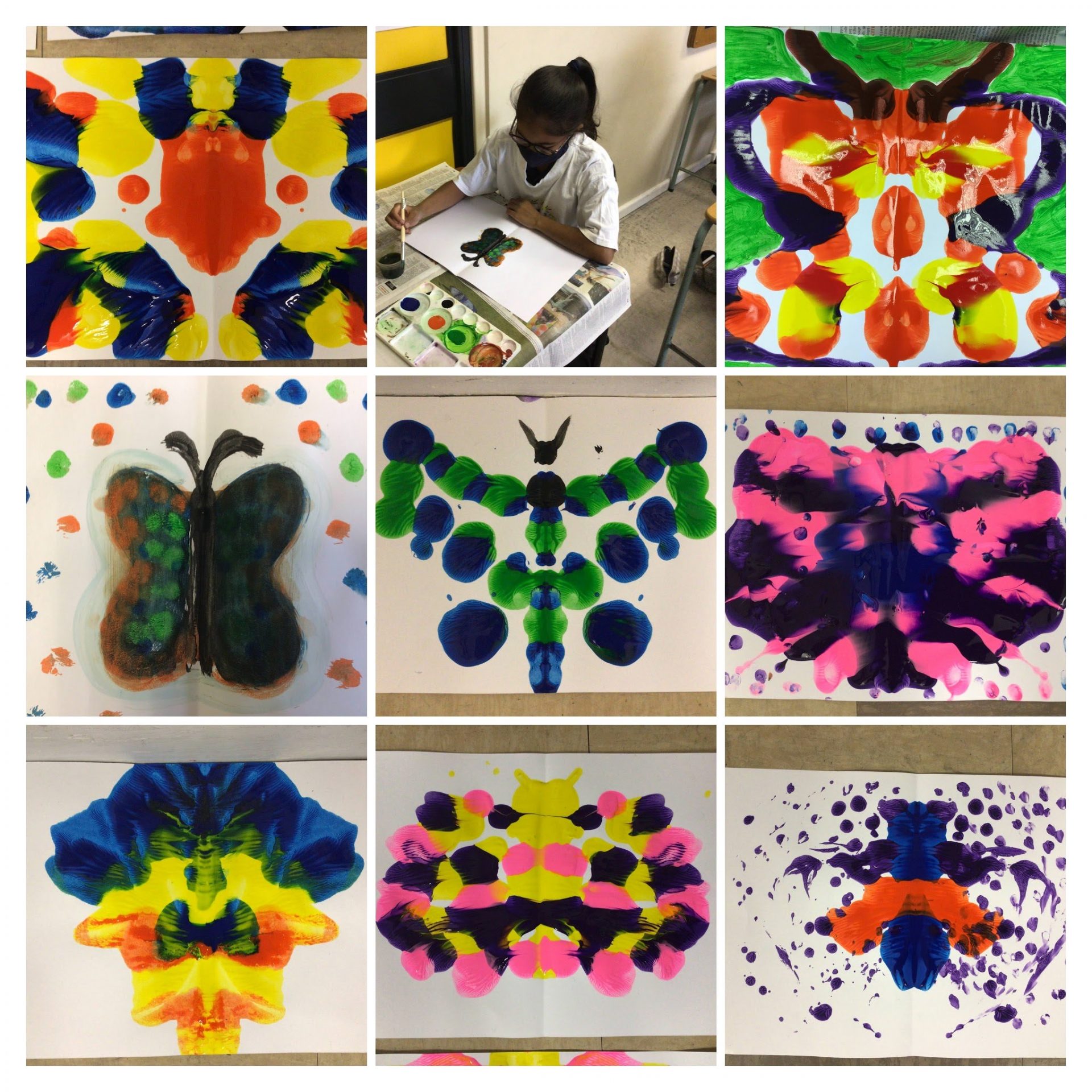
– Acrylic: Painting is a firm favourite with the students. Having fun with butterflies and making their own creations.
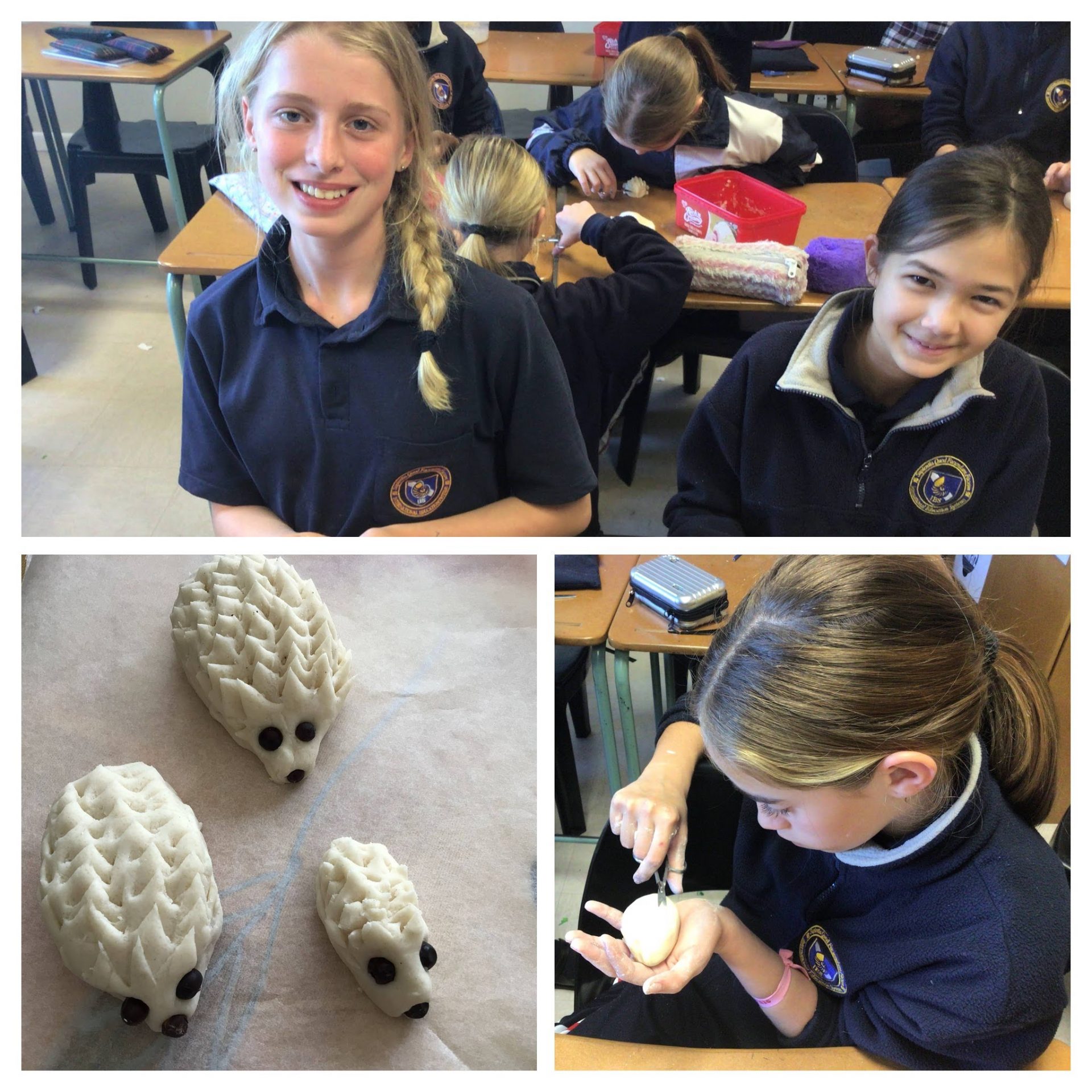
– Salt dough: Making hedgehogs and painting them. The Year 5 & 6 students particularly enjoyed making the salt dough themselves with the 3 ingredients.
Here is the recipe to try at home: Mix all together and knead well to make a smooth and soft dough.
125ml(½ a cup) Flour
60ml Salt
30ml Water
Some comments from the students:
“My favourite was making the paper jumping frogs.” Antonia Year 3
“I like art club because we get to do fun things and I can practise my art and learn more art.” Tyler Year 4
“I love art club because you are able to be creative and have fun.” Layla Year 5
“I like that we paint and do fun activities.” Isabel Year 6
“My favourite was the salt dough hedgehogs.” Nuraan Year 6
‘I like that we do painting and make things.” Neo Year 6
“I loved sketching with the charcoal.” Siyana Year 6
Looking forward to many more creative and fun Tuesday afternoons.
Frau K. Pani
Primary School – Arts & Crafts Club Coordinator
For inspiration see photos & collages in Google photos:
Sunset Collages
Sketching- owls
Coffee art
Art Auction collaboration
Line art
Charcoal
Acrylic butterflies
Paper art – Frogs
Salt dough creations-Hedgehogs




Read More
More About Music
We believe that music tuition in our school not only contributes to the establishment of a healthy balance between the physical, academic and aesthetic aspects of the development of our students, but that the disciplines associated with it (intellectual, physical, educational and creative), can also play a positive role in other spheres of their education and later, their adult life.
In the past two terms, the music department has grown from strength to strength. We are increasing in numbers for individual instrument tuition. We have also re-introduced recorder classes in Year 2 as part of our class music programme. It gives the students the opportunity to discover if playing an instrument is something they would like to invest time and effort in.
Our High School band is well established and they are performing every end of the month during break time. We are also looking at more ensemble opportunities in the near future.
Last week, we had our BIS Eisteddfod for the second year running and it was a huge success. We had a lot of interest and it was lovely to have the parents’ support for poetry and music. Our judges was very impressed with our students and our school. We would like to congratulate our category winners of this year.
KS1 Poetry: Nathaniel Dhewa
KS1 Music: Vaishnav Rajesh
KS2 Poetry: Mansoor Daniels
KS2 Music: Indiphile Jentile
High school Music: Gabriella Davids and Faith Chivaka
We are working hard in class music to introduce new activities, instrument play, movement and songs which all the students seem to enjoy!
Beverley du Plessis
Music Teacher and BIS Eisteddfod Coordinator
WATCH: Ms La Bercensie collaborating with one of her music students, Ileana Dias in Year 5.





Read More
Library Etiquette
Do you still remember the majesty of the Public Libraries that we had to frequent in our youth? The days before internet was a quick fix search. Dewey decimal systems and the smells of old and new books. The librarian peeking at you over her reading glasses as you quietly and carefully walked past her massive counter. The feeling of excitement when you held your first library card. The library was an ocean of possibilities, peacefully beckoning you to crack the spine of a hardcover adventure. Hours were spent finding corners to read in, and making sure you returned your books on time to avoid that dreaded R2 fine. If you were lucky, you didn’t have to take notes by hand, but could make copies of those precious pages before using them for your school projects.
As mystical as the library was, it was also a character forming experience. We all knew the rules, almost as sure as muscle memory. From the moment we walked through those heavy doors, we understood that this was a place of resolute respect and consideration, quietly whispering to one another as we discovered other universes hidden in the pages of classic novels.
I have asked our students during the course of this week if they have visited the local library and not surprisingly, most of them have not. We all know that with the hustle and bustle of this day and age, we rarely have the time for simple pleasures, like visiting our local library. If you do ever find that you have a free morning with your child, then I would like to recommend Milnerton Library to you. The facilities are very well kept, and the staff are knowledgeable and kind. This would be a wonderful introduction to the vast community of libraries that our city has to offer. Proper library use is a vital skill, especially when it comes to the later years of education. Why not set our children up for success sooner rather than later. University and high school notoriously consists of ample amounts of research, and knowing how to effectively utilize the available facilities would be extremely beneficial to our children.
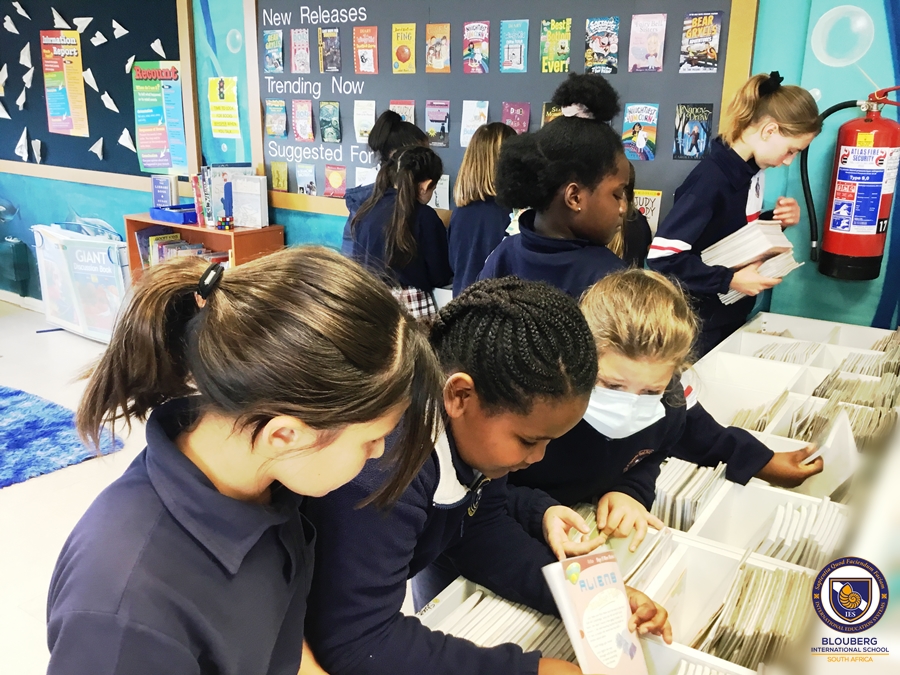
In our very own school library, we have discussed library etiquette this week during our lessons. It almost feels like a lost art and is certainly a worthwhile topic.
We discussed a few of the items below:
- What is the function of a library? We established that the library is one of the few places in society that is completely free. You don’t need to spend money to visit and enjoy the facilities. Being afforded the use of the facilities does come with some responsibility though. The resources are loaned to you in good faith, which makes you accountable for how it is treated and returned. Everyone is welcome in a library as it is a public space, cementing in our minds that education should be fully inclusive and knowledge freely available to all. Libraries can be used to study, do research, read, create awareness and so much more. However, the primary function is the loan and return of books.
- Where do we get our books? The students showed a great sense of understanding that the school library mainly grows through your kind donations, this includes the Birthday Book Programme as well as books that you would like to donate when you are no longer using them. We also discussed the purchasing of resources like our readers; and why we should look after the resources in the library. Some classes even delved into publishing, which is a very interesting topic in its own right.
- General Manners: We explored the rules of libraries and especially our school library. Students were reminded that we enter a library quietly; how to look for books and keep the shelves neat; and, where to return the books and how to check out new books for the week. Our conduct in a library is also extremely important: remembering that one must remain kind, caring and encouraging. If we conduct ourselves with consideration to our fellow library users, everyone will enjoy their experience and continue to benefit from the facilities.
- Returns: We discussed books not being returned and why we should always return our books. We should all have access to the knowledge in the library and if we fail to return our loaned books, the next student will not have access to the material. At this stage there are so many books outstanding at our library, that I would like to ask parents to please check if there are any school library books still at home. Your assistance with this will be greatly appreciated.
It has been such a privilege and a pleasure the last few weeks, getting to know the students even better, sharing stories, reading and brainstorming. I simply can’t wait to see what the future holds for our school library.
Trindade Camara
School Librarian

Read More
Coding!
It is safe to say that coding is one of the most constructive hobbies for your child to adopt, especially since it can help them develop persistence, communication, creativity, and higher-order thinking.
Yes, learning to code also sets your child up for potentially lucrative career opportunities, but it also offers children so much more than that. A modern parent cannot go wrong by encouraging their child to program.
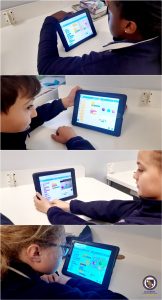
At BIS, we have coding and robotics lessons every day during the week – Monday to Friday. The students enjoy their coding lessons and it is rewarding to see them grasp the concepts and solve problems by themselves. Here are reasons why coding is so important for children:
1. Coding Boosts Problem-Solving Skills
Coding is, without a doubt, one of the most straightforward ways for children to boost their problem-solving skills.
In a programming context, coders are constantly challenged and asked to problem-solve. The practice all but requires them to break issues down into more manageable sub-problems, then progress through an iterative process of identifying, prioritising, and implementing solutions. Thus, children start honing their problem-solving skills as soon as they take on their first coding challenge.
Research indicates that even if your child doesn’t want to go into coding as an adult, establishing a practice of coding early in life will nevertheless help them build highly-transferable cognitive skills. Is it any wonder why children should code?
2. Coding Improves Computational Thinking
Computational thinking is a branch of knowledge that involves expressing problems in a way that a computer would. Students who learn this model of thinking are encouraged to break down complex problems into smaller issues, thereby revealing underlying process patterns.
As researchers for an earlier study wrote on the matter, “We believe that children as young as ten can directly benefit from opportunities to engage in computational thinking […] Children can begin by solving puzzles on paper, continue on game boards, and ultimately complete their solutions on computers. Through this process, students can be guided through increasingly complex algorithmic thinking activities that are built from their tacit knowledge and excitement about game play.”
2. Coding Encourages Persistence
Computer science is one of the few professional disciplines where it’s entirely acceptable to be near-constantly failing. Not only is failure immediately recognisable — i.e. a program “breaks,” and doesn’t work as intended — but success literally cannot be achieved until all errors are handled. Even the most straightforward programs require a coder to understand a set of problems and solve them; otherwise, the code won’t run as intended.
However, with all this frustration and failure comes a real, lifelong character benefit: persistence.
When children begin programming, they come to learn that failure is transient, and doesn’t have to be frustrating or a progress-stopper. Even small successes can provide the encouragement kids need to push through issues in their programming. Over time, this perseverance can bolster a child’s grit — and serve as one of the most important indicators of their future educational and career success.
Coding can help your child develop a growth mindset: a philosophy wherein one’s ability to learn can be improved upon, adjusted as needed, and stand firm against demoralizing failures. What better mentality could a child adopt early in life?
3. Coding Improves Computational Thinking
Computational thinking is a branch of knowledge that involves expressing problems in a way that a computer would. Students who learn this model of thinking are encouraged to break down complex problems into smaller issues, thereby revealing underlying process patterns.
As researchers for an earlier study wrote on the matter, “We believe that children as young as ten can directly benefit from opportunities to engage in computational thinking […] Children can begin by solving puzzles on paper, continue on game boards, and ultimately complete their solutions on computers. Through this process, students can be guided through increasingly complex algorithmic thinking activities that are built from their tacit knowledge and excitement about game play.”
4. Coding Teaches Creativity
Creativity, creativity, creativity; it’s something every early educator and parent is wholly concerned with, and yet it’s not a quality prized by most working adults.
Creativity tends to decrease as we age. The adage is true — adults tend to be less creative than children. By the time we reach our sunset years, we have effectively “unlearned” one of the most important skills in life.
“Creative people have rapid and effective responses that help them to achieve their life goals and allow them to enjoy the journey… It is both a skill set and a unique and individual personality structure that’s developed throughout childhood and fine-tuned in adolescence,” Notre Dame researcher Doireann O’Connor once noted.
So, how do we preserve a child’s creative skills as they age?
Experts suggest that kids should learn to code. As a practice, coding positions developers as “creators” or “world-builders” within a programming environment — by definition, the discipline requires creative thinking and an experimental mindset.
With programming, kids are constantly prompted to experiment. Once they understand basic functionalities, they can continually ask themselves, What if I tried this? Would that work?
5. Coding is a Career-Building Skill
The importance of programming cannot be understated in our economy, which is now overwhelmingly driven by technology.
The biggest hurdle is just mastering that first programming language — but once they do, they will be well-positioned to learn different languages, frameworks, and technologies later on in life.
Sonia Terblache
ICT, Coding & Robotics Teacher

Read More