
Geography in High School
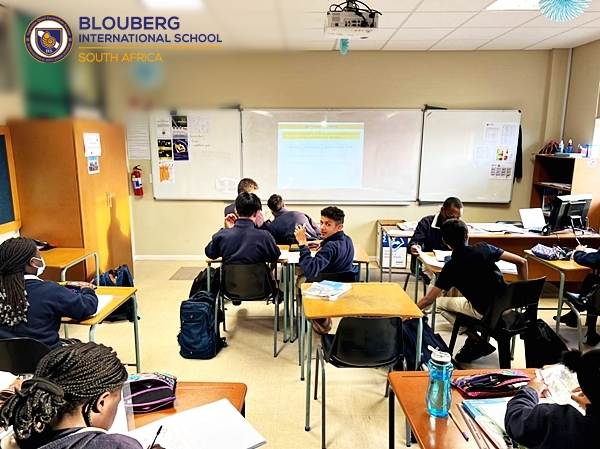
This term has really flown by, and we are already looking forward to test week coming up. This term, each year group covered a wide range of topics. It is wonderful to see how each group embraces every topic and enthusiastically takes part in class discussions.
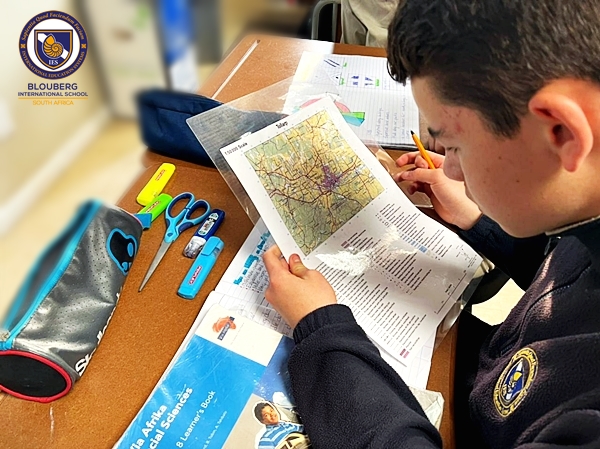
The Year 7 group focused on the population concepts and what affects the growth rates of different countries. Year 8 studied settlements, their patterns and urbanisation. The Year 8 group was introduced to similar maps as those at IGCSE level and had to identify settlement patterns on the map. These topics are linked to the IGCSE Geography syllabus.
The current IGCSE Year 9 group are currently busy with the second theme of their syllabus. This is mainly focused on the natural world we live in. We have covered plate tectonics, earthquakes, volcanoes, rivers and coasts the past term and look forward to more topics of this theme in Term 4. The earthquake and volcanoes topics tend to be more challenging seeing that it is not something that we encounter on a regular basis. While teaching Geography in the Middle East, the same could be said when students had to study rivers. I am sure we will collectively conquer this topic.
The Year 11 AS level group focused on weathering and slope processes this term. I am happy at the progress they have made this term and we look forward to Term 4.
Lastly, I want to wish the current Year 10 IGCSE and Year 12 AS level students all the best for their upcoming Cambridge External exams. All the hard work that you have put in to be ready, comes down to this. I might have only been teaching you for one term, but I am confident that you all will reach your potential and score the grades you deserve.
Geography in the news:
6.8 magnitude earthquake shakes China. Our thoughts and prayers are with the families and friends of those that lost their lives and homes.
Jean-Pierre Le Grange
High School Geography Teacher



Read More
Becoming A Biologist In South Africa
It is certainly not new information that we live in one of the most diverse countries in the world when it comes to South Africa’s endemic flora and fauna. In fact, according to SANBI, we are ranked in the top 3 countries with the highest percentage of endemic species. South Africa is estimated to be home to almost 100 000 endemic floral and faunal species, as reported by BIOFIN. Our floral diversity is estimated to be just short of two thirds endemic, with our reptiles, amphibia and marine species to be around half.
South Africa is a well-recognized biodiversity hotspot, with the Cape Floristic Region hosting almost 10 000 vascular plants, with a staggering endemism percentage of almost 70%. Endemism and biodiversity in South Africa have clear intrinsic value. Apart from that, it has been an enormous driving force in our tourism. It is also important to recognize its role in employment opportunities, alternative or traditional medicines, and environmental education.
So, what do we need in order to conserve this incredible ecological gift that we have been given? More importantly, who are the people behind conserving it? Unfortunately, conservation is not often second nature to us. We live fast paced lives driven by consumerism. Playing our part in conserving the Cape Floristic Region, our pride and joy, starts with being educated on its value and importance. Whether this is intrinsic value, monetary value or some other value such as preserving genetic variation, the development of herbal remedies and traditional medicines, or simply a feeling of stewardship.
An ecologist from Senegal, Baba Dioum, summed it up quite well: “In the end, we will conserve only what we love, we will love only what we understand, and we will understand only what we are taught.”
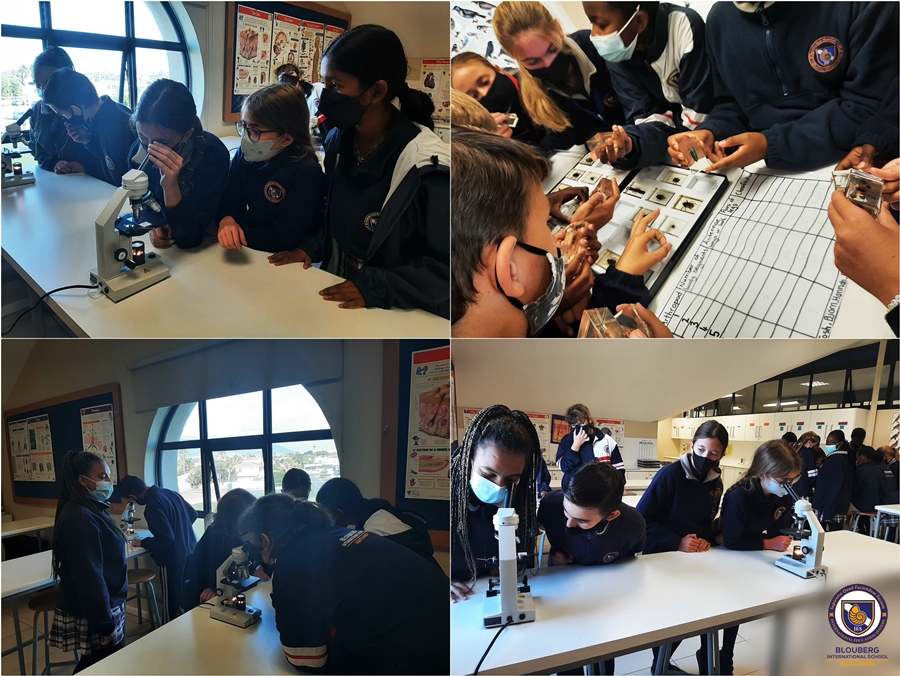
Education is the starting point to truly assigning value to something. In order to feel the drive to take an active part in conserving our country, one needs to realise its value, and what better way to do this than through receiving an education in Biology in one of the most unique countries in the world? Getting students excited about our natural world starts at an early age. At BIS, we incorporate practical implements to our coursework by allowing the students to see, hear, touch and experience. Practical work allows students to place their coursework into context with the real world, while also deepening their understanding of the topic. We as teachers are looking forward to the rest of our journey in guiding the next group of conservationists, farmers, park rangers, botanists, environmental educators and so much more.
Nadia Viljoen
High School Biology teacher

Read More