

People Who Help Us
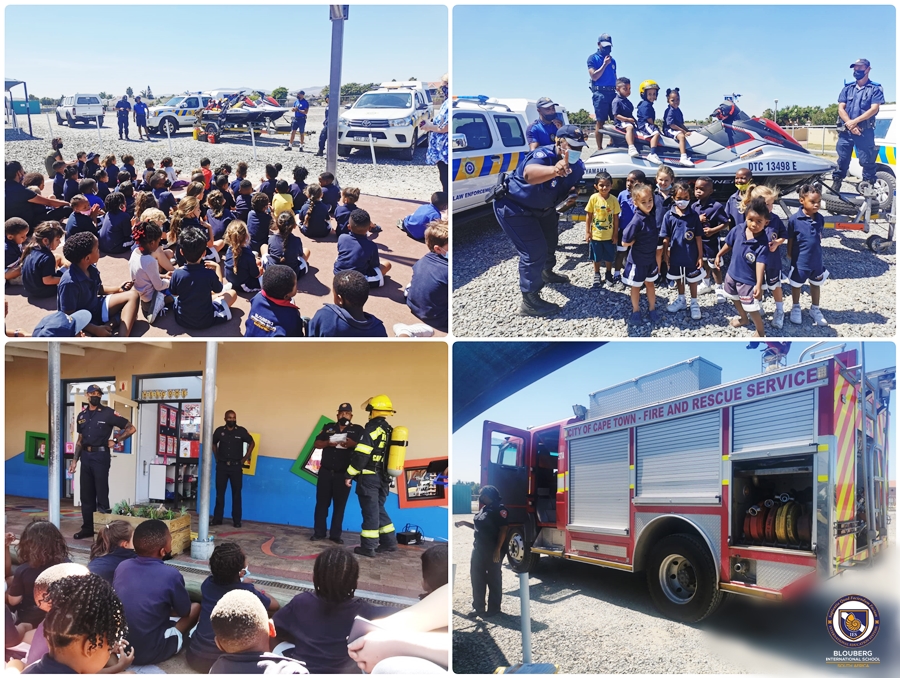
For the past two weeks, the Foundation Stage has been learning about People Who Help Us in our community and how they help us in our daily lives.
The students also learnt how some of these people help us in emergencies, like firefighters, police, doctors and nurses. If there is an emergency, they will need to know how to get in touch with the right person to help in the situation (however old they are).
They also learnt of other people who help us stay safe and healthy, like opticians, dentists and refuse collectors.
Learning about this topic helps the students to make connections between themselves and the outside world. It makes them more aware of the different jobs and roles people take on in their own homes, in school and in their community. By educating the young students about the people who try and prevent these things happening or help us if they do, we are showing them the systems in place within our society to ensure that we live in a safe and supportive community.
The theme also provides key life skills for children, e.g. knowing how to dial the emergency services, who to ask if they get lost, what to do in case of a fire etc.
The Foundation Stage students were visited by law Enforcement Services, Fire and Rescue Services and Neighbourhood watch. They learnt what to do in various emergency situations and to call the toll free numbers 107 & 10111 to get help in any emergency.
This theme encourages children to notice places and people in their community and show them that they are part of a wider community that opens up possibilities for them to consider for future careers.
Cindy Nunan
Pre-Reception Teacher


Read More
Everything has a cycle and every person a story to tell
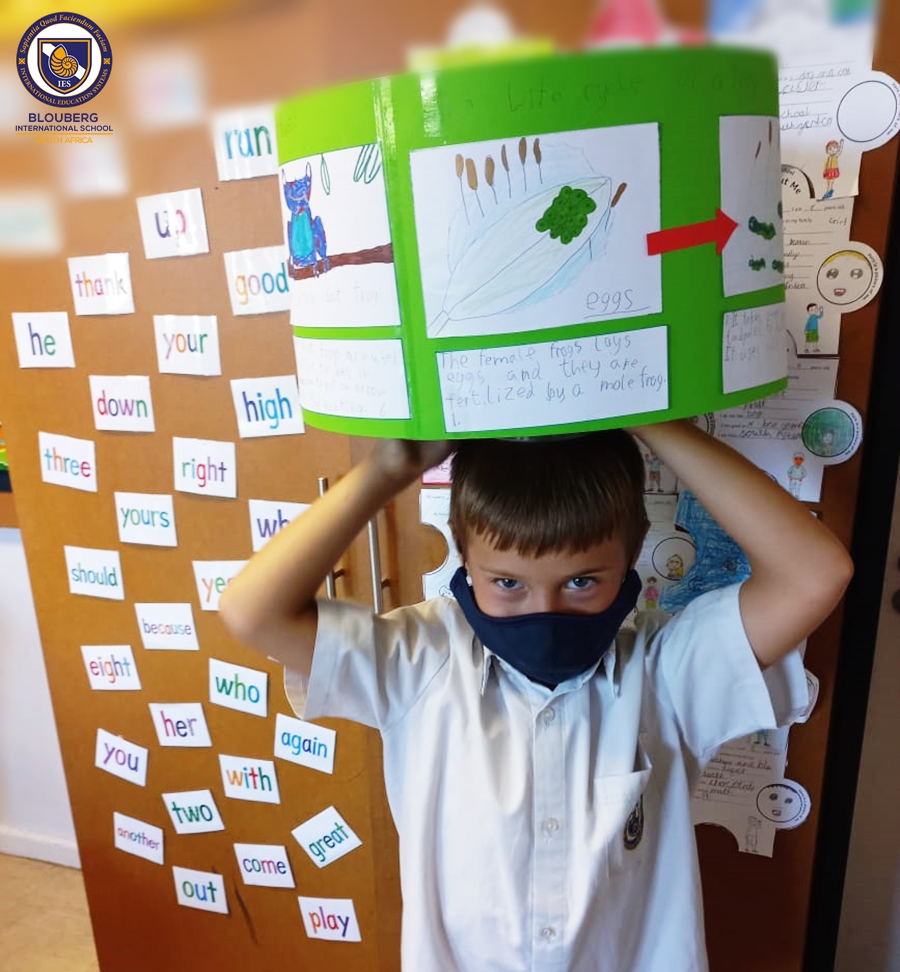
The Year 3’s have been learning about Living things this term. As part of this theme, each student was asked to make a presentation about the life cycle of different types of animals and include an interesting fact.
These they presented with great pride and excitement in an oral.
We learned that:
- Baby koalas eat their mother’s poop to learn to digest eucalyptus leaves.
- The poison from the blue poison dart frog is used to tip the arrows of Amazon hunter’s darts.
- A dog has 28 teeth and 1700 taste buds.
- Jellyfish do not have brains.
- A Monarch butterfly – the female is attracted to the male’s perfume.
- Dolphins have two stomachs.
- A koala bear is as small as a jelly baby when it is born.
Well done to the Year 3 students for making their projects so visually stimulating and extremely interesting.
Carey Schoots
Year 4 Teacher


Read More

Year 5 Solar Systems
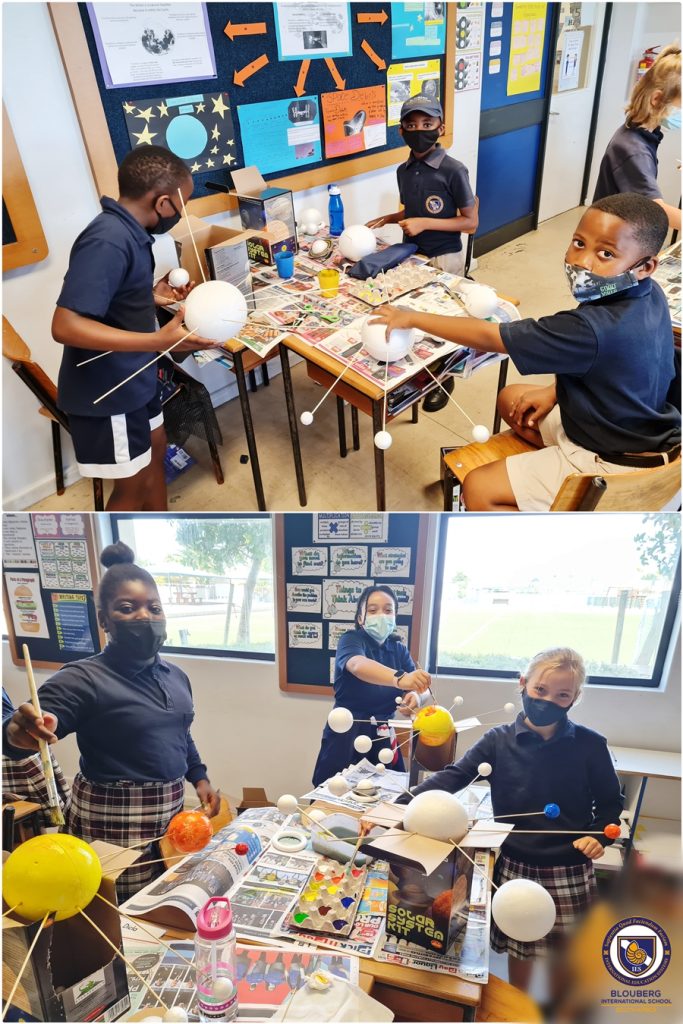
In Science, the Year 5s have been learning about The Earth in Space. One of the core concepts this unit of work is based on is the fact that everything in the solar system orbits the sun.
We decided that a practical demonstration was in order, so we built ourselves some solar systems. This helped us to gain a concrete grasp of how the solar system fits together. We included the eight planets of the solar system – and some of us even got creative and added Earth’s moon to our models!
Now, as we like to say, the whole world is not only in our hands, but also hanging from our classroom ceiling…
Hannah Kirkaldy
Year 5 Teacher


Read More

Valentine’s Day And Core Values
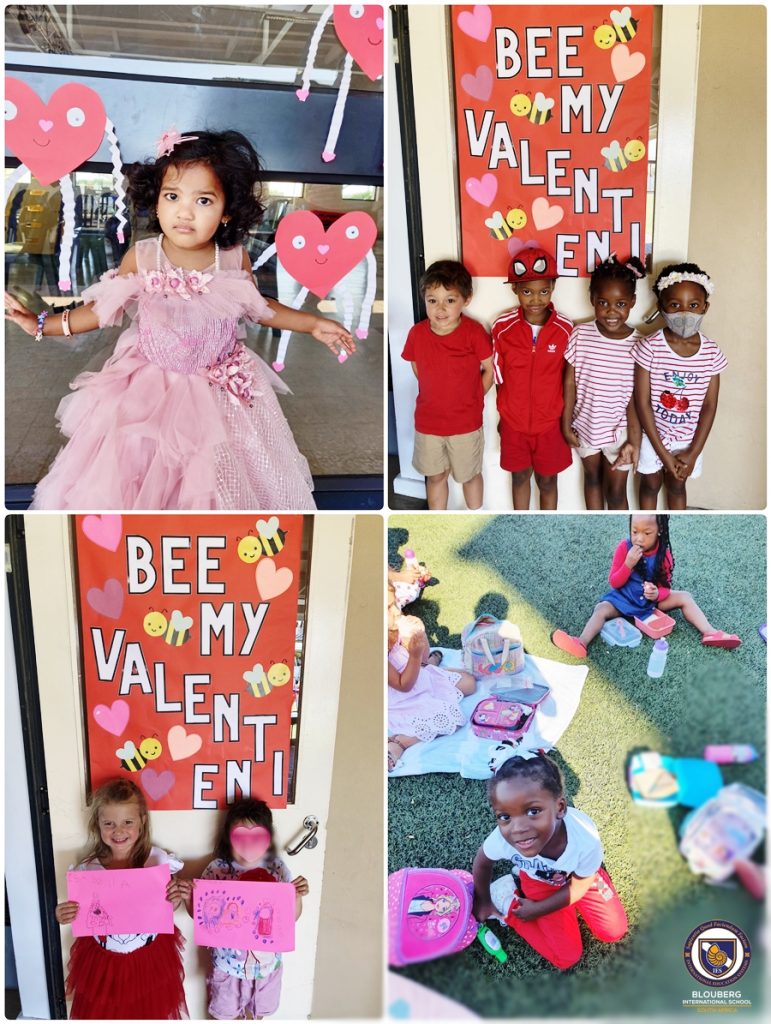
We have become so used to extended periods of lockdown and limited social opportunities during the Covid-19 pandemic. That is why this year’s Valentine’s Day, whilst still following social distancing, was such an exciting event for the Nursery, Pre-Reception and Reception students. They had the opportunity to interact in larger groups during our Teddy Bear’s picnic and it was so nice to see them bonding, laughing and thriving socially. Our Valentine’s Day was filled with love, hugs and beautiful pink, red and white outfits.
From this Valentine ’s Day onwards, we will focus on the core values of being kind, caring and encouraging. Mr Swart introduced these core values to us in our first assembly for the year. These values can be accomplished even at an early age and are implemented and encouraged in every classroom in the ELS.
I asked a few students in Reception Year what it means to be a kind friend and they had some very special responses:
“If someone doesn’t have anyone to play with then you can play with them.”
“Don’t tease or use unkind words with your friends.”
“If your friend is hurt or sad you can help them or give them a hug.”
“If you share your toys you are being a kind friend.”
“Helping your teacher is a kind thing to do.”
I think it is encouraging and exciting to see that our BIS students will grow up to be thoughtful, empathetic and compassionate people in a society that is in such dire need of these qualities.
Please continue to encourage your child to develop and grow in these qualities, irrespective of their age. Being a kind, caring and encouraging person will guarantee healthy friendships and relationships that blossom. They are excellent building blocks for a solid foundation for the remainder of their lives.
Kim Hahn
Reception Year Teacher

Read More

Nursery Tackles Responsible Hygiene
It’s probably not surprising that learning about hygiene and self-care at a young age contributes to healthy social and emotional development. Encouraging independent self-care skills has a significant long-term impact on children, and attempting to complete these self-care tasks, builds on their confidence and promotes a healthy lifestyle.
Good hygiene expands further than just using hand sanitizer in class – it’s about keeping our surroundings clean and maintaining that cleanliness whenever possible. That’s why this week, during our Skills Programme, Nursery took the opportunity to learn about taking responsibility for our personal hygiene – as well as for the hygiene of the classroom.
We embarked on a fun-filled adventure to the garden, where we cleaned all the class toys with warm water and soap. The students worked as a team, learnt about germs and enjoyed cleaning all the crevices of their much-loved toys.
The best way to encourage good hygiene habits in our little tots, is to be a good role model and to set the standard at home. Keeping the conversation going will not only normalize the responsibility, but it will also ensure that the children are keeping their body happy and healthy. Self- care is the most important skill we can learn and starting today, no matter the age, will ensure self-love.
I am so proud of how far the little tots have come and I am so excited to put this new skill to good use in our future lessons.
Jo-Anne Dickason
Nursery Teacher


Read More

Habitats
A habitat is a place where an animal lives. It provides food, water and shelter. There are many different types of habitats around the world from forests to grasslands and from mountain slopes to deserts. Different habitats are home to different animals. They live well together because they all do things to help keep the whole habitat healthy and in balance.
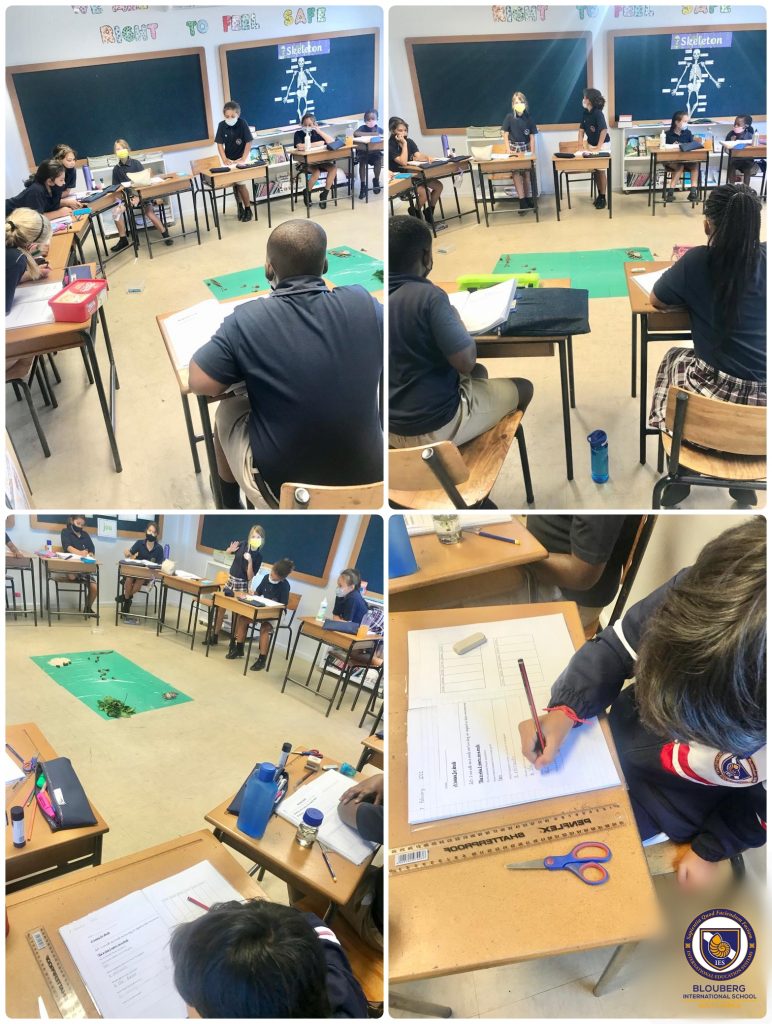
This week, the Year 4’s have been learning all about habitats and the adaptations of animals for their habitats.
Have you ever wondered what the purpose of a cockroach is? We often see them as dirty pests that infest the spaces they live in. Animals like cockroaches are really important in a habitat—they eat the dead plants and recycle the nutrients back into the soil, which helps the plants to grow.
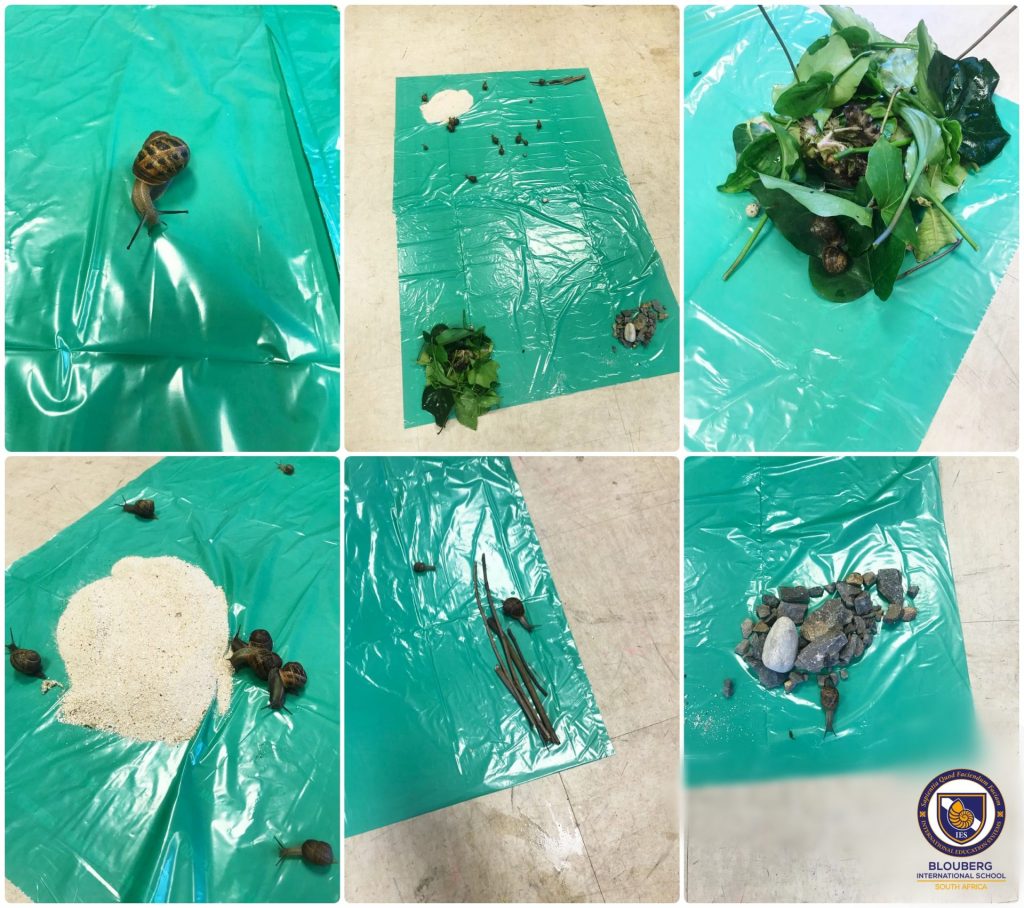
The Year 4 students were curious about animals in their own habitats and they decided to observe snails. To fulfil this curiosity we designed a choice tray. We planned how we will test some snails to see where they like to be most in the environment. We placed 4 variables on each corner of the choice tray, twigs, leaves, sand and stone. We observed where the snails ventured towards, over a half an hour period, and noted our findings.
There were interesting findings across the year group in the different classrooms. One conclusion we could all agree on- if the environment changed, animals can sometimes change the way they behave.
Well done to our budding scientists!
Nadia Mahomed
Year 4 Teacher
Read More
Show and Tell – My Family
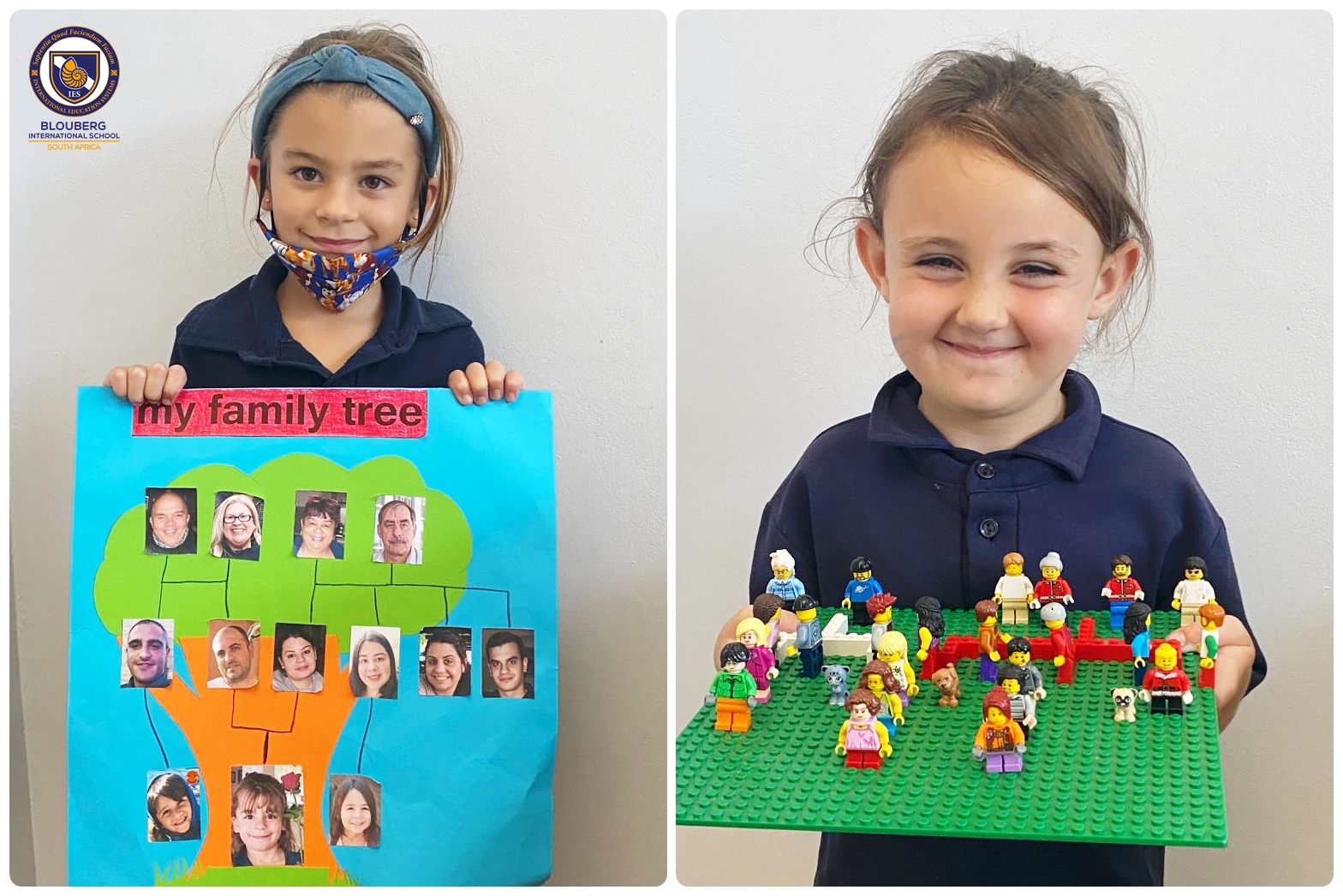
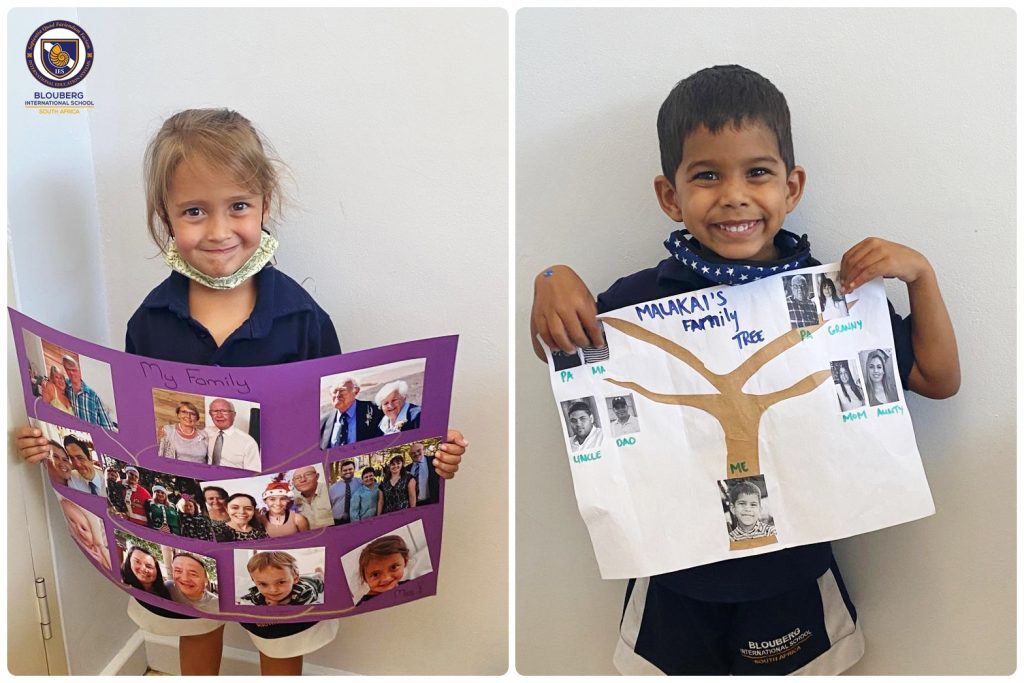
Last week, the Foundation Stage classes learnt about different families and what makes each family special.
The little ones are always very excited to do Show and Tell, and even more so when they have the opportunity to talk about their families.
The student were thrilled as they arrived at school with their beautiful posters, eager to share their presentations with their friends. It is always such a pleasure to see the little ones so proud to tell their friends about their mom and dad, siblings, aunts and uncles, cousins and even the very special furry friends that make each family special.
A big thank you to all the parents who helped the little ones prepare their presentations. It was so lovely getting to know everyone who forms part of our BIS family!
Monique Meyer
Reception Teacher and Foundation Stage Coordinator


Read More

Amazing Presentations!
The process of learning a language not only involves reviewing grammar and vocabulary; it includes trying to understand and acknowledge the culture and traditions of that country in a comprehensive way.
The more you know about these factors the deeper your linguistic immersion will be.
In the case of the Spanish language, it is even more important and relevant due to the diversity within the Spanish speaking countries – 21 countries in total spanning 4 continents (Europe, Africa, North- and South America).
For this reason, the Spanish students at BIS have been learning about the different Spanish speaking countries around the world: Puerto Rico, Argentina, Bolivia, Chile, Colombia, Costa Rica, Cuba, Dominican Republic, Ecuador, El Salvador, Equatorial Guinea, Guatemala, Honduras, Mexico, Nicaragua, Panama, Paraguay, Peru, Spain, Uruguay and Venezuela.
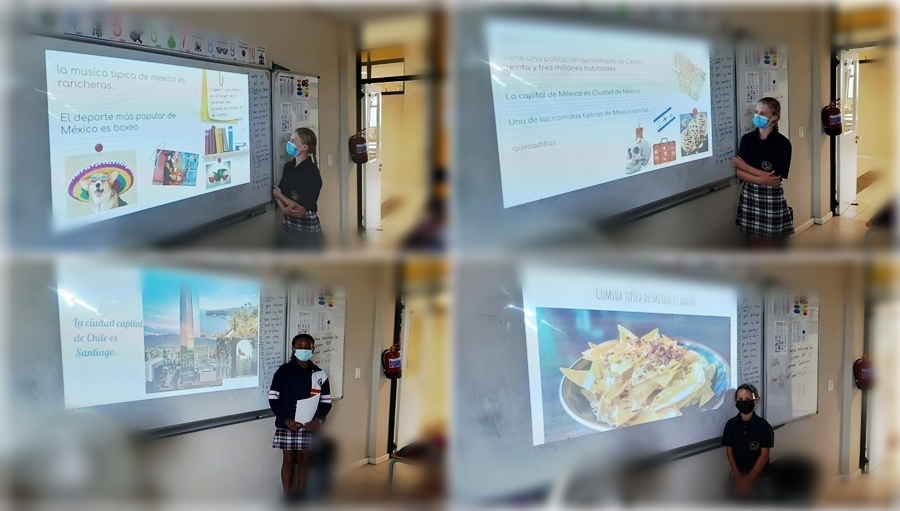
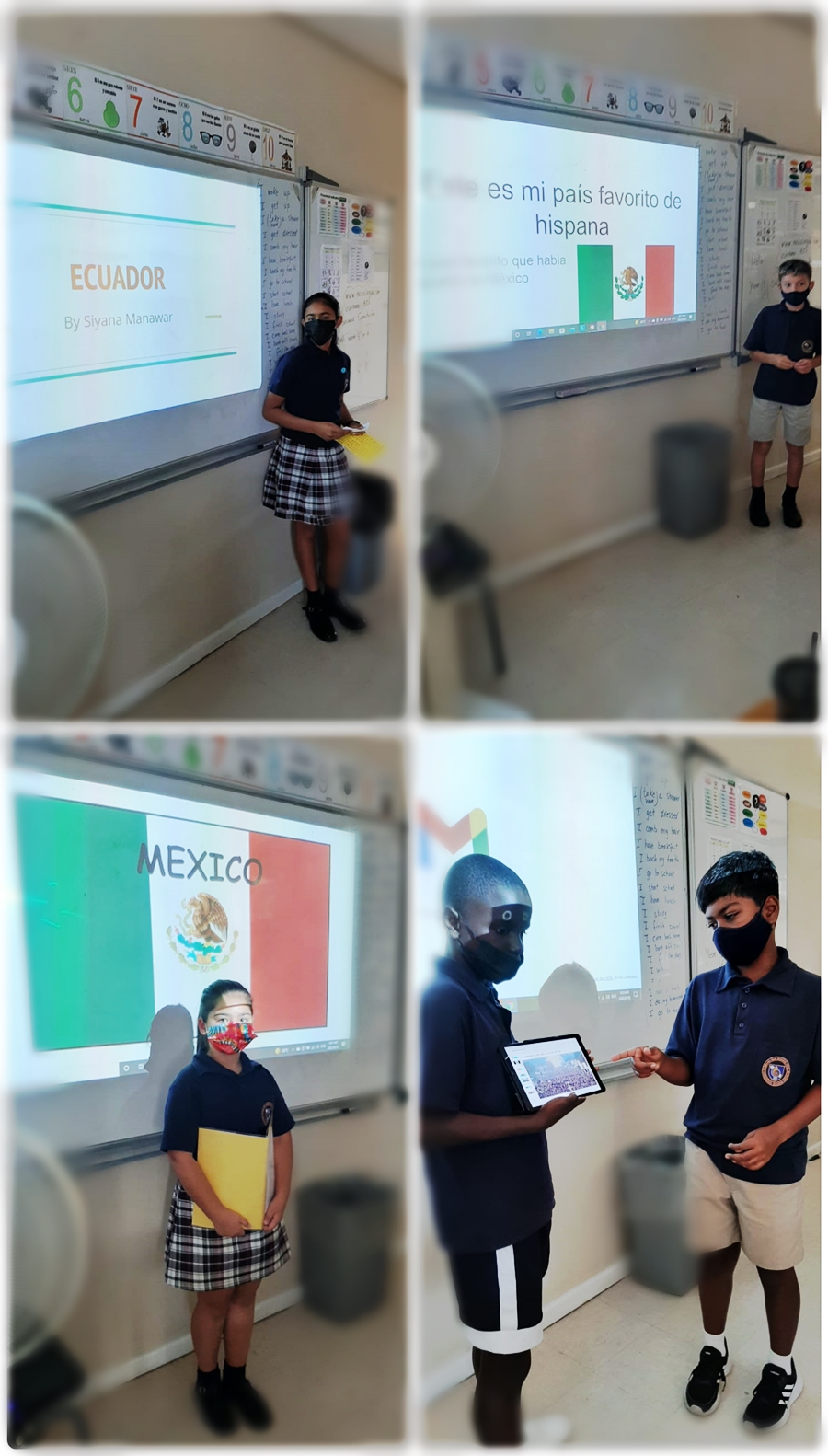
Year 5 and 6 were asked to choose their favorite one, and to do a simple immersion in a variety of topics in the country of their choice.
Some demographic and geographic aspects were discussed during the oral presentations: the capital, total population, identifying the color of the flag and naming the continent that it’s located.
Other, more cultural, aspects were also presented like the typical food and music or the most popular sports.
Finally, they were asked to select two important or relevant people from that country and their profession: the king or the president, a famous actress or actor, a successful singer or a sports figure.
Sharing this information with the whole class enriched the experience and I can’t feel prouder of the outstanding posters and incredible PowerPoint presentation and videos that they were able to put together.
Javier Vidal
Spanish Teacher



Read More
Practical Place Value and Relatable Rounding Off…
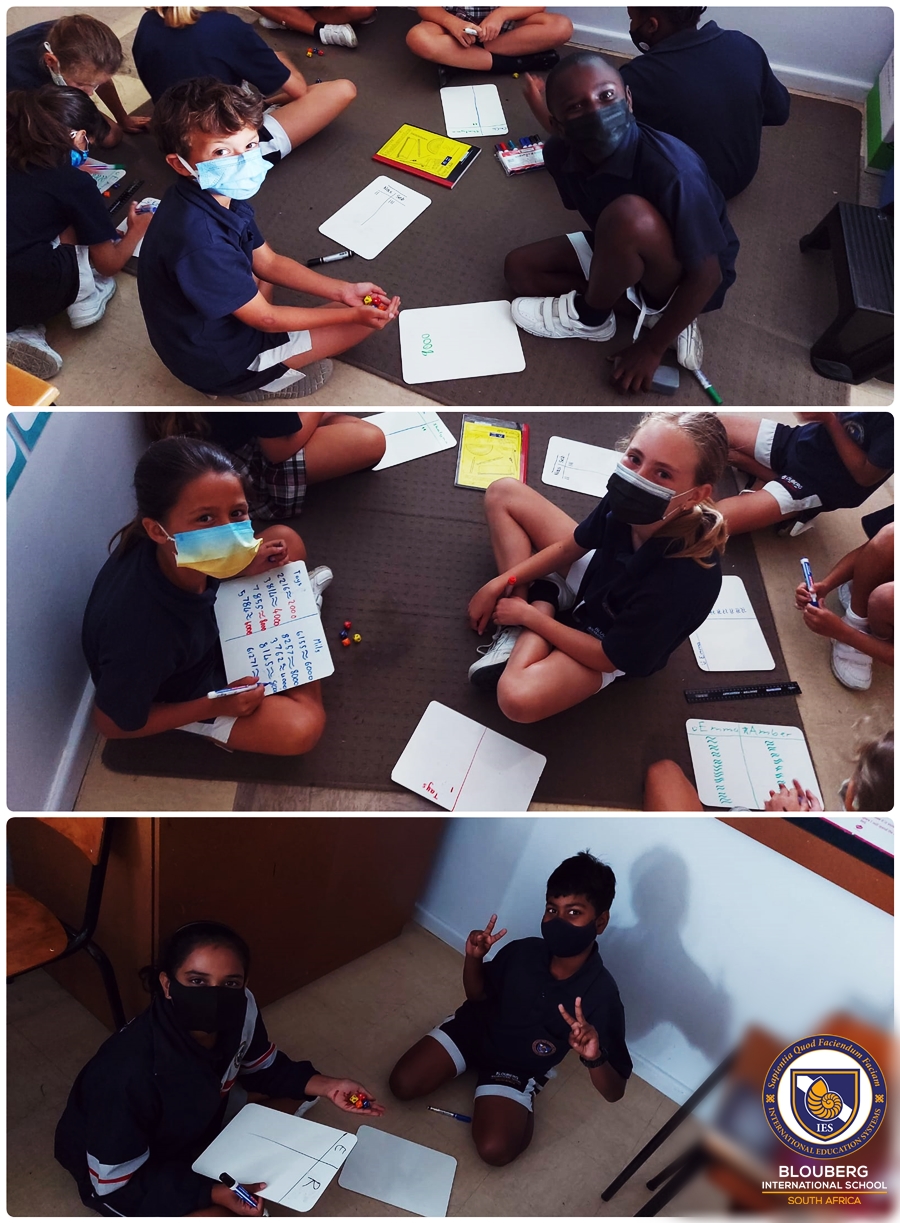
For the past two weeks, the Year 5s have been learning more about Place Value in Mathematics.
We’ve covered the following content thus far:
- Place value up to hundred thousands.
- Partitioning numbers.
- Writing number in words and figures.
- Rounding off to the nearest 10, 100 and 1000.
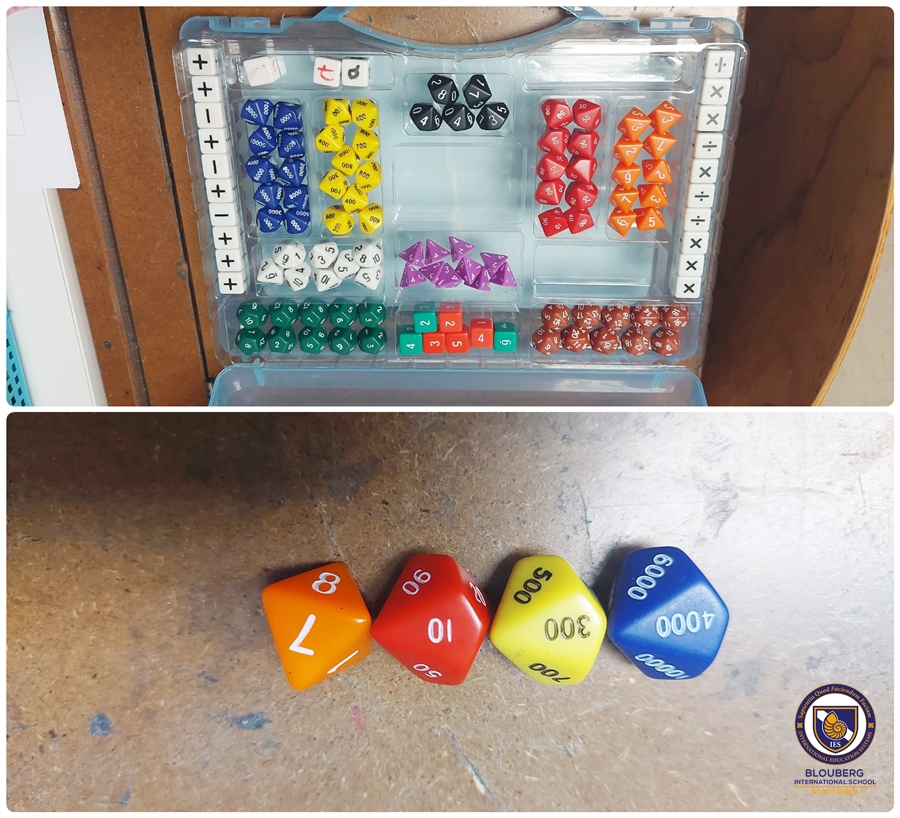
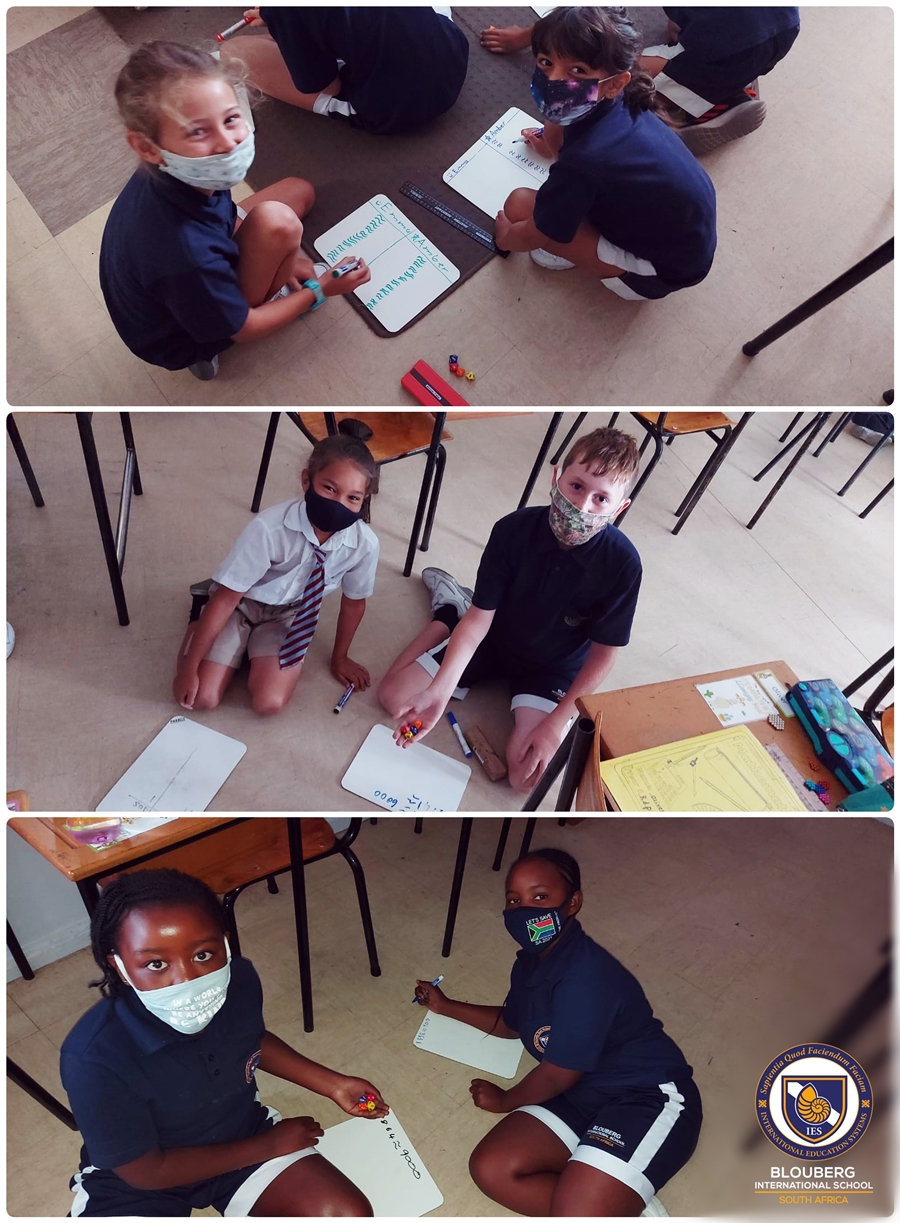
Students got the opportunity this week to apply their knowledge and skills that they’ve learned with some practical, hands-on activities. They were placed in pairs and had to play a rounding off game using a place value dice.
These were the rules:
- Each players rolls the four dice (units, tens, hundreds and thousands).
- They had to then add all the numbers together to their answer.
- Round off their answer to the nearest 1000.
- The player with the highest number scores 1 point.
- The first player to score 10 points wins the game!
“Play is our brain’s favourite way of learning.” – Diane Ackerman
Take a look at some of the photos that were taken while the students were busy playing this extremely fun game.
Who says Mathematics can be fun and games?!
Ria du Plessis
Year 5 Teacher/Leader
Read More
We are family!
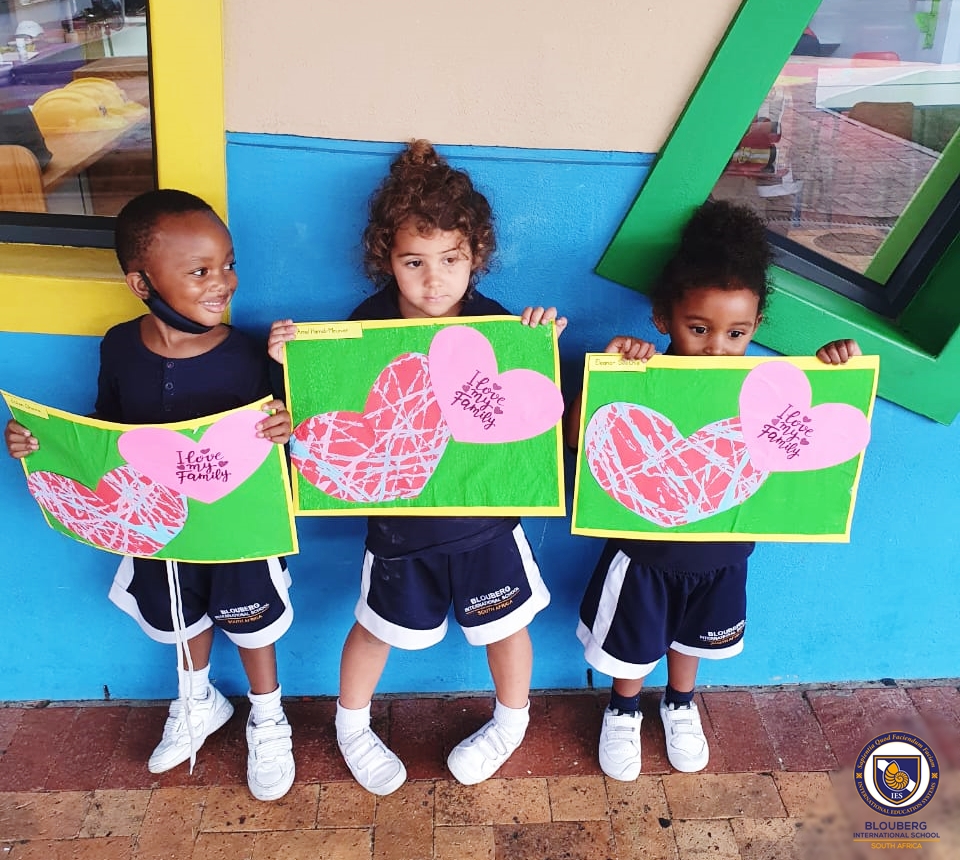
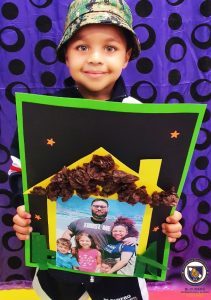
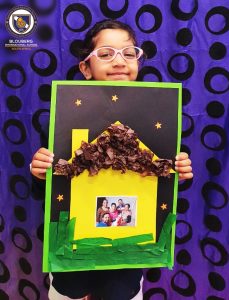
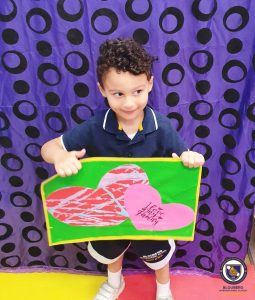
We are learning all about me and my family in Pre-Reception. Talking about our families at school gives the students the opportunity to talk about what is most important to them. This topic also helps them realise that family, the people we live with, is something we all have in common, regardless of how our families look! Some families have siblings, some have none, some families have parents, and some have none.
The students enjoyed learning rhymes and songs and reading about families. They brought photos of themselves to school and we made a “wall of me” as we are also like a family in class. We loved marble painting and made beautiful art. The students also presented their first show and tell by telling us all about their family.
Martie van Dyk
Pre-Reception Teacher


Read More