From the German Classroom
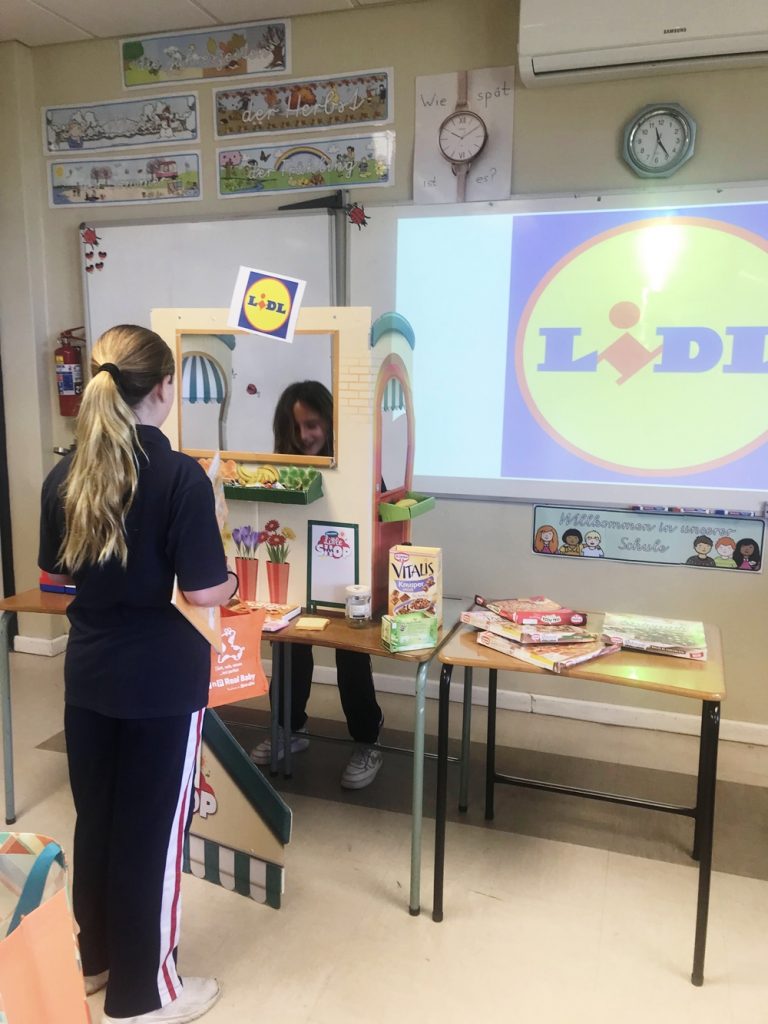
In German, the Year 4 students have been learning vocabulary related to items that we use daily and that one can buy at the shops. They then learnt simple sentences related to going shopping and asking for that specific item.
Role-playing is the perfect way to put the learning into practice. This enhances the students’ speaking skills to make the foreign language meaningful and useful in conversation. It improves the students’ communication skills in learning a new language, and then in turn develops their interaction with one another. This also strengthens social skills including student collaboration. Role-play gives students the opportunity to experience real world/life scenarios in the classroom and learn from each other.
We first watched a short video showcasing Year 4 students from a school in Germany, who role play going on a shopping trip using the same vocabulary and sentences that the students had learnt.
This gave the students some inspiration to work on their own role-plays. They were then divided into small groups to plan and practice their own shopping trip. They chose the roles of either a shopkeeper/assistant or the person shopping and selected the items they wanted to purchase using some props in my classroom. Then the students were given the opportunity to present their role-plays.
The students were really motivated and had a lot of fun acting out the conversations and were able to put what they had learnt in theory into practice.
Looking forward to many more.
Frau K. Pani
Primary School German Teacher
https://www.niu.edu/citl/resources/guides/instructional-guide/role-playing.shtml



Read More
Year 6 – Term 3 At a Glance
Our year 6 students enjoyed an exciting and adventurous term. Throughout the term, the students broadened their knowledge by learning about fractions, circuits, ecosystems and more. They developed insight into the educational struggles of others around the world through the inspirational story of Malala and got a taste of entrepreneurship by designing and creating products from sustainable materials.
During our insightful skills periods, the students became aware of good online conduct and how to use social media in a positive manner.
As the year 6 students will become the leaders of tomorrow, they went on camp at Bonamanzi. Not only did they learn to become independent, but also discovered which qualities are vital to be a good and influential leader.
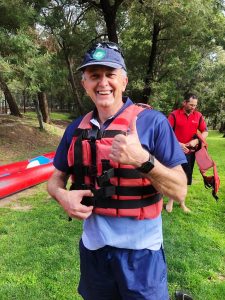
Tired does not even begin to explain how they felt after they returned from camp. They went river rafting, created flags, competed in various group activities and went night walking, where they discovered scorpions, as well as the importance of covering your legs to avoid pesky ticks. Snacking was of utmost importance – who knew that 11-year-old students could eat so much!
The students also came into personal contact with the wild side of camping, with mosquitoes that must’ve originated in the Jurassic era, big and sneaky, causing them to all return home, looking like they might have the plague – they definitely would’ve made quite an impact on dot day! Poor Miss Nel injured her foot while running, having to hop along after the students as they ventured out and about.
Ending the term on a high note, the students hosted their very first student led conference. During this conference, the students chose which work they were most proud of during the term and presented it to their parents themselves. They were able to explain to their parents what they had learnt during the term, as well as how they improved and what they found interesting. Both the students and the parents thoroughly enjoyed this special bonding time together.
As another term ends, the year 6 students will definitely be able to tick off a few things from their bucket lists – yes, pun intended.
Rochelle Oosthuizen
Year 6 Teacher




Read More
Keep Calm And Create A Calm Space
Emotions play such an important role in our lives. It helps us to think and behave in certain ways. They help us to build relationships, avoid or resolve conflicts better. Emotions help us make decisions for the future and helps us cope with what we are dealing with during the day.
We start feeling emotions from when we are little, and as we grow and mature, we learn how to identify them far better and hopefully become more skilled in how to express them appropriately. With practise we get better at understanding what we are feeling and why.
Just for a moment, think about what you did today versus what you did yesterday. Did different emotions on different days, allow you to behave in different ways? Are you more tolerant today than you were yesterday? Have you smiled more today than yesterday? Have you made some rash decisions based on how you were feeling? Have you made the best decisions you could have made so far this year?
Emotions can last for a second or for an hour. They change constantly throughout our day. Emotions are part of a person’s character. Without them we would be robots.
We read emotions from facial expressions, body language, hand gestures, tone of voice and even eyes. Notice the feel of a handshake, a hug or a touch. These are many cues that help us to pick up on someone’s emotional wellbeing.
Many adults today find it difficult to identify what it is they are really feeling, let alone be able to express their emotions appropriately. Am I angry or just irritated? Am I happy or just proud? There are so many emotions that are closely linked and can be misunderstood. There are so many different emotions that sometimes it can be impossible to recognise them all. It can also be very confusing and extremely challenging.
Being able to accept what you are feeling allows you to become more self-aware and self-compassionate. I know this can sound all airy-fairy, but being able to have a good emotional intelligence, to me, is far better that having a good IQ. This will help you in all aspects of life, in the workplace and in relationships that you build along the way.
Using a feelings wheel helps us to open up our feeling’s vocabulary and learn to understand the extent of them a lot better. Once you have used the feelings wheel for some time, you won’t need to go back and look up what the feeling is, you will identify it straightaway.
There are many students today that need assistance with feelings and emotions, and need to learn some healthy strategies to overcome or face them head-on.
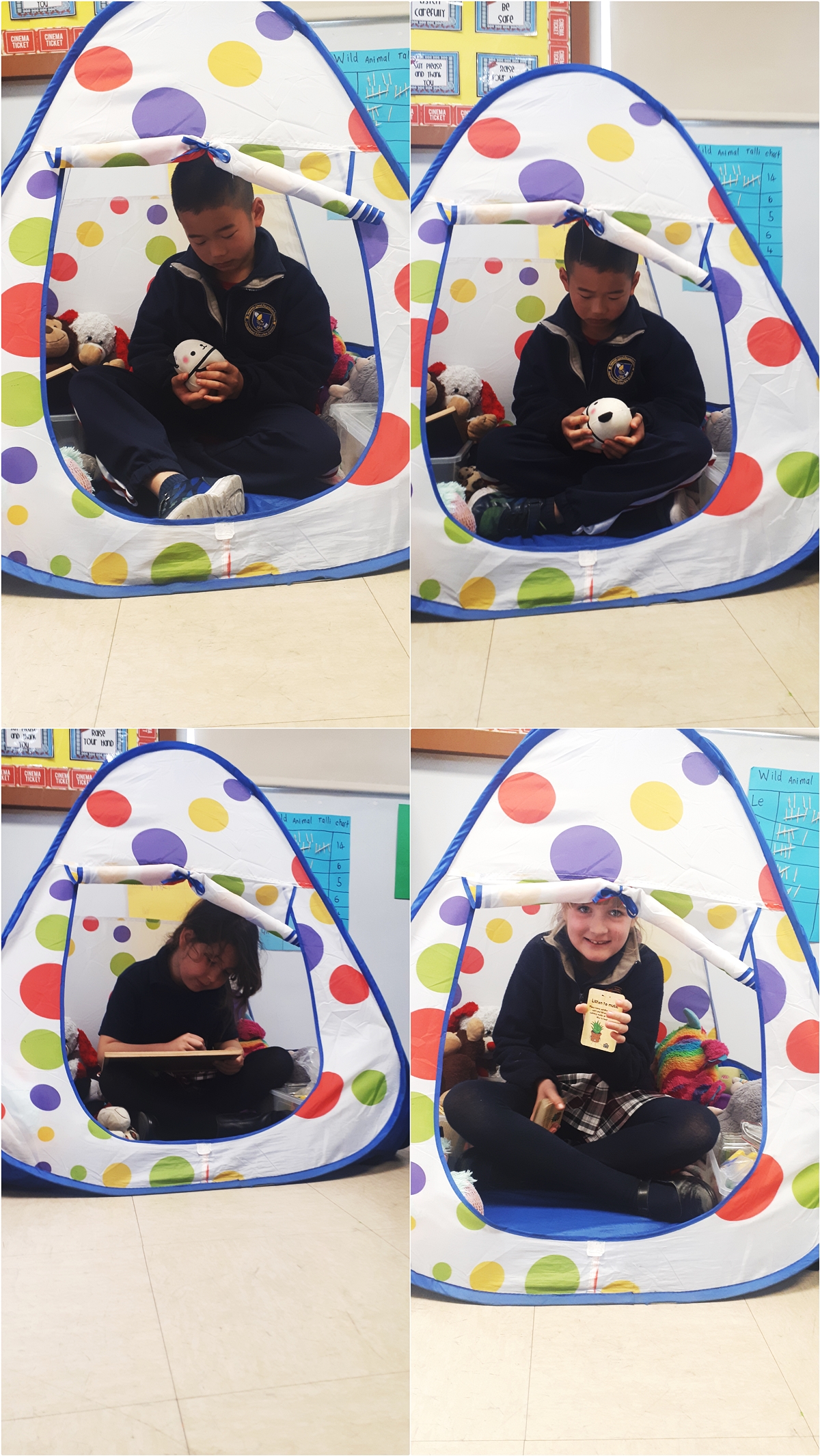
I have a number of feelings wheels and charts around my class to help my students with their emotions. I have a dedicated calm space for my students to retreat to whenever they feel overwhelmed or need a place to ‘check in’ with themselves.
You can create a calm space in your own home for your children, or even for yourself. When children see that you use the space, it allows them to realise that we, as adults, also have emotions and sometimes need to refocus and recentre.
This calm space is different to a time-out space for consequences. It is a place of safety. Children are not to be sent there by a parent, rather it must be a child’s choice to go there. You can suggest it, but it should not be enforced. This space does not have a time limit.
Decide as a family, where this calm space will be. Decorate it together if that’s something that they might like. You can even give the space a name.
Leave them alone in their space to reflect, to let out some anger or other emotions. Try not hover around them or speak to them. Allow them this time to be on their own.
You can include some calming tools in your calm space to help them with self-regulation. Some good ideas are therapy putty or a stress ball to squeeze, a liquid timer or a glitter jar to look at, books to read about emotions, calming cards or positive thinking cards, a teddy bear, or some simple calming toys, such as a Rubik’s cube, that keep their minds busy. Some nice, calming smells can help too. I use lavender in my class, and my students love rubbing it onto their temples. This relaxes them completely. Believe me, I have used it several times!
Embrace your emotions, and talk about them with your family, your friends, your colleagues. The more we accept that we have them and that they are a normal part of our lives, the more skilled we will become, and your EQ will be what people talk about instead of your IQ.
Wendy Menton
Year 3 Teacher

Read More
Auto Museum Outing
To fully appreciate the future, we need to appreciate the past.
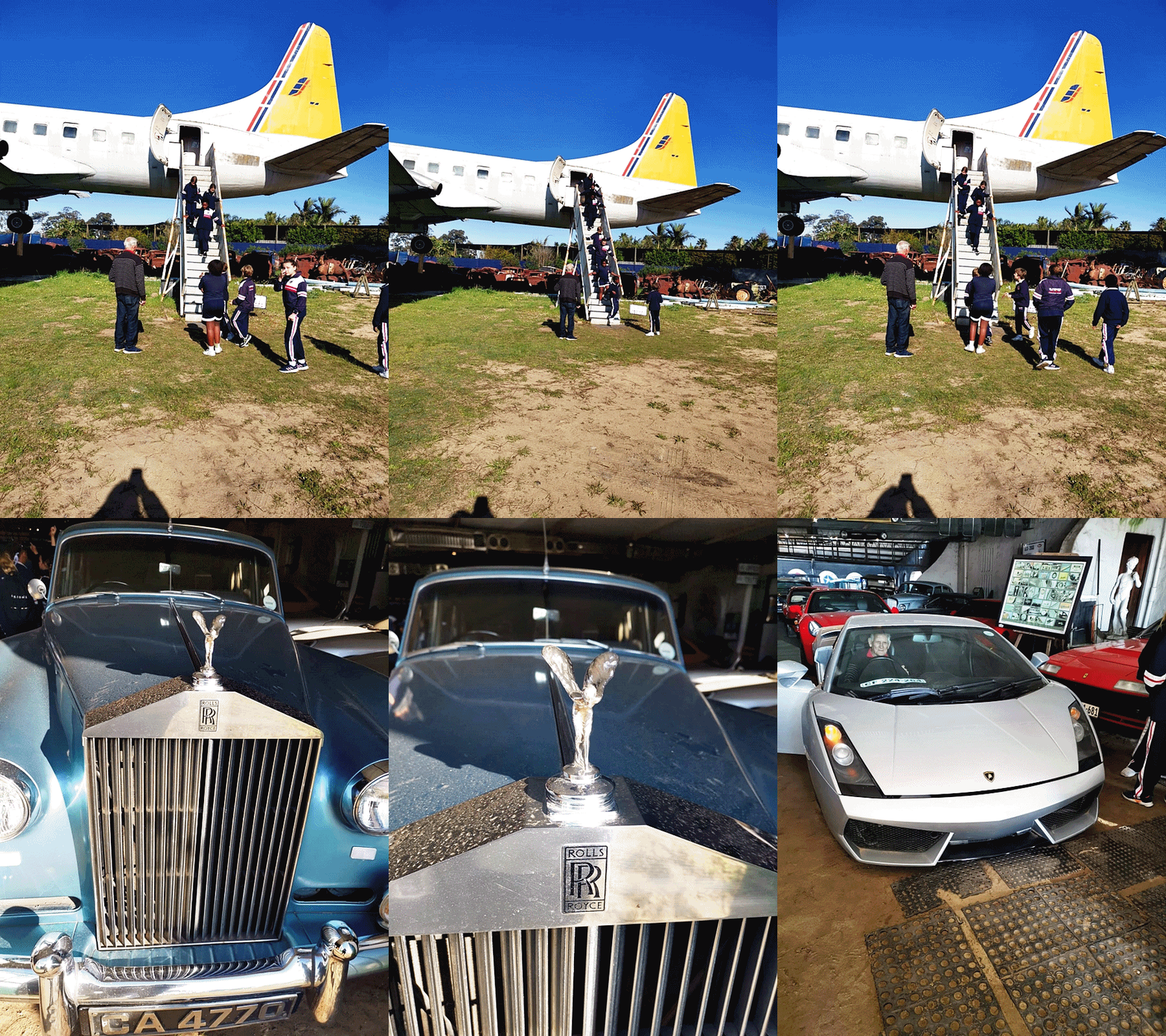
Our Year 4 classes visited the Wijnland Auto Museum in Joostenberg vlakte, as part of the Transportation unit that we have been studying in History.
Throughout the term, we have investigated the various types of transport, how transport has evolved over time and the importance of the different modes of transportation.
During our visit to the museum, the students learned about cars and how the design and technology has changed over the years. We saw various amazing antique cars, army tanks and even went inside an old passenger airplane.
We cannot wait to discuss this topic further in class.
Yvette Fourie
Year 4 Teacher

Read More
The Magic In Allowing Learners To Take Control Of Their Own Learning
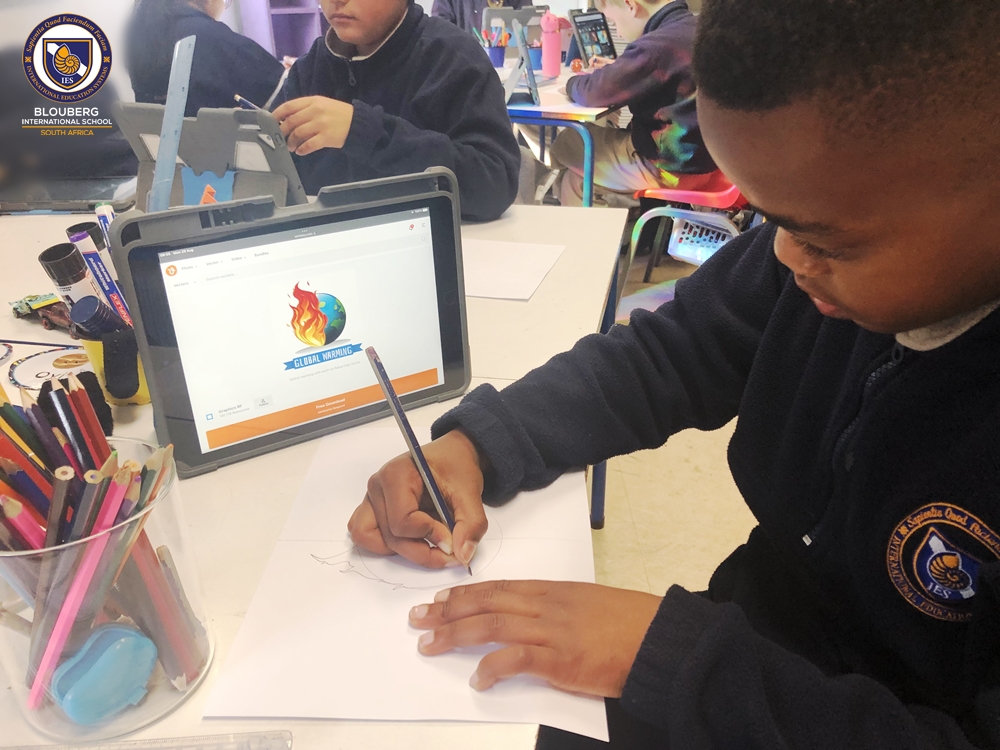
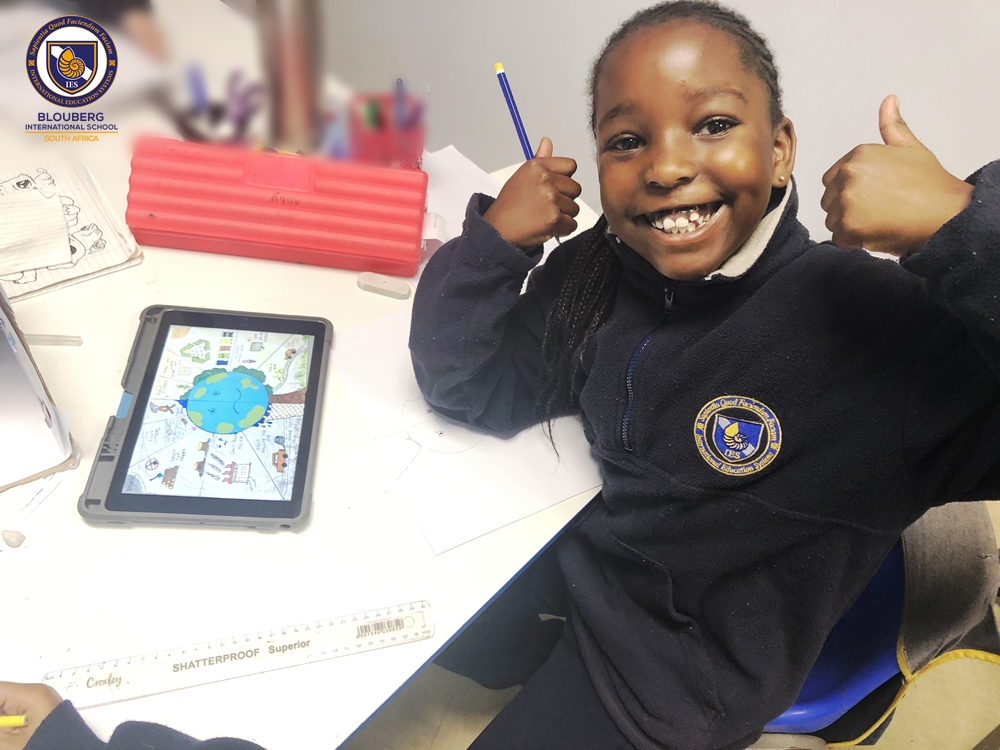
In Year 3 this term we have been exploring the concepts of natural disasters, the water cycle and global warming. The students had the opportunity to discover these topics through their own research, whilst using the Ipads. They have slowly built upon their prior knowledge, lesson by lesson. With Geography as the subject, global warming as the topic and Google at their fingertips, the students decided to take the lesson in a different direction.
Once the students had begun their search and discovered what both causes and alleviates global warming, they discovered some images that they wanted to recreate.
The students had found an interest and wanted to pursue an activity that they had come up with themselves. Each one of them chose to represent the information they had learnt with something that summed it all up into one image. Pictures were produced, that represented our earth in two states and they were drawn and coloured in by the very hands that may one day construct the solutions to the problems we face.
Autonomy is developed through our students having some choice and control in their lessons, and if the knowledge and learning objectives stay the same, then does it matter how they discover it?
Kirsten Stoffberg
Year 3 Teacher


Read More
States Of Year 5
We all know that our children matter. What the Year 5s have been learning recently is that they are also MADE of matter.
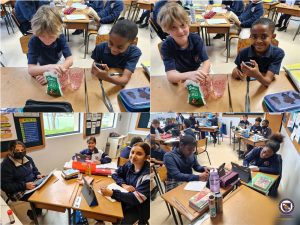
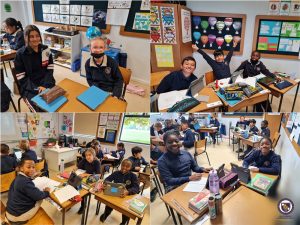
We have been looking at the particle model and states of matter in Science, and the students have explored the topics in a variety of different ways. They have used their textbooks to learn independently and peer-teach each other about processes like boiling and melting, practising the skill of reading information to pick out salient points, as well as their communication skills (and producing some useful posters for the classroom walls in the process).
They observed what happens when a solid is dissolved in water and described the process on the particle level, while reminding themselves that while you may not be able to see the salt in salt water, you would definitely know it’s still there if you tasted it.
They practised their Science enquiry skills by looking at available equipment and figuring out how to test the effect of temperature on the rate of dissolving, writing a practical report to systematically record their findings.
Now they are turning their hand to some research, using the iPads to look up some information about the properties of water.
Throughout the topic, I have been impressed by the students’ willingness to jump into the world of Science and test things out, whether it be research skills, observation skills, or designing a fair test. It would be fair to say that the students have been vibrating with energy – much like their particles!
Hannah Kirkaldy
Year 5 Teacher

Read More

Observing The Weather Using A Wind Vane
Our budding Year 5 meteorologists (a physical scientist who observes, studies and forecasts the weather) have been learning all about the wonders of the weather in Geography this term.
They started by learning about the four main elements of the weather (temperature, wind, rainfall and cloud cover) and how these can be used to describe the weather. They are currently completing a 2-week weather project, where they need to observe and track the weather on a daily basis. These observations require the use of various weather instruments, such as a thermometer for temperature; a rain gauge to measure rainfall and a wind vane to measure wind direction. Using these instruments accurately is a skill they need to master and demonstrate over the course of the project.
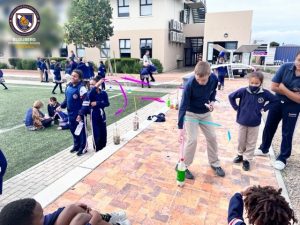
But we can’t accurately measure wind direction without an instrument to help us, so, the Year 5 students started the project by designing and making their very own creative and colourful wind vanes! The idea behind making these weather instruments was that they could then be used by each student at home when making their observations on the direction of the wind.
Great fun was had by all when they put their wind vanes to the test outside on the school field! The direction of the wind (moving air) is the compass direction that the wind blows from. On the day the Year 5’s did their test, the wind was blowing in a northerly direction. They knew this because they had first accurately plotted the 8 compass directions on the ground, using a compass.
We are looking forward to seeing the results of their investigations on weather at the end of this exciting project!
Cindy Drury
Year 5 Teacher


Read More

Year 12 Cultural Outing
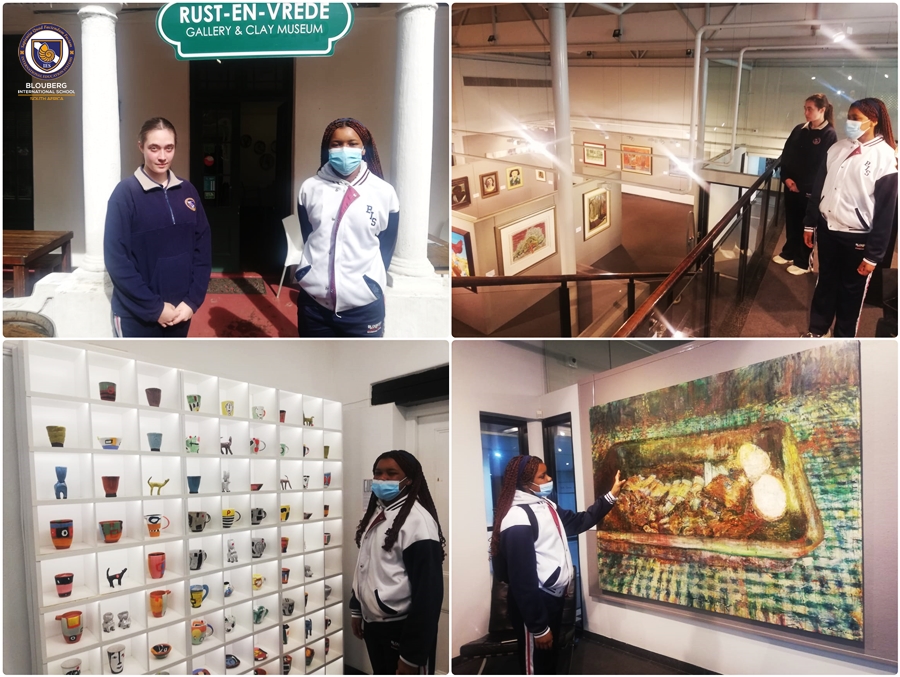
On Friday, 12 August, the Year 12 Art students braced the winter cold and headed out to explore the cultural aspects and art galleries in the Tygerberg area.
We visited the Art.b gallery at the Bellville Library Centre, the Sanlam Art Collection at the headquarters of Sanlam, and a collection of international ceramics and mosaic artworks.
“Uncle Clive” drove us around in a BIS minibus and returned us safe and sound to BIS.
Art.B gallery
https://www.artb.co.za/vuleka-2/
Art.b, the Arts Association of Bellville, is an innovative, community–orientated organisation, sensitive to new ideas and supportive of established and emerging artists from all cultural backgrounds. Art.b, through its vibrant art gallery, creates a platform for and showcases visual art and artists in the Western Cape to raise public awareness of art.
The Arts Association of Bellville is the Western Cape branch of the South African National Association of Visual Art. It is a non-profit membership-based organisation open to all. The gallery is maintained and managed with the support of the City of Cape Town.
https://blog.sanlam.co.za/her-sanlam-art-gallery-bellville/
The Sanlam Art Collection came into being on 9 March 1965 when the Sanlam Board approved the acquisition of 12 paintings by well-known artists for the production of a prestige calendar in the coming year. The collection has grown considerably since and has proved to be a good investment, with the current valuation of the collection exceeding twenty times what it has cost to acquire.
The collection is seen not only in Sanlam offices but also in touring exhibitions across South Africa. Sanlam continues to acquire significant images from established and emerging artists in South Africa and this Centennial exhibition reaffirms its commitment to supporting the visual arts for generations to come.“Her… An exhibition of painting, sculpture, and printing from the Sanlam Art Collection celebrating South African Women Artists.”
Sanlam Art Gallery, Bellville 4 August – 22 October 2022
The present exhibitions in the Sanlam Art Gallery, Bellville, and Sanlam Art Lounge, Bellville celebrates the artistic talents of South African women artists from the early twentieth century to the present. The images by a diversity of women in different media allow for a multiplicity of themes to emerge pertinent to the concerns of women artists over the past century. The exhibition ranges from the capturing of mood and beauty in flowers, the domesticity of daily life and motherhood to the reflection on discrimination and violence against women.
Rust-en-Vrede Gallery, Wellington Rd, Durbanville
The well-established Rust-en-Vrede Art Gallery showcases works of art by established and emerging artists. There are three exhibition spaces at Rust-en-Vrede.
The main gallery consists of two rooms and is referred to as Salon A and Salon B. Salon C is in the entrance room, which is a more informal space used for small solo- or group exhibitions.
Gallery Hours are Monday – Friday 09:00 – 16:00 and Saturday 09:00 – 13:00. The exhibitions change monthly and are freely open to the public. Artists who wish to exhibit at Rust-en-Vrede are requested to submit work and a short proposal to Gallery Management.
The members serving on this committee are nominated at the Annual General Meeting in August. They meet monthly to assess new applicants for exhibitions with the curator.
PIET-MY-VROU MOSAIC STUDIO
27 July ’22
An exhibition of mosaics by the students of Piet-My-Vrou Mosaic Studio. Exhibition opens on Saturday 30 July 2022 at 11 am.
Riaan Vosloo
IGCSE, AS and A Level Art and Design Teacher

Read More
BIS Performs At The Baxter Theater!
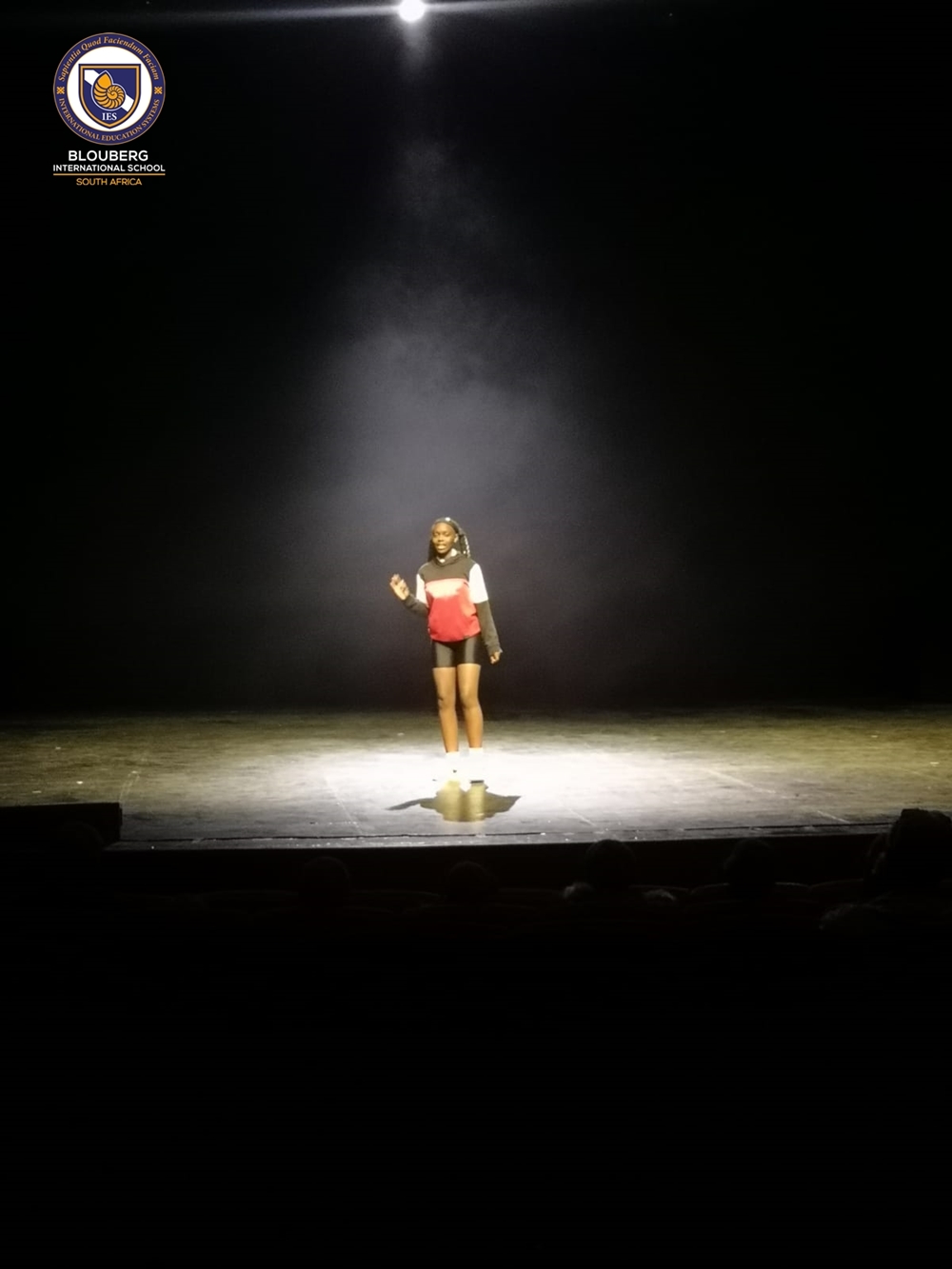
A few of our High School students had the experience of a lifetime on Wednesday, when they got perform to a very large audience on a professional theatre stage. BIS participated in the annual Shakespeare Schools Festival, which since it’s inception, the festival has become Africa’s largest Shakespeare youth drama program and has worked with over 490 schools, 9000 youth, 670 teachers across the Western Cape, Gauteng, Kwa-Zulu Natal and the Eastern Cape.
About the play:
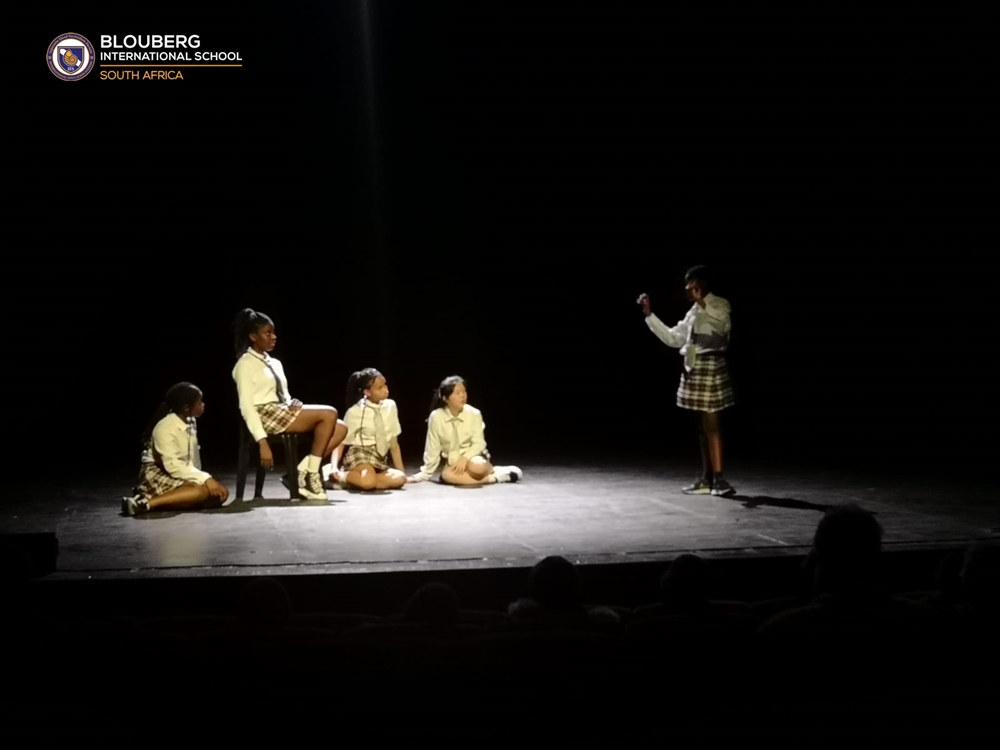
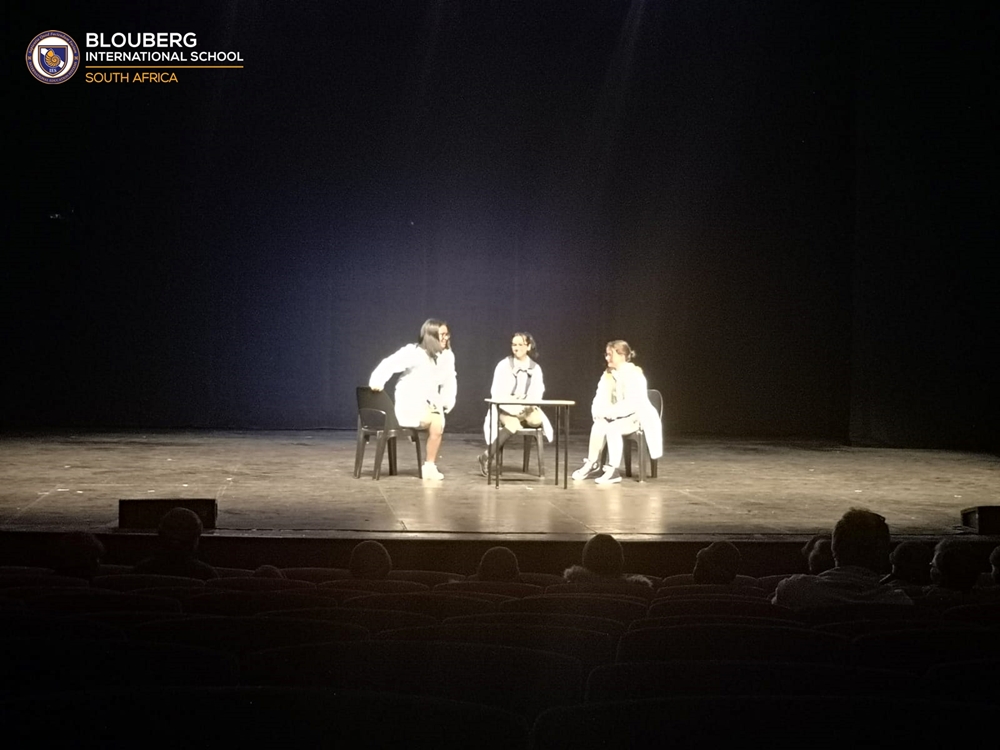
The play is a modernised version of the “The Scottish Play” Macbeth by William Shakespeare. It is a spin off that takes place in an all-girls’ school, Dunsinane High, and instead of aspiring to be king or queen, Macbeth wants to be Headgirl. “Lady Macbeth” in this version is Bethany. The decision to modernise the play was made in order to help the students connect with the characters.
BIS took A Midsummer Night’s Dream to the Shakespeare School’s Festival in a previous year and we enjoyed it so much; that it was decided to make it an annual endeavour. This helps to allow our students the opportunity to develop their talents and passion and to perform on a professional stage. Though we were rehearsing intermittently for some time, the script change was only complete about a month ago.
I am so proud of the entire cast and crew members, many of whom were on stage in this capacity for the first time. They were extremely nervous, but did their utmost. Thank you to everyone who came to support our performance at the Baxter Theatre.
We look forward to our performances at school tonight at 18:30 and again at 19:30.
Tickets are only R40 and will be sold at the door.
High School Performing Arts and English Teacher

Read More
Showtime
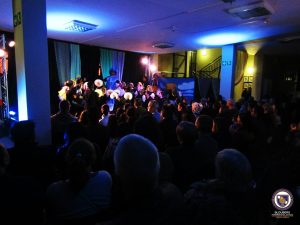
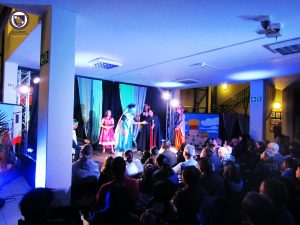
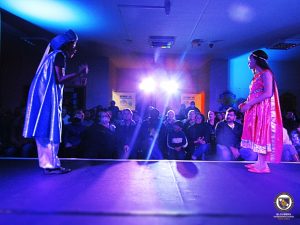
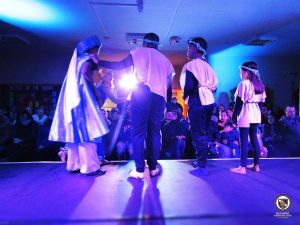
Last week KS2 put on the Disney Jnr play, Aladdin. We spent a total of 80640 minutes, which is equivalent to 1344 hours or better yet 56 days rehearsing, preparing and setting up for this spectacular event.
A lot of hard work, long hours and dedication was put into making our KS2 concert a success. Today when I look back I do not think of the challenges or the long hours, the stress or the worry in the details. I remember the fun moments we all had during our shared time. I remember the laughs, jokes and even the mishaps that made the show even more memorable.
The cast was phenomenal. They are certainly stars in the making. I admire their dedication and tenacity. Without them we would not have had this amazing play. I have seen them grow in confidence and independence. Many of them began very shyly and quietly however by the time we ended those very same actors displayed admirable traits of fortitude, bravery and confidence. It is a true reminder to us all how remarkable our children are.
As Augusto Boal said, “We must all do theatre, to find out who we are, and to discover who we could become.”
It was a tiring 4 day event and even though there was a lot of relief in its success, the evening of Day 4 left us with an empty space as we all shared the same sentiment, “What will we do with our time now?”
Comments from the cast…
“It has been a dream come true to play the part of Genie”
“I will miss the time with everyone”
“It was so much fun, thank you for giving us the opportunity.”
The KS2 concert has shown us that not only is academics important in a student’s life, but the cultural aspect is needed to nurture a well-balanced, diverse student.
Until the next show, let us share the written words of Shakespeare when he said, “All the world’s a stage.”
Nadia Mahomed
Year 4 Teacher
Watch our KS2 students sing at assembly to celebrate a successful concert: