
The 7 Habits of Happy Kids
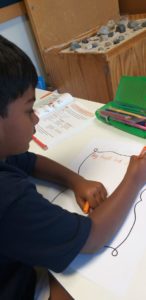
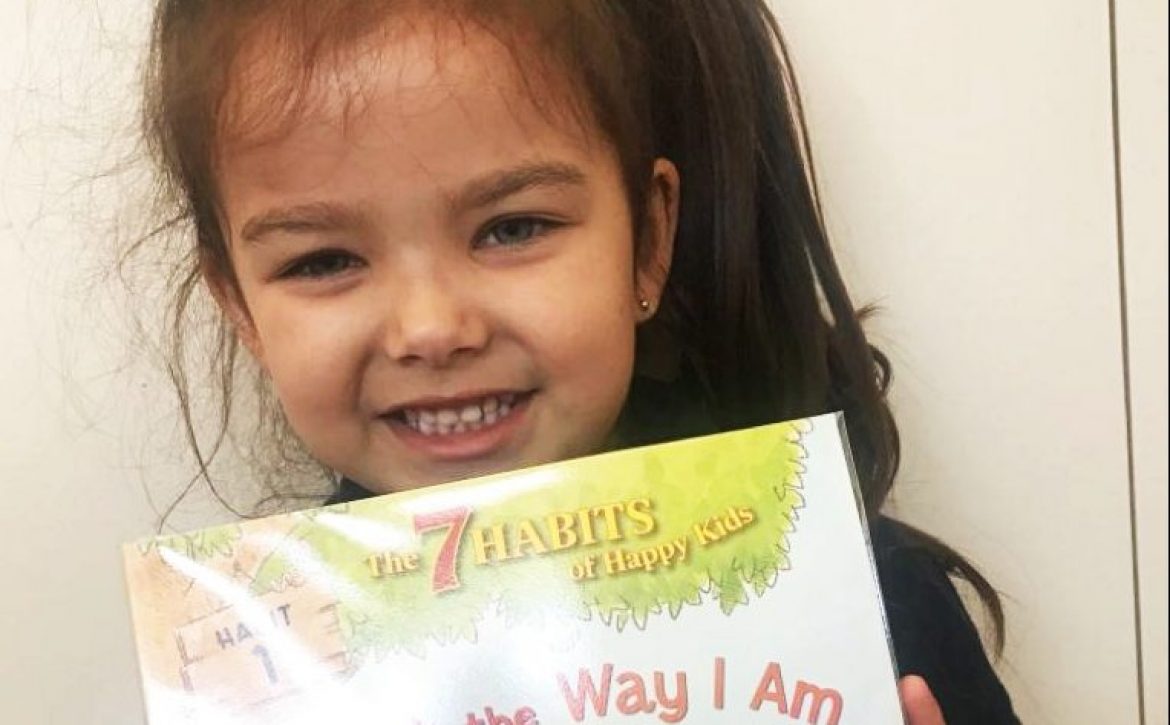
In our class we have been reading stories all about the friends that live in 7 Oaks Village. We have been introduced to Pokey Porcupine, Tagalong Allie and Jumper Rabbit, to name a few.
Each week we read a different story that teaches the children a new skill or habit. These important life skills are beautifully presented in engaging stories to help students understand and learn these vital life skills.
Through these stories the students learn the importance of being themselves, listening to each other and working together.
The students love hearing the new story every week and it is lovely to see them trying to use their new skills in their interactions with their friends.
Monique Crawley
Reception Teacher


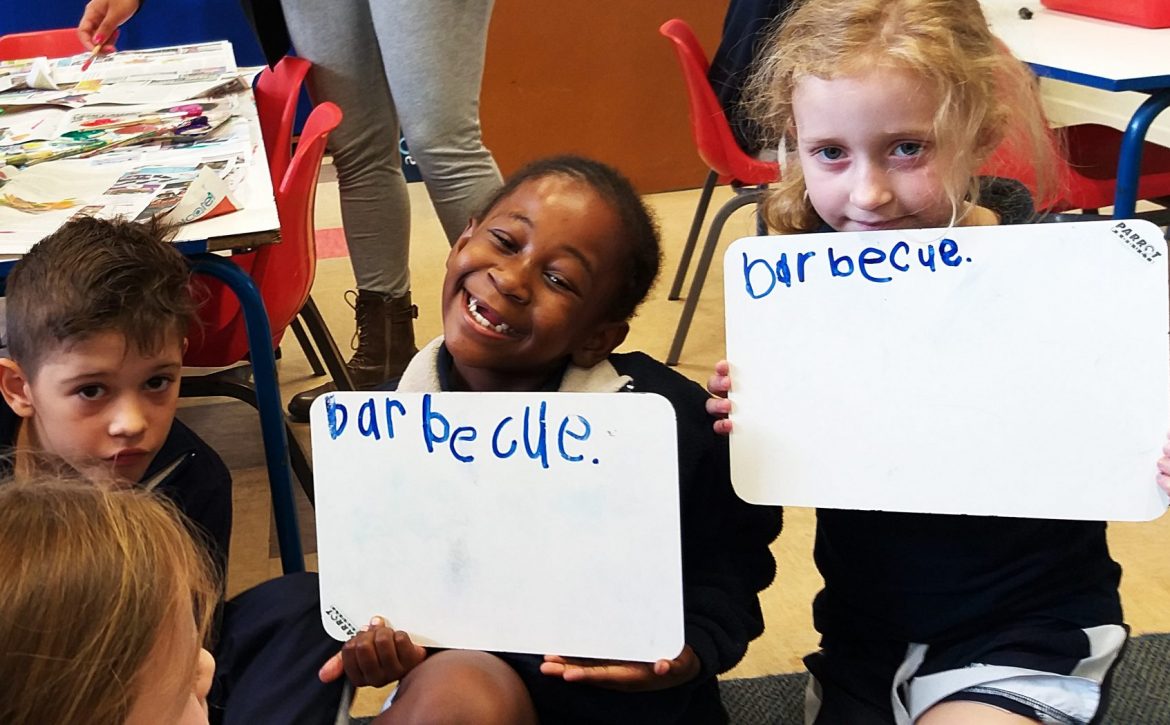
Jolly Phonics Fun
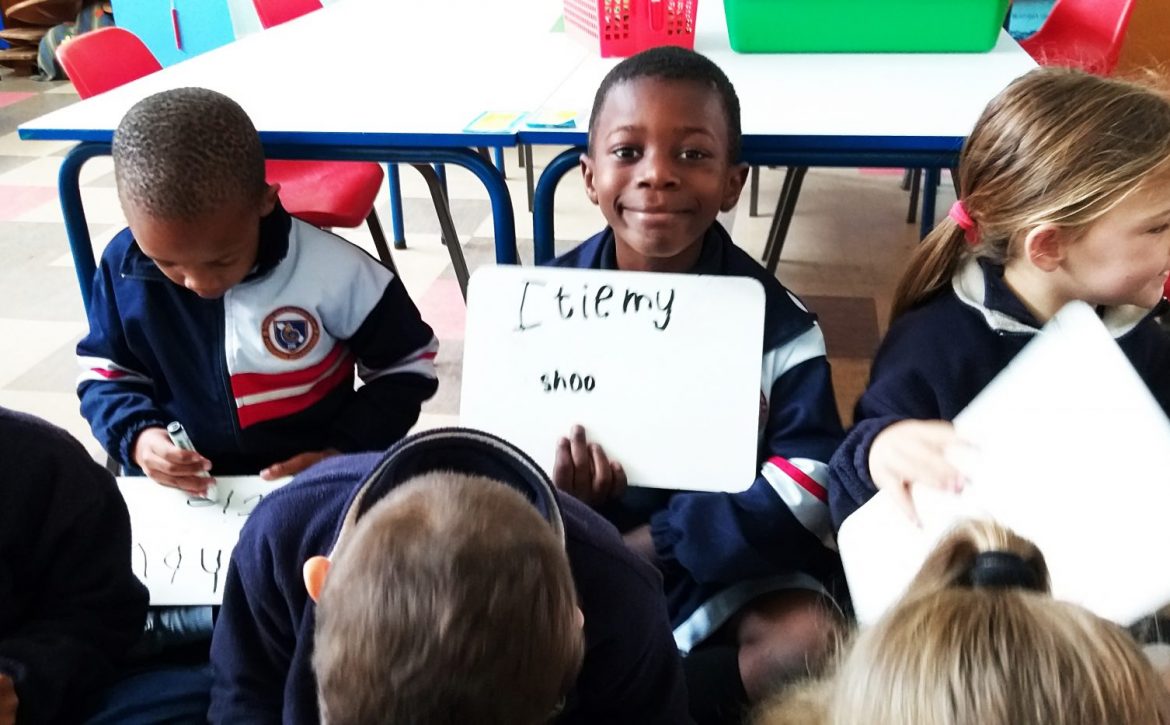
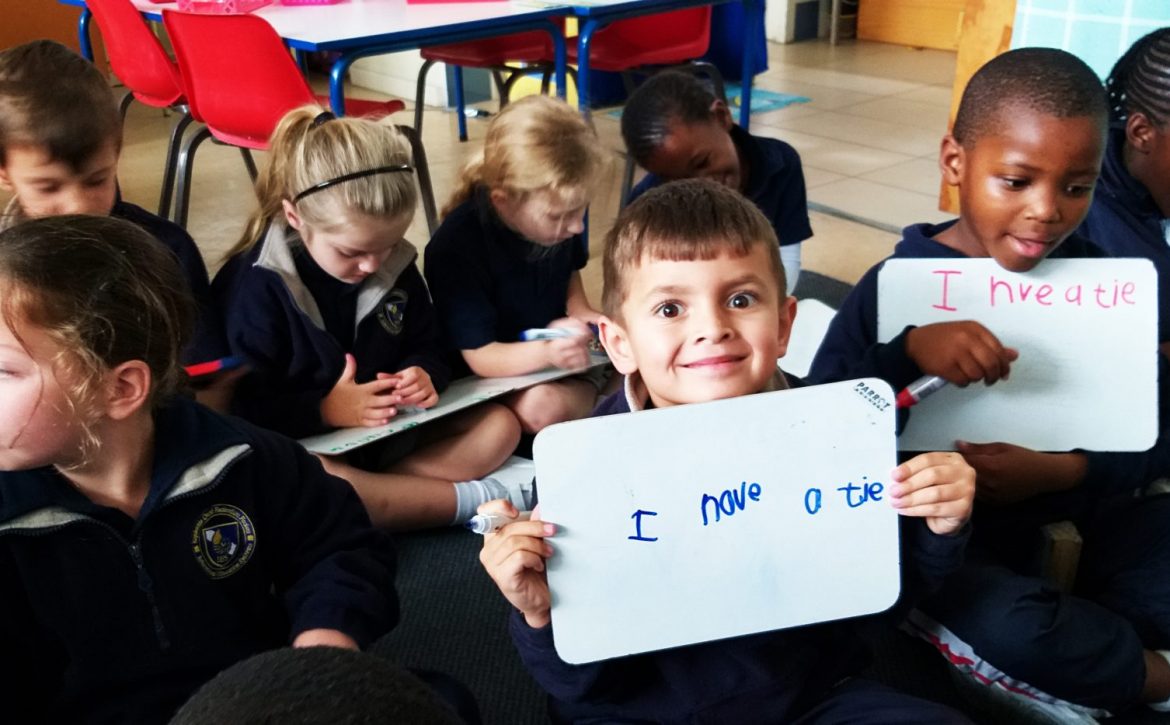
We do our Jolly Phonics lesson in the mornings. Each child gets a whiteboard, marker and duster and comes to the mat. We then write a letter sound down on the top of the board such as the blended sound ‘ai’. The teacher chooses a word. Sometimes they need to ‘unjumble’ a nonsense word to make a real word that the teacher has written on the board. For instance the nonsense word ‘arin’ becomes the real word “rain” when ‘unjumbled’.
Most often during these lessons we use “arm blending” to sound out a word the teacher has given. In arm blending the first sound is on the shoulder, middle sound on the elbow and last sound on the hand. So the word coat can be sounded out on the arm as ‘c’- ‘oat’- ‘t’ …coat. Once the students have sounded out the word together on their arms they are now ready to write the word.
Sometimes we put in sound buttons under the words. Single sounds get one dot below and blends get a line underneath. For example the sound buttons for the word coat would be ( . _ . ) .
We then write a sentence using the word. Sometimes the students have to ‘unjumble’ a sentence and sometimes they write their own sentence. When the students are finished they hold up their boards for the teacher to see and the teacher gives guidance about correct spelling of words and punctuation.
The students find these lessons very rewarding, because even more complex words can be easily sounded out using the arm blending technique. For longer words we use put the sounds in between the shoulder and elbow or between the elbow and hand. For example, the word “throat” will have the letter ‘r’ occurring between the shoulder and elbow and the word “sound” would have the letter ‘n’ occurring between the elbow and hand.
The students always feel a great sense of accomplishment as they begin writing words they could never have dreamed of writing before. They really love showing off their work on their whiteboards to both their teachers and friends and we always end up having a lot of Jolly Phonics fun.
Bronwen Nuthall
Reception Year teacher
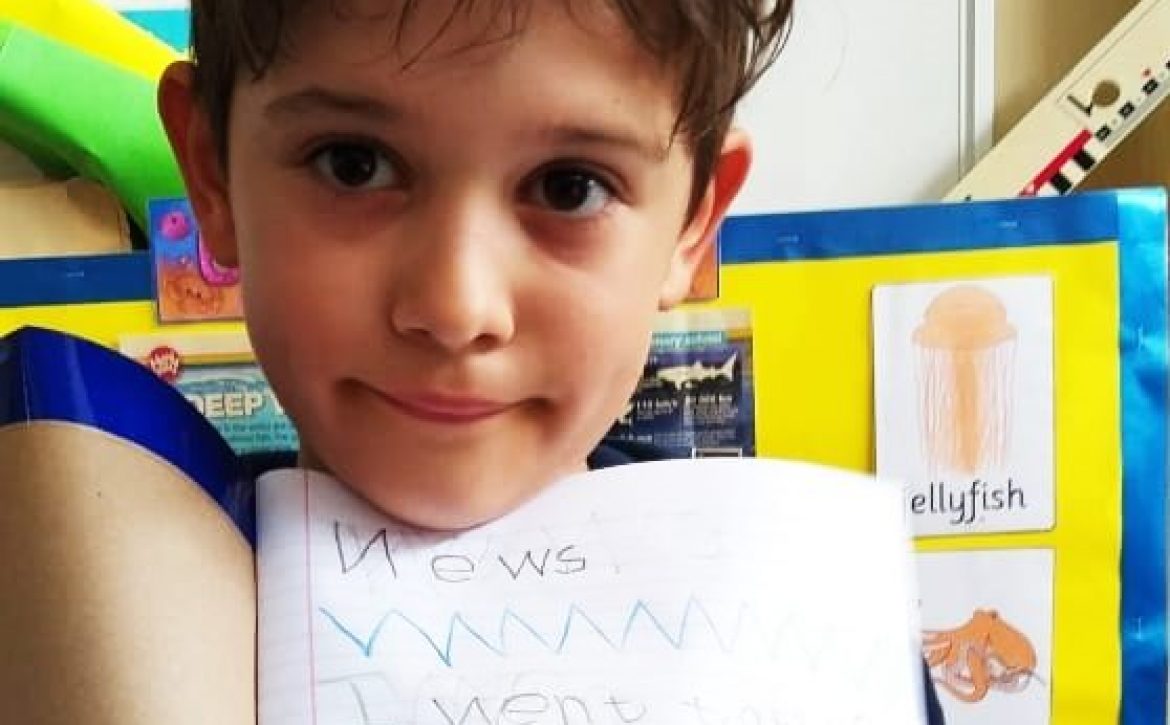
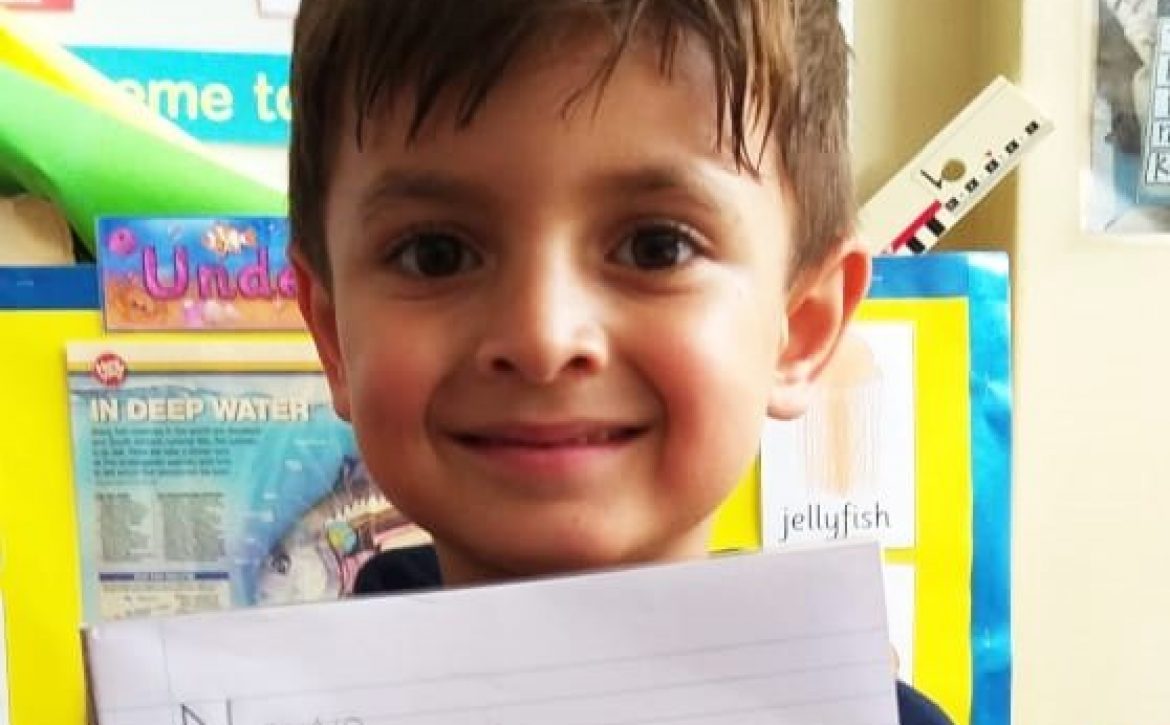
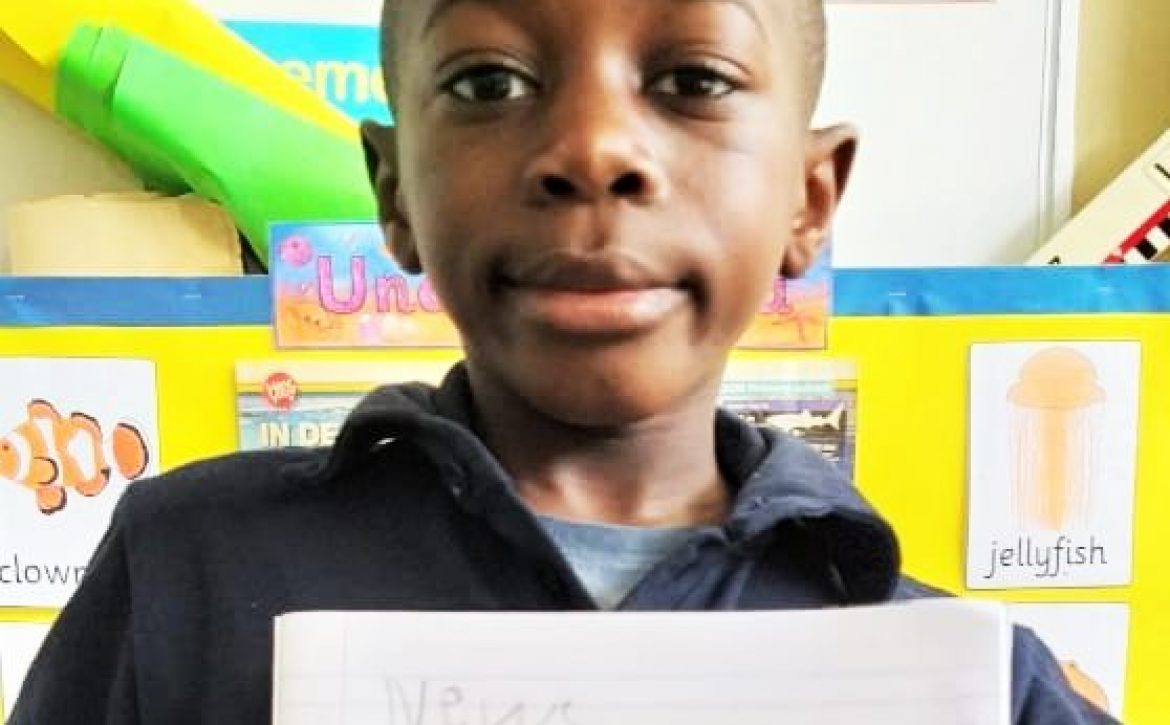



“I went to…” Holiday News In Reception
On the first day of school, the students arrived very excitedly to begin the last term of Reception Year. They really enjoyed the holiday and could not wait to tell us all about it.
We are now training to work in books with lines in preparation for next year. The students had to write their own heading for their news followed by the zig zag, ‘w’ pattern. Through practice the students are becoming more aware of motor planning in their books and are learning to skip lines when needed.
We recapped the simple sentence rules:
- A sentence always starts with a capital letter.
- There are always finger spaces between words.
- A sentence ends in a small neat full stop on the line.
Each week for their news the students will choose and make use of a sentence starter such as “I went…”, I played …”, I saw…”, I liked…” The teacher will then write the unknown words on a strip for them to copy. They will be encouraged try and complete their own sentences using known High Frequency Words and by independently sounding out phonetic words using their knowledge of the Jolly Phonics sounds.
Reading and writing skills certainly goes hand in hand. All the reading practice they have been doing this year will definitely help them to apply their knowledge to attempt writing sentences with confidence.
The students are very excited about the following sentences they have written in their writing books this week:
“I went to the shop.” – Gabriel Perdigão
“I went to Namibia.” – Madison Carli
“I went to get donuts.” -Thami Makubalo
“I went to the shop.” – Michele Lemme
“I went to Dubai.” – Zoe-Jane Way
“I went to holiday care.” – Emmanuel Omole
“I went to the movies.” – Britney Quadri
“I went to the shops.” – Melissa Moje
“I went to the playground.” – Ali Sadi Hasturk
“I went to the shop.” – Lizelle Vorster
“I went to holiday care.” – Enzo Tona
“I went to the hospital.” – Jenna Miller
“I went to the shops.” – Reuben Davids
“I went camping.” – Malin van Zandvoort
“I went to the mall.” – Ndalo Kweyama
“I went to the movies.” – Sarah Miller
“I went to the shop.” – Irén Martinez Baqueiro
“I went to the holiday care.” – Joel Mofokeng
Bronwen Nuthall
Reception Year Teacher
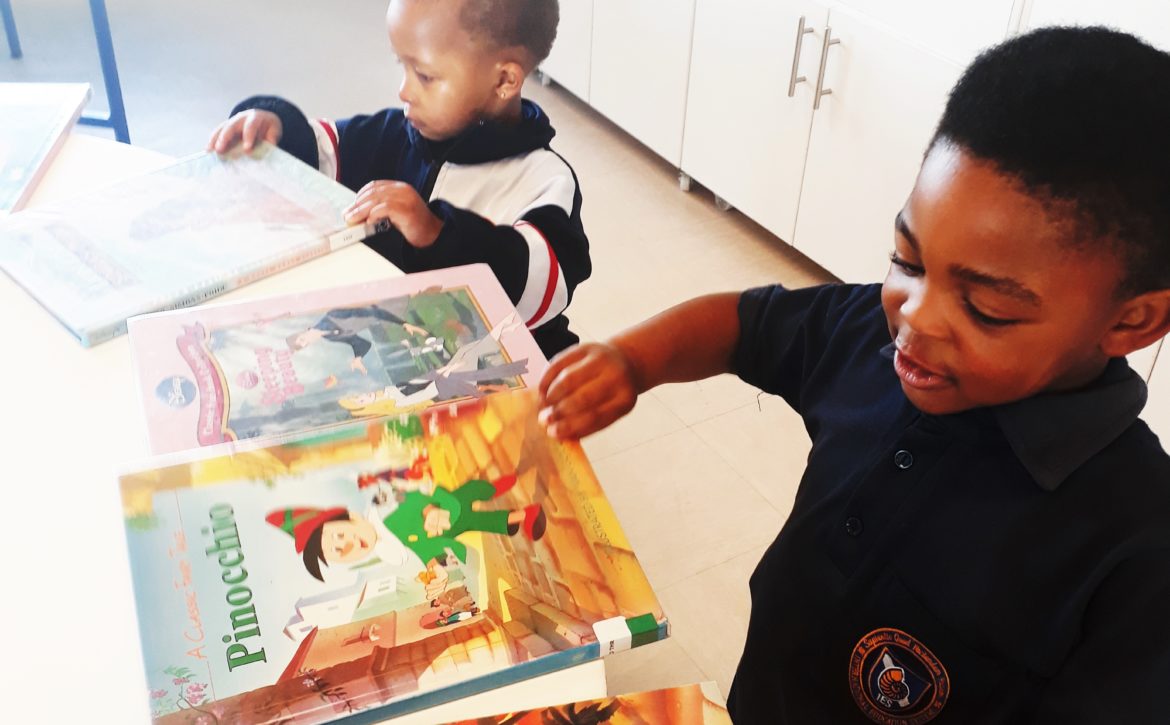
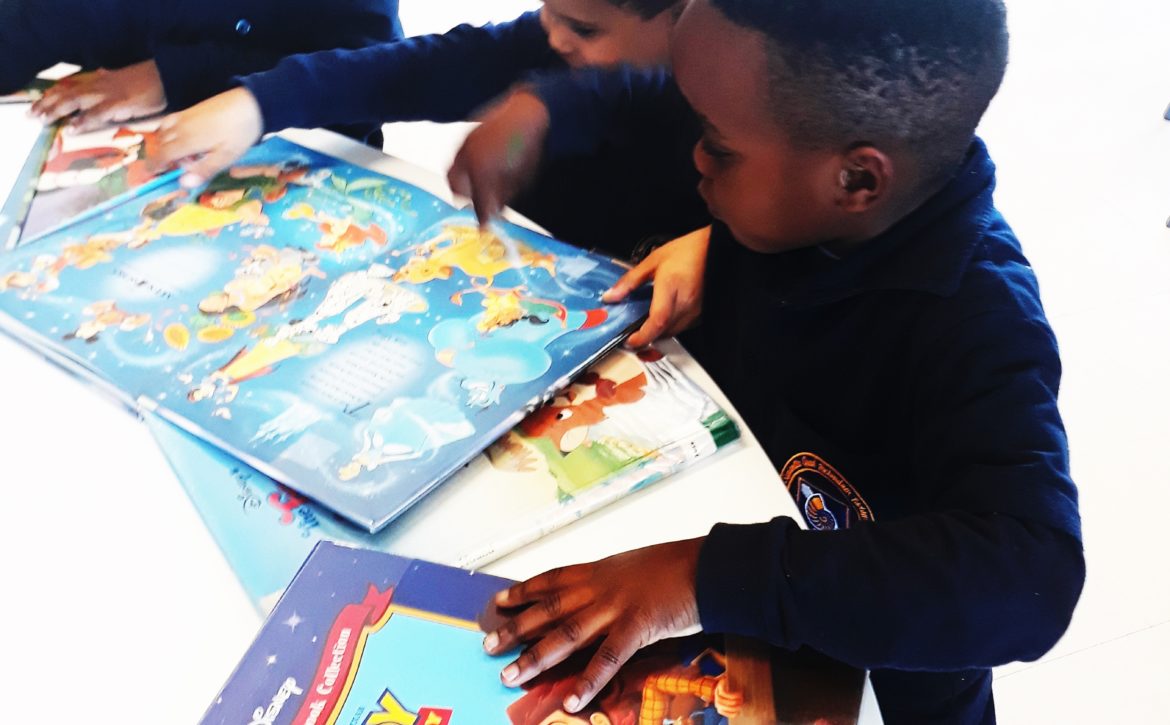
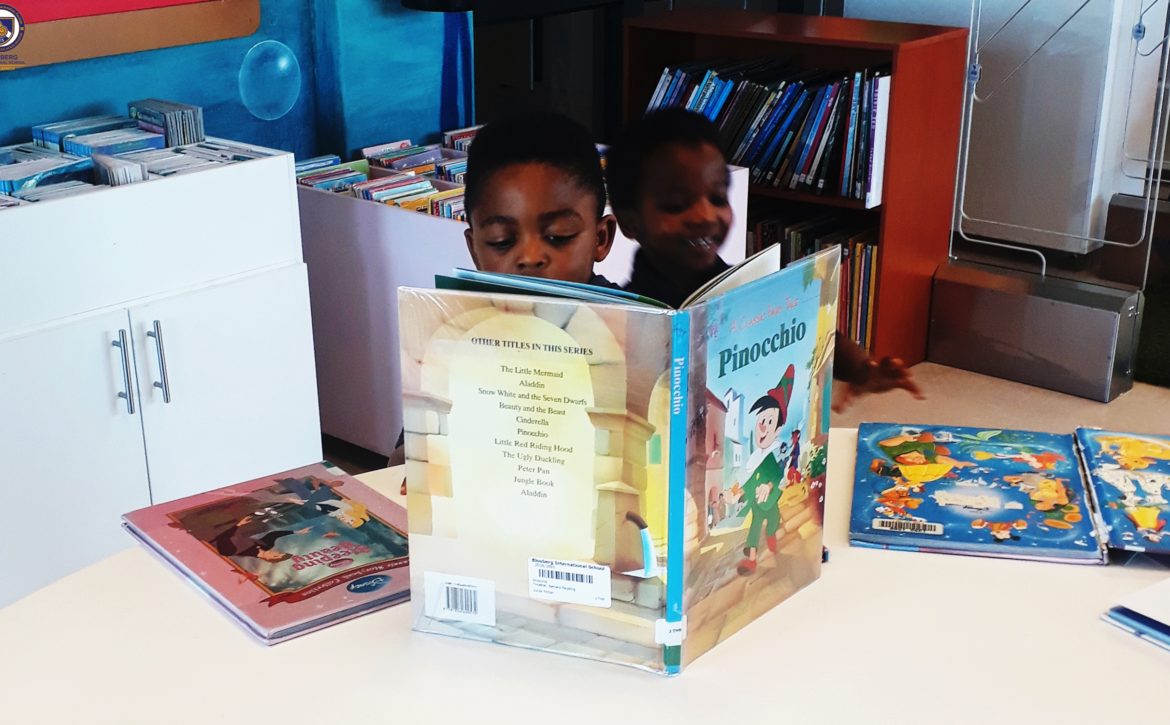
The Library Is A Fairy Tale
The Nursery had a wonderful time visiting our school’s library this week. We looked at different Fairy tale books such as Bambi, Cinderella, Snow White and Pinocchio just to name a few.
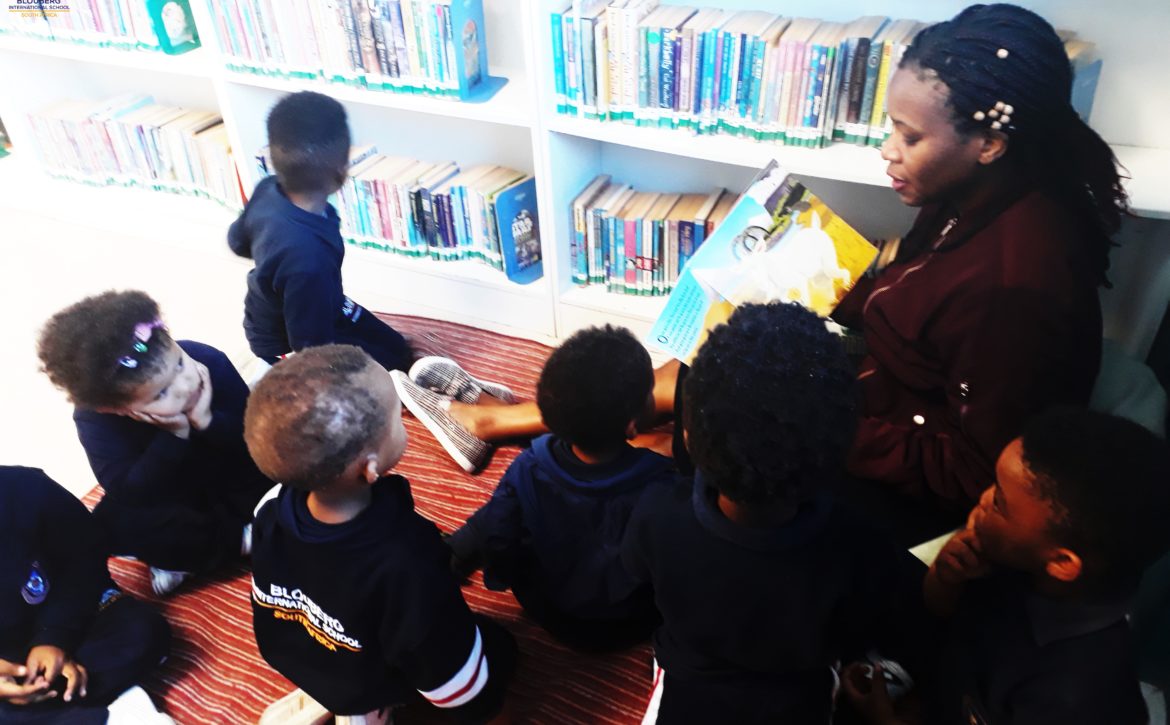
We learned how to look after books and how to not tear the pages. We also learned that we need to be very quiet when visiting the library because other people could be reading.
Before we returned to class Mrs M sat down and read us the story “The Billy Goat’s Gruff”. We love listening to her read with such feeling and enthusiasm.
We had so much fun in the Library and cannot wait to learn about and read more Fairy tales soon.
Jacky Billings
Nursery Teacher


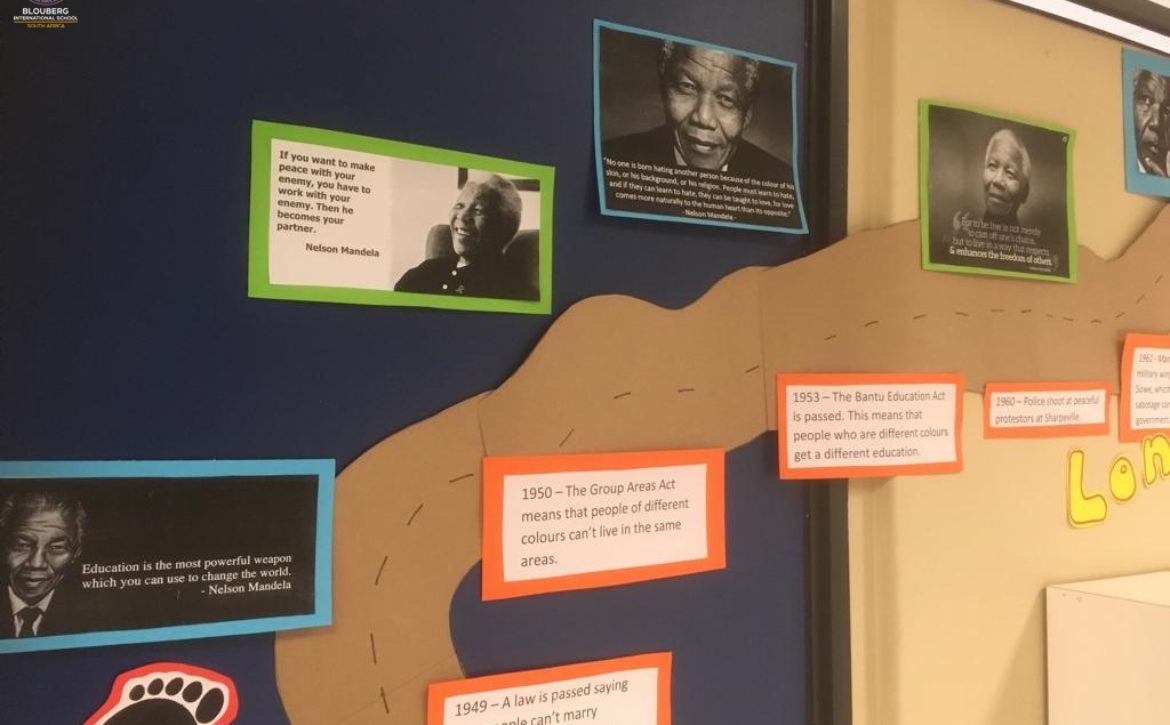
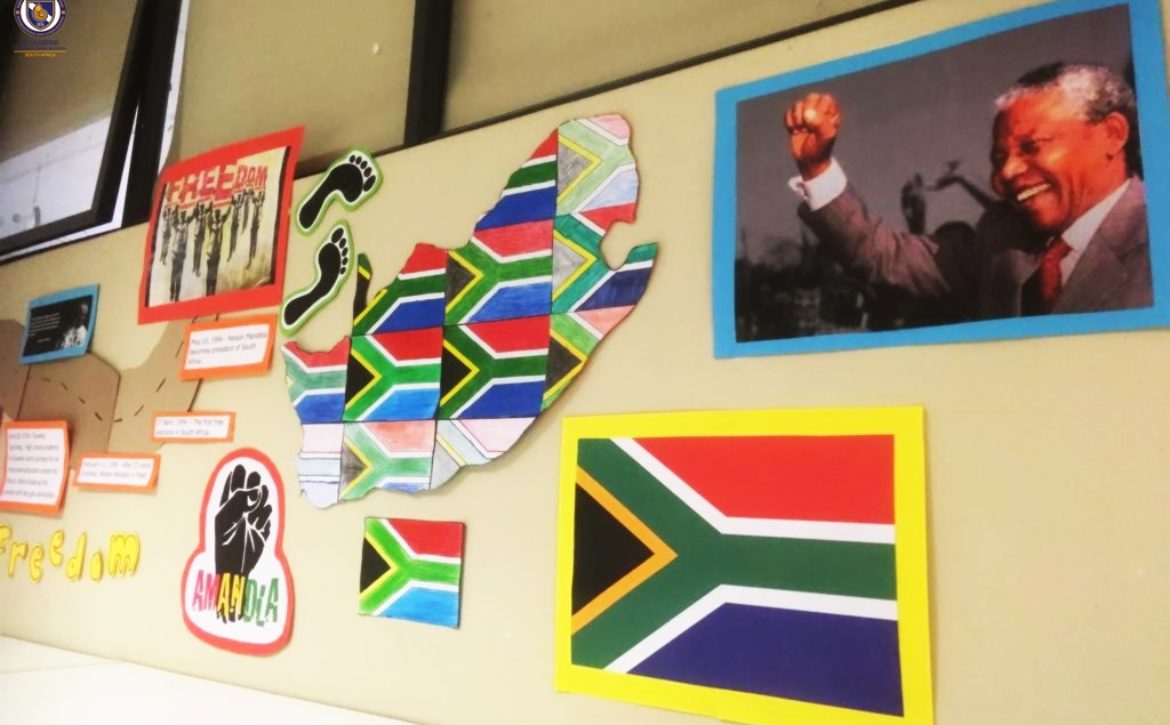

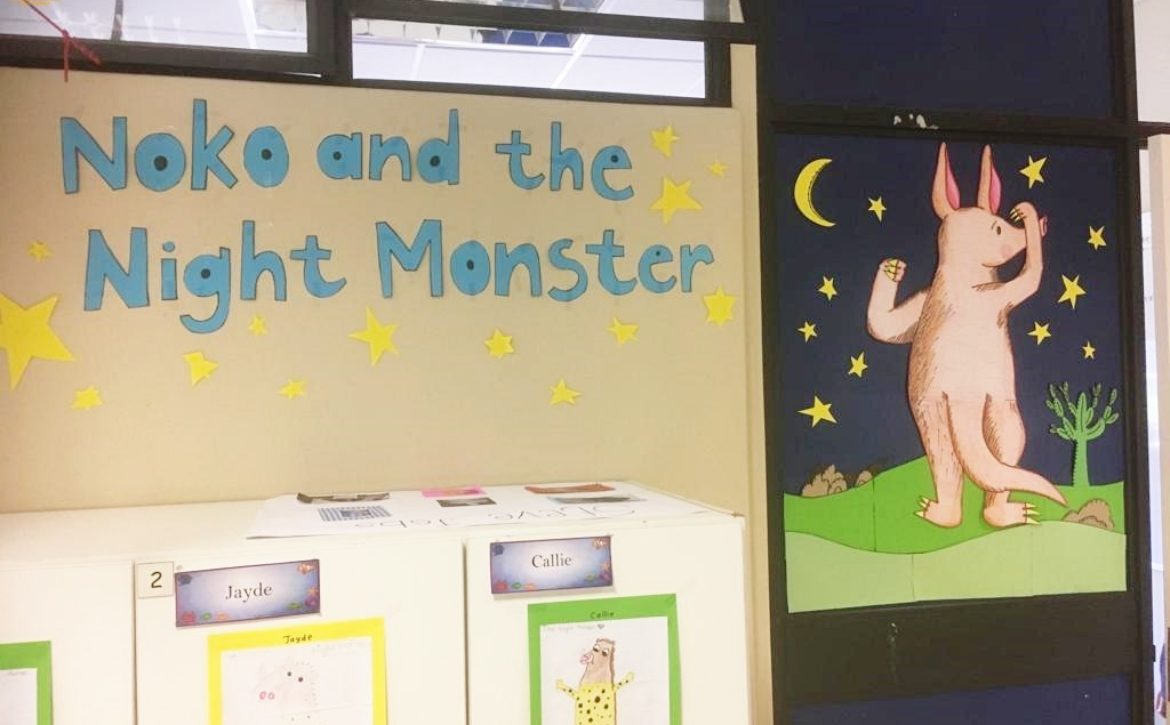
Key Stage 2 Book Week 2019
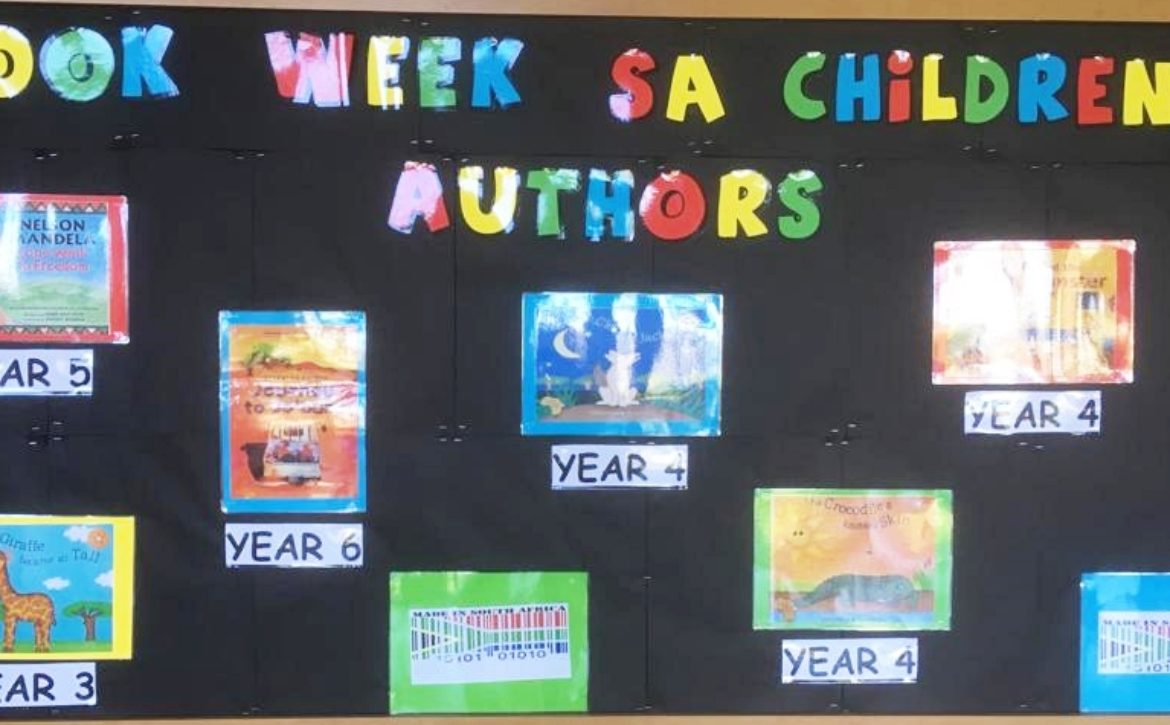
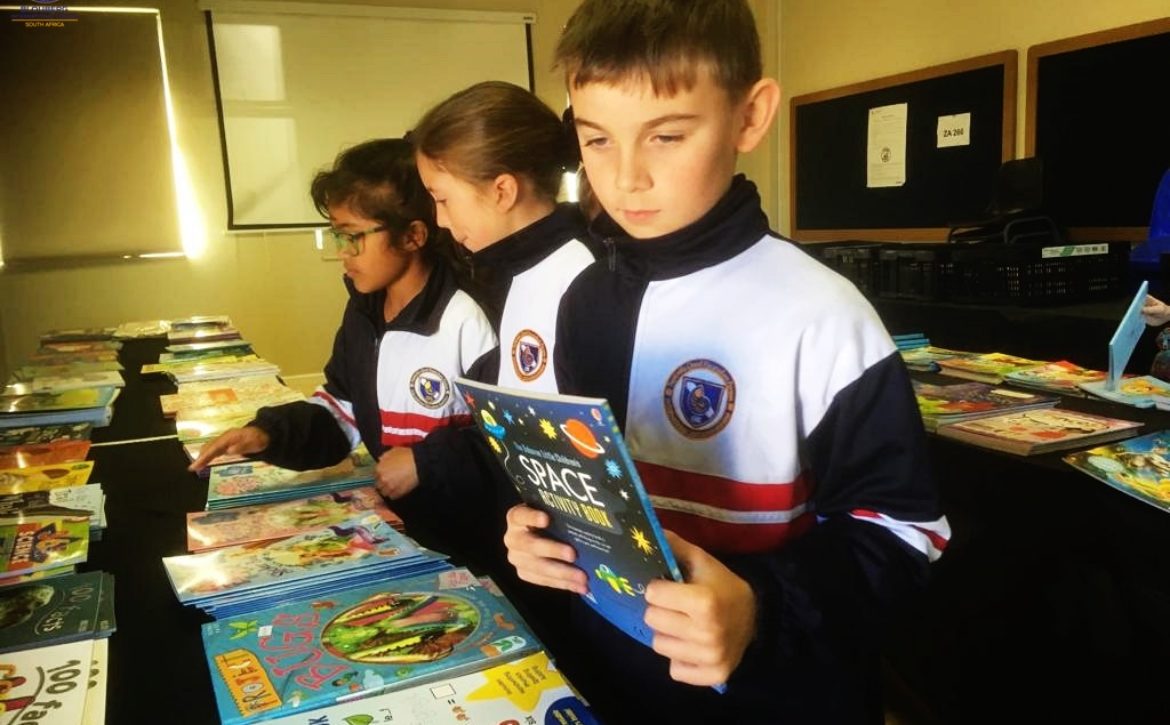
The history of our beautiful land can only be depicted through the magnificent stories and writings told by our talented authors. This week BIS has dedicated Book Week to honor our South African Children’s Authors.
On deciding to do this, I, myself had surprisingly made the discovery of how many brilliantly written local children’s books existed. I took some time to read a few books, and was touched by the realities and beauties of our very own land. It is so important for us to pass on the diversity of cultures and heritage to our children and the best way to do this is through a book.
On Tuesday we were fortunate enough to receive a visit from an amazingly talented South African Children’s author, Lori-Ann Preston.
“Lori-Ann Preston is an award-winning children’s author who lives in East London. She won the Golden Baobab Prize in 2016 for her Early Chapter Book, The Ama-Zings! Her picture books, Mr Cocka-Rocka-Roo and Snails Have Feelings, Too! were short- and long listed for the same prize, respectively. She holds a BEd Honours degree from the University of South Africa and spent 20 years as an educator.”
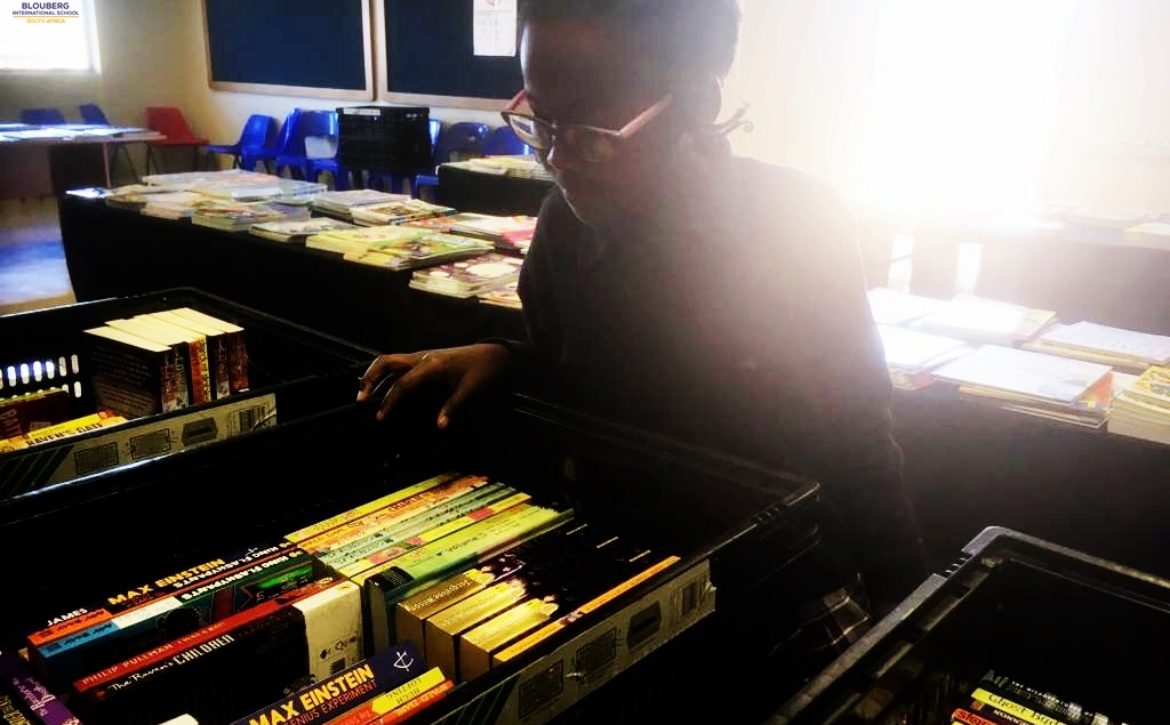
A magical week was had by all. We had many other visitors and events at our school, “Help the Rural Child” mobile book shop, “Hooked on Books”, Story Book Character Dress up day and a Cake sale, all of which makes Book Week something to look forward to every single year.
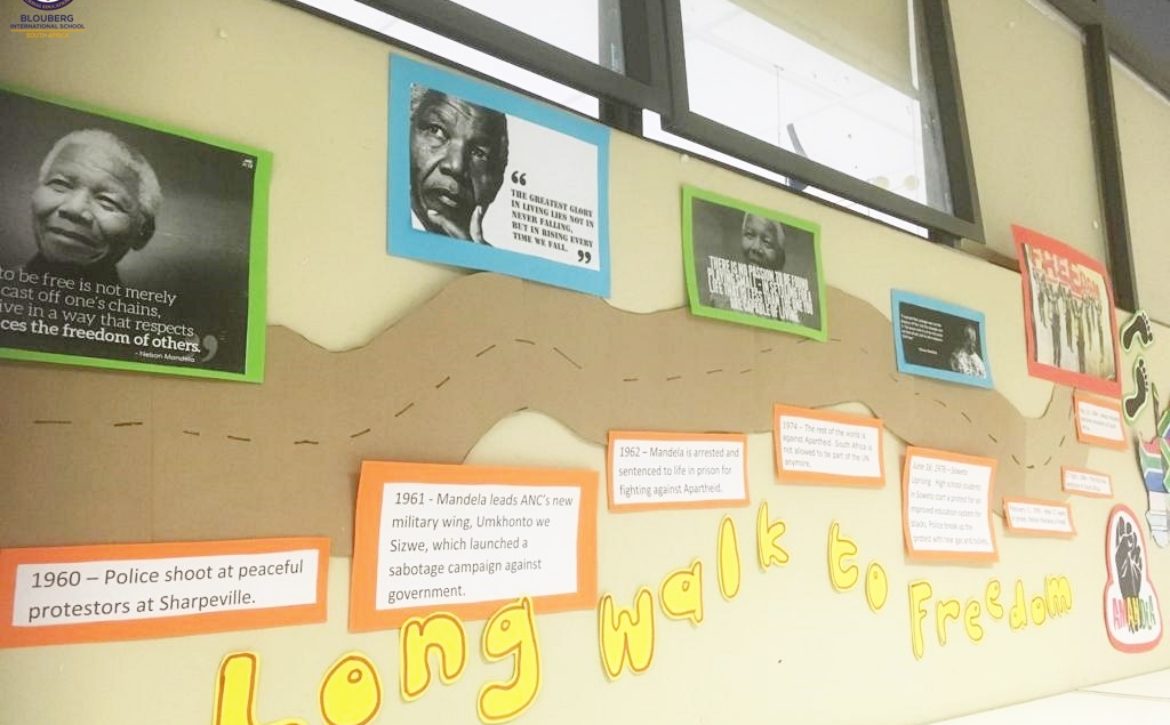
“When we read we are able to travel to many places, meet many people and understand the world”
-Nelson Mandela
Let us continue to empower and grow young minds through reading. Happy reading all.
Nadia Mahomed
Year 5 Teacher

From the Principal’s Desk, 22 August 2019
Dear Parents
This has been an exciting week as we celebrated Book Week in our junior school.
We had a visit from South African author Lori-Ann Preston who addressed our Key Stage 2 students. She is a seasoned South African educator with more than twenty years of experience. She has a Bachelor of Education Honours Degree through the University of South Africa.
Lori-Ann won the Golden Baobab Prize in 2016 for her Early Chapter book ‘The Ama-zings!’, a fast-moving, fun-filled adventure story, and received the New Writer of the Year award in 2016 from the South African Writer’s Circle.
She just launched another book called “Thabo, the Space Dude“ which promises to be an interesting and compelling read to our children.
Our choir participated in the West Coast Song Festival last night and the organisation of the event at Woodbridge Primary was exceptional. Thank you to all the parents who came to support our choir.
On Friday we will have our Storybook Dress-up Day and we are looking forward to our students creative costume ideas. This promises to be a fun-filled day at school, signaling the end of another successful Book Week.
Next week we have the opening of our high school’s 2019 musical ‘Little Shop of Horrors. It has been was such a pleasure to see how actively this was promoted by our students this morning as they sang and danced in the car park, inviting parents to come and see the production. They have all worked tremendously hard over the past months to ensure we have a potentially award winning show.
I wish you a wonderful weekend ahead.
Kind regards
Edna
Interactive Curriculum Morning Term 2 – Key Stage 1
The Interactive Curriculum morning is a series of presentations covering different topics each time. All primary school parents are urged to attend these sessions as this is a vital platform for teachers to guide parents through the Cambridge curriculum.
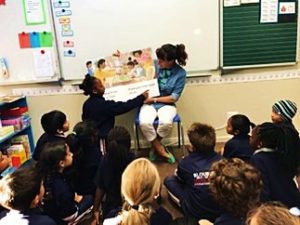
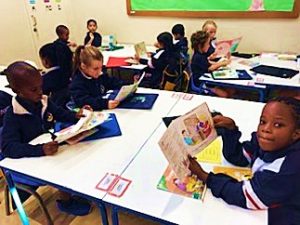
On Saturday, 4 May, Year 1 presented the Cambridge English curriculum to parents. I had the opportunity to present and discuss information about reading. The importance of reading cannot be emphasised enough. Parents and educators need to make every day reading a high priority. Reading enhances a child’s vocabulary, cultivates a vibrant imagination and ultimately helps them understand how to read and write. By reading aloud to children you are helping them comprehend various topics about the world and every day life form multiple point of views. This teaches them to think outside of the box and to reach conclusions by using more complex and creative methods.
Charlotte Cronje
Year 1 Teacher
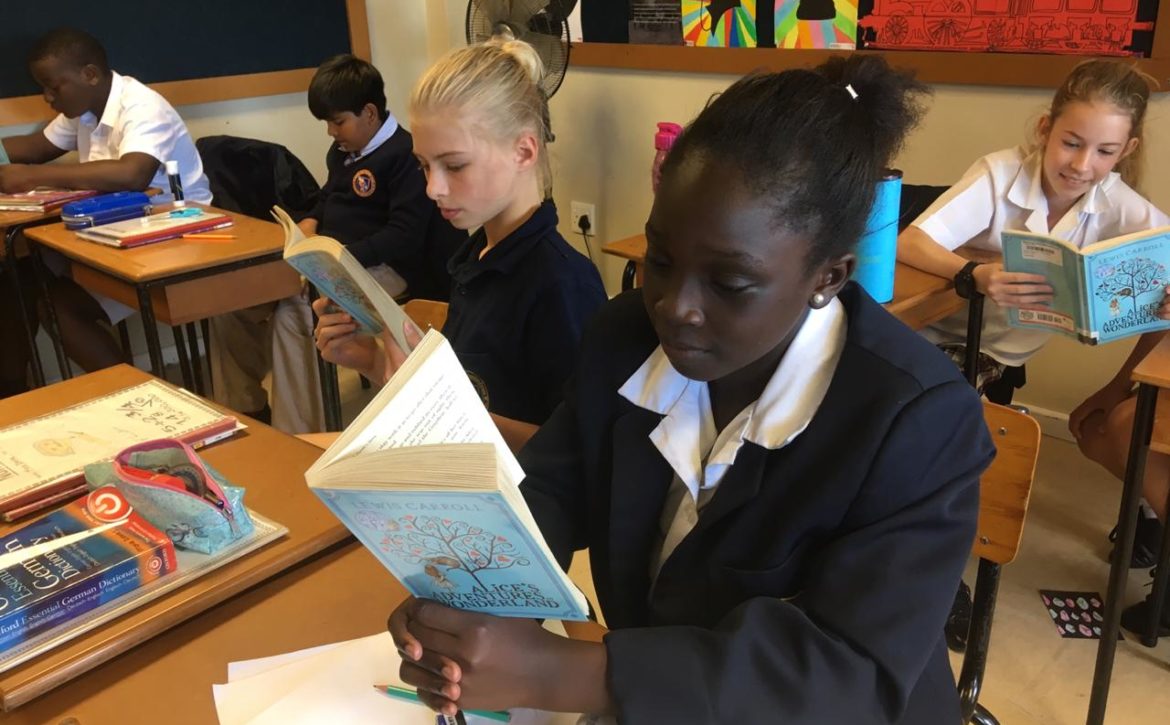
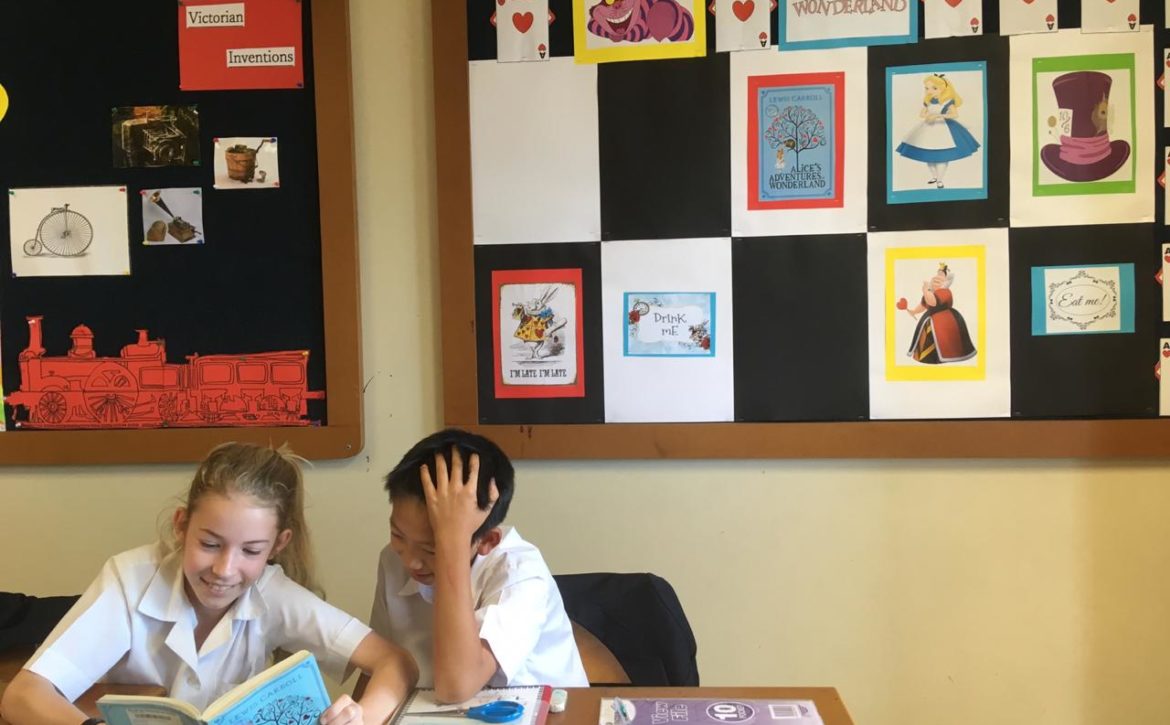
KS 2: “Reading is Dreaming with Open Eyes”
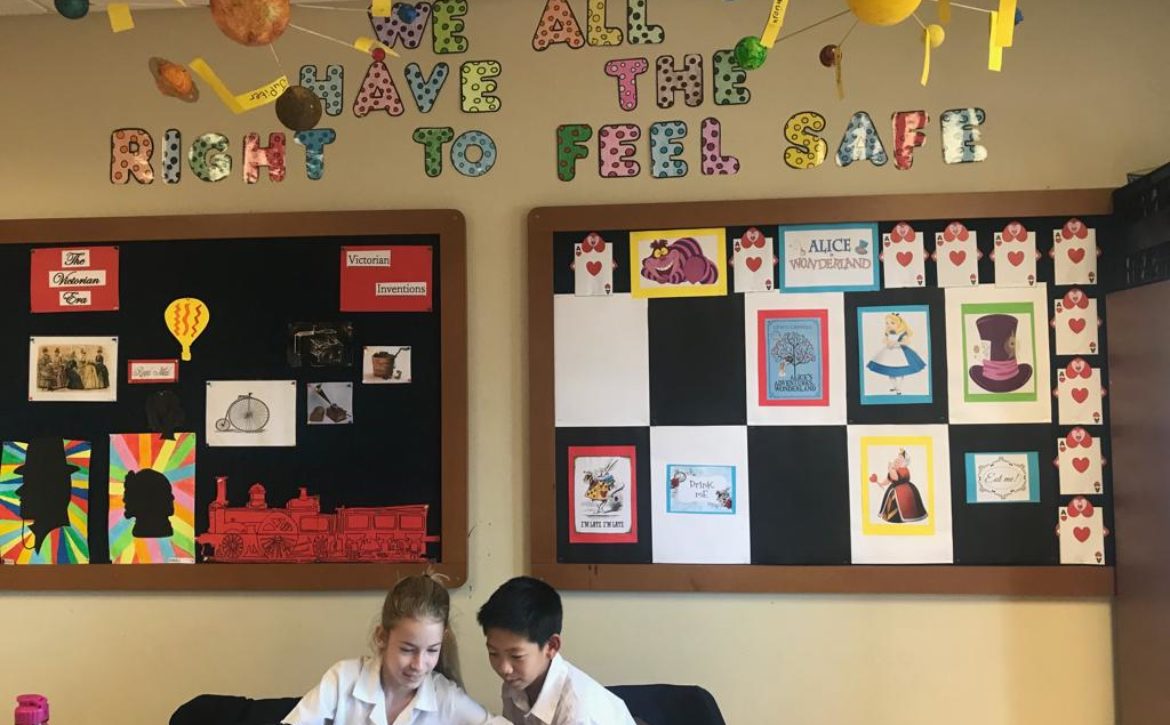
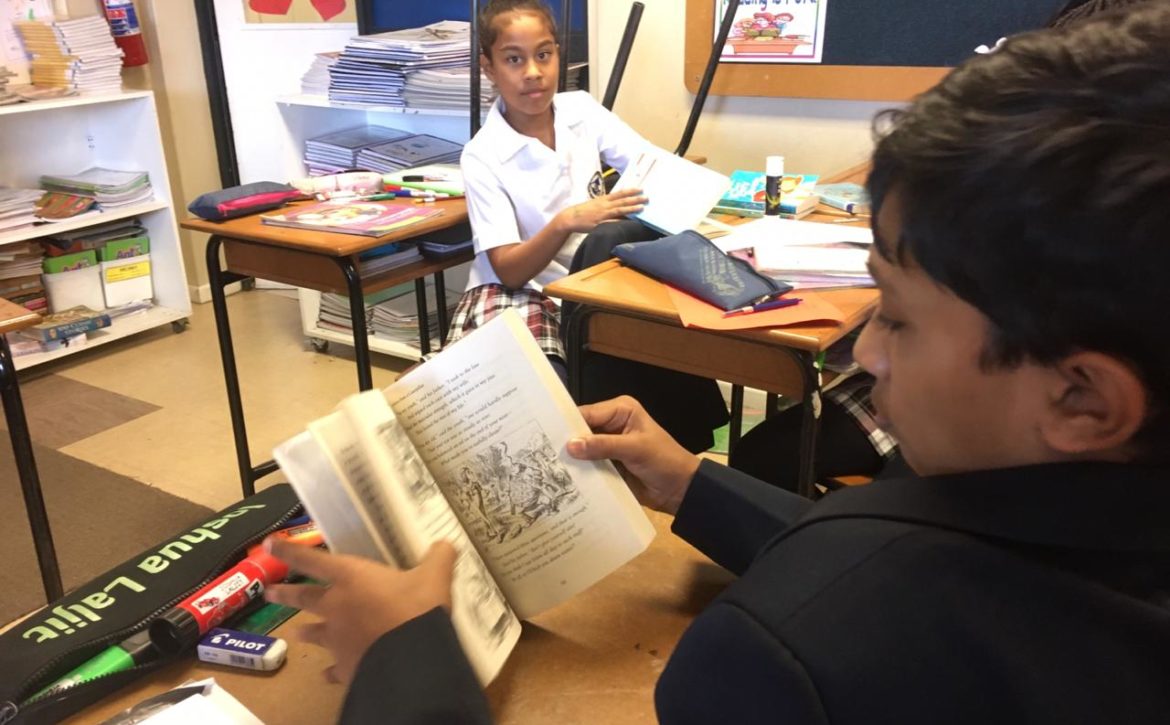
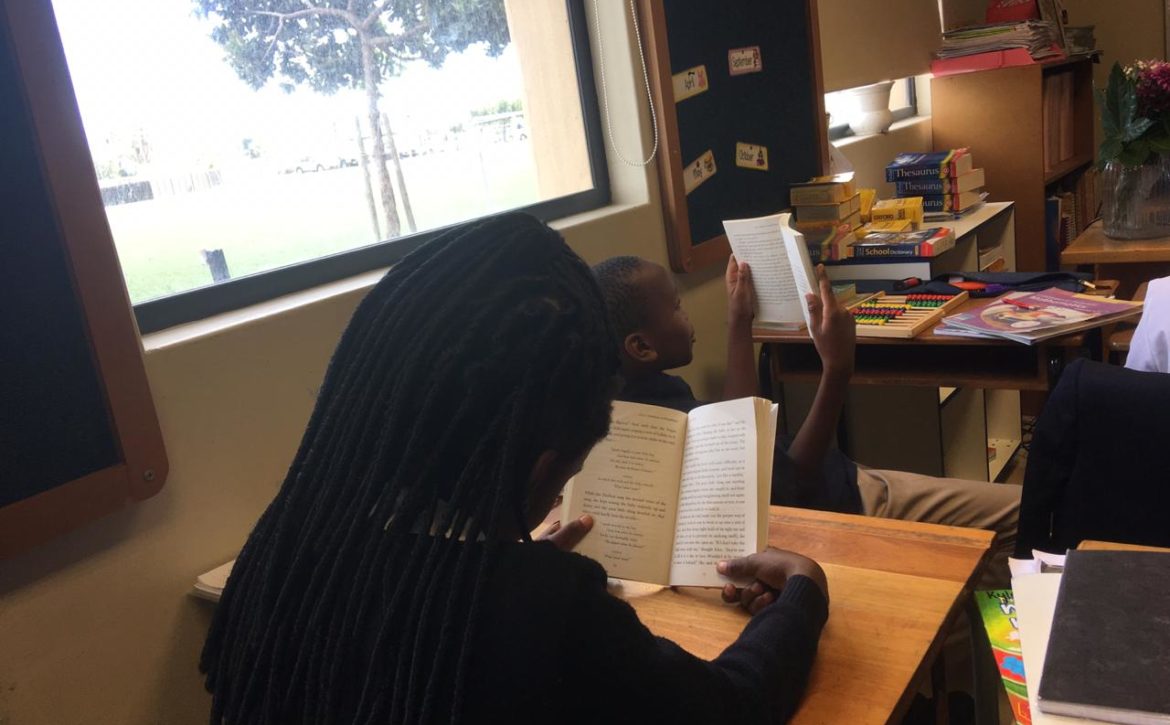
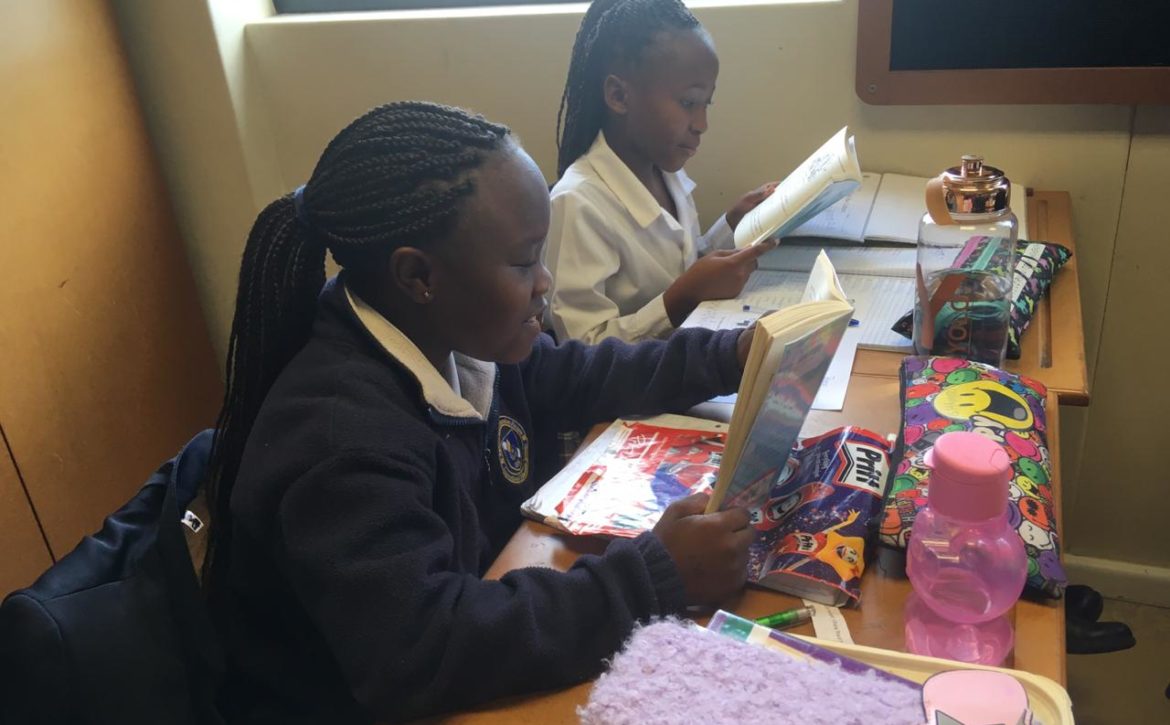
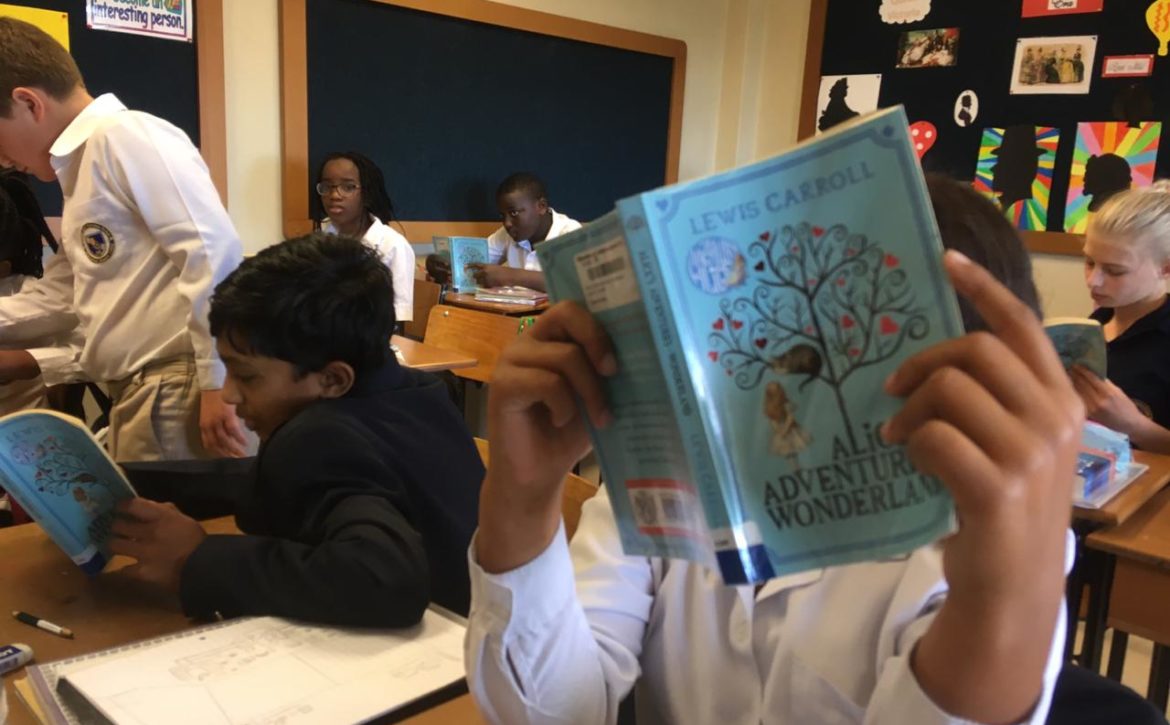
In continuing our efforts and enthusiasm of World Book Day, the year Fives have delved into the exciting and enthralling world of Wonderland through the magnificent pages of, Alice’s Adventures in Wonderland. As we meandered through this topsy-turvy world of talking animals, mysterious creatures and strange occurrences many of our Year Five students developed their own opinion and thoughts about the novel. Here’s what a few of them had to say…
Alice’s Adventures in Wonderland by Lewis Carroll
“How would you feel if you fell into a crazy, upside down world filled with all sorts of creatures, a crazy hatter at a tea party, a talking rabbit and an insane queen?
Alice fell into a very deep hole only to find that she landed in a whacky world. She had to face many challenges while meeting absurd people, or may I say, absurd things!
This crazy adventurous book is funny, weird and gave me the giggles.
I really enjoyed the book. My favorite part was when the baby turned into a pig! I would recommend this book to all children aged 11 – 14 years old. If you are adventurous, then this book is for you.”
Written by: Hannah Petersen (Y5NM)
“Can you imagine falling down a very deep hole for an hour?
Alice was startled when she saw a white rabbit with pink eyes talking to himself and then running down a rabbit hole. Following the white rabbit, Alice is confused to find herself in a hallway with many doors and a three-legged table with nothing on it but a tiny golden key. She came upon a low curtain and behind it was a little door, fifteen inches high.
In this adventure, Alice uses her smarts to show if she can solve the riddles and questions. I enjoyed the book. My favorite part was when they went to court. I would recommend this book to all ages of 10 – 14 years old.”
Written by: Shamiso Samasuwo (Y5NM)
“This fictional novel of adventure and fantasy has so much to offer but, don’t get too caught up in this world of wonder.
I Personally did not enjoy this book because it was very complicated and so much was happening. I would however recommend the book to all children of the ages 12 years old and up.”
Written by: Maia Davies (Y5NM)
“This adventurous fantasy will make your head go around and round but, that is why it could be an exciting and fun read.
I didn’t really like the book. It was a bit too complicated with all it’s powerful verbs. I prefer reading comedy but if you love adventures, this is the book for you…”
Written by: Amanda Nkomo (Y5NM)
“I really liked this book. My funny and favorite part of the book was when Alice kept growing and shrinking. The worst part was when the Queen of Hearts started beheading people.”
Written by: Joshua Laljit (Y5NM)
Happy reading all…
Mrs Mahomed
Year 5 Teacher

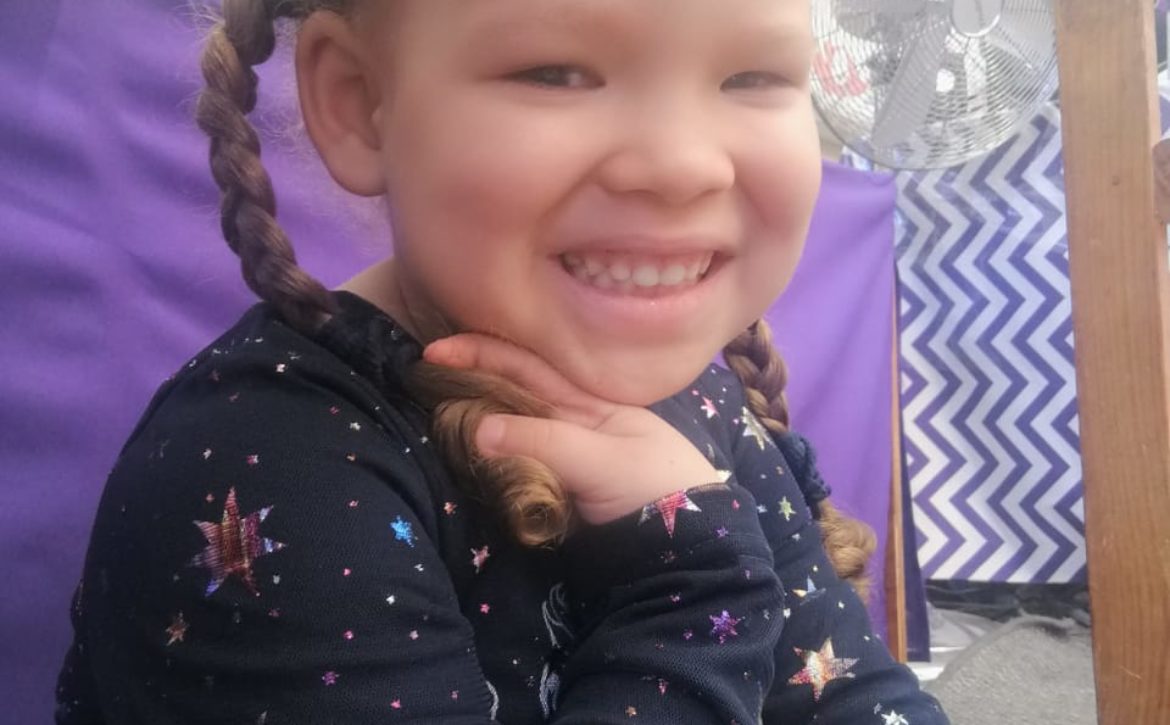
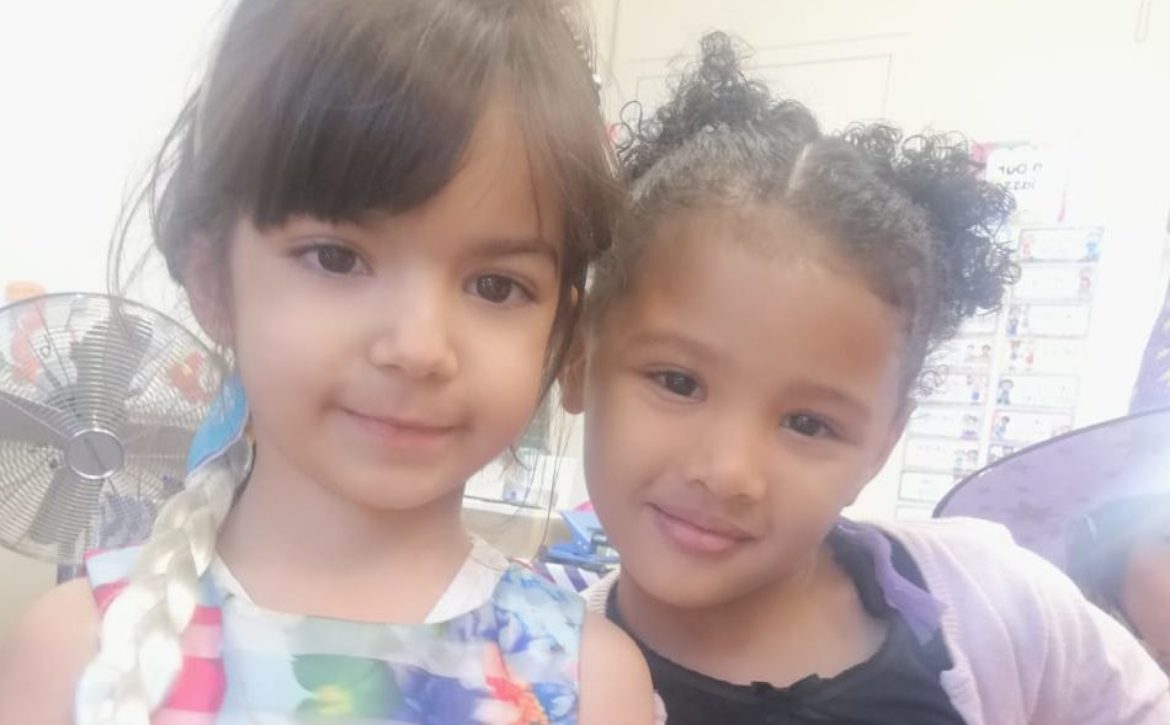




FS: Reading Into World Book Day
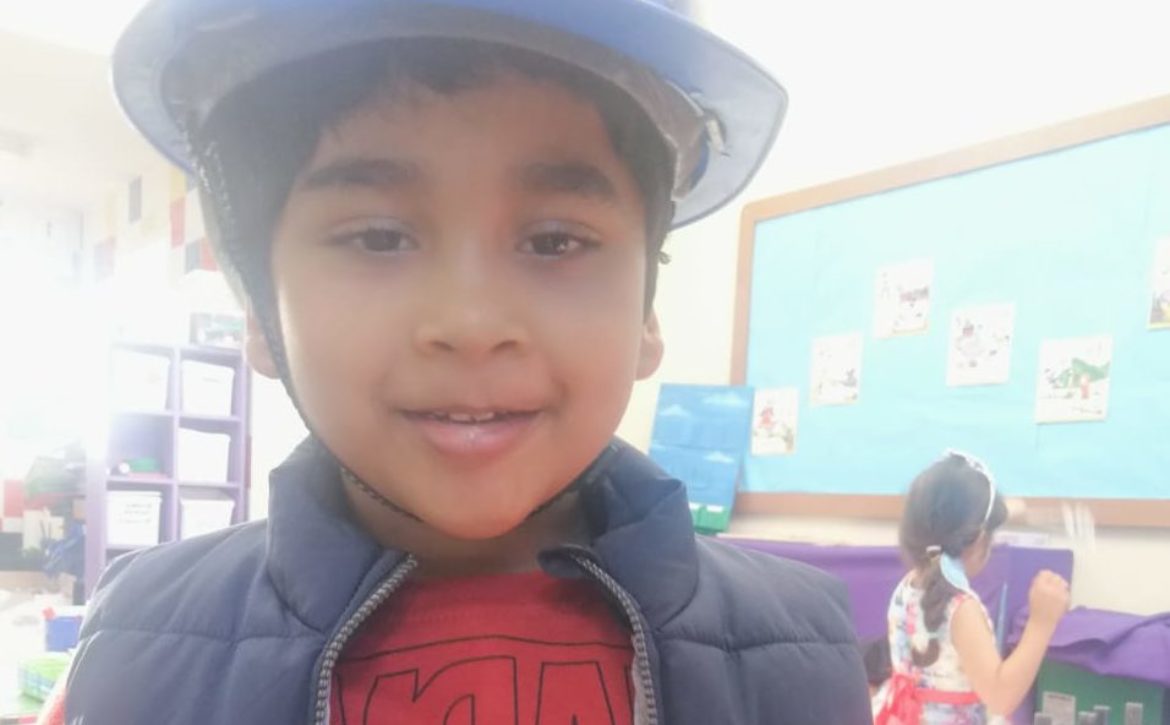
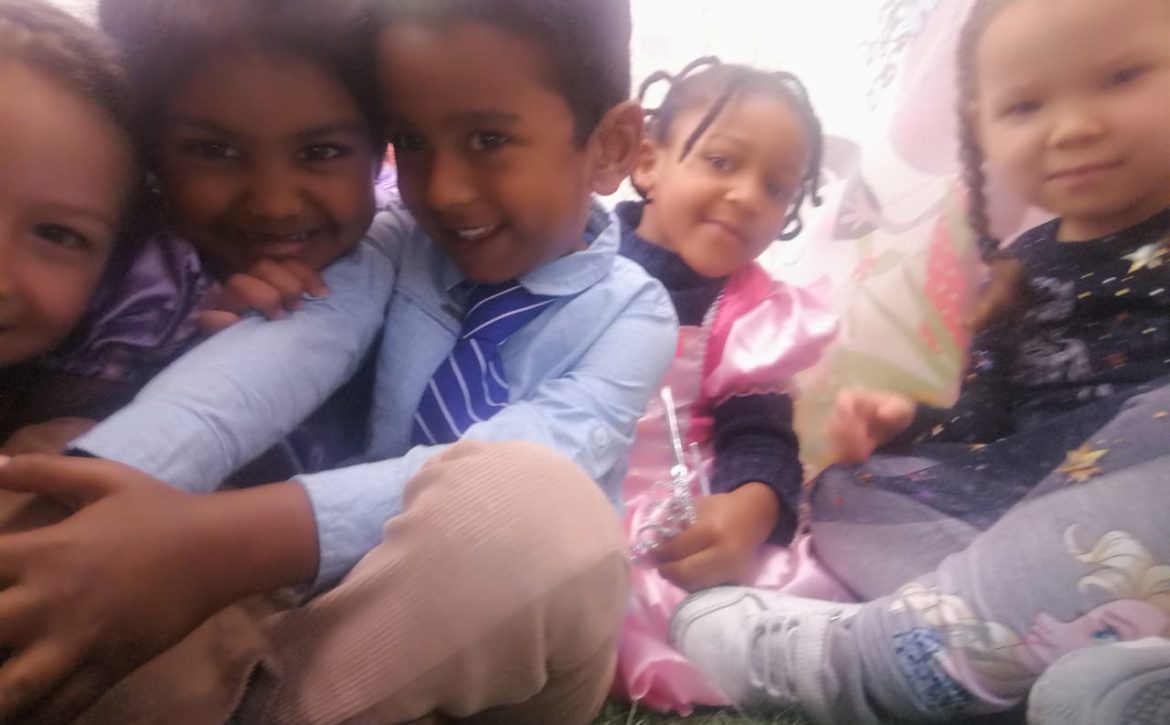
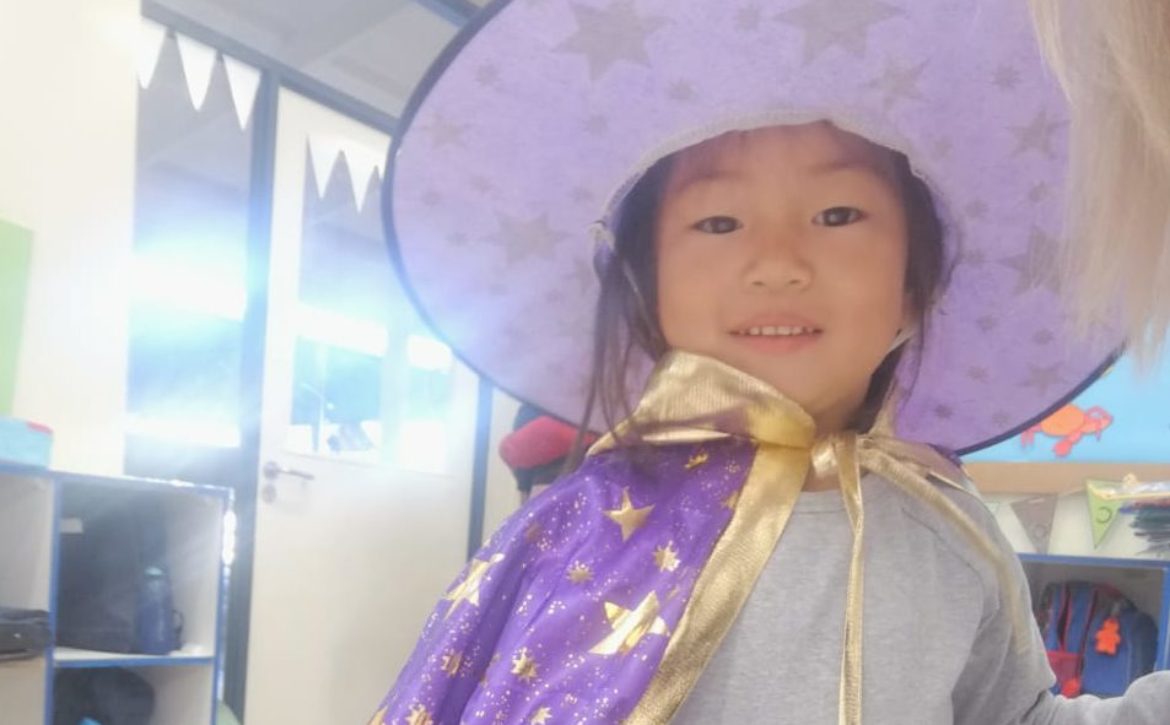
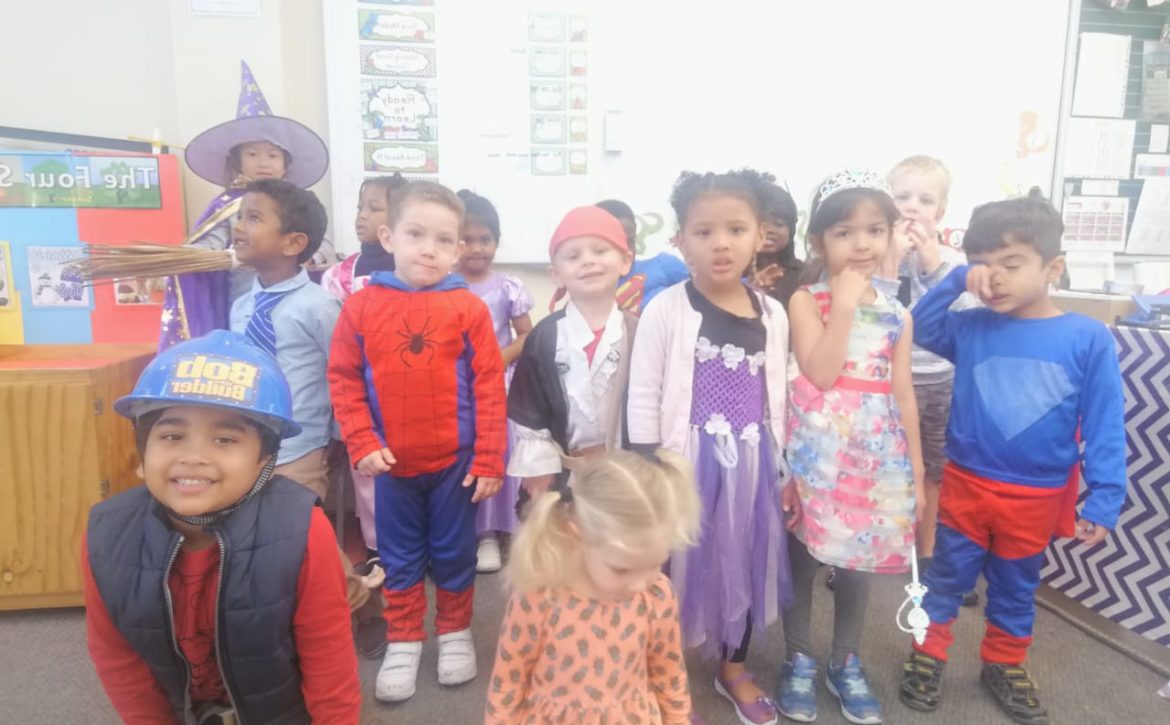
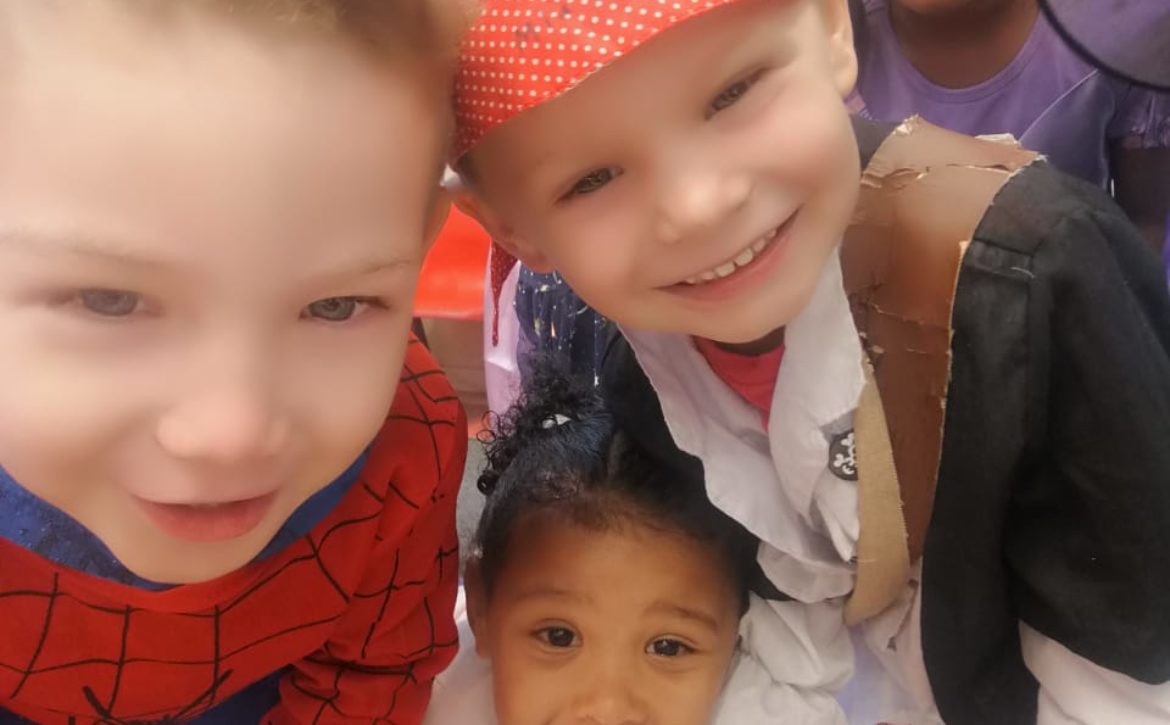
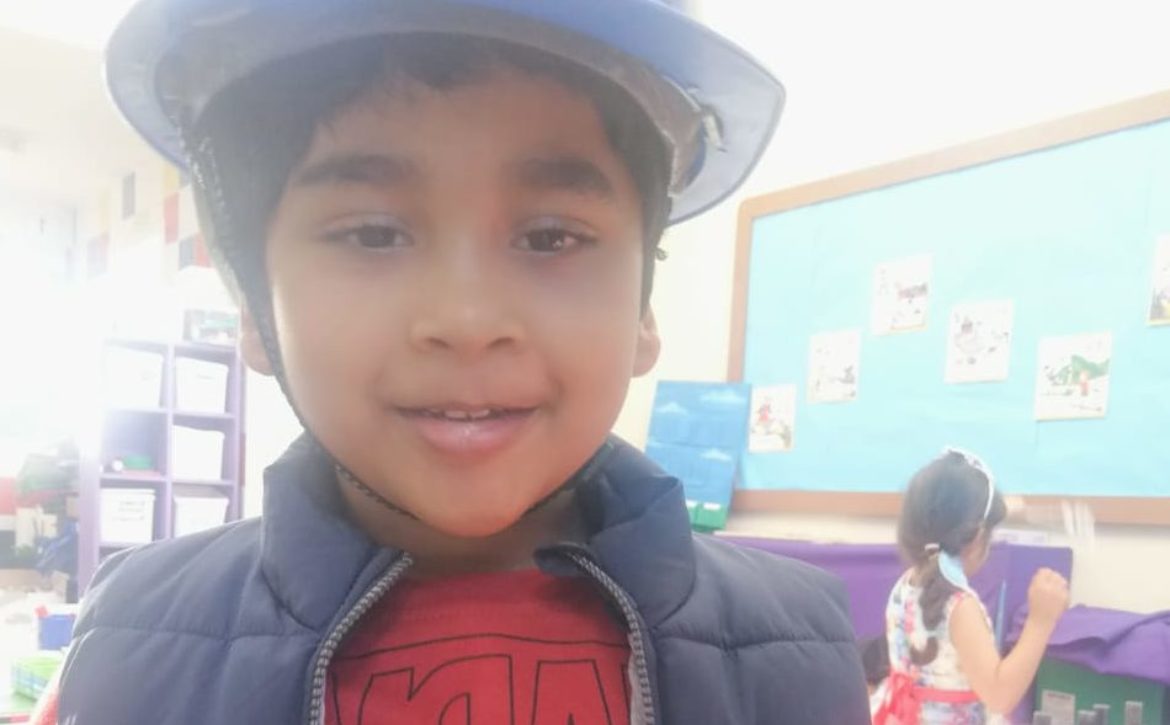
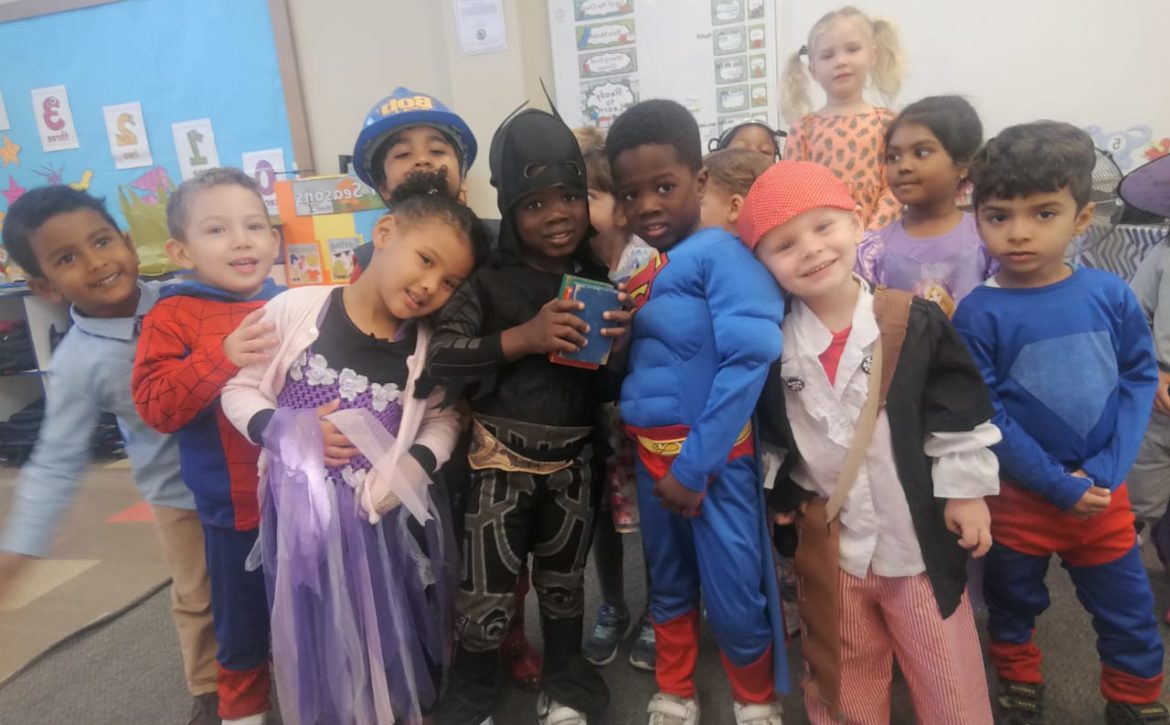
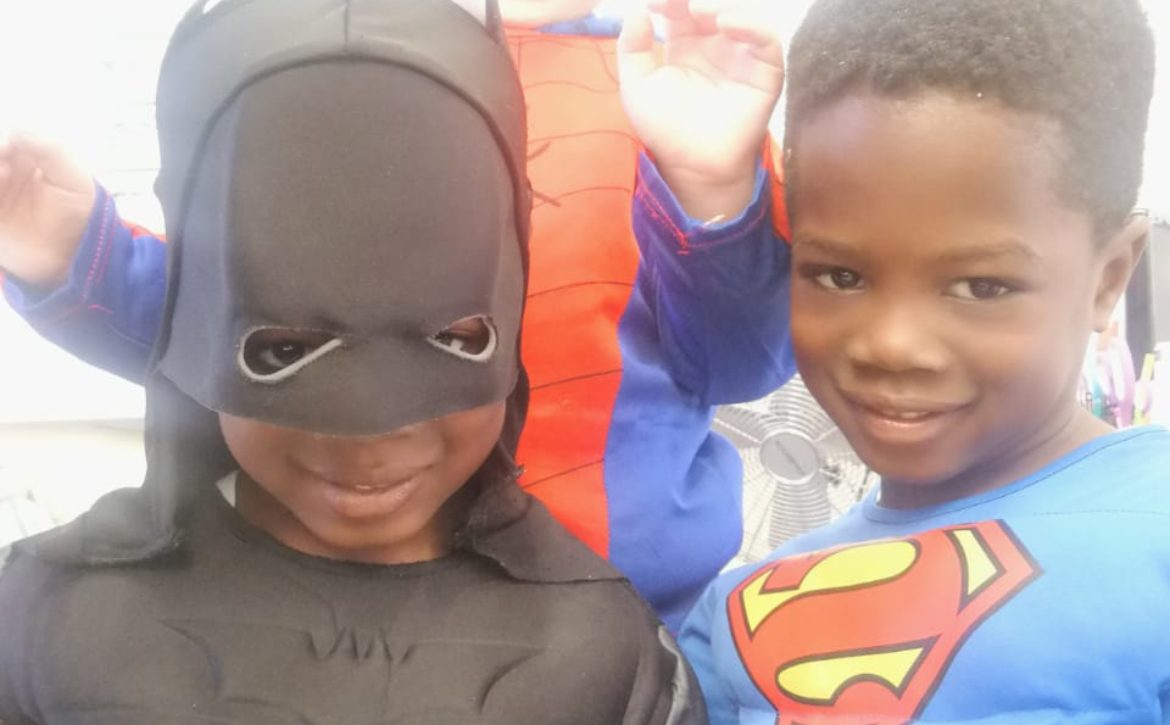
All the students dressed up on Friday, 26 April in celebration of World Book & Copyright Day that was on the 23rd of April.
In 1995, the United Nations Educational, Scientific and Cultural Organizations – UNESCO – named April 23rd ‘World Book Day’. Each year to honor the date of the deaths of writers William Shakespeare, Inca Garcilaso de la Vega and Miguel de Cervantes, literary lovers around the world celebrate the gift of books. World Book Day gives students a chance to dress as their heroes. From Harry Potter to Matilda, children across the world go to school dressed as their favourite fictional characters.
Our students expressed their enthusiasm for reading and the importance reading holds for themselves. World Book Day is celebrated with an effort to encourage the public to read more. The importance of reading cannot be emphasized enough in young children and we as parents & teachers need to make every day reading a high priority.
Some benefits & Advantages of reading for young children:
- Reading to young children sets them up to succeed.
- Reading develops language skills.
- Exposure to reading exercises a child’s brain.
- Reading enhances a child’s concentration.
- Reading together encourages a thirst for knowledge.
- Books teach children about different topics.
- Reading develops a child’s imagination & creativity.
- Reading books with children helps develop empathy.
- Books are a form of entertainment.
- Reading together helps create a bond.
With so many benefits that highlight the importance of reading, we need to prioritise reading in a child’s early years to help them succeed later in life.
Cindy Nunan
Pre-Reception Teacher
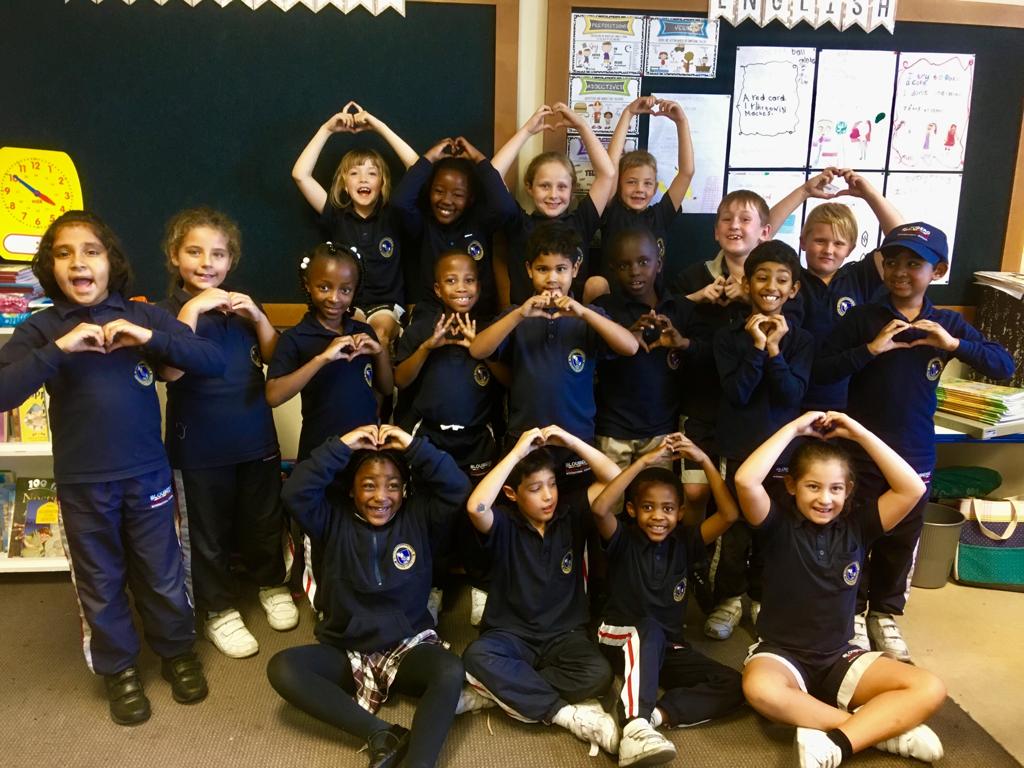
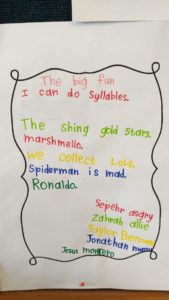
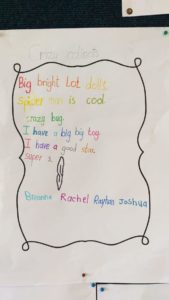
Super Syllables – Year 2 News
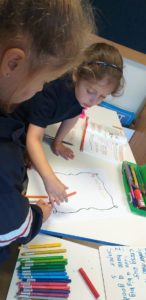
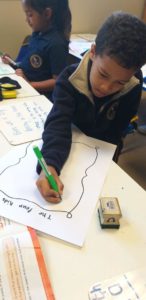
Our Years 2’s had some fun this week, experimenting with poetry and building their own sentences using specific syllable counts.
How does teaching syllables benefit your child?
A syllable is known as a unit of organization for a sequence of speech sounds. Teaching word and sentence syllables may seem like a somewhat small technique in the learning process but studies show that developing a child’s phonological awareness is an incredibly important part of developing a student and particularly a reader. Research shows that there is quite a clear link between the weakness in a child’s phonological awareness and their reading skills. When it comes to learning how to read and write, segmenting and blending individual sounds can be difficult in the beginning, this is why we prefer to begin with segmenting and blending syllables.
Here are some effective methods you can try with your child as a part of any fun home activity:
- The clap method: Go through the names in your family (or pets) and clap out the syllables found in each name.
- The hum method: hum the word instead of saying the word. Count the number of hums.
- The talk-like-a-robot method: pretend you’re a robot and say the word in a robotic tone, with a pause between each word chunk.
- The jump method: Get active! For each syllable, jump on the spot.
Family Time Fun! Above all, syllable counting practise should be light, fun and playful!
Miss Siobhan Hendry
Year 2 Teacher
Tips Source: https://blog.allaboutlearningpress.com/count-syllables/