

Habitats
A habitat is a place where an animal lives. It provides food, water and shelter. There are many different types of habitats around the world from forests to grasslands and from mountain slopes to deserts. Different habitats are home to different animals. They live well together because they all do things to help keep the whole habitat healthy and in balance.
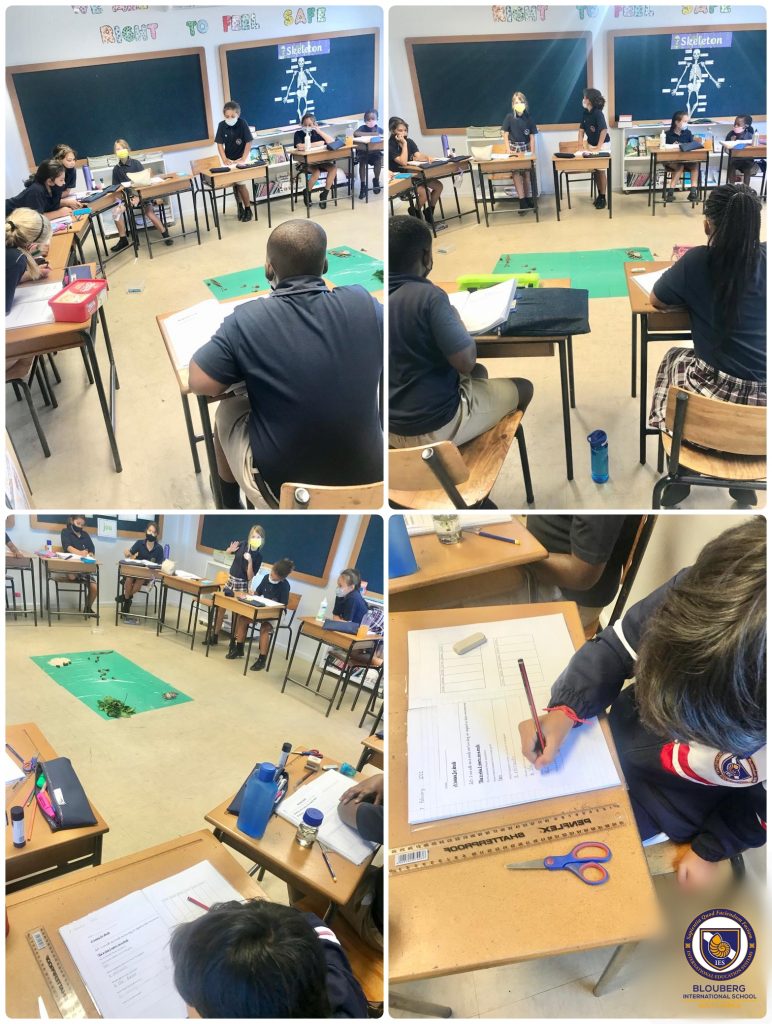
This week, the Year 4’s have been learning all about habitats and the adaptations of animals for their habitats.
Have you ever wondered what the purpose of a cockroach is? We often see them as dirty pests that infest the spaces they live in. Animals like cockroaches are really important in a habitat—they eat the dead plants and recycle the nutrients back into the soil, which helps the plants to grow.
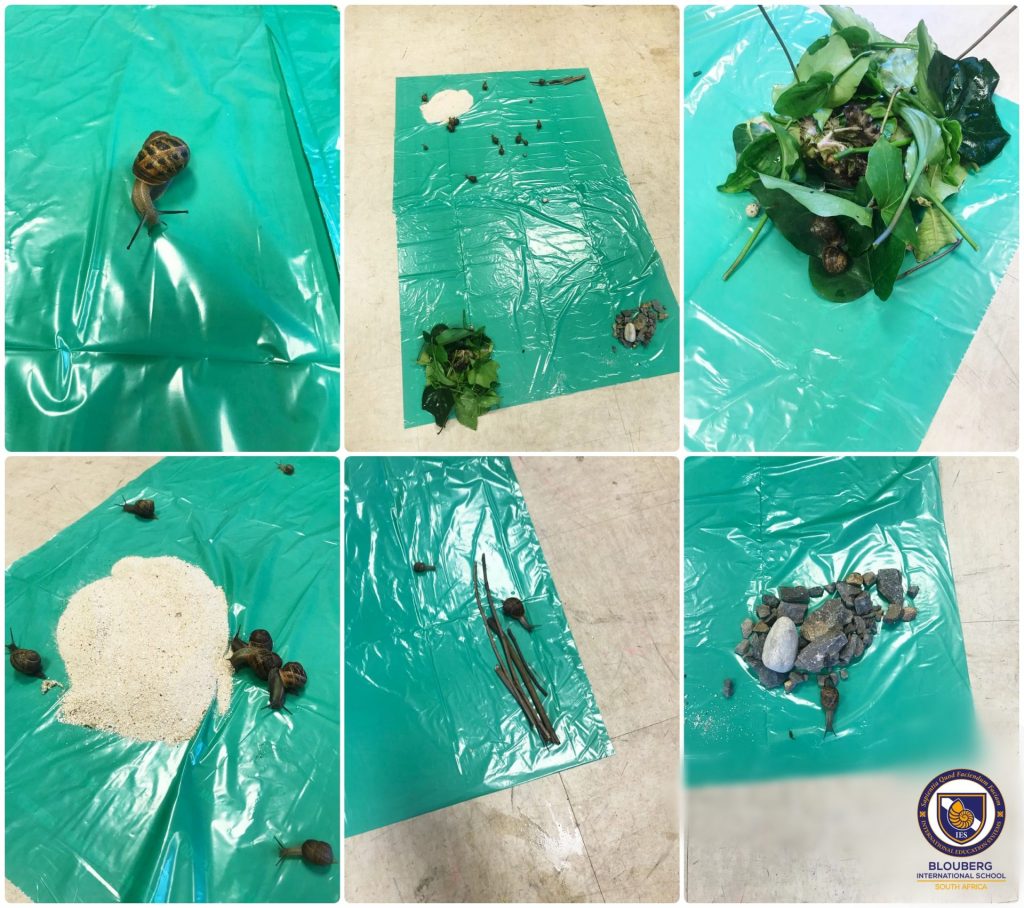
The Year 4 students were curious about animals in their own habitats and they decided to observe snails. To fulfil this curiosity we designed a choice tray. We planned how we will test some snails to see where they like to be most in the environment. We placed 4 variables on each corner of the choice tray, twigs, leaves, sand and stone. We observed where the snails ventured towards, over a half an hour period, and noted our findings.
There were interesting findings across the year group in the different classrooms. One conclusion we could all agree on- if the environment changed, animals can sometimes change the way they behave.
Well done to our budding scientists!
Nadia Mahomed
Year 4 Teacher
Read More

Amazing Presentations!
The process of learning a language not only involves reviewing grammar and vocabulary; it includes trying to understand and acknowledge the culture and traditions of that country in a comprehensive way.
The more you know about these factors the deeper your linguistic immersion will be.
In the case of the Spanish language, it is even more important and relevant due to the diversity within the Spanish speaking countries – 21 countries in total spanning 4 continents (Europe, Africa, North- and South America).
For this reason, the Spanish students at BIS have been learning about the different Spanish speaking countries around the world: Puerto Rico, Argentina, Bolivia, Chile, Colombia, Costa Rica, Cuba, Dominican Republic, Ecuador, El Salvador, Equatorial Guinea, Guatemala, Honduras, Mexico, Nicaragua, Panama, Paraguay, Peru, Spain, Uruguay and Venezuela.
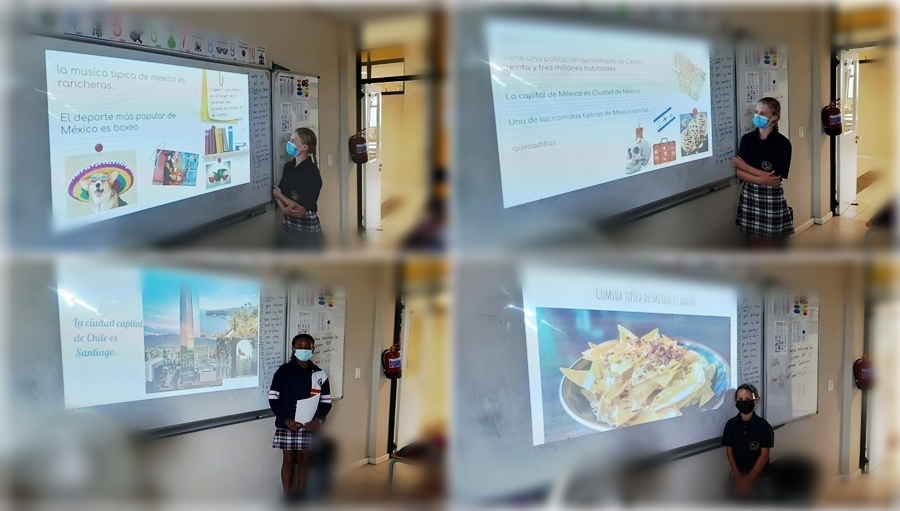
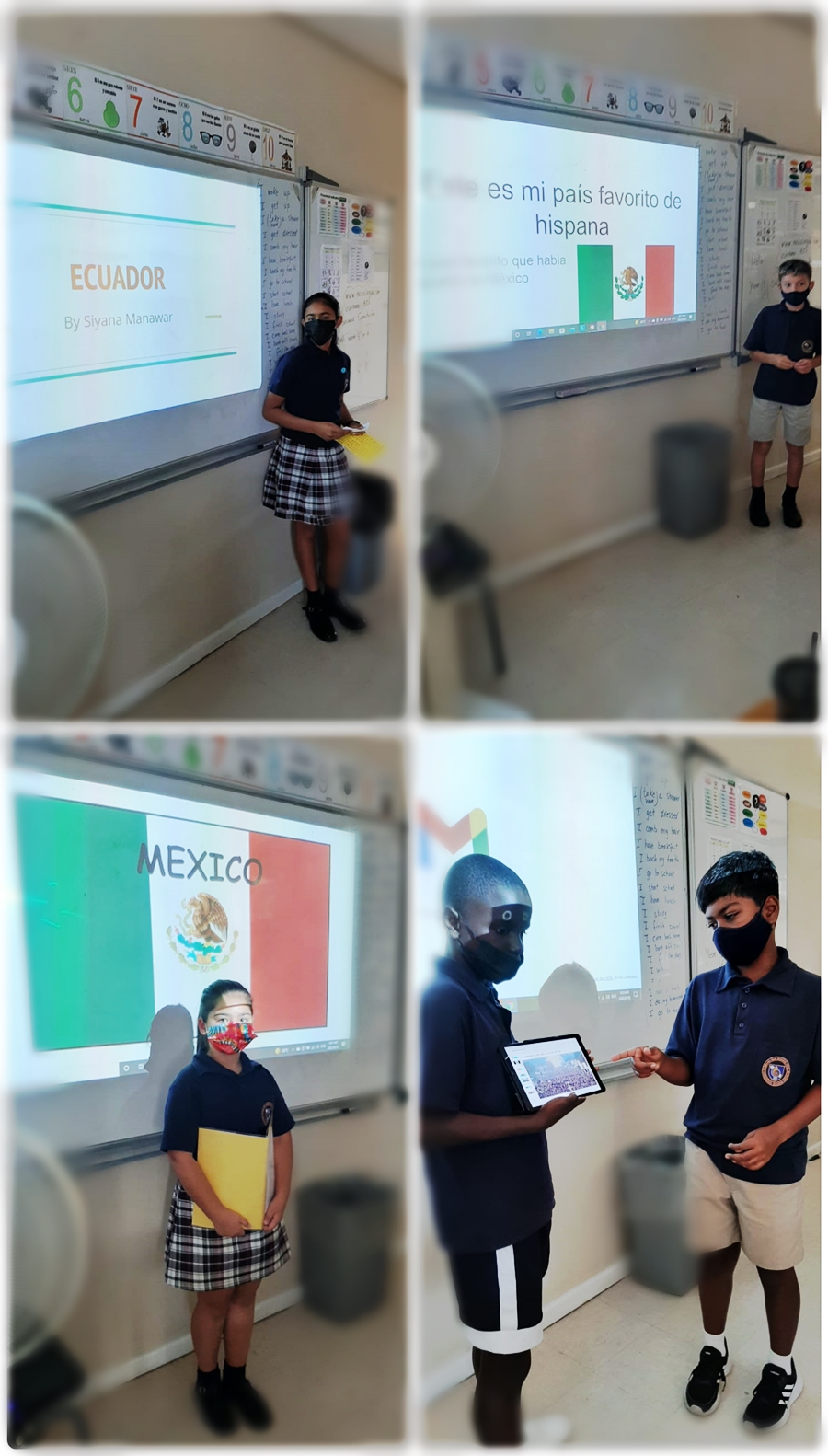
Year 5 and 6 were asked to choose their favorite one, and to do a simple immersion in a variety of topics in the country of their choice.
Some demographic and geographic aspects were discussed during the oral presentations: the capital, total population, identifying the color of the flag and naming the continent that it’s located.
Other, more cultural, aspects were also presented like the typical food and music or the most popular sports.
Finally, they were asked to select two important or relevant people from that country and their profession: the king or the president, a famous actress or actor, a successful singer or a sports figure.
Sharing this information with the whole class enriched the experience and I can’t feel prouder of the outstanding posters and incredible PowerPoint presentation and videos that they were able to put together.
Javier Vidal
Spanish Teacher



Read More
Dynamic Classroom – Become actively involved in the process of learning!
One of the challenges after online teaching has been to bring the students back to be part of the dynamics of the class. We must adapt activities to help students continue to feel connected with their own learning, but also with their peers.
In my opinion, no online learning experience can replace the classroom dynamics that include student behaviour, emotions and imagination; giving space to the students for their self-expression.
It also includes a teacher’s way of presenting academic materials and students’ interactions. A teacher’s profession demands dynamism, you must also be organized, encourage participation, surprise your students, try new things, give them structure and consistency (beginning of the class routine, role-play lessons, oral projects) and challenge students to think through appropriate questioning strategies. We move from the simplest to more complex ones, helping them to build their confidence. (* Please see some examples below)
Teachers also need to promote relationships between students in the class, as with team work skills. These relationships need to be positive and productive, because they will have a big impact on the result of the group. We can make them positive by choosing useful aims, relevant topics, and appropriate and fun activity types. Effective teaching and learning cannot take place in a poorly managed classroom.
One recommendation is to make things more visual by showing your class ways they can use images to practice high-frequency structures in Spanish. For example, in my class, I worked on how to present the prepositions of place and present continuous form in a fun and practical way.
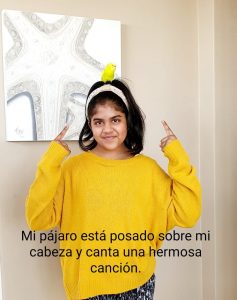
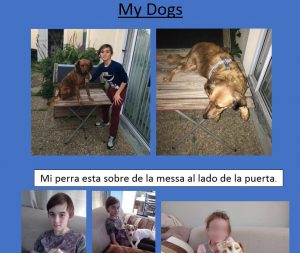
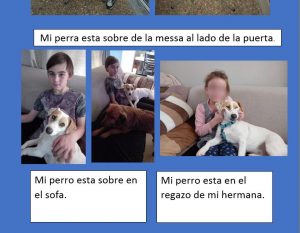
To expand on this idea, I asked the students to take “crazy” photos or capture funny videos of their pets during their holidays.
I asked students to describe in Spanish where the animals are and what they are doing in those images, using the prepositions of place and present continuous expressions that we are learning. These videos and photos have personal meaning to them, they are fun to watch and have an academic purpose.
In class, we display the images, and I start lessons by asking the students questions:
A simple yes/no question for the students to answer:
“Is the cat on top of the bed?” ¿Está el gato encima de la cama?
Then asking two option questions:
“Is the cat on top or under the bed?” ¿Está el gato encima o debajo de la cama?
Finally, more difficult and open questions:
“Where is the cat?” ¿Dónde está el gato?
Visual images have become an essential tool in language learning and such a big part of the new generations. They are so adaptable and help students interact with the Spanish language in multiple ways at the same time. During our Spanish lessons this last year, I have encouraged the classes more than ever to send me pictures or videos practicing everything that we have learned in the class.
Javier Vidal
Spanish Teacher
Here are some examples of the images that the students brought to the class or sent to Google classroom for their pets projects:
Read More

The Next World Leaders
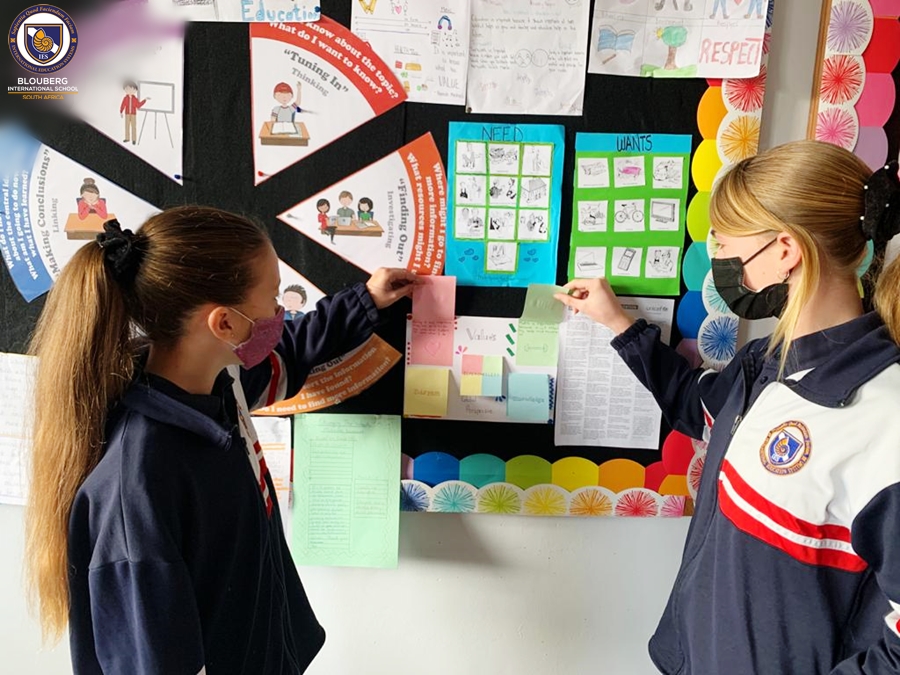
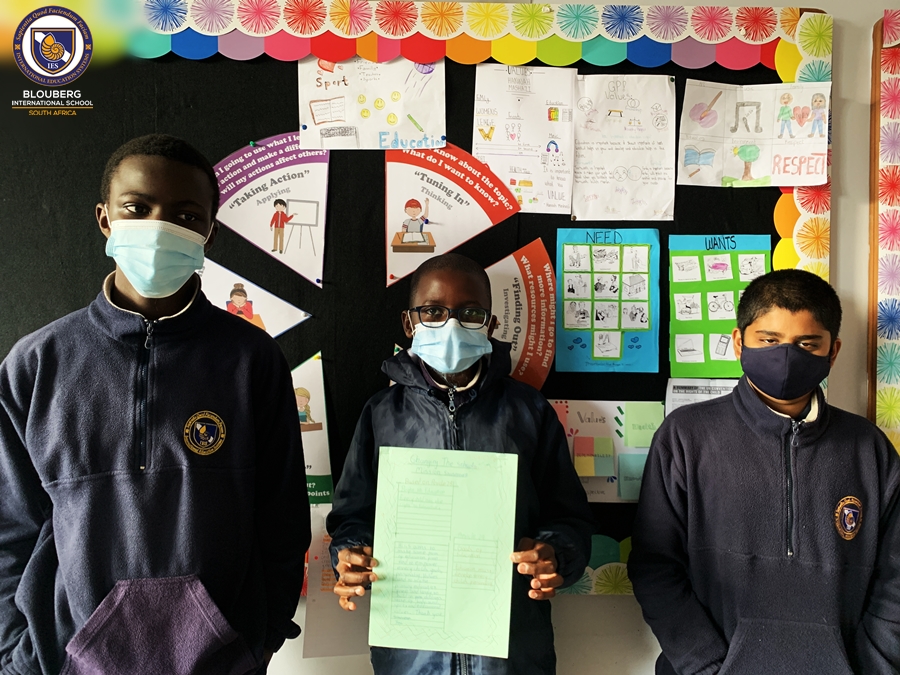
In Global Perspectives this term, the Year 6 students have been learning about values. To start off the discussion, they were asked to brainstorm their own personal values. They needed to design and create a poster illustrating which of these values were important to them and explain why. The students presented their posters in class, and wow, the Year 6 teachers were so impressed with their heart-warming presentations.
We then moved on to discuss the differences between ‘wants’ and ‘needs’ and looked through the UN Convention on the Rights of the Child. Once the students gained a better understanding of children’s rights, they explored how all their educational needs are met, and who is responsible for this.
They then had the opportunity to read our school’s mission and vision statement. In groups, they had a discussion on how the mission statement could be changed or adapted and made suggestions on what they would add to the school’s mission statement.
The Year 6’s will soon move on to researching information on school attendance worldwide and research an organisation that is helping to get every child into school. They will present their findings in class.
It is very impressive to watch the Year 6 students collaborate, develop and unify their ideas. We cannot wait to see what the next presentations hold in store for us.
Keep up the great work Year 6!
Katherine Nel
Year 6 Teacher
Read More

Year 5 Looks To The Future
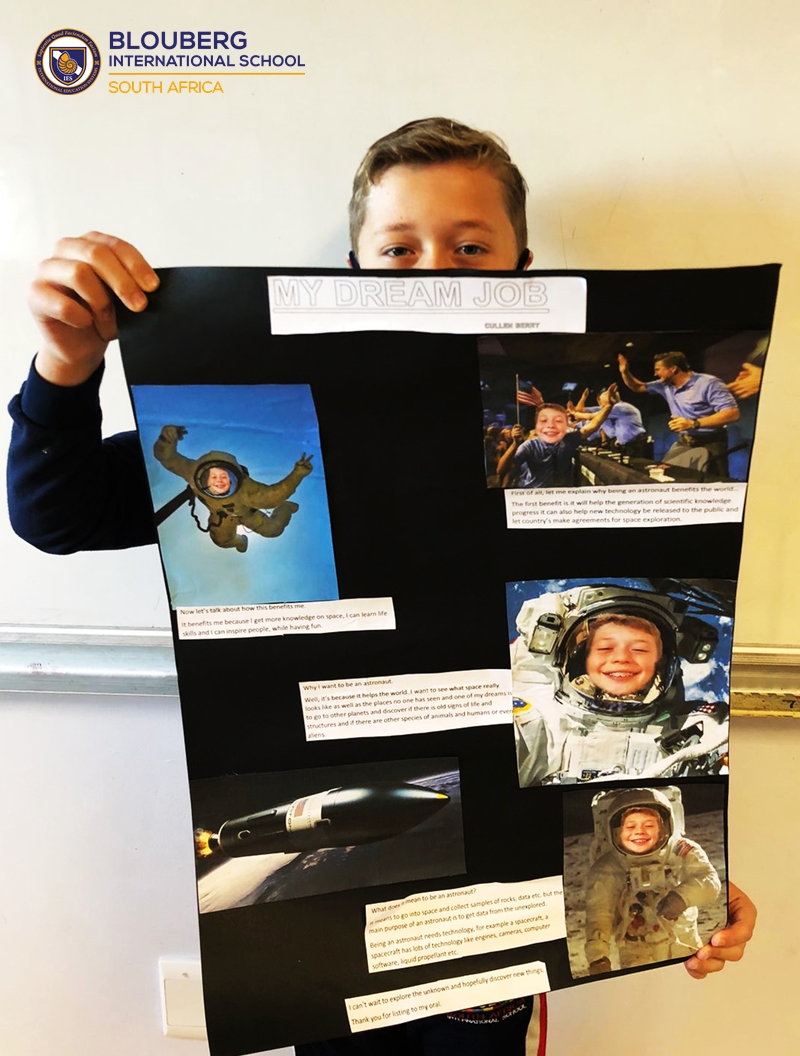
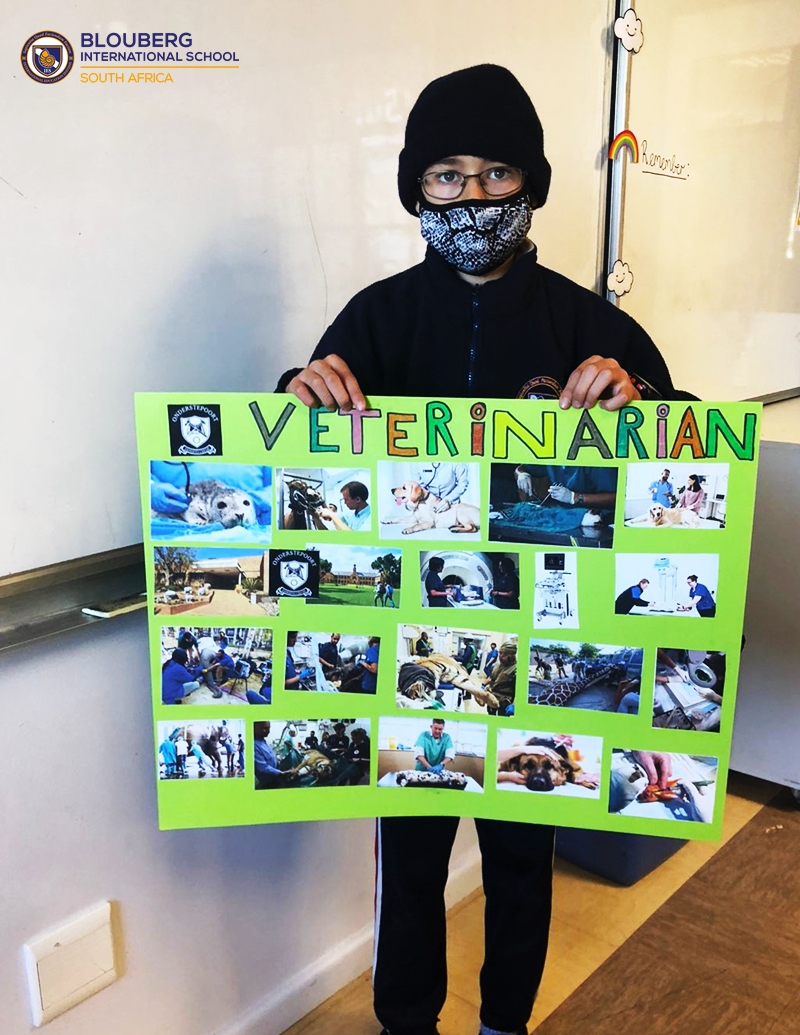
Throughout the course of Term 3, the Year 5’s have been exploring the different aspects of the working world, thinking a little deeper about the type of jobs they wish to one day have.
We have done extensive research, conducting interviews and internet searches, to find out more about what to expect in our future lives.
We also investigated the possibility of a robot taking our job in the future – making predictions and checking our answers using a website called “Will Robots Take My Job”.
After of all this thought and preparation the Year 5’s were ready to report back to their classes about the jobs they hope to hold when they are older. Let me tell you – considering the vets, astronauts, engineers, teachers and pilots who stood before me this week – I can confidently say that our future is in great hands!
Robyn Pieters
Year 5 Teacher


Read More