
Adventures In Space
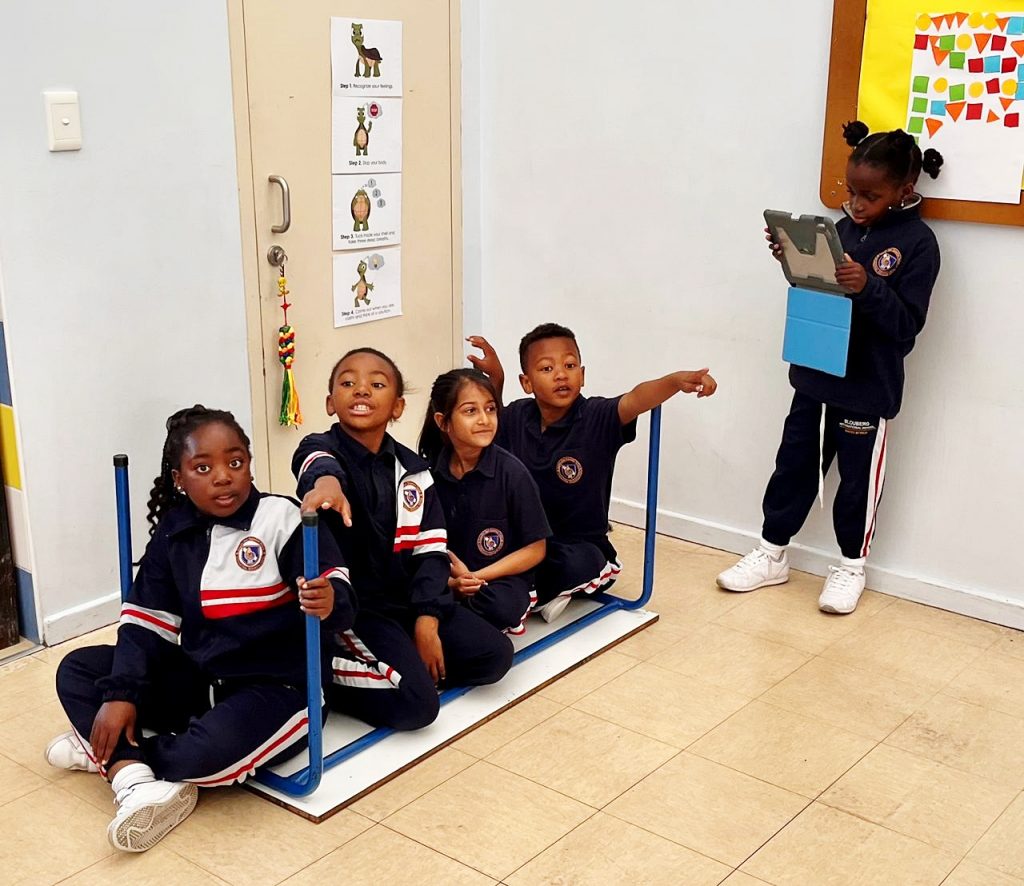
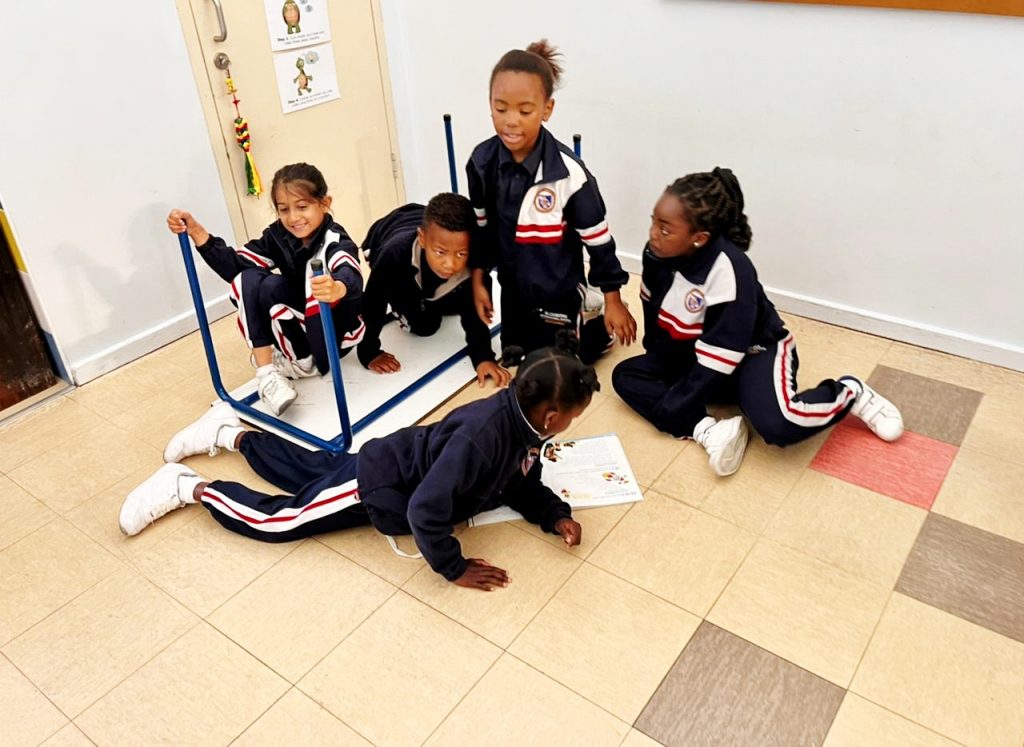
In English this week in Year 1. we have been working on our creative writing skills as we dramatised stories of our adventures in Space. Turning our desks upside down in class, we pretended they were our ‘spaceships.’ The students worked in groups and had a lot of fun acting and narrating out their space adventure stories. We then used the ipads to video their stories before writing about them. The class has a lot of fun working together and creating their own space adventures!
Clara Chassungo wrote: “I am going to space, I’m taking my brother, Geraldo and am also taking my mum and dad. We are going to look at all the different planets and we are landing on the moon! We will land at 3 o’ clock in the morning and we see aliens and footprints. We will jump in the sky…”
Buhle Sibiya writes: “ I am going to space so I can see the 8 planets in the galaxy and I am taking Ozzie, she is my friend. We landed on the moon and we saw aliens and we are going to land…”
Charlotte Cronje
Year 1 Teacher


Read More

Saving Water
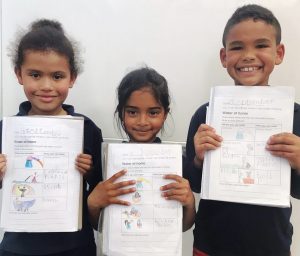
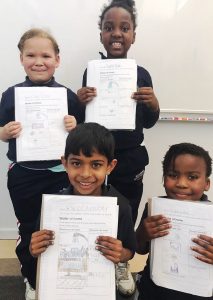
The students in Year 1 have been studying the topic Earth and Space in their science lessons. They have learnt about the planet Earth and how it is made up of mostly water and that there is not much fresh water on our planet.
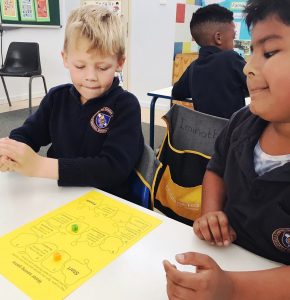
We looked at ways we use water at home and how best we can save water. Although they are too young to remember how close we came to ‘Day Zero’, many of the students have learnt to use water sparingly. They were able to come up with a number of ways to save water as well as spot the places where people waste water.
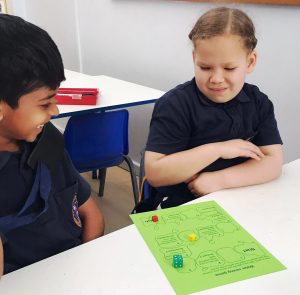
The water saving game was a big hit with the students.
Ann Cordner
Year 1 Teacher

Read More
Keep Calm And Create A Calm Space
Emotions play such an important role in our lives. It helps us to think and behave in certain ways. They help us to build relationships, avoid or resolve conflicts better. Emotions help us make decisions for the future and helps us cope with what we are dealing with during the day.
We start feeling emotions from when we are little, and as we grow and mature, we learn how to identify them far better and hopefully become more skilled in how to express them appropriately. With practise we get better at understanding what we are feeling and why.
Just for a moment, think about what you did today versus what you did yesterday. Did different emotions on different days, allow you to behave in different ways? Are you more tolerant today than you were yesterday? Have you smiled more today than yesterday? Have you made some rash decisions based on how you were feeling? Have you made the best decisions you could have made so far this year?
Emotions can last for a second or for an hour. They change constantly throughout our day. Emotions are part of a person’s character. Without them we would be robots.
We read emotions from facial expressions, body language, hand gestures, tone of voice and even eyes. Notice the feel of a handshake, a hug or a touch. These are many cues that help us to pick up on someone’s emotional wellbeing.
Many adults today find it difficult to identify what it is they are really feeling, let alone be able to express their emotions appropriately. Am I angry or just irritated? Am I happy or just proud? There are so many emotions that are closely linked and can be misunderstood. There are so many different emotions that sometimes it can be impossible to recognise them all. It can also be very confusing and extremely challenging.
Being able to accept what you are feeling allows you to become more self-aware and self-compassionate. I know this can sound all airy-fairy, but being able to have a good emotional intelligence, to me, is far better that having a good IQ. This will help you in all aspects of life, in the workplace and in relationships that you build along the way.
Using a feelings wheel helps us to open up our feeling’s vocabulary and learn to understand the extent of them a lot better. Once you have used the feelings wheel for some time, you won’t need to go back and look up what the feeling is, you will identify it straightaway.
There are many students today that need assistance with feelings and emotions, and need to learn some healthy strategies to overcome or face them head-on.
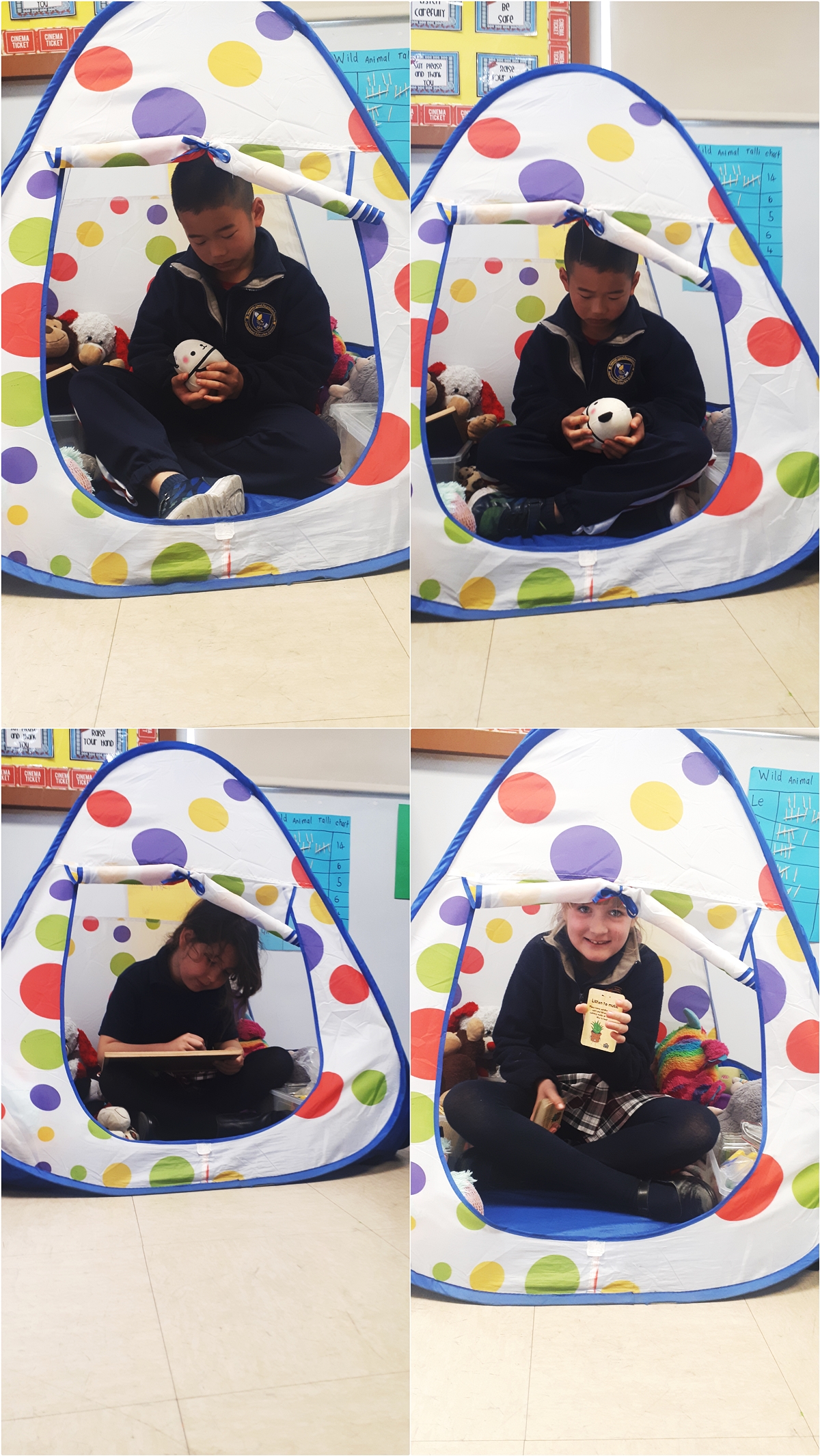
I have a number of feelings wheels and charts around my class to help my students with their emotions. I have a dedicated calm space for my students to retreat to whenever they feel overwhelmed or need a place to ‘check in’ with themselves.
You can create a calm space in your own home for your children, or even for yourself. When children see that you use the space, it allows them to realise that we, as adults, also have emotions and sometimes need to refocus and recentre.
This calm space is different to a time-out space for consequences. It is a place of safety. Children are not to be sent there by a parent, rather it must be a child’s choice to go there. You can suggest it, but it should not be enforced. This space does not have a time limit.
Decide as a family, where this calm space will be. Decorate it together if that’s something that they might like. You can even give the space a name.
Leave them alone in their space to reflect, to let out some anger or other emotions. Try not hover around them or speak to them. Allow them this time to be on their own.
You can include some calming tools in your calm space to help them with self-regulation. Some good ideas are therapy putty or a stress ball to squeeze, a liquid timer or a glitter jar to look at, books to read about emotions, calming cards or positive thinking cards, a teddy bear, or some simple calming toys, such as a Rubik’s cube, that keep their minds busy. Some nice, calming smells can help too. I use lavender in my class, and my students love rubbing it onto their temples. This relaxes them completely. Believe me, I have used it several times!
Embrace your emotions, and talk about them with your family, your friends, your colleagues. The more we accept that we have them and that they are a normal part of our lives, the more skilled we will become, and your EQ will be what people talk about instead of your IQ.
Wendy Menton
Year 3 Teacher

Read More
BIS Interact Club Updates
Blouberg International Club of Interact would like to send a huge thank you to the families of BIS for their generous contributions to our soup pack drive. Our Interactors, together with some Matric students, delivered nearly 400 soup packs to Doors of Jannah, an NGO dedicated to providing hot meals to the disadvantaged communities in Cape Town. WATCH: https://fb.watch/fysbRt9z6w/
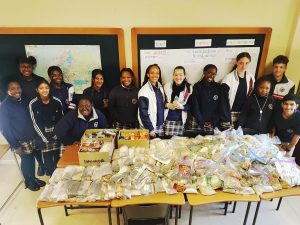
Last Saturday some of our matric students had the opportunity to join in one of their soup drives helping pack hot meals and distribute them. They all agreed how valuable this experience was.


The past couple of years have been particularly challenging with COVID-19 restrictions, but our club faced the challenge as an opportunity to put their creativity to work and continue serving.
I am proud to announce that our Blouberg International Club of Interact was awarded a Citation by Rotary International. This acknowledgement is given to schools that go the extra length for their efforts and service to the community. Congratulations to our members for this well deserved nomination!

Oscar and Altesse at the Rotary Club of Blouberg Citation evening.
The following students have recently voted members of our Interact Club for 2022-2023:
- President: Oscar Berger
- Vice President: Shaylee Brandt
- Secretary: Saumya Majarah
- Treasurer: Iviwe Matakata
- Board member: Chezlyn Gopal
BIS would like to congratulate them and we look forward to working together, hoping to continue growing our Interact club with enthusiasm, new ideas and fun projects.
Elena Berger
BIS Interact Club Coordinator
Read More
Geography in High School
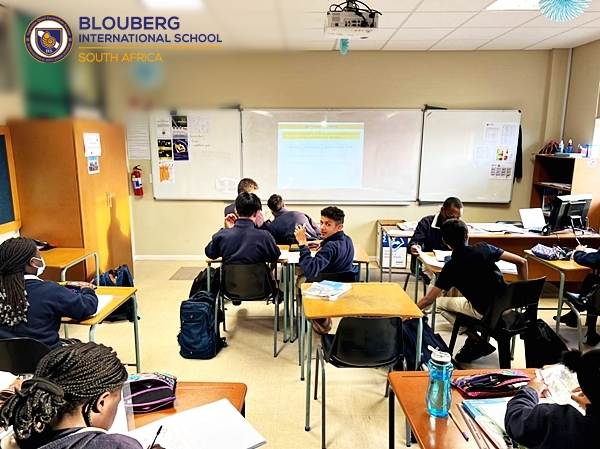
This term has really flown by, and we are already looking forward to test week coming up. This term, each year group covered a wide range of topics. It is wonderful to see how each group embraces every topic and enthusiastically takes part in class discussions.
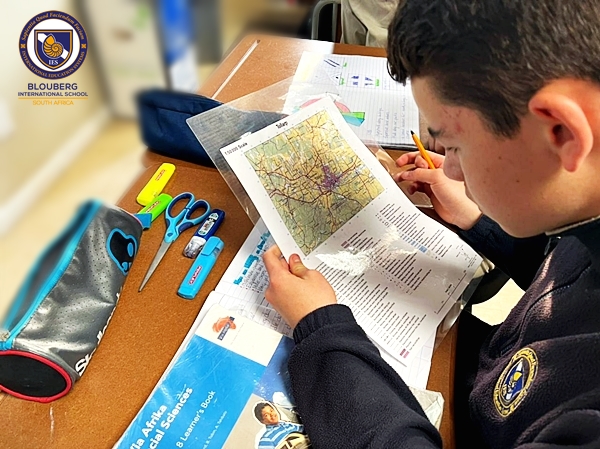
The Year 7 group focused on the population concepts and what affects the growth rates of different countries. Year 8 studied settlements, their patterns and urbanisation. The Year 8 group was introduced to similar maps as those at IGCSE level and had to identify settlement patterns on the map. These topics are linked to the IGCSE Geography syllabus.
The current IGCSE Year 9 group are currently busy with the second theme of their syllabus. This is mainly focused on the natural world we live in. We have covered plate tectonics, earthquakes, volcanoes, rivers and coasts the past term and look forward to more topics of this theme in Term 4. The earthquake and volcanoes topics tend to be more challenging seeing that it is not something that we encounter on a regular basis. While teaching Geography in the Middle East, the same could be said when students had to study rivers. I am sure we will collectively conquer this topic.
The Year 11 AS level group focused on weathering and slope processes this term. I am happy at the progress they have made this term and we look forward to Term 4.
Lastly, I want to wish the current Year 10 IGCSE and Year 12 AS level students all the best for their upcoming Cambridge External exams. All the hard work that you have put in to be ready, comes down to this. I might have only been teaching you for one term, but I am confident that you all will reach your potential and score the grades you deserve.
Geography in the news:
6.8 magnitude earthquake shakes China. Our thoughts and prayers are with the families and friends of those that lost their lives and homes.
Jean-Pierre Le Grange
High School Geography Teacher



Read More
The Aim Of PE
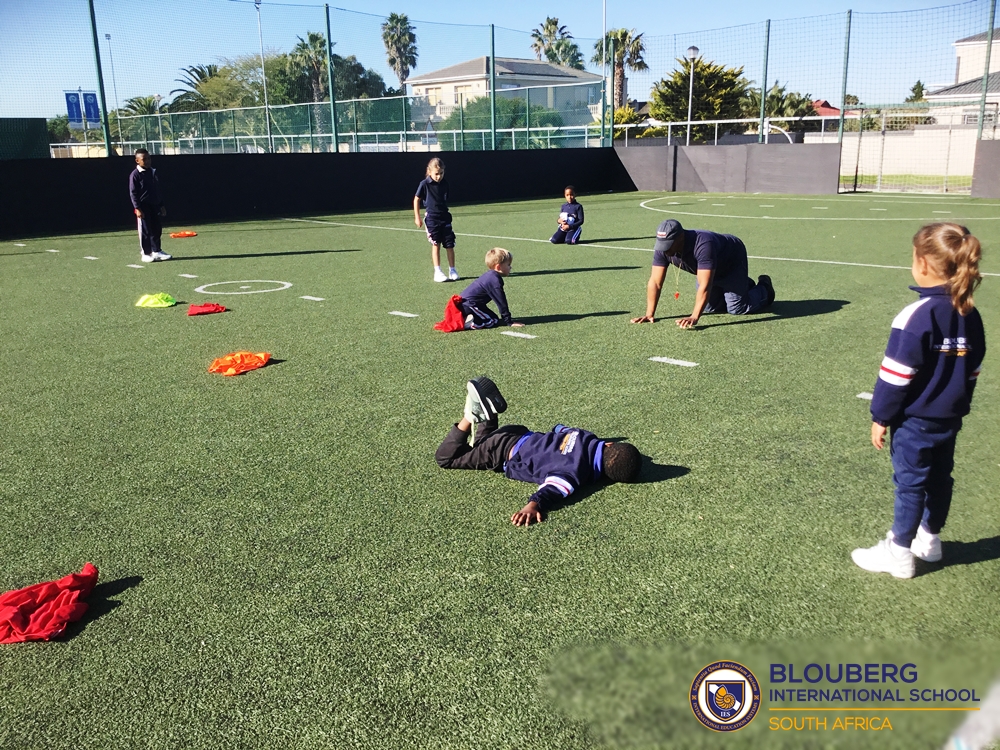
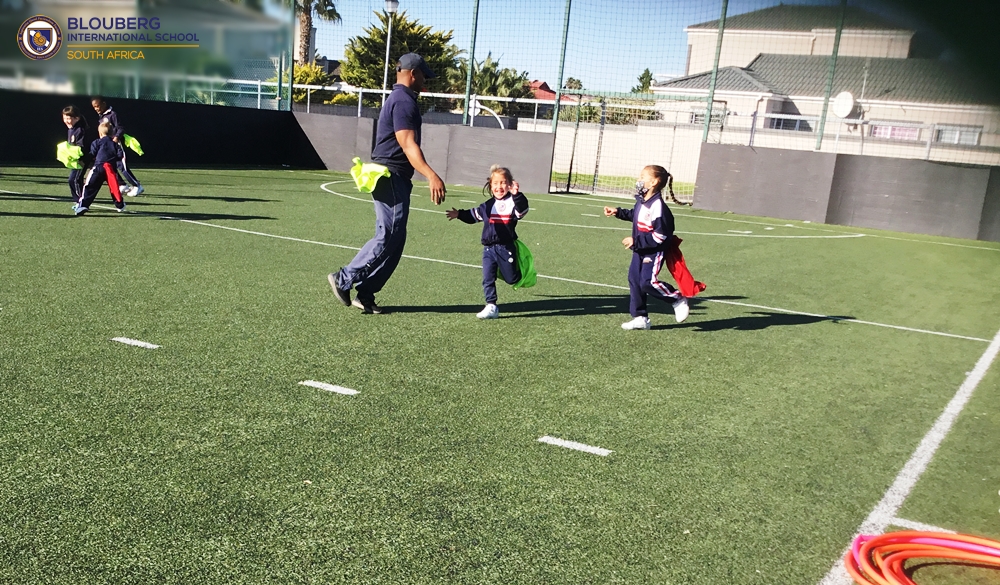
Our weekly programme that is derived from the Cambridge curriculum helps us perform different exercises and play games that are skill based and always motivate teamwork rather than focusing on individual skills only.
We learn about our bodies and how we can use them to the best of our abilities within the sports fields.
The curriculum is based on the sporting codes we provide at BIS, thus, it is important for students to participate and enjoy the different skill sets taught throughout the year as per the curriculum requirements.
As coaches we want our students to participate in different activities and expose them to different types of sports within our lessons, hence we provide the support that is needed to achieve this goal.
We cannot achieve all of this without the help of our lovely parents, so we ask that our lunch boxes are filled with health conscious nutritious food on a daily basis.
Promoting good eating habits is vital to a child’s development physically and mentally, It is said that eating healthier 80% of the time and doing 20% exercise compliment each other.
What Experts Say
“The 80/20 rule approaches healthy eating with a message of moderation-80 percent healthy choices and 20 percent flexibility for less healthy option. Nutrition professionals back this approach, as it is feasible for all, allows for variety of foods, and avoids deprivation.” – Chrissy Carrol,RD,MPH
Let’s try and pack a healthy lunch box.
We are most certainly improving and setting the tone at our PE lessons every week and I (Coach Mpho), am getting the greatest joy seeing the improvement and the strides that our students are making, getting the idea of how to move the body over a game of dodgeball, soccer, handball and more.
Also knowing the amount of power needed to make a short or long pass, throwing skills, learning new games and most of all having fun with your peers and improving your game.
Week 6 – Handball skills, teamwork, accuracy and movement.
Class – 5HK
ATL skills observed – Listening and communication skills, self-awareness and sense of urgency – teamwork
Planning
The students warm up by taking a jog around the 5 aside court ,do shuttles that incorporate push ups, sits, lunges, jumping jacks/body weighted squats to get the blood flowing and the heart rate going.
They then go into stretches from neck to toes, whilst illustrating and explaining to them which parts of the muscles they are stretching and the importance thereof.
In this case, a class is split into 2 teams that verse each other etc. (red vs orange team)
Instructions are as follows:
- No one is allowed to keep the ball for more than 3 seconds creating a sense of urgency in their play.
- Teams have to pass to everyone in their team to have a legitimate goal awarded, which creates a team effort where everybody participates, teams are not allowed to run with the ball which forces them to work together – teamwork.
- Teams are allowed to pass the ball by either bouncing or no bounce, two-handed passes for more accurate passes.
Objective
The objective of the lesson is to establish and develop good communication skills, passing accuracy and most importantly following the rules of the game and applying all the skills taught throughout the curriculum.
Assessing
Can a student apply themselves through the activity that is focused and based on team building?
Can they pass, throw and catch the ball?
Can they be creative in terms of movement and creating space on the field?
Are they calling for the ball, communicating to their teammates?
Do they understand the rules of the game abide by them?
The students attitude, enthusiasm and the will to do better is as important as his performance.
In Closing
As the winter season slowly drags on to its end, we welcome Spring and the sunshine. I am grateful for the support that has been shown by our BIS family, parents, teachers, ground staff and all who make our school united and warm throughout the soccer and netball season by rooting for our students.
I also wish congratulate all our junior and senior Tennis teams that represented BIS in Sun City last week as well as all our soccer and netball boys and girls who participated with much courage and enthusiasm in all their matches this season.
Well done to you all, we are all very proud to be part of the winning mindset.
Mpho Mahlangu
PE Teacher

Read More
Auto Museum Outing
To fully appreciate the future, we need to appreciate the past.
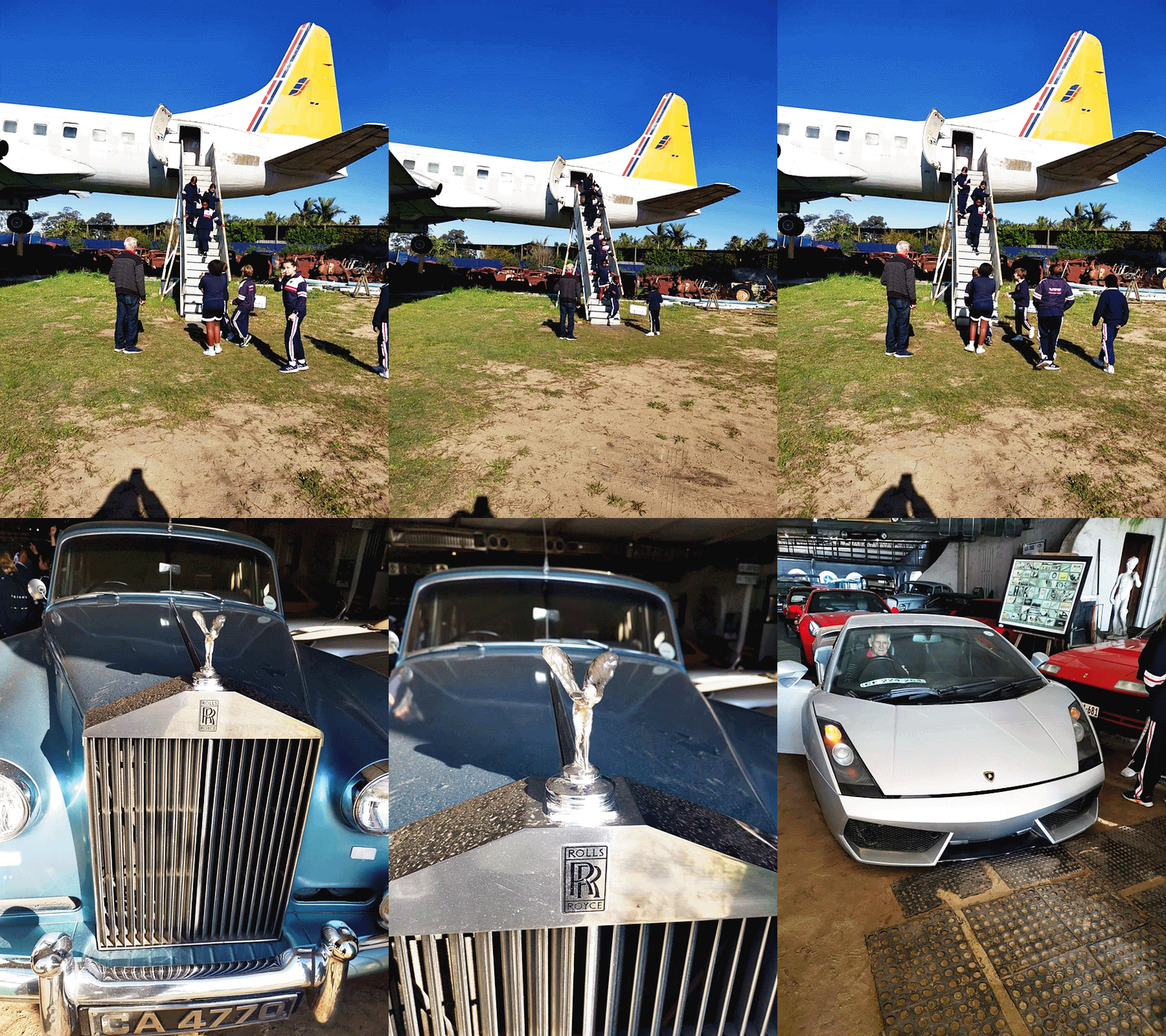
Our Year 4 classes visited the Wijnland Auto Museum in Joostenberg vlakte, as part of the Transportation unit that we have been studying in History.
Throughout the term, we have investigated the various types of transport, how transport has evolved over time and the importance of the different modes of transportation.
During our visit to the museum, the students learned about cars and how the design and technology has changed over the years. We saw various amazing antique cars, army tanks and even went inside an old passenger airplane.
We cannot wait to discuss this topic further in class.
Yvette Fourie
Year 4 Teacher

Read More
Litter Challenge
“Educating our children is a key ingredient in the recipe to save our Earth!”
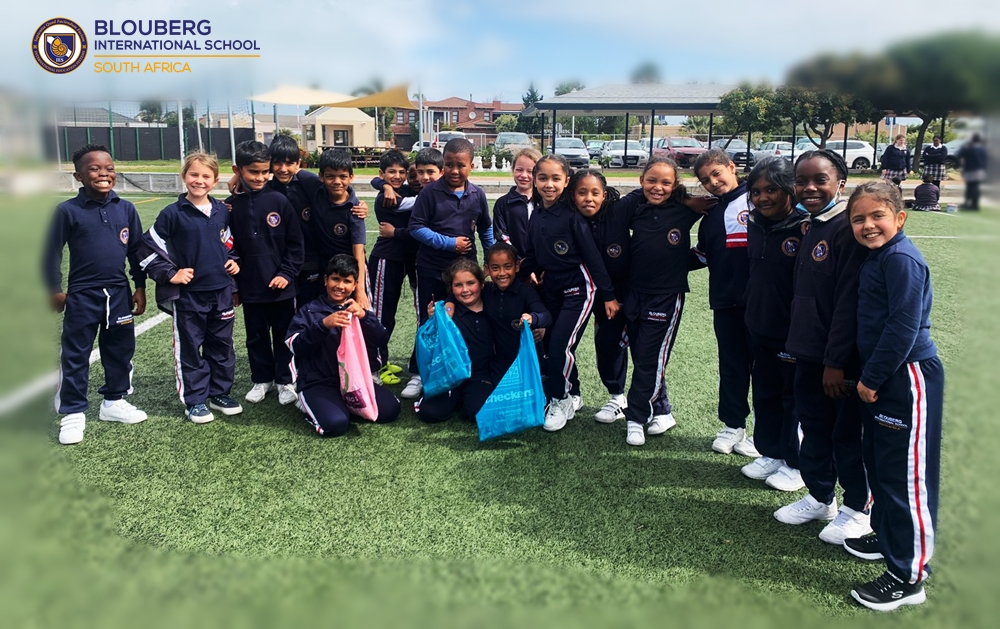
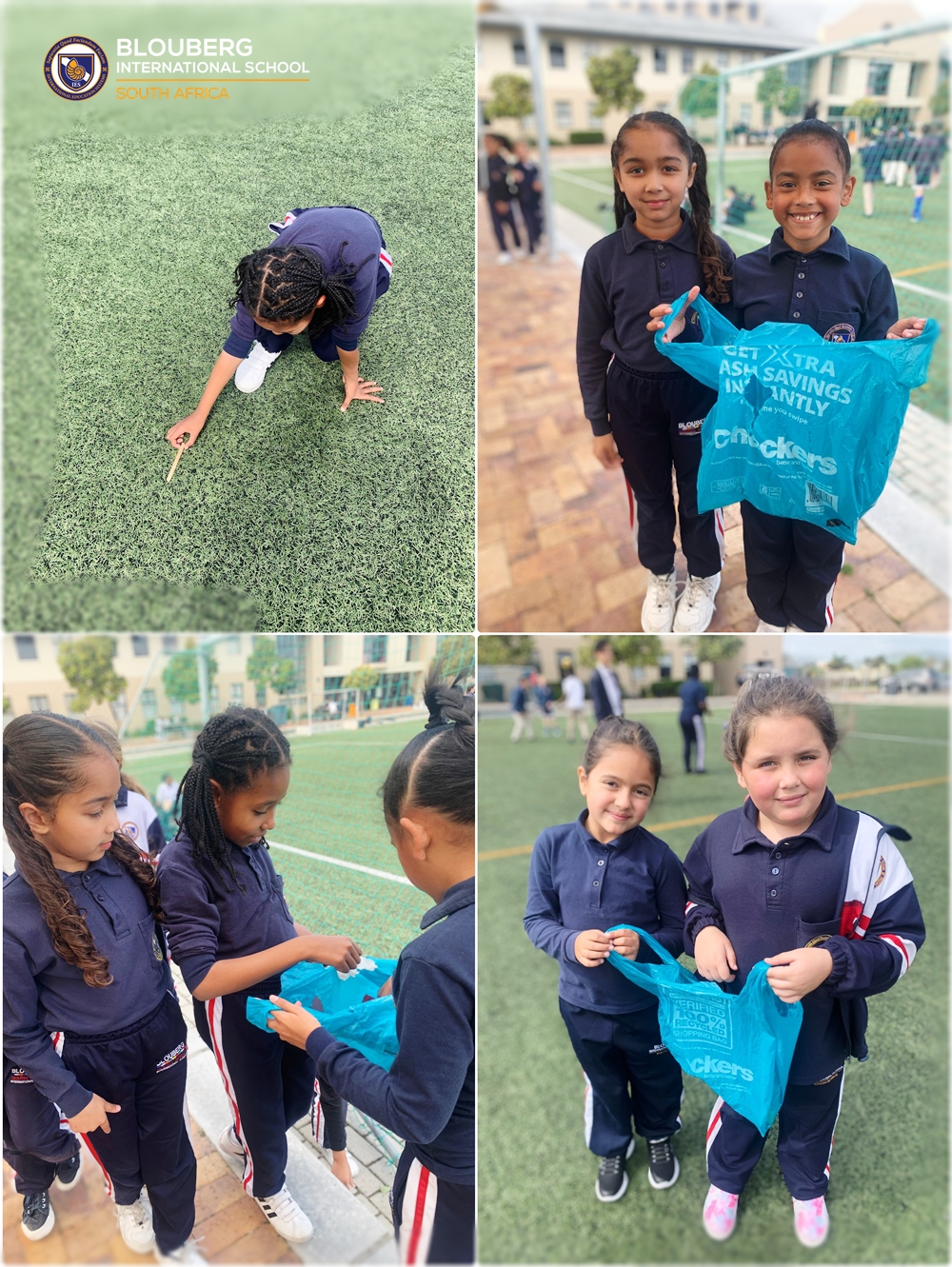
This week our Year 2’s did a school litter pick-up! Before we went out we had a small class discussion where we reminded ourselves about what litter was and chatted a bit about what a good strategy would be in order to cover the area we were going to cover and pick up as much litter as possible. The students were excited at the idea of helping to make their school a cleaner place!
We made a plan to tackle the field and the surrounding areas, a few students carrying some plastic bags for any rubbish to go straight into, all of us walking in our smaller groups across the field making sure to keep a look out for any litter that may be laying around.
All of the students took their role in this clean-up very seriously and seemed to enjoy themselves as they went. Well done Year 2’s, you are making a difference!
Siobhan Hendry
Year 2 Teacher

Read More

Spring Has Sprung In Arts And Craft This Week
“Reuse the past. recycle the present, save the future” – Unknown
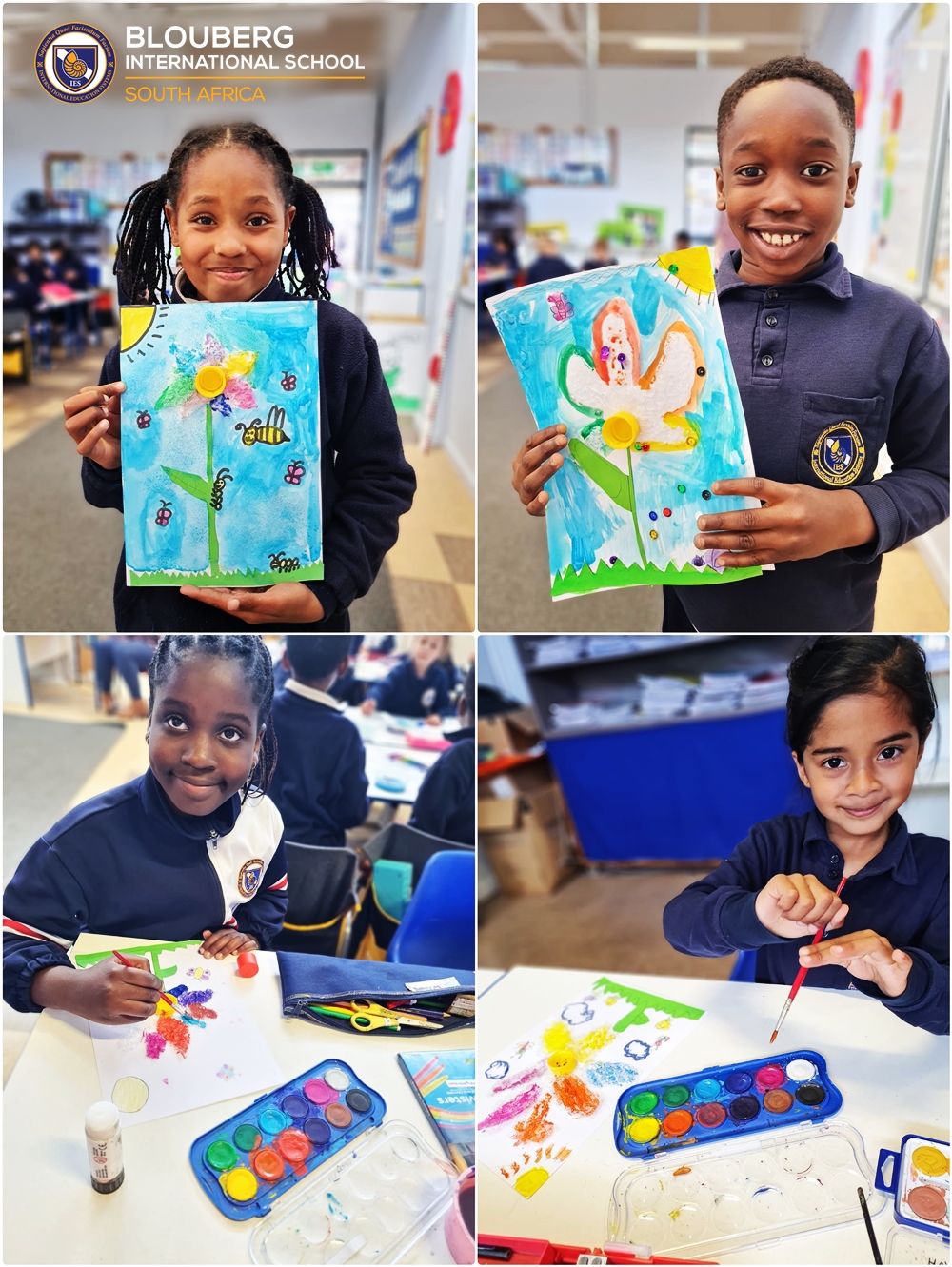
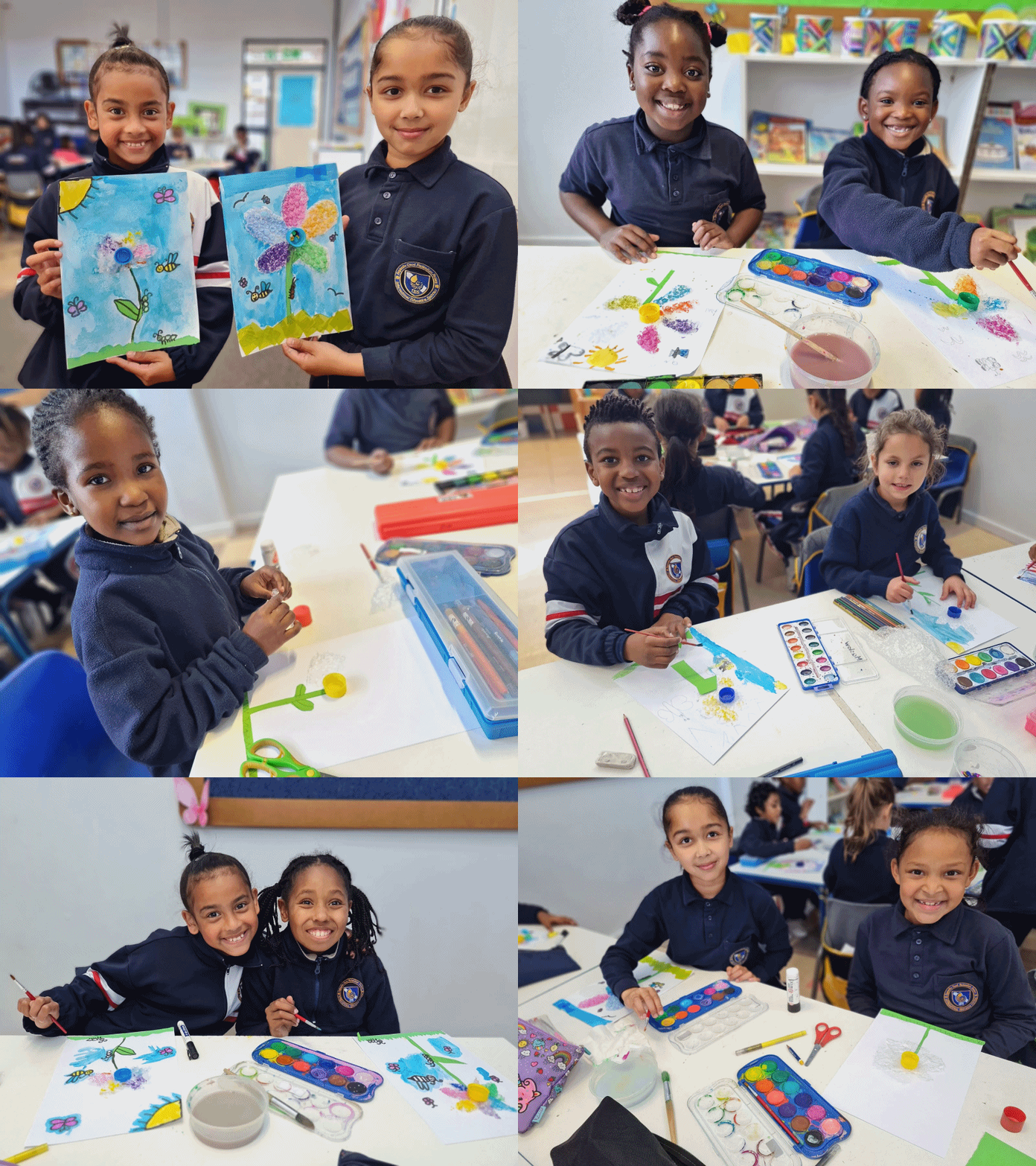
In KS1 Arts and Crafts Club, the students have been making use of recycled goods to create a beautiful flower to welcome the start of Spring.
Teaching students about spring helps to develop life skills, observation skills and promotes a love for learning and nature. Helping children notice and celebrate the signs of spring is a wonderful way to sharpen their observation skills. This helps students to learn how to focus, to be present, and live in the moment. Observation skills help people become better writers, scientists, and global citizens. Using nature to teach these skills can shake children and parents alike out of the rut of the normal day-to-day life.
Using recycled goods such as bubble wrap and bottle tops help students realise that these items are goods and not waste. We can reuse them for Arts and Crafts activities, not allowing them to be thrown into bins or left lying around on the floor around us. Teaching students to reduce, reuse and recycle (the three R’s) can create a ripple effect on the lives of their loved ones around them.
We encourage students and parents to continue trying to follow the three R’s.
Year 1 Teacher
Erin Hierse
Read More
The Magic In Allowing Learners To Take Control Of Their Own Learning
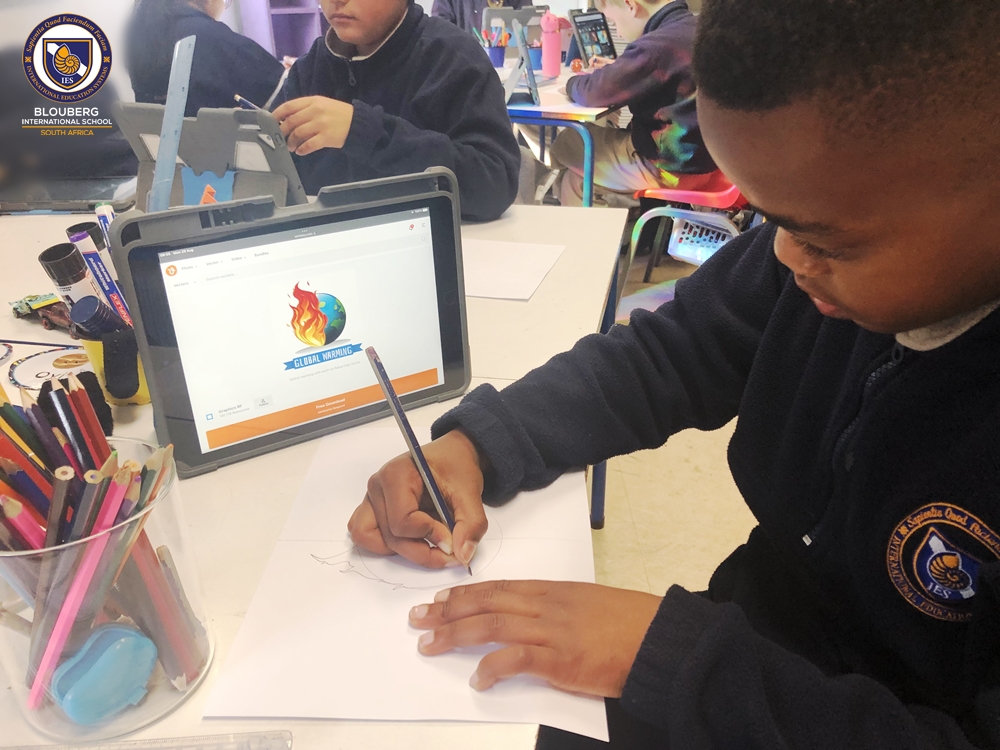
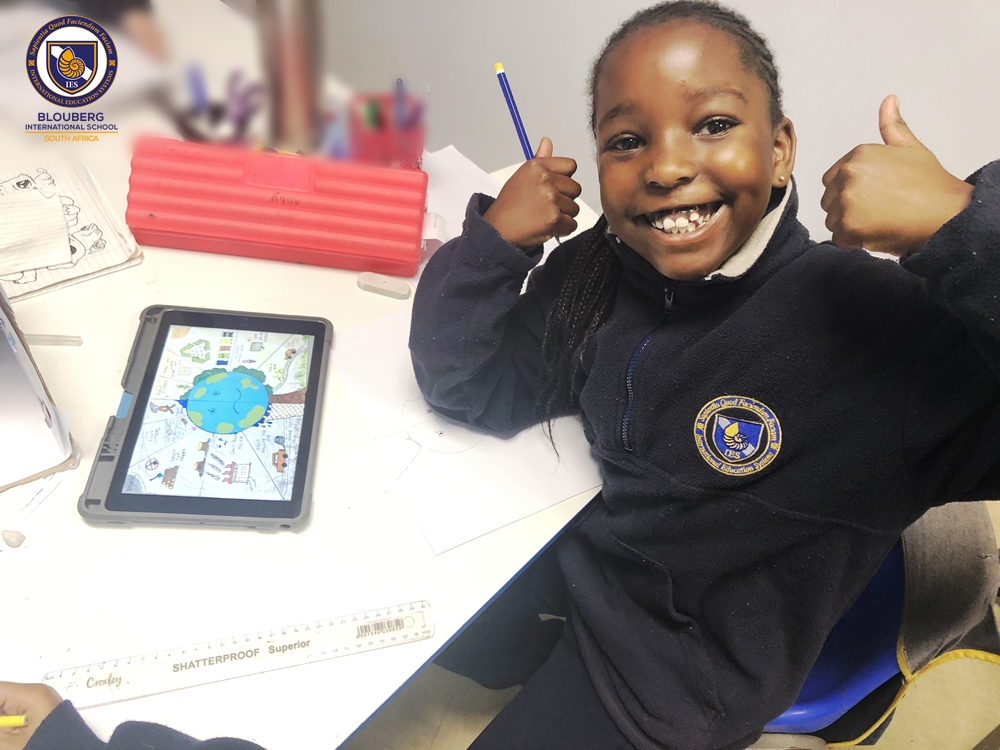
In Year 3 this term we have been exploring the concepts of natural disasters, the water cycle and global warming. The students had the opportunity to discover these topics through their own research, whilst using the Ipads. They have slowly built upon their prior knowledge, lesson by lesson. With Geography as the subject, global warming as the topic and Google at their fingertips, the students decided to take the lesson in a different direction.
Once the students had begun their search and discovered what both causes and alleviates global warming, they discovered some images that they wanted to recreate.
The students had found an interest and wanted to pursue an activity that they had come up with themselves. Each one of them chose to represent the information they had learnt with something that summed it all up into one image. Pictures were produced, that represented our earth in two states and they were drawn and coloured in by the very hands that may one day construct the solutions to the problems we face.
Autonomy is developed through our students having some choice and control in their lessons, and if the knowledge and learning objectives stay the same, then does it matter how they discover it?
Kirsten Stoffberg
Year 3 Teacher


Read More