
The Human Body!
Our Year 3’s kick started Term 2 with an introduction from Pinky, the skeleton, to our next Science unit – The Human Body! After much giggles and squeals, students were told that by the end of the unit they would need to be able to ‘dress’ Pinky with his organs all in the right places.
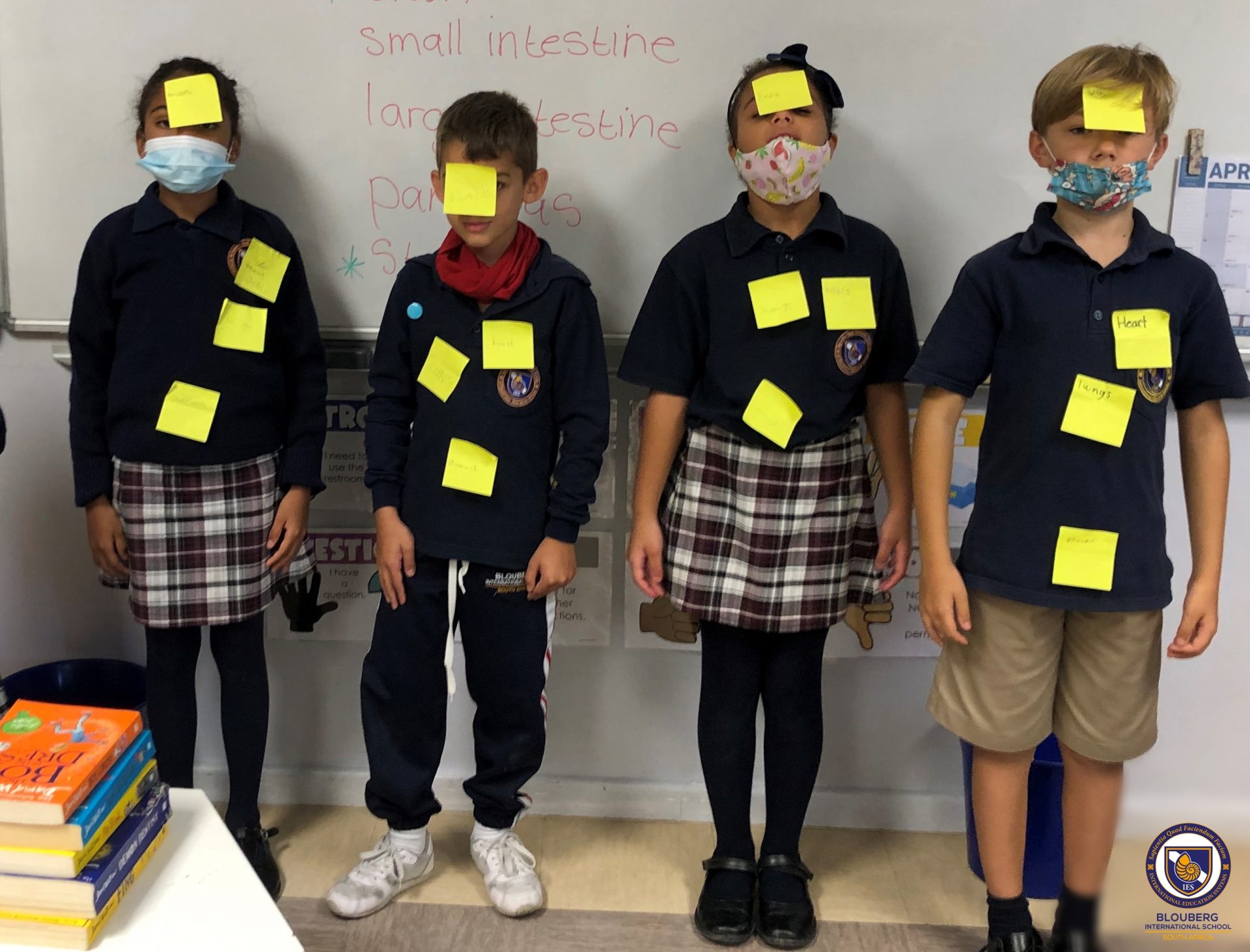
But first…. do the students know where each organ in our body is? Well….no…. not quite…. not at first. In groups, students had to choose one classmate and using yellow stickies, placed them on to the student in the right spot. Needless to say, we had some very strange locations for our small and large intestines!
Throughout the unit, the class enjoyed very student-centred lessons, which included making their own stethoscope out of plastic bottles, tape and toilet paper holders. They then used their stethoscopes to listen to one another’s heart beats.
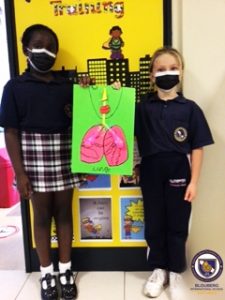
Another lesson involved students making a working lung model using cardboard, straws and balloons. In pairs, students designed and cut out their lungs. Next, they attached the straws and balloons. Then, they drew in their faces and for the grand finale…they blew out into their straws to simulate their working lungs.
The students had a fabulous time designing their models and thoroughly enjoyed the hands-on activities. Well done, Year 3! I think we are ready to ‘dress’ Pinky!
Mandy Goch
Year 3 Teacher


Read More

Investigative Thinking In Key Stage 2
“Children must be taught how to think, not what to think.” – Margaret Mead
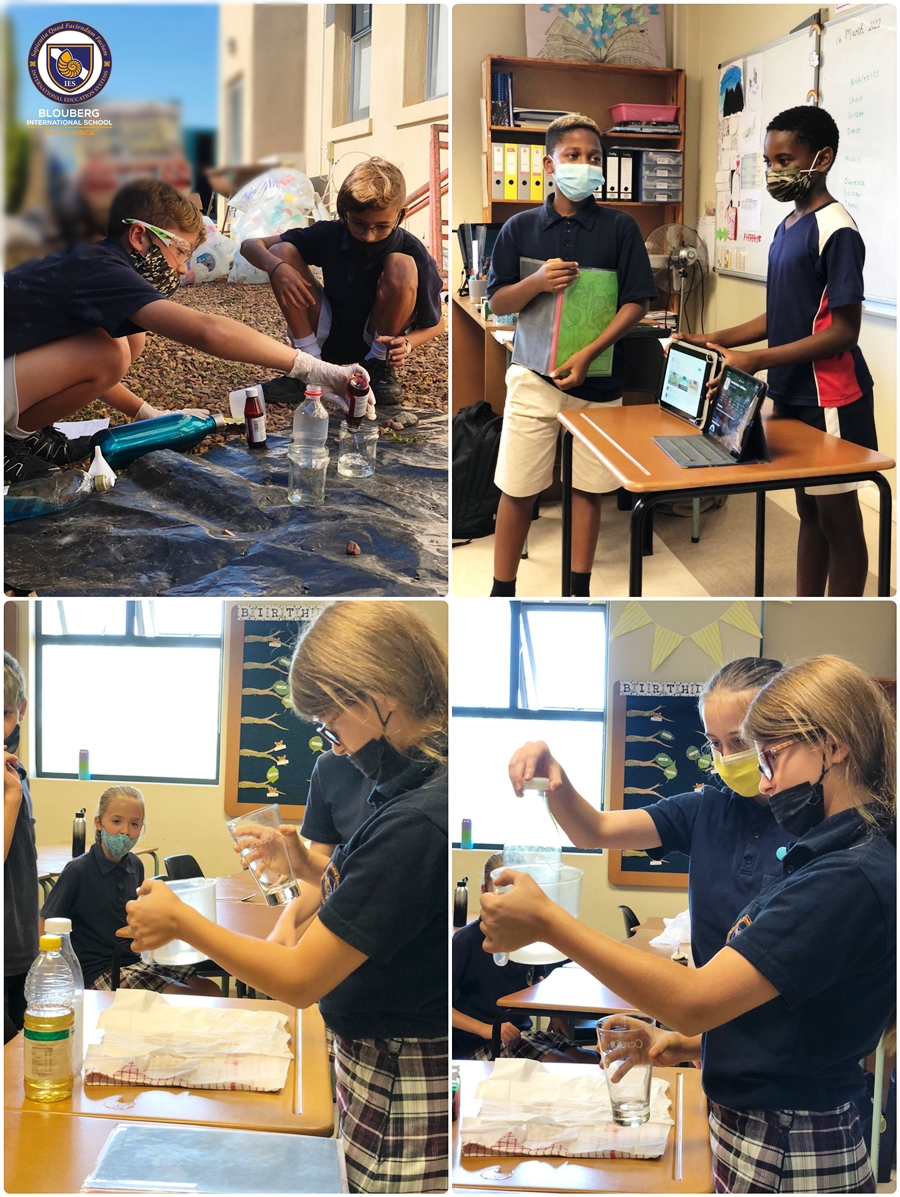
Being both a student and teacher of the Cambridge Secondary Education system, I have had the privilege of watching it develop into the beautifully elaborate system we see before us today. If anything, the one thing I appreciate the most about growing up following one of the world’s leading education programmes, is the expansive opportunity I had for inquiry based, independent learning.
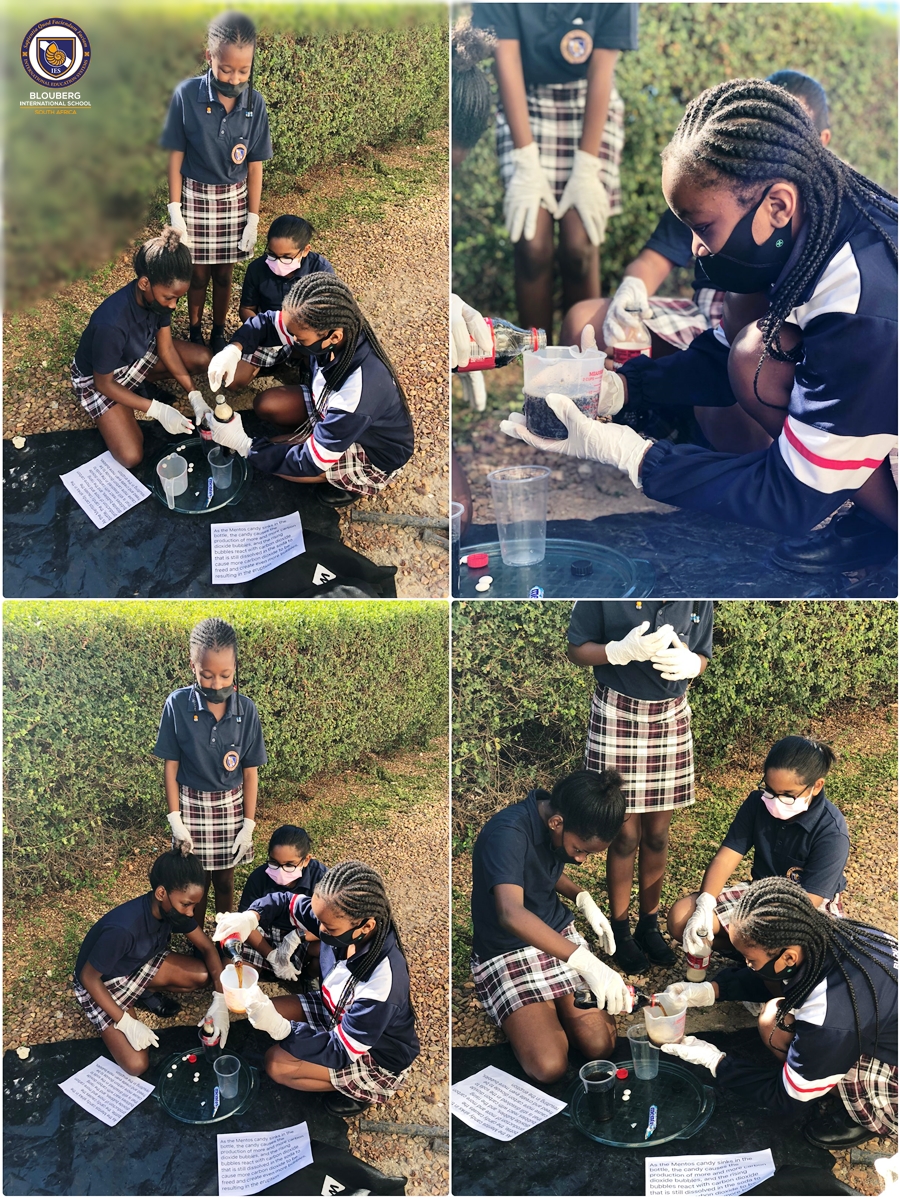
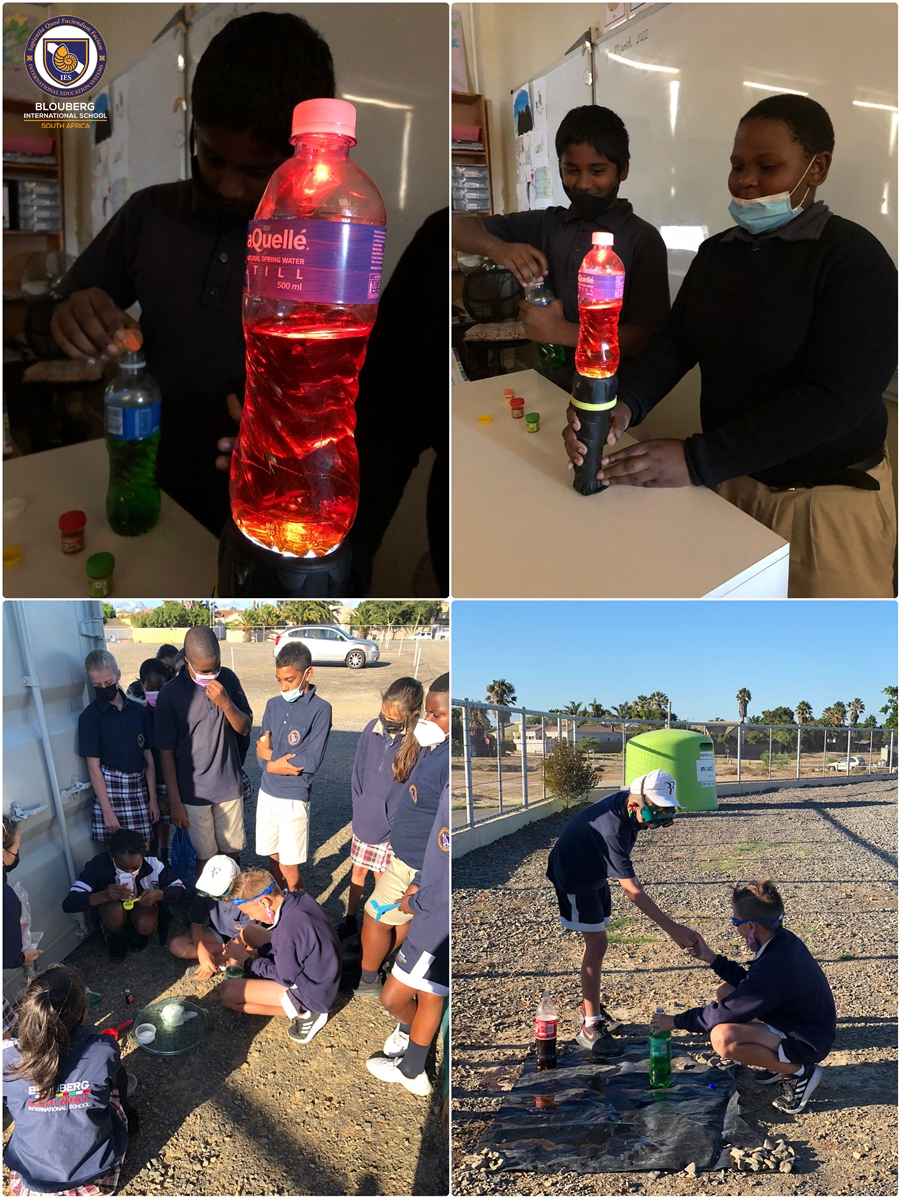
One of my favourite tools in the Cambridge Primary Science syllabus, today, would undoubtedly have to be the scientific inquiry thread, incorporated into our teaching and learning objectives. Not only do we work towards content specific outcomes under each topic, but Cambridge guides us through skill based, investigative thought processes as well.
Each term, our students are given the chance to explore the workings of our world themselves by following these probing steps:
- Asking a question
- Making a prediction
- Planning a fair test
- Carrying out the investigation
- Recording the results
- Drawing a conclusion
This process promotes a beautifully curious approach to learning, where our students are granted the responsibility of their own learning journey.
Lastly, I have to acknowledge the multitude of fun this approach leads to, both in and out of our science classrooms! When having fun and building relationships run parallel to your learning, you know incredible things are bound to happen.
Robyn Pieters
Year 6 and 7 Teacher

Read More

A Fun-filled Year of Growth and Learning in Foundation Stage
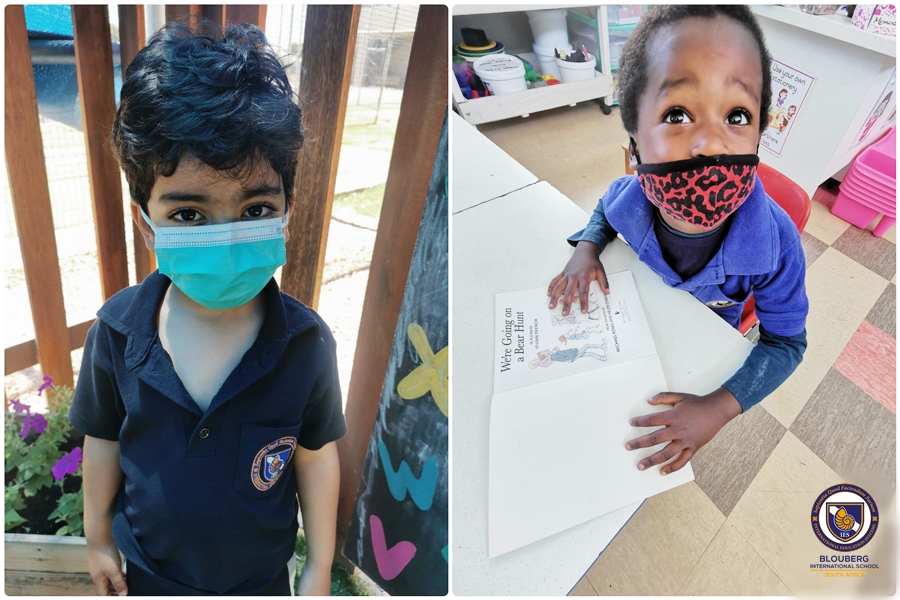
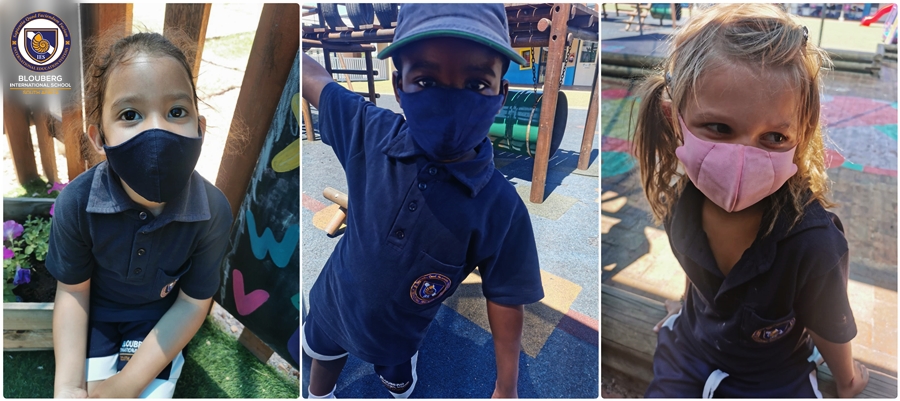
Our little ones have really grown from strength to strength this year with so much development taking place in all areas. It has been very rewarding to see them master many skills. Some have experienced the joy of writing their own name or cutting out a shape on a line. For others learning to read, write their own sentences or calculating sums has been a highlight.
On Tuesday, 30 November, the students will be meeting their new class teacher from the class they will be in next year. This is what the students are looking forward to: for 2022:
Nikraad Manoucheri: “I am looking forward to doing sums.”
Mackenzie Theunissen: “I am looking forward to doing homework.”
Liam Okebalidiet: “I am looking forward to learning to read.”
Joshua Mpako: “I am looking forward to finding new friends to play with.”
Isabella Oosthuizen:”I am also looking forward to making new friends.”
Myles Xegwana: “I am looking forward to meeting my new teacher and doing homework.”
Jadey Howes: “I am excited about wearing my new school uniform in Year 1.”
Arye: “I am looking forward to making new friends.”
Bronwen Nuthall
Reception Year Teacher
Read More
Monsters
The key to learning any language is practise. Therefore, oral presentations are a pivotal part of the German lesson and gives all the students the opportunity to show what they have learnt in class and to practice their pronunciation. This term in Year 5, we learnt all the vocabulary for naming and describing the body as well as describing the character of a person.
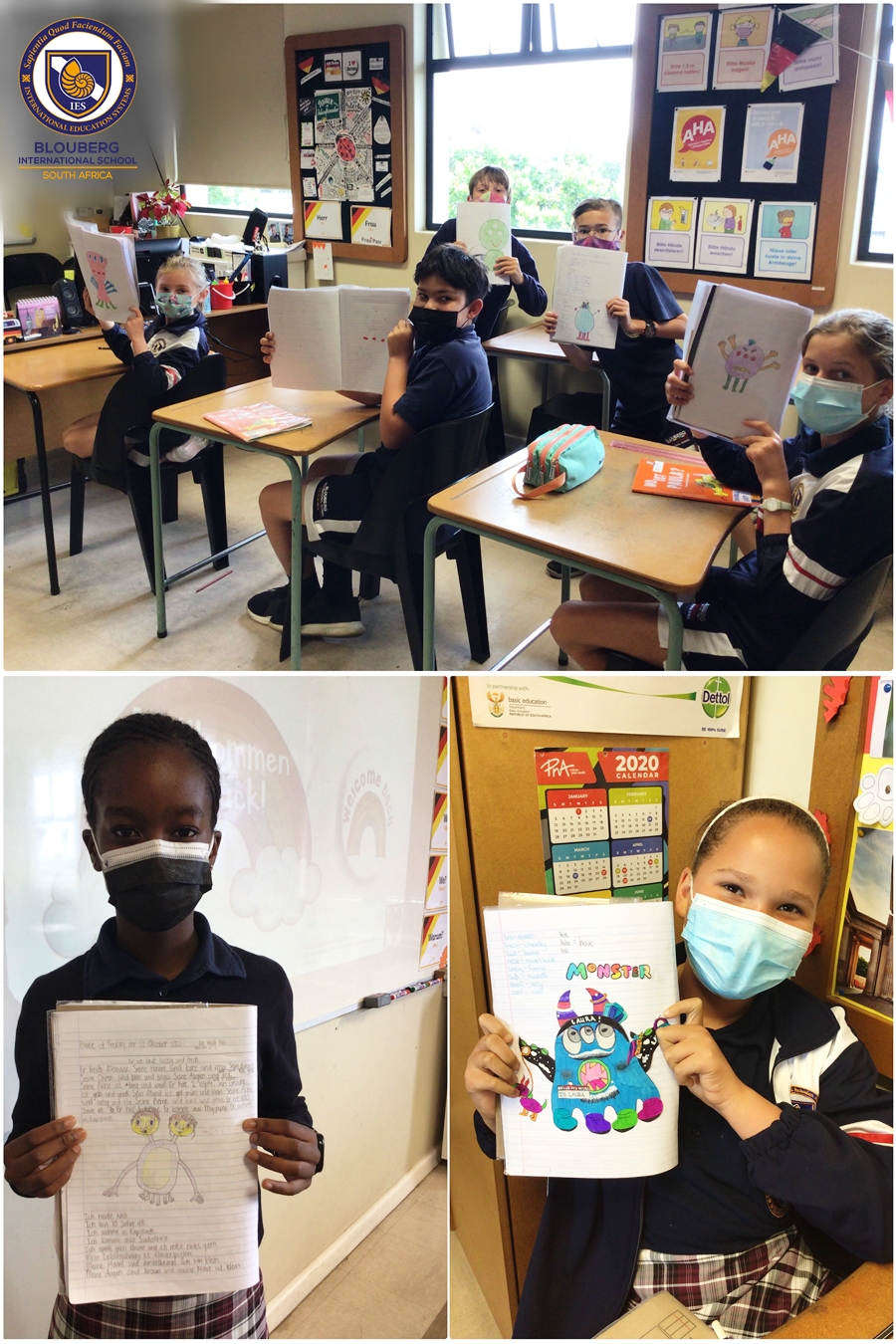
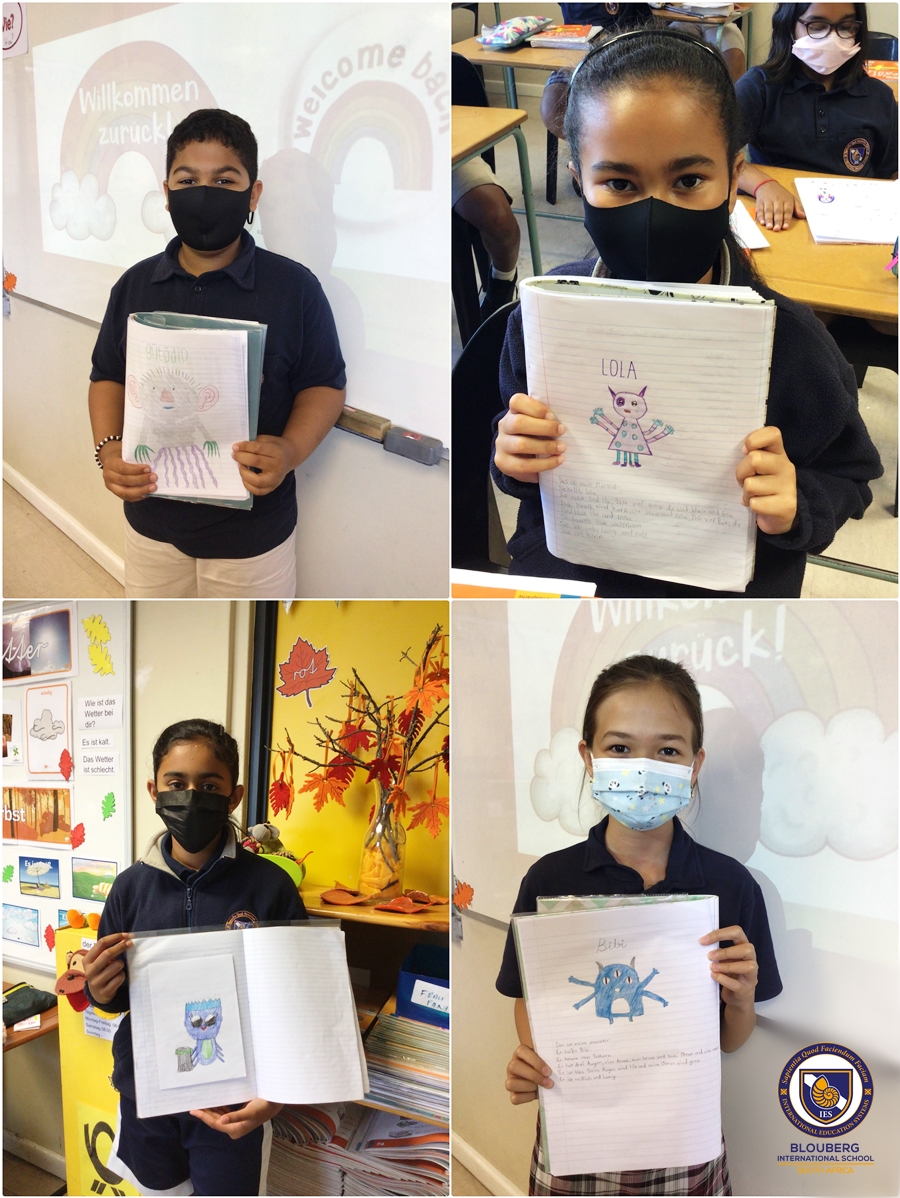
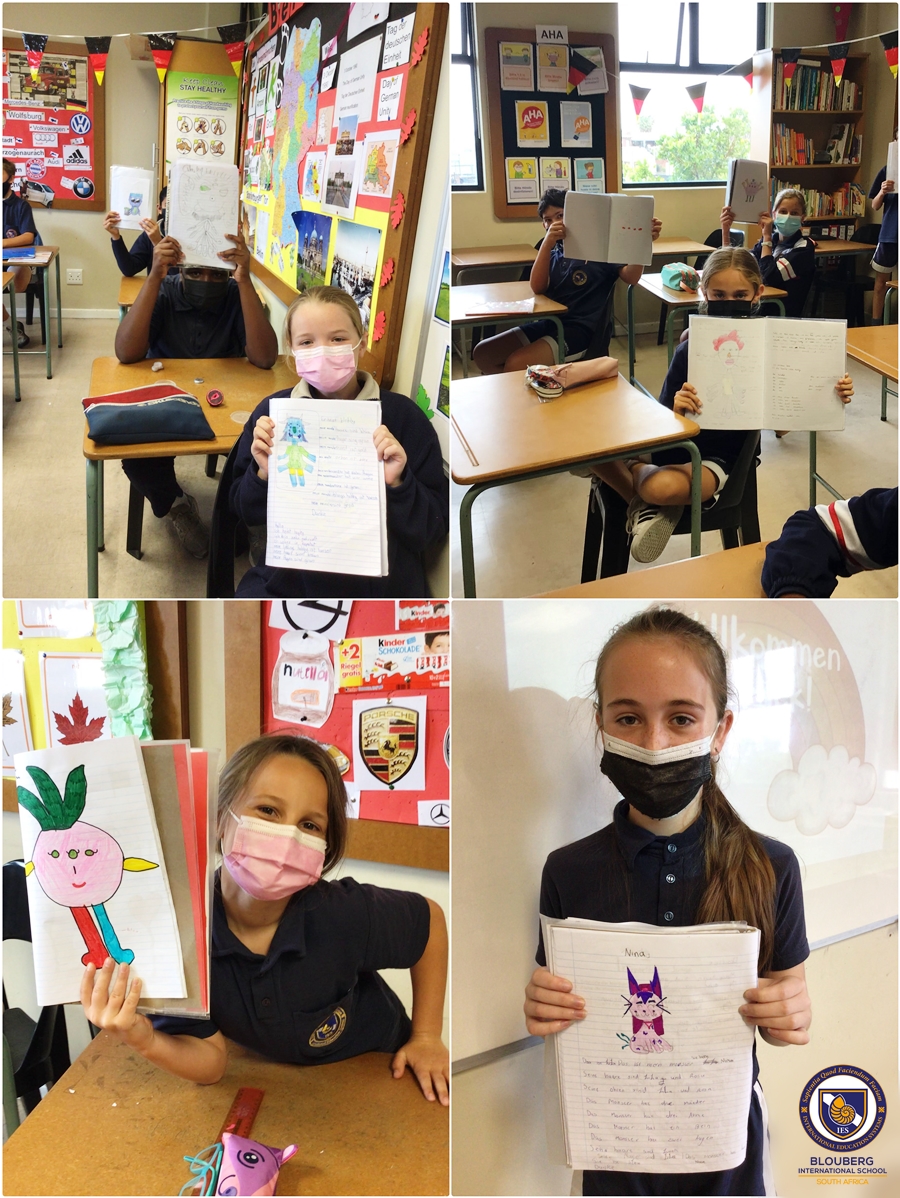
The project was to design a monster as colourful and different as possible and then to describe the monster using all the vocabulary including numbers, colours, plurals and grammar learnt in class.
The oral included a general introduction about the student and a description of their own body including colour of hair and eyes. A vital component to a good oral was using the sentence construction and vocabulary exactly as learnt in class so that all the students were able to understand the presentations.
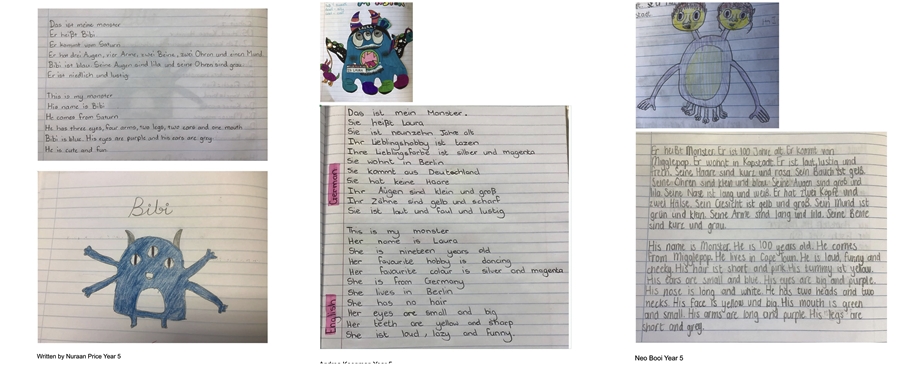
The Year 5’s invented many very interesting and original looking monsters and they were given very creative names. We were introduced to Gütädid, Laura, Bibi, Lola, Yu-de-cuta 1782, Nina, Blobby and Cerberus to name a few.
They came from very interesting places, as far as Pluto, and as close as Cape Town. They were very creative with all the colours then carefully naming them in German. They included many interesting amounts of body parts; 4 legs, 6 arms, 3 eyes, 2 heads and 2 necks. The description of the character of the monster included many similarities with the students themselves e.g. laut ,lustig und frech (loud, funny and cheeky). We also tested our listening skills, as the class was asked questions about the monster’s description to show understanding of what was presented.
Please see some examples of the students’ work in the photos attached. They did a great job in their presentations.
Well done Year 5’s and looking forward to continuing the journey in German with you next year in Year 6!
Frau Kerstin Pani
Primary School German Teacher

Read More

Sound & Vibrations
Experi-Buddies came to visit Year 1, to teach us about sound and vibrations, which we are learning about in our Science this term.
The students had a lot of fun experimenting in class, making sounds using balloons, marbles, water in glasses and spoons hanging on string.
Sound is an integral part of a child’s development. In fact, the Parenting Research Centre says, “Sound is critically important to the way children learn about their world.”
The Inting was such a great tool to help our students grasp the concepts even more comprehensively. Perhaps ask your child if they can explain sound and vibrations to you, their first-hand knowledge might just surprise you.
Charlotte Cronje
Year 1 Teacher


Year 2 Loves Brain Breaks!
Students are easily distracted, but regular, short breaks can help them focus, increase their productivity, and reduce their stress.
Students, particularly young ones, often struggle with staying focused for long periods of time. In a 2016 study, psychologist Karrie Godwin and a team of researchers measured how attentive elementary students were during class, and discovered that they spent over a quarter of the time distracted, unable to focus on the teacher or the current task. Shorter lessons, however, kept students’ attention high: Teachers found it more effective to give several 10-minute lessons instead of fewer 30-minute ones.
I have found this to be an extremely worthwhile exercise. Even if it’s just to get them to stand up and stretch, or have a quick run-around the playground, or even a lively dance to some music.
Our class has a few favourites. I can recommend to parents to have a look at a website called ‘Go Noodle’. There are some really good ideas, even to do at home.
Kim Coetzer
Year 2 Teacher
Read More
The World Of Work And Having A Job
This term, the Year 1 challenge in Global Perspectives is ‘Working and having a job’. The students have had following discussions about work:
- What is work?
- What does it mean if someone has a job?
- What jobs do people do in our town/area?
- What different ways are there to sort jobs?
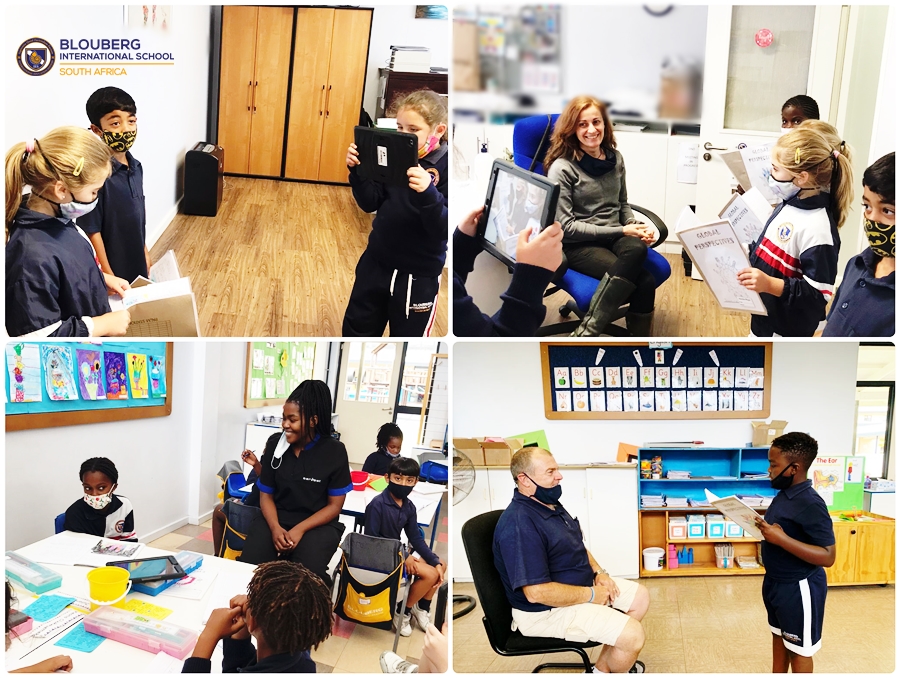
Last week, the students prepared interview questions for people who work in our school. They had to decide, as a group, the questions they wanted to ask. They then did mock interviews with their classmates pretending to be the people they are going to interview.
This week was the ‘real deal’ and armed with iPads the students interviewed, Mr Swart, Uncle Clive, Mrs Diana and Ms Zimbi.
Here are some of the questions they came up with:
- Do you like your job?
- What do you do?
- Do you work alone?
- What don’t you like about your job?
- What is your favourite part of your job?
- Do you have any issues?
We will end the term with a dress-up day, ‘What I want to be when I grow up!’
Ann Cordner
Year 1 Teacher and Key Stage 1 Coordinator