
Becoming A Biologist In South Africa
It is certainly not new information that we live in one of the most diverse countries in the world when it comes to South Africa’s endemic flora and fauna. In fact, according to SANBI, we are ranked in the top 3 countries with the highest percentage of endemic species. South Africa is estimated to be home to almost 100 000 endemic floral and faunal species, as reported by BIOFIN. Our floral diversity is estimated to be just short of two thirds endemic, with our reptiles, amphibia and marine species to be around half.
South Africa is a well-recognized biodiversity hotspot, with the Cape Floristic Region hosting almost 10 000 vascular plants, with a staggering endemism percentage of almost 70%. Endemism and biodiversity in South Africa have clear intrinsic value. Apart from that, it has been an enormous driving force in our tourism. It is also important to recognize its role in employment opportunities, alternative or traditional medicines, and environmental education.
So, what do we need in order to conserve this incredible ecological gift that we have been given? More importantly, who are the people behind conserving it? Unfortunately, conservation is not often second nature to us. We live fast paced lives driven by consumerism. Playing our part in conserving the Cape Floristic Region, our pride and joy, starts with being educated on its value and importance. Whether this is intrinsic value, monetary value or some other value such as preserving genetic variation, the development of herbal remedies and traditional medicines, or simply a feeling of stewardship.
An ecologist from Senegal, Baba Dioum, summed it up quite well: “In the end, we will conserve only what we love, we will love only what we understand, and we will understand only what we are taught.”
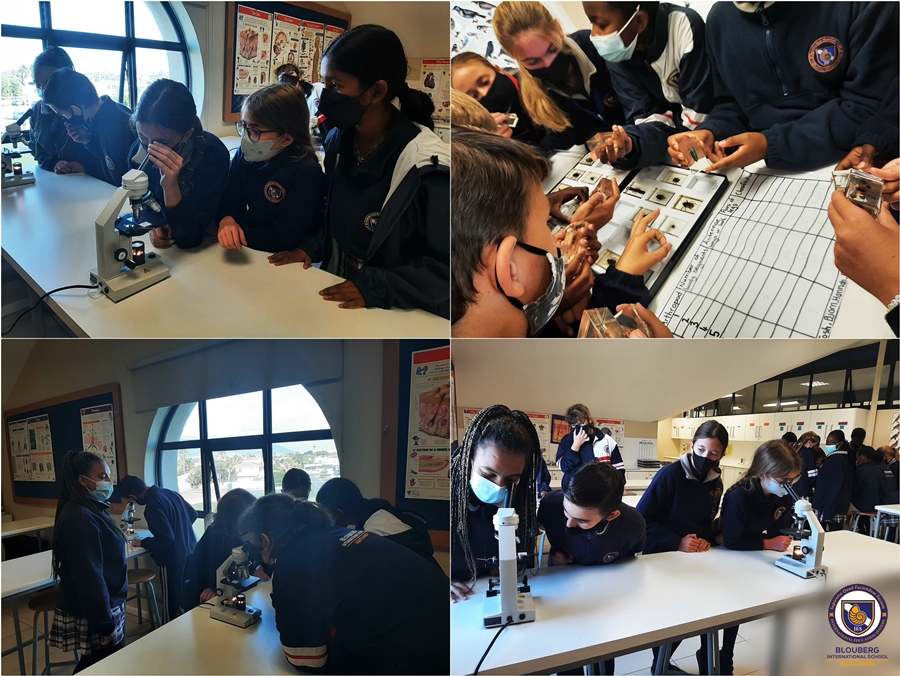
Education is the starting point to truly assigning value to something. In order to feel the drive to take an active part in conserving our country, one needs to realise its value, and what better way to do this than through receiving an education in Biology in one of the most unique countries in the world? Getting students excited about our natural world starts at an early age. At BIS, we incorporate practical implements to our coursework by allowing the students to see, hear, touch and experience. Practical work allows students to place their coursework into context with the real world, while also deepening their understanding of the topic. We as teachers are looking forward to the rest of our journey in guiding the next group of conservationists, farmers, park rangers, botanists, environmental educators and so much more.
Nadia Viljoen
High School Biology teacher

Read More
Preparing For Examinations
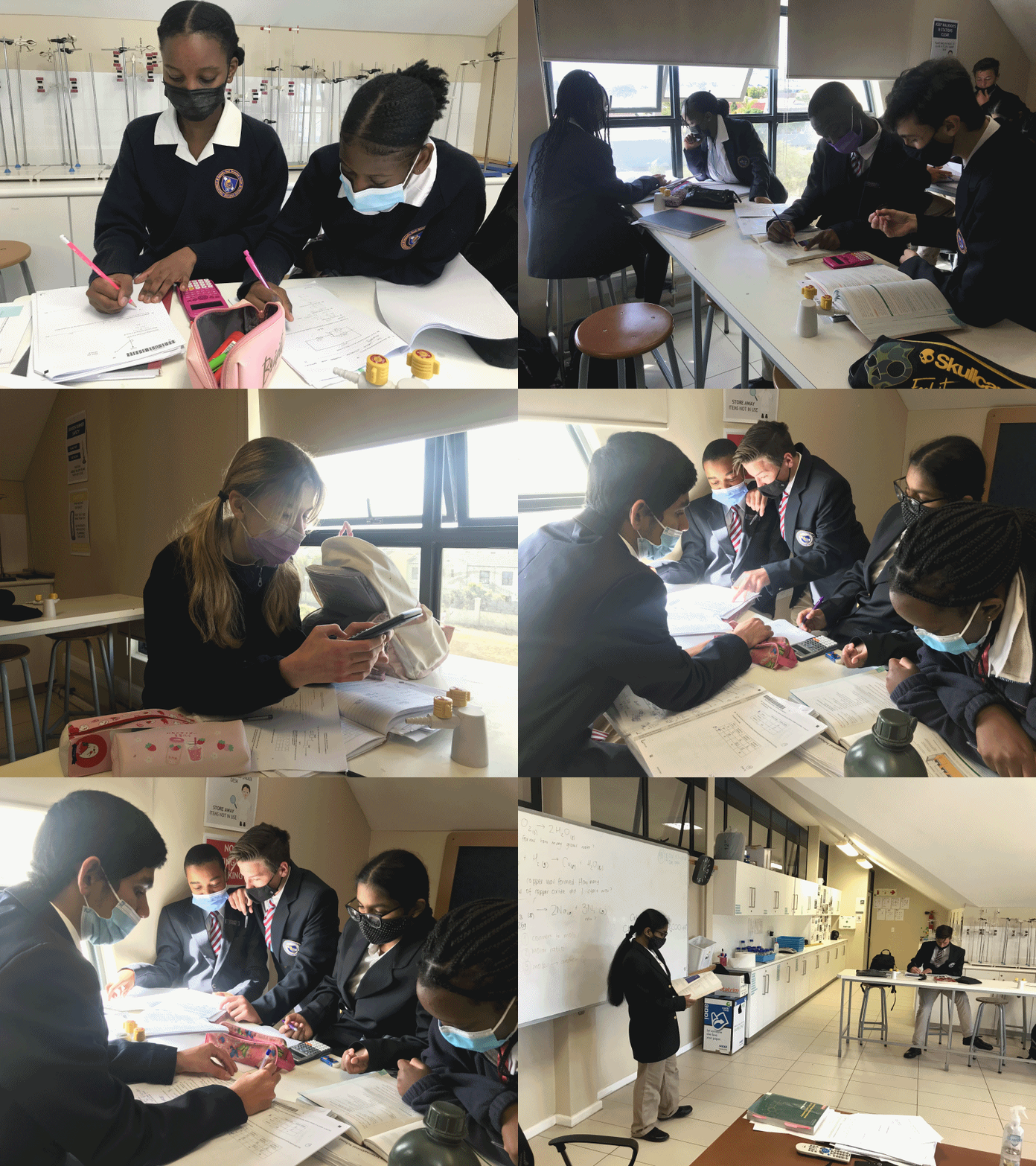
Our June examinations are around the corner and preparing for examinations is just as important as studying for your subjects. Below are some helpful hints on how to prepare for your examinations:
Helpful hints
- Familiarise yourself with your examination timetable.
- Ensure that you know exactly:
- what work will be covered in each subject,
- the format of each examination paper,
- the time allocation,
- the equipment that may be needed for the examination (e.g. calculator for Mathematics).
- Get copies of old examination papers and worksheets (IGCSE and AS/A Level).
- By now all your notes should be up to date and you should have all that you need to study effectively for the examinations.
- Prepare your study area. Some things to consider are:
- have a good source of light
- have lots of paper available
- a clear work surface
- coloured pens if you prefer to use colour
- light or unobtrusive music if you prefer to learn with music
Keeping healthy
- Eat fresh foods such as fruit and nuts. Pile up on the vegetables in the evenings and drink plenty of water and fruit juice to keep the flu at bay. The brain needs to be fed well in order for it to perform at its optimum.
- Try not to nibble on too many chocolates and sweets while studying.
- With that said, the odd sweet or chocolate will provide an energy boost when you feel really tired.
- Getting a good night’s rest is also important. Sleep will rejuvenate you and keep you going.
Just before the examination
- Get a good night’s sleep.
- Have a good breakfast.
- Arrive at the venue with time to spare.
- Make sure you have the right equipment, tissues, watch, etc.
During the examination
- Don’t rush into answering questions.
- Read the instructions at the beginning to ensure that you know how to answer all the questions and how many questions to answer.
- Read through the questions carefully.
- If there is a choice of questions, make your choice carefully. Underline key words in the questions.
- Stick to the time plan given to you by your teacher.
- At the end of the examination, if you have time, read through your paper to check that you have answered all of the questions.
Julian Harrison
Cambridge Examinations Officer




Read More

June Exams 2021
The June exams are fast approaching and many students will be starting to feel the pressure. Perhaps the best way to counter exam stress is to come prepared. To this end, I have ten guidelines students can follow that will go a long way to helping them feel prepared and confident for each exam.
- Print a copy of their exam timetable and put it in a prominent and safe place.
(Exam timetables can be found on Engage). - Compile and stick to a study timetable.
- Give yourself sufficient study time for each subject.
- Identify topics you find most challenging and, if necessary, ask for assistance from the subject teacher. It is best not to leave this to the day before.
- Utilize effective study methods rather than simply reading the textbook. Summaries, mind maps and flash cards are examples of alternative study methods.
- Avoid pulling “all-nighters”.
- Limit your social calendar and put your phone on silent when you are studying.
- Avoid fad diets so as to maximize energy and concentration.
- Pack the necessary equipment for each exam, including a spare pen.
- Arrive punctually for each exam.
Parents should also be involved in their child’s exam preparation. We know from our own experience as students how easy it is to become distracted and bored. Encourage regular study sessions with short breaks, physical activity and healthy eating. Do not be afraid to check up on your child’s exam preparation progress, even if they are in their final years of school.
I wish students all the best for their exams and I hope that they have a safe and enjoyable holiday.
Sheila Marais
High School Teacher

What The IGCSE’s Taught Me
Our top achiever in the 2020 IGCSE’s recounts her experience and shares some advice with future candidates:
“A famous author once wrote “People say nothing is impossible, but I do nothing every day.” That author was Alan Alexander Milne, the creator of the “Bear of Very Little Brain”. A bear who would sit around all day, doing absolutely nothing but he enjoyed every second of it. So, if there was one thing I learned in the 2-year course that is IGCSE, it was that I needed to relax more, to take everything in my stride and to not worry so much about the little things. To take everything step-by-step, day-by-day, and before you know it, you’ll be running.
I remember in Year 9, when the concept of IGCSE was first introduced, everything became overwhelming. I found it tremendously difficult in the beginning. At first, I wasn’t able to grasp most of the concepts for certain subjects and I was very confused most of the time. I’d never say anything though because no-one in my class ever seemed like they were having trouble, so I assumed it was just me struggling. Thankfully I had my friends, parents and teachers to tell me otherwise. My previous idea of studying consisted of working all day at school, then coming home and doing the same thing. It took a lot to make me realise that this wasn’t going to work for me anymore.
So, by Year 10, I changed the way I studied. I stopped studying for long hours on end and began working for shorter periods of time with a little too many breaks. I found that I study better when I’m relaxed and not putting any pressure on myself. I study consistently through the year and study in moderation. In class, I told myself that I was going to start asking as many questions as it took for me to understand because understanding a concept makes remembering it easier. I’d try to make notes for my subjects in a separate book, to make them clear and orderly on paper hoping it would appear that way in head as well. I found the use of different highlighter colours made certain sections of information easier to recall during an exam because it had a colour associated to it. I tried my best in class to understand the concept first before I made notes on it so that when I did, all I had to do was solidify the ideas onto paper. My dad would make fun of my highlighters saying , “At school all I had was a pen, one that wrote if I was lucky.” But I’d like to think that it was the highlighters and the stacks of cue cards with equations that helped me retain the information better. I realised it was also very important to take care of myself first before my schoolwork, through staying healthy and remembering that school is not all there is to focus on. For me , staying relaxed, calm and enjoying my childhood would be my top priority. Getting all A’s was unexpected , my goal is simply to do the best I can.
“The forest through the trees” is something my parents would have me repeat to myself. It reminded me to look at the bigger picture and focus on the important things. Stressing about the small tests and assignments wasn’t going to do anything except burn me out before the race was even over.
My advice to other students would be: “Start where you are. Use what you have. Do what you can.” – Arthur Ashe “
Rifqah Price,
Year 11 Student
Blouberg International School

Rifqah Price, Blouberg International’s Top IGCSE Student 2020
Ready, Steady, Study!
Study Tips With The Year 5’s
The Year 5’s are getting ready for our exams next week, and with exams comes studying. While this is often a stressful time, there are ways to make it a bit less tough. Studying is a skill, and one that works differently for different people, but there are some general things we can do to help ourselves come to grips with what can feel like an awful lot of work.
Have a special study space.
Have a light, quiet place free of distractions set aside specifically for studying. Keep it well-stocked with highlighters, paper, pencils and colourful pens – tools to help you make and organize study notes. Tidy your own study space every day before you stop working, so that it is ready for a fresh start the next day.
Study the way that works for you.
Think about the way that you learn best. Are you someone who likes to write things down? Why not use mind-maps? They are an excellent study tool, particularly for Cambridge, because they help you to see the connections between different ideas. Do you remember better if you speak your work our loud? Why not teach your teddy bear (or your little brother or sister) the work? Are you an active person, who gets bored sitting and reading? Try acting out the work you are trying to learn!
Don’t cram.
Studying a little bit of a subject every day is much better for remembering things in the long-term than studying for a very long time in just one day. Space your studying out so that you have time to do a little bit each day.
Practice!
Rather than just learning the work and trying to remember it, do practice questions. This helps you learn to apply the work, not just to remember it. Another good way of learning is to actually make a practice test of your own. Thinking about what kind of questions you would ask in a test helps you to think about the work in a different way.
Take breaks.
Focusing for hours on end is really tough, especially if you’ve come home from a full day of school. Taking 15 minute breaks after each hour of studying can really help keep you focused – and it will help you remember more of what you’ve studied. If 15 minutes every hour doesn’t work for you, try a five-minute break after every 20 minutes, or a 20 minute break after an hour and a half of working.
Eat!
Try and eat healthy, balanced meals during exam time. Have a good breakfast on the day of your exam, even if you’re not too hungry. This will help keep your energy levels up for longer, which helps you concentrate better. Try not to have sugary snacks when you’re studying or writing – fruit or biltong is a good snack, and so is peanut butter on crackers.
Lastly, SLEEP!
Getting a good night’s sleep is very important for being able to concentrate the next day. It also helps you to process the work that you have covered. It’s tempting to stay up late studying the night before an exam, but it’s often better to get an early night and wake up fresh and ready for the next day. Try relax for a little before bed, but stay away from screens – they make it harder to fall asleep when you do get to bed.
Good luck to the Year 5’s for their upcoming exams! Do your best, and remember that practice makes progress!
Hannah Kirkaldy
Year 5 Teacher
Websites to look at for more study tips:
https://blog.edmentum.com/7-tips-parents-help-your-child-develop-effective-study-skills
https://kidshealth.org/en/kids/studying.html
https://www.kidspot.com.au/school/secondary/study-skills/study-tips-for-kids/news-story/eed4e99eda15076979de6f77430026d2













Brain Breaks
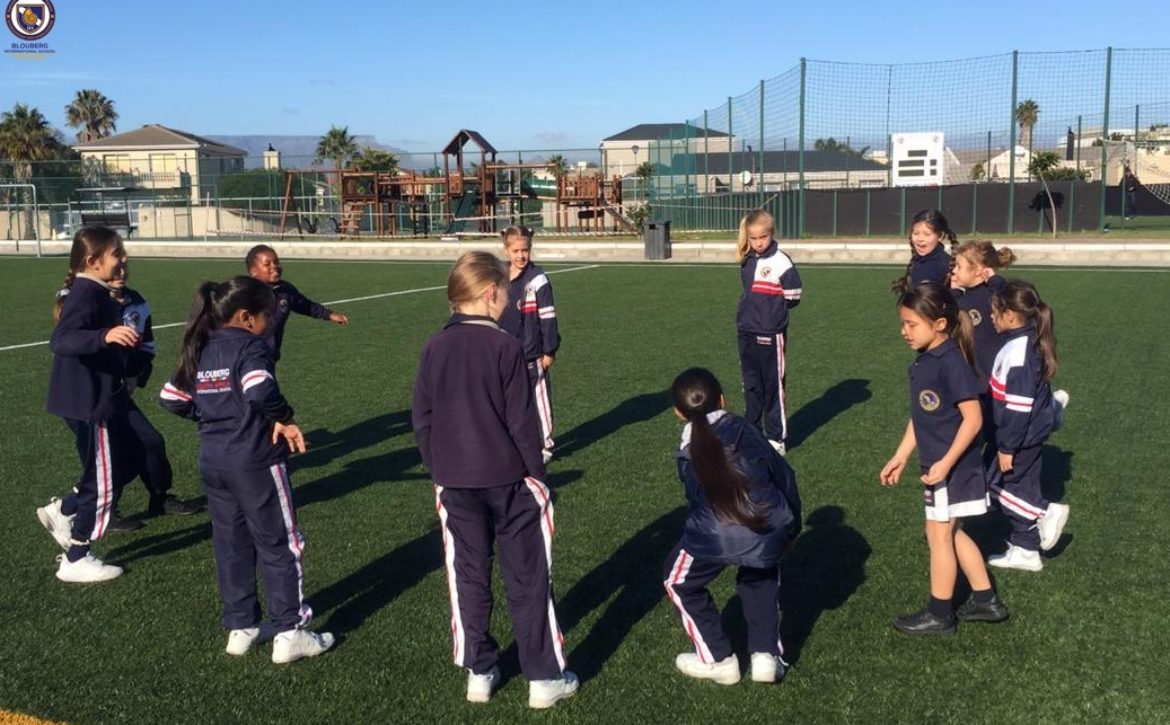
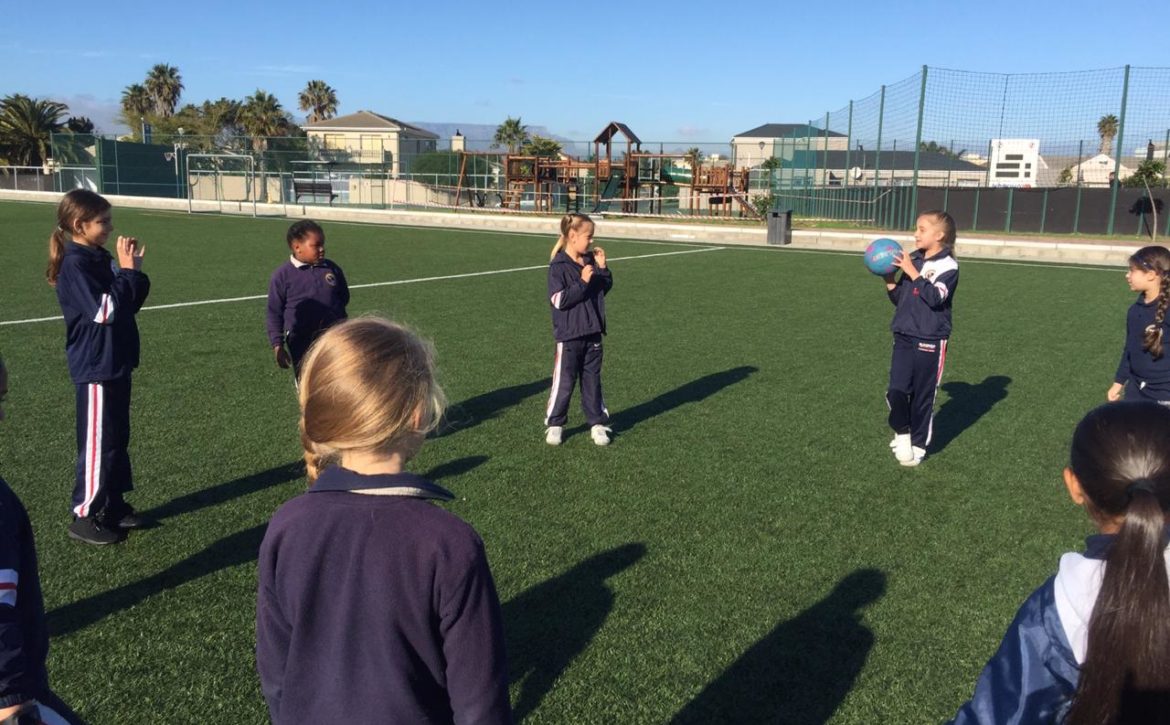
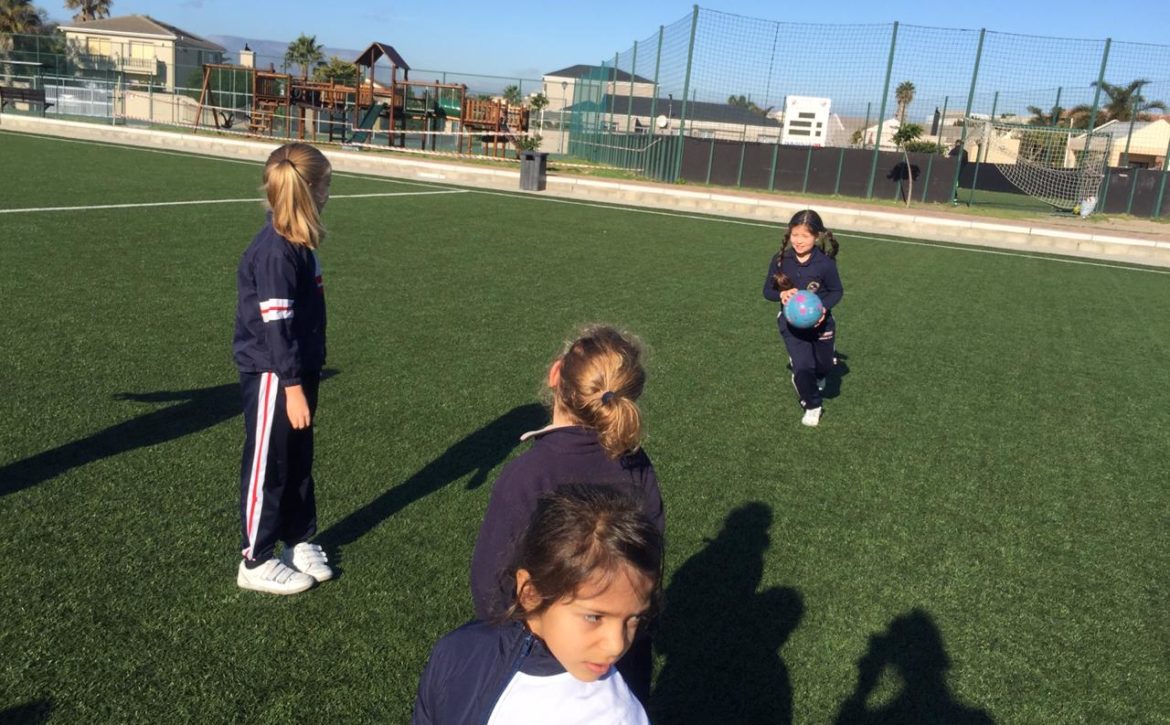
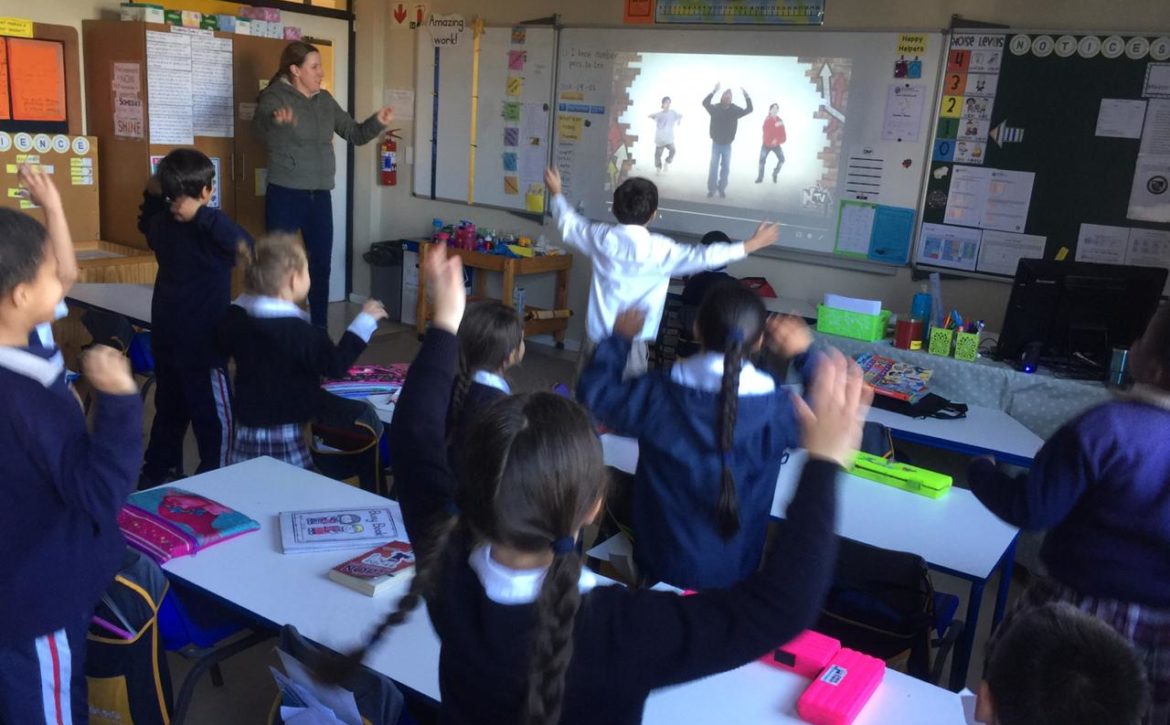
If you remember back to when you were in school, in my case, twenty odd years ago, the expectation was for us to sit still, do our work, and keep quiet. Things have changed. Schools have changed. Children have changed.
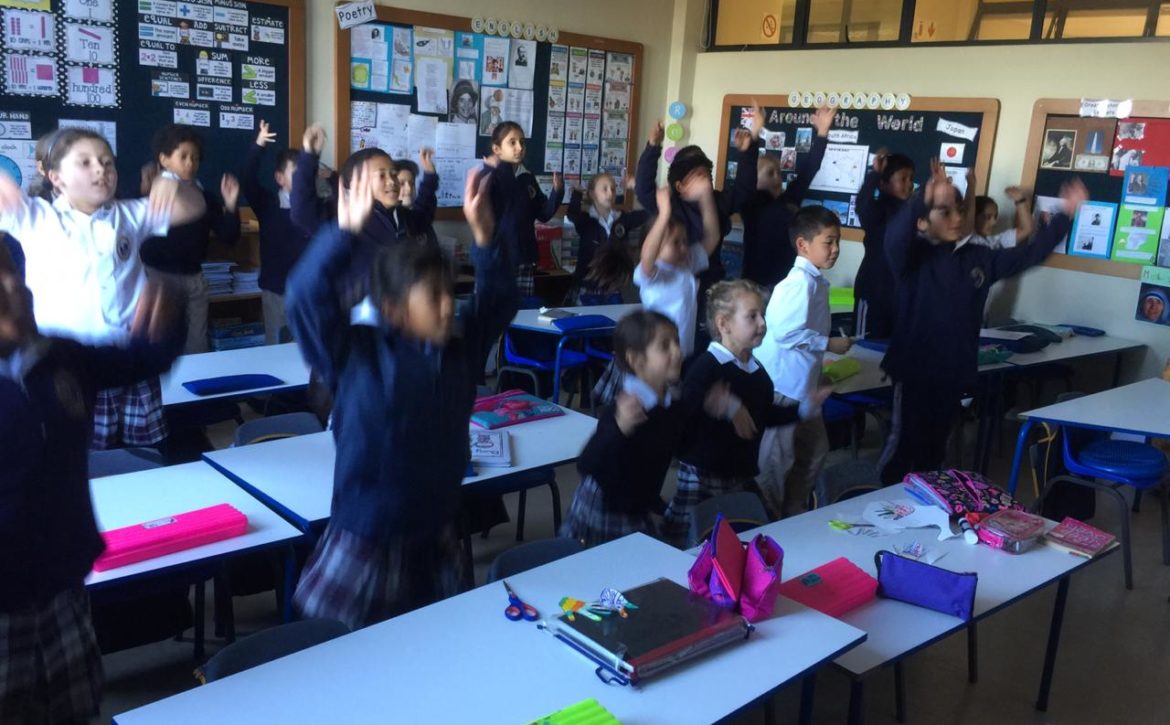
Research has shown that children need a mental break every 25 to 30 minutes. This is where Brain Breaks come in. The benefits of Brain Breaks are multiple. Studies have shown that students are calmer, more focused, and ready to learn. Students have been found to be less stressed and more engaged in a classroom that allows for Brain Breaks. These breaks have been shown to revitalise, energise and activate children’s brains so that they are ready for learning. Brain Breaks are not only for during school time.
They can be used anytime you find your child needs a quick recharge. Brain Breaks even help to retain memories.
What is a Brain Break?
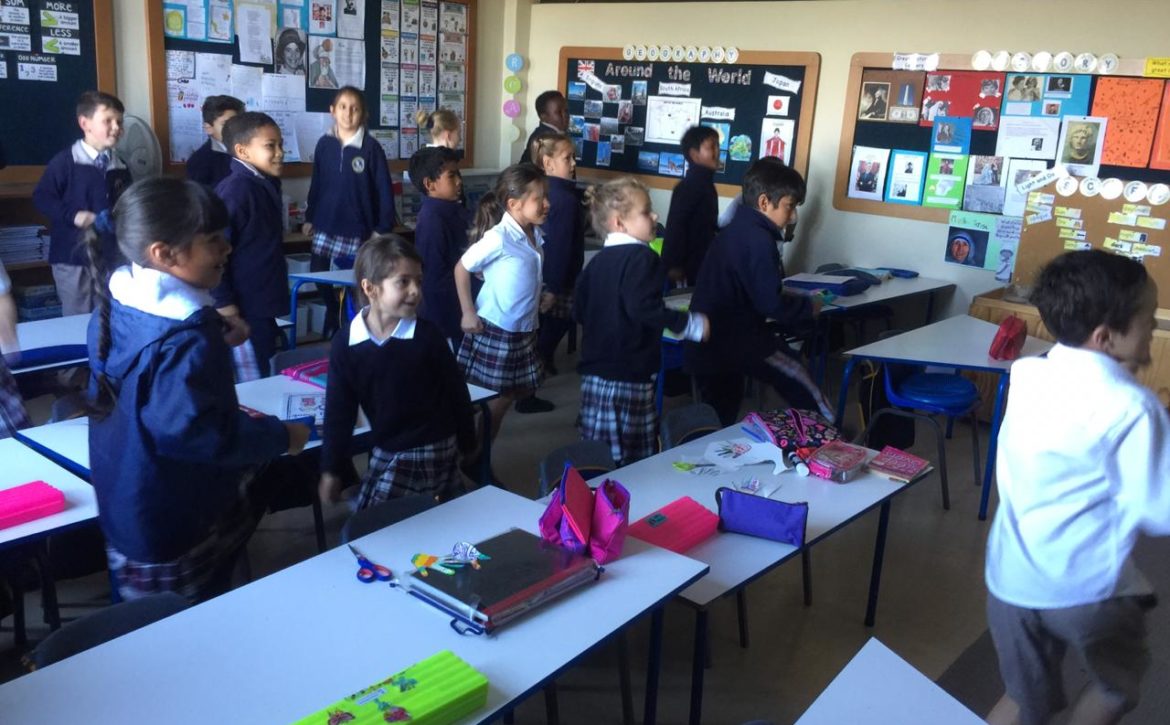
A short 5 to 20-minute break to help children to ‘reset’ for the next lesson. Brain Breaks can take many forms.
Here are some ways that I do it in my classroom:
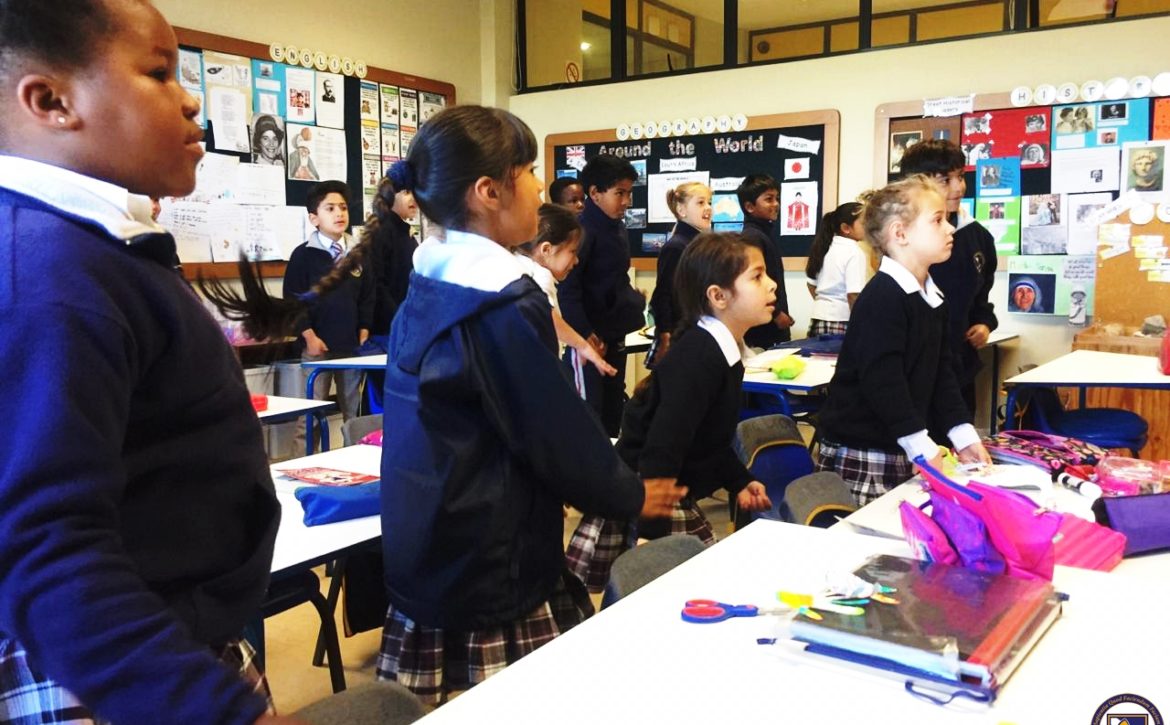
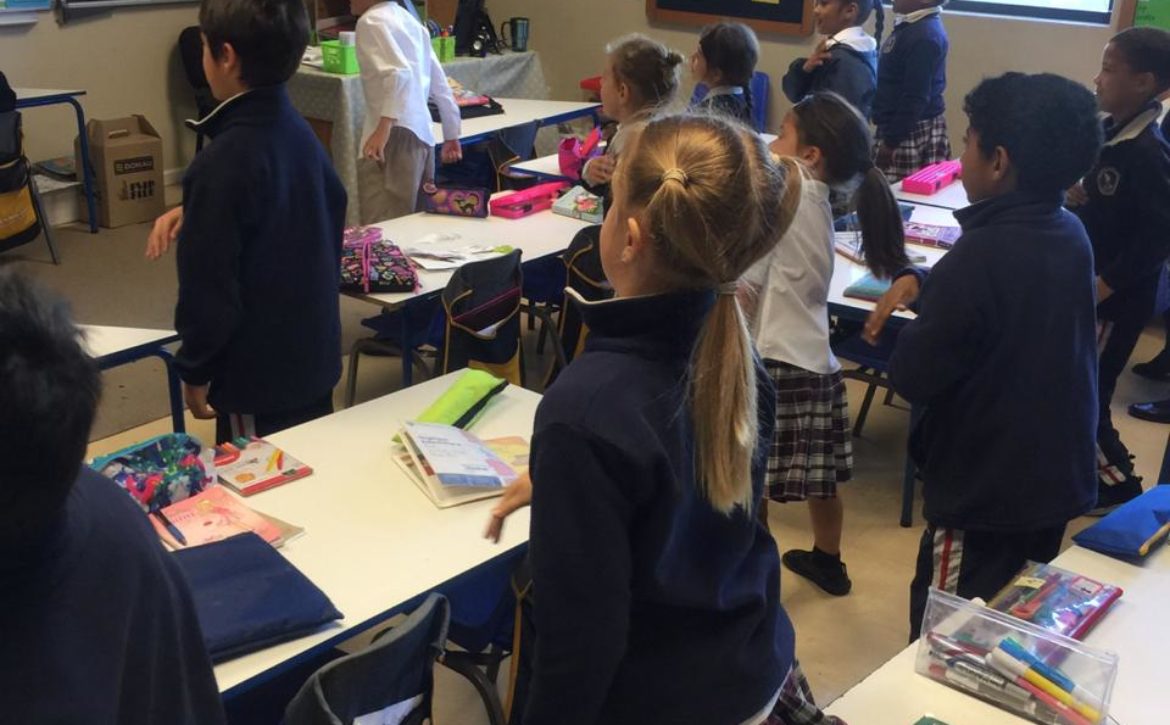
- Dancing – following specific dance steps, Popsico is one of Year 2GB’s favourites.
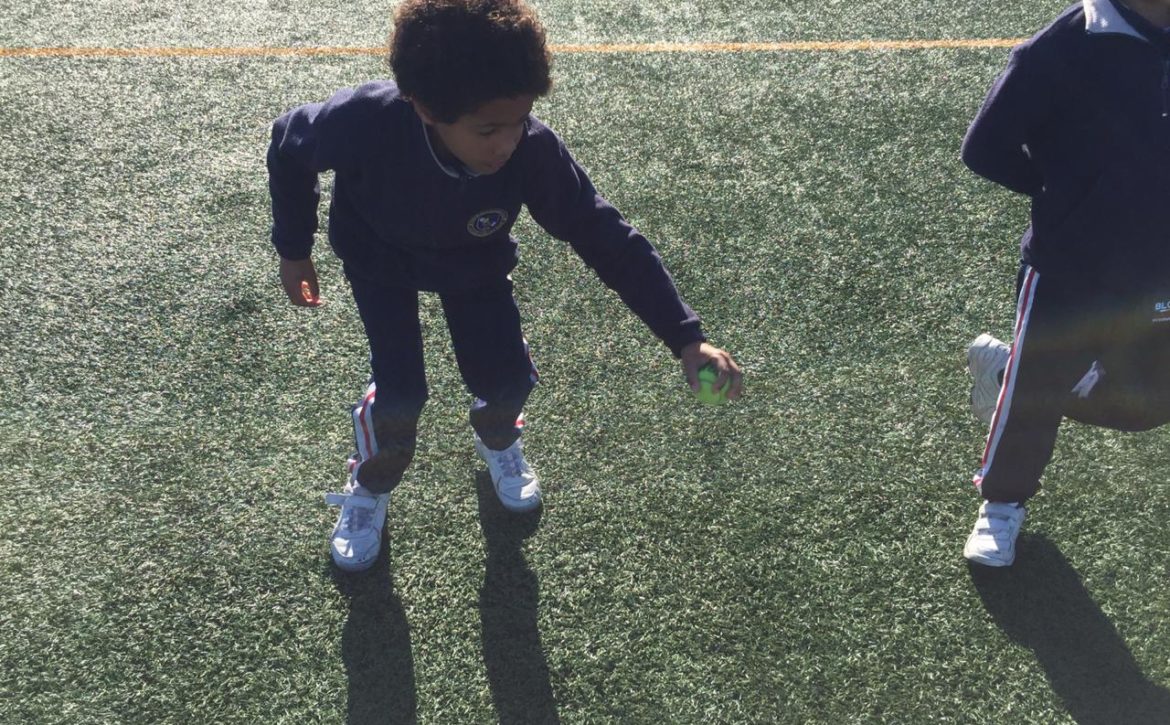
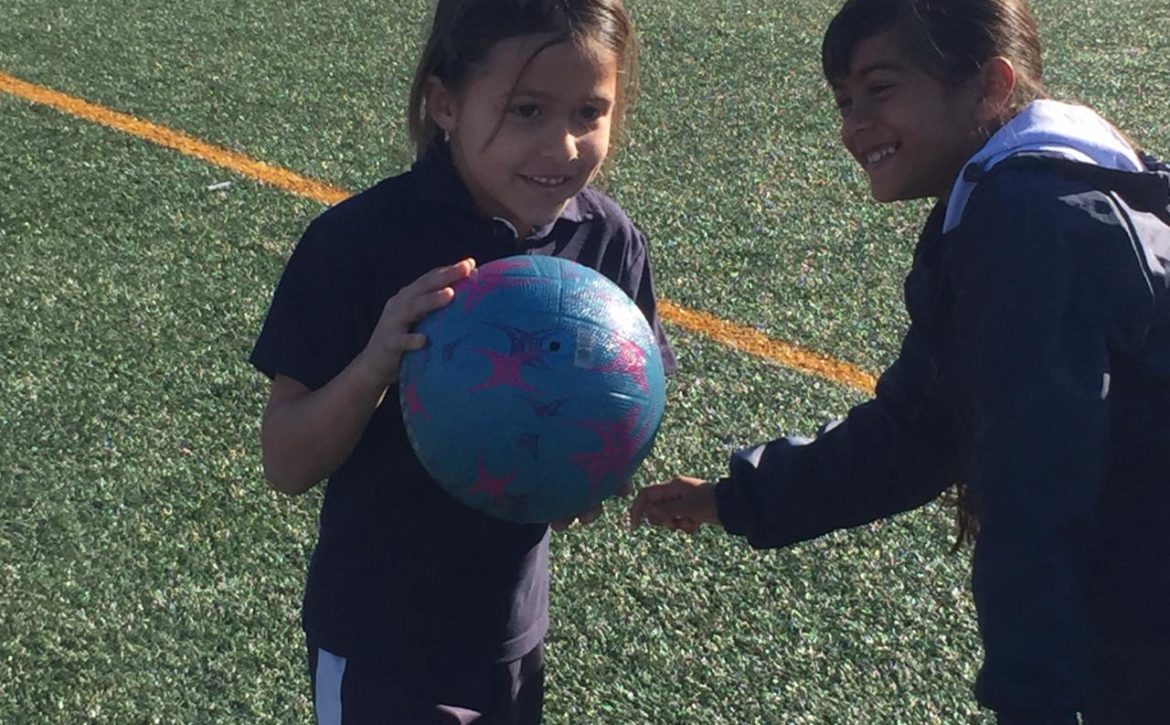
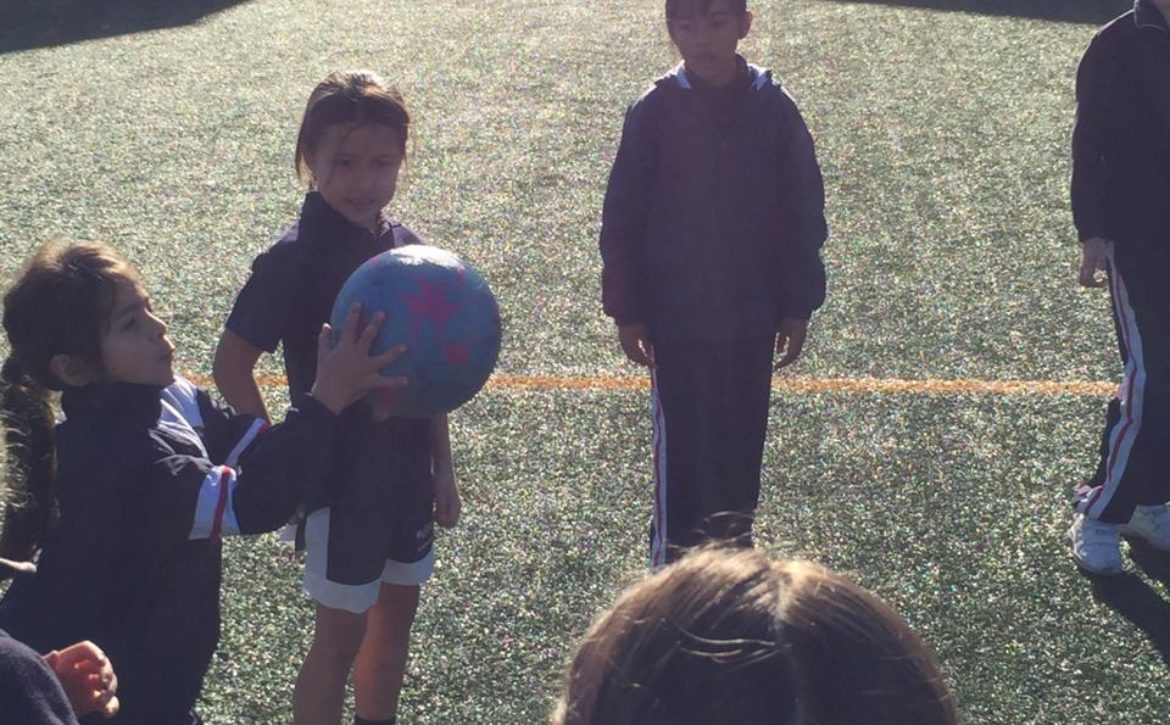
- Outside movement with brain integration – children skip and cross their hands from knee to shoulder as they skip. This integrates the left and right brain, essentially boosting brain function.
- Rub your belly, pat your head – children, once again, do an activity where both sides of the brain are required.
- Find it fast – give children a person or persons they need to find in the class with something that is the same as theirs e.g. same shoes, eye colour etc.
- Inside Break – a Brain Break can be as simple as a quick 5-minute break for the children to do something calm, in the class, for a short time
I have found that using Brain Breaks in my classroom have allowed for a calmer class, more focused learners, and happier children overall.
Gillian Baker
Year 2 Teacher
Year 6: Active Studying Techniques
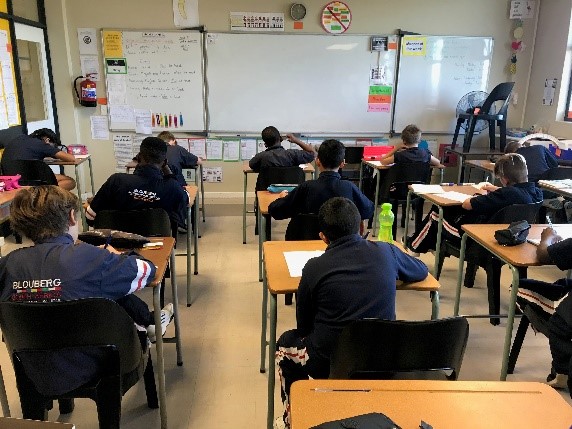
Our Year 5 and Year 6 students have just finished writing their Semester 1 exams. For many, this can be a stressful time of year. It is normal to feel some level of anxiety when faced with a big test or exam. Some of the ways students can combat test anxiety is by having a positive attitude while studying, being well rested before test day, and being well prepared.
The Cambridge Progression Tests are written at the end of Year 3, 4, 5 and 6 in Key Stage 2 for the core subjects and are based on the year’s work. Therefore, it is important that students make revision a habit and use active studying techniques to ensure their understanding of the concepts. Cambridge places a lot of emphasis on active learning and not simply regurgitating information. Michael Prince describes active learning as “any instructional method that engages students in the learning process. In short, active learning requires students to do meaningful learning activities and think about what they are doing.”
Here are some effective active studying techniques students can try for the remainder of the year:
- TEACH IT TO UNDERSTAND IT. The best way to understand a concept is to teach it to someone else. Allow your child to teach you a skill they have learned in class. Once we understand something, we are much more likely to remember it. Older students can also make PowerPoint presentations or demo videos of themselves explaining the concept.
- USE MNEMONIC DEVICES TO HELP YOU REMEMBER FACTS. Mnemonic devices are memory devices that help you to recall information. There are many different types of mnemonics; they can be things like rhymes, songs, phrases, pictures etc. Students can come up with their own mnemonic device or use one that has already been created.
Here are a few examples:
- CREATE FLASH CARDS
Making your own flash cards is a very effective way to learn facts, including key vocabulary and even times tables. Students can also use flash cards to play memory match games.
How to use flash cards: https://www.parent24.com/Learn/School-exams/watch-how-to-study-using-flashcards-20160825
Editable flash card templates and how to make flash cards in MS Word: https://templatearchive.com/index-and-flash-cards/#Creating_flashcard_templates_in_Microsoft_Word - CREATE AND TAKE QUIZZES
Practising past class tests can be a good way to prepare you for the kind of questions that may crop up in an exam. Another good strategy is to create your own quiz on the content you are studying. There are online sites that help you do this and many will give you access to quizzes others have created. For example: https://quizlet.com/latest - PRACTISE ACTIVE READING
It is not enough to simply read through information. Understanding and retention can greatly be improved by paraphrasing what you read, making colour coded notes, jotting down key ideas using bullet points or drawing pictures, and creating mind maps of the information.
How to colour code notes: https://study.com/blog/5-tips-for-color-coding-your-notes.html
How to come create a mind map: https://imindmap.com/how-to-mind-map/ - GO ONLINE AND EXPLORE RESOURCES SUCH AS WEBSITES, GAMES AND YOUTUBE
A simple internet search will turn up a host of online educational games and resources. YouTube can also be a wonderful resource of videos that help explain concepts in a more visual way. In addition, all our primary students have access to Reading Eggs and Mathletics (Mathseeds R – YR3), which are excellent apps that help reinforce skills taught in class.
At the end of the day, everyone learns differently and students need to find the most effective and efficient strategy to help them in their understanding. It is important to remember that tests and exams do not measure intelligence and they cannot assess what makes you special and unique.
Mrs Amanda Hack
Year 6 Teacher
High School Examination Tips
The June exams are less than two weeks away and preparation should be underway, especially for Years 10 and 12. Arguably the best way to counter exam stress is to come prepared. To this end, I have ten guidelines students can follow that will go a long way to helping them feel prepared and confident for each exam.
- Print a copy of their exam timetable and put it in a prominent and safe place.
- Compile and stick to a study timetable.
- Give yourself sufficient study time for each subject.
- Identify topics you find most challenging and, if necessary, ask for assistance from the subject teacher. Do this as far in advance of your exam as possible.
- Utilize effective study methods rather than simply reading the textbook.
- Avoid pulling “all-nighters”.
- Limit your social calendar (holidays are just around the corner and good friends will wait).
- Avoid fad diets so as to maximize energy and concentration.
- Pack the necessary equipment for each exam, including a spare pen.
- Arrive punctually for each exam.
I also encourage parents to be involved in their child’s exam preparation. We know, often from our own experience as students, how easy it is to become distracted and bored. Encourage regular study sessions with short breaks, physical activity and healthy eating. Do not be afraid to check up on your child’s exam preparation progress, even if they are in their final years of school.
I wish students all the best for their exams and I hope that they have a safe and enjoyable holiday.
Sheila Marais
High School Teacher