













Brain Breaks
If you remember back to when you were in school, in my case, twenty odd years ago, the expectation was for us to sit still, do our work, and keep quiet. Things have changed. Schools have changed. Children have changed.
Research has shown that children need a mental break every 25 to 30 minutes. This is where Brain Breaks come in. The benefits of Brain Breaks are multiple. Studies have shown that students are calmer, more focused, and ready to learn. Students have been found to be less stressed and more engaged in a classroom that allows for Brain Breaks. These breaks have been shown to revitalise, energise and activate children’s brains so that they are ready for learning. Brain Breaks are not only for during school time.
They can be used anytime you find your child needs a quick recharge. Brain Breaks even help to retain memories.
What is a Brain Break?
A short 5 to 20-minute break to help children to ‘reset’ for the next lesson. Brain Breaks can take many forms.
Here are some ways that I do it in my classroom:
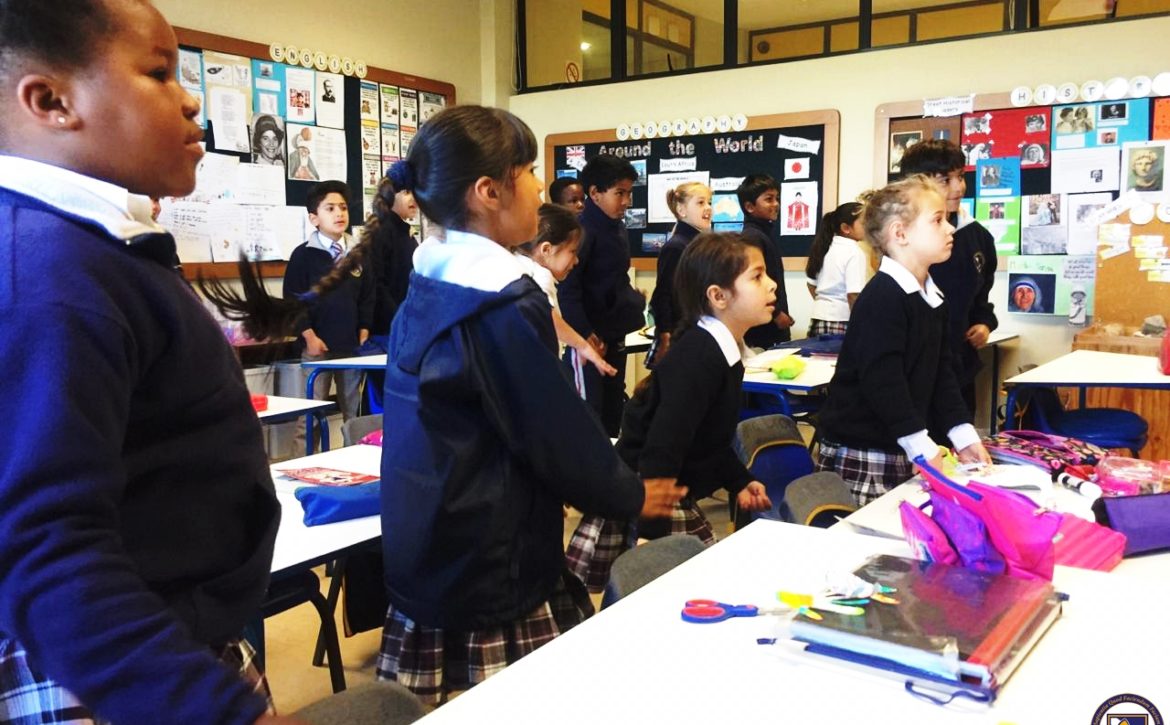
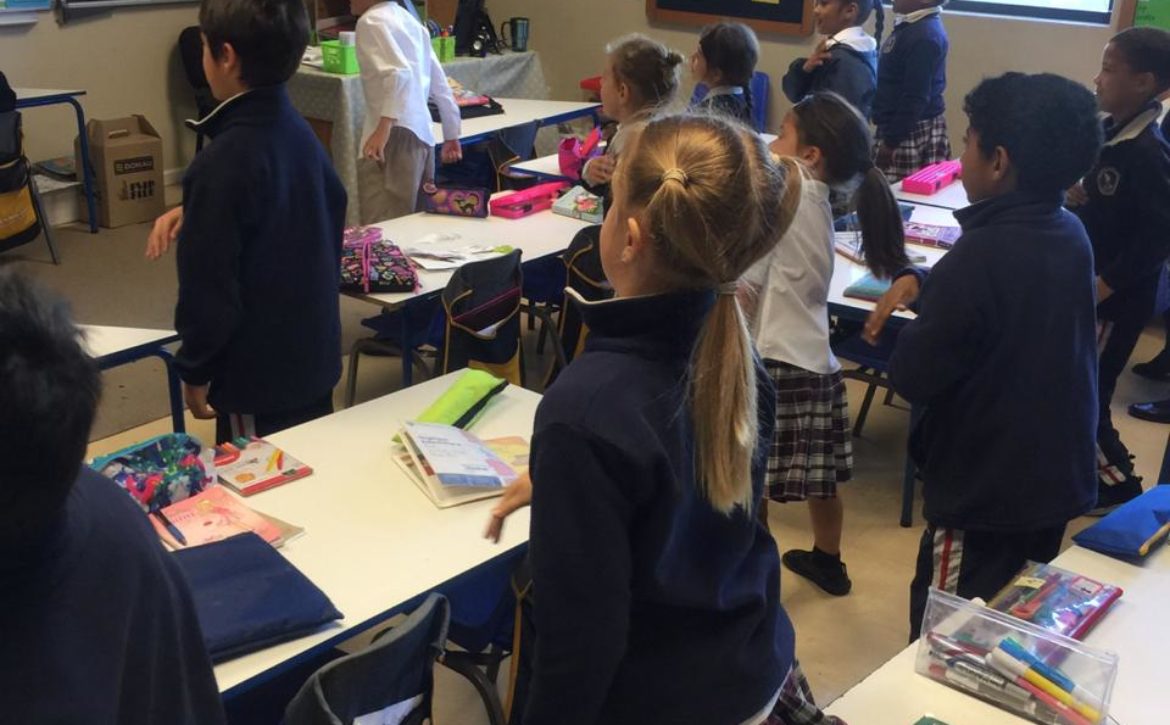
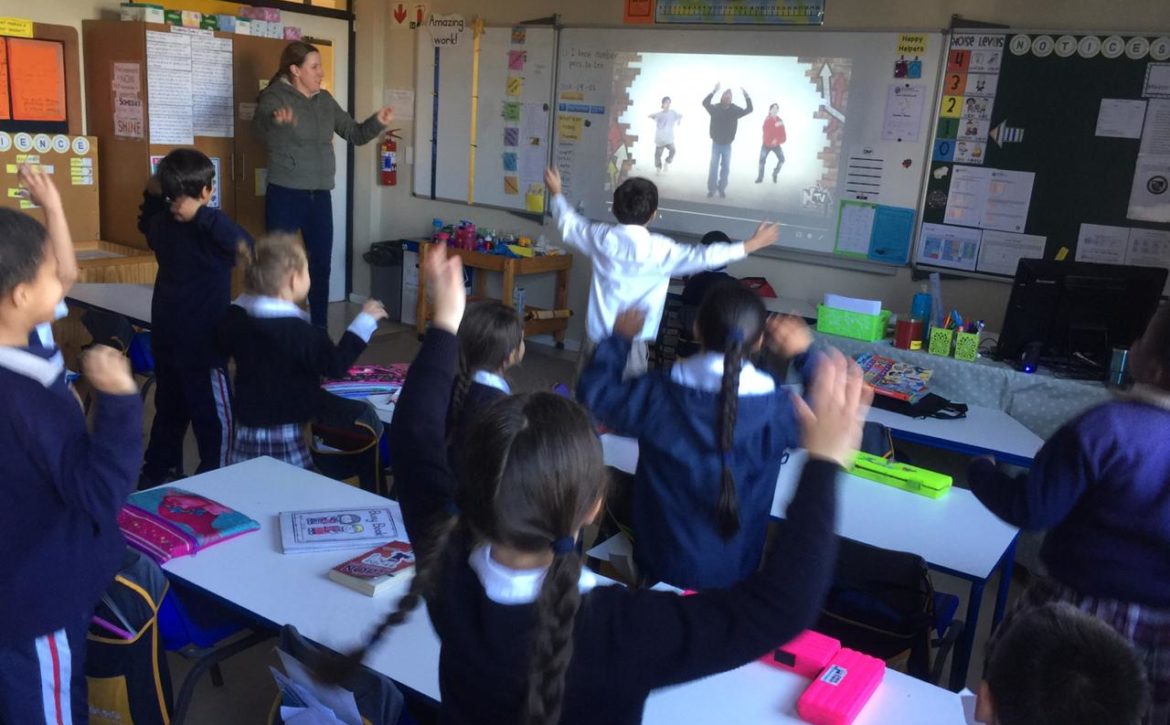
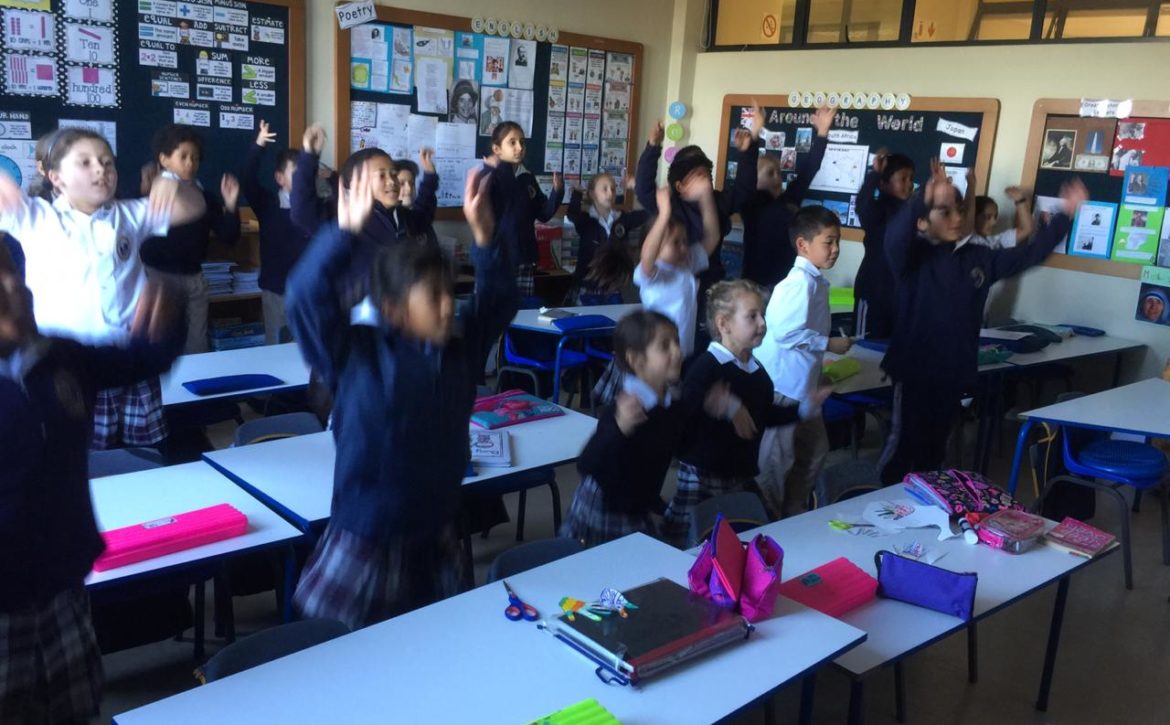
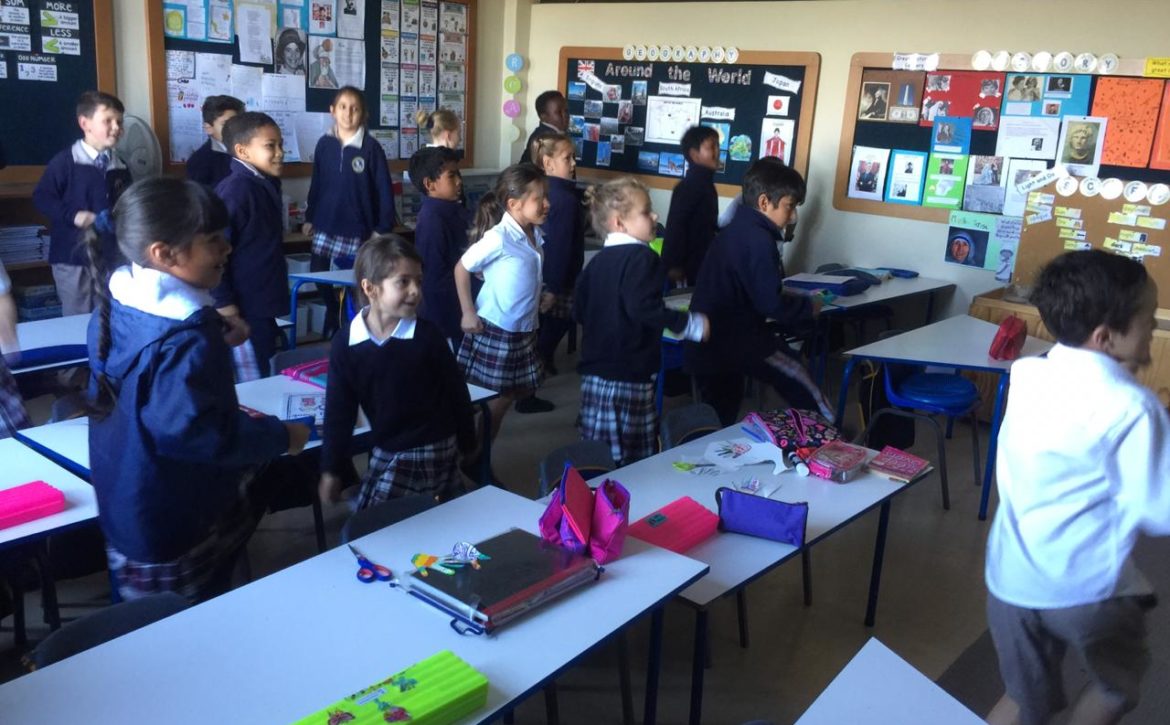
- Dancing – following specific dance steps, Popsico is one of Year 2GB’s favourites.
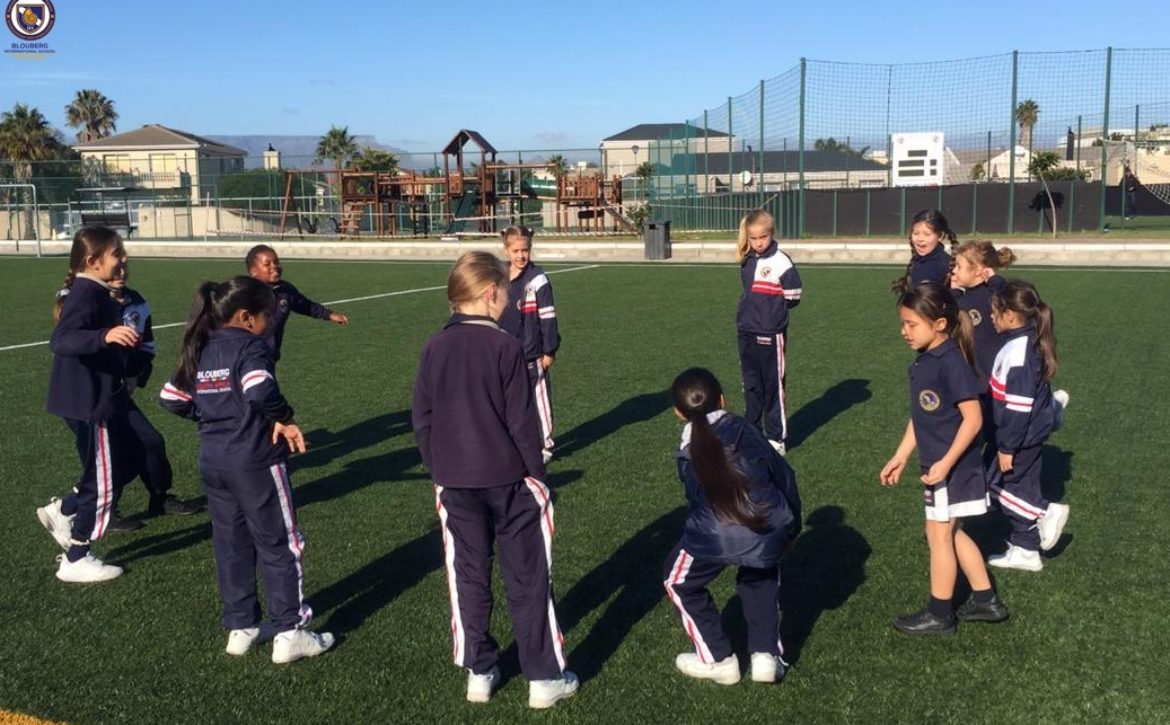
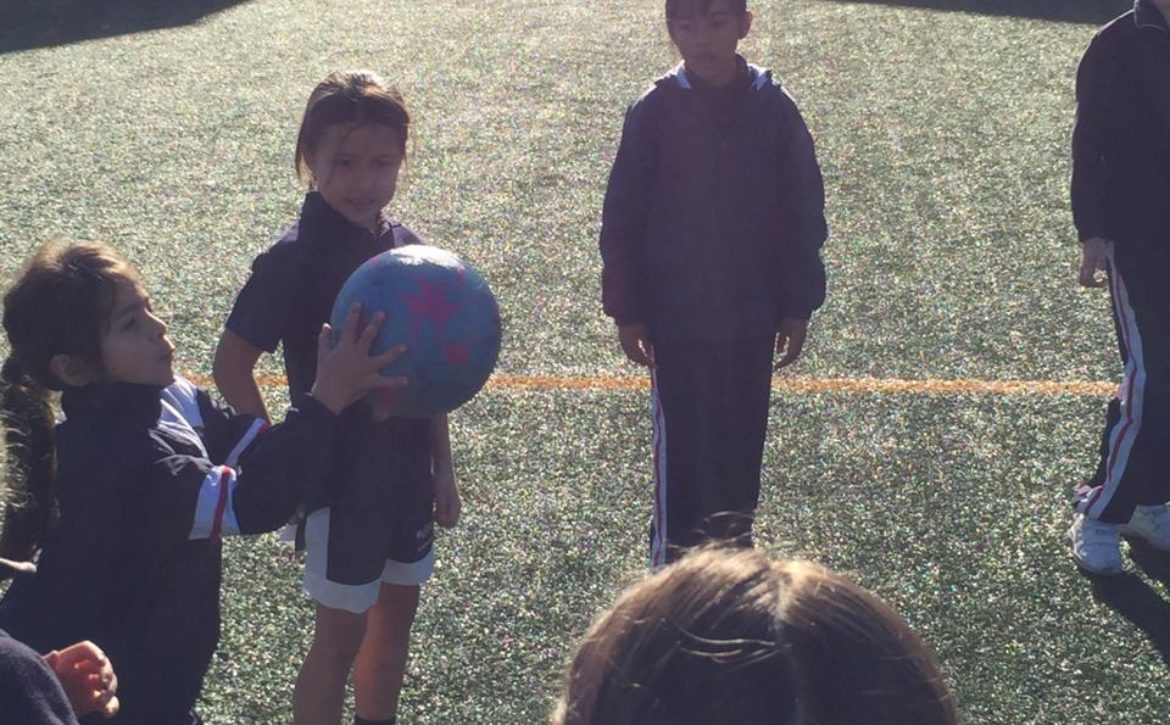
- Outside movement with brain integration – children skip and cross their hands from knee to shoulder as they skip. This integrates the left and right brain, essentially boosting brain function.
- Rub your belly, pat your head – children, once again, do an activity where both sides of the brain are required.
- Find it fast – give children a person or persons they need to find in the class with something that is the same as theirs e.g. same shoes, eye colour etc.
- Inside Break – a Brain Break can be as simple as a quick 5-minute break for the children to do something calm, in the class, for a short time
I have found that using Brain Breaks in my classroom have allowed for a calmer class, more focused learners, and happier children overall.
Gillian Baker
Year 2 Teacher