

Investigative Thinking In Key Stage 2
“Children must be taught how to think, not what to think.” – Margaret Mead
Being both a student and teacher of the Cambridge Secondary Education system, I have had the privilege of watching it develop into the beautifully elaborate system we see before us today. If anything, the one thing I appreciate the most about growing up following one of the world’s leading education programmes, is the expansive opportunity I had for inquiry based, independent learning.
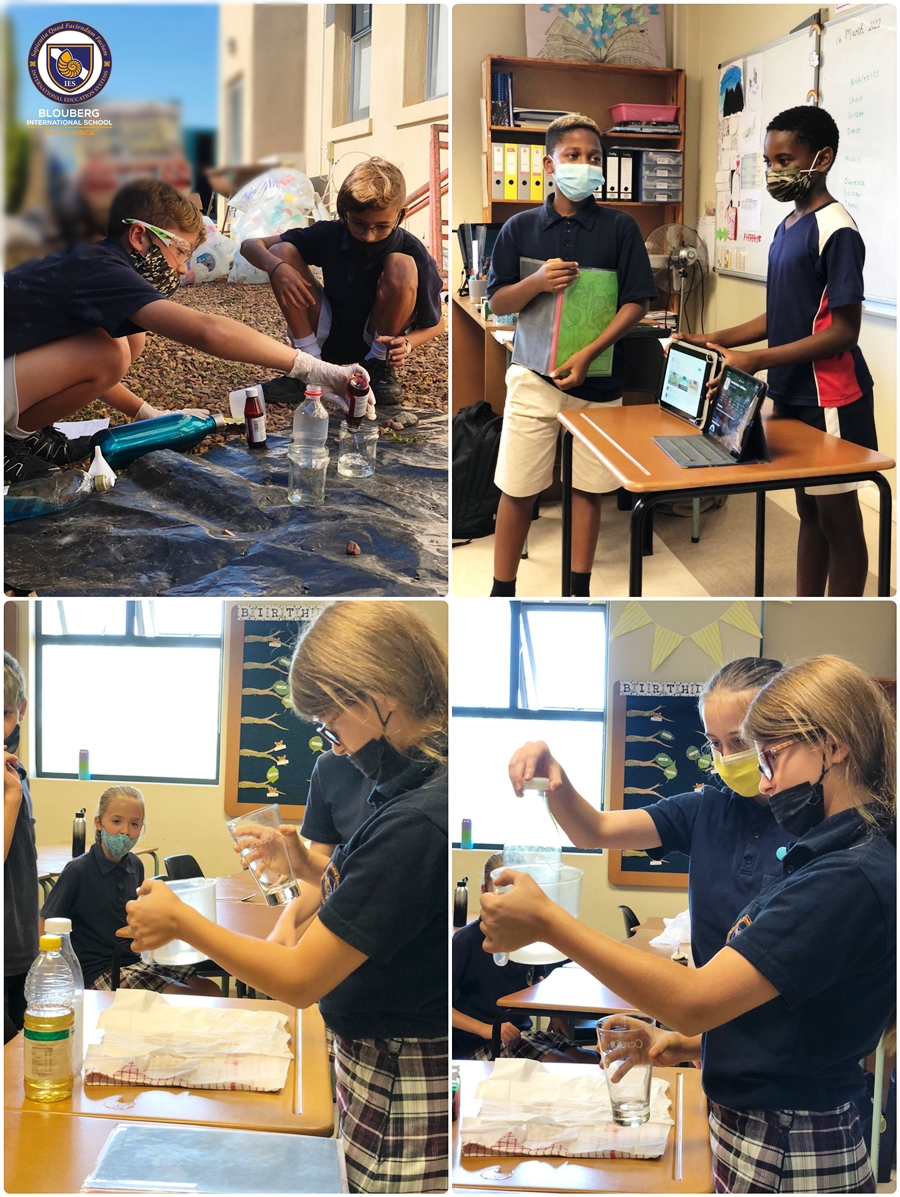
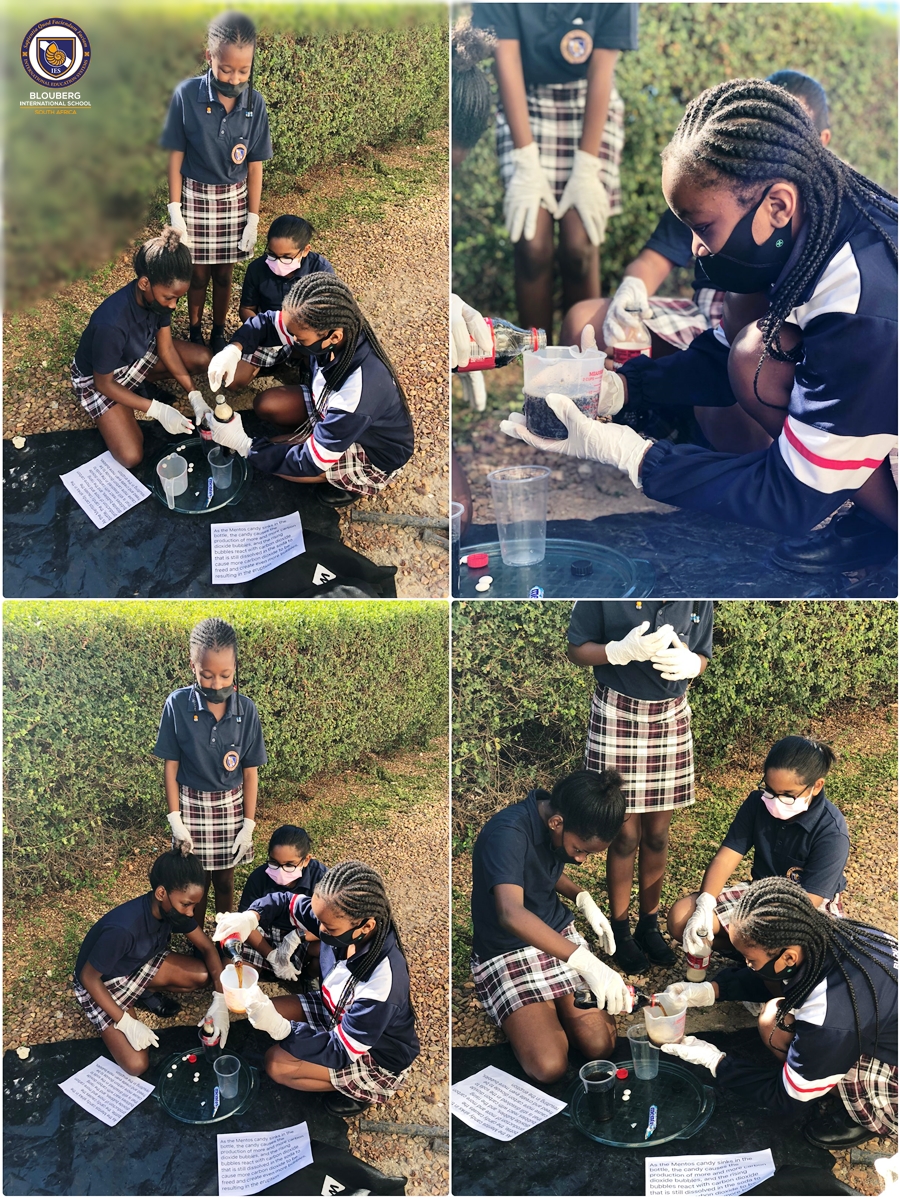
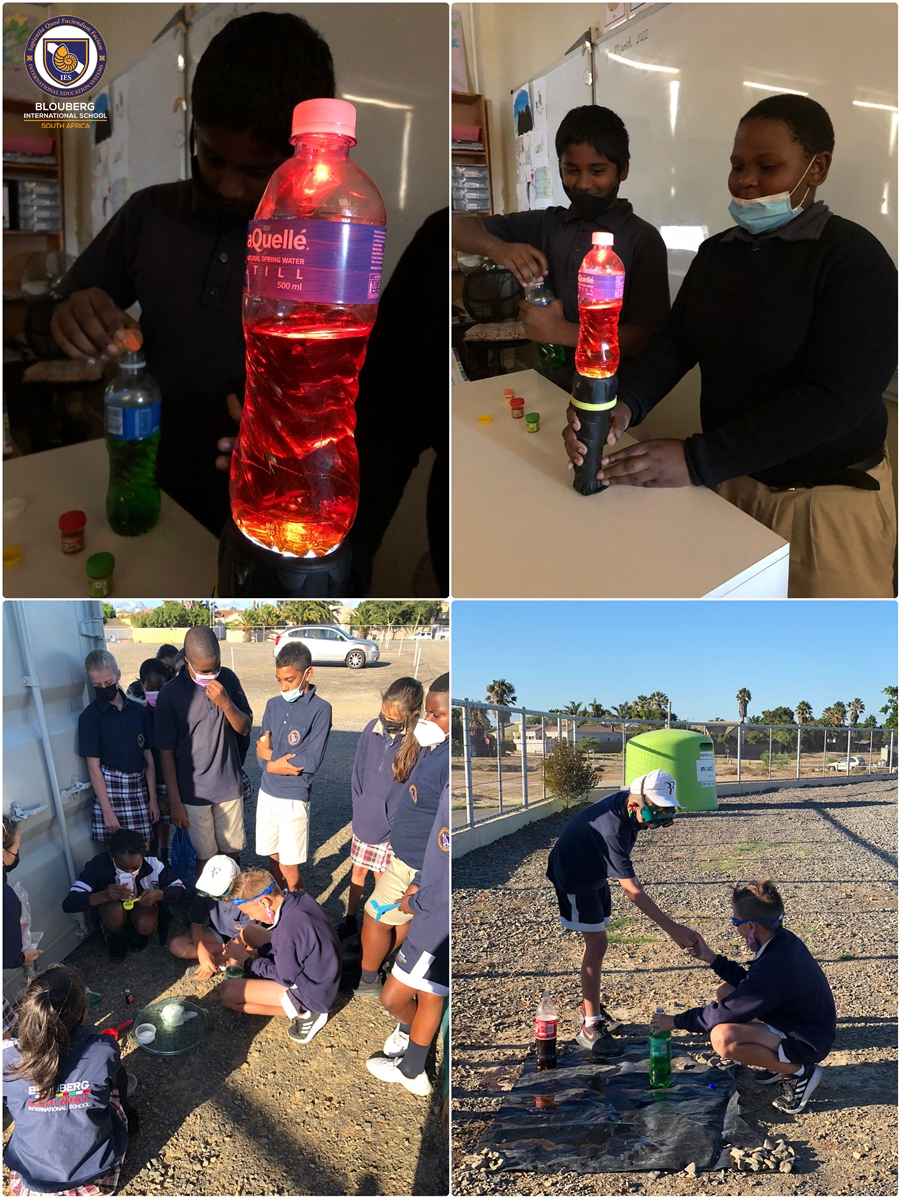
One of my favourite tools in the Cambridge Primary Science syllabus, today, would undoubtedly have to be the scientific inquiry thread, incorporated into our teaching and learning objectives. Not only do we work towards content specific outcomes under each topic, but Cambridge guides us through skill based, investigative thought processes as well.
Each term, our students are given the chance to explore the workings of our world themselves by following these probing steps:
- Asking a question
- Making a prediction
- Planning a fair test
- Carrying out the investigation
- Recording the results
- Drawing a conclusion
This process promotes a beautifully curious approach to learning, where our students are granted the responsibility of their own learning journey.
Lastly, I have to acknowledge the multitude of fun this approach leads to, both in and out of our science classrooms! When having fun and building relationships run parallel to your learning, you know incredible things are bound to happen.
Robyn Pieters
Year 6 and 7 Teacher

Read More
The Importance Of Reading
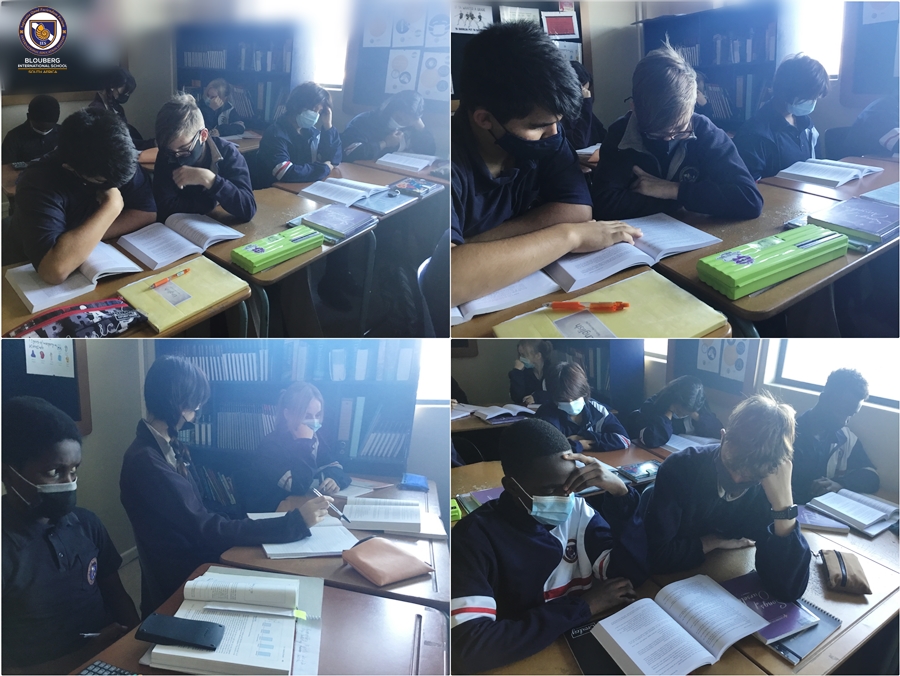
As an English teacher, I am no stranger to reading. I am also no stranger to students trying anything and everything they can to get out of reading. It has become apparent that children nowadays either refuse to read, or they are unaware of just how important reading is.
When I deal with students who are not performing up to standard, I always ask whether that student likes to read. The reason for this is that there is a proven correlation between achievement in English and the enjoyment of reading. This is because reading allows people to see how the language is supposed to be used. It enables one to see how to properly use grammar, how words are supposed to be spelled, how sentences are supposed to be structured, and it allows one to learn brand new words to expand one’s vocabulary.
In addition to reading having academic advantages, it also allows one to be transported into different worlds without even having to leave their couch. It enables the young aspiring adventurer to step into the world of swashbuckling pirates, crime fighting superheroes, or brave soldiers. Reading is an excellent way to broaden the imagination of young dreamers and creatives, as it inspires them to push the boundaries and think outside of the box.
I will forever encourage students to read as much as possible. For the non-reader, I always suggest reading articles or blogs – anything that contains subject matter that is of interest to them. Hate reading, but love soccer? Pick up an autobiography about your favourite soccer player. Can’t stand a novel, but love Science? Grab yourself a National Geographic magazine and read the articles. Reading can be so diverse that even the most stubborn nay-sayers will be tempted to pick something up and read.
In celebration of Book Week, I would like to encourage all our students, staff and parents to pick up a book this week, and immerse yourself in the joys of reading.
Mia Tossel
IGCSE, AS and A Level English Teacher

Read More
A Healthy Mind Is The Greatest Treasure To Find
As adults, our mental health- our psychological, emotional and social well-being — impacts every area of our life. Our mental health helps determine how we handle stress, relate to others, and make choices. This is no difference when it comes to children. Our children’s mental health helps determine their academic success, their motivation levels and drive, their levels of joy and their ability to healthily connect and socialise.
“It takes a village to raise a child.” For me, no proverb rings more true than this. It takes a community of people to provide for, support, and interact positively with children for those children to grow and develop into the person they are meant to be. I believe that we as parents, teachers, counsellors, assistant teachers, carers, grandparents, aunts and uncles- the adult role players are endless- are all responsible for helping cultivate our children’s mental health.
At BIS, we are committed to providing a quality and engaging learning environment. We prefer to work from a whole-child framework, where we believe that in order for our students to achieve academic success, their mental, emotional and social needs need to be considered and supported. As such, the counselling department is beginning with new ventures in Term 2, as a means to offer pro-active and preventative intervention. These will include more group work and engagement with the larger student body, in addition to the individual counselling sessions, which will continue at school.
The following are confirmed dates of workshops that will be taking place this term:
- Year 5 – 22 April ; 29 April and 6 May
- Year 6 – 22 April ; 26 April and 6 May
- Year 12 – 28 April
Additional information related to the Y5 and Y6 workshops will be shared with our parents ahead of each scheduled date.
Mental Health Day takes place on the 11th of May 2022. It is estimated that one in every five children presents with a diagnosable and treatable mental health disorder. During this week on campus, we will be raising awareness on youth mental health issues around the world; and how our children can support and safeguard their own mental health. “What mental health needs is more sunlight, more candour, and more unashamed conversation.” – Glenn Close
Let us, together as parents and teachers, intentionally strive to help our children in the search for their treasure – a healthy mind. With the treasure of a healthy mind, comes the jewels of joy, healthy self-esteem, positive relationships, motivation and empathy for others. Let us ensure that we are supporting, and mindfully playing our part, in raising happy, healthy and inspired children.
Kayla Smith
School Counsellor
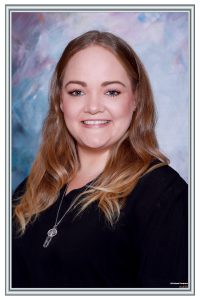
Ms Kayla Smith – Blouberg International School Counsellor
Read More
The Journey, 2022

On Wednesday, 9 March, thirteen Year 11 students, accompanied by Ms Sheila Marais and Mr Julian Harrison, departed on a ten day camp known as the ‘Journey’. The students were dubbed the ‘Pioneers’ as they were the first to participate in what will become a school tradition.
The Journey began at Elgin, wound its way through the mountains and followed the Overstrand Coast until its end at the Walker Bay Nature Reserve in De Kelders. The Pioneers hiked through mountains and towns and along the beaches. They kayaked to one of their campsites, as well as enjoyed a picnic on the bank of a river. Each stage of the Journey challenged the Pioneers both mentally and physically. In the late afternoon and early evening, students relaxed by swimming, playing card games or talking around the campfire.
The Pioneers stayed in camps at various campsites between Palmiet and Stanford. While some enjoyed the bustle of the campsites closer to the towns, many others enjoyed the peace of the more isolated options. Tents were pitched as soon as the students arrived at camp. While some wanted to rest after an eventful day, they certainly appreciated this forward planning by the time night fell.
The Pioneers were also required to prepare their own food. They cooked a variety of meals over gas or fire. While they did an outstanding job, I’m certain that they gained a new appreciation for the food they receive at home, as well as the effort that goes into preparing it.
The Journey taught the students much about overcoming challenges, leadership, teamwork and the importance of friendship. Students’ helpfulness, thoughtfulness and kindness really stood out. Students accompanied and carried the bags of those who found the day more challenging. They were friendly to those who were inspired by and asked about their adventure. They shared space to hang their clothes and helped each other to carry kayaks, made heavy by water, up the river bank. Students shared their loads and shared the food – even with the staff. They even shared equipment, and when treats were available, they shared those too. Some students prepared hot chocolate or parts of meals for the group, serving themselves only once the rest of the group had eaten. The parents of the Pioneers can be truly proud of the young adults that they have raised. Let it never be said that there is no hope for future generations.
Aside from a little disappointment at not seeing more wildlife (save for the dolphins, snakes, birds, fish, field mice and a few thousand shongololos that made an appearance), the Journey was an outstanding success. Spurred by the thought of pizza and a shower, it was a very tired group of students who met Mr Andre Swart and their parents at the nature reserve on 19 March.
Special mention must be made of Venture Forth. The Journey would not have been possible without their expertise.
We look forward to our Year 10s undertaking this adventure in 2023.
Sheila Marais
Journey Co-coordinator
Read More

A Recipe For A Good Friendship
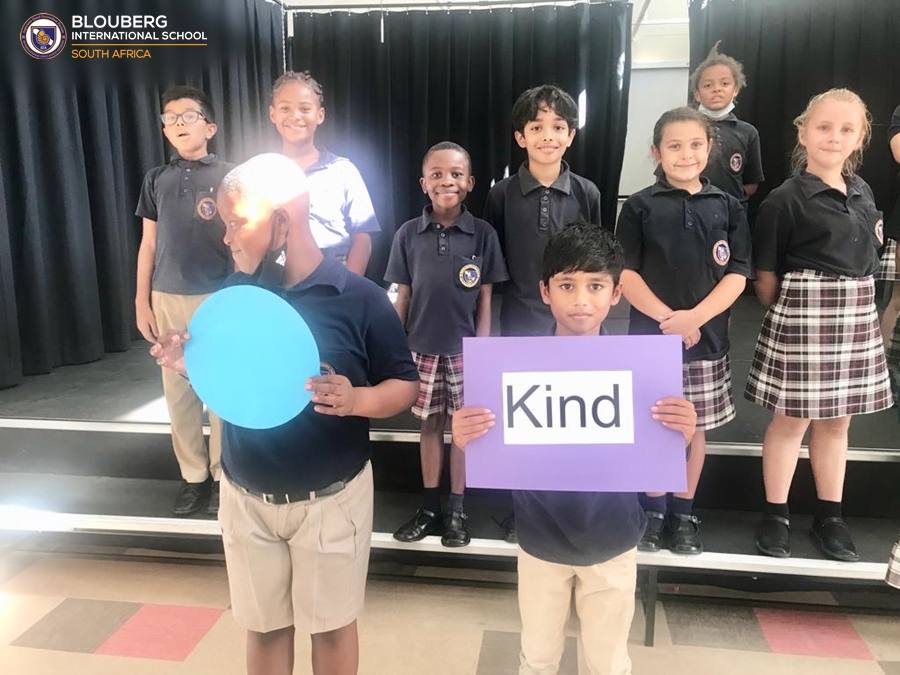
Recently we have been discussing what it means to be a good friend or the ‘recipe’ for a good friendship. As a class, we shared many comforting stories about when others showed care for us. In further discussion, we highlighted the importance of our ‘Blue Badge’ system at school, which focuses on three simple foundations.
As a BIS student we aim to be KIND, CARING & ENCOURAGING.
Year 4NM came up with their own Recipe for a good friend, modelling the 3 simple foundations of kind, caring and encouraging.
How can you be kind…
- Say nice things to others.
- Smile, because it is the best and easiest exercise for the body.
- Be happy for others because when it is our turn we would want others to be happy for us.
- Offer to help whenever we can because giving is always more rewarding.
- Use good manners like saying:
- Good morning!
- Please.
- Thank you.
How can you be caring…
- Let your friends know that you are always there to listen.
- Ask, “How are you?” and remind them that you are a good friend even when they are not feeling good.
- Be patient and respectful to others.
What does it mean to be encouraging?
- It means we must support each other to do good or to be the best we can.
“Everyone needs encouragement like a plant needs water”
- Not everyone is having a good day all day, remember to show some support. It might brighten up their day.
- Be the reason someone feels good today!
Nadia Mahomed
Year 4 Teacher

Read More

Year 5 Haikus
In English, the Year 5s have spent some time looking at poetry. We explored Haikus in particular, looking at their famous line and syllable structure, as well as delving a bit deeper into their usual subject matter. We also experimented with the balance between descriptive and figurative language often found in these Japanese poems.
Our favourite part of the lesson, of course, was writing our own!
Robins
Robins in a tree
Sitting high above the lake
Kings and queens they are.
- By Okuhle Williams
Saturn
Saturn spinning dream
Milky vision blurs your way
Falling into space
- By Christina Donald
Encanto
Magical People
Rhythm of its own design
Perfect Family
- By Dicla Tona
Buzz
Busy buzzing bee
Collecting honey for me
Oh so delightful
- By Emily Röhlandt
Rabbits
Rabbits, white or black
They’re adorable and cute
Hopping there and back.
- By Nivad Manouchehri
Hannah Kirkaldy
Year 5 Teacher
Read More
Term 2
Dear Parents
Welcome back to Term Two! We hope you have had an enjoyable holiday break and that you are as excited as we are to start the new term.
It is evident to us that the culture of the school is centred around our students’ well-being, and we value that. A safe and supportive school environment, as well as providing social-emotional support, is certainly at the core of our work.
Our school will be stronger with the support of its community. We invite you to take advantage of the opportunities to support our students’ learning and experiences. We look forward to meeting you at our parent-teacher meetings next week and working with you this term.
To start the term on a light note, I would like to share these amusing “Teenager Pro Tips” that were sent to me during the holiday. I think many parents and teachers can relate to these:
Teenager to Teenager Tips
“9pm is the proper time to request supplies for tomorrow’s school project.”
Or 10pm, if you’re an overachiever.
“When asked to go get a sibling, don’t go. Instead, stand next to the person who asked and scream your sibling’s name.”
“When reminded to do something say ‘I did’ until proven otherwise.”
“Teenager comes home from his first day of school, and his mother asks, what did you learn today? ‘Not enough,’ teen replies. They said I have to go back tomorrow.”
We continue to appreciate your unwavering support and encouragement; it makes a critical difference to our success.
Thank you.
Carmen de Villiers
High School Coordinator
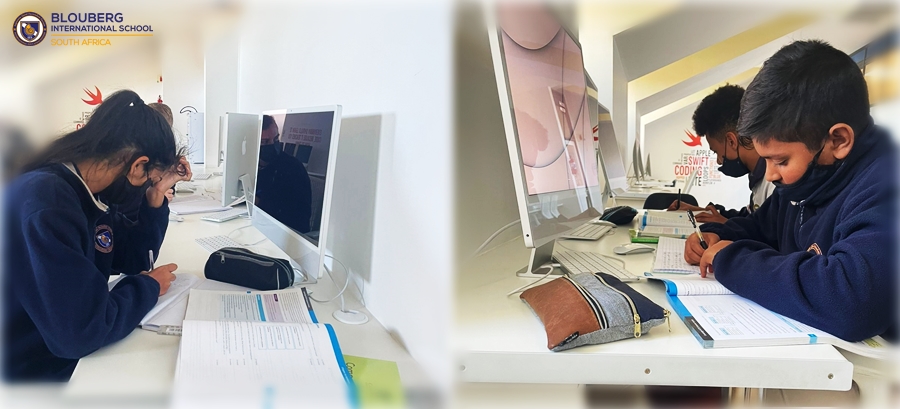
(PHOTO: IGCSE Computer Science students hit the ground running this week)
Read More

End Of Term
As Term 1 comes to an end, we can only reflect on how lucky we were to tackle this term without major disruptions and challenges. We are very fortunate that our programmes and events went as planned during the term. Students and staff were involved in a wide range of events and activities, and we once again enjoyed and celebrated many successes.
As our teachers continue to work hard this week to complete their extensive planning for Term 2, we are optimistic and hopeful that this landscape will continue into next term.
The High School’s academic reports once again testify that our students continue to develop and excel in their learning. The reports reflect the unique and distinctive scope and depth of our curriculum. Over the course of the term, we have received an increasing number of inquiries from parents, mostly for the High School, who hear about the value of a Cambridge education – especially the opportunities that the Cambridge qualification offers to students who want to study at international universities.
Our teachers are committed to building a school of excellence, and therefore, we kindly request that you actively participate in your child’s education. You are invited to contact or visit the school any time you have a question about your child’s progress. We consider it a great privilege and responsibility to be your child’s teachers and we look forward to working with each and every one of you in Term 2.
I trust that this holiday period will be a time of relaxation, family and special moments.
Carmen de Villiers
High School Coordinators


A special photo taken of our High School students after the Founder’s Day go-kart races.
Read More

Leadership
Now that the Year 6’s are the heads of the Primary School, they have had to learn about leadership and what it is to be a leader. They took part in different activities during the Skills Programme we held. The end goal was for the students to apply to become Year 6 Prefects. They went through the process of discussing what a leader was, what a leader looks and sounds like and why they would want to be leaders for BIS.
Here are a few things the Year 6’s decided make a good leader:
“A leader is someone that has responsibility and is helpful and is respectful towards others. They always try their best and they think about others first.” – Emily Fouché
“A leader is someone who can help you with things you are struggling with and will guide you to do the right thing” – Maalik Daniels
“A leader is a person who is helpful, respectful, kind and caring. They help people when they need help.” – Nicolas East
The process the Year 6’s had to follow to apply to be prefects was as follows:
- Fill in an application form.
- Get 3 references from teachers of their choosing.
- Present in front of the other Year 6’s as to why they would make a good prefect.
- Vote for who they thought would make good prefects.
We know that the elected leaders will do a wonderful job this year!
“As we look ahead into the next century, leaders will be those who empower others.” – Bill Gates
Brittney Hakime
Year 6 Teacher


Read More
English
On more than one occasion I have had my students ask me why they need to learn English. As someone who has adapted to the language well since I was young, I never understood what was so challenging about it, until I found the poem below:
We’ll begin with box; the plural is boxes,
But the plural of ox is oxen, not oxes.
One fowl is a goose, and two are called geese,
Yet the plural of moose is never called meese.
You may find a lone mouse or a house full of mice;
But the plural of house is houses, not hice.
The plural of man is always men,
But the plural of pan is never pen.
If I speak of a foot, and you show me two feet,
And I give you a book, would a pair be a beek?
If one is a tooth and a whole set are teeth,
Why shouldn’t two booths be called beeth?
If the singular’s this and the plural is these,
Should the plural of kiss be ever called keese?
We speak of brother and also of brethren,
But though we say mother, we never say methren.
Then the masculine pronouns are he, his, and him;
But imagine the feminine… she, shis, and shim!
English is a language packed with rules, but at the same time has an exception to almost all of them! However, the beauty of the language lies within its sub-context. English allows us to say something without saying it. Imagine if a gentleman still wished ‘to be a glove upon that hand; that [he] may touch that cheek…’ or thought that you ‘doth teach torches to burn bright…’
Although the grammatical rules of the English language is not everyone’s cup of tea, it is the Literature that makes it worth loving.
There are so many words and phrases we use daily which were invented by the great William Shakespeare, that we don’t even realise we are quoting him when we do:
English isn’t an easy language and I understand why some students find it challenging. However, hopefully they won’t feel like they ‘haven’t slept a wink’ if they ever find themselves ‘in a pickle.’
And for those who choose to ‘fight fire with fire’ in English, it is definitely not for the ‘faint hearted’. In their case, they would much prefer to say, ‘what’s done is done,’ to ‘send [English] packing’ and wish it ‘good riddance.’
They may feel that ‘the world is their oyster’ and that they can never have ‘too much of a good thing’.
But in the end, ‘the naked truth’ is that in their ‘heart of hearts’, they know it is ‘a brave new world’ after all, and they can uncover a new love for English once they ‘break the ice.’ Their confusion and frustration will ‘vanish into thin air’, they will escape ‘out of the jaws of death’ and they will come ‘full circle’ in their new appreciation and love for English.
Mia Tossel
IGCSE, AS and A Level English Teacher
Read More