
Real Life Inspiration
When we embrace the truth that we are the authors of our own stories, we become empowered to add to the joy and beauty around us.
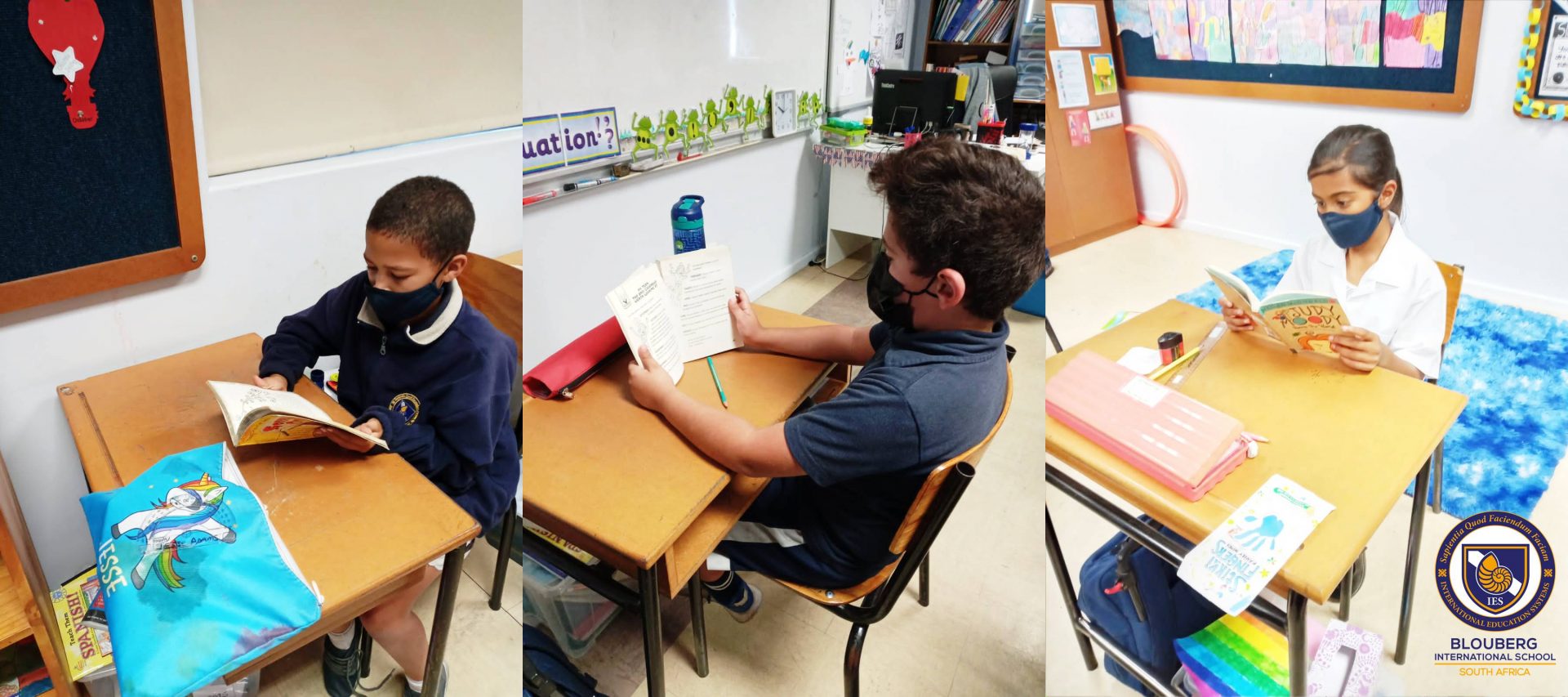
This term, Year 4’s are going to look at the genre of fiction based on real life problems.
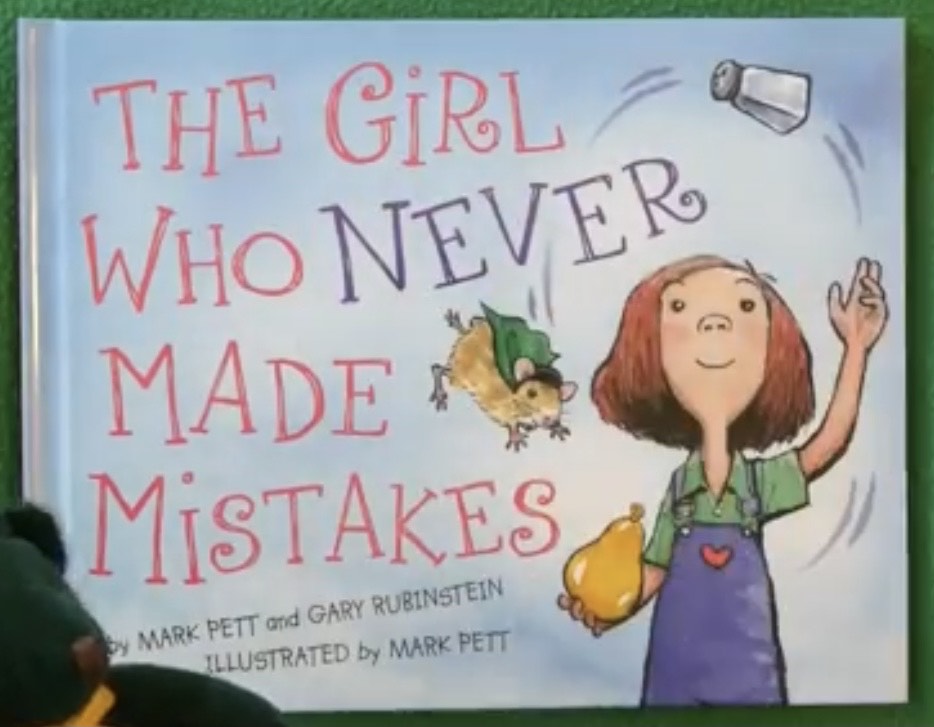
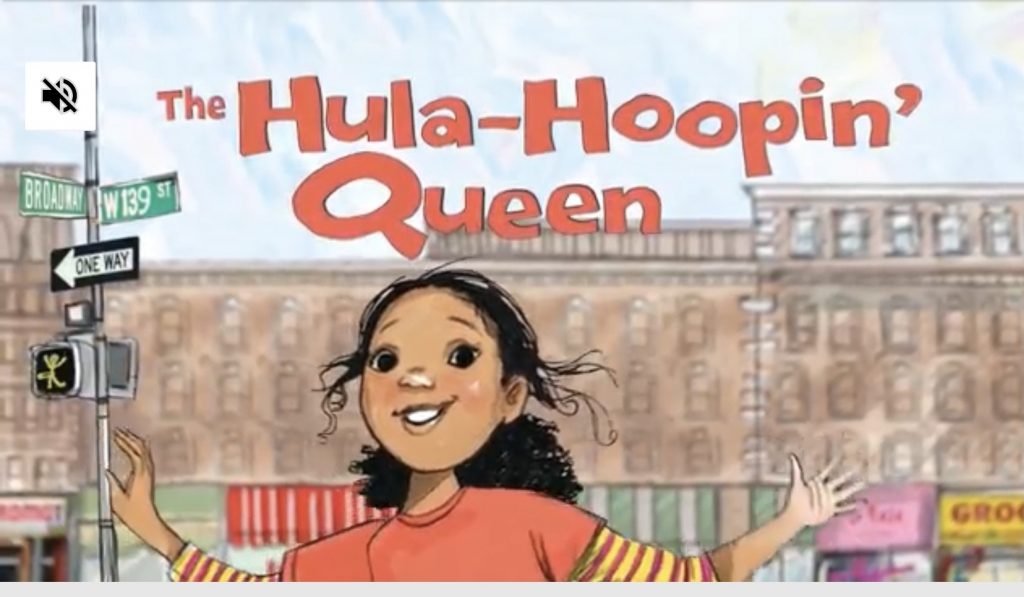
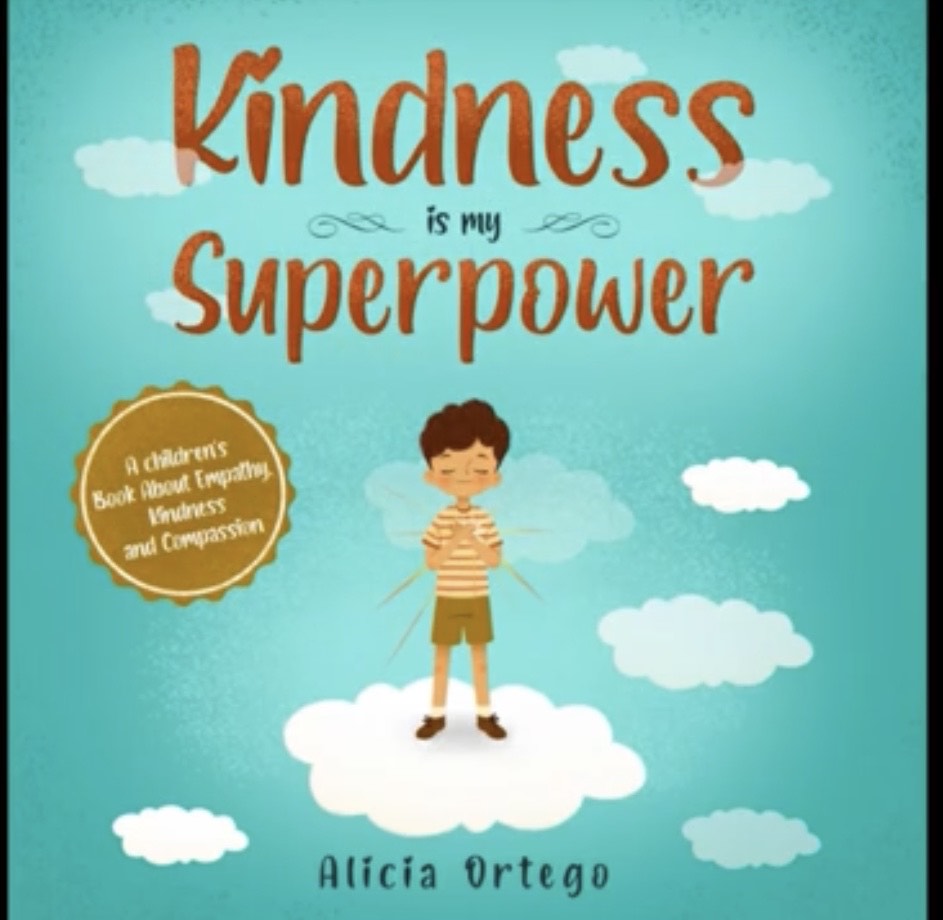
We have a whole audio library of books to enjoy for the next month that deal with everyday problems. After reading how the characters in these books made choices that overcame obstacles, we will be choosing a problem to write about – and then developing our story to ensure that the solution makes for, not only a happy ending, but an enjoyable and intriguing read.
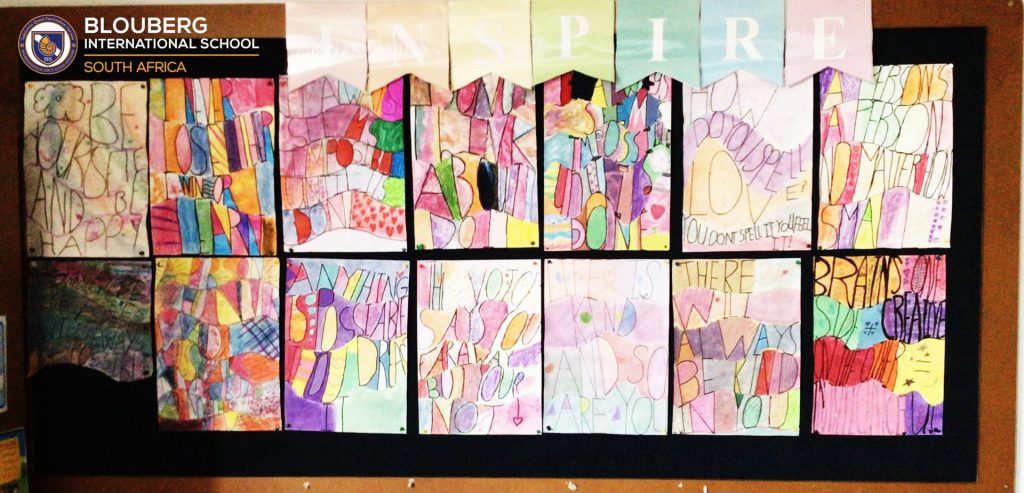
Starting a new term, with a new Head and so many new opportunities, the Year 4’s prepared themselves last term by designing colourful and vibrant inspirational art.
What a great beginning to this new chapter of 2021 – I can’t wait to see how our story unfolds.
Carey Schoots
Year 4 Teacher




Holiday News in Reception
In Reception, the students could not wait to tell their teachers about all the fun things they had been doing over the holidays. Each student shared their favourite activity with the class.
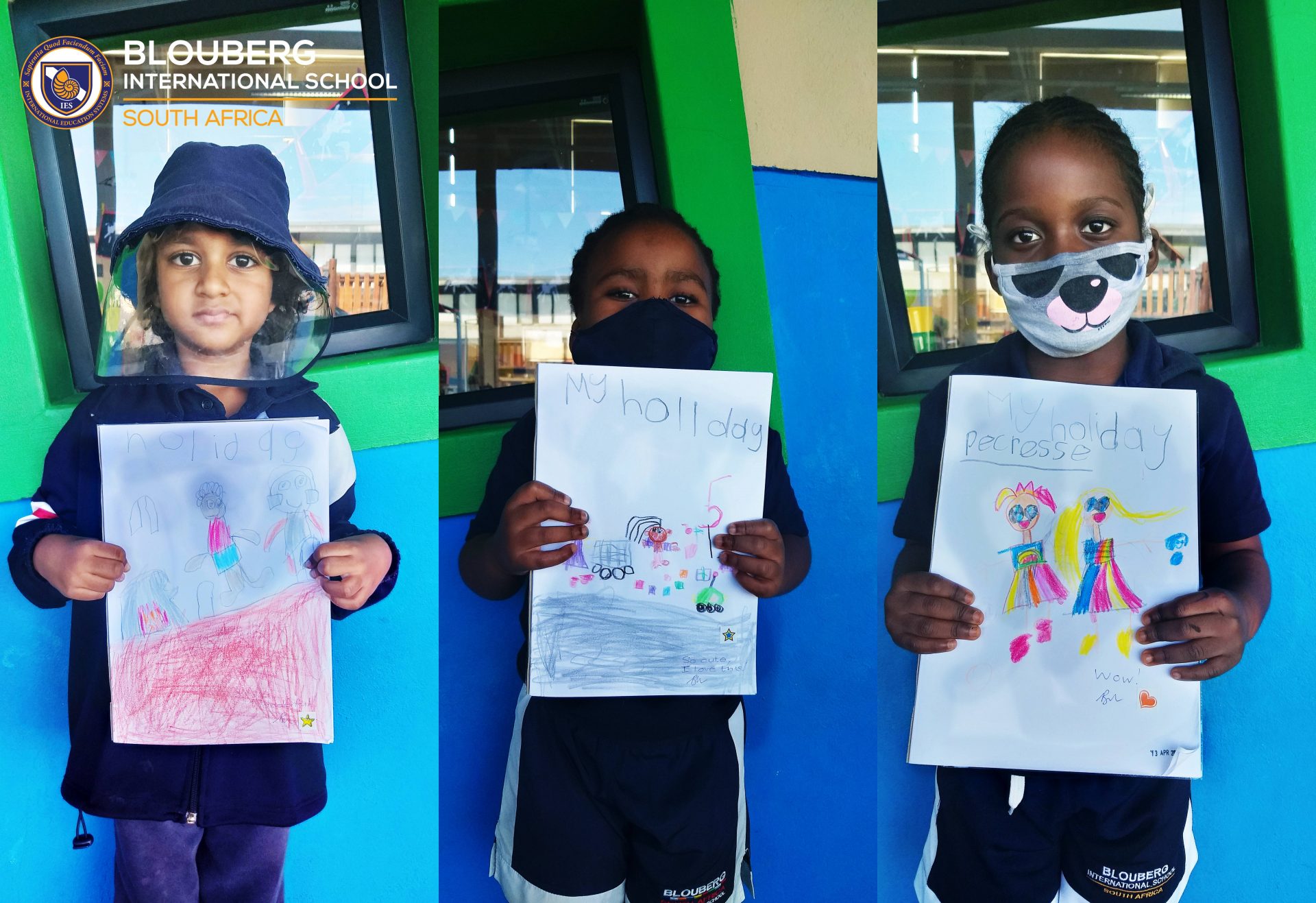
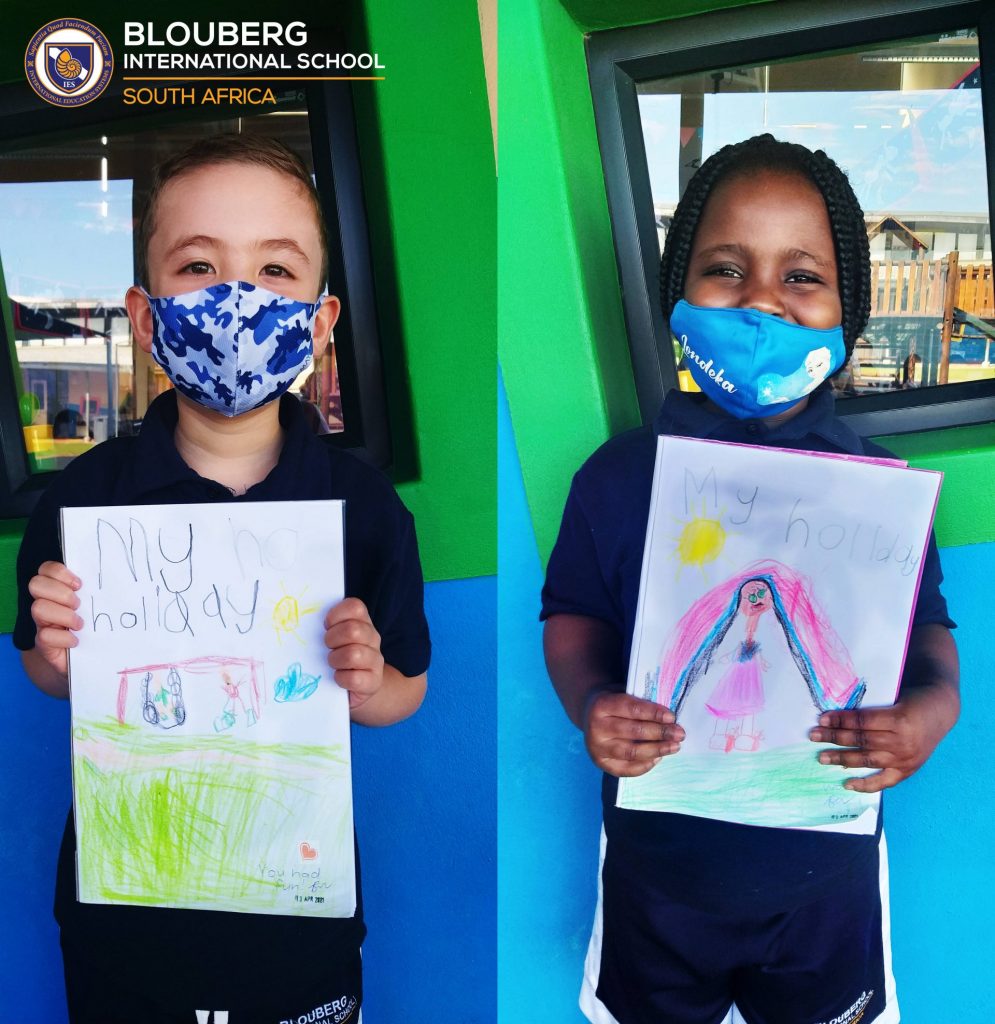
Ms Nuthall was so proud to see the students very capably writing their very first heading in their book ‘My Holiday’.
Each member of the class took great delight in drawing their favourite activity during the holidays. This is how they described their pictures afterwards:
Ayo Bernardo Honwana (5 years old) “I went to the beach.”
Emmanuel Chukwuemeka (4 years old) “I was at home and my sister went to the doctor.”
Himansh Dammalapati (5 years old) “I went on a drive. It was rainy and sunny and I saw a rainbow.”
Somtochukwu Ezeonye (5 years old) “I went to the beach.”
Xavier Foulds (5 years old) “I went on the monkey bars at the park.”
Lukho Hashe (5 years old) “I went to the shops with my daddy. Mommy stayed at home.”
Jadey Howes (5 years old) “We were at the zoo.”
Melody Kroukamp (5 years old) “I went to Ouma and Oupa and played a lot.”
Ingelam Mabona (5 years old) “I went to the shops.”
Londeka Magagula (5 years old) “I played at the playground.”
Pecresse Muteb Kawan (5 years old) “I played with my friends.”
Charlcy Nyausaru (4 years old) “I was playing in the garden.”
Jan Pani (5 years old) “I went to the rock pools and caught some fish there.”
Daniel Perdigão (5 years old) “I played in my backyard and took a picture with my mom’s phone.”
Arye Shaik Mohamed (5 years old) “I went to see my grandparents in Johannesburg.”
Shivansh Trivedi (4 years old) “I went to the playground.”
Durva Vanjare 5 (years old) “I went to the beach with my family and then we went to the mall.”
Bronwen Nuthall
Reception Year Teacher
Weekend News
In Reception year, we focus a lot on the importance of reading, and it is always such a pleasure to see the smile on a little one’s face when he or she mastered a new skill in reading or writing.
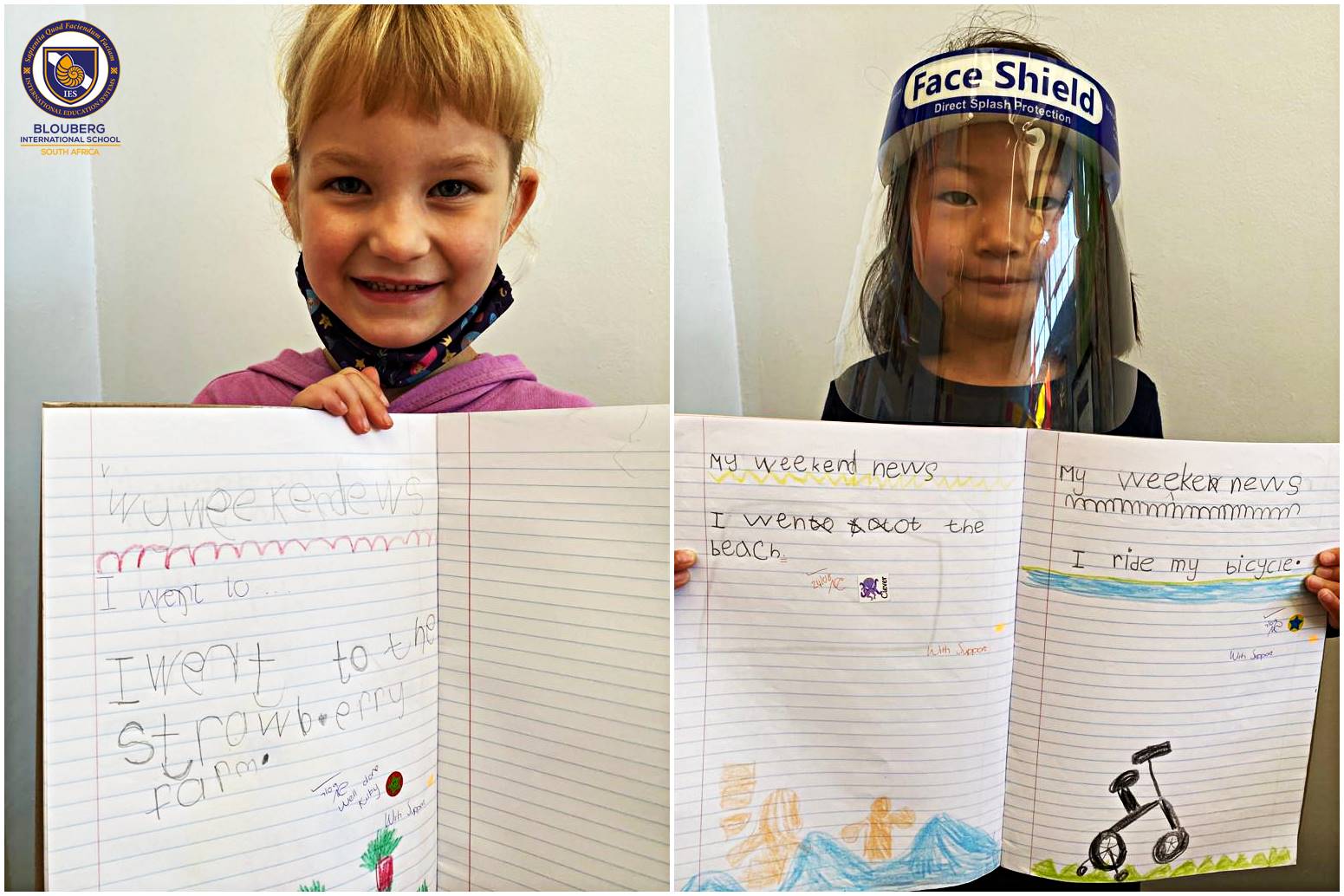
Every Monday, students come to school excited to share their weekend news with their friends, and now as their reading and writing skills have progressed, they also write down their weekend news in their writing books.
This year has been particularly challenging for our students, but despite this they have made tremendous progress in learning to read. It is wonderful to see the progress from week to week, as students gain more confidence in their own abilities.
We would like to share some of our weekend news with everybody:
Tilda Rohlandt (6) “I watched Peppa Pig on TV”Kirby Melvin (5) “I went to the strawberry farm.”Juliana Baruti (5) “I went to the shop. I went swimming.”Dora Wang (5) “I ride my bicycle.”
Reception Teacher


Year 3 Are Writing Japanese Poetry!
This term, Year 3 have completed an English unit called Poems from around the world. In this unit, the students read and performed different poems from around the world. They investigated how poems are linked to places and explored the words and sounds in the poems. At the end of the unit, they needed to copy the style of a poem and write a poem of their own.
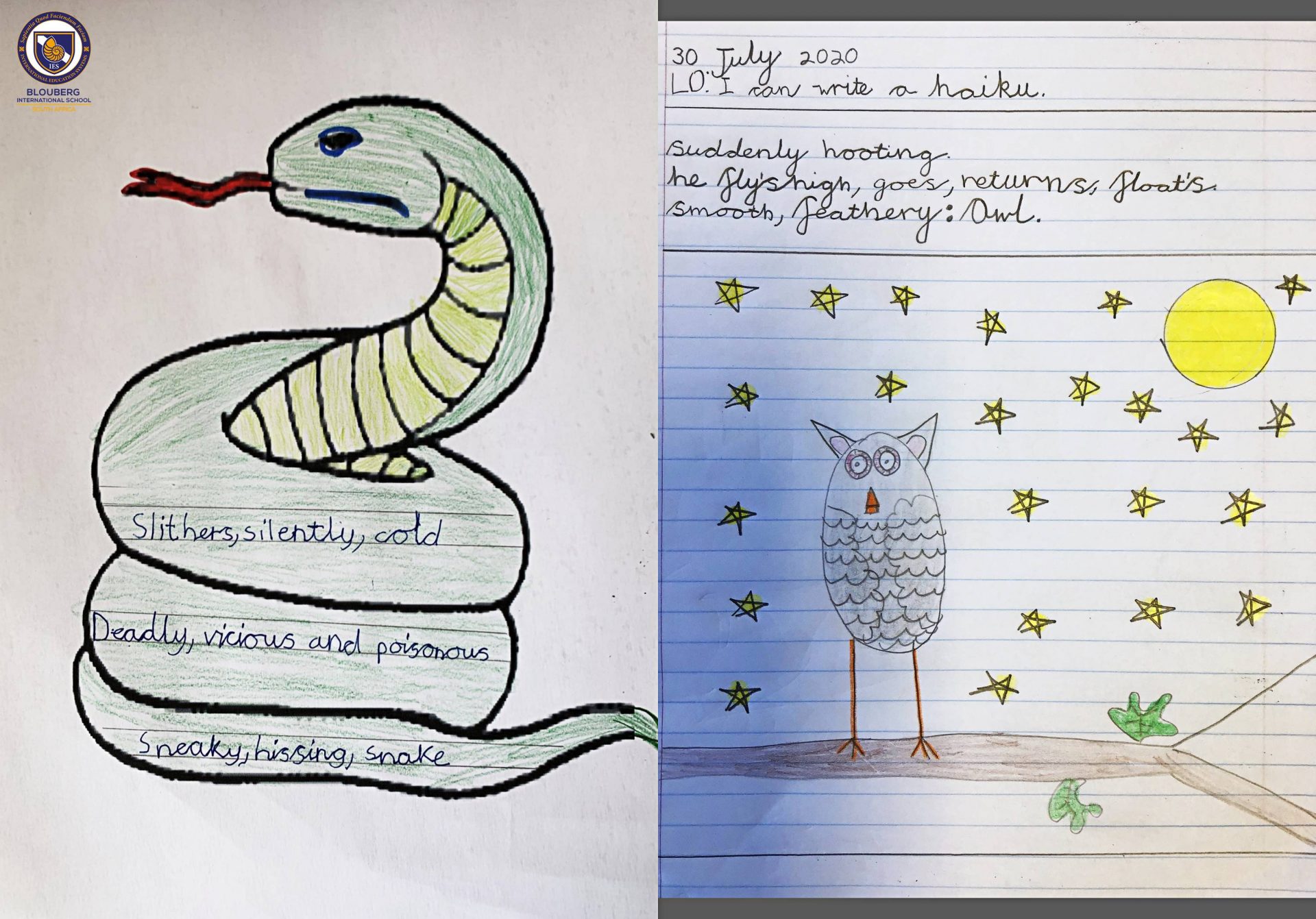
We decided to focus on Japanese poetry and the students wrote their very own Haiku’s. A Haiku is a Japanese poem with a total of just 17 syllables and three lines… but that’s not all. Line 1 must have 5 syllables, line 2 must have 7 syllables and line 3, 5 syllables again.
Year 3 took on the task with great zest and promptly chose an animal each to write about. Next they created a word bank which had to include noun phrases and adjectives. Once the creative juices started flowing, they set about arranging their word bank into a Haiku. The results were amazing!
Well done, Year 3! We’ll make poets of you yet!
Mandy Goch
Year 3 Teacher

Passionate, Playful Poetry!
The Year 4’s spent the past few weeks learning about a wonderful new topic in English: Poetry.
They looked at some examples of poems, answered some poetry comprehensions and discussed different poetic features such as alliteration, similes, onomatopoeia, descriptive words and rhyme. Last week they got the chance to apply their knowledge by writing their own poems. They wrote some marvelous acrostic poems about fireworks and also wrote some extremely creative poems about their favourite colour.
Take a look at some of our amazing poems – we hope you enjoy reading the poems as much as we enjoyed writing it!
“Poetry is when an emotion has found its thought and the thought has found words.” – Robert Frost
Year 4 Teacher


Year 3 Are Writing Poetry!
Water animal
You swim
In a pond
You sit still and catch flies
With your tongue
Mandy Goch
Year 3 Teacher



Jolly Phonics Fun
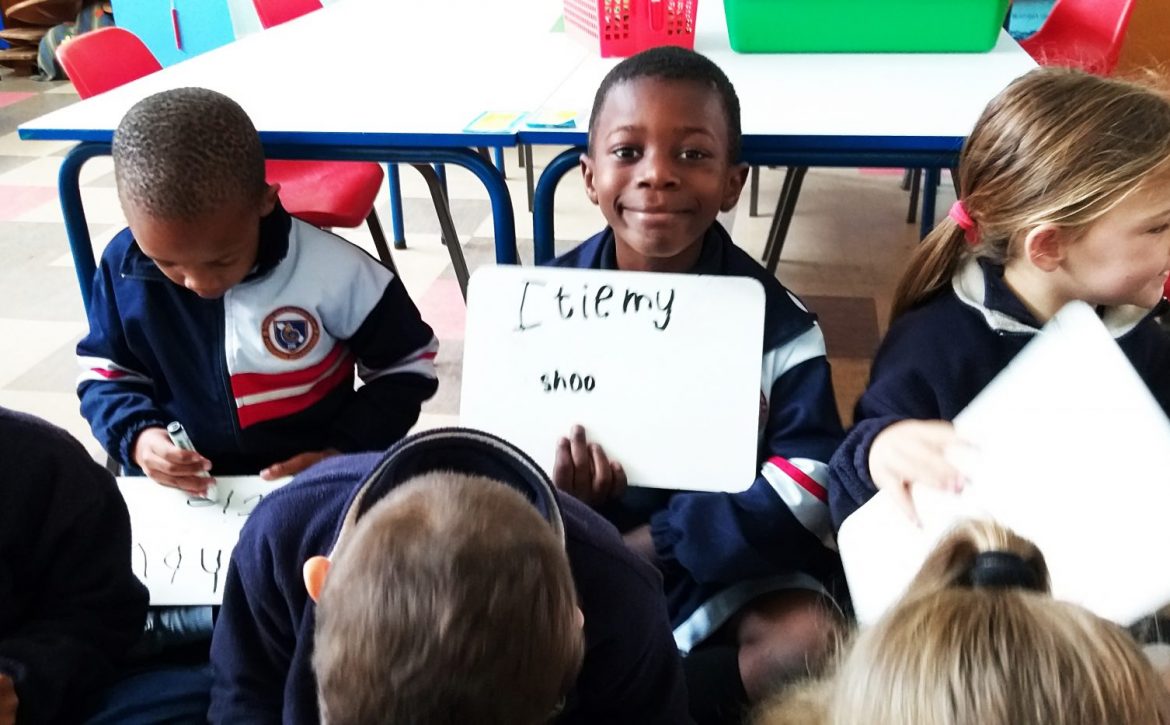
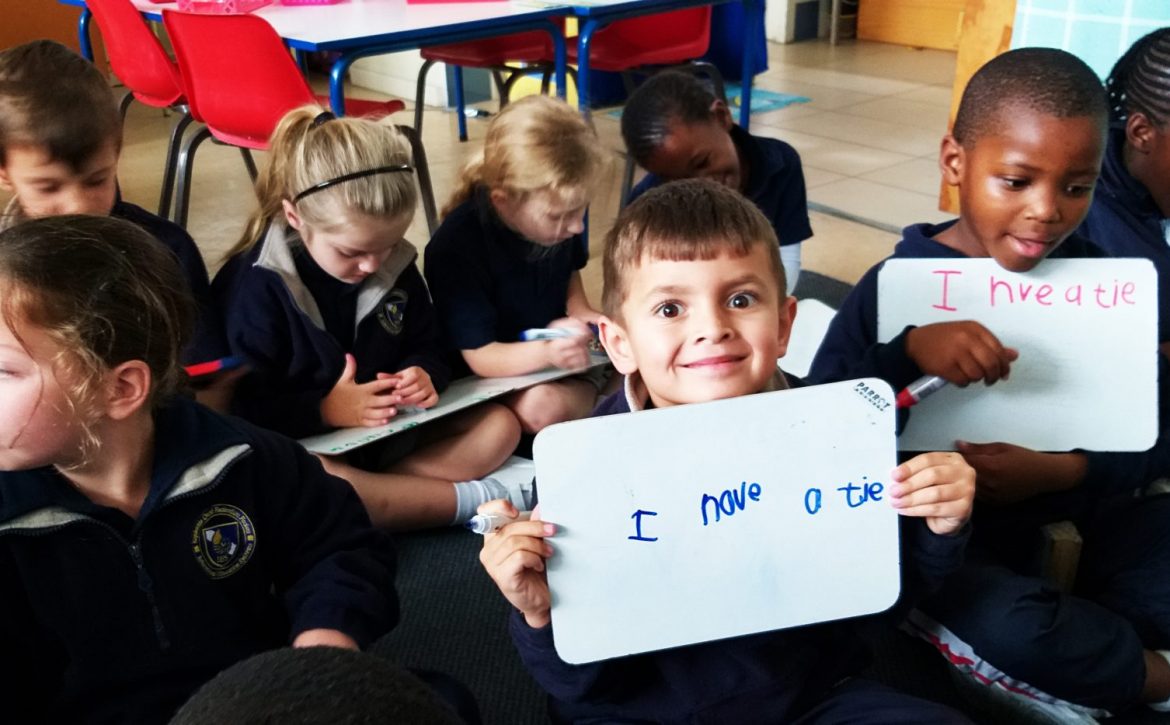
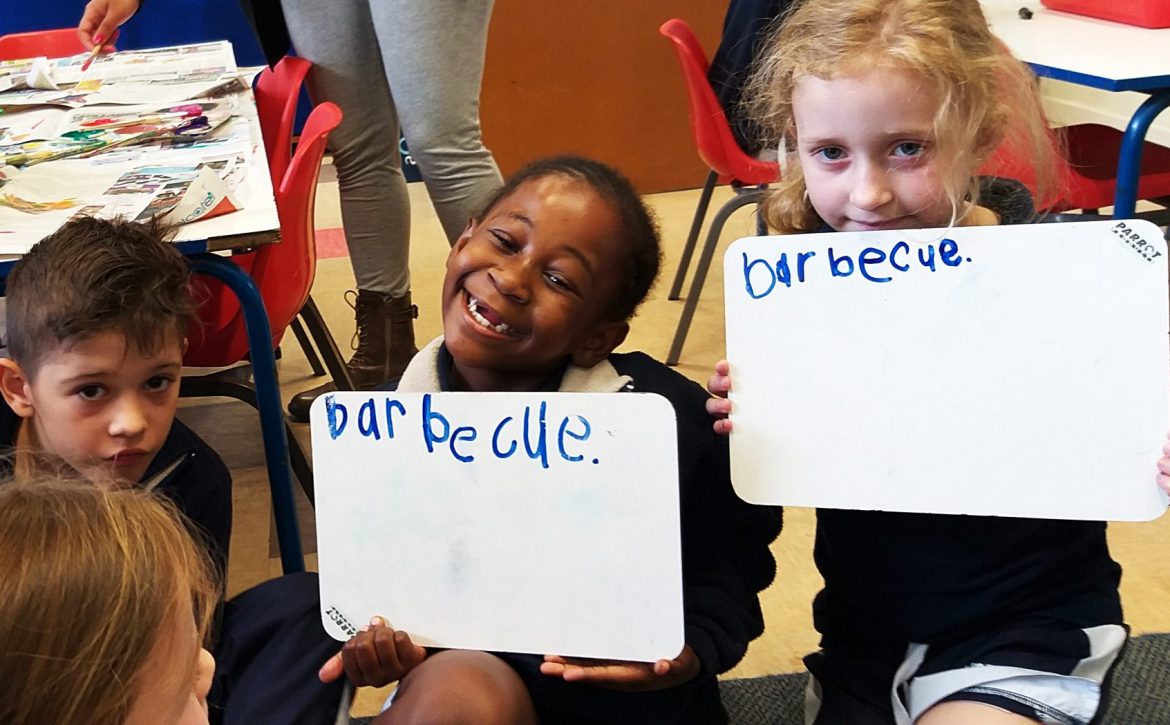
We do our Jolly Phonics lesson in the mornings. Each child gets a whiteboard, marker and duster and comes to the mat. We then write a letter sound down on the top of the board such as the blended sound ‘ai’. The teacher chooses a word. Sometimes they need to ‘unjumble’ a nonsense word to make a real word that the teacher has written on the board. For instance the nonsense word ‘arin’ becomes the real word “rain” when ‘unjumbled’.
Most often during these lessons we use “arm blending” to sound out a word the teacher has given. In arm blending the first sound is on the shoulder, middle sound on the elbow and last sound on the hand. So the word coat can be sounded out on the arm as ‘c’- ‘oat’- ‘t’ …coat. Once the students have sounded out the word together on their arms they are now ready to write the word.
Sometimes we put in sound buttons under the words. Single sounds get one dot below and blends get a line underneath. For example the sound buttons for the word coat would be ( . _ . ) .
We then write a sentence using the word. Sometimes the students have to ‘unjumble’ a sentence and sometimes they write their own sentence. When the students are finished they hold up their boards for the teacher to see and the teacher gives guidance about correct spelling of words and punctuation.
The students find these lessons very rewarding, because even more complex words can be easily sounded out using the arm blending technique. For longer words we use put the sounds in between the shoulder and elbow or between the elbow and hand. For example, the word “throat” will have the letter ‘r’ occurring between the shoulder and elbow and the word “sound” would have the letter ‘n’ occurring between the elbow and hand.
The students always feel a great sense of accomplishment as they begin writing words they could never have dreamed of writing before. They really love showing off their work on their whiteboards to both their teachers and friends and we always end up having a lot of Jolly Phonics fun.
Bronwen Nuthall
Reception Year teacher
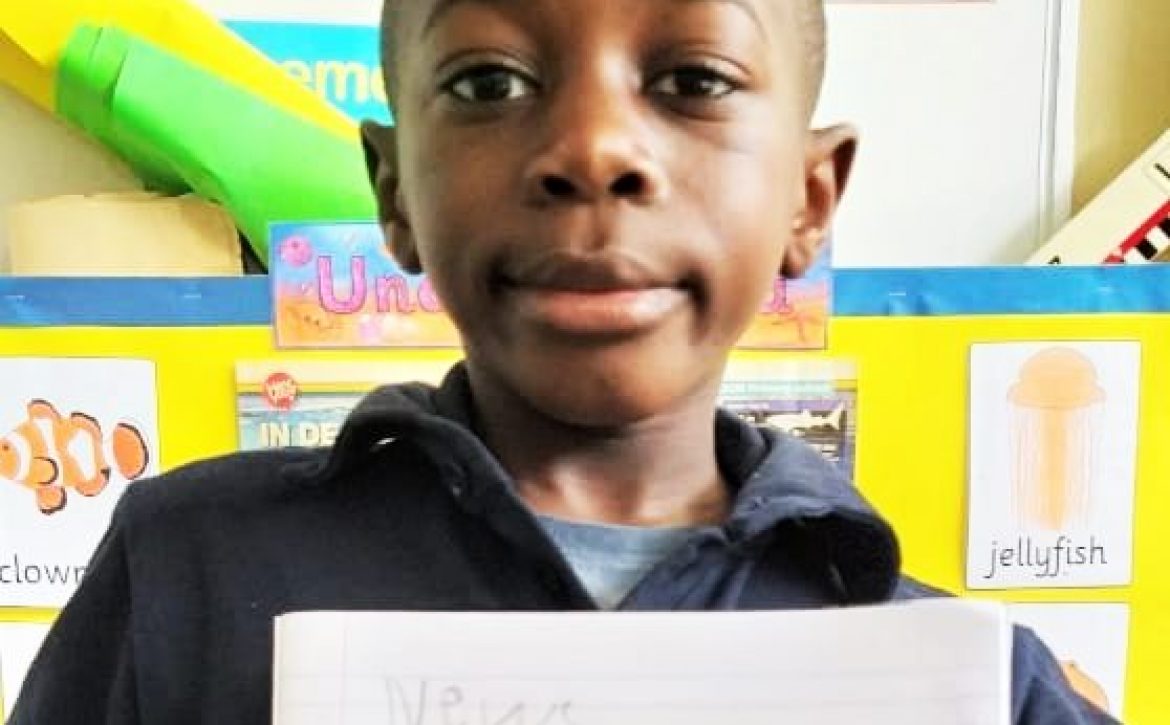
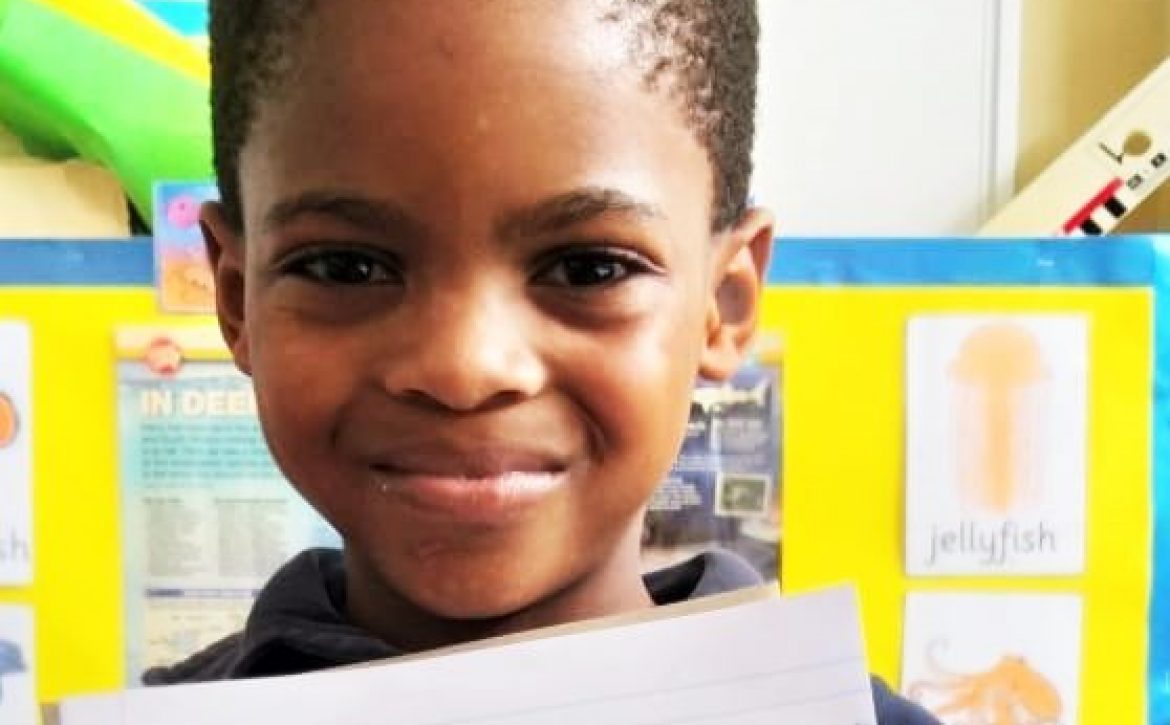


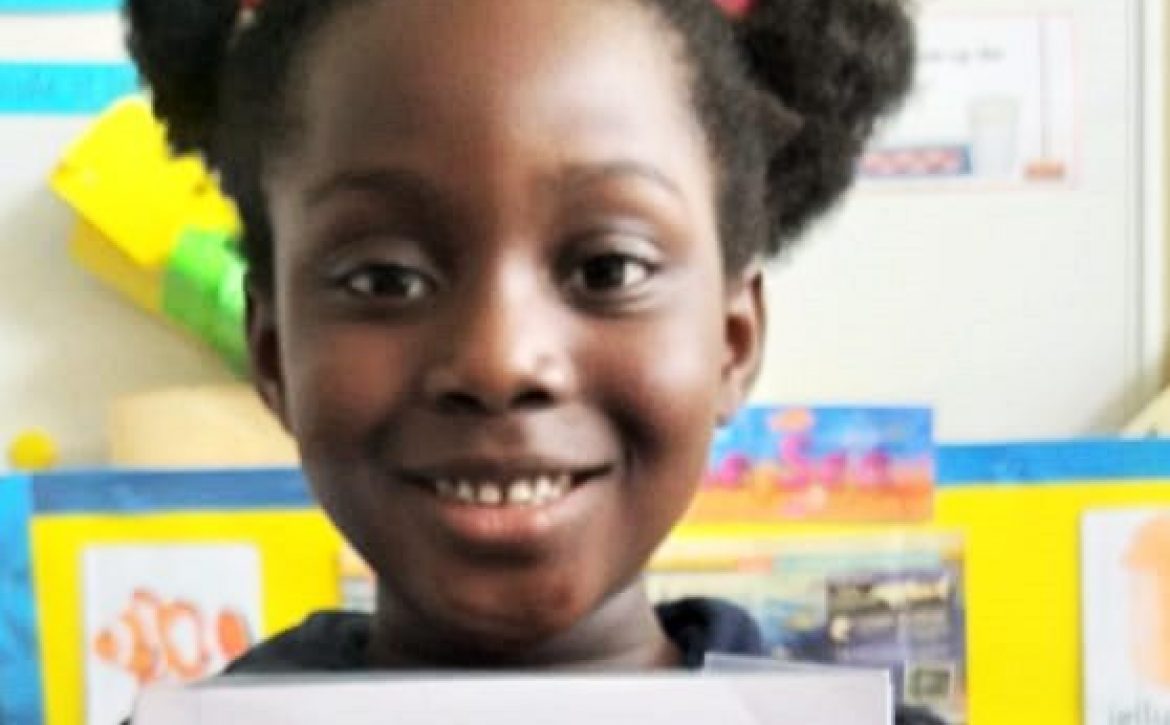
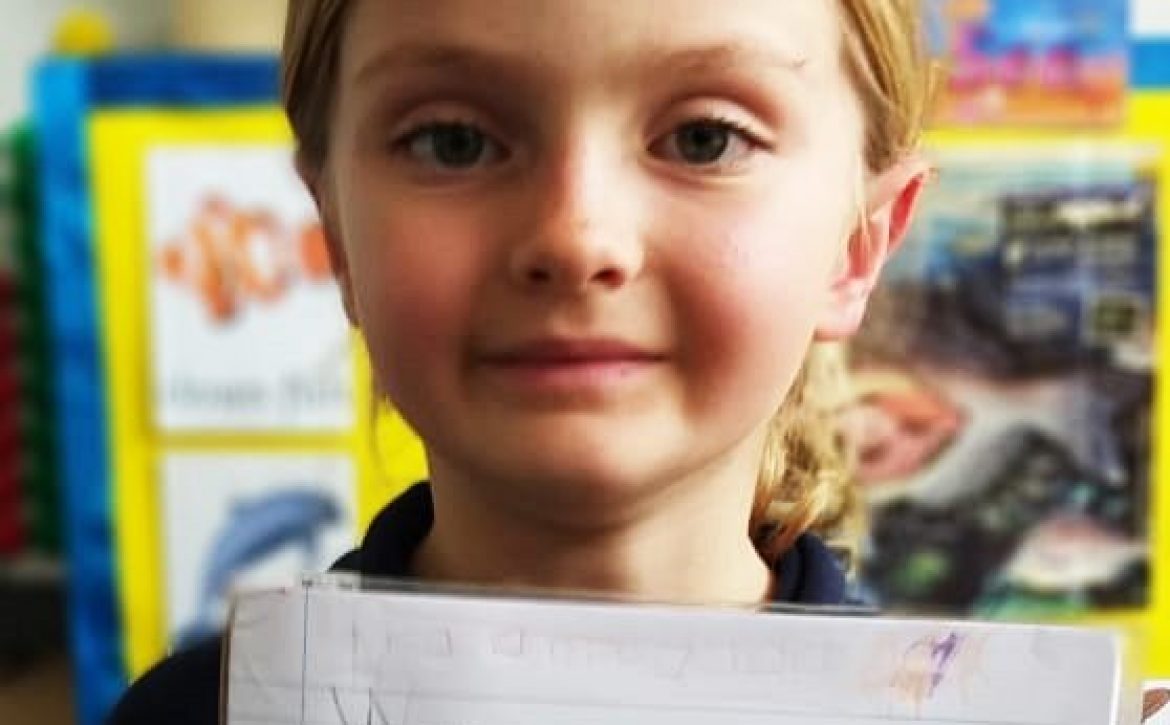

“I went to…” Holiday News In Reception
On the first day of school, the students arrived very excitedly to begin the last term of Reception Year. They really enjoyed the holiday and could not wait to tell us all about it.
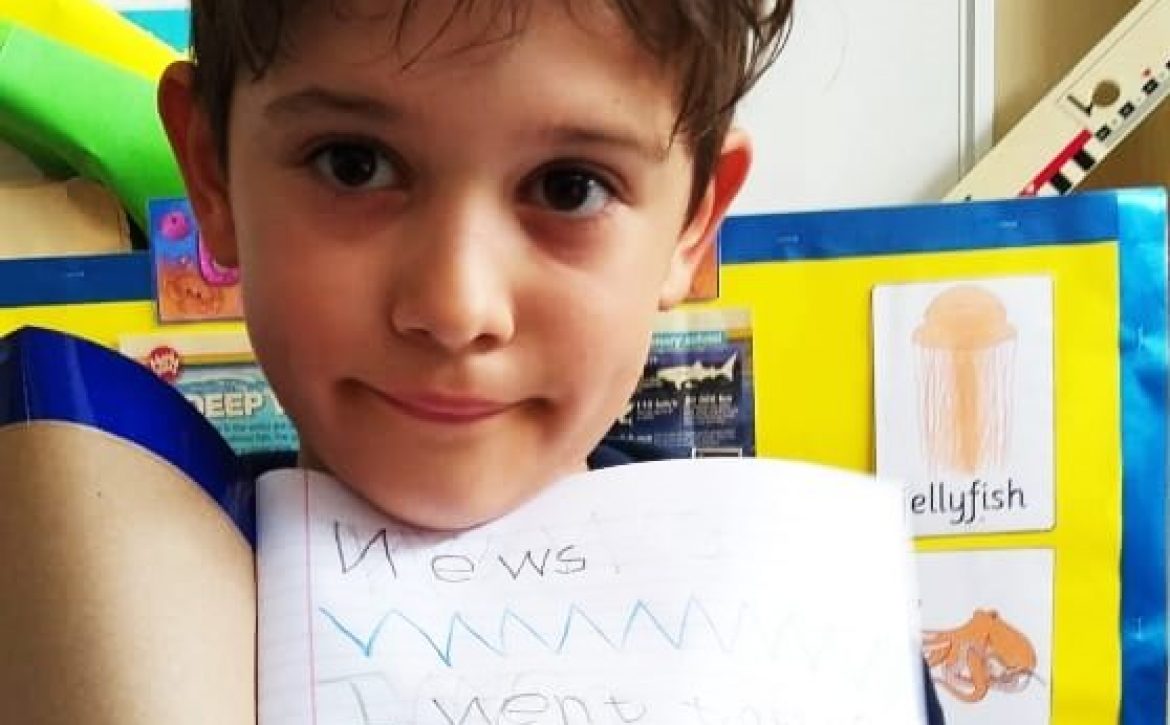
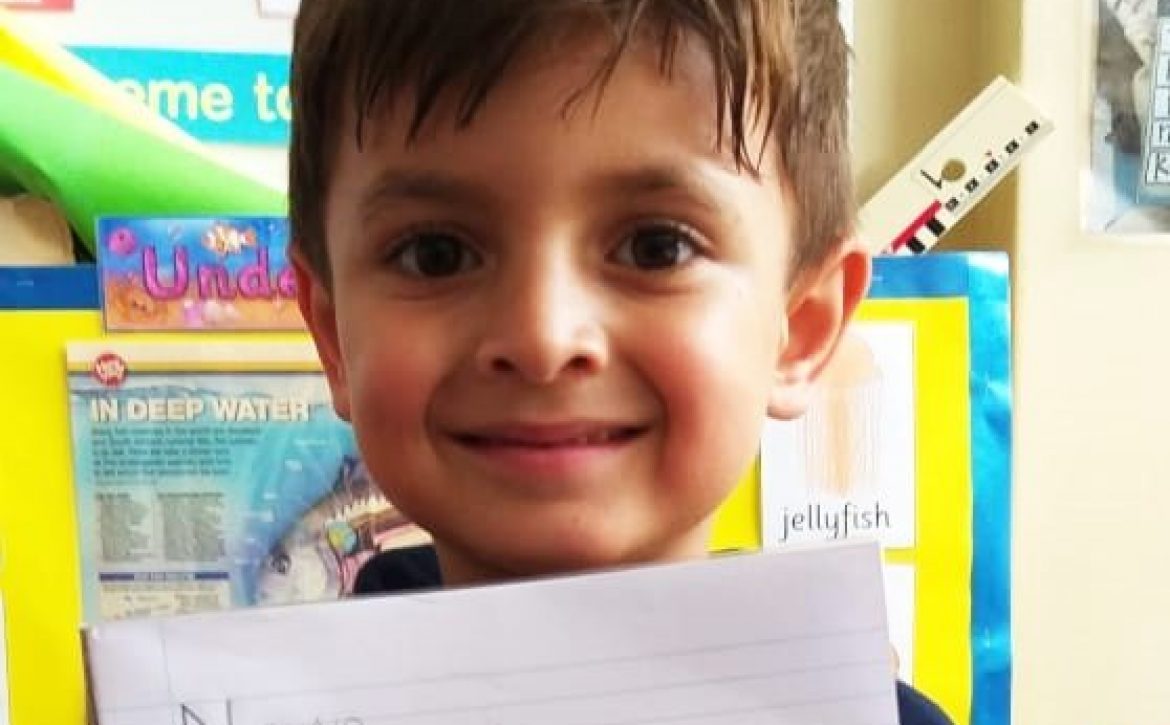
We are now training to work in books with lines in preparation for next year. The students had to write their own heading for their news followed by the zig zag, ‘w’ pattern. Through practice the students are becoming more aware of motor planning in their books and are learning to skip lines when needed.
We recapped the simple sentence rules:
- A sentence always starts with a capital letter.
- There are always finger spaces between words.
- A sentence ends in a small neat full stop on the line.
Each week for their news the students will choose and make use of a sentence starter such as “I went…”, I played …”, I saw…”, I liked…” The teacher will then write the unknown words on a strip for them to copy. They will be encouraged try and complete their own sentences using known High Frequency Words and by independently sounding out phonetic words using their knowledge of the Jolly Phonics sounds.
Reading and writing skills certainly goes hand in hand. All the reading practice they have been doing this year will definitely help them to apply their knowledge to attempt writing sentences with confidence.
The students are very excited about the following sentences they have written in their writing books this week:
“I went to the shop.” – Gabriel Perdigão
“I went to Namibia.” – Madison Carli
“I went to get donuts.” -Thami Makubalo
“I went to the shop.” – Michele Lemme
“I went to Dubai.” – Zoe-Jane Way
“I went to holiday care.” – Emmanuel Omole
“I went to the movies.” – Britney Quadri
“I went to the shops.” – Melissa Moje
“I went to the playground.” – Ali Sadi Hasturk
“I went to the shop.” – Lizelle Vorster
“I went to holiday care.” – Enzo Tona
“I went to the hospital.” – Jenna Miller
“I went to the shops.” – Reuben Davids
“I went camping.” – Malin van Zandvoort
“I went to the mall.” – Ndalo Kweyama
“I went to the movies.” – Sarah Miller
“I went to the shop.” – Irén Martinez Baqueiro
“I went to the holiday care.” – Joel Mofokeng
Bronwen Nuthall
Reception Year Teacher

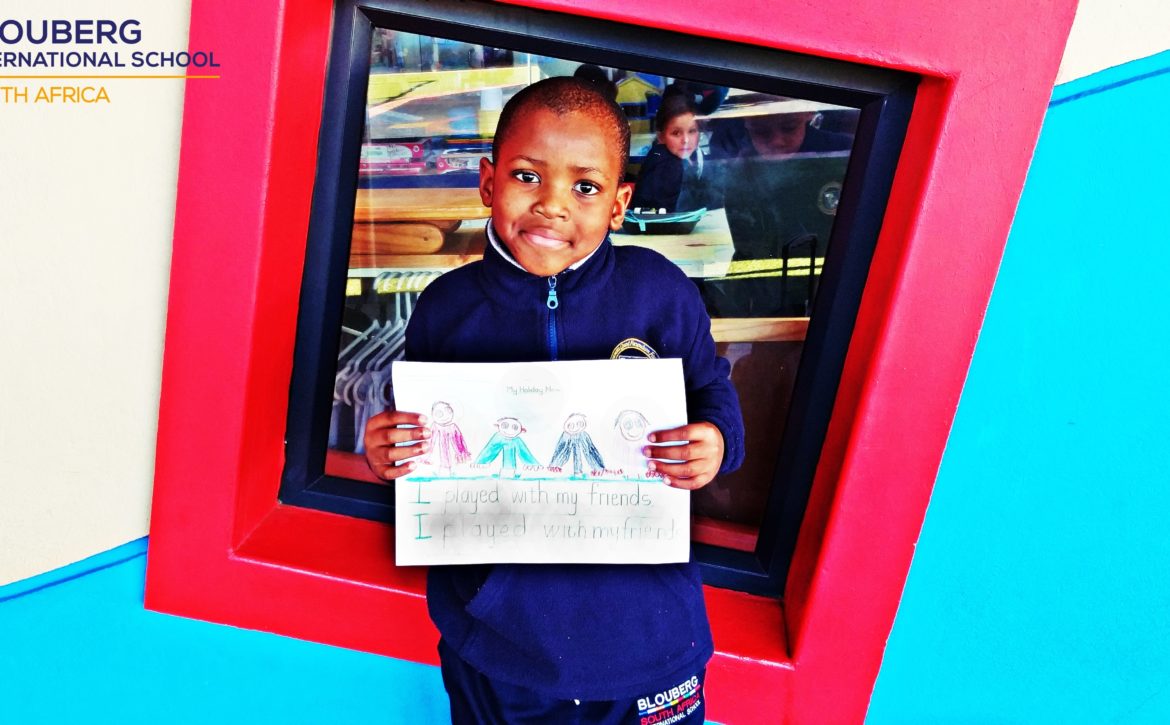


Reception Year Holiday News!
It’s hard to believe that the third term has already begun and we are at the start of another busy term in Reception Year. The students arrived back at school on Tuesday, brimming with excitement and eager to share all the wonderful things that they had been doing during the winter holidays.
This term we will be learning about how to copy sentences about our “news”. We have learnt about sentence structure, that a sentence starts with a capital letter, ends in a full stop and that words need to be evenly spaced.
The students were given the opportunity to explain one thing about their holiday to their “talk partner” sitting next them. This helps them remember their favourite part. They began the task by drawing a detailed picture of their holiday news. When the teacher came around, the students gave her a sentence, which she wrote in the lines under their pictures. They then carefully tried to copy their sentences in the lines below, using the correct punctuation and spacing. The students made good attempts at copying their sentences and these are a few of the sentences that they came up with:
Melissa Moje (5 years old): “I went to the beach.”
Emmanuel Omole (5 years old): “I watched T.V.”
Sarah Miller (6 years old): “I played outside.”
Joel Mofokeng (7 years old): “I played with my friends.”
Zoe-Jane Way (6 years old): “I went to my oupa’s house.”
Michele Lemme (6 years old): “I went to the shop.”
Lizelle Vorster (5 years old): “I played with my robot.”
Reuben Davids (6 years old): I went to the treehouse.”
Malin van Zandvoort (5 years old): “I played football.”
Thami Makubalo (5 years old): “I went for a walk.”
Madison Carli (5 years old): “We went to the shop.”
Britney Quaddri (5 years old); “I watched T.V.”
Uyindalo Kweyama (6 years old): “I found my teddy.”
Enzo Tona (6 years old): “I went to holiday care.”
Jenna Miller (6 years old): “I went to the shop.”
Gabriel Perdigão (6 years old): “I built a treehouse.”
Bronwen Nuthall
Reception Year teacher

Year 6 Outing – Student Feedback
Mind Blowing Year 6 outing
By: Ben Van der Westhuizen, Riley Hanning and Jens Buchwald (Year 6 Students)
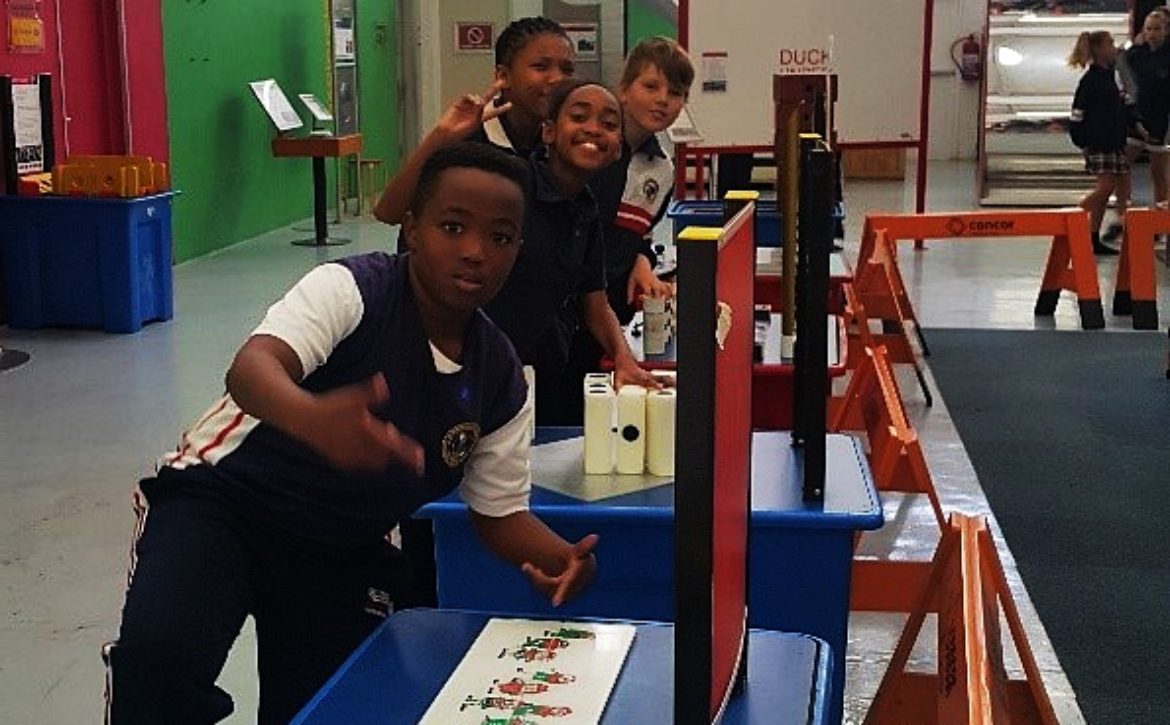
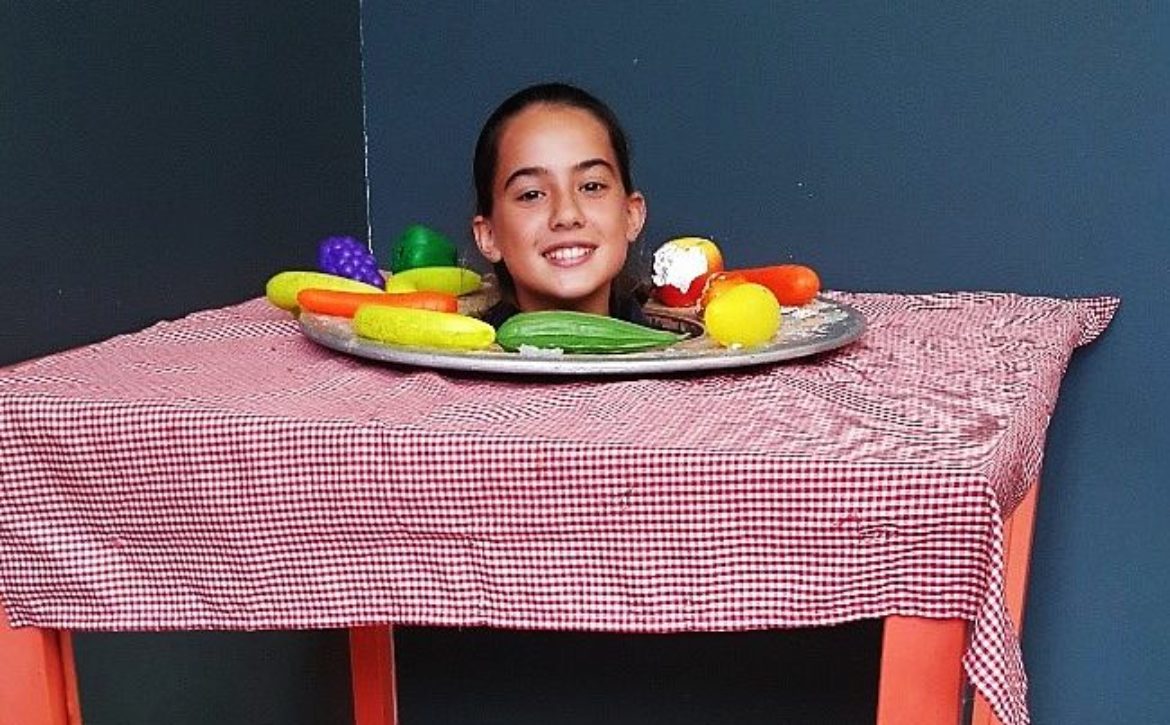
This term the grade 6 classes have been learning about electricity. On the 3rd of May 2019 they went on an outing to the Cape Town Science Center. They hopped onto the bus at 8:30am and arrived there at 9:00am.
First they learned about how to construct an electrical circuit in groups of two. They also learned more information about electrical circuits. The grade 6s were tested on their knowledge about electricity on what we had learned in the previous lessons.
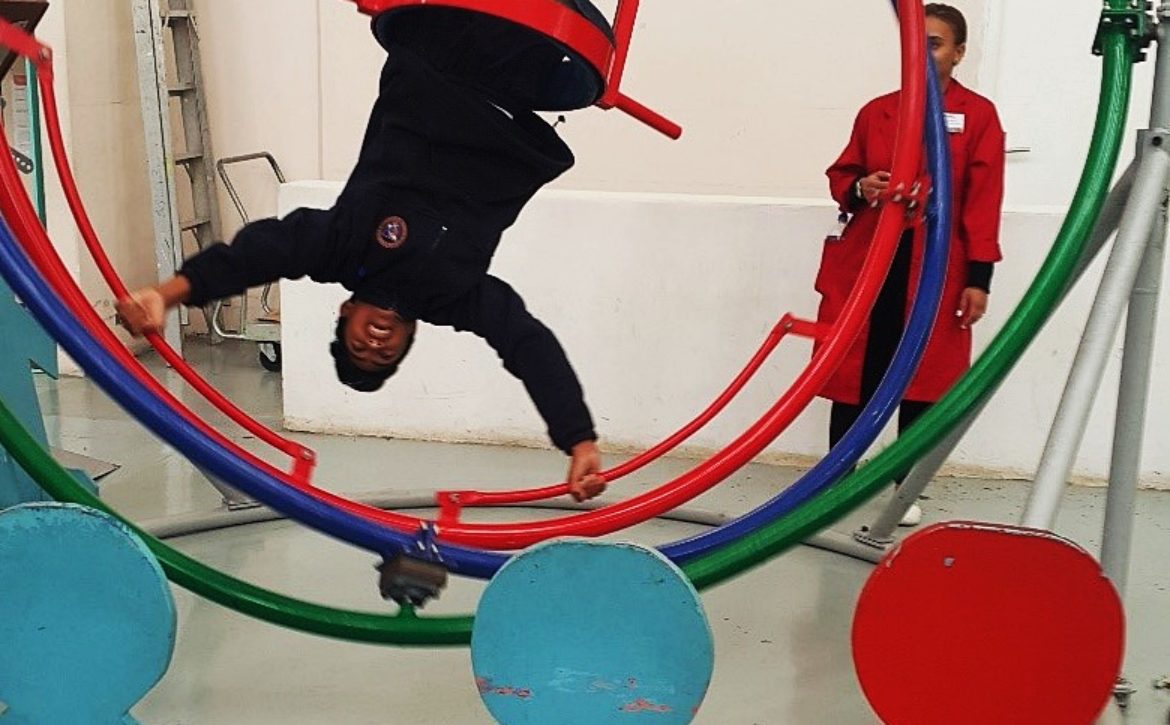
A few kids went on the gyroscope. Here is what Damon Moodley has to say about the ride, “I enjoyed it, but it was disappointing because I had to manually move it. It was still an awesome experience.”
Later on, the grade 6s watched a science show. There were lots of surprises and it was a wonderful way to end the outing.
Grade 6 Outing
By: Chloe Ralph and Linamandla Moyo (Year 6 Students)
On the 3rd of May 2019, the grade 6s of Blouberg International School went on an outing to ‘The Science Centre’. The grade 6 class boarded the bus excited and ready for the Science Centre.
Once the class arrived, they were paired into groups. Blue, which was Mrs Esturhuizen’s class. Red, which was Mrs Hack’s class. The grade sixes’ first activity consisted of learning about electrical circuits and heat gas. They participated in making their own electrical circuits in pairs. Then they were granted permission to go explore all the technology, illusions, and inventions.
Jamey, a staff member of the establishment ‘The Science Centre’, allowed the grade sixes to go and fetch their lunch. Once finished, the grade sixes played a fun challenging quiz game known as Kahoot.
Soon after, the grade sixes went to a show which was made to teach the children what gases can do and how they react. The final activity included seeing one of the oldest cameras in South Africa. Then they entered a dark room where a projector-like camera was. Mirrors were inside – giving the grade sixes a view outside of the Science Centre.
“It was a great experience and my favorite part was when we could see the outdoors with the camera obscura.” -Damon Moodley, 12.
The grade six classes leaped back into the bus with their faces full of smiles and giggles.
In conclusion, the grade sixes had a wonderful time spent at the Science Centre.
Read More