
Everything has a cycle and every person a story to tell
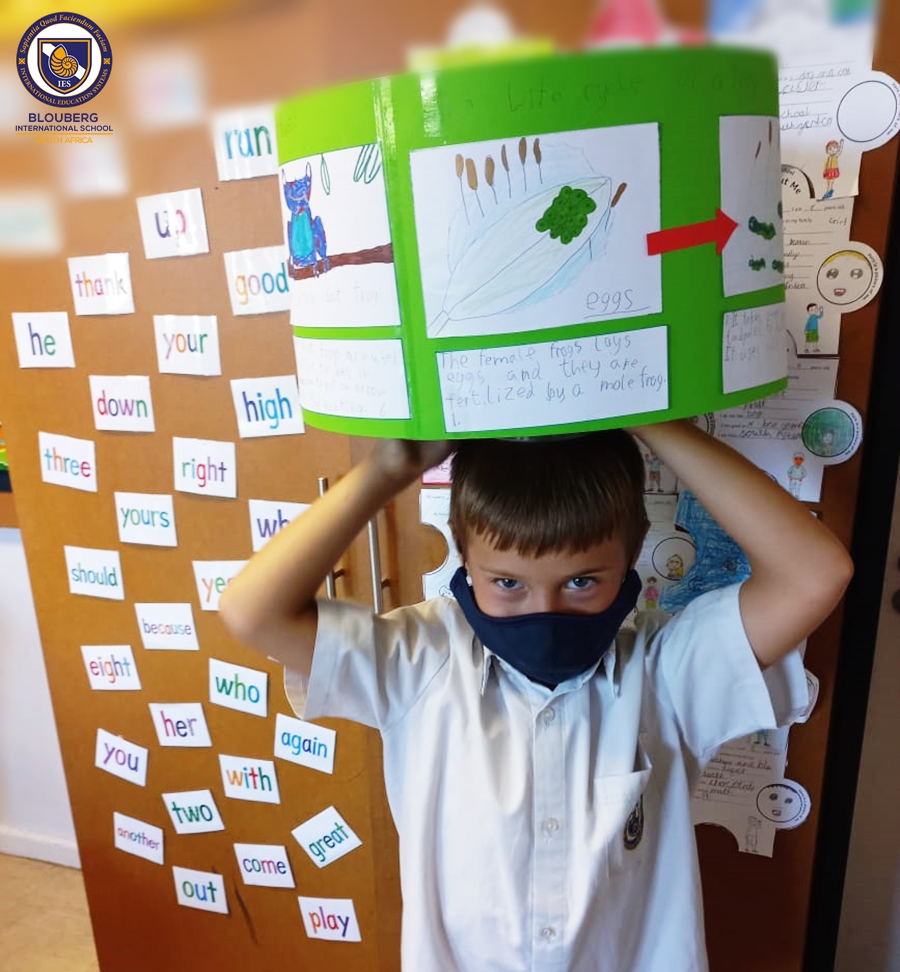
The Year 3’s have been learning about Living things this term. As part of this theme, each student was asked to make a presentation about the life cycle of different types of animals and include an interesting fact.
These they presented with great pride and excitement in an oral.
We learned that:
- Baby koalas eat their mother’s poop to learn to digest eucalyptus leaves.
- The poison from the blue poison dart frog is used to tip the arrows of Amazon hunter’s darts.
- A dog has 28 teeth and 1700 taste buds.
- Jellyfish do not have brains.
- A Monarch butterfly – the female is attracted to the male’s perfume.
- Dolphins have two stomachs.
- A koala bear is as small as a jelly baby when it is born.
Well done to the Year 3 students for making their projects so visually stimulating and extremely interesting.
Carey Schoots
Year 4 Teacher


Read More

Year 5 Solar Systems
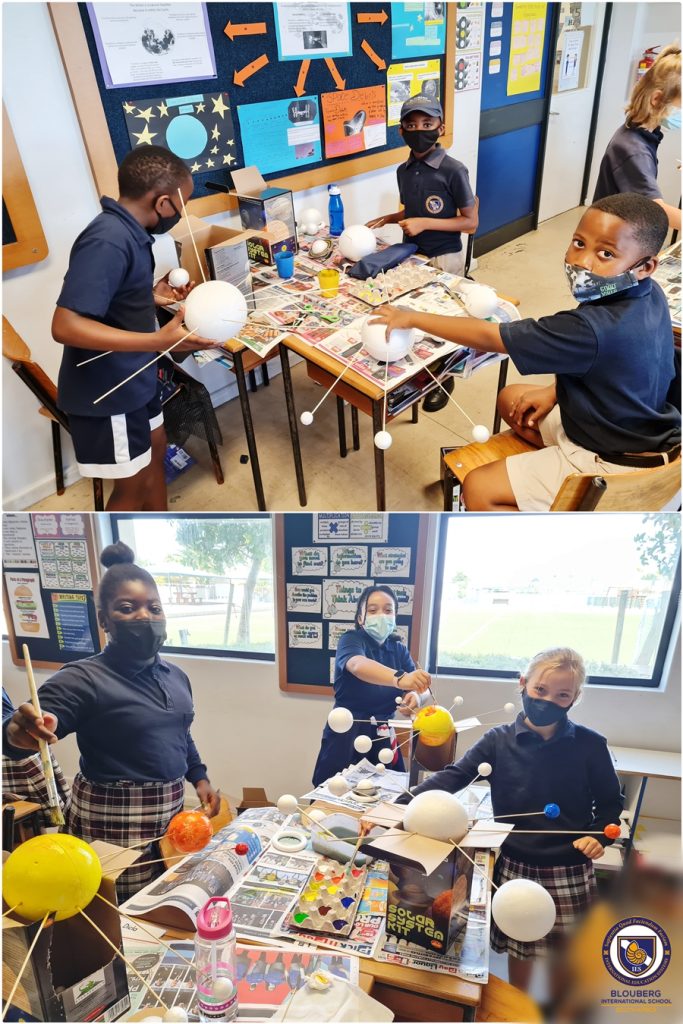
In Science, the Year 5s have been learning about The Earth in Space. One of the core concepts this unit of work is based on is the fact that everything in the solar system orbits the sun.
We decided that a practical demonstration was in order, so we built ourselves some solar systems. This helped us to gain a concrete grasp of how the solar system fits together. We included the eight planets of the solar system – and some of us even got creative and added Earth’s moon to our models!
Now, as we like to say, the whole world is not only in our hands, but also hanging from our classroom ceiling…
Hannah Kirkaldy
Year 5 Teacher


Read More

Habitats
A habitat is a place where an animal lives. It provides food, water and shelter. There are many different types of habitats around the world from forests to grasslands and from mountain slopes to deserts. Different habitats are home to different animals. They live well together because they all do things to help keep the whole habitat healthy and in balance.
This week, the Year 4’s have been learning all about habitats and the adaptations of animals for their habitats.
Have you ever wondered what the purpose of a cockroach is? We often see them as dirty pests that infest the spaces they live in. Animals like cockroaches are really important in a habitat—they eat the dead plants and recycle the nutrients back into the soil, which helps the plants to grow.
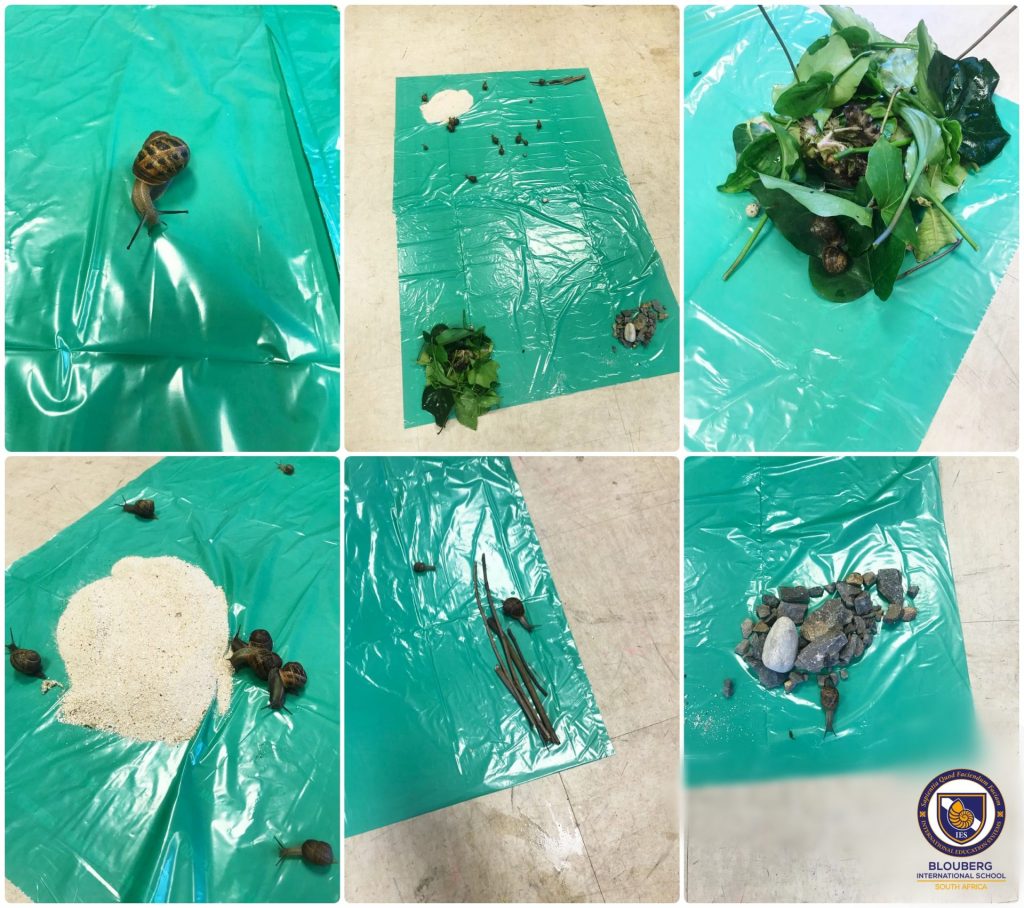
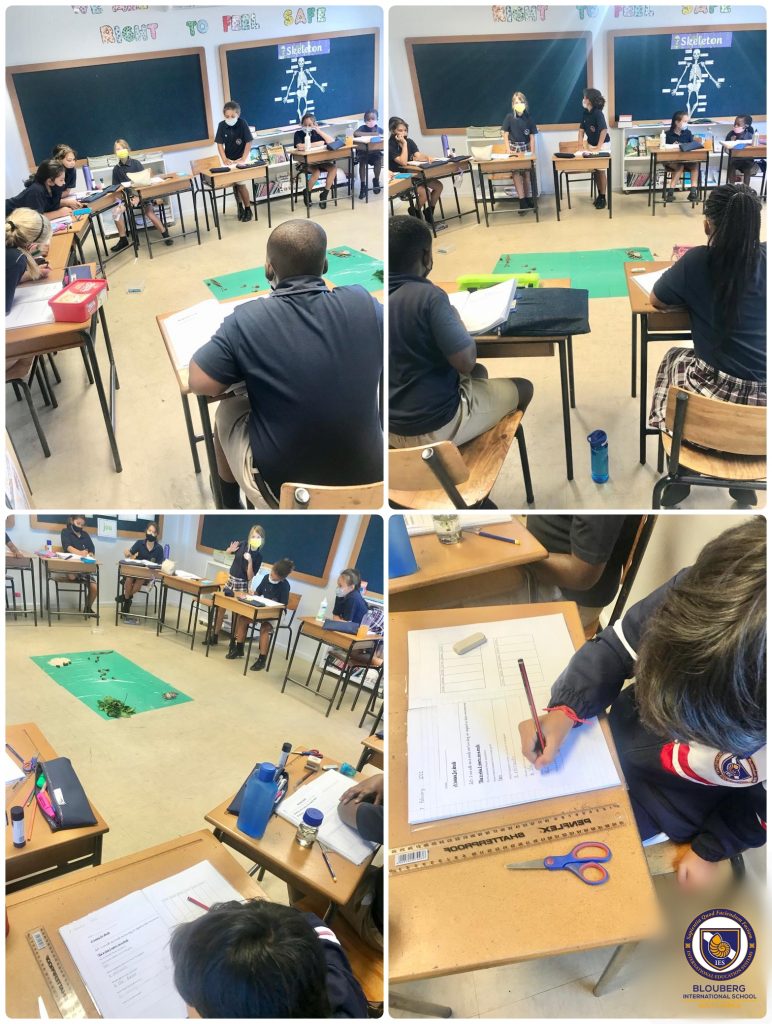
The Year 4 students were curious about animals in their own habitats and they decided to observe snails. To fulfil this curiosity we designed a choice tray. We planned how we will test some snails to see where they like to be most in the environment. We placed 4 variables on each corner of the choice tray, twigs, leaves, sand and stone. We observed where the snails ventured towards, over a half an hour period, and noted our findings.
There were interesting findings across the year group in the different classrooms. One conclusion we could all agree on- if the environment changed, animals can sometimes change the way they behave.
Well done to our budding scientists!
Nadia Mahomed
Year 4 Teacher
Read More

Amazing Presentations!
The process of learning a language not only involves reviewing grammar and vocabulary; it includes trying to understand and acknowledge the culture and traditions of that country in a comprehensive way.
The more you know about these factors the deeper your linguistic immersion will be.
In the case of the Spanish language, it is even more important and relevant due to the diversity within the Spanish speaking countries – 21 countries in total spanning 4 continents (Europe, Africa, North- and South America).
For this reason, the Spanish students at BIS have been learning about the different Spanish speaking countries around the world: Puerto Rico, Argentina, Bolivia, Chile, Colombia, Costa Rica, Cuba, Dominican Republic, Ecuador, El Salvador, Equatorial Guinea, Guatemala, Honduras, Mexico, Nicaragua, Panama, Paraguay, Peru, Spain, Uruguay and Venezuela.
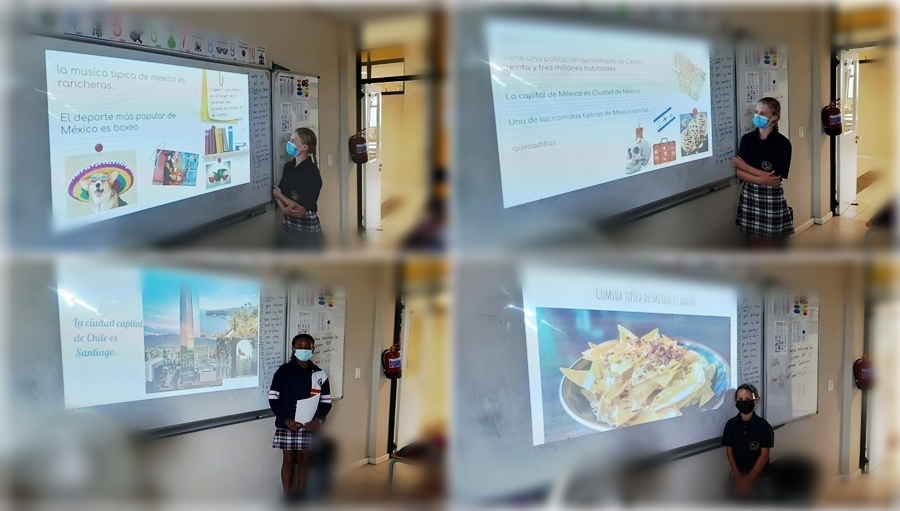
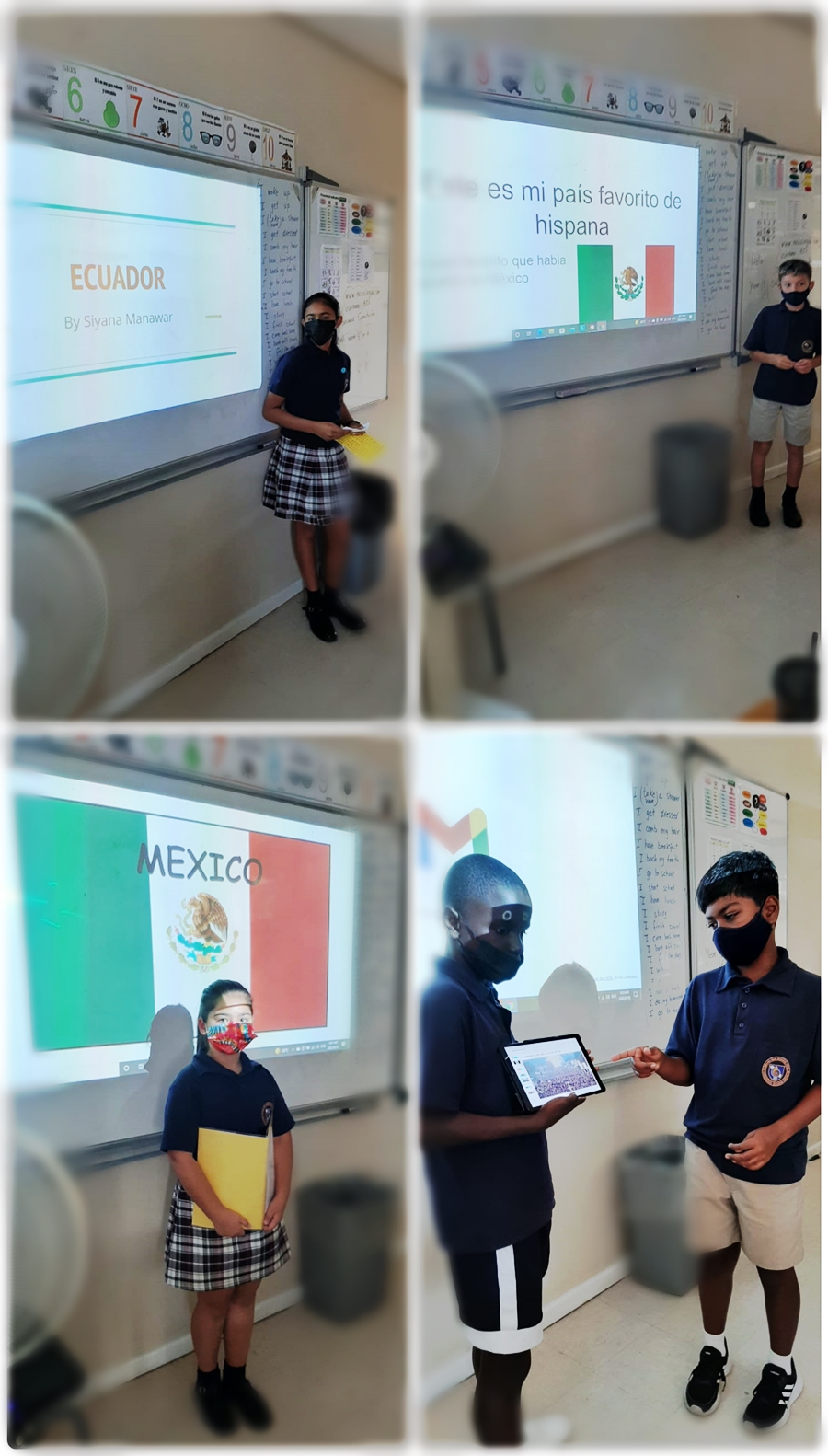
Year 5 and 6 were asked to choose their favorite one, and to do a simple immersion in a variety of topics in the country of their choice.
Some demographic and geographic aspects were discussed during the oral presentations: the capital, total population, identifying the color of the flag and naming the continent that it’s located.
Other, more cultural, aspects were also presented like the typical food and music or the most popular sports.
Finally, they were asked to select two important or relevant people from that country and their profession: the king or the president, a famous actress or actor, a successful singer or a sports figure.
Sharing this information with the whole class enriched the experience and I can’t feel prouder of the outstanding posters and incredible PowerPoint presentation and videos that they were able to put together.
Javier Vidal
Spanish Teacher



Read More
Practical Place Value and Relatable Rounding Off…
For the past two weeks, the Year 5s have been learning more about Place Value in Mathematics.
We’ve covered the following content thus far:
- Place value up to hundred thousands.
- Partitioning numbers.
- Writing number in words and figures.
- Rounding off to the nearest 10, 100 and 1000.
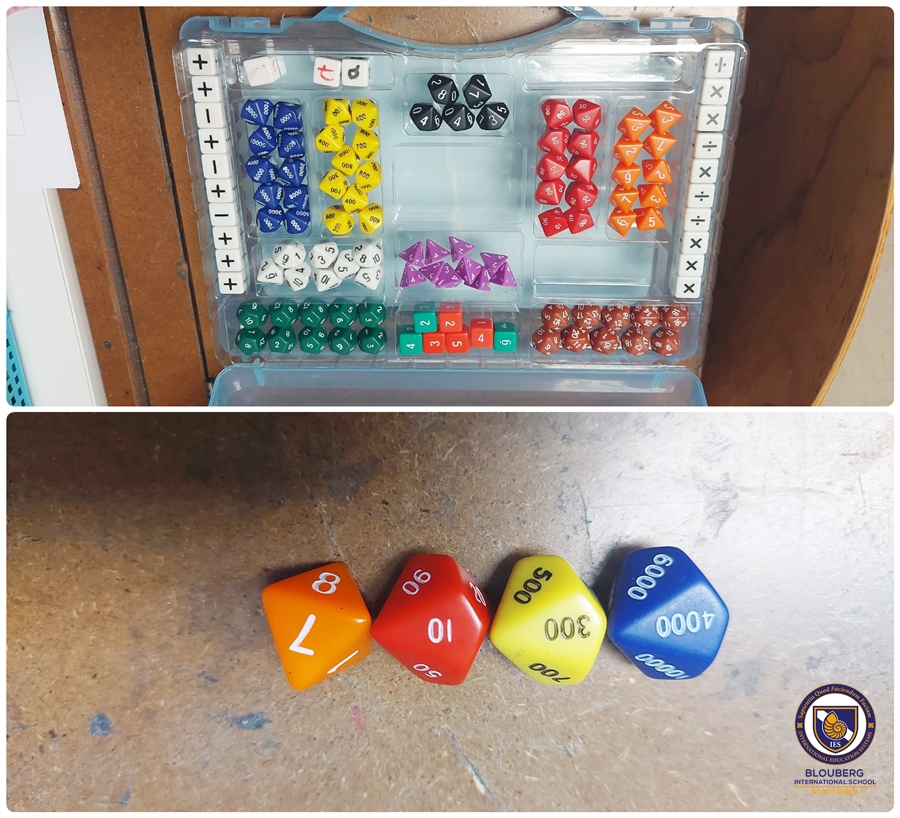
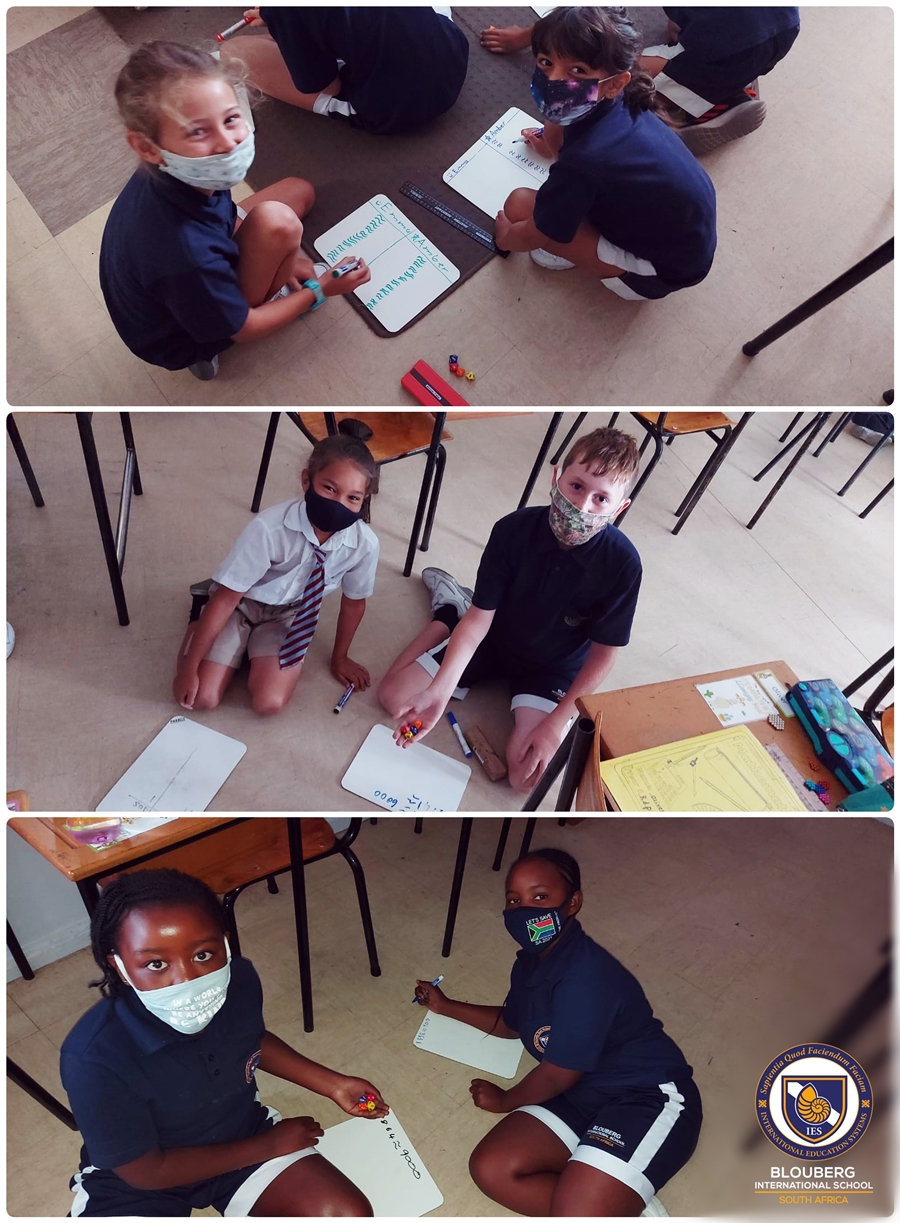
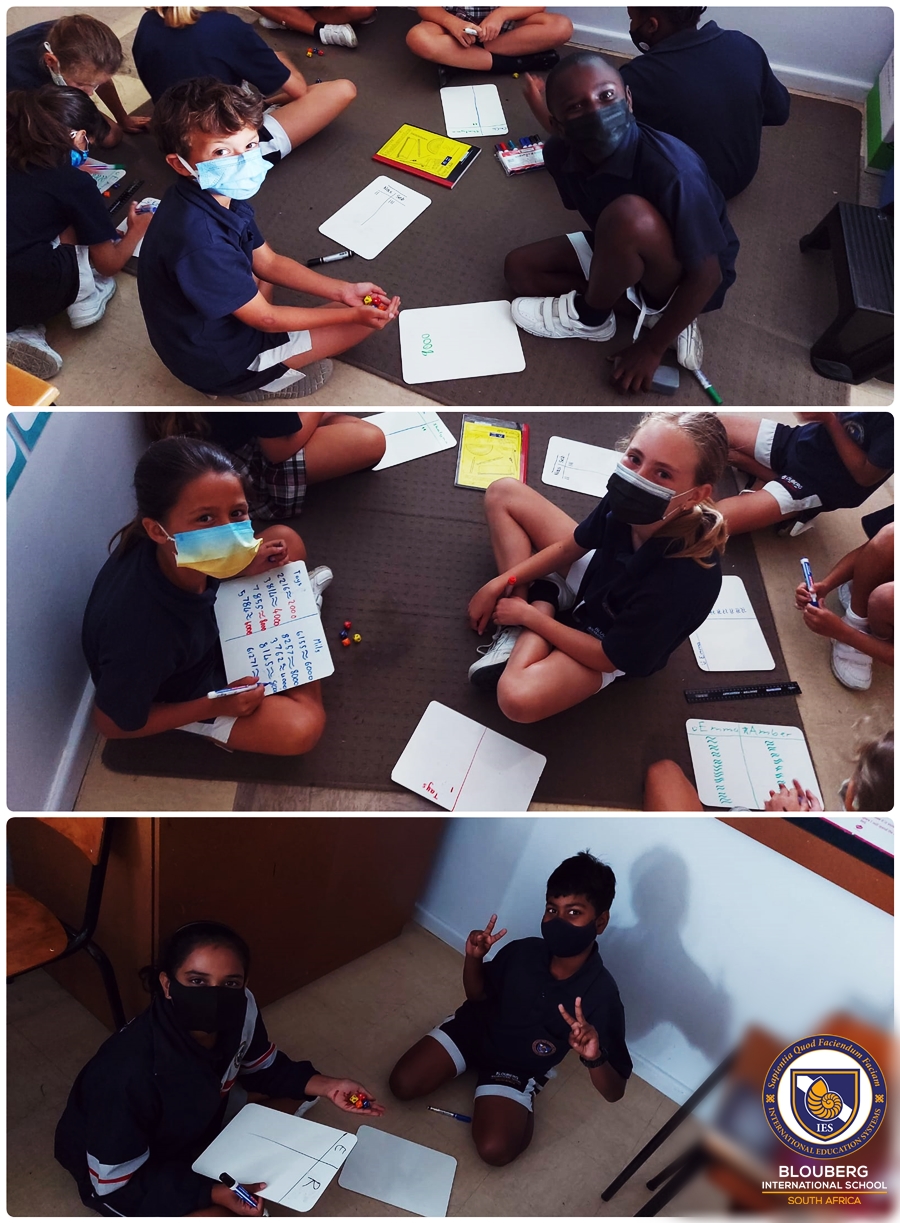
Students got the opportunity this week to apply their knowledge and skills that they’ve learned with some practical, hands-on activities. They were placed in pairs and had to play a rounding off game using a place value dice.
These were the rules:
- Each players rolls the four dice (units, tens, hundreds and thousands).
- They had to then add all the numbers together to their answer.
- Round off their answer to the nearest 1000.
- The player with the highest number scores 1 point.
- The first player to score 10 points wins the game!
“Play is our brain’s favourite way of learning.” – Diane Ackerman
Take a look at some of the photos that were taken while the students were busy playing this extremely fun game.
Who says Mathematics can be fun and games?!
Ria du Plessis
Year 5 Teacher/Leader
Read More
My Holiday!
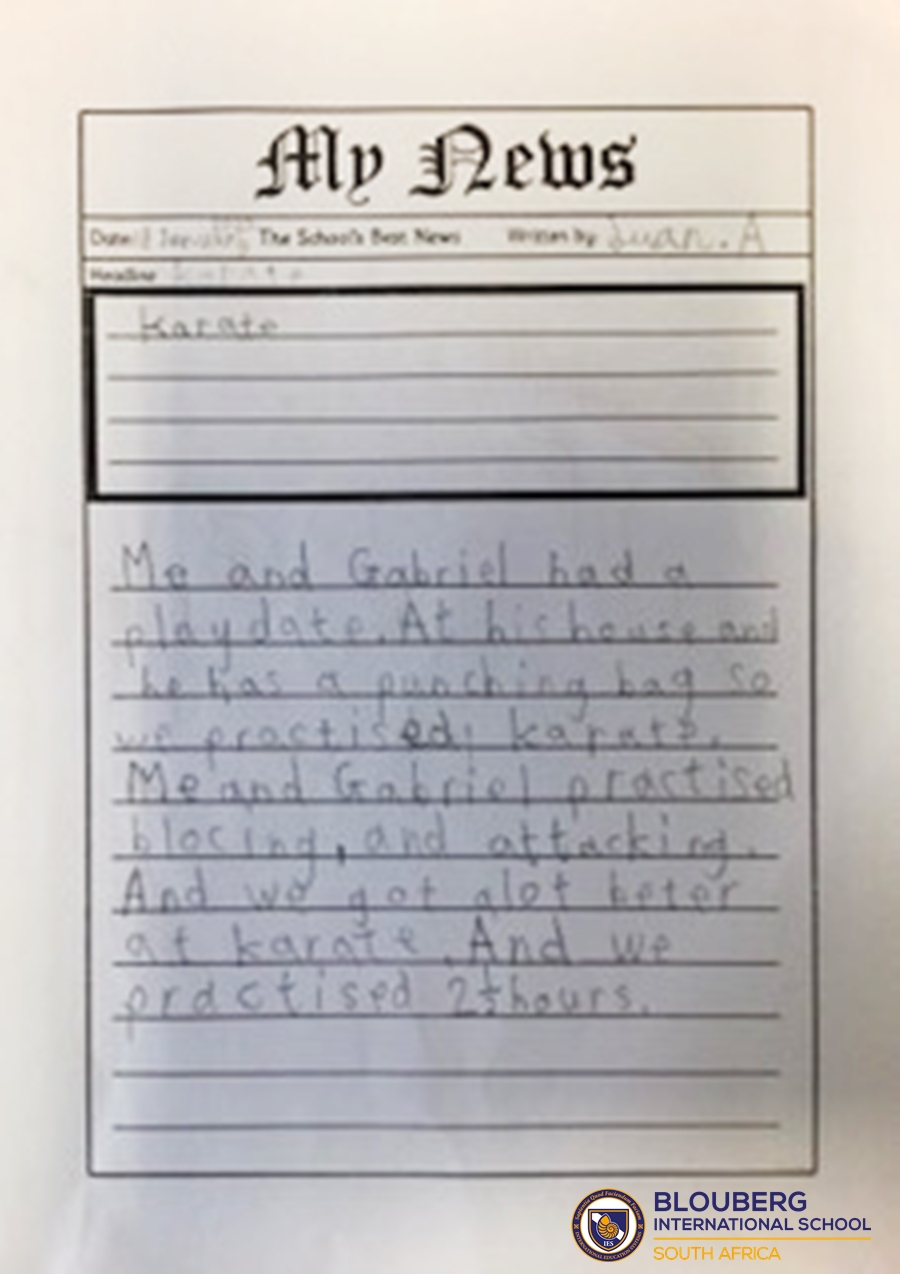
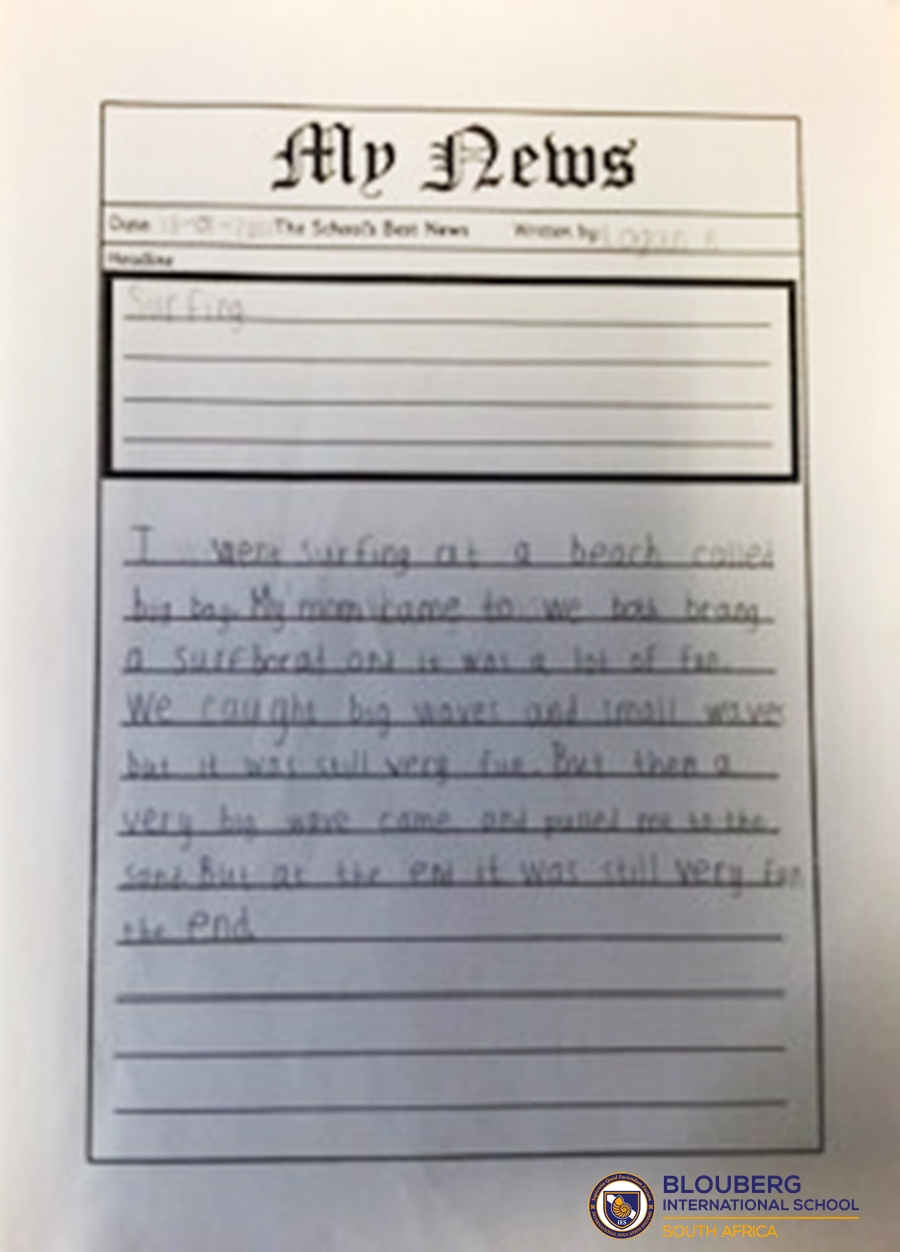
A huge welcome back to all our Year 3 students who arrived last week relaxed, recharged and ready to start a new school year. We kicked off the year with a three-part activity about their holiday. Students first shared with the class, any interesting activities that they had enjoyed during the holiday. This was also a great way in which to get to know the students as we chatted about surfing, zip lining, hiking and karate lessons, amongst other exciting adventures.
The second step involved the students drawing a ‘snapshot’ of themselves enjoying one activity during the holiday and then explaining their ‘snapshot’ to a classmate.
Lastly, the students wrote a few sentences in the form of a short news article to match their ‘snapshot’.
Thank you, Year 3, for a very interesting and informative start to the year!
Mandy Goch
Year 3 Teacher


Read More
SMART Goals
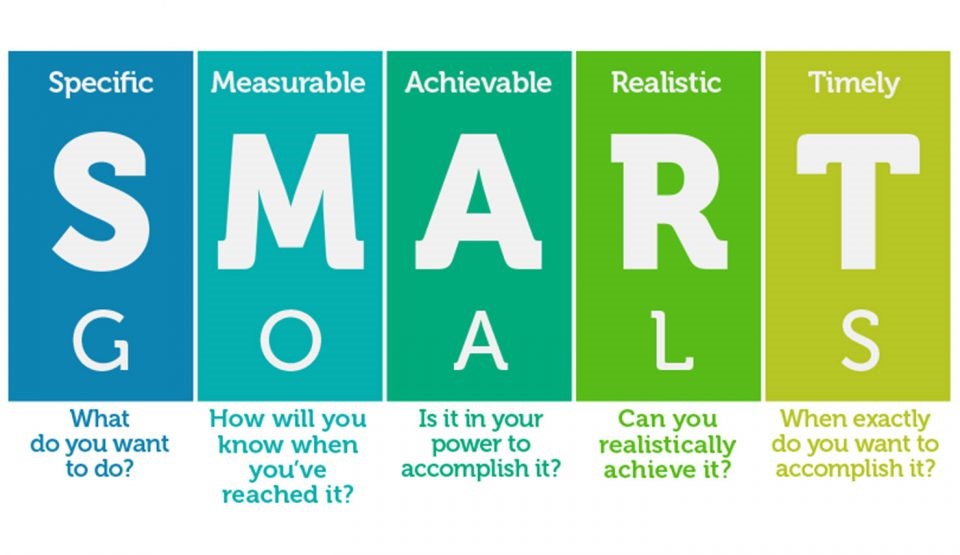
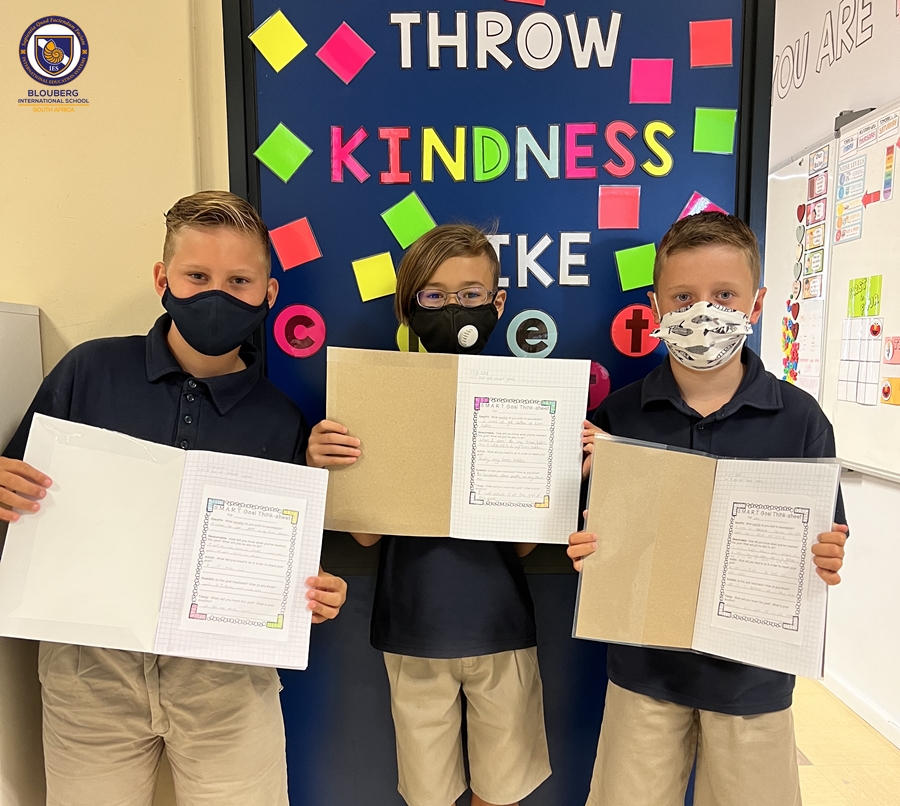
As we started the new year and embraced the first term of 2022, we thought it was important for the Year 6 students to think about what they wanted to achieve during the term and set S.M.A.R.T goals for themselves for their core subjects.
During this week’s core lessons, we discussed the importance of setting goals and how the setting of goals can help us with responsibility as well as fostering a positive “can do” attitude which increases self-esteem. We moved on to discuss potential goals within each subject and asked the students what they wish to achieve, or what they would like to overcome to make them feel proud. Students shared their ideas of potential goals.
Once our students chose their goals for the term, we discussed how to set S.M.A.R.T goals, track their goals and set themselves up for success.
The acronym for SMART GOALS stands for:
S– Is the goal specific? What would you like to accomplish? The more specific the goal, the more focused you can be in reaching that goal.
M– Is the goal measurable? How will you know you have reached your goal? It is important to be clear about what you are working towards.
A– Is the goal achievable? Is it challenging, but not impossible? Taking it one small step at a time can help ensure success.
R – Is the goal relevant? Does thinking about reaching the goal inspire excitement? Being passionate about what you are working towards is a key to success.
T– Is the goal timely? Do you have a deadline by which you want to reach your goal? Setting an end date can help jump start motivation to begin working towards your goal.
We look forward to motivating and encouraging our students to reach their goals and reflect on it at the end of the term. At home, you can think about setting S.M.A.R.T goals with your children. Visit the website: https://madeinapinch.com/smart-goals-examples/ to learn more about setting these goals at home.
Katherine Nel
Key Stage 2 Coordinator and Year 6 Teacher

Read More
Induction Day in Year 3
On Tuesday, the 30th of November 2021, our school held its annual Induction Day where the students get to spend some time with their new teacher for the next year.
It is always such an interesting morning. The students are anxious to find out where they are going the next year, and the teachers are anxious to find out who is coming to their class.
As humans, we like familiarity, and anything out of our comfort zone makes us either want to fight, or just kick our shoes off and bolt for the door. (Luckily, no teachers went missing. We were all accounted for.)
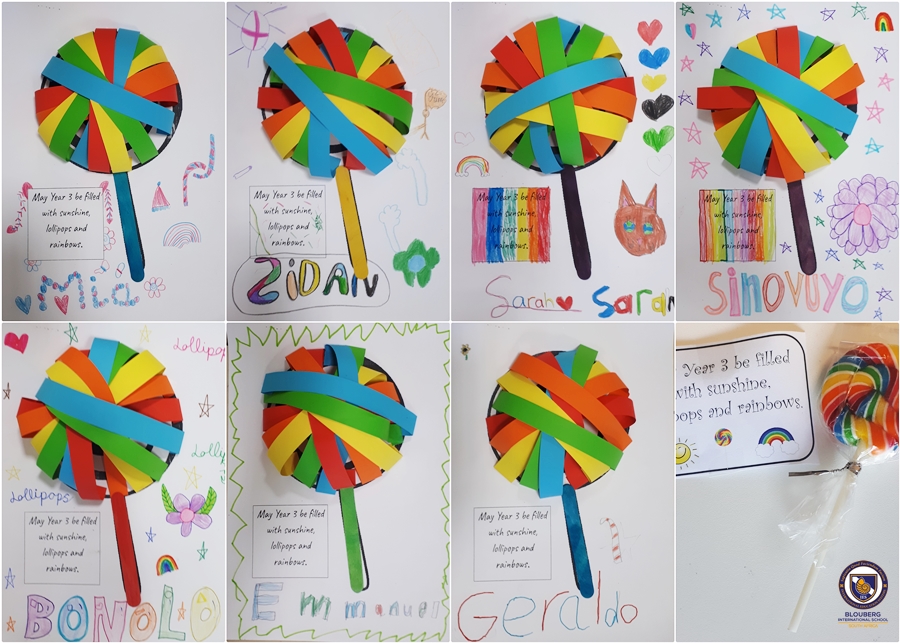
In Year 3, we made a 2D lollipop using different coloured strips of paper to cross-cross over each other and pop up. The students were so good at listening and following instructions. We were all so proud of them!
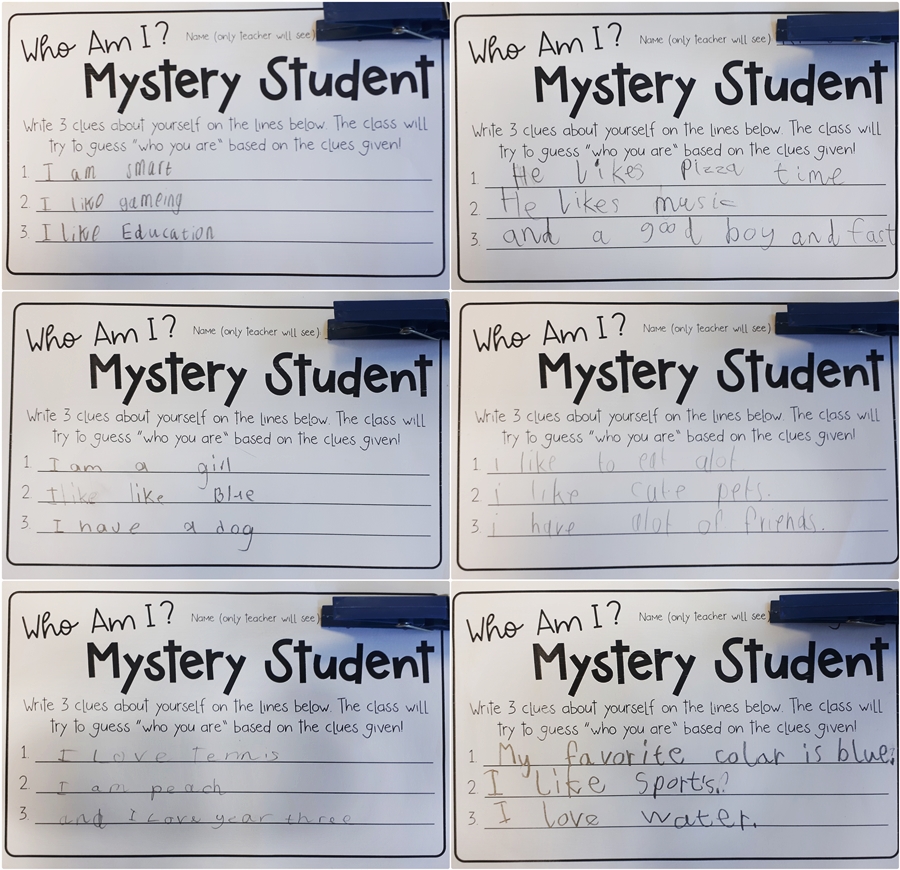
The students also got to play a game called, “Who am I?” Mystery Student. Each child wrote three clues about themselves and the class had to try to guess ‘who they are’ based on the clues given. It was amazing how well the students knew each other, even though they do not come from the same class. This will make the transition so much easier next year.
I asked the students what they are looking forward to in Year 3 next year, and this is what some of them had to say:
“Doing cool work”, “Learning new stuff”, “Writing good stories”, “Enjoying Life”, “Reading books and telling time”, “A locker with a door”, “Learning new subjects”, “Everything”.
The current Year 2 students were very happy to leave with a treat! I am certain that everyone had a fun-filled morning getting to know each other and just forgetting about Covid for an hour or two.
We are looking forward to seeing them again at the start of 2022.
Wendy Menton
Year 3 Teacher
Read More
Charming Charlotte
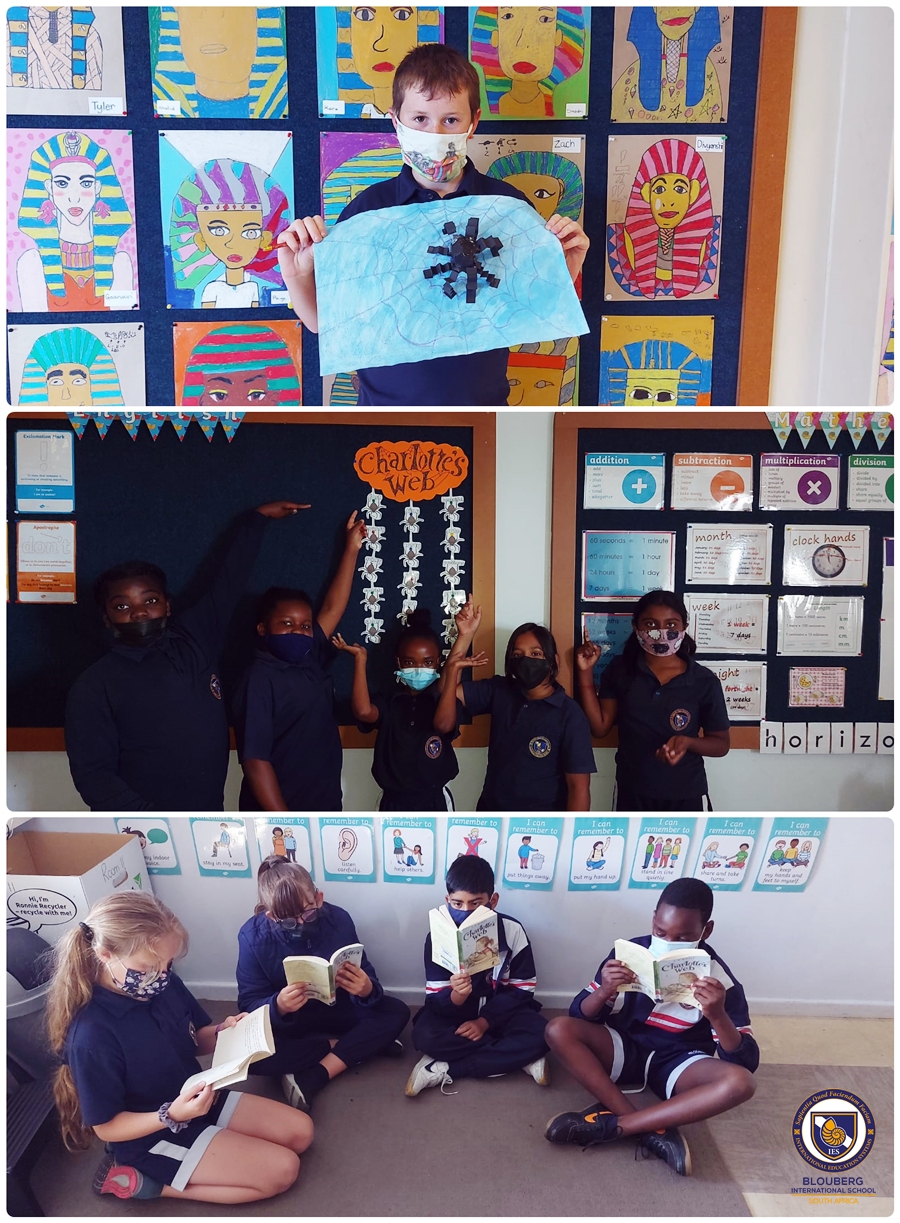
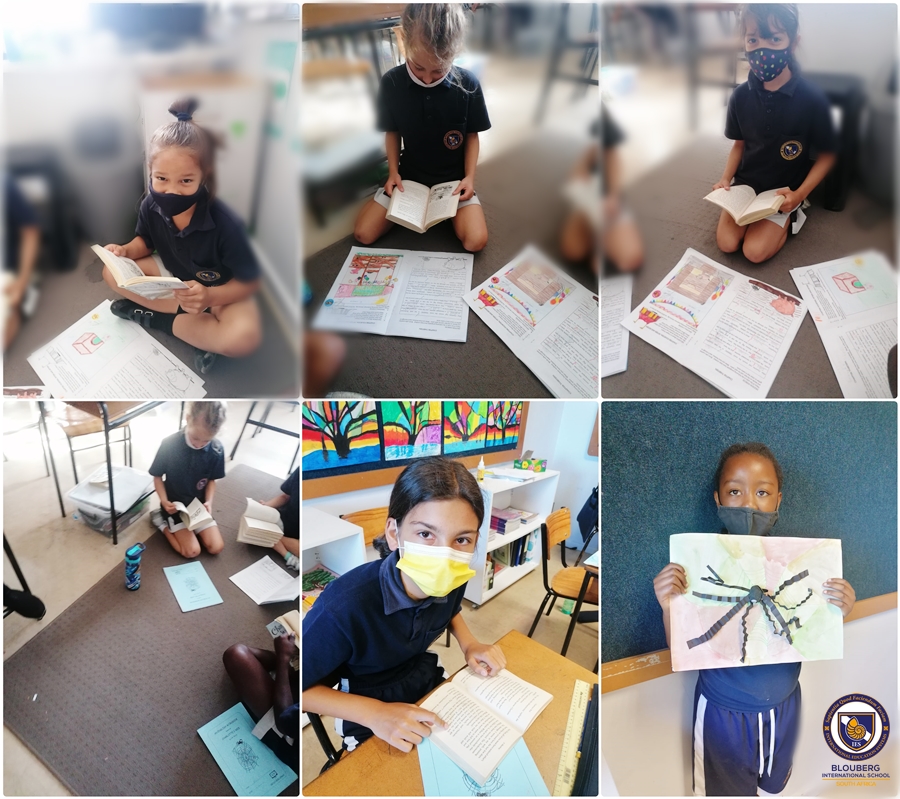
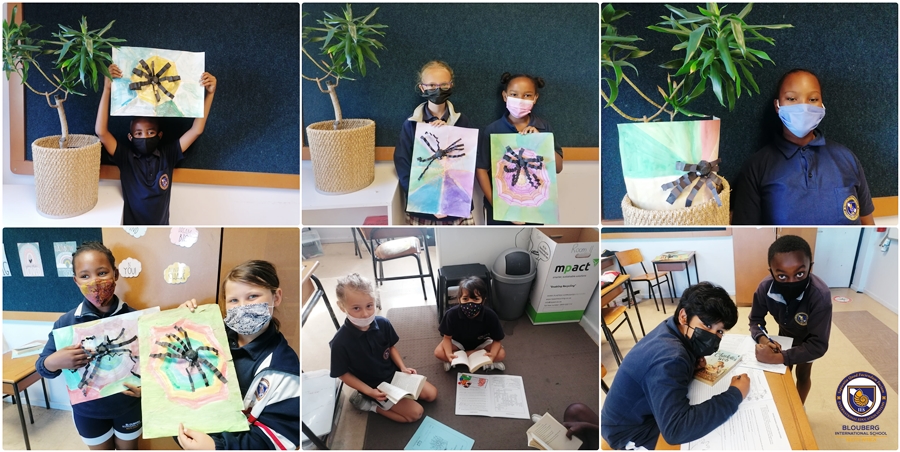
As part of our English Literature Component, the Year 4 students have been reading “Charlotte’s Web” by E.B. White. The book tells the story of girl Fern, who rescues a runt pig and names him Wilbur. Once on the farm, Wilbur makes friends with Charlotte, a beautiful large, grey spider. They become best friends and face a few challenges together. Although a fictional tale, the story also teaches valuable life lessons such as teamwork, friendship and overcoming obstacles.
Over the last few weeks, the students have been reading the novel in class, sharing their opinions and thoughts in groups and completing tasks based on the novel.
In Art, they created beautiful spider webs and spiders, and to end the unit, they will watch the classic movie.
The students have blown us away with their reading aloud skills as well as their thought provoking questions and answers about the novel. We are very proud of our stars!
Yvette Fourie
Year 4 Teacher

Read More

Year Six English Instructional Writing
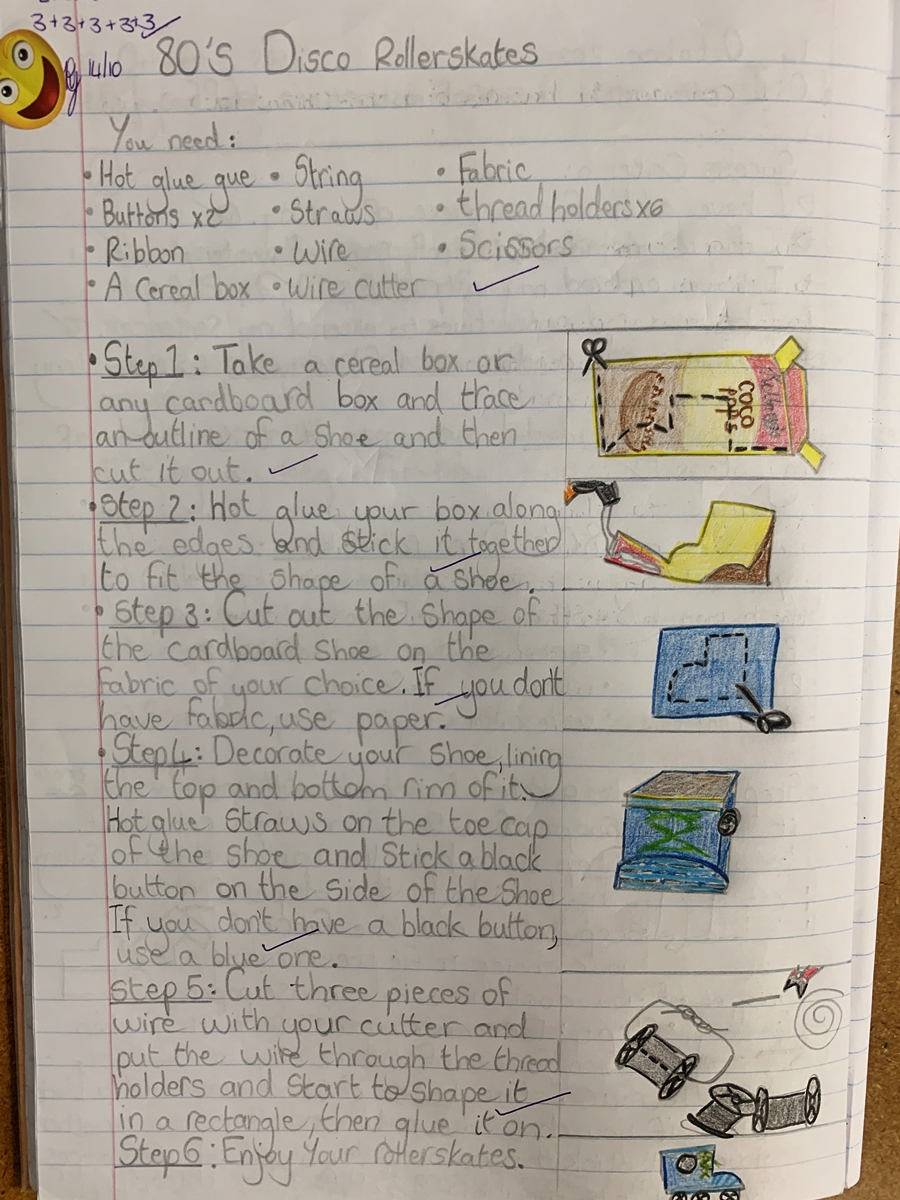
Last week in English, we had to create a shoe from only recycled materials, and we had to write instructions explaining, step by step, how to build them. We had one week to complete this activity and in that time period many shoes were invented, and the students had so much fun. Overall, it was a great learning experience.
What we had to do:
Miss Nel gave us a week notice that we were going to build recycled shoes, which gave us plenty of time to gather our materials. First, we started brainstorming on an A3 piece of paper and listed our materials, which became our poster. Next, we picked a theme for our shoe and then started building them. After that, we wrote our step-by-step instructions explaining how to build our shoes. Last, we presented what we built to our classmates.
Results:
Our project was out of fifteen and most of the students received very good marks and should be proud of themselves.
Written by:
Juliette East
Year 6 Student

Read More