Learning Spanish Using The TPRS Methods
TPRS is a language teaching method based on the idea that the brain needs enormous amounts of Comprehensible Input (CI) to acquire a new language. It focuses on using interactive books and oral stories that contain the most used words and phrases in Spanish or other foreign languages to help students get familiar with the new language in an easily and more enjoyable way.
Story telling: Creating new stories where the students can identify the vocabulary or expressions that they have learnt previously in their books or during the class.
Stories like:
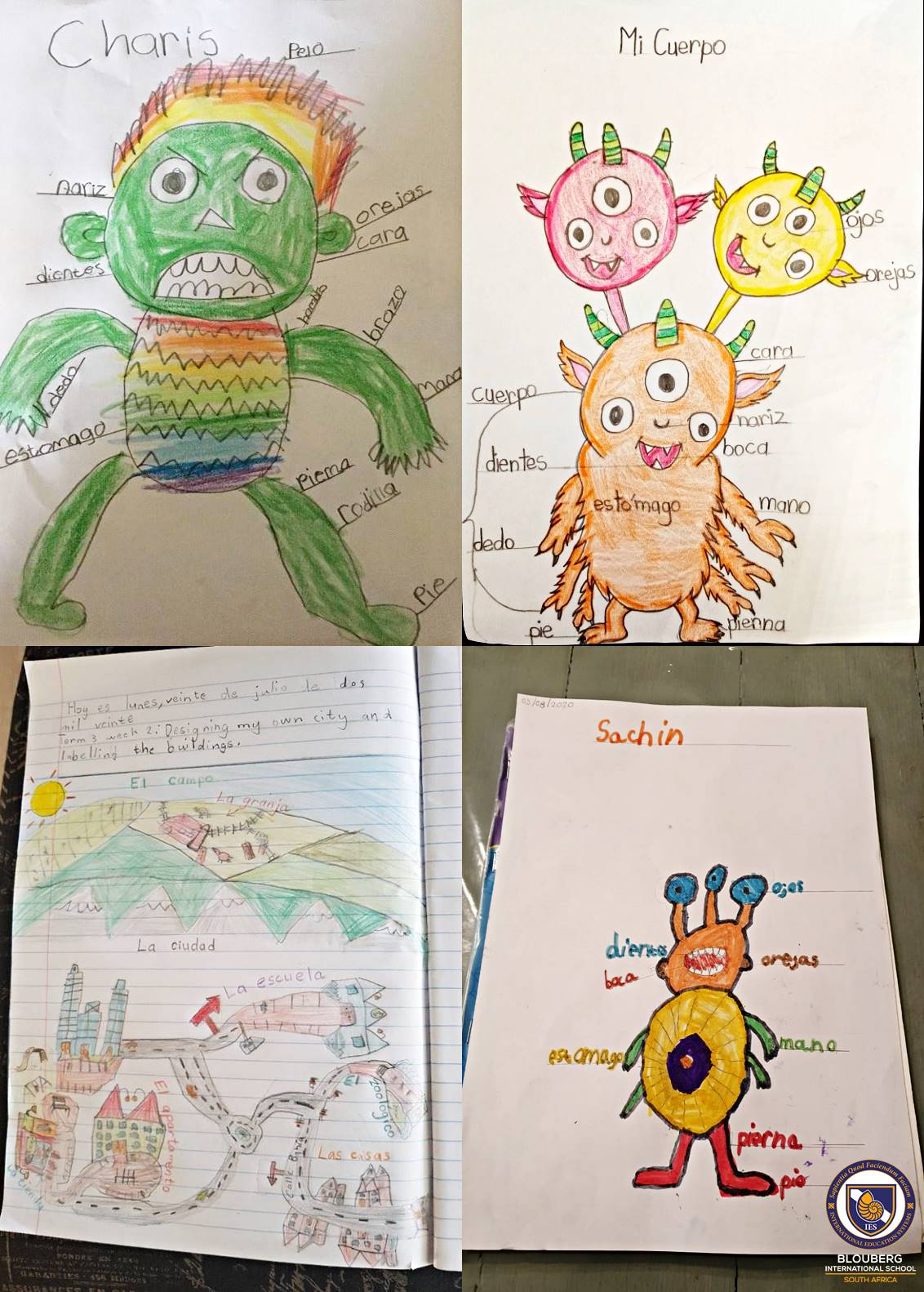
-My city: buildings and days of the week.
-The zoo: animal and parts of the body and adjectives.
-Maria and the vegetables: feelings and food.
-Pedro, and the mountain: work feelings and weather expressions.
Reading: Rockalingua comic’s: the adventures of Tapon and stories written by the teacher.
We are reading comics during class, and then answering different types of questions related with the story for example:
-Closed questions – yes/no or true/false, was it Monday?
-Open questions – which day of the week was it?
-Multiple choice – was it Monday or Saturday?
Video viewing: During the classes we also watch music video clips, short films, and YouTube videos. All of them relevant to the topic we are working on. The students acquire the vocabulary from the stories, answering questions, or completing the lyrics of the songs.
Story writing: The teacher posts or plays different audios of daily conversations and dialogues with a friend, about the family, in a Restaurant or about the weather. The students are asked to take active part during stories, reading for some of the parts and creating their own lines adding personalized, interesting, and comprehensible details to it, using the most common expressions that they have learnt.
What does a TPRS class look like at Blouberg?
Year 6 have stories about hobbies, likes and dislikes:
The teacher creates a story using repetitive structures of the topic that they are learning about (use of the verb “to like”), each student reads and translates some part of the story and the teacher asks the class several questions to ensure that the class understands the language. They answer different questions about the story (what food, sports or music the character in the story likes), and finally the teacher asks similar questions to the class about themselves to personalize, make it more interesting and comprehensible to the students. (What food, sports or music do you like?). Then the story is played again making sure that this time they understand 100% of the structures and vocabulary.
Javier Vidal