

ISA 2023
We are incredibly proud of our High School students! We came third overall at ISA and brought the Spirit Cup back home, where it belongs.
WATCH the full cheer here: https://youtu.be/f6pvIRiedII


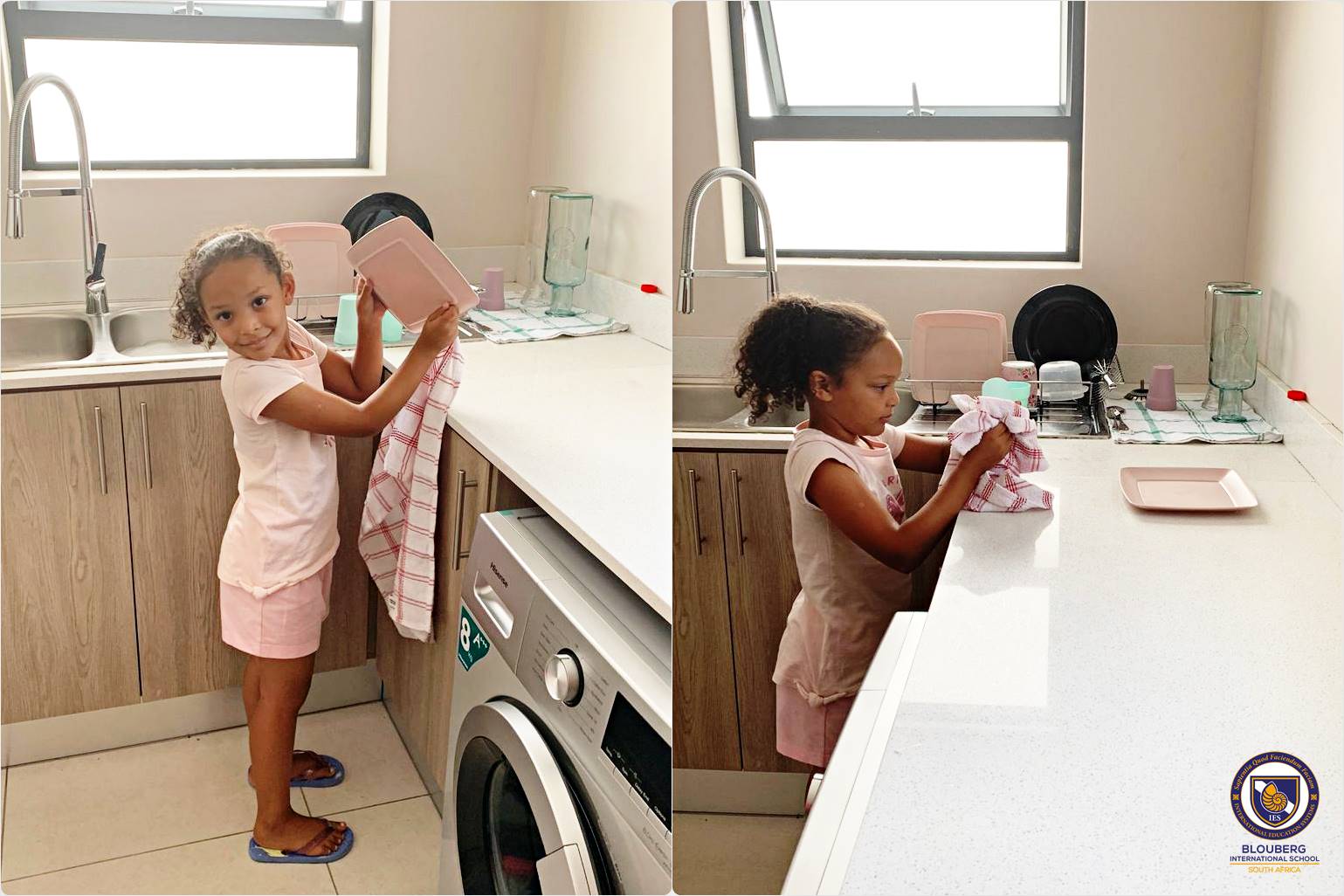
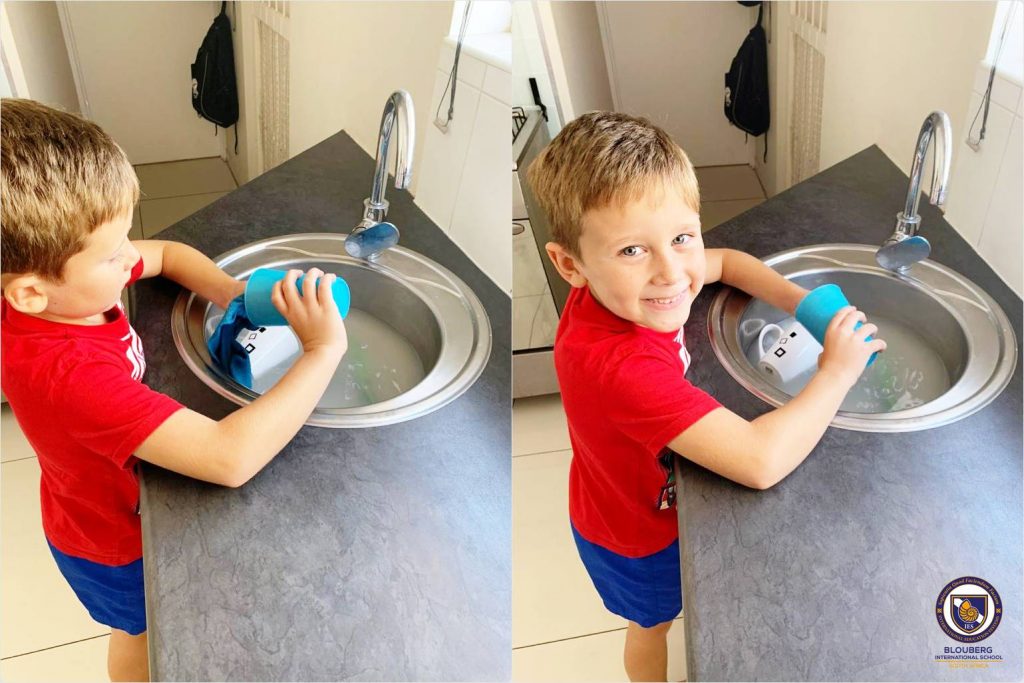
Learning New Skills
In Year 1, we are teaching our students to become independent and responsible. They are learning to do things for themselves, which are very important skills for children to learn and carry into their adulthood. It may feel like you are taking a risk at first, allowing them to feed the dog, or pour their own drink, but without taking a risk, we are not allowing our children to try and master new skills.
When independence grows a child’s confidence also grows. As they master new skills or take on some responsibility, they begin to see themselves as being capable. This gives them added confidence and makes them more likely to try out new things.
Life is full of choices, and learning how to make good decisions is crucial. You can help your child by giving simple choices early on. You might ask them which game they would like to play or which friend they would like to invite over. Go on give it a try…
Charlotte Cronje
Year 1 Teacher

The Importance Of Growing Up In Reception Year
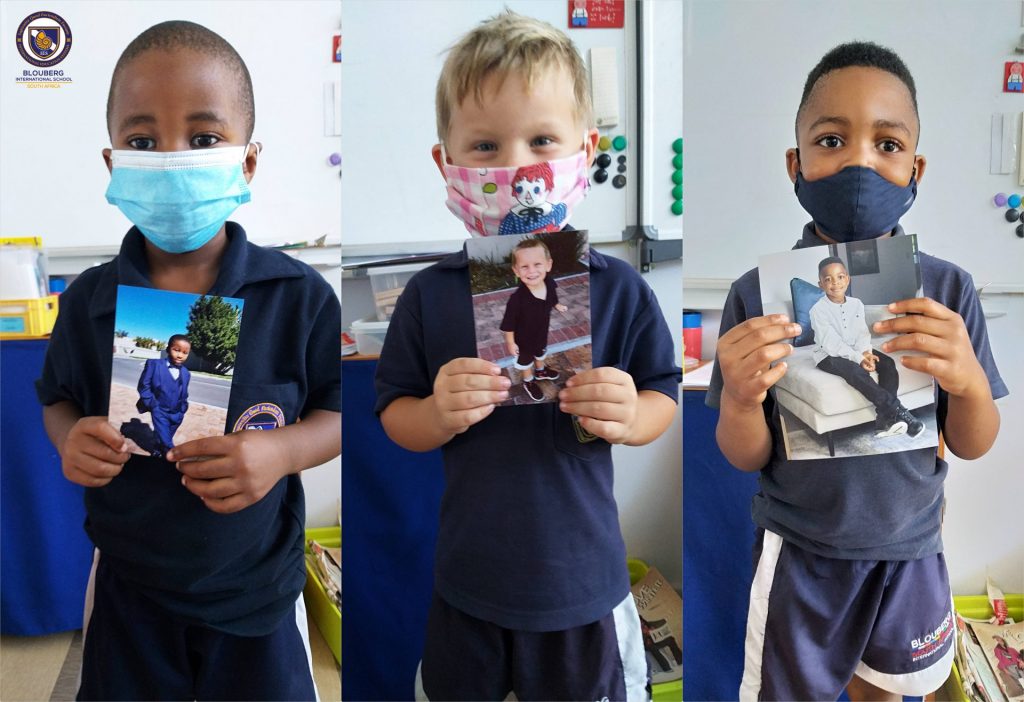
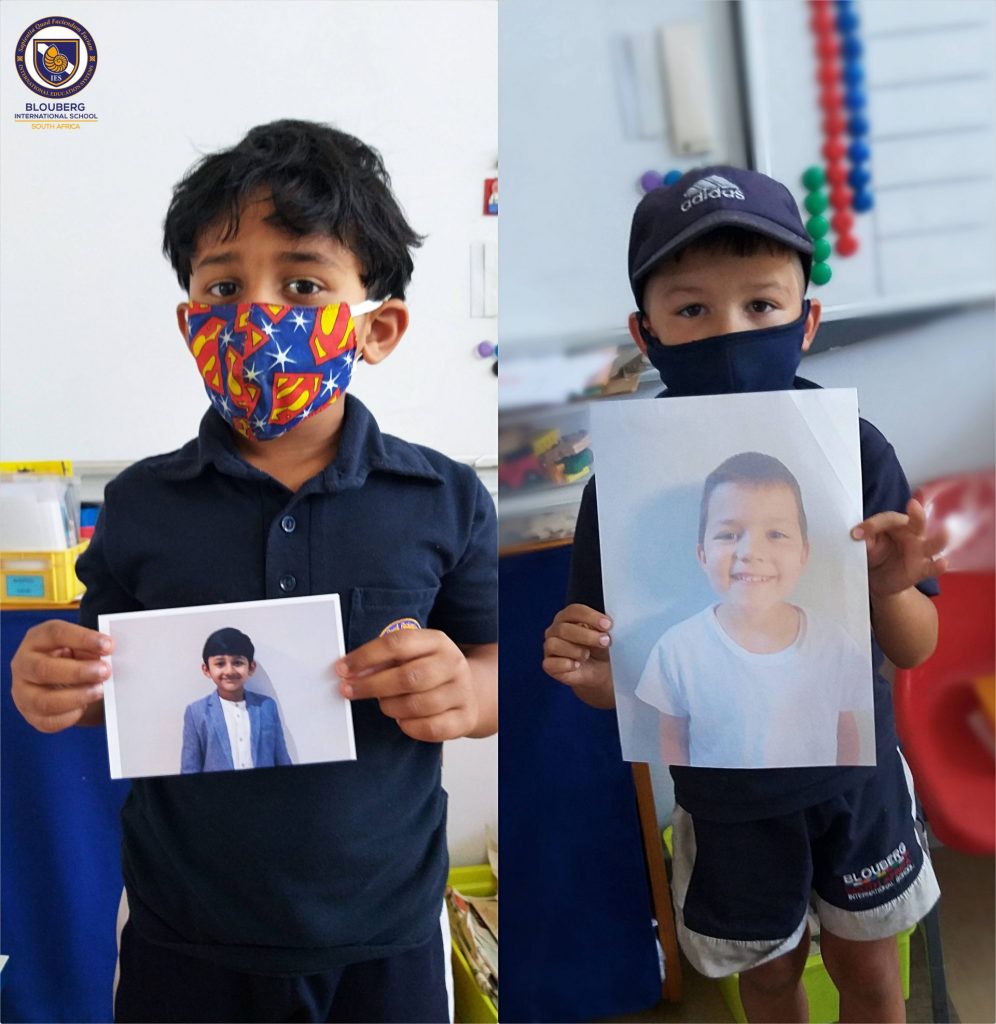
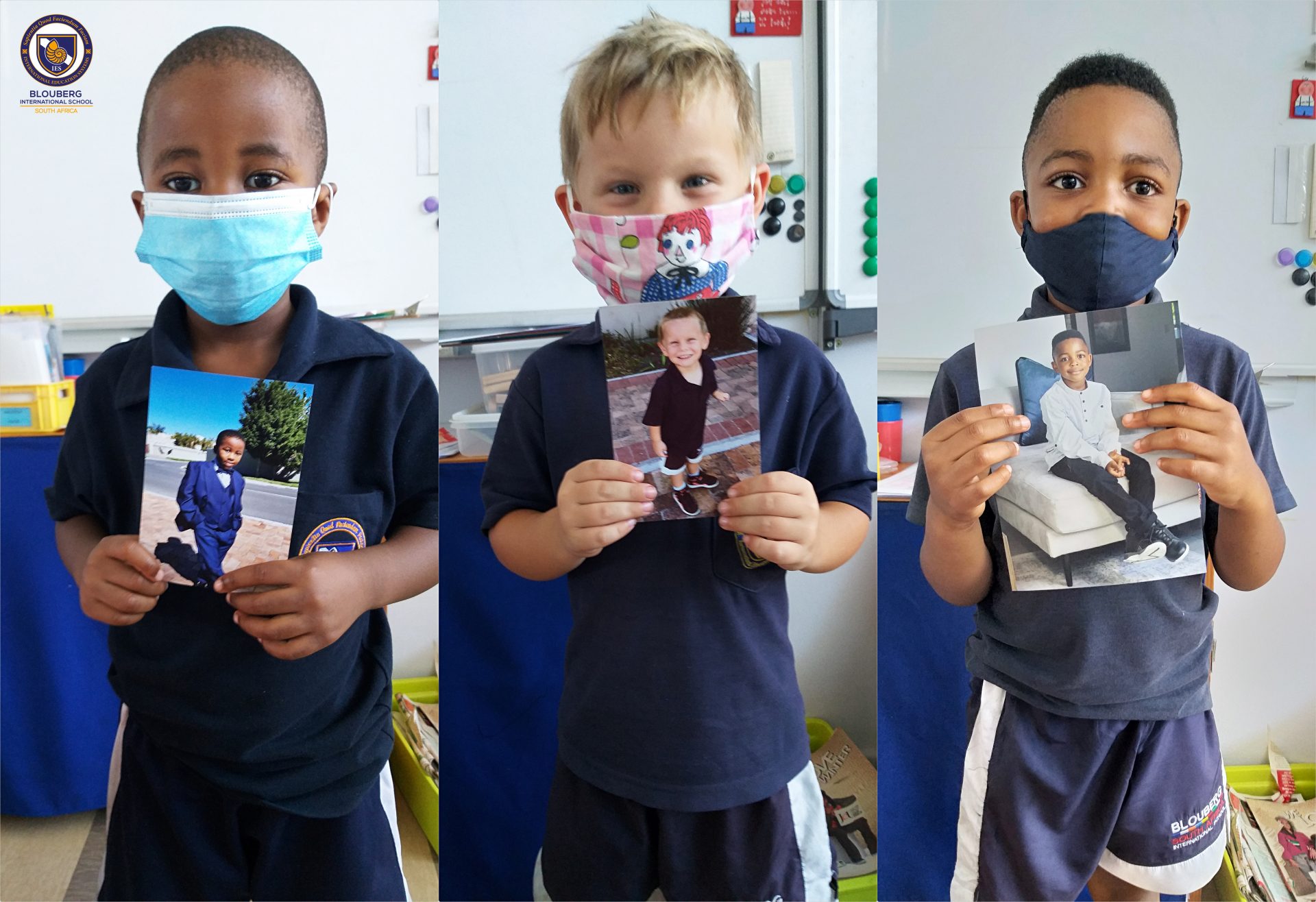
Last week the students brought in photographs of themselves and to introduce themselves to the class. Some of the children had photographs of when they were a bit younger. It was a reminder of how quickly they grow and that Reception Year is such an important year of growth for a young child. It is a year where they gain so many new developmental skills. Children also need to mature and develop independence so that they are ready for big school in Year 1.
So how do parents develop independence in their children? Here is some advice:
- Routine: Setting consistent routines is important for building independence and confidence.
- Rules: Set consistent rules in the home. Use a balance of positive reinforcement and consistent consequences that are followed through by all caregivers. Teach your child to take responsibility for their actions and make amends appropriately.
- Chores: Give your child chores to do at home. This helps them feel they are contributing in the family home, builds confidence and also teaches responsibility.
- Choice: Allow your child to choose. This gives a sense of freedom, and self- confidence. Too many options can sometimes be overwhelming, so limit the amount of choice when necessary.
- Free Play: Nurture free play and limit screen time. Children learn so much through free play. It helps them interact with the world around them and develop language skills. Play also helps develop fine motor and gross motor skills. It also helps them develop emotionally and socially.
- Problem Solving: Let your child solve problems: Don’t always give them all the answers and allow them to make mistakes.
- Don’t be too Overprotective: Don’t be too over protective or do too much for your child. Encourage your child to speak up for themselves in different situations and try not to answer for them. Doing too much for your child doesn’t allow them to try and do things on their own. This also reinforces that you can do things better, which hampers the development of independence and self-confidence
- Positivity: Lastly encourage a positive outlook in life. This teaches your child that they can choose joy, persevere and overcome in any situation.
Bronwen Nuthall
Reception Year Teacher
From the Principal’s Desk, 29th January 2021
Dear Parents
We have come to the end of another week which proved to be just as challenging for parents as for teachers. We are therefore grateful for your continued support of our school and educators.
A special mention is due to the PA members who assisted last Saturday morning in getting the students school supplies packed and organized for collection. These ladies were indispensable in having everything ready for collection during the rush on Saturday morning.
Your support and encouragement when collecting books was greatly appreciated. This is what makes Blouberg International a family and not just a school. A special thank you to Mrs. Izelle Williams, Mrs. Betsie Lott, Mrs. Nadine Romeikat, Mrs. Cheryl Muller and Mrs. Jaqueline De Wet. ‘Alone we can do so little, together we can do so much.’
Schooling for all year groups will resume on campus on Monday, 01 February 2021. Please remember that high school students are to use the gravel entrance and the primary school students, the main entrance. Siblings in different year groups may use the same entrance. Early care will be available from 07h00 and aftercare available till 18h00. Please remember to contact Mrs. Angelique Fraser on the aftercare line (064 625 9124) to arrange for collection of aftercare students.
It is important that you do not send any students to school who are showing any cold or flu symptoms. In the past, we have had to call parents to collect unwell students from school. To date we have been lucky not to have any reported positive cases amongst our students. Due diligence and adherence to protocols will allow us all to stay safe and well.
I wish you all a wonderful weekend. Stay safe and healthy.
Best regards
Edna
Read More
Necessity Is The Mother Of All Invention – (Plato)
We all know children love and need to play. During these trying times, break times are not as much fun as they used to be. Wearing masks in this heat, social distancing, etc. are not conducive to an exciting playtime for young children.
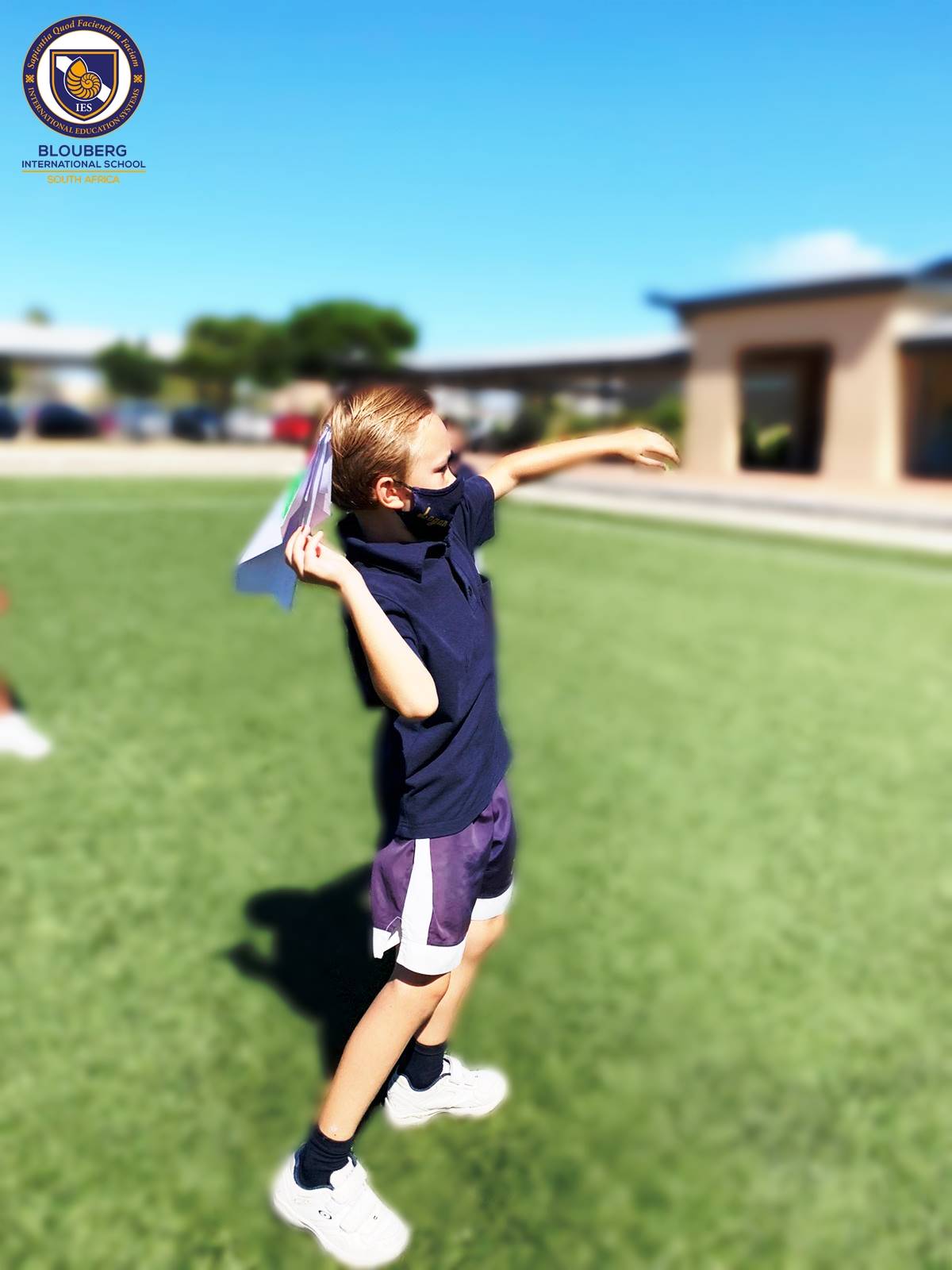
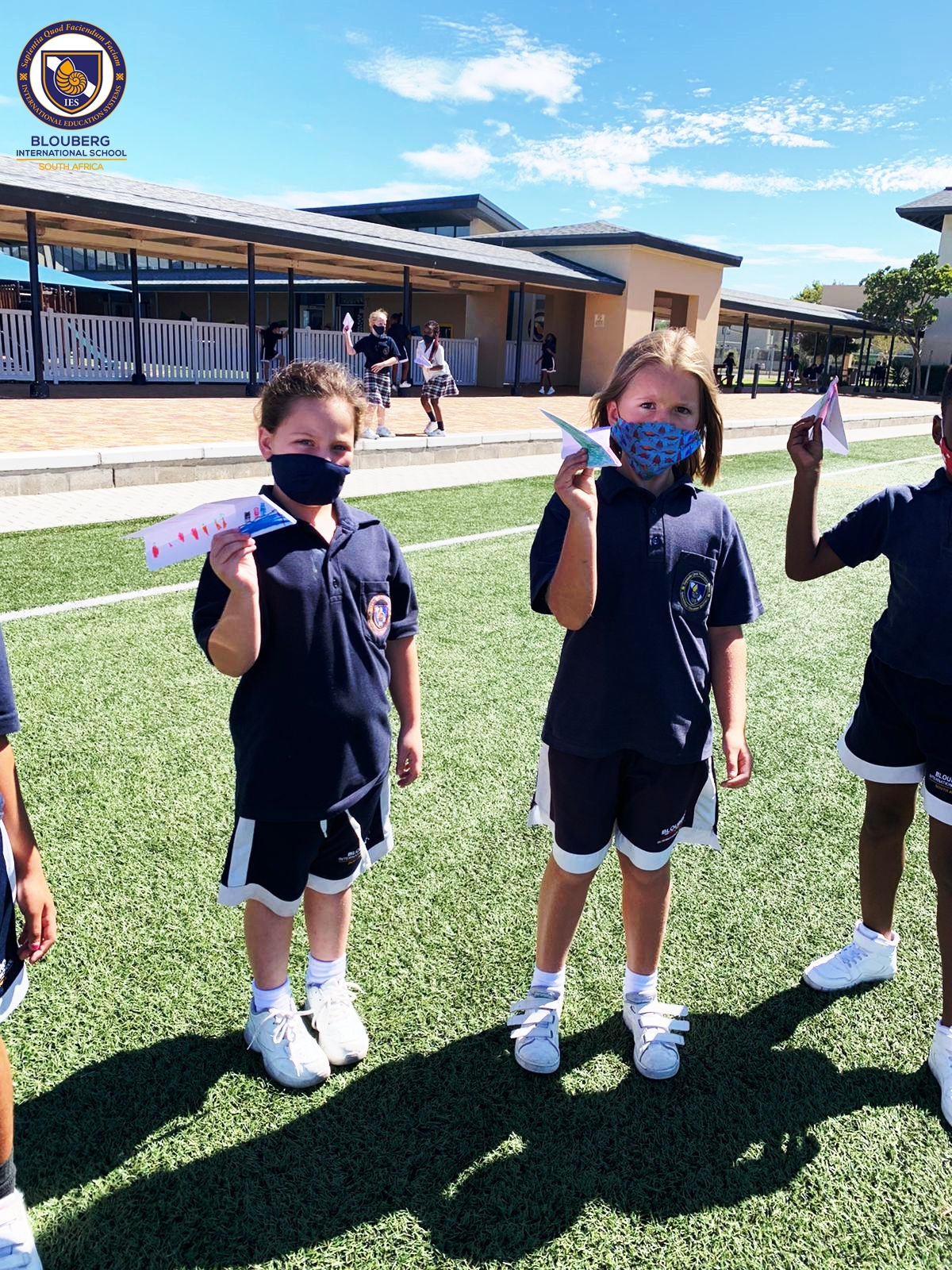
The same can be said for ‘free time’ in the classroom. Getting together in groups playing card games, or building Lego together is just not an option. Drawing a picture or colouring in can become pretty boring. Some students in my class decided to make paper jets, which was a good idea, until ducking flying objects became a hazardous situation, not to mention a distraction to students still completing work.
But, as Plato said, necessity IS the mother of invention. Last week, I observed some students taking to the field, flying their paper jets, and having races! I really was impressed at how these young minds saw a problem and created their own solution. They had so much fun, that this has become the norm most break times.
Kim Coetzer
Year 2 Teacher


Read More
The History Department
Our A-Level student is completing her final module on European dictators. I wish her all the best for her final exam.
AS Level students are learning about the Unification of Germany. Students are learning how to tackle advanced source-based papers and are becoming increasingly responsible for their own learning as they carry out research.
IGCSE students are learning about the events that precipitated the Second World War. They are forming judgements about the significance of events, as well as learning how to approach source-based questions.
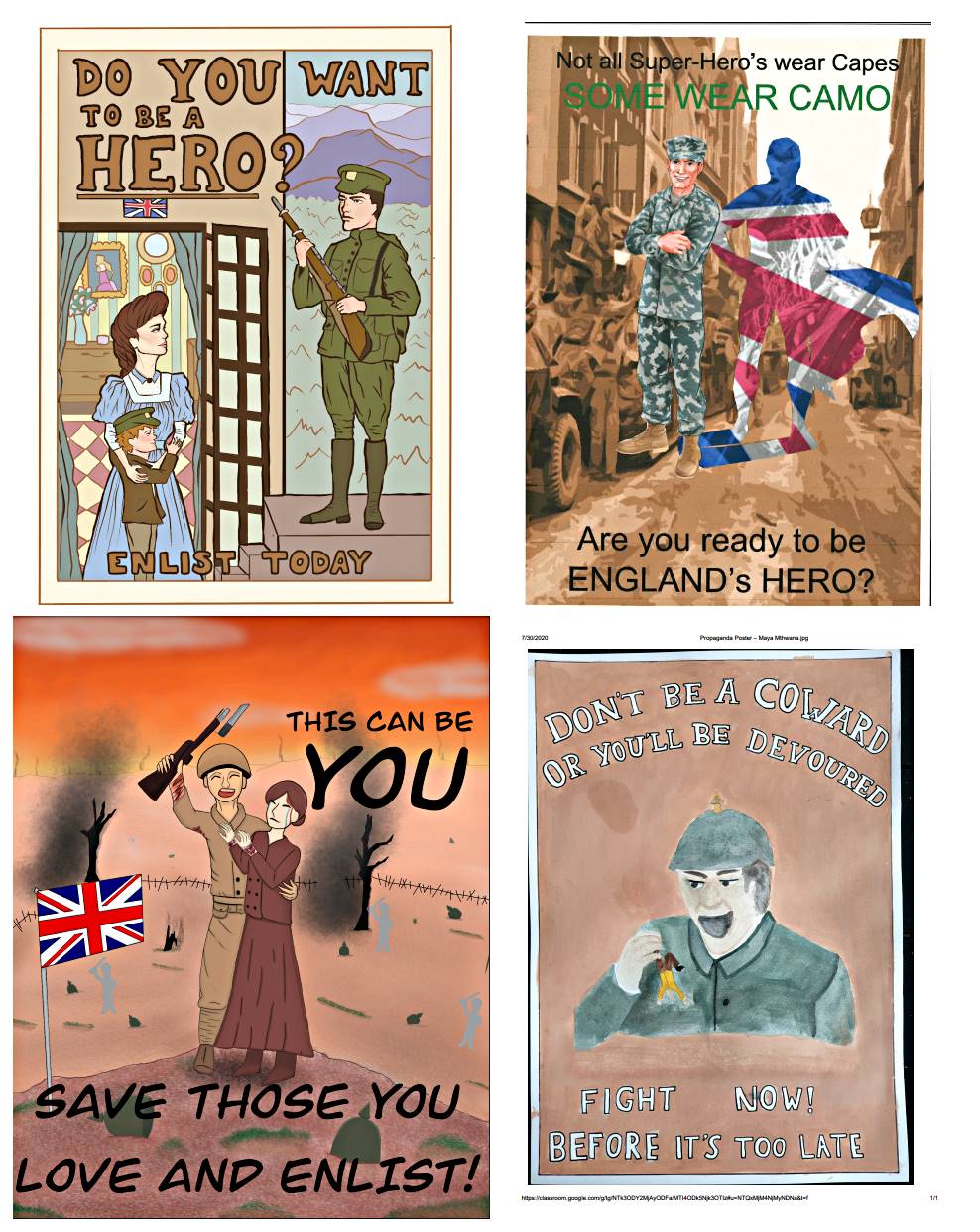
The Year 8 students are currently learning about the First World War. Thus far, they have learnt about things such as the reasons for the war, the alliance system, wartime propaganda, the weapons that were used during the war and life in the trenches. Students created propaganda posters to recruit soldiers for the war effort.
The senior IGCSE and AS Level students are currently writing their Prelim exams. I wish them all the best as they prepare for their finals.
Sheila Marais
High School History Teacher

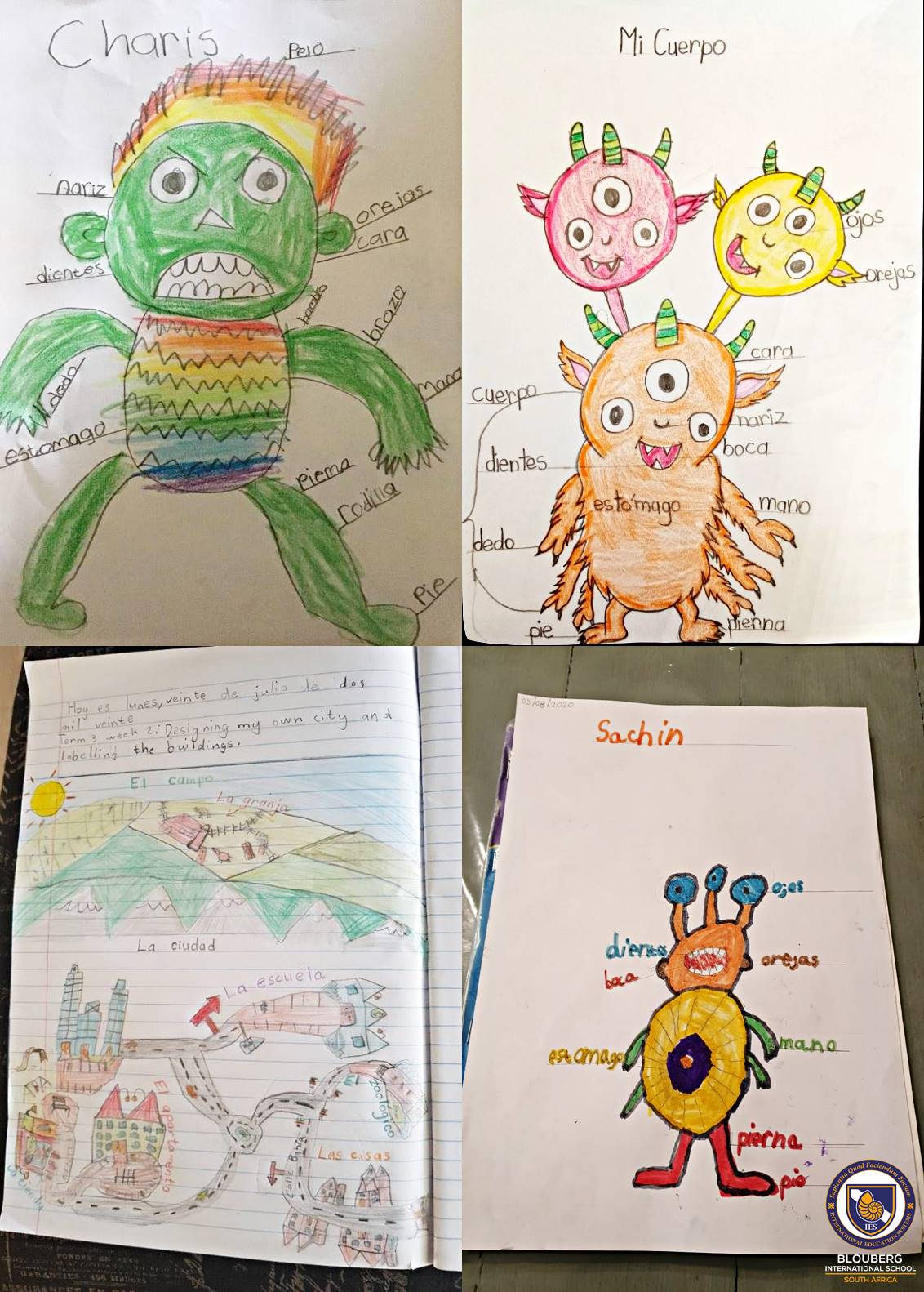
Learning Spanish Using The TPRS Methods
TPRS is a language teaching method based on the idea that the brain needs enormous amounts of Comprehensible Input (CI) to acquire a new language. It focuses on using interactive books and oral stories that contain the most used words and phrases in Spanish or other foreign languages to help students get familiar with the new language in an easily and more enjoyable way.
Story telling: Creating new stories where the students can identify the vocabulary or expressions that they have learnt previously in their books or during the class.
Stories like:
-My city: buildings and days of the week.
-The zoo: animal and parts of the body and adjectives.
-Maria and the vegetables: feelings and food.
-Pedro, and the mountain: work feelings and weather expressions.
Reading: Rockalingua comic’s: the adventures of Tapon and stories written by the teacher.
We are reading comics during class, and then answering different types of questions related with the story for example:
-Closed questions – yes/no or true/false, was it Monday?
-Open questions – which day of the week was it?
-Multiple choice – was it Monday or Saturday?
Video viewing: During the classes we also watch music video clips, short films, and YouTube videos. All of them relevant to the topic we are working on. The students acquire the vocabulary from the stories, answering questions, or completing the lyrics of the songs.
Story writing: The teacher posts or plays different audios of daily conversations and dialogues with a friend, about the family, in a Restaurant or about the weather. The students are asked to take active part during stories, reading for some of the parts and creating their own lines adding personalized, interesting, and comprehensible details to it, using the most common expressions that they have learnt.
What does a TPRS class look like at Blouberg?
Year 6 have stories about hobbies, likes and dislikes:
The teacher creates a story using repetitive structures of the topic that they are learning about (use of the verb “to like”), each student reads and translates some part of the story and the teacher asks the class several questions to ensure that the class understands the language. They answer different questions about the story (what food, sports or music the character in the story likes), and finally the teacher asks similar questions to the class about themselves to personalize, make it more interesting and comprehensible to the students. (What food, sports or music do you like?). Then the story is played again making sure that this time they understand 100% of the structures and vocabulary.
Javier Vidal
“Science is a way of thinking.” – C. Sagan
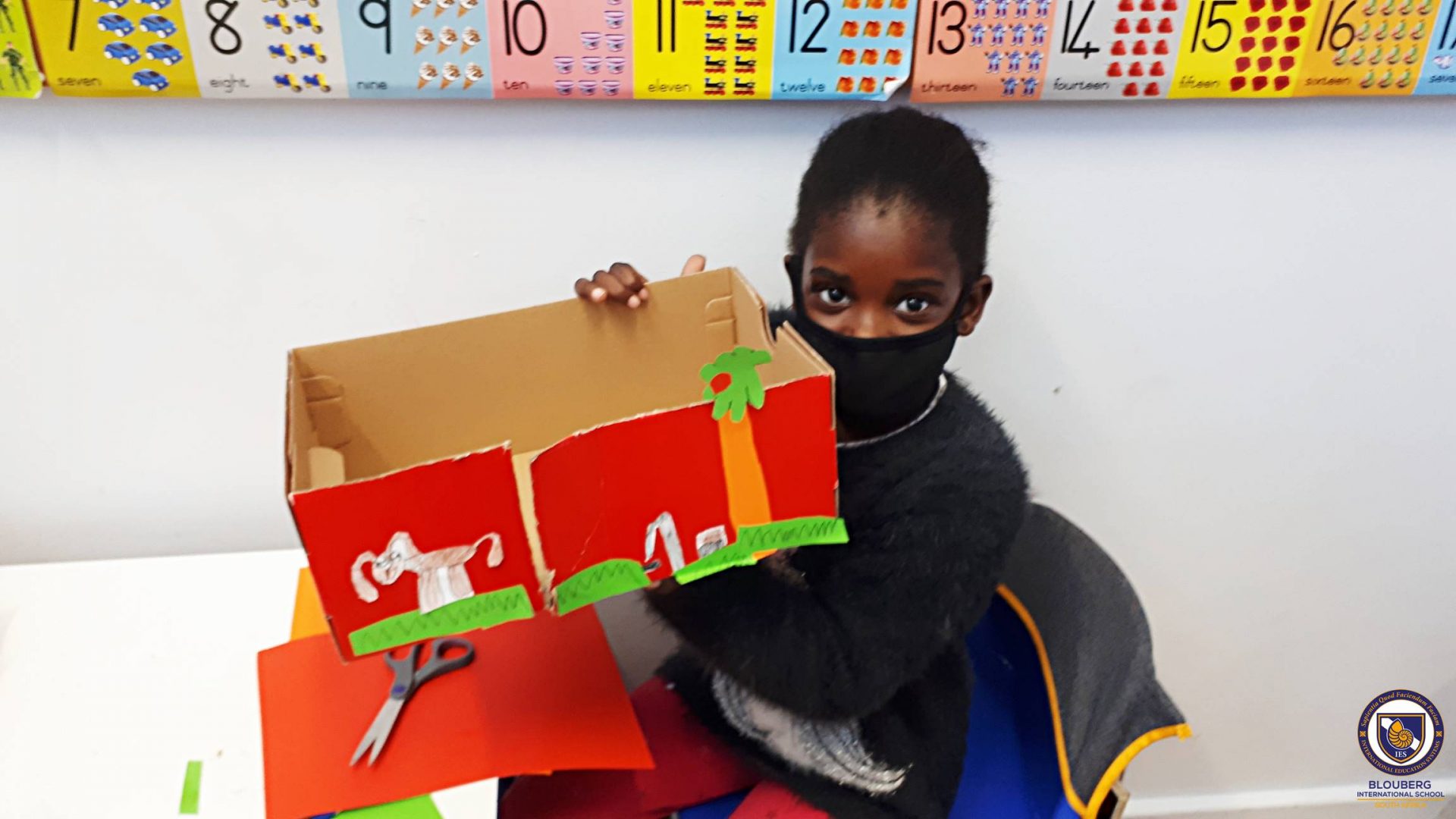
It was a treat to watch them draw pictures of their favourite animals, work out how to create their habitat and add in all the bits and bobs that they need to make an ideal environment for their animal.
They all came up with so many ideas, and were able to assist each other in ways that could encourage new designs. I saw them make cylinders, cubes and domes. I was super impressed.
They were all so proud of their accomplishments, and I am sure that we can all agree that we are proud of them too.
Wendy Menton
Year 1 Teacher


The Past Two Weeks In Pre-Reception
As we near the end of Term 2, the biggest challenge is to try and keep our students happy and occupied, without making their lives more stressful. The students know that something big is happening and they are not allowed to see their friends and teachers except for during our online Zoom class discussions.
During the past 2 weeks, our students have been very busy! We enjoyed learning more interesting facts about creepy crawlies; some took selfies in their school uniform; we had many Zoom meetings; we created our own insects for Art and others even drew pictures of all their friends at school.
The Pre-Reception classes have been learning about the letter ‘r’ in Literacy and they covered counting objects for Numeracy.
It is always wonderful to see our students and families share their experiences with us.
Martie van Dyk
Pre-Reception Teacher


From The Principal’s Desk, 21 February 2020
Dear Parents
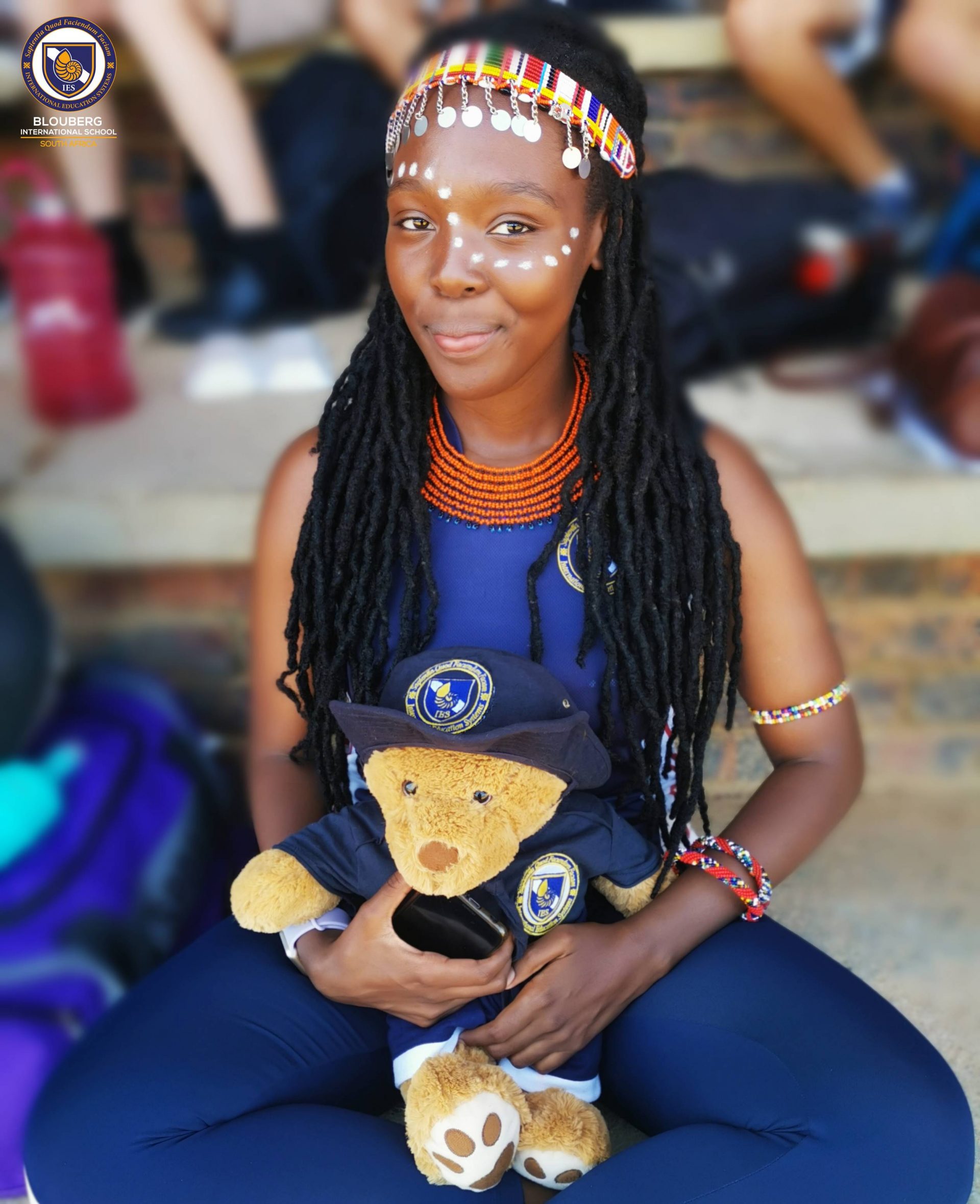
Last Friday the high school participated in the ISA Inter-Schools Athletics Day. Although we did not win first place for the sport, we were winners in a different sense.
The conduct of our high school students conduct was impeccable. Teachers did not have to address indiscipline at all. Our students were well behaved and enthusiastic in cheering on their team mates.
Their conduct made me reflect on healthy, established boundaries. All children need boundaries. In fact, they thrive when boundaries are set and good structure is in place. When children are younger we teach them rules such as no hitting, no grabbing and no interrupting. When they are older it becomes a little bit more difficult especially with the social interactions they have. This is when we teach them to respect others and the boundaries others have in place for themselves.
To establish this, one has to teach them to be aware not just of themselves, but also of others. We need to teach them to have sympathy, empathy and to be conscious of the feelings of those around them. This will also eliminate any sense of entitlement, as reflection of one’s own behavior helps with self-awareness.
This was the model behavior I witnessed in our students last week. Well done to all parents and staff for their hard work in developing such respectful and conscientious young adults.
I wish you all a wonderful weekend.
Regards
Edna